The hardest part about this exercise was actually trying to find an illustration that I was interested in using for the Brief. I did think about this exercise long before I started to write it up as I visited Manchester in August and while I was there I decided to see if there were any Art and Design events on locally that might help me with my course or any of my exercises and assignments. After doing a Google search, I found that there was an exhibition on at The Lowry in Salford for Julia Donaldson and Axel Scheffler who wrote and illustrated The Gruffalo and other various Childrens’ books.
The Gruffalo is a well known Children’s picture book that was first published in 1999 depicting the story of a Mouse taking a walk through the woods and cleverly deceiving and avoiding predators – the main predator being The Gruffalo that the Mouse made up to protect himself against the other predators bt then realised actually exists! He then had to deceive The Gruffalo into believing he is the scariest animal in the woods.
The story is 700 words long and is written in rhyming couplets featuring repetitive verse. The story has been adapted into plays and an animated film for TV which is hugely popular on Christmas Day! There is also a ride dedicated to the story at Chessington World of Adventures and a series of Woodland Trails. The Gruffalo has also expanded to merchandise such as soft toys. In 2004, the story continued with the sequel The Gruffalo’s Child.
The Gruffalo is such a fun character – he looks very dopey and innocent in appearance despite his menacing demure to the small mouse! The Mouse manages to deceive him and escape from him I believe because of this! Scheffler altered the look of the original Gruffalo to make him less scary for young readers as he had sharp eyes and teeth and a more scary appearance and this is how he came about the cute, friendly, dopey character he is today.
The Lowry, Salford
After my Google search to try and find local Design exhibitions in Manchester, me and my Husband quickly realised that we only had an hour to make it to The Lowry and to quickly look around the “Julia and Axel” exhibition. I knew it would be a really good exhibition to go and see and that it could be helpful in my current Illustration unit.
We needed a time slot to be allowed into the exhibition so when we got there with 45 mins to spare we quickly filled in the entry form and showed email confirmation at the door to which we was told they had already let the last group in of the day.. I explained that we were not local and would not be venturing that way anytime soon and that I was a student studying Illustration and that I only needed a few minutes to take some photos to evidence the trip and for me to refer back to In the future – they let us in to look around! This probably worked out well as they told us that it had been heaving with parents, families and children all day and at the time we walked through the door it was practically empty! The exhibition looked into the lives, work and careers of the author and illustrator but it was also an interactive playful exhibition for children to explore the characters from the books. I particularly liked seeing the original notes and sketches – the sketches were bright, bold and vivid Pro Marker drawings on a layout pad and sketchbook pages.
What questions need to be asked/what needs to be instructed in a brief?
I decided to write some rough notes to help me remember what I would need to include in a brief.
I then managed to bullet point the basics of what I think makes up a design Brief:
Overview
What is the story about?
Who is the author?
Who is the reader? Where is it to be read and when?
Supporting information for the Designer.
Client
Who is the client?
Concept
What is required to be produced/represented/communicated?
Any visions/missions/morals/values/life-lessons it needs to represent?
Educational?
Target Audience
Who is the Target Audience?
What is it communicating?
Are there any problems to overcome when communicating?
How does the target audience need to feel? Is there an emotional response that is needed?
Is there a call to action required for the audience?
Inspiration
Any stylistic aspects to be included/researched?
Design
How many concepts are needed for final critique/presentation? What are the requirements for final presentation?
Technical requirements – sizes, dimensions, large/small scale, print or digital? What file formats does it need to be saved as? PDF? PNG? High res?…
What medium is to be used? (hand-drawn, pen, paint, mixed media, digital etc..)
Does any text need to be put on the illustration? What content needs to be included?
Key themes for visuals?
What is the end use? Further advertising/publications/Merch etc…
Timescale
What are the timescales for the design/s and any final deadlines/presentation dates?
Budget
What is the budget for the campaign?
Contact
Who should be contacted during the design process?
Requirements
Accessibility – fonts and any information must be clearly legible and accessible.
Inclusivity – Celebrating everyone as an individual and being inclusive to all faiths, religions, cultures, race, backgrounds, beliefs, colour etc…
Be age appropriate for the target audience given – nothing to cause offensive/sexualise.
Competitors
Any competitors to be made aware of?
I bought this above poster from the gift shop after we had looked around the exhibition – it is the artwork that they used to advertise the exhibition; it has been used in posters, adverts, banners, social media and now as merchandise to be sold in the gift shop. The illustration depicts all of the characters that feature in the books but also in the exhibition – it gives the target audience an idea of what Is being shown and what to expect. The Gruffalo being the main character is centred in the middle. The artwork appeals to all ages but primarily targets young children and their families, (maybe illustration students like myself too!).
The illustration Is fun, bright, happy, innocent, friendly and inviting.
The hierarchy of the poster is simple – top to bottom informing the viewer of the most crucial information. It lures you in with the featured names and then once it has your attention it gives you the crucial dates and information at the bottom. The illustration supports the posters content and further adds appeal and the need to go and see the exhibition. I did want to use this illustration for the brief but it had to be taken into account whether the Illustrator drew the illustration and also designed the poster or whether an independent designer was brought in to do that.
As my brief for this exercise purely concentrates on the illustration alone, I shall write my brief an illustration alone.
I therefore decided to write my brief for this illustration that was in the exhibition and also features in the book itself:
The illustration depicts the moment when the mouse has come to the realisation that the Gruffalo does exist and he is trying to cleverly persuade him that he as the mouse is the most scariest animal in the woods to prevent himself from being eaten on a slice of bread! The look of confusion and complexity on the Gruffalo’s face as he struggles to understand how this tiny little mouse is the most feared animal in the woods, the look of terror on the face of the snake who is visibly terrified of the Gruffalo and oblivious of the mouse and the look of confidence, strength and cunning mischievous playfulness of the mouse who is deceiving all of the predators!
The illustration is very bold, bright and vibrant – it has been drawn by hand using what I believe to be pro-markers and then it has been manipulated digitally for use in the books/film etc…
The primary focus is the characters and what is happening – the theme of the illustration is based in the woods with the snakes home (the logpile), there is a fast moving river or stream in the back of the illustration which could be a metaphor to suggest the flow of the pages and the storyline or show the journey of the characters moving along on each page within the story.
The characters expressions are key to the feel of the story on this illustration – the characters are also drawn to the target audience in mind – they appear cuddly, friendly, fun, innocent, playful and engaging. The colours used are very earthy and down with nature and have the theme of the woods in mind – Browns, Greys, Yellows, Greens, Blues…
Here is my brief for this illustration!….
The Brief
The Gruffalo by Julia Donaldson – Illustration Brief for page 6 of the book
Overview
Julia Donaldson is the author of a new children’s book titled “The Gruffalo” that is predicted to be one of the best-selling children’s books of our time. The story will be aimed at young readers between the ages of three to eight years. Three to five year olds will appreciate the elements of surprise and repetition in the story whilst the six to eight year olds will enjoy the rhyme and rhythm of the text. The story is aimed primarily to be read at nighttime as a bedtime story or to be used as a picture book for younger readers to engage with the characters, colours, theme and emotions of the characters before learning to read.
The Gruffalo is a story which uses repetitive words and rhyme. The storyline starts with a mouse who walks through a wood and encounters three predators – A Fox, an owl and finally a snake. Each of these animals invites the mouse into their home for a meal, the implication being that they intend to eat the mouse. The mouse declines each offer, telling the predators that it plans to dine with a “Gruffalo”. The mouse then describes the Gruffalo’s frightening features, such as “terrible tusks, terrible claws, and terrible teeth in his terrible jaws”
The mouse tells each predator that they are the Gruffalo’s favourite food. Frightened that the Gruffalo might eat them, each animal flees. Convinced the Gruffalo is fictional, the mouse says:
“Silly old fox/owl/snake, doesn’t he know?There’s no such thing as a Gruffalo“
After getting rid of the last animal, the mouse is shocked to encounter a real Gruffalo which has all the features the mouse thought that it was inventing. The Gruffalo threatens to eat the mouse. Instead, the mouse insists that they themselves are the scariest animal in the wood. Laughing, the Gruffalo agrees to follow the mouse. The two walk through the wood, encountering each of the three predators again. Each predator is terrified by the sight of the Gruffalo and escapes to their home, but the Gruffalo believes that they are actually scared of the mouse. Exploiting this, the mouse threatens to eat the Gruffalo in a “Gruffalo Crumble”. The Gruffalo flees, leaving the mouse to eat a nut in peace.
The Design Concept
Our client Julia Donaldson would like you to create an illustration for one of the pages of her book. The page of the story that she would like you to illustrate is the moment the Gruffalo and the Mouse meet the snake. The mouse at this point has realised the Gruffalo actually exists and in a last attempt to try and not be eaten by him, he tricks the Gruffalo into believing he is the scariest creature that lives and exists in the woods by making him follow and see for himself how scary he is to the other animals. At this point in the story they meet the snake who is visibly petrified of the Gruffalo not the Mouse, however the Gruffalo has been convincingly tricked and believes that the snake is afraid of the Mouse and not by him. He is very confused and complexed. The Mouse with a newfound confidence and strength is happy that he is deceiving his predators. The illustration must be bright, bold, colourful and engaging and depict the Gruffalo and the Mouse walking through the wood to meet the snake at his home by the logpile. The colours that need to be used on this illustration need to reflect the theme of the story, (the woods) and reflect nature. The client would like to see a range of Brown, Grey, Yellow, Green and Blue colours as well as texture and an eye for detail with intricate detailing of the characteristics and appearance of the characters particularly the appearance of the Gruffalo –
He has terrible tusks, and terrible claws.
And terrible teeth in his terrible jaws.
He has knobbly knees, and turned-out toes.
And a poisonous wart at the end of his nose.
His eyes are orange, his tongue is black.
He has purple prickles all over his back.
The younger readers will mostly be engaging through the illustrations alone. The illustration must depict the characters emotions and body language. The story has flow and rhythm throughout the book with the rhyming text and the journey that the characters walk in the story – a metaphor would be optional to include in this illustration to show flow, movement and a journey that is being walked throughout the pages by the characters – this could be shown by something in the woods or something that reflects nature.
Target Audience
The target audience for the book is children aged three to eight years old. The story aims to be educational whilst also being engaging for creativity and imagination. Three to five year olds will enjoy the bright, bold, colourful illustrations and appreciate the elements of surprise and repetition in the story whilst the six to eight year olds will enjoy the rhyme and rhythm of the text. The book can be used during younger years as a picture book to promote creativity and imagination, read alone or be read with family members and the child.
The story is communicating a playful, cunning plan to try and survive. Although the Gruffalo is portrayed in the story as being the scary monster he is, he must be illustrated in a playful, cute, funny, dopey and innocent way so as to not scare the young readers. The young children who read the story and look at the illustrations on the pages need to feel safe, engaged, inspired, curious and excited to see the characters and read the story over and over again. There is a possible opportunity for potential new ventures leading on from the success of the book; there might be room for advertising, film/TV production and merchandise to accompany the book and the story in the form of soft toys, therefore the characters need to have strong characteristics and be soft, cuddly and loveable.
The client would like to see three concepts presented for critique/presentation for discussion and feedback. A concept shall be chosen and then time to finalise, changes to be made for final presentation at a later date for the publishing house.
The client initially prefers a hand drawn approach and would like to see drawn concepts specifically using Pro markers as this allows for bright, bold and vivid illustrations. There is then chance to manipulate the illustration digitally for publication also. The client would like the illustration to be no larger than A5. There is no text content needed on the illustration itself.
Timescale and Deadlines
The client would like to finalise plans with the publishing house for a book release date in May 2024. The concepts need to be presented to the client on the 20th December 2023 with hopes that the final illustration can be finalised and completed by February 2024.
For any queries/resources/assetts that you might need and find necessary to help with the illustration process you should contact the client at Julia.d@thisisntreal.co.uk who will be able to provide these for you and assist you further in the design process.
Requirements
The client wishes the book to be inclusive to children of all backgrounds, beliefs and race and would like the illustrations to feel like a “safe place” to spend a few minutes of their day absorbed in the fun, and engaging pages. The illustration must be age appropriate for the target audience with nothing that promotes an offensive or sexual nature.
For this assignment I wanted to introduce myself through Pink Angeleno as this is how I brand my work on social media and on this blog and I know that my tutor already knows who I am and what my work is like, but many people always ask me why Pink Angeleno is Pink Angeleno.
Pink Angeleno was born in 2019 when I first started my course, I needed a brand name that represented me and my work and I was really struggling because I had no idea if I was actually good at Design or whether it was just a pipe dream. I had no idea who I was at that point, where I was going, what I was doing or whether what I was producing was any good. I felt absolutely lost and just dreamed of running away to live a happy, sunshine-unicorn-rainbow life in LA! I do love LA and California and held on to the dream that I might make it back there one day.. I was like an Angeleno that was just lost and living elsewhere! I also loved the colour Pink and this is the colour that everyone associated me and my designs with. it only seemed appropriate that the original name I chose – “Graphically Pink” morphed into Pink Angeleno. I wanted the energy, the fast pace, the colours, the vibes, the excitement and adventure, the street art, the hidden places and the glamour of that lifestyle. I wanted Pink Angeleno to showcase my OCA work but I also wanted it to represent this “pipe dream”. As it turned out though, Pink Angeleno has served me well as I have returned to LA and I know where I am going as a Graphic Designer.
I wanted to come up with a design that would be suitable for this assignment but something that I could also use moving forwards to represent my brand.
I explored in my mind the boundaries of the brief… The brief stated “greetings card” but I wondered whether a post card could class as a greetings card. After doing some research and searching Google for some one sided “post card style” greetings cards, I realised that they are two very separate things and that I should stick to what the original brief wanted.
The brief allowed any type of media but I decided to do this assignment digitally using Illustrator.
I started off with brainstorming some ideas in my sketchbook about what I might want to include on my design:
*The photos of the Roses on the page are nothing to do with this assignment but I am trying to document as much as I can in my sketchbooks – I had a lovely evening of dog sitting my Dads dogs and he lives in a countryside 1600s house with a big garden full of amazing flowers and I sat down on this night with a glass of wine, cut a rose from the garden, lit the fire and sat down to sketch. It was bliss.. so I decided to document the moment!
I sometimes on my social media post a photo of my desk space with the caption “Greetings from Pink Angeleno HQ” SO I decided to move forwards with this idea. I had the idea to illustrate my working space on the front of the card. I then had the idea to make the card have a design on the front and the inside and allow the design from the front to flow on the inside of the card. How I imagined this was to have my Mac on my desk space have a wallpaper which would then continue onto the inside. The wallpaper I had in mind was the Hollywood sign and then on the inside of the card I would illustrate more of the Hollywood Hills from a photograph I actually took whilst I was hiking the Hollywood Hills and include some little illustrations around the outside of other things in LA that I liked which would sum up my interests and why I called Pink Angeleno “Pink Angeleno”.
I also explored the idea of pop up cards and more complex designs – I later decided to keep it simple though as this is an introductory, simple brief and I felt it didn’t require the complexity. It would also be easier for the print process being one sided and a simple A5 tent-fold card.
I took a photograph of my desk space:
From the photograph I then drew out the first initial drawing of my desk space in Illustrator. I missed out the non important “clutter” and kept the essential items from my desk space. Once I had the basic drawing I could then go about adding colour:
I added colour and I just didn’t think much of it. It had everything in the illustration from my desk space but it didn’t show Pink Angeleno… there was nothing pink truly about it and the only element that hinted on LA was the wallpaper on the Mac. I have my cuddly toy chameleon (George!) sitting on top of my Mac and thought it would be fun to make him interact with the screen in the illustration!
I then sat and thought more about Pink Angeleno and how to best illustrate this on my greetings card. My current Pink Angeleno brand was neither here nor there.. I had a drawing I drew for my first ever OCA assignment which was a similar one to this… Create a postcard sharing who you are and the illustration I created for this I have kept as part of pink Angelenos identity all the way through. it is significant as this is how people identify my design and work and it is how It all came about:
I knew that I cannot reuse old work, but I then wondered if I could update Pink Angeleno which would help with my assignment and also create more of a solid brand for my work moving forwards.
Pink Angeleno is very vector based, a lot of my work are illustrations that I have drawn and then created into Vector art using Illustrator so I knew that my work for this assignment would be the same.
Once again, I turned to my sketchbook and started to sketch out little ideas that I feel sum up what Pink Angeleno stands for.
“You can’t grow in a comfort zone” is pivotal to me – it is what made me jump out of my seat and go for it in the first place. in my first ever sketchbook I drew a random doodle of this so it was only relevant to use it as part of this. Free Falling, a song by Tom Petty describes the emotion of wanting to fall off the top of the Hollywood Hills – it is I believe a song about getting out of a relationship but I associate it more with a feeling of escaping reality – that is very much the basis of the origins of Pink Angeleno. Melrose Avenue is just a cool place – shady in some areas I guess- but just a cool place! It is full of street art, graffiti, bright colours, thrift shops, unique bars and everything quintessentially LA!
Here are a few snaps I took of Melrose:
Cool right?… oh… also, here is my husband enjoying it too! – (with my Barbie bag!) 😛
“What’s your dream?” is an iconic line from Pretty Woman the film that I just had to include.
From drawing all of these I then had the idea to scrap the original idea and use the photograph of me in front of the Paul Smith Pink wall as a basis for a completely new idea..
I thought about using the photograph to create something like this:
I put both ideas on the back burner until I had drawn out my illustrations:
I then figured I needed to rebrand my Pink Angeleno logo ever so slightly.. the first ever original drawing I did for it was back in 2019 and I didn’t know or take into consideration then the readability and size of it when making it as part of a logo..
After a lot of thought though I didn’t want to lose the original identity of it as it means a lot to me so I went to work adapting it and making it as part of a basic logo.
I sketched up some more ideas for a logo – these manifested as a simple letter P with angel (or Angeleno) wings:
This was the final logo that I settled on and I quickly made it as part of my social media!
I also gave my original drawings a “glow up” and adapted them with my illustrations from my sketch book.
I then went back to both of my ideas for my greetings card and decided to go back to the first original drawing and idea but just to include the recent illustrations I had drawn. I used the colour combo of Pink and Green just because I love the colour pop and the colours remind me of a Watermelon, summer splash combo!
The colours of it here are extremely bright and vivd because I have saved it as a RGB PNG suitable for screens; however the file format I saved for print was a PDF format:
I also added a QR code onto it.. What better way to show who I am than a card with a direct link to my website? Instant promo and info on who I am.
My document was set up in Illustrator to an A5 size with a 3mm bleed.
I have never sent anything off for professional print before, but as I now work as a Graphic Designer in my new job, I have experience of sending artwork off to print with various print companies. One of the companies we use is printed.com. I only wanted 1 printed card which not many companies can do without a minimum of 10 prints but printed.com were able to print just 1 of my cards which was ideal and saved me unnecessary, added expense.
For this exercise the article that I chose to draw my illustration from was an article I found in Psychologies Magazine titled – “How Nature calms the mind”. It focussed on how doing little things daily outdoors can help reduce anxiety and spiralling behaviour. What I found from completing the exercise was that the main focus of the article was that spending 20 minutes in the garden daily can work wonders for the mind and soul.
I went through the article and highlighted the key words that I found to be important helping me move forwards with my illustration:
For some reason whilst I was reading this, all I could see in my head was a free, chilled out, easy-going woman gardening in the sunshine in the style of one of the Grecian goddess style garden ornaments. I thought this would be very fitting for my illustration – The Grecian Goddesses wear very minimal clothing and this could reflect being in touch with nature and going back to nature. Thee statues are very feminine and this article is very much aimed for the female target audience. The Grecian Goddesses also belong in the garden which is the whole message of this article.
I sketched a rough idea in my sketchbook of what the idea was in my head – even though it was only really sketchy, I really liked it! I drew squiggly hair which reminded me of an Afro hairstyle – I then wondered if I should make my figure dark skinned but I then decided that my figure should just have a dark sun tan from being outside in the garden each day. I then had the idea that the squiggly hair could be flowers blossoming – this would represent the garden in the article but it would also represent self development, growth and the fact that the mind is now clear enough for life to grow.
I drew this sketchy illustration with a large trowel balancing in her arms and a watering can in her hand and I contemplated making the illustration look modern and relatable by letting her wear garden Wellies.
I looked on Pinterest for some further ideas; I needed a photo of a Grecian Goddess statue rework my sketchy illustration around and I needed ideas for the 20 minute aspect of the article.
I wondered how to get the 20 minutes into the illustration and I instantly thought of a Sun Dial in a garden. Whilst I was searching Pinterest for ideas for this, I also came across a pop up advert for B&Q which had an image that seemed perfect for my illustrations hair. I could copy these flowers and draw them onto my illustration:
I then started to draw out a few variations of my garden Goddess to decide which one would work better for my illustration:
I also took photographs of me holding items in the way that I wanted my illustration to, so that I could accurately draw from the photographs and make my illustration as realistic to a human pose as possible:
When I think of 20 minutes I think of a clock face and how 20 minutes looks on it. I drew this out and then realised that I could turn the clock drawing into sun rays to represent nature and the warmth and happiness of being outside. I drew out my chosen design for the Goddess and drew the 20 minutes into it and I liked how they worked together.
I then drew my final illustration out onto mixed media paper and decided to use ink, Pencil and colouring pencils to create the final piece.
This is the final piece. I am pleased with the tonal value and shading on the piece to give it some depth. The flowers are very simplistic and I feel with more time and practise I could have made them more realistic.
I then digitally manipulated it to put on my social media and changed the colours to brighten them up slightly for screen.
For this exercise I decided to look at the work of E.H Shepard; although he seems a popular obvious choice to pick from the rest of the artists’ I hadn’t particularly heard of. E.H Shepard is famous for his illustrations of Winnie the Pooh; I have tried in the past to search for the first drawing of Winnie the Pooh which is held in the Wren library in Cambridge but it was during the Covid days and sadly I wasn’t able to see it.
I like the sentiment behind Winnie the Pooh and this makes the drawings and the stories more personal and more “real”. Although, I never realised until I researched E.H.Shepard that Winnie was drawn from a Bear called “Growler” belonging to E.H.Shepards granddaughter, not in fact from A.A. Miles son’s Bear, (Christopher Robin). It also reminded me of a collection of “odd” stuffed toys I have in my house from when I worked in my previous job in Textiles In a school. A group of students passed down their work to me (the collection of “odd” bears!) which I kept in my classroom until I left. They now sit in my home on top of a vintage typewriter and I have always joked that if I was to ever go on maternity leave or have a long break from work (very unlikely!), I would create a children’s’ book and illustrate it just like E.H Shepard did with Winnie the Pooh. The Tales of Old Bear also comes to mind, a blast from the past in the 90s when I was growing up! Researching E.H Shepard and my stuffed toys gave me the idea for this first brief before I had even started.
Although Shepard is a Painter, the works I mostly looked at for inspiration for this first exercise were his works in pencil. His initial first sketches for Winnie the Pooh were drawn in pencil. Shepards work has a lot of energy, movement and playfulness which I like – His drawings brought inanimate objects to life. His work was very “sketchy” and his pen work was “scribbly”- combining pencil and ink and this is particularly what draws me to the work of the illustrator as I like to draw in pencil and ink. Shepard drew a lot of rural scenes and when he used colour in his work he was very expressive; later illustrations of his that were remade for newer books using washes of colour over the top of his existing ink did not work as well as the original watercolour that he painted with his ink.
So… Who was E.H.Shepard?
Ernest Howard Shepard was born on 10th December 1879 and died on the 24th March 1976. He had two children; a son and a daughter. His son died during the World War and his daughter went on to become an illustrator too. Shepards first wife died early on in his life and therefore he remarried for the remainder of his life. Growler the Bear in question belonged to his granddaughter Minnie but was destroyed by their Dog. It seemed that Ernest resented his work that he did for Winnie the Pooh, or that “silly old Bear”, as he said it “overshadowed” his other work. As well as illustrating Winnie the Pooh, he also illustrated another famous book known for it’s soft, cuddly characters – The Wind In The Willows.
Shepard’s original 1926 illustrated map of the Hundred Acres Wood from Winnie the Pooh, (which features in the opening pages of the book and also appears in the opening animation of the first Disney adaptation of Winnie the Pooh), sold for £430,000 in London which set a world record for book illustrations.
Shepard was a painter; his Mum was the daughter of a watercolour painter and his Dad was an architect. He was very much born into creative genes! Shepard attended some Fine Art schools and by 1906 he had become a successful illustrator having worked on and illustrated editions of Aesops Fables, David Copperfield and Tom Browns’ Schooldays. He also worked as an illustrator at Punch – a magazine that would later be edited by the husband of his Daughter. He exhibited at many exhibitions -both traditional and radical but his favourite was always The Royal Academy on Piccadilly in London where he showcased 16 times. His first wife Florence was also a painter and as Ernest was a Londoner, they found home in London’s West End for her 25 year career.
In his mid-thirties he was assigned to World War 1 and was assigned to sketch the combat area within the view of his battery position. He served briefly as an acting Major and was awarded the Military Cross. He continued to observe and send back information in spite of heavy shell and machine gun fire.
Throughout the War Shepard had been contributing to Punch where he was a regular cartoonist. In 1945 he was promoted to main cartoonist. It was here that Shepard was recommended to A.A.Milne, Milne thought that Shepards style was not what he wanted to pursue but he used him to illustrate one of his books of poems and then once he was happy with the work Shepard had produced he commissioned him for Winnie the Pooh. Milne also shared royalties from the book with Shepard.
Milne inscribed a copy of Winnie the Pooh with a personal message to Shepard which read:
When I am gone, Let Shepard decorate my tomb, And put (if there is room) Two pictures on the stone: Piglet from page a hundred and eleven, And Pooh and Piglet walking (157) … And Peter, thinking that they are my own, Will welcome me to Heaven.
A. A. Milne
Shepards work is so famous that 300 sketches were exhibited at the V&A Museum in London in 1969, Shepard was 90 years old.
Megan Hess
The second part of the research in this exercise was to find a modern, contemporary illustrator and explore the differences in style and imagery.
I chose to use Megan Hess as my second illustrator. I have always been interested in fashion and fashion illustration from a young age – my primary school teachers used to say that I would grow up to become a Childrens’ book illustrator as I loved drawing illustration of fashionable older girls wearing cool clothes that I would have never been allowed to wear!- influenced massively by The Spice Girls and the fashion of the 90s! Later on when I studied my BTEC in Graphic Design I had to complete a project on 1960s fashion and once again I was asked if fashion was more of what I was suited to rather than Graphic Design! I do believe though that all areas of Design are under the same creative umbrella and they all overlap and intertwine some how. This exercise seemed like the perfect opportunity to put that to play!
Megan Hess has a lot of similarities to Shepard, it’s just that her work is from modern day and her chosen subject is Fashion illustration for books. Megan writes her own books focussing mainly on fashion icons of times gone by which she illustrates although she has written and drawn her own range of Childrens’ books which focus more with young people in mind and cuddly characters (similar to Shepard) but still making them fashionable and modern.
I own a couple of Hess’s books – one about Coco Chanel and one all about the most iconic dresses and figures from the last 100 years.
Megan Hess famously illustrates using her Monte Blanc ink fountain pen that she fondly names Monty! Hess has a very fluid, freehand, free-flowing effortless style which I love. The majority of Megans work is Black and White ink but when there is colour present on her drawings it is mostly in the form of mixed media digitally manipulated onto the illustrations.
I had a copy of her book which used to rip out pages for a display board at work so I used this to glue some examples into my sketchbook to show how she manipulates mixed media digitally onto her work. Designing digitally is definitely something that would not have been possible in the early years of E.H.Shepard.
First Ideas..
For my illustration I was about to do for this exercise using inspiration from both illustrators – I knew I was going to be making a modern piece for the fact that I was using such a modern day illustrator as part of the process. My piece would need to have a nod to Fashion but still maintain a childlike, imaginative story. There is such an air of innocence with Winnie the Pooh – it is very soft, gentle, innocent, warm and happy. I needed something modern and grown up to clash with a subject very childlike. The instant thing that came to mind was a Teddy Bears Party – not a tea party and a picnic in the park though! I was imagining an elite Cocktail party at a posh Cosmopolitan Hotel in London or New York, two very unlikely pairings! The image of a glamorous, Designer clad, waif woman being walked home late one night after a party after a few too many cocktails guided back to rural home by the streetlights from the city with Teddy Bears to hold her hand… or in this occasion my “odd” Bears! I would draw my “odd” Bears in a similar style to E.H.Shepard; give them personalities, bring them to life and then pair them with a contrasting chic drawing of a fashionable, 9-5 woman who works in a fast paced Fashion industry in the city. Bringing childhood and imagination back to the grown up.
This idea also made me think of Jean Shrimpton and her time in New York with David Bailey where they were photographed for the first time for Vogue in a very controversial manner – Bailey insist that she have her photograph taken with a Teddy bear that she was carrying around the city much to the Editors dislike at the time. I also thought that maybe my illustration could have some 1960s influence – a babydoll nightie which were very popular in the 1960s but create a modern-day, going-out version of the dress for my character to be wearing to the tea party.
I needed to try and sketch some drawings in the style of the illustrators and research into my ideas first though:
I really liked this illustration; it is very free-flowing, loose, fluid and sketchy and I really liked the 1960s style of dress. The hair reminded me of an advertising poster I found in some of my Mums old stuff about 15 years ago that I loved and I now keep as inspiration for any of my future work:
I wasn’t sure though if it resembled too much the work of Megan Hess; The dresses she normally illustrates are very voluminous, dressy, big and Princess-y.
I found a YouTube video by Megan Hess where she gives a tutorial on hoe to draw in a similar style to her, I gave it a watch and redraw again but this time with a bigger dress.
I then needed to start drawing up some of my characters for my piece – My “odd” Bears! Well, I only have 2 “odd” Bears and then I made the third Bear up in a similar style to Winnie The Pooh.
I felt that I wanted my fashionable woman character to be holding the hands of the Bears but she would be too tall for this – I envisioned her to be holding the biggest Bears hand and then for the others to be holding on like a chain link. I photographed my Bears in this way so I could draw them more accurately.
Below is a rough sketch of the idea I had in my head of her holding the Bears hand and a few illustrations I sketched out in a rough, free-flowing, care-free style of E.H.Shepard.
The illustration below is a more detailed yet still a rough sketch of how I wanted my final drawing to look. I added a party hat onto her head to bring the childish element into my drawing. This illustration represents grown up Fashion but it also shows the softness, kindness and child-like play.
Usually I never like drawing faces! I used to when I was little – but I would always draw my characters with massive heart-shaped cupids bow lips, big eyelashes, perfectly arched eyebrows, little cute commas for a nose and some freckles or a beauty spot!
I knew that my character would need a face; I needed to be brave and try to draw some facial features and expressions. Below are my test pieces in the style of Megan Hess!
(I think a few of them resemble Megan Fox with the high cheekbones!!)
I decided that my character would have a ponytail in her hair with a big Bow – it is modern, chic but timeless and also a lot of Megan Hess’s illustrations have similar hairstyles.
I then had to think about trying to draw an accurate representation of a Woman leaning over holding Teddy bears hands whilst holding her long dress from trailing on the floor in the other arm. To do this I knew that I needed to draw from person and enlisted my husband to help me pose for some photos and take some of me in various poses that I could draw from them to get a close representation for my drawing. I also needed the Bears to be holding hands and needed to hold them in a similar position to draw from. I also massively struggle drawing hands and needed a visual representation to draw from.
I was trying to use the quilt cover on the bed as a a representation of a puffy dress but it just didn’t work! I also tried with my Wedding dress but it was too fitted to my body!
I also needed the correct representation of how her hands would look on the drawing, so I used myself holding a stapler to represent how she would hold her dress in my drawing!
I wanted to use Ink and Pencil to draw the main illustration but I also knew I wanted to use another media that both the illustrators use – this was Watercolour. Shepard and Hess both use a wash of Watercolour over there sketchy ink drawings.
I am not very good using Watercolour so I knew that I firstly I would need a practise piece:
In my final piece you can see that the city landscape is in the background and that they are walking back home along the shore line. The bigger Bear of the 3 is having fun stepping in and out of the sea as it washes in and out carrying a balloon from the party they have just been to.
I liked the washy Watercolour over the ink but it just looked a bit flat; for my final piece I would need to add more depth and tone.
The Final Illustration
Looking back on my finished illustration I think the idea for the narrative of the illustration was good, (I would have liked to have created a series of prints storytelling the whole party!) but the illustration still needs some work. I am not pleased with her face, it looks very alien! Her hair is also not very lifelike. I like how I added tone and depth to the illustration though. The colour of the dress is very rich and bold and I tried to emphasise the size and shape of it with tonal value.
Overall I think I captured the style of both illustrators in my illustration through the techniques they used with their chosen media but also through the narrative and story of the illustration.
My first thoughts about this assignment was that it is a big assignment and a lot to design for! I was also nervous about figuring out what papers to choose for the publications; there is so much choice and trying to work out the different weights and figuring out which papers do the best job for each part of the book seemed like a foreign language to me even though I did the previous exercise studying the different paper samples etc.. I just figured that I would go off using my GF Smith paper samples; after all I can physically see and feel all of them to know what would be best!
Research
I started to research first, obviously I knew who Robinson Crusoe was and I knew vaguely what the story is about but I didn’t know enough to be able to design two books. About a week before I started this exercise my Mum had some old books that belonged to my Grandma and Grandad when they were children which she no longer wanted and didn’t have room for. For the purpose of this course and because I didn’t really want to lose them, (there’s that sentimental feeling that books give you! – trying to keep hold of them as they are heirlooms and hold their own story and history within their own right!) I took them off my Mums hands. One of the books was a thick, red, cloth bound omnibus of adventure stories of which included Robinson Crusoe which was a bonus! From first glance at the brief it states I needed to mock up my covers; I usually do this in a digital form by finding a book mockup online and placing my designs onto it. I thought this time though it would be a good idea to mock up my design onto this actual book! – it would then hold even more stories and history; firstly that it was gifted to my Grandma for being a good student at school and secondly it would have a new cover designed and made by her granddaughter 70 years later – my grandchildren might hold onto this copy and try and figure out why I designed a new cover for it so many years later! You never know, they might be artistic and add their mark onto it too!
Also, a hardback collectors edition does not need to be lightweight – they are made to purely keep at home on a bookshelf with no need to carry around so this was a perfect book to model it from.
I now had a copy of Robinson Crusoe in my hands; I didn’t have the time though to sit and read it all. I decided to cheat a little bit and find a pdf version online which I skimmed through; I also read a few summaries of the book. Reading these were interesting! There were so many takes on the story- bad and good! Some people were saying it is a marvelous tale of bravery and adventure whilst some other reviews were that it is a seriously outdated story of slavery and racism (They also used the image to accompany their review of Desmond out of Lost which confused me because I couldn’t see the link between the two!! *shoulder shrug) I could see both sides of the argument but also understand that is it an incredibly old story and times progress and evolve!
The key points that I picked out from the story were:
Friday – the slave boy that Crusoe rescues from the island and brings back home.
The cross that Crusoe builds on his arrival to the island – to use as a religious artefact but also to use as a calendar to tally and scratch the days off onto.
The Parrot, Goat and Dog that he owned on the island
The Cannibals and mutineers that he had to avoid
The footstep in the sand that he found which petrified him and reminded him that he was not alone on the island.
Having had a quick glance at covers they all seemed to be based around the same ideas; the island, sun, sea, sand, parrots, illustrations of Crusoe in raggy clothing on the beach… I did not want to create another cliched cover. I wanted to try and venture outside of the box and design something that wasn’t completely obvious.
I went onto Pinterest to start off with and researched more into the different covers and even just shipwrecks, sea and being a castaway in general just to come up with some ideas, colours and moods.
As I was on a tight timeframe I didn’t want to waste any time I had in trying to research into covers as I knew that this assignment wouldn’t be a quick process! – therefore even sitting in bed at nights I was looking at Amazon, Ebay and Instagram to see their copies of Robinson Crusoe!
I liked the cover above with the anchor and the simple RC. This gave me sailing vibes and the anchor definitely relates back to the sea. The ornate border around the outside gives it a classic feel but also relates back to the era of the book.
I even found myself looking at the book section in Tesco every time we went for a shop just to see what cover designs there were for similar books or any book actually! I wanted to see what different covers existed that I could steal some inspiration from! I found a few:
These intrigued me because I was under the impression that for paperback books you didn’t generally have coloured tipped pages.
The book below was interesting becasue the inside box was cut out to reveal the page underneath. The cover also ran short on the right hand side – it gives the impression of the sun moving across the sky at certain times of the day. The cover is very simplistic as well. It is bold and catches your attention.
I also found the Goddess Guides on my sisters bookshelf; I totally forgot these existed given the fact that the white copy used to be mine and I bought her the pink copy as a birthday present! These are beautiful covers! The covers have a fuzzy felt feeling! – really soft and luxurious to touch. They also feature a repeat pattern which is where my ideas were leading…
I also went into our LRC at work and had a look at a few copies in there to see what designs already existed:
These were very basic, uninspiring copies. They also seemed very dated and not very contemporary in feeling.
One cover that I found that really intrigued me was the cover for Robinson Crusoe that Coralie Bickford-Smith designed. It was quite coincidental as well considering she was one of the designers from the previous exercise that we had to research into and also considering that before I started this unit I had no idea who she even was.
This wasn’t an obvious cover design for the story – not any of this design represents being shipwrecked, sea, sand, island.. parrots! – it shows stages of the moons using hatched lines. Why the stages of the moon? it shows time – time spent and lost on the island. It is a very clever approach and really makes the cover more intriguing. It would definitely makes me pick up a copy and question and try and work out how the cover relates back to the story and what the story could be about. This is the sort of design outcome I wanted to achieve. I also liked the simplicity of it. There is beauty in simplicity – good design doesn’t need to be complicated.
Coralie Bickford Smiths cloth bound covers also interested me in the previous exercise and I wrote about how I would use the influence and inspiration from these to use in my own.
Image from Penguin Books
The other books I wrote about in the previous exercise that influenced me were the seasons editions designed by Kate Armstrong:
Initial ideas for Hardback collectors edition of Robinson Crusoe
I decided that for the hardcover version of Robinson Crusoe I would like to create something similar.
I wanted to take inspiration from both the above designers but for my design to not be too similar. I decided that the original book I was going to use of my Grandmas to mock the design onto was already cloth so I could have a paper cover and try and laser cut a design so that the cloth book showed from underneath the design. This would give a classic, contemporary look. I also have a laser cutter at work so felt that this wouldn’t be too much to achieve! I just had to figure out the design and then try and create a path around it in which it would be cut.
Knowing what to do for the design that wasn’t cliché and like everything else I had seen was challenging at first. I knew I wanted simple and an old exercise from many years ago when I was at college reminded me of how to go about it – take a complicated image and strip it down to its bare essentials. A bit like this assignment about form and function – take something down to its simplest.
The cross kept coming back into my mind because it had 2 significant meanings – 1) for the calendar it was used for and 2) for its religious impact on Robinson Crusoe and how it helped keep his faith throughout his time of being stranded. The religious aspect would have also been more meaningful in the 1700s when the book was written – it shows the history of the story.
I didn’t want to just show a cross on the design though because this would indicate it is a religious book to the unsuspecting reader. From researching Bickford- Smiths covers and Kate Armstrong’s I wanted to mirror something similar in the way they used a repeat pattern to cover the cover. I started sketching ideas around the cross and other elements of the story to see what I could come up with. In the back of my head remembering to strip everything down to its simplest form.
I was trying to from a cross as part of an anchor (remembering the cover above I talked about that gave me inspiration with the anchor and the RC) Could I form the rest of the story in with this simple illustration? Could I add some waves and the island and it become a symbol yet an image that is easily understood what it is?…
I took a photograph of one of the sketches and imported it in to trace around in Illustrator and create some artboards of different ideas to compare and develop.
I started by measuring my Grandmas book; width, length, width of spine… to give me the dimensions for my document. Once I had the correct size document I then traced around my sketch.
The simple outline I ended up with was this:
Here it is explained!
I played around with putting an anchor at the bottom of the design but I felt it trapped and constrained the design – it felt like it had more space to breathe and more negative space being empty at the bottom.
I felt it had potential… I messed around with it as a single image on a cover and by accident ended up unknowingly at that point with the design for the paperback edition! However… for this version I did change my mind and make the design into a anchor at the bottom, I felt it just explained the image more.
At this point though I had to figure out a way to repeat the design to make a repeat pattern and then work out a way in which I could laser cut it out to make the final cover!
I played around with the design below and felt it was moving in the right direction but it wasn’t quite there!..
I played around a lot more until I came up with this:
This looked classy and contemporary. I liked it. All the design is was the simple line drawing repeated and rotated at different angles to form a repeat pattern. Now I had the basis for my design I needed to create a path around the design so that I could laser cut it out eventually…
I did need to decide what colours to use for my design though. The original book of my Grandmas is Red so I needed colours that would compliment this. The colours I was thinking were contrasting, cool colours like blues or greens – these also tied in with island and sea theme.
I like the top middle design below because the green and the pink outlines really worked together but then I realised that Pink and Red would not be a good combination! The middle bottom version worked perfectly – I know the old wives tale of “Blue and Green should never be seen” but I made an exception in this case because they worked a treat together!- plus this saying comes from mariners and sea goers from the fact you should never paint your boat blue and green because it is bad luck and would not be seen out at sea.. I guess this ties in well with the fact that Crusoe was shipwrecked!!
Using the influence from the book cover I researched with the anchor and the simple RC, I decided to use this influence on my own cover and that is where I have left the space free at the bottom. I wanted R.C to be embossed onto the actual book. I had no idea how I was going to do this yet especially as the book is one that belonged to my Grandma. All I did know was that I would have to use the back of the book as the front was emblazoned with “The Favourite Omnibus”.
The next step was to create the book cover layout in InDesign.
I measured the Red book again to make sure that I had the exact measurements I needed.
I measured the front of the book and then created an InDesign document to that exact size. I then turned off the option in InDesign to allow pages to shuffle which meant that I could place pages next to each other on a layout. I then moved 5 pages alongside each other before changing the size of 3 of them to allow for the spine and the 2 inside cover flaps.
I used Baskerville typeface for this whole piece; it is such an elegant, classic typeface and it ties in with the era of the book itself. The modern repeated design and the modern, bright colours mixed in with Baskerville typeface really gives the whole design and book cover a classic contemporary look. I might be biased but I think it looks beautiful! 😉 I included the use of laser cut elements on the inside flaps too.. I planned to design inside cover pages and this would allow that pop of colour to show through!
I used the use of the grid to align my text up across the whole layout and to make sure that the hierarchy and design was balanced all the way throughout. On the inside front cover I wrote a short blurb on Robinson Crusoe and what the story was about, on the inside back flap I wrote about Daniel Defoe – this allows for the reader to know the history and historical references behind the author and the story.
I tried to use contrast throughout the design with different size text (large next to small) and by highlighting certain areas of text using the Royal Blue colour. I wanted repetition throughout the whole design.
I also used the Viking Press logo as this was the publisher that the brief stated I needed to use.
Even creating the layout of the whole complete book cover was challenging because the biggest printer I have at work is A3 to print out on. My book layout slightly overlapped A3. I had to create the layout as a whole but then also create 2 more documents to split the layout into 2 halves and then when I printed them out join the 2 together seamlessly at the spine with some photo mount! It worked easier than I expected to be honest!
From doing my research I always knew I liked cloth bound books but in this case I had the cloth bound book in the form of my Grandmas book, I then knew that my laser cut design and the book layout as a whole needed to be printed onto some kind of strong paper or card. Card wouldn’t allow me to have a luxurious feeling and normal 80gsm paper would be too thin for the job and easily rip as well as not giving that professional, luxurious feel.
What I managed to source was this:
It is a thin, glossy card. It is very smooth to touch and gives a lovely shine and shimmer. I printed my book cover layout onto it using a laser printer so the quality was very high! It is also thick enough to be able to be cut into but not weak enough to rip. It is the right weight to be folded neatly around the actual book too.
In regards to designing the rest of the pages for the book I was restricted. I didn’t want to ruin the pages of my Grandmas original book that I was mocking my cover onto. The book itself has hard board plain insides that had started to yellow and I felt that I could design some inside cover pages and cover these using the same card from above into the existing book.
This was the design that I went with:
It ties in with the design on the front. It uses the same colours as the front and the use of the block Blue colour really adds a pop of rich colour against the Green front cover when you turn the page over. Again, it gives a classic contemporary feeling. The repeated pattern seems quite luxurious and regal in appearance but the bright colours really modernise it and make it stand out.
Although I can’t include any pages in this book because the book is whole as it is and I didn’t want to ruin any original pages from the book, I did create some pages just for an example that could be used within this book if it were to printed into a new cloth bound book just like my Grandmas.
If I was to professionally publish my own version of this book I would have a Red, clothbound hardback book like my Grandmas and include my laser cut designed cover on its 160gsm glossy card and then have a plastic cover over the top to protect the book and the cover from the elements. It is a hardback collectors edition so it needs to be kept clean, protected and dust free. It also makes it feel and look more luxurious and expensive compared to its paperback friends! The inside pages would be from the GF Smith book of paper samples – I have chosen 115gsm Glacier White paper for the pages of the book because it is thin enough to be able to turn the pages easily but it is also a luxurious, smooth finish (as I attempt to show in my video!) I wanted to use a more luxurious feeling paper for my hardback collectors edition to what I would use in my paperback edition.
Attempting to laser cut…
The majority of my time spent on this assignment was trying to problem solve ways around trying to cut it out on the laser cutter! (*spoiler alert* I still ended up doing it by hand with a scalpel!)
The problem is that although I love the little, old antiquated laser cutter at work it is not compatible with Adobe or modern programs! To get my design from Illustrator over to the laser cutter I had to use the laser cutters software which is 2D Design.. (that is another b*tch!!) and manually draw around my design again so that it is readable for the laser cutter. That was great! – 2 solid work days later (whilst the rest of the school were on activity days!) I had perfected the stencil in 2D Design… I had also completed the whole book cover layout in InDesign which I was really pleased with. The plan was to print out the layout from InDesign of the whole book cover – including the original front cover and then place this onto the laser bed in the laser cutter… using the 2D Design document with the second stencil of the design I drew, use the laser cutter to go over my original drawing on the printed copy on the laser bed.. sounds complicated right?.. It actually really was… trying then to communicate to the laser cutter the exact, precise location to cut.. nope… 2 days completely wasted on this!
Below shows me drawing out my original design in 2D Design to create the stencil!
I took my printed copy of the layout I produced in InDesign and cut it out using a scalpel knife – it didn’t give the same professional appearance but it was the best I could offer at this point! For another solid work day I spent cutting out the front and back covers of the book!
The mockup
Once I had finished cutting out my cover I then went about mocking it up onto the original book. I was overall pleased with how it turned out. If I was to redo it I would possibly make the border area of the front and back covers wider because I found that I lost some of the border when it was placed onto the book (have a look at my video!).
I did mess up though (as I also explained in my video) because I was trying to find a way to emboss the R.C onto the cover; I had a letraset sheet in 84pt Helvetica and I knew before I even transferred it that this would be the wrong choice! – Helvetica is a very emotionless, strong, bold sans-serif typeface and the cover I have made is very soft and feminine in its appearance especially with using Baskerville (a very delicate and classic serif typeface) throughout the design. I instantly regretted my impulse decision. I then realised that I couldn’t scratch the letters off the cover so I knew I would have to take photographs of the final product and then Photoshop the letters out and Photoshop some Baskerville on to it!
I also added my own inscription into the book cover so that my future generations of relatives can see that the book has been handed down and things have been added to it. This book has its own story now!
I took these photographs and imported them through iCloud and then went about the process of tweaking them in Photoshop so that they were fit to upload to my social media design account @PinkAngeleno and so that they could be used as the final mockups for my design!
The Mockups
The paperback pocket sized, travel friendly edition
Designing for the paperback edition was a lot easier – it turned out that I created the cover for my paperback edition completely out of experimentation and it turned out that it just worked!
The Hardback edition and the paperback edition are very different publications in the fact that the hardback edition is a heavyweight, luxurious collectible work of literature and art whereas the paperback is purely a travel sized book that would get stuffed into a backpack or a pocket, the spine would get creased, the pages would get creased and it would be a much cheaper publication to produce in general.
Although they are both very different in publication, I needed the design to be very similar though; I needed them both to be seen as though they were part of the same series. If you was to put them alongside each other I needed them to be seen as though they related to each other in some way. I needed repetition in design. I decided to use the same colours, the same motif and the same typeface.
This was the accidental experimental design that I was messing around with for the hardback edition but then I ended up using for my paperback edition:
It uses the same motif or line drawing that is used in my hardback edition – which I repeated to make the pattern on my front and back covers. I used the same 3 main colours and placed them into 3 blocks. This is a very simple, bold and an attention seeking cover.
The Red also ties in with the hot sun, the Green ties in with the island and the Blue ties in with the sea – they are all in order according to the design too.
I have a tiny travel guide book to LA which I modelled this cover from. I measured up the LA guidebook and it was 110mm x160mm and as I did before with my hardback edition I created an InDesign document and then added 5 pages to create the front, back, spine and 2 inside flaps. I chose to do the book this size as it is a book to be taken places and to travel with, it is a book to take with you on your own adventures!
I then created a very similar layout to that of my hardback edition. I didn’t need to split the design over 2 sheets this time as the size of the book cover fitted on an A3 sheet and was easily printed onto 1 sheet. Again, I used the same 160gsm glossy, card paper stock that I used for my hardback cover – just because it prints a dream and because it gives a nice glossy appearance and is strong to keep a book protected.
I also created the pages that I would mock up inside the paperback edition; again, very similar to those that I designed for the hardback edition but different in the fact that I used less colours and they are not as ornate. The inside front cover uses the same design as the hardback edition but isn’t in the striking Blue – it uses Blue as the main colour but on a white plain background. These pages in this paperback are to be printed on basic 80gsm printer paper and for it to be a basic, cheap and lightweight as possible. I have done a little video below to show my choice of paper:
As my video above shows, I then decided to print the cover out and attempt to see how it would be put together properly in industry. I started reading “Making Books” by London Centre for Book Arts and also watched “The Art of the Book” tutorials on YouTube by Shepherds of London:
This gave me an understanding of how I would need to print and collate the pages and back boards etc to bind and make into a book. With my printed version of Robinson Crusoe though, there wasn’t enough pages to make up a book and my spine was too thick for the limited pages I had. I did however paginate my pages correctly in InDesign so that when they printed out they were all in order, (It wasn’t such a long drawn out process since I already had experience in doing the pages for my zine!) I then could see how I would sew the pages and bind them together and then my front and back cover would be printed onto a hard board and the inside front cover adhered onto the inside with the pages of the book glued to the spine.
The Mockups
Washed Ashore by Rik Bennett: A survival guide
In the brief it stated that this book must “piggyback” off the success of the other 2 books Robinson Crusoe books I have designed. Therefore it didn’t need to be the same but it needed to relate back to the other 2 and be seen as part of the series.
The book would be a survival guide and all I could picture in my head were the same things that appeared when I did a Google search of survival guides… big stencil fonts and warning colours (yellow, black, red…), symbols and bold, attention seeking covers. I didn’t want cliche again, I didn’t want to recreate yet another stencil font symbol riddled cover!..
I wanted this title to be similar to the paperback edition I did for Robinson Crusoe. As with the hardback design and the paperback design using the same colours and typeface I wanted this one to use the same colours to keep the repetition but I knew that Baskerville on a Survival guide possibly wouldn’t be the way!- I needed a strong Sans-Serif font to do the job! I chose Neue Haas Unica – Some nice Swiss type on there! I did however still use Baskerville for the authors name.. I thought this would add contrast and repetition from the last 2 covers!
I started brainstorming ideas around what I could do for the survival guide… I even watched Castaway to try and get some ideas for what I could use on the cover! Chris kept telling me to use Wilson as the main design… *eyeroll! ;D
I looked at symbols but knew that I didn’t want to use what everybody else had done.. i.e. tents, fire… I even researched plane safety cards to see what illustrations and simple diagrams they used to symbolize warning and survival!
I then googled “How long could you survive on a desert island” and the piece of writing that I read in reply to that question gave me the idea for the rest of it!..
It seemed a bit gruesome really and morbid.. but the fact that the first things people think you will need when you crash onto a desert island are shelter, fire and food etc… no-one actually thinks that without fresh water you could have everything else you need but still die! I wanted to bring this shock tactic and fact onto the front cover of the book.. I’ve not seen another survival guide use this approach.. it gives a snippet of what the book could be about, presents the reader with a gruesome fact and then would leave you intrigued as to what else lies in the book or what else the book is about.
I decided to use the same block of colour approach as I used in the paperback Robinson Crusoe, they would then both look similar together.
The 3 blocks of Blue running down the design also represent the sea and the 3 days it takes until you die from lack of water. I wanted to use typography in this piece and using the numbers which follow down the blocks this is like a countdown.. 3, 2, 1…. are you dead from lack of water and knowledge or have you read the book and you have survived? It also uses the rule of 3. When you reach the bottom of the layout and the design you are greeted by a block of yellow which is the sand, washed ashore! The 3 blocks on the sand keep repetition within the layout and also represent sand grains and the rule of 3.
The numbers are also placed so that your eye has to follow them down and across to the end of the layout. Number 2 is bigger than the others to add contrast and number 1 is cleverly placed floating at the top of the last blue block.. this could symbolize that it has survived and swam to safety or died and is floating at the top! – that is down to the readers discretion as to whether they are going to allow themselves to be educated by the book on survival techniques!!
The cover is very bright and bold and grabs the attention of the reader by the text at the top and by what is happening with the numbers going down the page. It is a balanced composition and hierarchy.
Just like the last 2 book covers I have designed I designed this one in the same way. This book is slightly bigger than the travel, pocket sized paperback I designed for Robinson Crusoe; that was a bit bigger than A6 and this book cover is a normal paperback size of a bit bigger than A5 – 125mm X 195mm.
As with the last two layouts I have designed I did exactly the same for this one and created a document in InDesign and created 3 pages, 1 of which I altered to make the correct size for a spine. For this design I didn’t include inside front and back cover flaps.
I relied on the grid again to line up my text and so that I correctly positioned elements on the design.
I wanted my survival guide to have an element of humour to it… I don’t think that a survival guide on being a castaway on a desert island is a really serious topic considering it doesn’t happen all too often and is quite an impossible thing to occur! – I picture this book as a light hearted, entertaining, funny holiday read!
I really like the added reviews at the top of the book! – me and Chris came up with some creative, clever reviews!!
For this book I would want to go somewhere in-between the other 2 books.. Robinson Crusoe hardback edition was luxurious and used luxury paper, Robinson Crusoe the paperback edition was more basic as a travel, pocket sized book that would be folded and creased inside a backpack or pocket whereas this copy would be somewhere in-between – possibly a book you would take on holiday with you but not carry around in a bag.. maybe just a coffee table/bedside table read. It wouldn’t need to be super light weight because of the fact it is not being carried around. I envision a glossy mid-weight cover and glossy lightweight pages inside…
What I found from using my GF Smith paper sample book was the Max range which is suitable for magazines, books and advertising. The 100gsm weight glossy paper in Natural Matt would be ideal for the pages of the book as the paper is still lightweight but adds a bit more of a luxurious feel compared to the lightweight 80gsm pages of the paperback Robinson Crusoe. I then decided on the 250gsm natural matt glossy card for the cover as this is thick enough to support the rest of the book and be able to not be creased and bent easily.
The Mockups
What have I learned from doing this assignment?
I feel like I have learned a great deal that I didn’t have much knowledge about until I started this assignment or unit!
My GF Smith paper sample resource book has been a blessing! – this allows me to have every kind of paper sample literally at my fingertips with useful information to accompany it on what the best uses for the papers are! I would have struggled a great deal without it by having to rely on my my free samples sent out by individual printing companies which are ok.. but they are not as informative or organised into categories like the GF Smith paper samples.
I also went out and bought some books to read up on and research and “Making Books” was one of them that was helpful… I was hoping to have made one of my book cover designs into a proper book using the help of this book and “The Art of the Book” tutorials on YouTube which are particularly helpful in getting started with bookbinding… The only thing that hindered this was my deadline for this assignment. I spent a lot of time trying to perfect the laser cutting aspect and for the hardback edition that I lost a lot of time because of that. I shall definitely be trying out book binding though and attempting to make some of my own sketchbooks and notebooks to use as gifts etc!
I now know a lot more than I did about Robinson Crusoe!.. and it definitely pushed me out of my comfort zone because Robinson Crusoe is definitely not a cover I would have chosen to design for myself!
Overall, I am pleased with my design outcomes; other than regretting not making one of the covers into an actual bound book I feel like I have learned a lot more about how books are professionally printed and bound and how that as a designer my job just isn’t to design the cover but also to design and figure out what papers are used and how it will be printed etc…
Working on my Tutor Feedback
“The symbolism captured in your line illustration for the deluxe version is great. Why did you use just one line weight; could you have experimented with different weights or drawing by hand or drawing in the sand or painting with a fine brush or etching into wood etc? Developing your illustration into a pattern is visually pleasing but how does the illustration style and laser-cut technique reflect the narrative?“
In my spare time I actually do a bit of Pyrography so it seemed appropriate that I could try this out! – I guess that in my head at the beginning of this brief I had looked at so many modern covers that I had the vision in my head to go with a similar idea! I like grungy and gritty mixed media designs so it would be a good idea to give a few experimental designs a go! Pyrography onto driftwood would work well with the narrative too because it could have been carved by hand out of sheer boredom by Crusoe as he was stranded for hours, days, weeks, years on the deserted island.
My in-laws have a plot of land with some old glasshouses on and let me tell you there is nothing you couldn’t find in there! – after searching for a short while I came across the perfect piece of flat wood which would work well enough to etch onto. I etched my fine line illustration onto it, (thicker lines just did not work with this illustration as the lines got lost and blended in together).
I then couldn’t think of a way to make a piece of wood look attractive on a book cover so I decided to take it for an outing out to the beach and see if I could take some scenic photographs of it!
It wasn’t the most sunny, scenic day in Old Hunstanton on this day, even though it was July!- It was a little cloudy and we very almost got cut off by the sea trying to photograph the old ship wreck! I was gutted the sea was coming in quite quickly and we couldn’t have had some photographs with the piece of wood right near it! – fits the narrative right?
I started off with these photographs and none of them thrilled me! – how I could turn these around into an interesting, engaging book cover I never knew!
I then decided to photograph from a different view point… taking a sharpie and drawing onto some rocks for effect to see how that might look!
I was just put massively off by the fact that my freehand illustration on the rock looked like a face! All I could see staring back at me was a smiling rock!
I then took a few more photos and whilst I got a few nice action shots of the sea kicking in – the rest weren’t much good!
I then decided to try and use the wood to create some different mixed media techniques:
I used a pencil originally to etch over the top of the wood but then decided to just try an embossing pen over the top which worked really nicely. I then decided to try and block print with it by using lino paint and a roller to roll the paint over the top and then press down onto the paper. I liked this technique because it looks like the illustration has been drawn into blood; Robinson Crusoe does have a darker side to its story with the Cannabilism and murders so this could tie in with the narrative!..
I decided to explore around this idea first! I imported the photograph into Photoshop and developed a few ideas! I also got some photographs of some sand textures and imported them in and overlaid them with my photograph to make it look as thought he blood has been dragged across the sand and then drawn into. I also created a diagonal striped line pattern in Photoshop as this represents danger and is also used in warning signs – I also like the minimalist/Constructivist look of it. I have experimented with Typography by breaking the text up and by changing
My favourites are these ones:
I then developed these a bit more:
I decided on these two in the end; one slightly more minimal than the other
I decided to also go back to the shipwreck at Hunstanton Beach that I was previously unsuccessful at reaching before high tide! – I wanted to see if I could get any good photographs of the ship wreck to include on one of the covers so that it would tie in more with the narrative. I went on a beautiful afternoon at low tide and I was lucky enough to get great photographs this time!
I then took my favourite photos and edited them in Photoshop; there was a couple in the way of my epic sunset and front of the boat snap and I really wanted to edit them out!
I then started to mess around with ideas in Photoshop of different layouts which included the photograph of the front of the boat; I did have the idea to include the original illustration that I used in all my previous covers (the one I etched into the wood!) but instead I decided to use the paint effect that I created using the block of wood, change the colour and use it to represent the choppy, dangerous waters.
These covers give me Bauhaus vibes. It also reminds me of Constructivism:
Constuctivism was an early twentieth century art movement founded in 1915. Constructivist art was abstract and aimed to reflect modern, industrial society and urban space. The movement rejected decorative styles in favour of an industrial look. Constructivists used their art in favour of propaganda and social purposes and were associated with Soviet socialism and the Russian Avante-Garde.
Although Robinson Crusoe is in no means related to this art form, I liked the minimalist, bold look. The colours contrast each other well and represent the sea, sand and danger! Even the text at an angle represents a ship going down which does tie in nicely with the narrative of Crusoe. The overall look of the cover gives sea sick, dangerous choppy waters, rough sea vibes.
I then went back to look at the cover for the survival guide – “Washed Ashore” my tutor liked the potential in my original design but just did not see that it worked as a survival guide or to tie in with the two Crusoe novels. I can see her point of view from reading through her feedback; although she liked my humorous approach for my original cover for it, she said there was trouble distinguishing whether it is a novel or a guide.
I decided again to use the same layout that I have used in the other two designs as this would work on a survival guide; the warning colours, the diagonal warning stripes… I started to mess around in Photoshop with some layouts and some ideas:
I ended up liking 2 designs;
The one on the left is just pure experimental typography and I actually like the most but the one on the right is possibly more appropriate for the type of book it is supposed to be. I have been defeated by cliché by using the stencil font for “A survival guide”; it is not something I wanted to do but other than doing what most existing covers do by using symbols this seemed the less cliché of the two evils!!
“A rat in a maze is free to go anywhere, as long as it stays inside the maze.”
Margaret Atwood, The Handmaid’s Tale, 1985
Following on from the discussion of George Orwell’s novel 1984, look at the covers for Margaret Atwood’s equally dystopian novel The Handmaid’s Tale (1985), in which a woman finds herself surviving inside a harsh American fundamentalist society that sees women’s roles as subservient cooks, matrons, and mothers. Alternatively, you can pick a different book to respond to but it needs to be one with more than one cover design so avoid recently published books.
Are there key conceptual motifs being used over and over again within different cover treatments?
Can you identify more expressive versions of the covers? Check the date of each version and try to speculate about the historical, political or social context for each one. (Don’t spend long on this but it’s important to realise that creative design doesn’t happen in a vacuum.)
Using one of the main motifs you have identified (such as the uniforms that feature in the book), the title of the book, author’s name, and no more than three colours (including black and white) generate as many different layouts of the cover design as you can. Think about how you can dynamically layer, organise, frame, clash, or balance these elements. Work quickly and come up with lots of different visual possibilities.
This is a similar exercise to the Lightbulb Project in Graphic Design 1, which aims to generate quick design possibilities by arranging your typography, motif and colours in as many, and as varied, ways as possible.
Use thumbnail drawings or DTP layouts to achieve at least ten fundamentally different layouts. This is a warm-up exercise that will help you with your approach to designing a cover for assignment two.
I really liked this exercise even though I had never heard of the book before I started this brief! As always I started off by doing some research into previous covers and reading a summary of the book to get a feel for what the storyline was about. I then found out that there is a series (4 seasons) that is streaming on Amazon Prime (which now I am HOOKED on!) so I also started watching that initially for some inspiration and to try and set the mood for my designs. It is a hard hitting, scary watch!- some scenes take your breath away and make your heart and stomach leap out of your mouth!
I started to research into existing covers on Pinterest which is always one of the best sources for visual references:
I also referenced anything I saw that gave me further ideas or that I thought I could use as inspiration in my designs.
There are lots of covers that have been designed for this book; most of them reference the Handmaid with her red dress and bonnet. This was the main motif that was used but I wanted to try and come up with more expressive designs that people had not yet explored.
One of the images that gave me inspiration was this one that I found on Pinterest:
This illustration is from a 2012 copy of The Handmaid’s Tale although it reminds me of something that has come out of a Sci-fi book from the 1960’s/70’s as it feels like it has a futuristic feel to it! The illustration shows a pregnant Handmaid who is looking down at her tummy. When I saw this illustration and looked at her belly, in my head I saw a round, Red circle and I knew this is what I needed to try and use in my designs. I knew I wanted to try and depict the red Handmaid but bring in the fertility element of the storyline.
After doing research on different books in the previous exercise, I had an idea of what I liked and didn’t like and knew that I wanted a very sharp, clean, minimalist cover. The brief also asked that we used limited colours so I knew that an intricate design was out of the question. From doing the previous exercise and researching Suzanne Dean and her award winning minimalistic cover of The Handmaid’s Tale I knew I wanted to take inspiration and draw ideas from this.
I started to sketch some initial ideas in my sketchbook. I was trying to make the designs as minimal as possible- stripping them right down to their bare essentials- the basic shapes and layout.
Some of the ideas I came up with were winners and helped me to go forward and develop the ideas but a lot of them just didn’t work! The third along at the top was supposed to symbolize a pregnant tummy but just ended up looking like a droopy boob!! The ones that worked the best are the most simple. I liked the black that I used as the outline silhouette of a woman’s body. I was playing around with the idea of negative space within a design at this point. I then had the idea to depict the unborn child (first in foetus stage) and then just using the bonnet to depict the unborn female in the womb. I also used small red circles on the earlier designs to depict nipples; I wanted to push boundaries and design outside of my comfort zone. The book is all about exploiting women and stripping women of their freedom and their rights and I know that in todays society “free the nipple” is quite a controversial movement! I wanted to advocate this in my design and do more or less the opposite what the book storyline doesn’t do! However, I did reframe in the end from using them in my final design 1) because when I removed them it allowed for negative space at the top of the design and didn’t distract the attention from what I actually want the readers to see and 2) because I felt it would be too much and sexualise the book; I didn’t want the cover to imply “sex” at all – I just wanted the cover to show the womanly, strong, female body and for it to represent the pregnancy storyline.
When I had more further ideas of what I was doing I then took the designs forward and developed them into more artboards- eliminating designs at each stage until I finally came up with a handful that I could choose and further develop and improve.
I also experimented with hand lettering because my original idea was to have floral branches and twigs coming out of the pregnant tummy and then evolving into the authors name at the top. I wanted the design to be very feminine and hand lettering just allows a more softer approach that by using typography.
I did change the design from that which I drew above though; instead of having the branches and twigs coming out of the thigh and pregnant belly I had the idea to include the ovaries and make the twigs and branches come out of them instead! I took a key motif (the bonnet) and changed the context of it slightly by making it form the 2 ovaries. I really like this idea because it is using one of the obvious key motifs but using it in such a way that is more expressive and different.
This is a screenshot of the hand lettering I drew from my design above using Illustrator. This is a screenshot of my artboards in Illustrator.
I experimented with hand lettering but also with typography; I wanted to do some design ideas that used typefaces. I was torn between two; Bebas Neue and Didot. Bebas Neue is a Sans-Serif and is very condensed. I initially thought I wanted a sans-serif font that comes across non-expressive, Bold and abrupt but then I thought about the womanly cover and decided that a much softer, feminine typeface would be needed. Didot was the perfect choice! It is a serif font and appears soft and feminine but it is also a lovely, attractive typeface to be able to read (It is popular in glossy fashion magazines!). I then experimented with the leading of the text; I like the tight, condensed look of Bebas Neue but I did think that from a distance it would make it difficult to read if the leading was too tight. I opted for Didot and gave it a much more relaxed, spacious feel.
I then developed on the artboard ideas further and experimented with different variations of the typography etc.. I eventually realised that I liked the versions I had done using Didot and with the authors name above in small. I experimented also with colour; the brief specified we were to use no more than 3 colours and the ones I originally experimented with were Red, Yellow and Black. The yellow worked perfectly for the typography as a clash of colour against the rest of the design. It allowed the title to stand out on its own. The red represents the book and the Handmaid and I felt gave it a very communist feel (which actually wouldn’t be too far from the storyline in the book!) Having such simple use of colour really allowed my designs to be striking, clean and really stand out. The colours also contrast each other beautifully.
Just for further feedback and reassurance I printed the artboard pages out and asked my colleagues which ones stood out the best to them. They all agreed with the ones I had chosen as my favourites and these were the ones I took forward. I know that I did not have to produce a final design or cover for this assignment but I enjoyed the exercise so much and really liked my design outcome that I wanted to make it into a final piece for my portfolio and my Instagram account. When I was mocking the designs up, I decided that I liked both versions and wanted both to appear in my portfolio and on my Instagram for comparison so I included both. I do however prefer the version without hand lettering and this would be my choice of final design.
I mocked them up onto a square hardbook book – I had the idea in my head of making a square book as this would allow for more space on the cover:
I then mocked them both up onto a paperback edition:
However, because I had designed my design to fit a squared cover I did lose some of the negative space from my original design. I still like it though!
The final designs:
Responding to tutor feedback
My overall feedback for this exercise was really good! One of the things that my tutor mentioned in her feedback though which really let me down was that she thought I hadn’t done any first initial sketches before I took it through to digital – it was so frustrating because I did! (*massive crying face right now!) I just totally forgot to import the photo of my sketches onto my original post!!!
So, here they are! (better late than never!)
My tutor also commented on my questionable choice of a square book.. which actually now looking back from a few months ago when I completed this exercise I actually completely agree with her. It is unusual to find a squared book unless it is a children’s softback or hardback. I think at the time I massively struggled to find a free A5 decent paperback and hardback mockup online so ended up with the square version!- poor design choice!
Therefore I rethought my decision and mocked my book up nicely onto an A5 mockup:
My tutor then let me know in her opinion she preferred the version of my design where I used hand lettering as it made the book come across more feminine. I totally agree!- I think I just doubt my decisions sometimes and struggle to make final decisions! I could rectify this in the future by doing surveys or something similar where people vote on the final design.. either that or by asking people to critique my work more! The best place to do this would be my workplace as they all have DT experience!
Another question that was highlighted was why did I make the decision to choose yellow as the colour for the type? – simply, I just wanted a contrast from the Red! Yellow and Red both work great next to black but contrast against each other!
When I first read through this brief I really liked the idea of producing my own publication and I started having lots of initial ideas for it; I also thought though that the brief was jam packed full of pointers that I had to meet. The brief was asking for a lot to be met in such a short publication, I knew that there was no way that I would be sticking to a 16 page fanzine but this was OK because the brief stated I could add more if I wished.
At the point of starting this brief I had absolutely no idea what a zine was. It took me a further few weeks to even realise I was pronouncing it was wrong! – z-eye-n instead of z-een. I knew that a lot of researching would need to be done first for me to be heading in the right direction of this brief. To be able to design and make a zine I first needed to disect everything about a zine! What one is – where they come from – what zines exist now – is there a zine community? – what content goes in a zine? – how are they presented? – etc, etc…
Research
I started off by reading the OCA recommended book – Fanzines by Teal Trigg. This gave me a visual of the Punk influence of the early zines – it gave me knowledge of the “cut and paste” style that has clearly been adopted and further adapted through the years for modern day zines.
I then did some research online to see what kind of zines exist around the world – and also local to me! There are zine fairs worldwide where people meet up and set up stalls with their merchandise and zines for people to buy. There are zine book clubs. There is a zine group who meet up in Lincoln which is about 50 miles from me! They have a discord group and also before Covid they used to meet up at a coffee bar near the Strait to share ideas and the zines that they have made. I found some information about zines also on Lincoln University’s website – it seems that their Graphic Design students also study it! The more I was reading about zines the more I realised that this was like a secret underground movement that I had been missing out on!
Pinterest is always a good source of visual research for me and this is where I started – I wanted to look into the “cut and paste” style as this is emphasized a lot in the brief. I like how this brief has no emphasis on just being digital and that I was able to bring in all different elements of media. I have always been quite hands on arty and I was excited at the prospect of being able to incorporate some more skills.
The “cut and paste” style reminded me a lot of my own sketchbooks – full of random doodles, sketches, written notes, lists, things stuck in… I was getting more of an idea of what I could include in a zine.
Once I read about the history of zines and their origins I then felt like I needed to go out and source some zines for myself. I didn’t want to just rely on the internet for inspiration – I couldn’t see the finished product in real. I wanted to feel the texture of the pages – even smell the pages! – see how they were packaged, how they were displayed and sold in a shop but also to help inspiring artists like myself! – I know I would love it if someone liked my zine enough to purchase it!
My fiance Chris at the weekends is very much a “Lets stay home” kinda guy!… especially when F1 is on the TV… However on this occasion I managed to drag him out the house to take me to Rushden Lakes Shopping Centre to go and raid Magazine Heaven for their zines. I absolutely love Magazine Heaven! It is well known with friends and family that I have a love for looking at and buying magazines! I could spend hours in there looking at all the different ones! I did my homework prior and found that Magazine Heaven sold quite a few of zines – there was even photographs of them online so I knew exactly what I was looking for when I went in there! I think it took 45 minutes in total of looking for the zines -Chris loved me sending him around the whole shop floor armed with screenshots of several zines I was looking for!
The zines that I found were all published publications by independent artists or small businesses; there was none in there that had been handmade or placed there by local artists.
I wrote a post about what we found previously though! This is the link:
I also bought a couple from Etsy which helped; one was written about body image by a 14 year old girl.. it was beautifully written, composed and put together. With more of an idea of what I was expected to achieve I then had to start sketching up some ideas and dissecting that brief a little bit more!
When I first have a brief in front of me I like to go through it and highlight key pointers and make notes of what is expected of me. I usually do this in my sketchbook so that all my findings, ideas, sketches and notes are altogether in one place.
Highlighting key points that need to be met in the brief:
Above – Expanding on the key points with mind mapping ideas around them.
The brief specified that I needed to produce a stapled, simple folded 16 page (or more in my case!) zine; it then goes on to contradict itself by asking me to “extend to challenging some of the assumptions about what a fanzine should look like or how it is made“. The ideas I thought of when mind mapping this was 3D, posters, pop-out elements, envelopes with hidden notes in there and other 2D or 3D elements to interact with. This would be tricky though when the brief wants a simple, stapled publication. I thought about a 16 sided concertina style zine with pop-out elements and somehow still bind it together with staples.. I also looked at past students work online it seemed that everyone had stuck to the brief and not been too adventurous. I wanted to push the boundaries but still meet the brief. I then had the idea of sticking to a simple zine booklet but including hidden little features in the zine.
My final zine is all digitally put together. It includes aspects of different media that I have drawn, collaged, photographed or written but then imported in to take into Photoshop and make digital. For years I did everything by hand – I absolutely hated digital simply because I couldn’t do it! Starting Core Concepts really pushed me out of my comfort zone and forced me to learn. I now love working in digital! If I produce anything by hand I almost always will import it in and manipulate it digitally. Being digital also allows for easier mass reproduction. I printed 10 copies of my final finished zine to distribute out but I could have done many more with it being digital! It still has traditional handmade roots that zines are renowned for but produced digitally for a much more professional finish!
Going back to the brief – What I also found interesting was that the brief asked me to use some of the work I had produced so far in Unit 1 – this meant bringing some of my findings and ideas and research from the exercises into my final assignment. The last pointer of the brief was:
“How can you creatively respond to one or more of the following book sayings – bookworms, a closed/open book, the oldest trick in the book, you can’t judge a book by its cover, in someones good/bad books or by the book. Can any of your images, text or ideas also feed into your cover designs?”
I really liked the design outcome I achieved in one of the previous exercises for this; I chose “Don’t judge a book by its cover” but put my own spin on it in my design with the Banana sandwich and “Don’t judge a sandwich by its banana!”, basically meaning that yes, it is a weird combination but don’t knock it until you’ve tried it! The story of the banana sandwich also goes back to my childhood on a Sunday night where that was my tea that my dad made me and my Mum trying to force a glass of milk down me alongside it! I knew that I could make that the cover of my zine and link the meaning behind my design and the story behind the design into my zine.
Pages 8-11: “Don’t judge a sandwich by its banana!”
I knew that I wanted my zine to reflect me and to not only meet the key points of the brief but also to tell MY story. Afterall this is an introductory piece! I have since referred to my finished zine like a bands first album where they are telling the stories through their songs! -It has been a labour of love and I have told my stories through the books I read as a child! The brief stated that my zine must introduce myself and my interests in book design – I like to think that in my finished zine I have shown how my interest of books was born, grew and developed and how the things I learned from these books and the memories made linked on to further growth and development into my adult life. These memories also tell a story in themselves!
I knew that the Banana sandwich story was the first of many for this zine! I already had my cover designed from the previous exercise (below is a reminder!) now I just needed to make that cover into a story for my zine and then I knew the rest would flow from there!
I decided to go digital with this article just so that it matched the theme of the front cover. I was going to tell the story of how as a child I used to have them banana sandwiches every Sunday night and that dreaded glass of milk! I was going to link it in with how nice they actually taste and just how you “don’t judge a book by its cover” you don’t judge a sandwich by its banana because it actually tastes alright!
That would be one key point of the brief met! *thumbs up!
I knew I needed to make this first layout look like the front cover so that the 2 would be easily associated with each other. I decided that I would use the same fonts, colours etc.. First things first though, I couldn’t do a piece about banana sandwiches without actually showing a banana sandwich! This is where I got snappy happy and practical in the kitchen in my previous exercise! I used a photo from the montage of photos that I took and used that for my piece!
The layout InDesign!
I set a new document up in InDesign and using a grid system I worked out where I wanted everything to go. I wanted there to be an element of white “negative” space and for my design to not be constrained to a box and to be able to breathe which is why there is white space around the outside! The layout is quirky and fun, it doesn’t take itself too seriously! I like it!
The exported jpeg of my DPS!
I then bought a zine mockup from an independent designer on Behance so that I could mock up my layouts on a zine mockup which would then be suitable for presenting my work on social media and for presenting in my portfolio.
I hadn’t finished telling my story though! – I hadn’t explained the glass of milk! I had met the brief in making sure that I included “Don’t judge a book by its cover” but I hadn’t so far included anything relating to the books I once read.. I then remembered that I had a photo of me when I was 7 years old sitting at the kitchen table eating a banana sandwich reading a book! This was ideal to include in my zine! What better way to make it more personal than to add photographs of me in there?!
Even though my layout digital I wanted to experiment further…. I wanted to create more of that “cut and paste” style. How could I achieve that digitally though?.. I took one of my favourite books from the era of that photograph “Saturday at Blackberry Farm” and photographed a few pages with the main characters and decided I would have them running about on my photograph. In the photo of me I am concentrating and absorbed by the pages in my book and this was perfect! It would be like the characters were a figment of my imagination but I am making them real by reading and bringing them to life! It is also a digital montage- I have taken snippets of another publication and used them on my work – just as I would if I was cutting and pasting physical papers.
The original photo! Circa 1994!- I had new glasses I was trying out! The version I changed in Photoshop! The cat, Sparrow, Squirrel and the sign all appear in “Saturday at Blackberry farm”!
I then added the yellow paint blobs to represent mashed banana and included the text that I wanted on my page. Again, I tried to use a similar layout to the previous one I designed and keep an element of negative white space.
I then went on to design the right hand page. This would be the page that explained my dislike for the milk that accompanied my banana sandwich! As I have wrote in many previous posts, I love the experimental typography that David Carson produces and after watching his Masterclass I decided to give it a go for my page!
This is the image that inspired the typography on my page! I like how the text is very contrasting; all different sizes/widths/Bold/thick/thin.
I am designing in digital for this layout but the experimental, rough looking typography could have been scribbled or written on the page and that is the effect I wanted. I wanted something that looked like it hadn’t tried too hard and that wasn’t well put together. Carson always tows the fine line between legibility and readability and I wanted to experiment with that in my own work.
Again for this I needed to get snappy happy and photograph that dreaded glass of milk! Who drank the milk after I had poured it and photographed it? – Chris. Yuck!!
I photographed the milk at several different angles which would help me to manipulate it better in Photoshop!
There were several variations of this page that I produced before I was happy with the final outcome:
Originally I wanted this page Blue again to tie in with the cover and the previous double page spread but I decided that white tied in well with milk and also it allowed the design to breathe! I like space in a design and this just seemed to have a calmer feel to it!
I used the sad illustration of Hazel the Squirrel to highlight my distaste for the milk! I liked it! I then added the story at the bottom to reflect the imagery.
This was the whole double page spread:
I really liked it! It was a strong start! It then got me mind mapping about further childhood books that were important to me or that have played a part in my adult life which I could possibly include in my zine.
After designing 2 really nostalgic, fun double page spreads for my zine I couldn’t wait to see what else I could come up with!
Some of the zines that I had researched had freebies hidden inside them when I opened them and one artist of a zine sent me a sticker free with theirs in the post – this gave me a further idea to maybe produce some stickers to place inside the zine relating to my brand (Pink Angeleno) and also Bananas as this is the theme of the zine! I drew some silly sketches (below!) for ideas for this!
For the “Who am I?” introductory section that needed to be included in my zine I also had the idea to place an envelope inside with a little letter from myself to the reader (again, sketches show this below!) – it just makes it a bit more personal and unique! If I was selling my zine in a shop this could also be signed with my signature and the number of the edition they have; e.g. a limited run of 50 and someone could have 3/50 in their hands. Zines are printed in limited numbers generally which makes them more unique and special.
I made a list of books that had an influence on me growing up or that I just loved and I began to think about the stories I could tell as to why they were so influential to me as a child or now an adult and how reading helped shape me as a person.
I had already listed a lot in the previous exercise “Influential books”:
I then began mind mapping ideas around not only stickers as an additional extra but also dust jackets for the finished zine to keep it protected and to make it look more professional to give away or to sell in a shop or a stall. I thought that free bookmarks would also be a nice added touch.
The books I chose to feature in my zine were:
Saturday at Blackberry Farm
Town Mouse and Country Mouse
The Worm Charmers
Just as Long as we’re together
Charlottes Web
Kingcup Cottage
The Secret Garden
Secrets
The Babysitters Club
Flowering Wilderness
The Midsummers Banquet
I shall start from the beginning of my zine to explain the rest of the process!
Pages 2-3: Contents and Who am I
The idea for my contents page came again from David Carson. I watched his Masterclass and one of the lessons he taught explained the process of him designing a contents page for a surfing magazine; in the lesson he was explaining that why would you just do a boring list of numbers followed by the pages, why do what is expected from a contents page? Why not make it more creative and make some elements bigger than others and be more experimental with the layout. I decided to take this approach for my contents page. The general rule of thumb is to not use any more than 3 typefaces in a piece.. I used loads! A zine isn’t supposed to be a perfect piece of design or literature. It is meant to be experimental, fun and creative. I defied the rules and went with what I thought worked! My zine is compiled of a story per every double page spread. I chose a typeface that I thought represented the story and theme behind every double page spread. I kept it in theme with the front cover and with the “contents” title I split the word up and changed the point size ever so slightly to add some contrast in the design.
On the right hand side page featured “Who am I?”. This is the quickest page I have completed in my life! I just wanted a lot of negative space and some bold text with the title. I knew I was going to go with the envelope stuck on this page with my introductory letter so not much thought would be needed! I love the contrast between the 2 pages – the cool blue and the bright, warm yellow!
I made the letter inside by designing a simple letterhead with my Pink Angeleno logo and colour scheme and then by just writing the content on there! The content of the letter explains who I am and the journey of self discovery and confidence I have been on the last 2/3 years since joining and studying with OCA. It explains how I judged myself wrongly (again relating back to not judging a book by its cover!) and I have written it as though my zine is going to be published and passed around welcoming feedback and comments from fellow ziners!
Pages 4-5: The Importance of Books
This double page layout is very similar to the layout I designed for “Story of my space“. I really liked the introduction on the brief for one of the previous exercises -“Influential books”. I wanted to include it in my zine as a nice introduction leading on to what I had to say about why books are so important and to what my zine is all about! Again, in a personal way I decided this time to hand write it as a personal letter – using again a printed version of my letterhead! I did a little bit of flatlay photography and I took a photograph to use as the background arranging my work in an interesting way that relates back to the content of my zine.
I then imported the photograph into Photoshop to adjust the brightness/contrast/levels etc and then imported it into Illustrator so that I could draw on top of the photograph and add text. It then got imported as a jpeg into InDesign for the rest of the layout to be completed.
Pink was the main colour of this layout and I feel it really worked well! – the contrast between the pale yellow background against the strong pink works well! As always keeping the layout similar to the previous ones I designed and including negative space on there!
The final mockup!
Page 6-7: My early years
This double page spread was inspired by some of my old primary school reading cards that I found in some boxes in my garage. The cards used to be old Christmas cards ripped in half to write on the backs of them. I remember at the time when the teacher used to get me to choose a card for my parents and her to write notes on about my reading; I used to want to find the prettiest one but sometimes ended up with crappy ones like the one I have reproduced for my zine!- I decided to reproduce and laminate one of my reading cards as a bookmark for my zine; it has an old Victorian, creepy Christmas scene on the back of it and was obviously picked at a time when there were no other pretty ones!! Some of the comments and names of the books make me laugh!
I wanted to include these as an article in my zine because they seemed too good not to!! I decided to create a double page spread about my early childhood and learning to read and how much books were so important to my learning, development and imagination! – how having such a positive relationship with books has helped make me the creative individual I am today!
Similar to the last layouts I used the letterhead paper to write my piece about how from an early age I engaged with reading… I wanted the layout to be quite childlike; bright, illustrative, fun, happy… Earlier on I mentioned I was playing around sketching ideas for potential stickers for my zine of cartoon bananas; I made one come to life by drawing it out in Illustrator and turning him into vector art!
I then chose the font for the article which is called Angelwine; it is a very chilled out looking typeface and suited the cool appearance of the banana – so much so that I wrote Cool banana on the piece! The banana ties in to the childlike vibes of the piece but also to the main zine itself being banana themed!
The colour scheme I love! The cool blue and lime green clashing with the bright yellow set against the vibrant fuschia pink background! Again, the pink ties in to my branding and represents me whilst the cool colours represent the banana and cool.
Pages 12-13: Bananas playlist
From researching the zines that I bought from Magazine Heaven and Etsy, one of the things that I noticed was that a few of them had playlists for the reader to listen to while they connected with the stories, articles, poems in the zine. I decided that this was a nice touch and went out to try and find some songs that related to bananas! I found a few; Hollaback girl and this shit is bananas.. being some of the lyrics I knew! I made this one the title piece for the page! I just wanted to make a fun double page spread to slot in between my stories. I went onto Illustrator and also made some vector art of some bananas to use as the background for this piece.
On the right page I found another classic photograph of me, my sister and our old cat Sandy circa 2001 on a Sunday evening once again having a banana sandwich and with my sister and Sandy having a Ham one! I liked including old photographs in my zine because it felt more personal to me and it allows the reader to identify and relate to the stories more. The photographs themselves tell a story!- that is what this zine is all about! Stories!!
Pages 14-15: Town Mouse and Country Mouse
This double page spread is dedicated to Town Mouse and Country Mouse; this is an important book in the history of me and the books that have influenced and inspired me. This is the first book that I can remember reading along to when I was learning to read. My first memory of this book was in a hotel room in LA when I was 4 years old in 1992. I remember reading along with my Mum when an earthquake hit! It was the Landers and Big Bear earthquake and it was a biggy measuring 6.4. My dad had a Camcorder at the time and loved filming EVERYTHING! (which is actually pretty amazing now when I rewatch all the videos back!) he filmed me and my Mum reading along to the pages of Town Mouse and Country Mouse and I decided that I needed to use this in my zine to show how an interest in reading at such a young age helped me to grow and develop – the importance of books and reading!
To design this double page spread I had the idea of photographing stills from the video footage and imposing it onto negatives which would go across the page. I went to work by playing the old footage back and pausing frames and photographing them:
I photographed a range of video frames so that I had a wide variety to choose from. I wanted some also that showed being on holiday and which showed the TV news report from the earthquake because that is also a part of the story and memory! I also photographed snippets from the Town mouse and Country mouse book to mix in with the photographs in the negatives.
I also have a sketchbook from the holiday that my Mum made into a holiday diary, she also used it to help me learn to write. She would write a sentence and then I would repeat the same sentence below hers. In this sketchbook she wrote a sentence about the earthquake and I drew the seismic waves below it, I decided to use these in my zine!
I then had the task of importing all the photos I wanted to use into Photoshop and tweak the brightness/contrast/levels/vibrance etc… I then found a negative mockup online that I bought from a designer which made the process of placing the photographs into the photo spaces on the negatives much easier! I wanted some negative space once again so I left a space in the middle of the right page.
I used Frutiger typeface which ties in nicely to the airport/holiday feels!
The mock up!
Pages 16-17: The Worm Charmers
The typography I used on this layout was again inspired by David Carsons Masterclass:
My quick photograph that I took of the screen as I was watching it doesn’t so it much justice as the “o” has text to fit the inside of it. I really liked this idea for the title of my piece!
I didn’t know what images to use for my layout; I knew I needed to use the cover of the book but wanted to make it a little more interesting… I have personal memories of this book and where I used to read it in my Mum and Dads house that I wanted to include but to start with I struggled to know how to do it. I used to read this book propped up against my Mum and Dads old comfy brown sofa chair right next to the warm radiator and finding a photo of this in my Mums photo album helped to give me the idea what I went with for these pages…
It is just my Mums house now and it has massively changed since these days!!
I decided to take the original cover of The Worm Charmers and alter the cover to place Mum and Dads old chair on it. One of the little girls on the cover of the original book looked like me as a child and I thought about using her to represent me!
This is the original cover:
The little girl in blue could have easily been me as a child!
My photoshop manipulation skills aren’t all too great but I tried my best to blend the photograph into the original image. I also added a book on the floor to represent The Worm Charmers. I think the image overall works quite good!
The final mockup!The mockup!
I quite like how this layout turned out! The spacing between the letters and the contrast between the light/dark/small/big text.
Pages 18-19: Just as long as we’re together
This was one of my most memorable books growing up. I read this in the summer holidays between leaving primary school and starting secondary school. I was bullied badly in the last year of primary school for not being “cool” and not fitting in with a clique. When I bought this book I bought it on the basis it was about a strong friendship group and that is what I craved back then. I wanted to have a group of girl mates who wouldn’t be nice to me one day and ignore me the next! When I read the story I hoped that I could possibly have what the main character Steph had. I resonated with the front cover so much too which showed an illustration of Steph in denim dungarees and her normal frame.
This is the original cover:
I was painfully skinny as a child and used to get bullied for this, I used to hate my bony shoulders – I used to look at the illustration of Steph and wish I had perfect rounded shoulders like she did…
For this design I decided to try my hand at photo manipulation again in Photoshop and use a photograph of me from that era and impose it onto the illustration of Steph! I wanted it to look childlike and like it had been doodled onto the cover so I added a thick black line around the outside of her. Around the outside of the design I wanted to write words that represented the cruel comments I used to get and how I was feeling. As mentioned earlier some of the zines I researched had playlists in.. the only song that comes to mind when I think of body image is Unpretty by TLC. I included this on there.
Pages 20-21: Global influences
This double page spread is about one of my earliest memories from my childhood to a song that my Dad used to play a lot of at the time – Tanita Tikaram, Twist in my sobriety. I have this song and album on my phone playlist and when it came on random when I was designing my zine I listened carefully to one line of the lyrics “All good people read good books” and I wondered to myself if I could use that lyric to create something arty in my zine. I didn’t really know what the lyrics meant to this song so I actually googled it and found out that the lyrics are actually a title to an influential book by poet/author Maya Angelou; she was African/American and wrote a lot about her struggles as a black woman to fit in to society. Her work has been widely read globally and has influenced and inspired a lot of African/American people. This was perfect! I could tell the story of my memory and continue to make my zine personal to me as well as link it to something globally impactful.
I wanted to continue making my zine digital but knew I needed to use different mediums and media throughout. My memory involves me dancing around my Mum and Dads old living room in our old bungalow age 3 with my plastic guitar to Tanita Tikaram and my Dad doing the same but with a wooden ukulele until I fell on the hot fire and injured my arm and ended up in A&E. I googled an old photo of what the fire looked like and then decided to draw it and colour it in really fiery colours. Again, I found a photograph of myself aged 3 with the guitar that I thought would be personal and relatable to include:
Again, with influence from David Carson I tried to do some more experimental typography – experimenting with text bleeding off the edges.
The left hand side page is very busy and bright and I wanted the right hand page to be much more calming than that. I love negative space and wanted a lot of it for this design. The only images I used relate back to Maya Angelous subject in her book – her homeland South Africa. I wanted the colours of this to match the warm Oranges, Reds and Yellows of the fire on the previous page. I also followed the rule of 3 by adding a subtle orange square at the bottom of the page. Design psychology is that design elements work better in 3’s and also it allows the eye to be drawn all the way down the layout. I carried on the lyrics from the left page to the right page “now your conscience is clear“… clear can also relate to the negative white space on the page.
Pages 22-23: Charlottes Web
This was another influential book for me growing up. It was one that was read as a classroom read by my year 4 teacher and then I loved it so much that I asked my Mum to buy me it to read by myself. I think this book influenced me to be vegetarian as an adult.
There was a post that I saw on Facebook which helped inspire the layout for this. The post showed a little boy at a cattle market where his parents were selling off his cow for meat, he was hugging the cow goodbye. It really made my heart ache and pulled at my feels. This is a similar story to that of Wilbur the pig and Fern in Charlottes Web and that is why I associated the 2 together. Being read this story as a young child made me aware of the importance of feeling empathy and compassion towards other living beings. It allowed me to show and feel love between humans and animals. The comments on the Facebook post were “child abuse” and “desensitization” and these really struck out to me. I had to use them in my piece. I wanted to use the photograph of the child and his cow but figured that would be a copyright issue, so I decided to draw the photograph and use my drawing instead:
I then took my drawing and needed to gore it up ever so slightly to get the point across that I was trying to make. I wanted the innocent little boy to be holding a knife and to back stab the cow; this shows how nice humans can be but also shows the sly, back handed greed stabbing the knife in the back.
I decided to use a runny water colour in a deep red to create the appearance of blood on the cow…
I then imported my drawing into Photoshop to work my magic on the rest of the layout.
I wanted a striking, bold title for this piece and the comments from the original Facebook post kept ringing in my head, I decided to go with “let’s not desensitize children“. The typeface I used also resembled smeared on, painted blood.
The cover of Charlottes Web that I have and that I read as a child has illustrations of Fern and some of the other farmyard animals on it. The illustration isn’t particularly cheerful and I thought I could use this to my advantage on my piece. I have this sad drawing of a cow being killed by his human friend and then I have the sad illustration of Fern and friends from Charlottes Web… what if I used these as an audience witnessing the murder of the cow?… I set to work putting the images together in Photoshop. I also drew a spiders web and had Charlotte (the spider) dangling down watching it all happen before her spidery eyes! I included some Vegetarian logos on there too to show how it has influenced me as an adult able to make my own decisions, my decision to be a Vegetarian out of love for the animals.
The mock up!
Pages 24-25: Kingcup Cottage
This is another book that pulled at my heart strings as a child. Again, it taught me empathy and how important it is to acknowledge and care for others feelings. Francesca the Frog lives in a damp. watery house and wants to organize a birthday party for herself and invite all of her friends.. she spends ages making lovely food and making her house look decorative but when the other animals receive her invites they are cruel and selfish and do not want to go because her house is cold, wet and damp.. instead of letting her know they rip her invites up or one animal using it as a sail for his toy boat. When the day of the party comes Francesca is left all alone crying at her party. I remember as a young child seeing the illustration of Francesca crying and feeling really sad for her (my heart still hurts when I see the illustration now!!). This book reminds me of when I turned 30.. I went to a lot of trouble to organise a party at my old house, i made food, brought drink… balloons.. banners and I said to my Mum that I was worried that people would not turn up for mine and I would end up sad and lonely like Francesca!- Luckily that did not happen but I thought I would make that the memory to accompany this book!
For my 30th I made my own dress.. (ish…) I took a really old vintage red dress and adapted it to make it look more modern and suit me on the day. I spent ages beforehand drawing out designs and ideas for this outfit and what kind of jewellery I would wear and how I would style my hair etc… I have used one of them drawings on my layout! My birthstone is Ruby as I am born in July so the theme was Red. Red is a strong colour on this layout! I then used the sad illustration of Francesca and a photograph of me in my red dress which I collaged together to create a cut and paste, collage effect.
The text on this layout is a little on the smaller side.. but again, zines do not have to be perfect publications and have particular layouts and it is readable so I allowed myself a free pass for it! I made the text wrap around the outside of my first image.
This layout is very full on.. there is very little negative space and a lot for the eyes to take on! I like the bright colours from the original illustrations mixed in with my own drawings and photographs.
Pages 26-29: The Secret Garden
The Secret Garden was a book that was given to me by my Mum and Dad as a present from my then newborn sister Jasmine. It was a book and cassette duo but I barely listened to the cassette I just wanted to read the book! As I mentioned in my previous post, my Mum tape recorded the film off TV for me and I loved it so I guess her idea was for me to enjoy the book too!
I remember watching the film and reading the book as a child and being fascinated by finding hidden objects and hidden gardens. My Mum used to take me to a garden centre in our village at the time and I found what I thought back then was a hidden garden. In my head no-one else but me had discovered this gem.. It was a tiny little track leading behind the garden centre and it was adorned with flowers and overgrown bushes and trees, it has hidden ornaments that had eroded away over the years and I was genuinely fascinated by it – quite possibly because of this book! About 7 years ago when I lived with my ex partner in a big, old, Edwardian house I was digging one day and found a hidden sign like something out of Alice in Wonderland which also fascinated me.. when I eventually moved out and got the next house on my own I had a patio area which was covered in ivy and I placed this sign there and that was like my secret garden! Even many years later this book had an impact!
For this layout I wanted to try and bring the same intrigue!- I wanted there to be like hidden, surprise elements and little details for the reader to find! I wanted to bring in different medias for this one so I decided upon an ink drawing (which I loved doing!) and a collage!
When I think of The Secret Garden I always think of a lock on a really old heavy wooden door covered in flowers and ivy and hidden! I wanted to try and achieve that in my drawing! The key is also a massive part of the story so I had the idea of again, an ink drawing of a key and maybe using it as a bookmark separate to the zine as if it were a real lock and key, placing some ribbon through it too to make it really decorative! I also thought it would be a really cool idea to cut the hole out of the lock in my zine so that you can see through to the other page!
In the original book I have there are black and white drawings which tied in well with mine, I used some of these drawings to place in the corners of my layout. I also once again found some photographs of me and my sister through the years growing up as this book really was a celebration of her being born.
I also included the original “This book belongs to” where my Mum wrote in it!
The first double page spread for The Secret Garden was very minimalistic and clean:
The mockup!
I then went about designing the second double page spread for this book which would have the story behind why I have chosen this book to be featured in my zine etc!…
I decided to try out a collage and for this I went to Tesco on my lunch break and grabbed a copy of Gardeners World!- it seemed like the only gardening magazine with a lot of photographs in it! I then went about cutting out flowers, trees, bushes… anything that would make a good collage and look like an old abandoned garden!!
I then decided to try my Photoshop manipulation again by taking original drawings from the book and merging it into my collage!
These were the illustrations in the book that I could choose from!
I then cut around the illustrations in Photoshop and went ahead placing them on my collage!
Pages 30-31: The story of my space
This page was to show part of my creative process which was asked of me in the brief! I thought if I showed something personal like the space I work in that it would give the reader an insight into who I am and what I like! I decided to photograph my desk in my house and use it as the double page spread! I thought back to Core Concepts where one of the exercises I had to do was information graphics by creating a map or layout of something and showing a key to what’s what. I decided to do similar for this piece! Show my desk and use a key to label and annotate important things on it!
Pages 32-33: The Creative Process
This was another double page spread that is designed to show the creative process that I go through when being given a brief to work to. I decided to use a page out of my sketchbook to illustrate this; it was a page I did while sketching ideas for the “Don’t judge a book by it’s cover” exercise which resulted in the “Don’t judge a sandwich by its banana” design outcome. I then wrote annotations around the outside of it explaining each step (in order!) of the creative process that I go through when designing for a brief.
In keeping with a handmade DIY zine I have been very doodly for this layout to try and include other media apart from just digital (even though it is digitally put together).
The mock up!
Pages 34-35: Secrets by Enid Blyton
This was one of my favourite books growing up! It was full of adventure and intrigue and I loved it!
The cover illustration for the book is already a really nice cover and insight into the book so I thought I would keep that and just manipulate in Photoshop once again a photograph of me onto it.
There are photographs of me taken around the time I first read this book at the Jurassic Coast down south where me and my Dad were looking at old ship wrecks and finding cool shells and old treasure! This book inspired the adventurer in me and was possibly the main reason that in them photographs I was loving life so much exploring! I decided to use them photographs in this layout to pretend that I was one of them! When I used to read the book I used to be swept away into their world and my imagination made me one of them. I think me making myself one of the characters on the book show how imagination can transport you anywhere. I also made me have a book which again I manipulated in to show that I am reading pages from it and imagining myself to be in the story.
I tried to add a posterise filter effect to my photograph to try and make myself look a little less real and a little more illustrated! I am still yet to learn a lot in Photoshop!
For the second page I wrote about my memories surrounding the book and a little about the storyline and once again added a personal photograph of me with a bit of writing explaining it!
Pages 36-37: Playing with Lego
This layout was purely just something fun to add into the zine! For Mothers day my fiance bought me the Lego Dots Banana pen holder set from our 2 cats! He got me the Banana purely because I wanted to build it and include it in my zine considering it is banana themed!
I took a photo of us sat building it and then took a photo of the finished pen holder! I took the final photograph and then cut around it with the lasso tool in Photoshop and put a nice vibrant pink background behind it! The contrast between the Pink and Yellow is spot on!
The mock up!
Pages 38-47: The Babysitters Club
This was a big section of my zine!- but it was the series of books that I loved the most! It was probably one of the last times I read properly again too! When I hit my late teens I hardly read at all; only biography’s and books relating to Design!
The Babysitters Club was a HUGE part of my childhood and early teens; as I wrote about in one of my previous posts! (influential books) and I really wanted to do it justice in my blog!
The write up I did on this series was quite lengthy so I knew it would have to go over a few pages! I wanted to set up some photo props for this article too! I have quite a lot of stuff from the 90s when I was a teenager and thought it would be cool to use them as I read these books around the same time. These books also sum up the lives of teenagers from the 80s/’90s so it seemed perfect! My original idea was to also create stickers and a pull out poster but time constraints held me back from that!
Instead when I was off work for 12 days with Covid I decided to rearrange my living room (with the energy I absolutely didn’t have!) to lay out my props and do some flatlay photography to use for this article:
I had to go and repurchase a few of the items such as the books, the phone and the inflatable bag. The books I bought were exactly the same ones I read as a child except for when I reached my late teens I gave them away to charity shops because I felt like I was too old for them and would never want to read them again! The phone was a massive influence in my teen years because my friend Liz owned it and we spent so many nights round hers phoning boys and friends and having a laugh! I was never allowed one because I ran up the phone bill! This phone is also iconic in the Babysitter Club series because it features in them! Claudia owns it and they use it as the Babysitter Club hotline!
I also know that I took a lot of photos because I wanted to get the right shots for my piece!
I chose the final photographs that I wanted to use and then took them into Photoshop to alter and adjust:
I wanted to make them look fun and something that I would have enjoyed looking at or blu tacking to my wall when I was a teenager! I added some animated text onto the photographs to make them more fun and childlike.
I wanted to make one of these spreads into a full size poster to come free with the zine but with time constraints and also the cost restraints with having it printed large it just wasn’t feasible.
The other 2 double page spreads are for my lengthy write up about the series! I ran the text over the 2 spreads and I kept a similar colour scheme and layout so that it is obvious that they relate with each other.
The theme of the covers of the books is universal throughout (except for the limited editions and summer series) and I wanted to bring that same theme into my zine:
The Mock ups!
Pages 48-53: Books vs Digital
The brief stated that I needed to find global influences and links back to the books that I talk about in my zine. From doing the exercise influential books I had already made a list of books that could link back or have connections to more global subjects.
However, when creating new content for a potential creative sideline I came across a first edition copy of Flowering Wilderness and when I researched into the title (just out of curiosity) I found that it linked to further global influences that I could use to feature in my zine.
I bought the book off Ebay for £5 because I liked the simplistic looking design of the cover and also the typeface on the cover. I was really looking for an old Botanical book to use as a photo prop for my new Instagram page Botan(ink) and Embers which will be a mix of my botanical ink drawings and some pyrography. Instead I came across this cover and just loved it! It looked whimsical and boho and it has the flowers link into the title. I even liked how the book cover was torn down the spine. It is a truly beautiful book! This also argued my case that books are better than digital because you can’t find beauty in digital. You cannot find beauty in a worn down digital book!
I explain in this piece how books are time capsules; they encapsulate memories, history, stories and are objects of beauty! They show craftmanship and great design with each page that is bound and each typeface that gloriously graces the covers and the illustrations that lure you in. I explained that how in this book I found a newspaper clipping from the time the book was published (1932). The clipping had been produly placed in the book as a keepsake as the article was a beaming review of the book. Whoever owned the book must have been so proud of the work that had gone into it. There is a story behind the clipping; who put it there? did they know the author? was it the author?.. you just won’t ever get that with digital. Argument settled and won!
Once again I took loads of photos but purely for my Instagram page because I had no idea that I would be featuring this book in my zine at the point! I am a little bit obsessed with Periwinkles and when I had Covid and I couldn’t go anywhere I dragged my other half around to different countryside spots to find some wild ones to pick for decoration around the house, to photograph and I also tried to press some inside my books.
I found the ones above in a little roadside village on the Norfolk coast road! I was quick picking them and taking the photos because it was on a blind bend! The brickwork of the houses though was so lovely and the views so picturesque!
My favourite ink drawing above from Core Concepts!
I added in a little bit of self promo here! (above!) with the logo I created for my Instagram page Botan(ink) and Embers… I’m yet to add content so watch this space!
The photographs above were just too beautiful to not use! – one also shows the clipping of the newspaper that was carefully and proudly kept inside the book.
Pages 54-55: The Midsummers Banquet
This page I dedicated to my grandparents; (my Grandma is no longer here sadly) I never read the book with them ever and they probably would have no recollection of it but the illustrations inside trigger a memory that involves them and that to me is as important as the book itself. This is what books are about! They evoke and awaken memories and feelings!
I always loved the bright lights in one of the illustrations in this book – it reminded me of a Christmas when I had a MASSIVE meal at my grandparents (my grandma loved to feed us treats and make sure we had enough to eat!!) My Dad was driving us home through town and they had just turned on our towns christmas lights which were twinkling through the dark car windows at us. I remember I felt so sick from all the food! I had an old antique bell in my hand that I think I had rescued from a stash my Grandma and Grandad had randomly found and were showing us that night! The bright Christmas lights reminded me of the lights in this story and ever since then whenever I see this book that memory surfaces!
I knew this layout would have to surround this memory! Memories tell the story as much as the book!
I found a photograph of me with my grandparents at Christmas time which tied in well with this memory! I am reading a book (not The Midsummers Banquet) and eating a tube of Fruit Pastilles or something sat next to the mini Christmas Tree..
I then had the idea to merge the Christmas lights from the book into the photograph of the tree… I then had the idea to merge in some of the characters from the book in there too! I started to work my magic in Photoshop again! – although I really do need to take a lesson in photo manipulation because I have attempted a lot of it in this zine!
I took influence from David Carson again for the typography. I wanted to use contrast in the type – serif and sans-serif- big and small. Banquet very much portrays a medieval feeling with its serif font, whilst the rest of the type contrasts against that with their sans-serif font.
I also used a quote my Grandad wrote in my Disney autograph book way back in 1995 which I thought would be ideal for the last page of my zine!
Below I used the “rule of 3” again where I created 3 blocks of colour which relate to the colours of the Christmas lights and help with hierarchy to help your eyes travel down the design.
The mock up!
The Back cover!
Not much to say about this page really! – The colour matches the front cover and I have added some self promo for my website and Instagram page by including my logo and Instagram handle!
The stickers!
I ordered some clear plastic A5 wallets from Amazon to put my finished zine in: (zines actually- because I printed quite a few of them to try and distribute around!- I’ll come back to that later!..)
I then decided I would quite like to print some of my past and present vector work into stickers as a freebie with my zine! It was a nice and easy process! I went through stickershopuk and they arrived within days!
I decided I wanted the sticker pack sets that they can print for you. This allowed me to have up to 20 stickers on a sheet of all my different designs.
All I needed to do was create my A5 sheet in Illustrator with all my artwork on and provide them with cut lines around the artwork so they knew where to cut! It is my first time sending off for professional print so I was a bit apprehensive as to whether I had sent the correct files etc.. I should have more faith in myself because the files I sent were perfect and turned out really good! I sent a PDF version which allows much better quality than just a jpeg itself.
I also wanted some pages of the same sticker with just my website name on so I created a single image for them too:
I wanted the sticker above to stick on the back of the cellophane cover when you go to open the zine.
The stickers were not cheap! – but hopefully they were worth it!
Before they began printing I had to approve the proofs they sent.. all was fine!
When they arrived I was very pleased!
They also looked amazing when I put some on my work toolbox!
Paginating pages
When I had finished designing my zine in InDesign I had a file full of double page spreads that were not correctly paginated (see below)
I exported each single page and each double page spread into separate folders so that I could import them easily into a new document (see below!)
I then created a new document to import the jpegs onto their correct pages. This was simple because whenever I altered and changed anything on the original document it linked to the new document:
Paginating pages should have been easy because InDesign has a built in feature that allows you to print books. InDesign automatically paginates the pages for you! – Also as well as this I completed the exercise previously which shows you how to arrange pages! Which I did once again:
In my case though the process was an absolute nightmare! I was printing (sneakily!) to the really nice quality laser colour printer at work and for some reason when you print 2 sided to it it flips the pages upside down! *eyeroll* this meant that I had to paginate the pages and then flip some upside down too so that when they were printed they would print the correct way! I am sure there must be a much simpler solution to this!- this is something perhaps I need to study into more depth when I have more time but I must have spent about 3 days sweating like a crazy woman stood at the printer trying to get it right!
Upside down!
Proofing
After all the hard work, sweat and almost tears (from the paginating!) that had gone into my zine I wanted to make sure that when I printed it out there were minimal mistakes in it. I proof printed it in completely the wrong (and costly!!) way to be honest, I should have printed it out in black and white but I wanted to see what the colour quality was like and I felt like I could properly see what needed changing by printing it out as it should be. I printed a few proofs with alterations before the final finished version!
I changed page numbers, typos, changed print borders, moved things away from the bleed areas.. changed the size of type so it was legible and readable, changed the quality of jpegs and images.. I found a lot of changes that I then had to go back and correct!
Printing and binding my zine
When my zine was proof read and all correct I then printed a few copies out! This is where I defied the brief slightly; I totally forgot that the brief asked of me to simple staple my zine together.. I guess this is where I haven’t met the brief! However, the way I bound my publication together is still acceptable and professional and is still one of the ways I researched in my previous exercises. I work in DT within education and have access to sewing machines so I machine straight line stitched down the spine of my zines. It is a very secure method and it looks professional!
The machine stitched spines
I then also experimented with printing vs photocopying. I found that printing in colour and black and white directly from the file on the computer was fine. The quality was not compromised in any way. However, when I photocopied a printed colour copy the quality was definitely not as good!- this would be the way that the zine would be cheaply made and distributed too.
Below you can see the difference between the two by looking at the logo quality on the back:
The way I have digitally made my zine so high quality would be ideal for being professionally printed and for being sold in a bookshop. For anything that needs to be made cheaply and distributed quickly in black and white would need to be much more hand made.
Final zine mock ups and photographs!
The video of my zine!
The video of my zine took me a while to accomplish as well! I knew I wanted to do a video to show it properly in real life! I got Chris to film me leafing through the pages on my desk and then the idea was to take it into Instagram on my @Pink_Angeleno account and try to add audio and turn it into a reel!
This didn’t work as the music I wanted use (Ealot-“It’s time”) wasn’t one of the songs that I could choose on Instagram. I would need to import my video elsewhere and then import the audio in separate. However, I was able to speed up the video a lot using Instagram and then resave the video back to my phone to import elsewhere. Working with video is something I have never had any experience in; I would like to improve in this area!
I then found in Creative cloud Adobe Premiere Rush and this worked a treat! I bought the music off Amazon for 79p and was able to then save it to my computer and import it over to place over the top of my video. Chris calls the music I have chosen “elevator music” but I just love the happy vibes it gives off! It is perfect music for time lapses etc!..
A photograph of the final finished zine!
Distributing my zine (or at least attempting to!)
As I mentioned above, my zine is quite high quality so would be better to be professionally printed and distributed in bookshops and magazine shops (such as Magazine Heaven).
I did think I would contact a zine group in Lincoln which is one of my nearest cities and see if they could direct me as to where to send my zines! I was thinking it would be great publicity for my Instagram page to just get my zine out there and get feedback and public attention!
The zine group I contacted consisted of 27 members, which to be honest I don’t know what I was expecting from such a small group at all but I was hoping they would be helpful than what they were!!
They all seem to be happy to stay a small group and happy to communicate about meeting up down forums and discord but not particularly helpful in advising me – a newbie ziner who actually wanted some help! *eyeroll…*
This is what I posted in their group and no-one actually responded to me:
There was then a lad who basically copied what I had done and advertised his cool, punk, music, underground zine and asked again for people to go and download a copy from his webpage… (this is where I need to become more geeky and learn how to use websites more!!)
Not being bitter or anything (obviously! ;p), I then deleted my post and left their group.
All I can conclude is that I don’t like beans and that they obviously don’t like banana sandwiches?! ;p
So with much thanks to Beans and Zines, I am still looking for other places and people to help me promote my work!
I might just take some of my stickers and stick them around towns and cities to bring traffic to my Instagram page!
Also, we are renovating our house at the moment and adding a wall into a bedroom to make 2 bedrooms. It is an old 1600s cottage so it already has a lot of history but Chris came up with the idea to bury one of our wedding invites with a photograph of us into the plasterboard wall and then maybe one day when we are long gone someone will find it and know who lived here and the date! I might bury one of my zines in there too! Can you imagine in 100 years when someone knocks the wall down and finds my zine and gets to read all of my stories?! Amazing!! – Stories will live on always!
Conclusion
I really enjoyed this assignment! Having come into this with absolutely no idea whatsoever of what a zine was I can now honestly say that if I had free time on my hands I would go and design some more and join some zine fests! The only thing I found difficult was the paginating of the pages! This took a lot of my time trying to get my head around and sort out!
I would like to think I have most of the points in the brief and met them in creative ways. I have created a much lengthier zine than the 16 pages that was asked of me; but I really enjoyed this assignment and I really wanted to get as many childhood books that inspired me in there as possible to give a better understanding about my interests and my history with literature so far! I have tried to use designs and research from the previous exercises too to include in my zine; such as the main front cover and the “Don’t judge a sandwich by its Banana” article which coincide with the Don’t judge a book by its cover exercise. I have global influences in there, musical influences from book titles and my whole zine is basically a journey from my childhood to now through the books that have influenced, inspired and helped me to grow and develop into the creative adult I am today. I have introduced myself in there through the form of personal letters, memories, photographs and through my designs themselves.
Although my zine is entirely digital, I have tried to add elements of other different mixed media such as Ink drawing, collage, paints, photo manipulation, handwriting, photographs, flat lay photography and by using physical items such as the bookmarks and the letter inside to open. I have used the traditional cut and paste style but modernized it by bringing it into digital.
I have looked into the future of the book and presented an argument across about how I feel books are so much more than just reading books.. they are objects of craftmanship, beauty, information.. they hold memories, they are heirlooms and artefacts to pass through the generations and in their own rights tell their own stories about their owners and previous owners.
Overall I am very proud of my work that I have completed and that of my finished zine and shall now continue to go on a search for where to leave a few copies for some feedback and to hopefully achieve what I strongly argued in my zine; sharing information through the form of physical pages but not only that, sharing photographs and memories for many more years to come!
When I started this brief I was actually quite worried! I have tried before to create logos for myself and have always failed miserably! My first thoughts were how on earth was I going to get a chicken on a logo and still make it look legible and understandable!
From what I know of logo design – simple is better! logos have to be reproduced on absolutely every kind of media: from Web design, emails, social media, advertisements, phones, TV, billboards, stationery, signage.. the list is endless! All of these medias are different sizes and the quality would vary for each. For web design the logos would need to be very small in size to be uploaded.. this means that the logo must be easily legible and brilliant quality at a really tiny size! Logos need to be reproduced for any size basically!
I started research by looking up existing logos for wine bars – some that I already knew of and some that I had ever heard of. The brief asked for sophisticated and classy. In my head I imagined a city bar in the UK but with strong French roots; taking inspiration from French typography rather than having something French actually in the logo. In Paris all of the little cafes and boutiques have fancy serif typefaces and it all looks very romantic and beautiful. This is what I imagined for my logo.
I started to mind map ideas:
From looking at examples of Wine bar logos I came to my own conclusion that the classiest and most beautiful logs were in Black and white, were kept simple and used beautiful typography to do all the talking.
The next step for me was to research into French looking typefaces. I searched Adobe Fonts but to be honest it didn’t bring much back in the way of results. I took my search to Google and fell in love with the most beautiful typeface called La Luxe.
It also has beautiful ligatures, I thought that the “re” ligature would look really good in “French”.
I did purchase it for £20 but it was well worth the money for the results it gave my final logo!
I decided to use La Luxe Serif for the main logo “The French Hen” and to use La Luxe Script for something a little more fancy inside the menus.
I then wanted to look into Hen designs to see what I could do for my own logo. The black and white illustrations of Hens that I found looked like they would belong in a homely “kitchen” style restaurant. There is a restaurant called “The Kitchen” near me in town which is very shabby chic and country inside – I used their menu as part of my research in my sketchbook. I really like the watercolour hens but they are what would have to appear in the menus or on place mats and the decor of the wine bar because they would not make a very good logo.
black and white engrave ink draw isolated vector chicken illustration
Using these as inspiration I went on to draw some sketches in my sketchbook:
Even Chris got in on the act and drew this little beauty! – (to be honest it’s not a bad idea!)
I narrowed my sketches down to some final ideas; using Chris’s idea with the French colours, I put my own take on it!
The idea of my drawing is that the French Hen morphs as part of the wine glass. The hens tail also represents wine spilling out of the glass
Once I had the drawing I was happy with, I was able to import my drawings into Illustrator and draw them out.
I mean.. She’s with flaws.. but I think she’s cute!
The Hens face was questionable however ! She also looked more like a Turkey! – I later did my research and realised that Hens do not have a big waddle like the one I have drawn… she was more like wine drinking Rooster-Turkey at the moment!
I found a vector drawing on Google and decided to trace around the face so that I had an accurate Hen drawing. She looked much better! I also fattened her up and made her tail look better. I originally drew her tail (or the spills out of the glass) with 3 droplets but I noticed when I zoomed right out on screen, it looked a little blurry and lost and you could not work out what it was. I deleted that out and kept to the 2. (see the image below that I have circled!)
She had some improvements and she looks much better and healthier!
The idea for my logo was the sketch that I drew out below:
I took it into Illustrator to mess around with different styles and to see what looks best. I really liked the ones with the black background – they stood out better, they looked elegant and classy. The contrast between the Black and White really worked.
This was the logo I decided to go with and develop further:
It just didn’t feel complete yet.. I didn’t know why at the time but the “est” and the “cafe and wine bar” just did not sit together right.
I then had the idea to arch the “Est” and this worked a lot better!
I also tried the logo in Black and gold but this looked too much like a Marston’s pub – which does not scream classy and elegant! It also looked like the colour of beer, whereas it is a wine bar.
I then had 2 options for logos:
1) Black box and white text
2) White box and black text
The Black box logo is ideal for on menus and printed material whereas the white box logo is better suited for window cut outs and vinyls.
The Menus and beer mats
I had the perfect logo at this point for The French Hen and now I needed to create some menus to go in the establishment. I had the idea of quite a plain and simple black and white menu using the La Luxe script typeface to make it look fancy.
These were what I created. I created these in Photoshop and then exported them as a JPEG to take into InDesign to create the text for the rest of the menus.
I decided to do the pages an off-white colour, in my head I had an idea of it being like the fancy, high quality cartridge paper menus that some restaurants use. Another reason is that it is easier to read. I used Baskerville for the typeface for the main body copy because it is more legible than La Luxe. Baskerville was designed to make printed books look beautiful so it would work well in my menu.
The beer mats I had a lot of fun with! I really played on words with Chickens and the French Hen! The brief stated it wanted responsible drinking advice on one side of the beer mats, I decided to do this in a playful but effective way:
I created 5 different styles so that in the bar there could be lots of the different versions on each of the tables to compare. They feature a joke or a witty slogan all relating to chickens but with a serious drink driving message on them. I have kept them all to look like The French Hen branding.
Signage
The only issues with my logo that I had were that the hen appeared quite small. I rectified this when I decided to do a slightly different logo for signs. I created the hen slightly bigger.
My sketchbook pages
The Mockups
I then had the task of browsing the internet for the best, sophisticated mock-ups for my logo. It took me FOREVER to find decent one! – and also thank you to anti virus because I had 4 hackers try and get into my system when I was trying to download some of them!
These are what I ended up with!
Final Thoughts
I really enjoyed this brief! If I had more time to complete it I could have taken it a lot further and mocked up wine bottles and more décor for the bar! I surprised myself with the logo design because I actually think it works really well. I uploaded it to my social media too and it was received well; the response was that it looks very classy and elegant! The typeface really made this design though, it was worth sourcing out a more special typeface because it really gives the feel of “french chic”.
When I first looked at this brief It is book design which is something I really enjoy doing, but I did worry when the brief stated that once cover had to use Type and images/photographs/illustrations and the other one just type. I wondered how I could use type in an interesting way for the second cover.. surely with just type the cover would be really plain and uninspiring?..
The first step was to research into what book I could design my cover for. It needed to be a book I was familiar with.. I used to read a lot of books when I was younger but I do not read at all now. I decided to choose one of the books from my younger years to design for.
When I was younger my favourite book was “Just as long as we’re together” by Judy Blume. I read this when I was going through tough time in my life and I could relate as an 11 year old to the characters and the storyline. A few years on from that title I started reading “The Babysitters Club” series with my best friend at the time and we LOVED them! I still remember now the stories from most of these books! The characters in the stories were again very relatable and I remember as a young child it made m very much feel like I was a part of this group! It was a sense of belonging. The other book I remember well is “The Silver Sword” a war story about the hope, courage and survival a family holds while trying to find each other and escape to Switzerland during the war. It was a tough call which one to go with. I did research existing covers for each book though:
I love the bright colours of The Babysitters Club titles. Looking at these covers brings back so many good memories for me; I feel like that is what good book design should do! The images on the front also helped me to imagine what the characters would look like in real life too. I related the book covers to the storylines very well. This style of cover though is something which I have done a lot of already in my design work.. I felt like I should push yself out of my comfort zone a little..
The Judy Blume covers use a lot of photographs; this is a route I did not really want to go down. I much prefer illustrated covers – they feed the imagination more!
The remaining book was The Silver Sword.. this gave me ideas of using Swiss type in the design as it is a story that uses Switzerland strongly in the plot. I love using Swiss design and Swiss type and started thinking of ways I could bring this into this design…
I also used Pinterest to find ideas for my book covers:
I also did a google search for The Silver Sword to look at photographs from the time of the ruined buildings and relics to give me a better idea of what I could include in my designs.
I found map of the route the children had to walk to try and find their mum and dad in Switzerland and it gave me ideas for a design- I could use the outline of the map as the map but also to represent the rubble that the Silver Sword was found in.
I started mind mapping and sketching ideas:
My sketchbook pages
I first mind mapped ideas around what the book was about and the main plot. The story bases around a 5 inch high silver sword envelope opener with a dragon breathing fire on its hilt. This Silver Sword is the main storyline because without it the family would not have been reunited. I decided to use this as the main image. In the story the Silver Sword was found in a pile of rubble.. I had the idea of showing rubble on my design – I just didn’t know how. I wanted to illustrate the book with my drawings but I also wanted to show texture – I wanted texture for the rubble and ruins and to use strong warm colours to represent fire and the buildings and relics.
Book 1 – (Type and Illustration)
I remembered back to when I created my type specimen books and created a collage for Akzidenz Grotesk. It is one of my favourite pieces and it turned out so well.. It received so much love on social media too and it really related to the typeface and Swiss type…
I decided that I could create similar for this design. I also messed around with letter rubbing which is inspired by Chris Ashworth and his “Swiss grit” – I printed out pages of the title and author and then used cellotape and water to peel the ink away from the paper to be able to stick it to my pages – it gives a rubbed, worn effect which looks great!
The bottom drawing is the outline of the map with the Silver Sword sticking directly out of it. I quite liked this.. but what if I could do a similar thing as to what I did in my Akzidenz Grotesk collage and create the map and rubble from torn pieces of warm coloured paper (Reds, Oranges, Warm browns) to represent the rubble and the fires.
I created a collage to see how it would look.. I did not love it at all but saved it for later just in case..
It was back to the drawing board for me! – I decided that because I was trying to stick to a very strict timeframe I would stick with what I knew best and draw my design out. I decided that because I love ink drawing I could use hatching on the rubble to make it look like different textures.
I found an image of a Silver Sword on Google to copy my drawing from and used an image of a dragon that I found earlier in my research to create the dragon on its hilt.
I drew my drawing up and scanned it in before I added detail, just in case I wanted to change it at any point.
I actually preferred the design without the buildings for the front cover. My vibe and feelings for this cover was “the simpler the better.” following in the style of the International Typographic Style – less is more.
I also started work on the letter rubbing.. I decided to only do this for the author though and to keep the main title strong and bold in appearance. I also wanted the title to be in Red to match the Swiss vibes..
I created the title using printed paper and rubbing the ink onto the cellotape and then transferring it onto my design, scanning it in and altering it in Photoshop.
I took my main drawing over to Photoshop too to do some alterations and to start creating my final first cover. I also imported a scratched metal texture which I lowered the opacity to give a grey, rough textured background to the covers.
I preferred the simple, toned down cover without the scratched metal effect. The pure white background really contrasted against the black inks. I absolutely love how the rubbed down lettering turned out too!
I did however decide to use the buildings on the back cover to carry on the image but in more detail on the back.
I also edited the Penguin logo a little bit to add more fun to the back cover! (I say fun.. the poor thing is wandering around war torn Warsaw looking absolutely bewildered!!)
I did decide though if I was using the buildings for the back of the book, that image had the scratched metal effect on it which would mean I would have to use the same for the front. I brought back the scratched metal effect for the front cover.
Once I had created my images in Photoshop I then created a document in InDesign to design the text for the covers.
It was Helvetica all the way for my first cover! I used Helvetica Compressed for the title and author on the front and then used Helvetica Regular for the copy text on the back cover. Helvetica ties in to the Switzerland connections in the book. For the text on the back cover I went onto Amazon and copied a description of the book from one of the listings for The Silver Sword.
I used a wrap around spine for the books again as it breaks the design up on the front and also adds contrast.
Book 2 – (just type)
For book number 2 I decided to try and bring back the collage that i decided to write off at the beginning of the design process for Book 1!..
I thought that if I used this for the background on book number 2 it would still represent the map and the colours of the rubble and fire but without actually showing them. I wanted the reader to use their own imagination and come to their own conclusion of what this front cover was all about.
I took the awful collage into Photoshop and worked my magic trying to make it look worthy to be on a front cover of a book.. It actually wasn’t too bad!
This was my cover for “just text” I did though take it a little bit further and add some detail, which to be honest I am unsure if I am breaking the brief by adding? Worse case I have 2 versions; 1 with just type and the 2nd which is just an optional extra!
In Illustrator I decided to add points to the map so that it was more obvious that it was an outline of a map. I also added the Swiss cross and circles to mark the places they crossed. Obviously it is a very abstract map.
For the back I did exactly the same layout as book 1 but just used the outline of the map. It is a very simple solution to the brief. The worn paper represents the war torn, worn out state of Warsaw at the time and the warm colours represent the rubble, ruins and the fires that burned because of the bombings. It is also quite a modern cover in that it takes inspiration from Swiss grit.
Considering I HATED that collage when I first created it, it actually didn’t turn out too bad!
Overall I believe I have met the brief for these books, I actually surprised myself with the 2nd just type book – I thought that this would be tricker than it was! – it just goes to show that if you have an idea and it doesn’t quite work out, persevere with it because it might actually work out better than originally thought!
I was very short of time by the time I reached this assignment! I had just about 2 weeks to complete a whole unit! I was feeling the pressure and the panic was on! Weirdly though having such a short deadline for this did help my “perfectionism” and my constant need to go back and change everything all the time! I had to use my gut instincts and go with my first idea and designs.
In my head and because of the limited timescale, I told myself to do a good job in such limited time it would be better to go with the third choice in this brief which was to design a poster and promotional material for a play called “Abigails party” but I knew that if I did not complete this book design choice I would have been really disappointed in myself and regretted my decision; I HAD to push myself and time manage myself to complete this assignment! I really like designing books and magazines so really pushed myself to work hard and achieve my final designs.
I didn’t realise that this brief was such a big brief and that there was so much design development involved with it until I started with the ideas and research. 1 day into this brief and I did panic that I would run out of time before I came up with a good idea for it let alone go through the design process!!
Anyway, I started off with Pinterest again and created a board full of existing book covers, inspiration and ideas to push me forward with my own ideas.
I also started mind mapping in my sketchbook what the brief was asking of me and any ideas I had.
First ideas
My first initial thoughts were that the brief was asking for a “new house style” of books for young children. The title of one of the books the brief had given me was “A is for..” in my head I decided that title is a book obviously designed for primary school children to help with their reading and writing. The brief also asked for at least 4 introductory pages to “visually entice” children to want to carry on reading the book. I thought that this was a very limited number of pages to get a lot of information in!! I decided I would do 6 double pages.
The “A is for…” book was to be based on Typography which is quite a long, complex, complicated subject to teach! There are several things which I knew would be important to know about Typography:
1) What is Typography
2) What are letters?
3) What is an alphabet?
4) What is a typeface?
5) What is a font?
6) What is the difference between a typeface and a font?
7) What is a Sans-Serif?
8) What is a Serif?
9) What is Bold, Italic, Regular, light, oblique, condensed etc…
10) The moods that typefaces can convey
How on earth would I explain something so complex to very small children? I was thinking back on my experiences of Graphics and I don’t think I knew what Typography was or the relevance of it until I started my BTEC at college!
I had this same issue in my day job where I had to create display boards explaining to year 7/8 students what Typography was!- I decided to use these as a reference too!
I knew I would have to break it down into simple bitesize chunks and try and make it interesting and appealing for children. The only ways to do that would be limited text which is easy to read and understand and to create the information into pictures or images somehow…
What if I could turn the typography information into a story? I instantly thought of the series by Ricky Gervais called “Flanimals”. These books I remember were really popular with young children when they first came out and I remember that because I couldn’t really understand why!! They are basically books about imaginary weird animals and naming each one and explaining what they are etc.. If I could do something similar in my book design it might be as popular.
I then started to brainstorm ideas around how I could create little monsters out of letters (I decided on monsters because they would be suitable for both boys and girls) Would I create monsters that looked exactly like the letters? – like an A” shaped monster? Or would I create monsters which all looked different but just had the letter on their body somewhere -e.g. on a T-shirt they are wearing? I had the idea that each monster would be a letter but I needed to help the children understand next what an Alphabet is… An alphabet is made up of letters so I decided that the alphabet could be the monsters kingdom and the letters could live inside it. I needed a name for this kingdom or alphabet. I couldn’t just call the kingdom “Alphabet kingdom” it seems a bit dull and uninteresting! – My boyfriend is a bit of a geeky nerd!- obviously in a loveable way to me! ;p (he openly admits to it anyway!) and he came up with the idea of an anagram. (Apparently in gaming him and his friends used to use anagrams for things in the game to beat opponents!) He googled “alphabet” and it came up with “Ablepath” He was really open to the idea of this kingdom or town to be called “Able Path” and told me he envisioned a “yellow brick road” kind of cover! I however was not taken by it at all! I did not think it would be easily understood by young children or be associated as a play on words for “alphabet”. I did not write the idea off completely and still brainstormed ideas around it but it was not the idea I went with. Another (geeky!) suggestion he made was that there is a Pokémon alphabet where they make the letters into monsters. He found the image and sent me it for me to look at. It was a good idea and I used it in my sketchbook as research but again, it was not an idea I rolled with.
I went back to the drawing board to see how I could create popular, children’s, educational books in a series. A light bulb moment went off when I remembered about the Biff and Kipp books from my childhood! I had a google of the series and found a book called “Land of Letters” It was a Friday night and I have Amazon Prime so decided to order a copy for £5 to use as inspiration.
The book arrived early the next day and the storyline as how the magic key glowed for an adventure and they landed in a land full of letters – they created words of things and then they magically came to life. They then had to escape a snake they made up from the letters.
Creating the story
I spent the best part of the next day going back and forth with ideas and writing out potential narratives for storylines.
In the end I decided to use real people (cartoons) and get them to go on magic adventures with type. I kept asking Chris his opinion on my ideas and what characters I should use and then I had the idea to create the characters around me and Chris! (“A is for… Amy and Typography Adventures!!”) I looked on Pinterest again for some ideas on cartoon characters and then drew up a character for both of us. I based the characters around how we really look and our key features/personalities.
The storyline I originally thought of was that the characters could be typefaces like “Amy typeface” and “Chris typeface” Chris has a very laid back personality and simple taste in clothing so he would be a Sans-serif typeface whereas Amy is the opposite and would be a serif. I need to explain what a serif is though and the only way I could think to explain a serif would be to compare it to fancy shoes… To then try and explain the terms Bold, Italic and Regular I could dress the characters up in different clothing that best represent these terms. I came up with the storyline of the 2 characters walking around their town and Amy is very plain with bare feet.. she wishes she could have serif feet like all of the other fancy serif women – that is when a fairy godmother shows up and offers 3 wishes, 1) to make them both bold 2) to make them italic and 3) they wish to go back to their normal “regular” life. In these wishes to be bold Amy would get her bold fancy serif shoes and Chris would have a different approach of being Bold by the cars he drives. (Bold would be like a Bold, big car and Italic could be like a streamlined, lightweight sports car for example)
I got Chris to pose for his drawings on one of the hottest days of the year! HAHA! He is known for wearing his hat and shades so I needed to draw his sunglasses and hat to see what they looked like:
I was fairly pleased with the illustrations. They are not representative of human proportions but they are cartoons and most of the cartoons that I researched are very childlike and simple to appeal to children. The long hair on Amy with the flower hairband was supposed to represent a capital A and the A cross bar.
I then decided that I would create the introductory pages first and create the cover last of all using illustrations from the double page layouts. The problem was now how to create the introductory pages and how to get enough of the storyline and the information that is needed onto the pages.
The storyline I was thinking about was quite long winded and would take a few pages to get the plot started without even touching on the Typography storyline. I needed to cut the story down or simplify it to make it suitable for the introduction. I decided to change the storyline and make it a story about the 2 characters in a Design and Technology lesson in school learning about Typography. I used a dialogue between the teacher and the 2 characters to explain in simple terms what Typography is. At the end of the story the characters go away and imagine what there lives would be like if they were typefaces in a Bold, Italic or Regular world.
Creating the illustrations
I decided that I would do a very similar style and layout to the Biff and Chip Magic Key books, they are simple and easy to read and the simple illustrations are easy to engage with. Once I had the storyline it was then time to create the appropriate illustrations to match. I had an idea of what I wanted to do in my head but I can’t draw from imagination, I need something physical in front of me to draw from. Even if I find images and just use parts of it to create other images, I prefer something to work from. I had the idea of the page for the school lesson in Typography as a view of the classroom from looking at the back and the characters sat on a workbench or table with their backs to the readers watching what is happening on the board at the front and asking questions to the teacher. I work in a school so know what a school classroom setting looks like, however I still wanted a physical photo in front of me to take ideas from.
I searched Pexels which is fast becoming my favourite site to download free images from to use in your work. I searched “classroom” in the image search and found one that might be good for my drawings. I had no intentions to actually use the photo in my book, but to copy the photo and adapt it for my illustration.
I went on to draw this:
I then scanned it and imported it into Photoshop to adjust the levels and brightness/contrast. I then ended up with this version (below!) I was pleased with how it turned out, although it is drawn with mixed media (colouring pencils) I have still imported it to change digitally. I also like the textured effect the colouring pencils give. The illustrations are still very childlike to appeal to that clientele. I saved it as a JPEG to import into InDesign when I designed the layouts.
Before I moved on to create the other 2 illustrations for the other pages, I thought it would be a good idea to create the my book document in InDesign and design the layout for the text and drawing.
I created a new document to the size that was given me in the brief – 190 x 225mm in InDesign with facing pages.
I wanted to keep the pages simple. I did have a lot of text for the pages though, I did not want the text to fill the entire pages edge to edge though because it would be too intimidating for young readers to look at. I remember when I was little, if a book had too many words in them I chose less intimidating books!
I also needed to choose an appropriate typeface and point size for the text. Rounded typefaces are best for young children; they are friendly to look at and easier to read. I googled “Best typefaces for children” and the search returned with an educational page and a list of typefaces best for children’s publications. One of them was the typeface I used called Gill Sans Infant. I am obviously familiar with Gills Sans by Eric Gill but never knew there was a “child friendly” version! The typeface was perfect! To keep the text page interesting though I did emphasise words on the page by making them larger or bolder and I did use a selection of the actual typefaces that match the typefaces they talk about in the story. I think it just adds an element of interest to what would normally be a dull page and also it adds an educational element to it showing typefaces literally. I chose to use Comic Sans as one of the featured typefaces because this is a typeface that children should be familiar with. If I used Helvetica they would have absolutely no idea!- however, I have added a twist to Comic Sans (and educational again for future young designers!) by saying that it is a rubbish typeface – but in a fun way! ;p I used size 16 for the body text which is far too big for most printed publications but it actually works in a children’s book because it makes it easier and friendlier to read.
I included the use of white space in my layout. There looks like there is a lot of white space with the borders around the edges but again, this is to make the pages look less intimidating to the younger readers by making them think that because there is a lot of white space there is not much text on the page. I had to adjust the kerning and tracking accordingly to make sure that there was no hyphenation on the page – you can turn this off but then there are far too many gaps (rivers) on the page. I was feeling quite confident and happy with the layout!
I then went on to further create the next 2 illustrations for the next 2 double pages..
The next illustration I knew would be a scene in the classroom again but this time showing the characters daydreaming about what their lives could be like as Bold, Italic or Regular. I could draw this without needing any resources:
Once I had drawn and coloured it, I once again scanned it in and imported it into Photoshop to adjust and tweak. I had to add a section to the desk just so it fitted the size of my InDesign document without making it disproportionate. I did this with the clone tool:
I then went on to draw my final illustration for the last double page spread. This one I needed to find some resources for; I knew I wanted to portray the pair inside their imaginations dressed up in their bold lives. I needed an image of a fast car to copy and a pink car for Amy’s character. I found the images I needed from a quick google image search. I also needed a “Bold dream house”
Again, I scanned and imported it into Photoshop to adjust and alter:
I then went back to my InDesign document and added the next few pages:
The book pages: Digital Development
I used a 4 column grid for the layout. It is a simple design layout so didn’t need anything fancy. I used size 16 for the text, which is too big for any other printed books but ideal for children’s books. I had to mess around with the tracking and leading again to get rid of the hyphenation; I could have just turned it off but then it would cause too many rivers in my text.
The front covers
The next steps were to design the 3 front covers for the books. The brief states that they needed to be in a series so I started to research books that already exist that are part of a series.
These are some of the children’s books that I found in a series. The Roald Dahl ones illustrated by Quentin Blake are very simple and easy to read and understand but it is the illustrations that make the book special. They are all brightly coloured and follow the same design layout throughout.
The books below I photographed from my “Penguin Classic covers” book. They are illustrated by a designer called Jessica Hische who does hand lettering. They collaborated with her to create a whole series of drop caps books for all the classic titles from A-Z. Each book has its own caps for the name of its title. They are also all colour coded.
This next series is interesting! – but they really do work!
I decided that for my series of books I needed to:
Keep them all the same – “A is for..” “C is for…” “P is for…”
Use bright colours for each one but a different main colour background so that they each have their own colours
Use the same layout on the front
I decided to start with “A is for..”
Cover 1- “A is for…”
I am a massive fan of negative space in designs but this time I wanted the image to fill most of the front cover. I wanted the image to be bold and stand out and immediately grab attention. Ideally I wanted the image to do most of the talking.
I started coming up with ideas and sketching some drawings of what I wanted. My original idea was to have a box in the middle of the cover with the A inside and have the 2 characters peaking around the outside of it. This idea then changed to the characters holding the A… It then changed again to the main character Amy holding the A and Chris supporting the lift… again! I changed my mind, I then thought about kneeling Amy on Chris’s shoulders holding the A but then eventually decided on the piggy back idea which I went with. Amy is carrying the A but the middle part of the A is separate which is the bit in front of Chris’s face!
I used photo references to help me draw out my characters and get the position of their arms and body in the right place!
(I am so sorry Chris for including the photo of you topless ;D…I needed a reference for someone clutching something in their arm… the Pokemon toy got the short straw!)
The images below are all the drawing development I did for this cover! – The typeface I used for the A was Mrs Eaves! – ties in nicely with the story and also that Mrs Eaves was designed for use in books!
I then had the decision of whether I took my drawing forward digitally to turn into vector art or whether I carried on in the same style as the pages and created it by hand and then tweaked it digitally. I started off creating it digitally to see what it would look like but then I opted to keep it all in the same style. I drew it out again neatly, coloured it in and then scanned it in to tweak digitally.
The version I tried in vector art style
I messed around with the coloured backgrounds to see what would look best on the front cover:
I decided to use Turquoise as the background for this one. It contrasts nicely against the Pink and yellow and does not get lost in the green that are already present on the design. It is a bright, happy colour too.
I then started work on the layout of the book. I decided to use Gill Sans Infant typeface again for the “A is for…” this needs to be simple and easy to read still. I used Flood for the title – it is fun, modern and looks like a child’s marker pen – most importantly though it is still legible.
I did think that the background was a bit too plain though, I decided to create a background using key words in Typography and lower the opacity right down so that it sits with the image on the cover to just add a bit more level of interest.
I was fairly happy with what I now had! I added the Black wrap around spine because I just felt it breaks the design up a bit and adds contrast against the blue but also matches the typography on the page. I did wonder if I should put the publishers logo on the front of the book, but having looked at the Drop Caps series: they didn’t. I decided to place it on the spine and on the back cover. I decided to put an age on the front of the books – the text is possibly too much for a 4 year old to read alone – but supported by an adult it could be a book that would be read together.
Cover 2 – “C is for Colour”
For my second cover I had the idea of a colour wheel – this is possibly the first thing that is taught in primary school in colour theory. I only needed to design the cover for this one but to be able to know what I was designing for it I still needed to come up with some kind of narrative for it.
I had the idea of them turning on a colour wheel and messing around with the colours… but what looks like a colour wheel that children play on?… A playground roundabout! I could then create sections for the colours on it. The only issue is that I needed a photo of children on a roundabout so that I could draw from it!
I searched Pexels again and found a perfect image that I could draw from!
I would use the boy pushing the roundabout as a base to draw Chris and use the tall girl in the middle as a base for drawing Amy.
The title of this book would be “C is for Chris and the lost colours” I had the idea to make the characters black and white as though they are living in a world where the colours have disappeared. I had the idea of Amy’s hair turning white as the start of all the colours disappearing. This is why her hair is white on the cover! Chris would have to learn how the colour wheel works and spin the colour wheel like a mad man to bring the colours back!!
Once again I drew it out neatly and then scanned it in to adjust in Photoshop.
Again, I did a similar background using key words in colour:
I then used the same typefaces and layout as the first book and created my final cover! I used Grey as my background because it ties in with the lost colours and also because it allows the key words in the background to stand out – it brings more emphasis to “colour”.
Cover 3
Cover 3 is called “P is for Photobooth Photograph Panic” The idea behind this was inspired a bit by Stephen Kings Christine! – instead of the car turning evil, the photobooth goes crazy taking everyone’s photographs which then turns them into overexposed frozen photographs! Once again Chris and Amy must learn the theory behind a camera to try and work things out! The photobooth was just a fun idea and a lot of children would be familiar with it… using props etc and dressing up for silly photos!
My idea was the cover to be a polaroid photo and the 2 characters in the photograph being silly for the camera:
Once again I then scanned it into Photoshop to adjust:
I also did the key words background again to match the other 2 titles.
I used the same typefaces and layout again as the other 2 books in the series.
The Back covers
I followed the same layout for all 3 covers. They all had the wrap round spine, the ley word backgrounds, the same typefaces and each back cover has a barcode and the Penguin publishers logo and also a DT logo I made to show that it is a series of educational Design Technology books. The typeface I used for that is Mati. I used this typeface because it looks very childish but creative. It looks like it has been designed and made.
I used pull quotes from the book pages to give the reader an idea of the kind of dialogue that is inside the book. I made this slightly bigger and bold to stand out.
I centre aligned everything which is something I would never normally do and the text is very big just so it is legible and “fun looking” for young readers… again, this is something I would never usually choose to do.
The spine I kept very simple. I used the letters in the book series at the top of the spine, the tile in the same typeface “Flood” along the middle and the Penguin logo at the bottom. I kept the spine Black to match the wrap around spine.
The Final Mockups
Final Thoughts
I am pleased with how this has turned out, also when I uploaded it onto my social media it had a good response!
This was definitely different to what I am used to designing, I struggled with using big type, lack of negative space and using a lot of gimmicky typefaces that I would usually avoid! I pushed myself out of my comfort zone and I am pleased with what I have ended up with. Each book works as a stand alone title and all 3 work together to create a series. The house design I created for these titles was the key words backgrounds on each one and the DT logo that features on the back.. this is the style of the DT books A-Z that would be designed. The illustrations I feel work although I struggled with not making the characters realistic – my style of drawing is more fine art than illustration and I had to take a more laid back, easy going approach to creating loose childish illustrations. I feel that they work for the target audience of these books though, they are also drawings that children could take inspiration from themselves and draw their own versions.
The Sketchbook Pages
Responding to tutor feedback –
Reworked designs
“On the back, the leading is a little tight at times, which affects legibility. Juggling the length of text within the page /book grid is tricky and can be addressed through text edits, or type size. Do you feel the DT series logo is prominent enough?
Might there be photocopiable pages to colour in for the typographic book?”
Reading through Bee’s comments I did agree with the leading on the back of the covers, this is something that I found tricky when completing this assignment and something I will have to work on moving forward. I was conscious that I didn’t want any hyphenation occurring in my text or any widows so I really tried to adjust the leading to allow for this.
I have reworked the covers slightly also adjusting the logo that I originally used. I did not spend too long on the logo because I was running out of time at the end of my course and also because the cover designs were what I felt was more important. The logo I originally used was the letters DT for Design Technology and they were using Mati typeface. It was simplistic and looked childlike. It is something that a child might produce if they were in a design technology lesson. I have kept this original logo but changed it slightly to include the Penguin logo as this is a series of books by Penguin Books. I have made the penguin hold the letter T and in Din typeface I have included “Penguin Design Technology” They now sit inside a blue box; I have used the colour Blue because it is the colour most associated with learning as it is relaxing and calm.
I changed the colour of the text from white to orange as I felt it was easier to read.. I chose Orange because it matches the Penguin logo.
On “C is for…” I could not decide which colour to have for the text at the top; White or Orange. I created a mock up of both to see. I still think i would go with the bottom White as it mirrors the theme on the spine and it also reflects the theme of the story being in black and white. I still also think that the white is more legible on the grey background than what the Orange is.


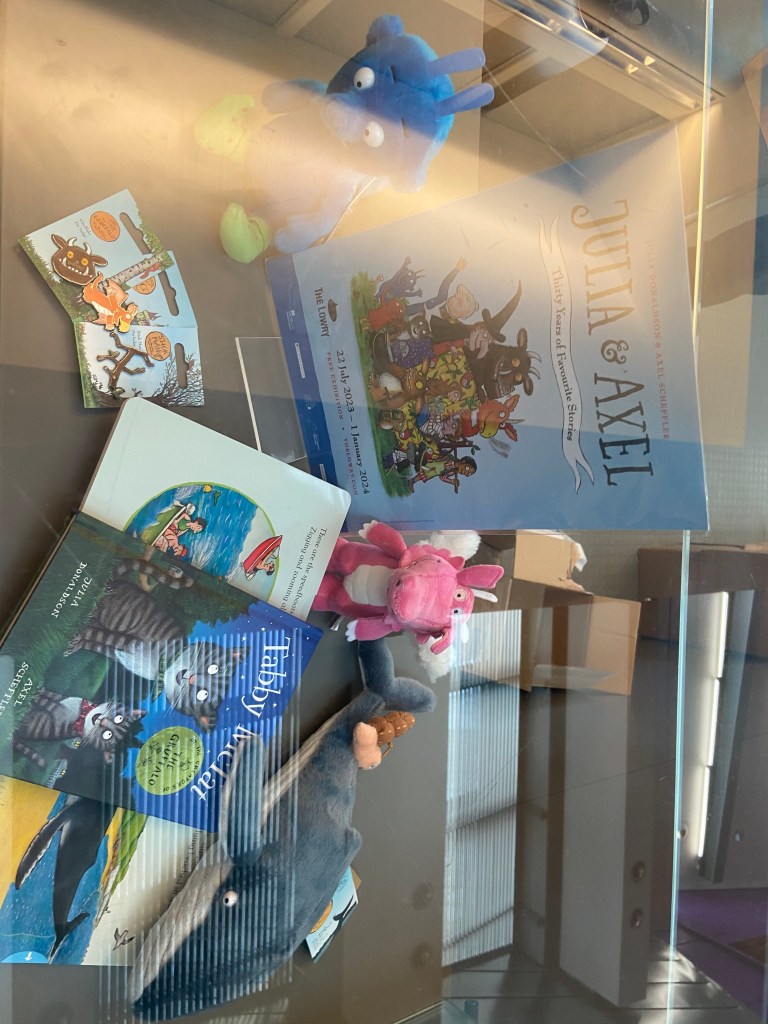


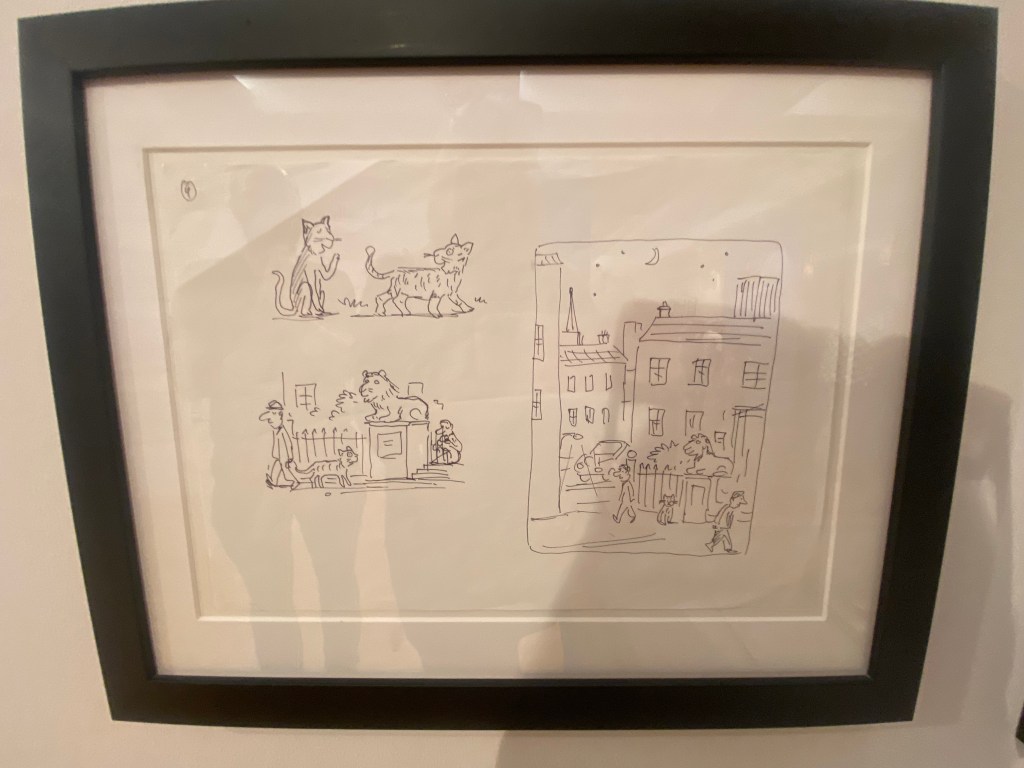


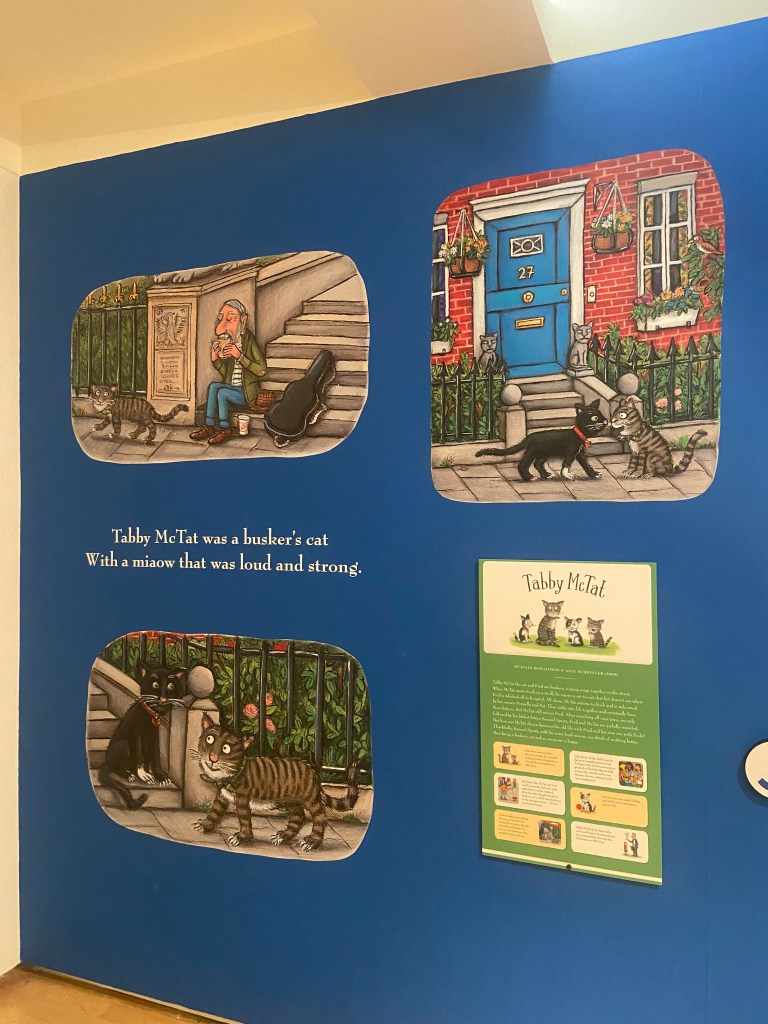
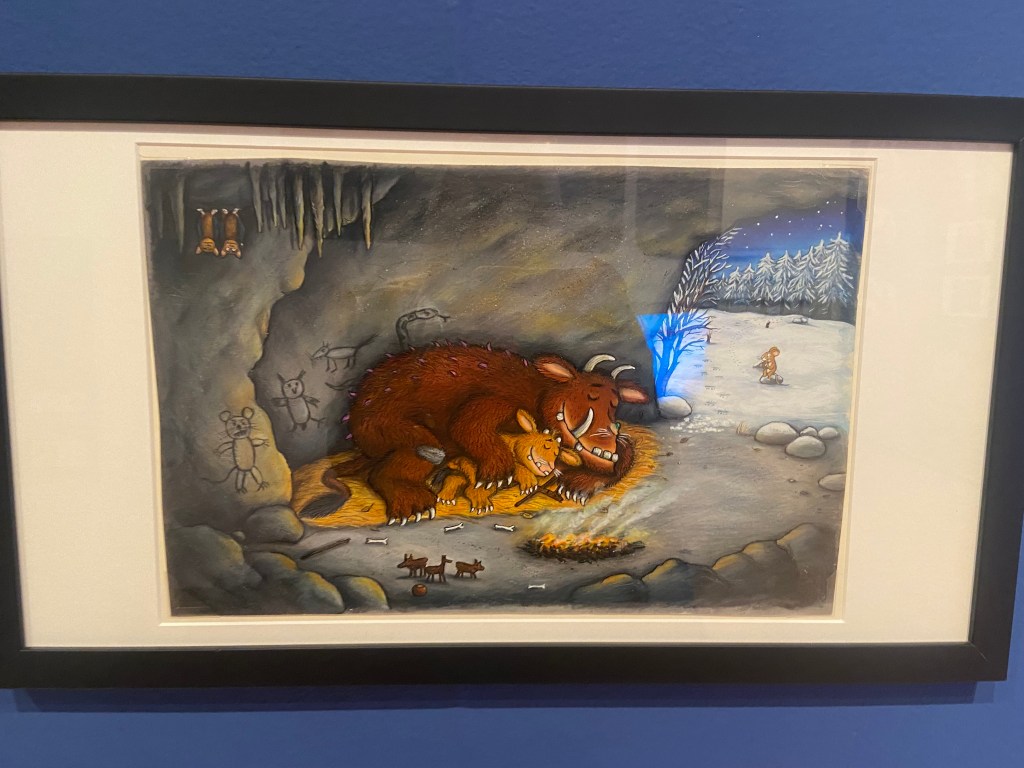


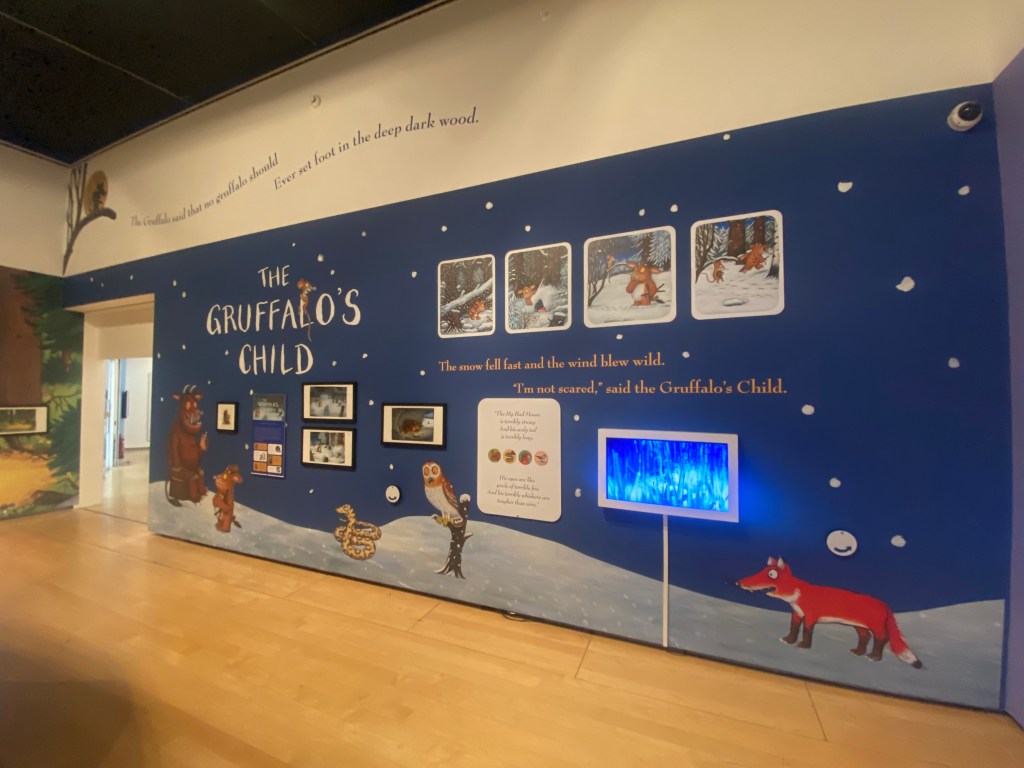


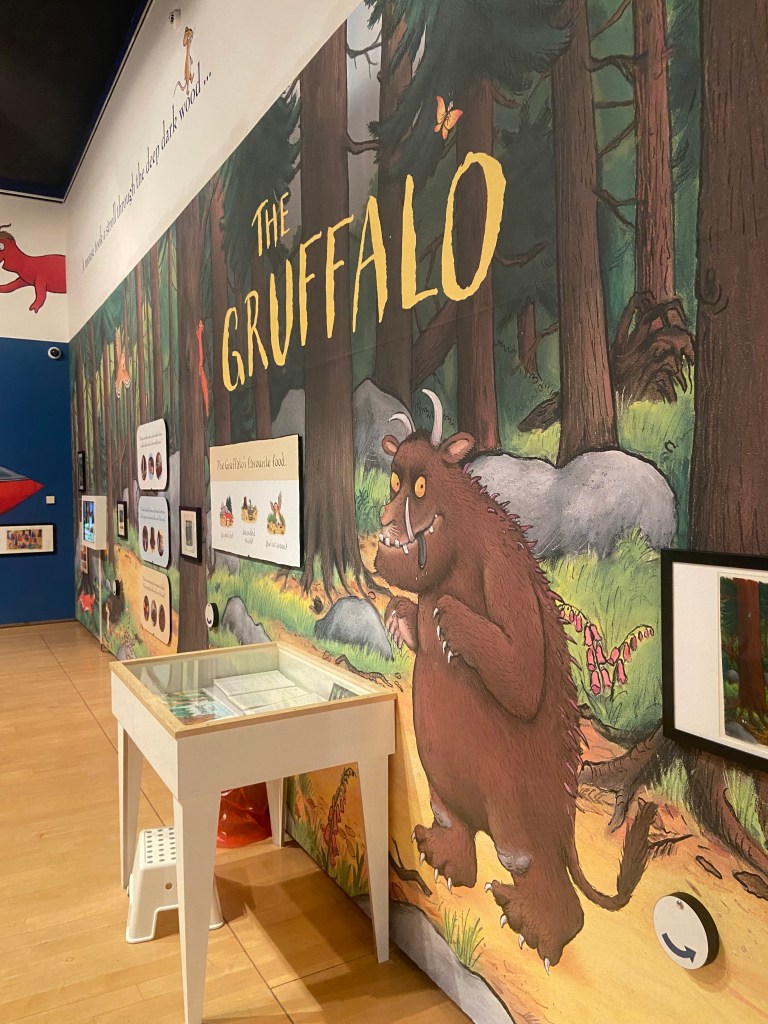


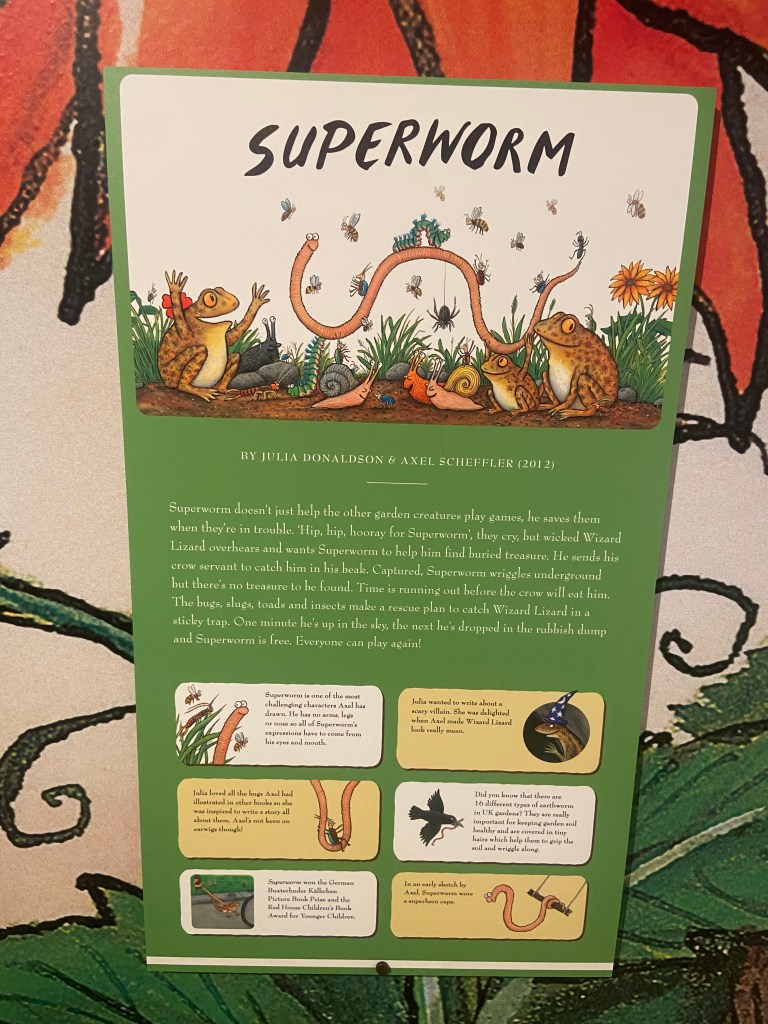


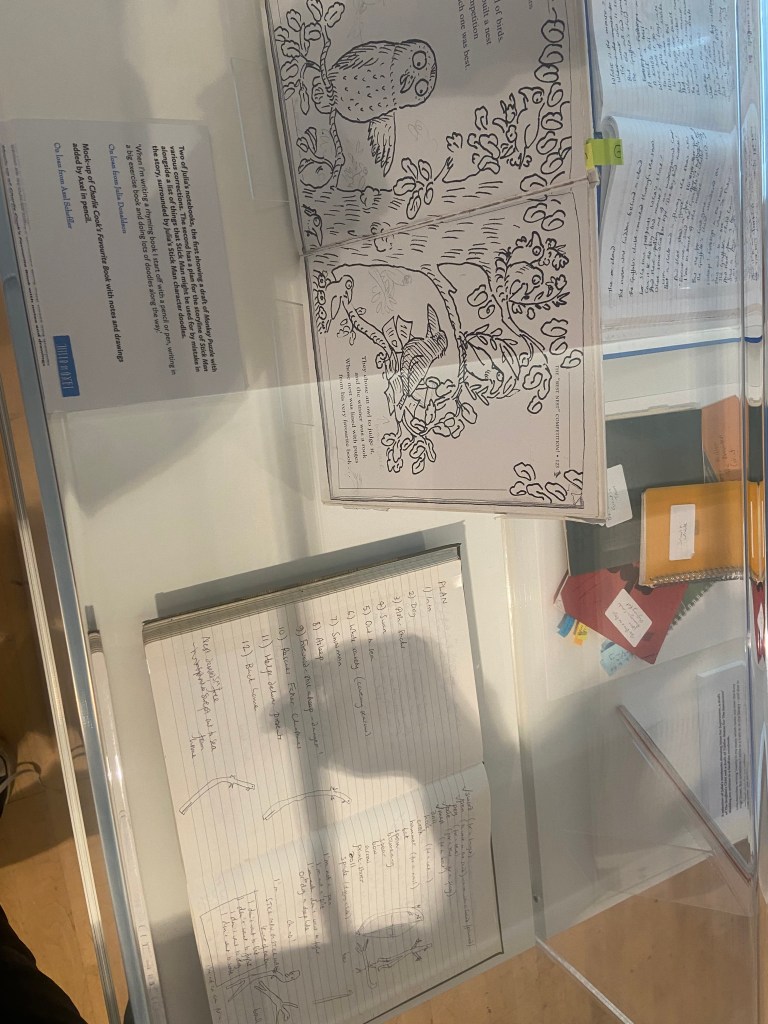


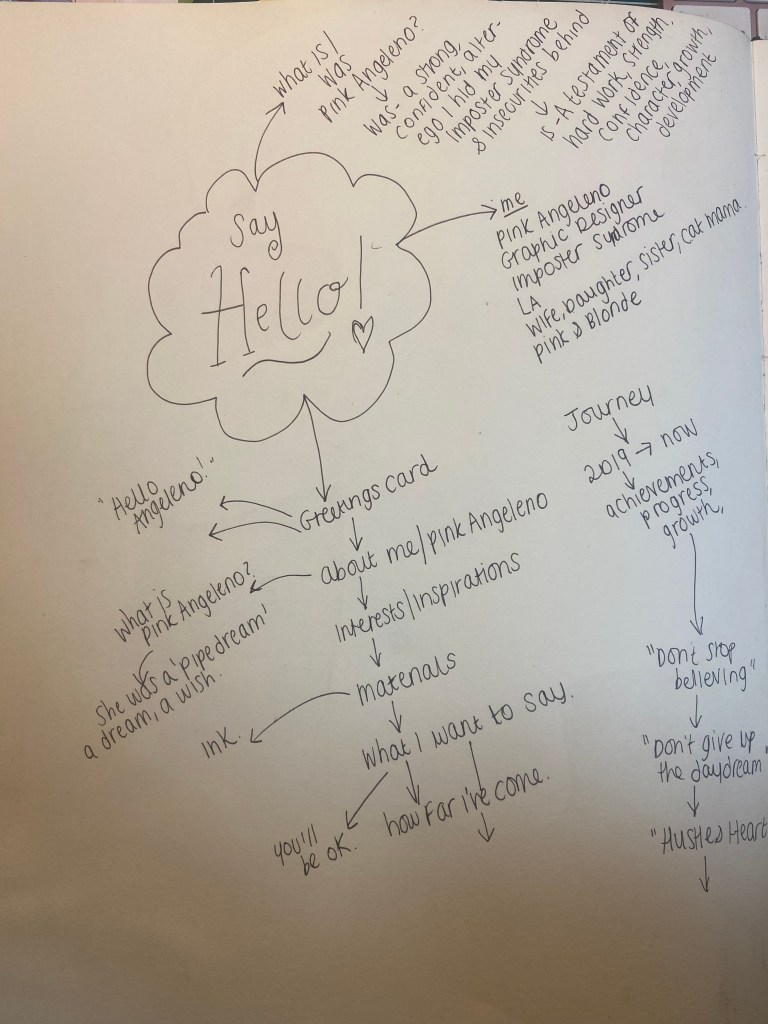
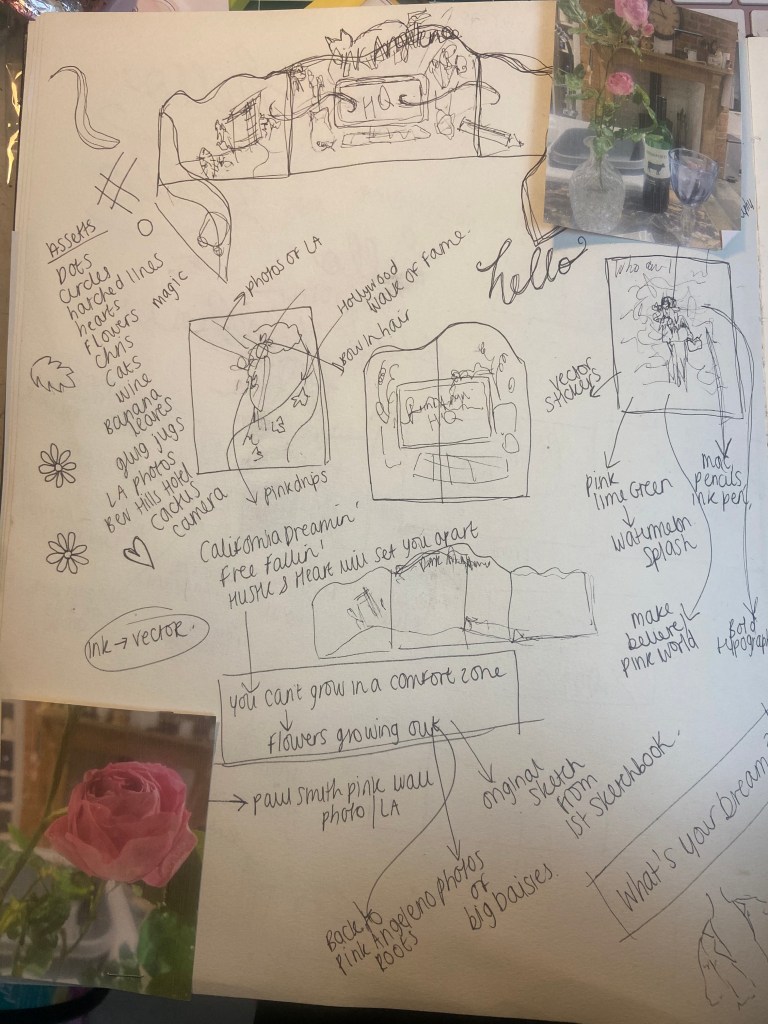


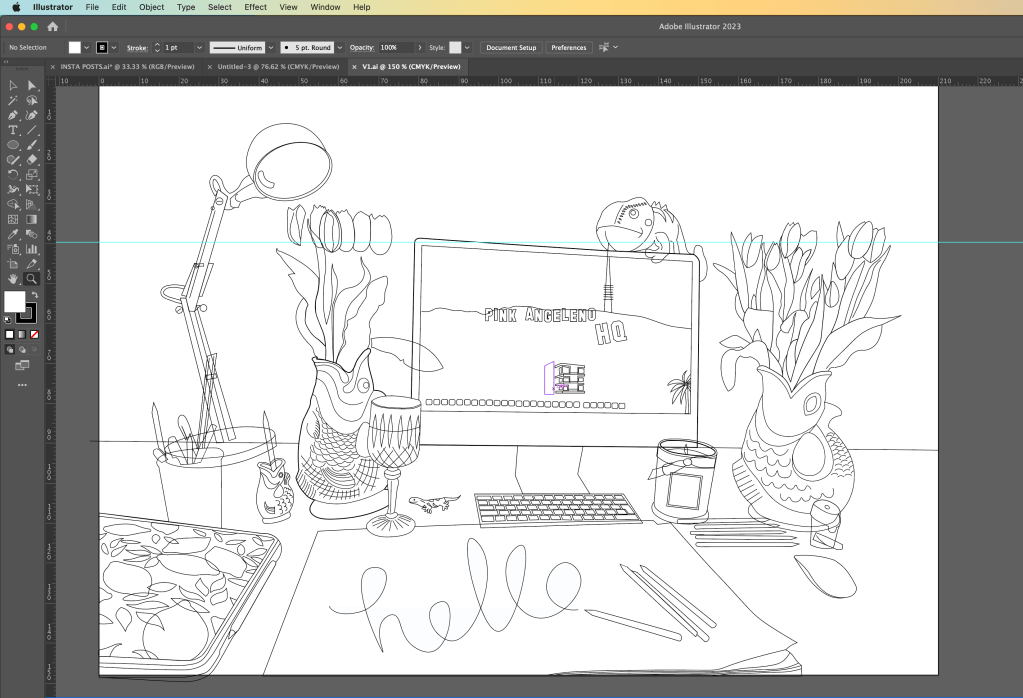
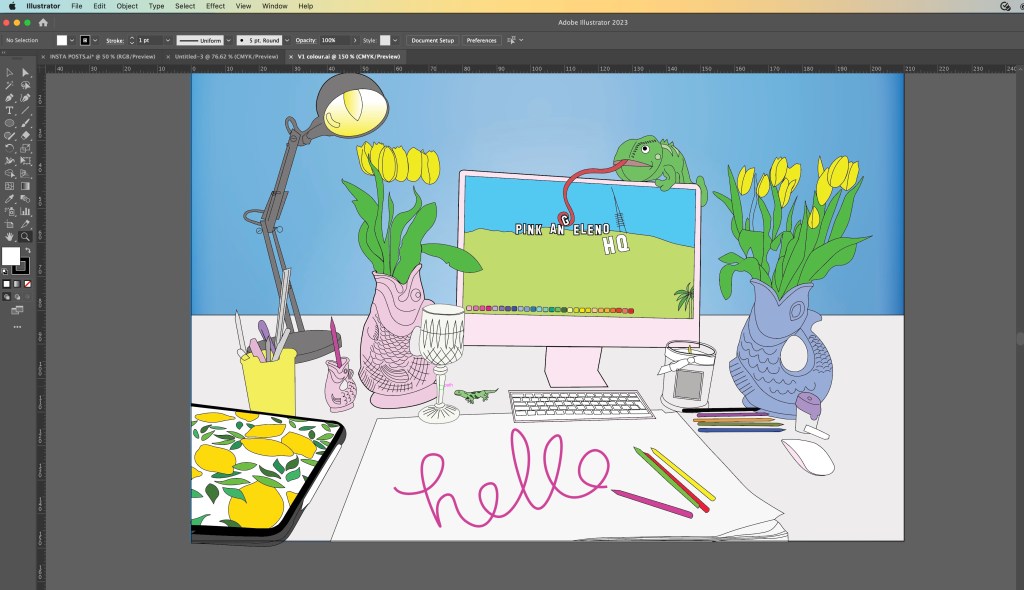





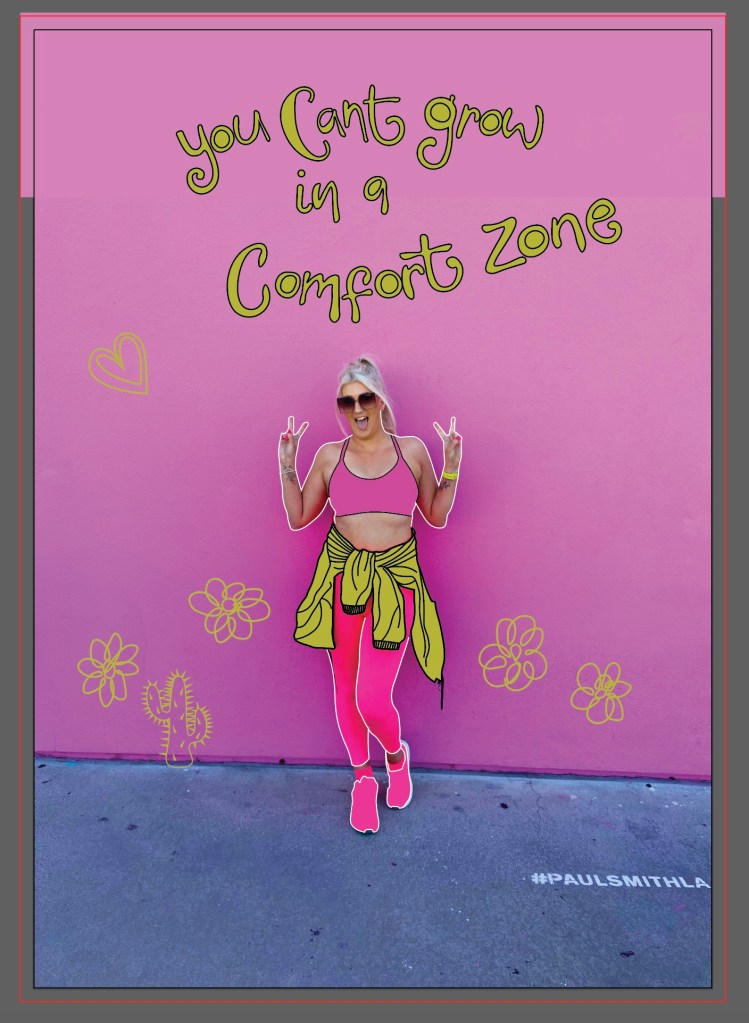


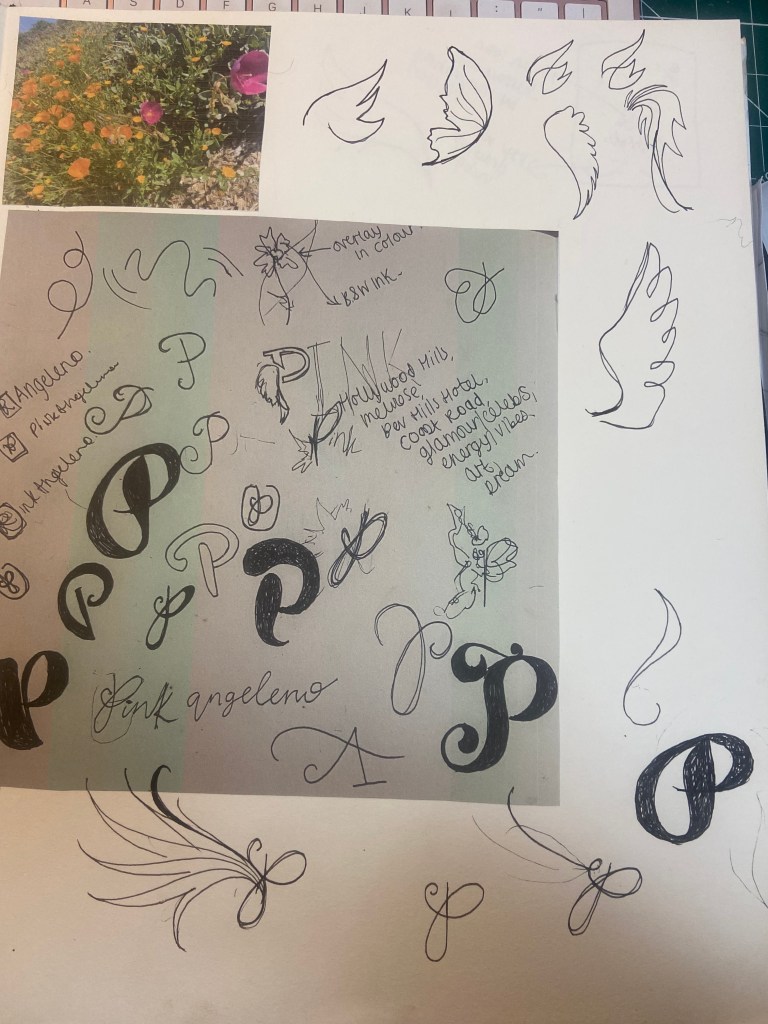
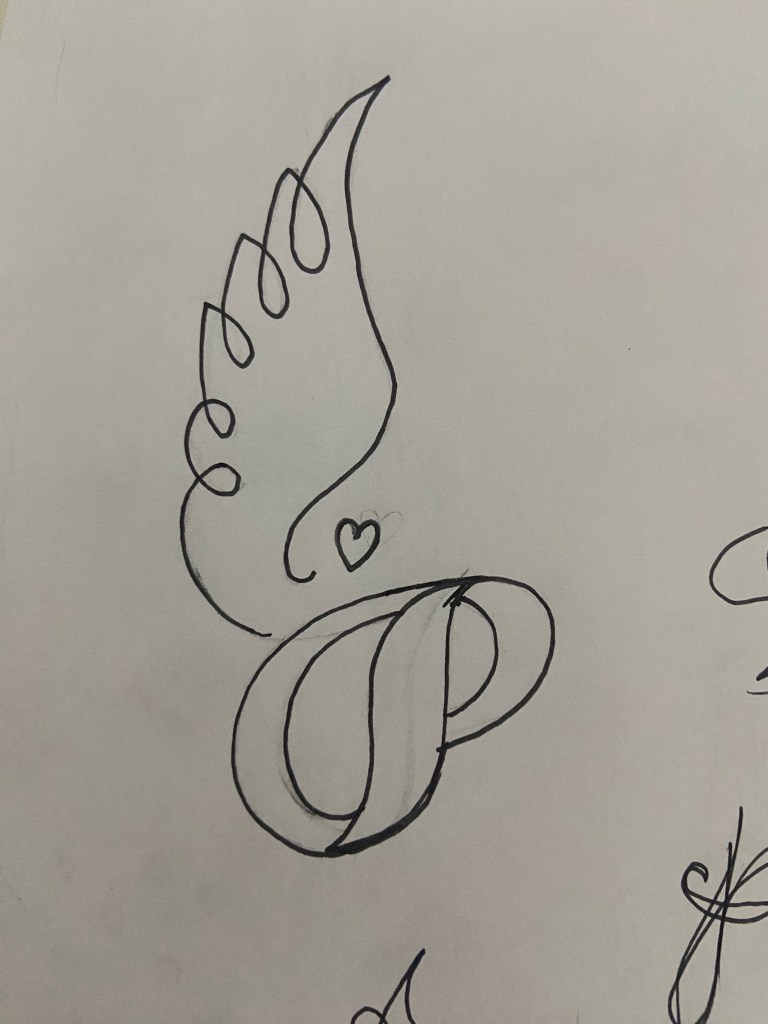
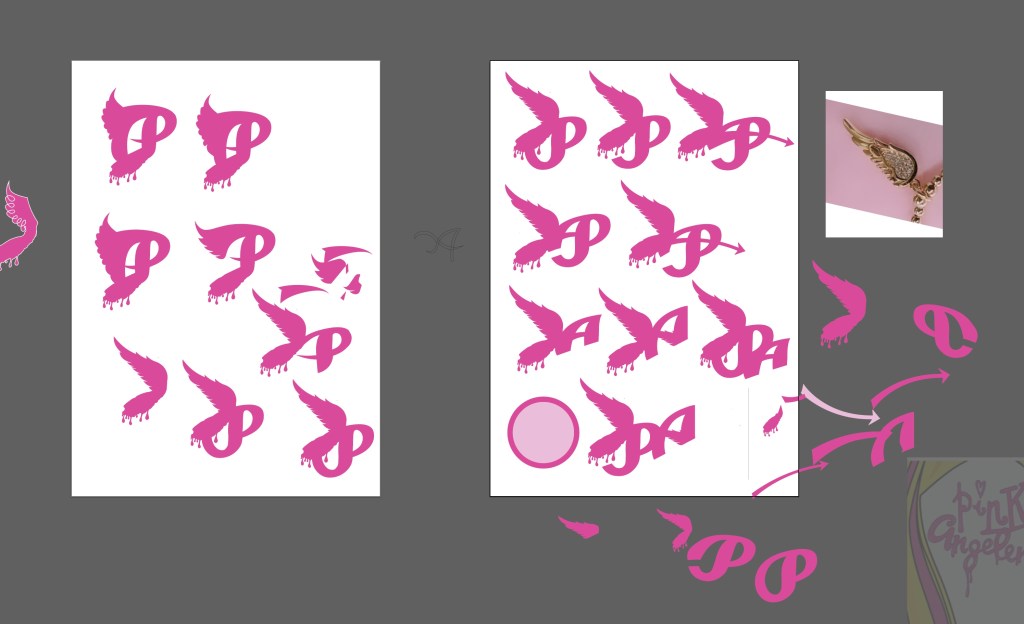


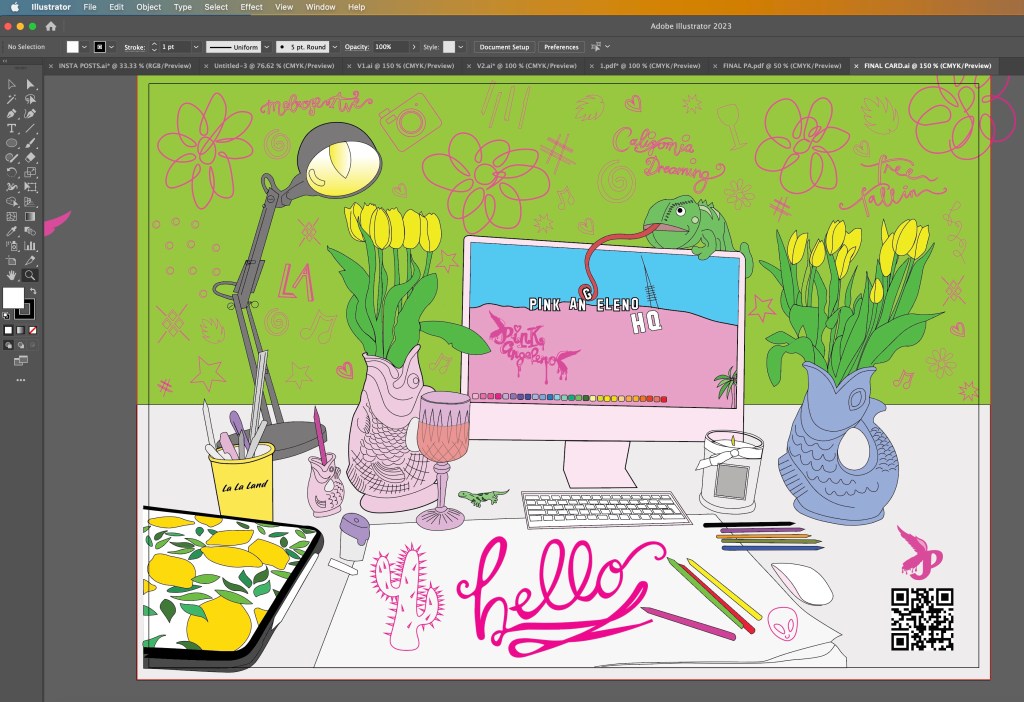
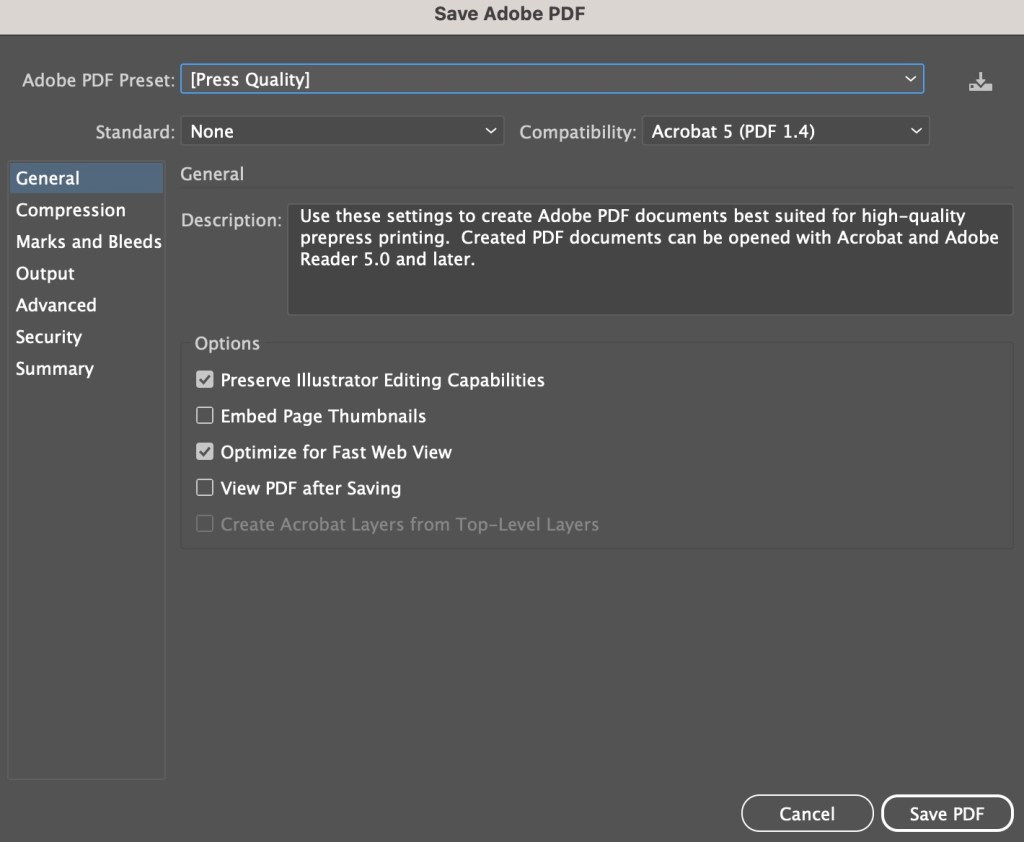
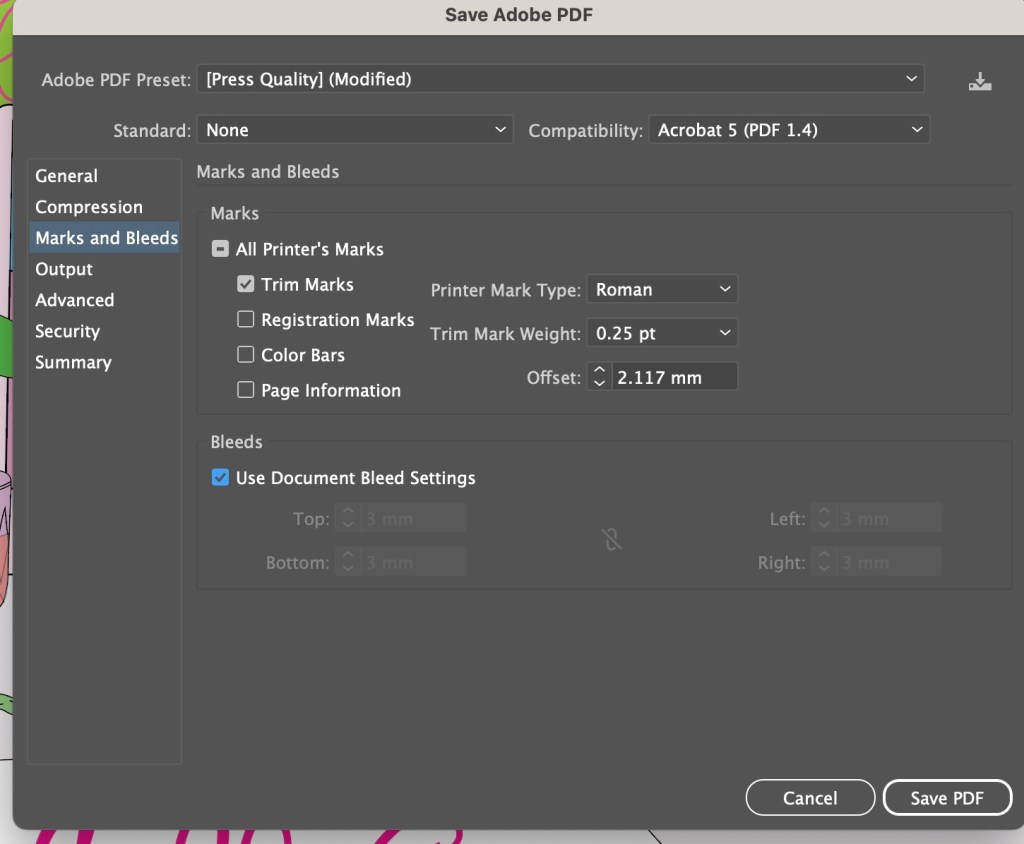


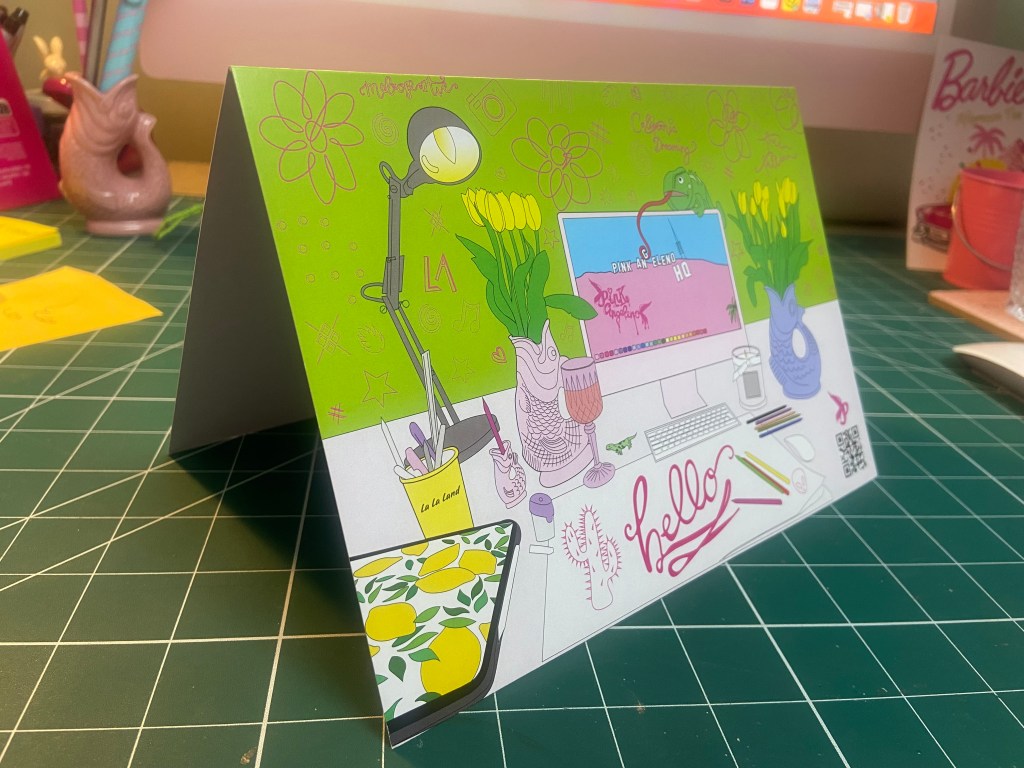
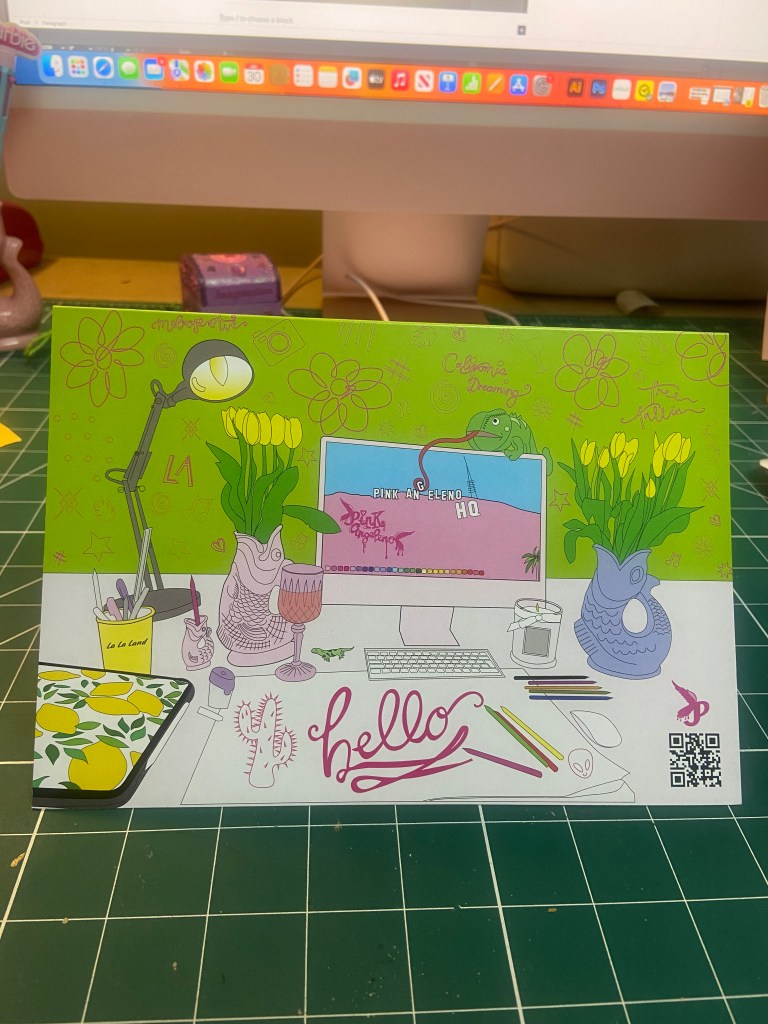

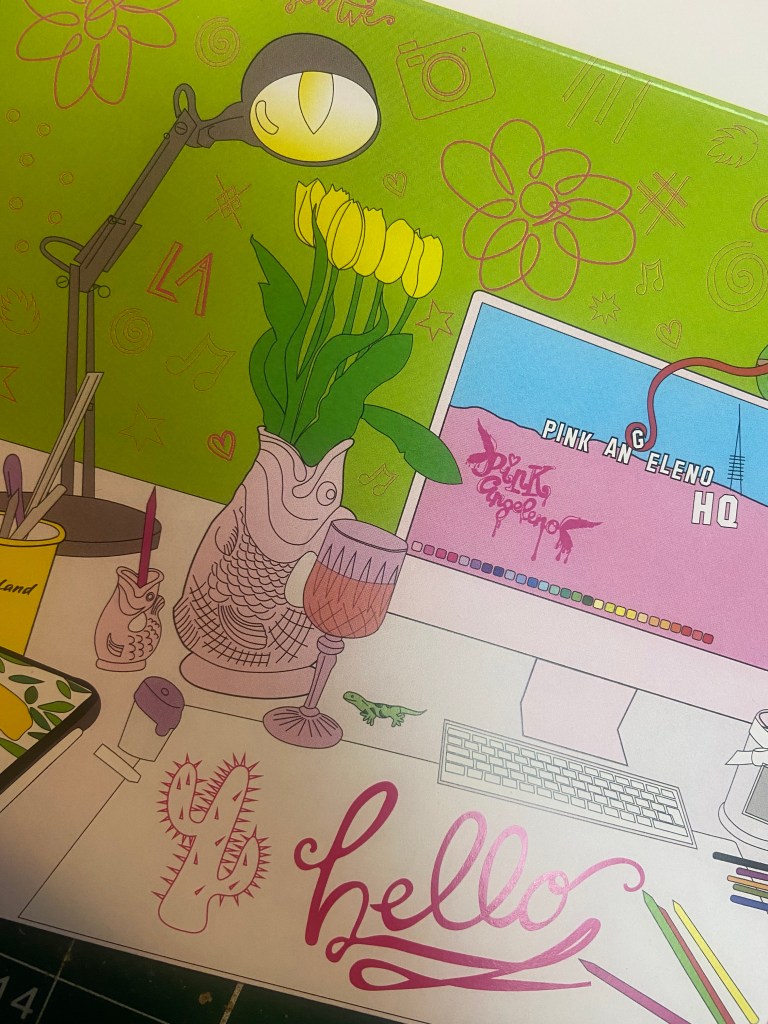
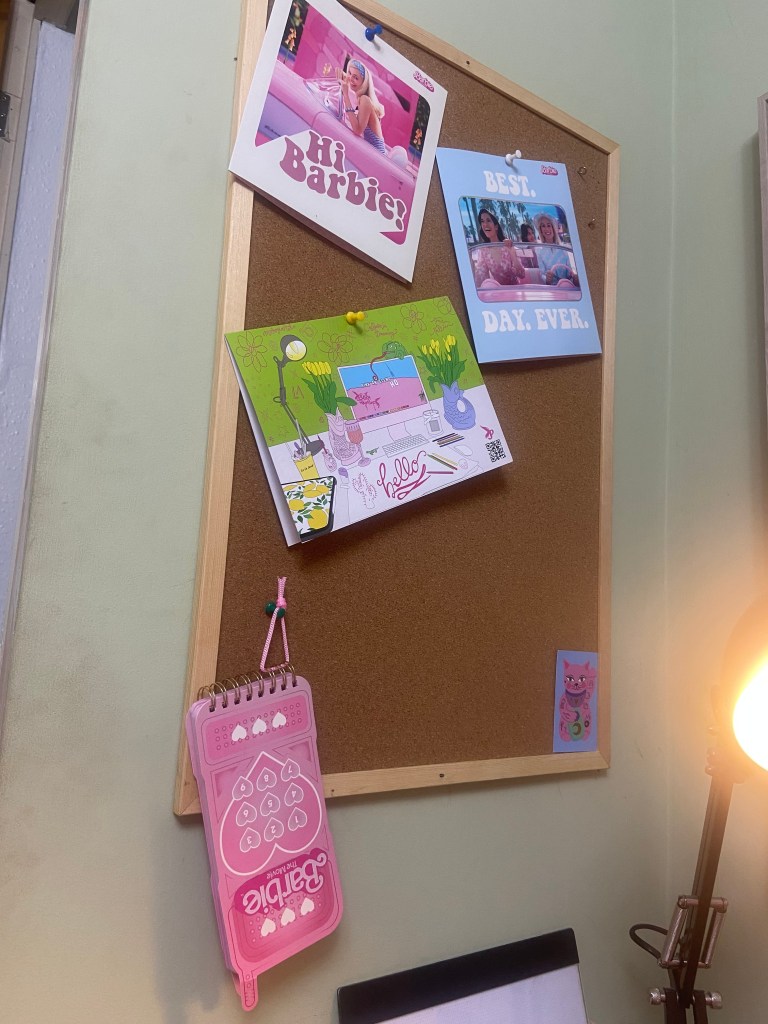


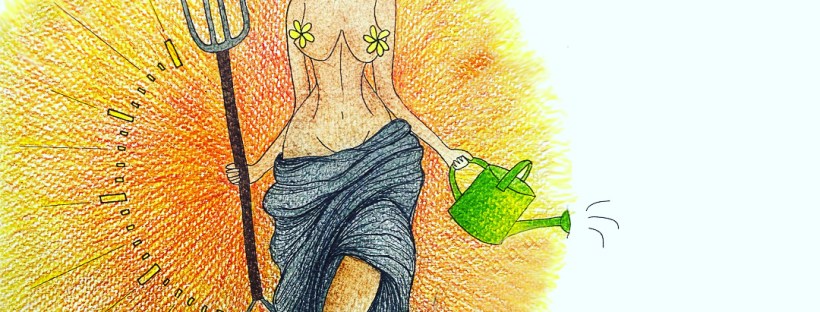


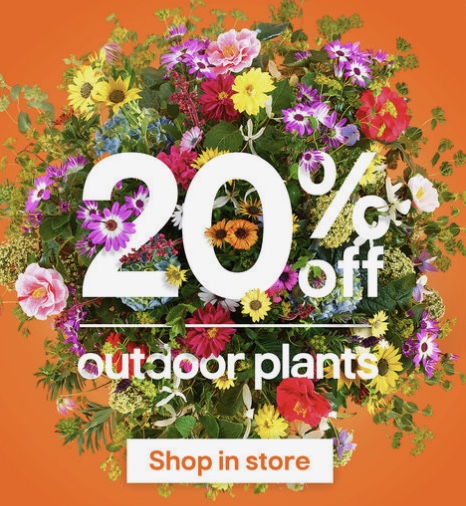


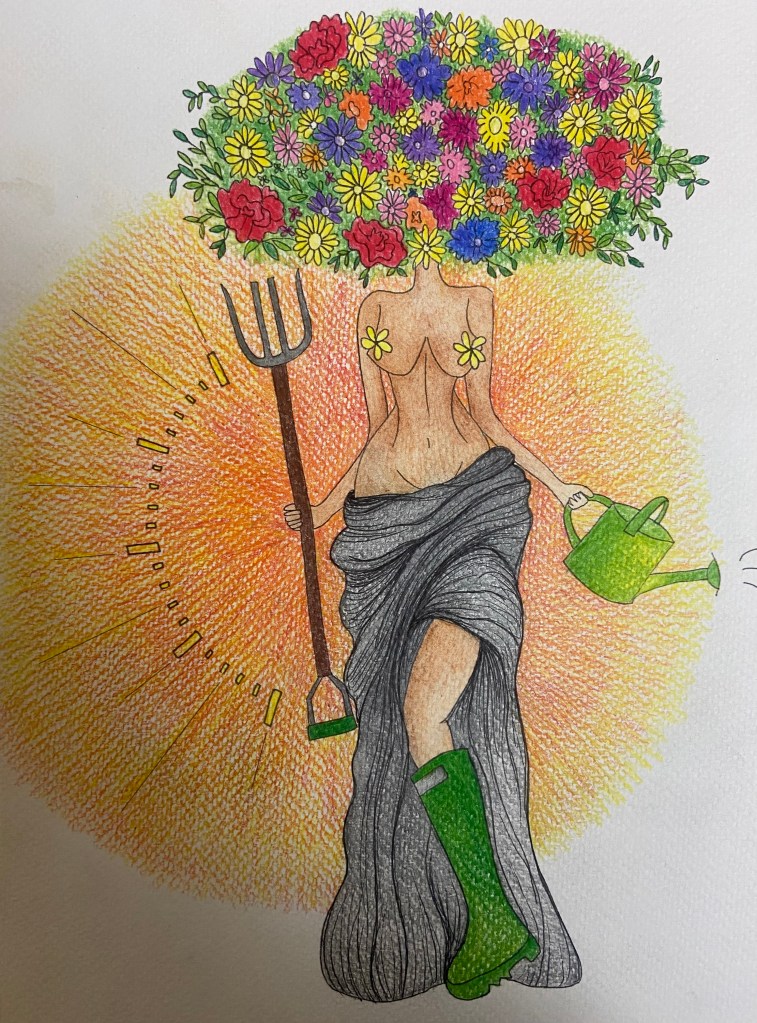


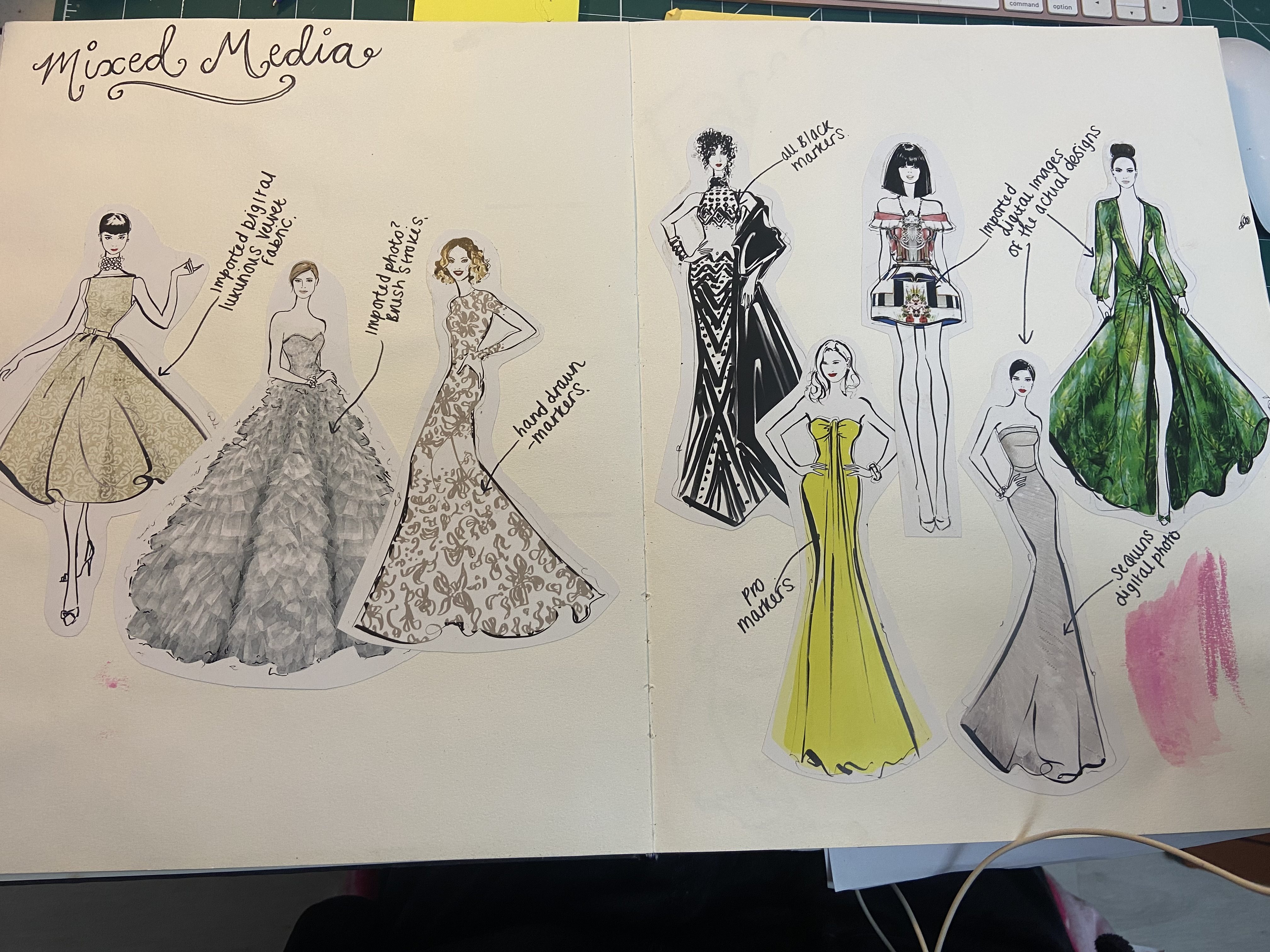


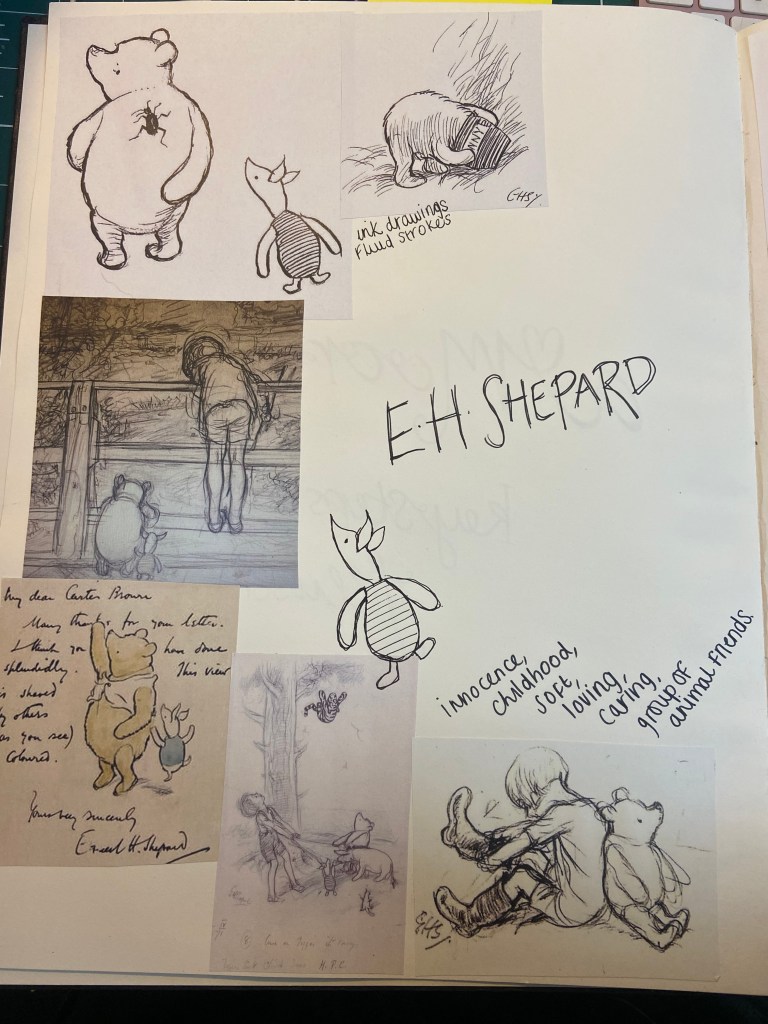

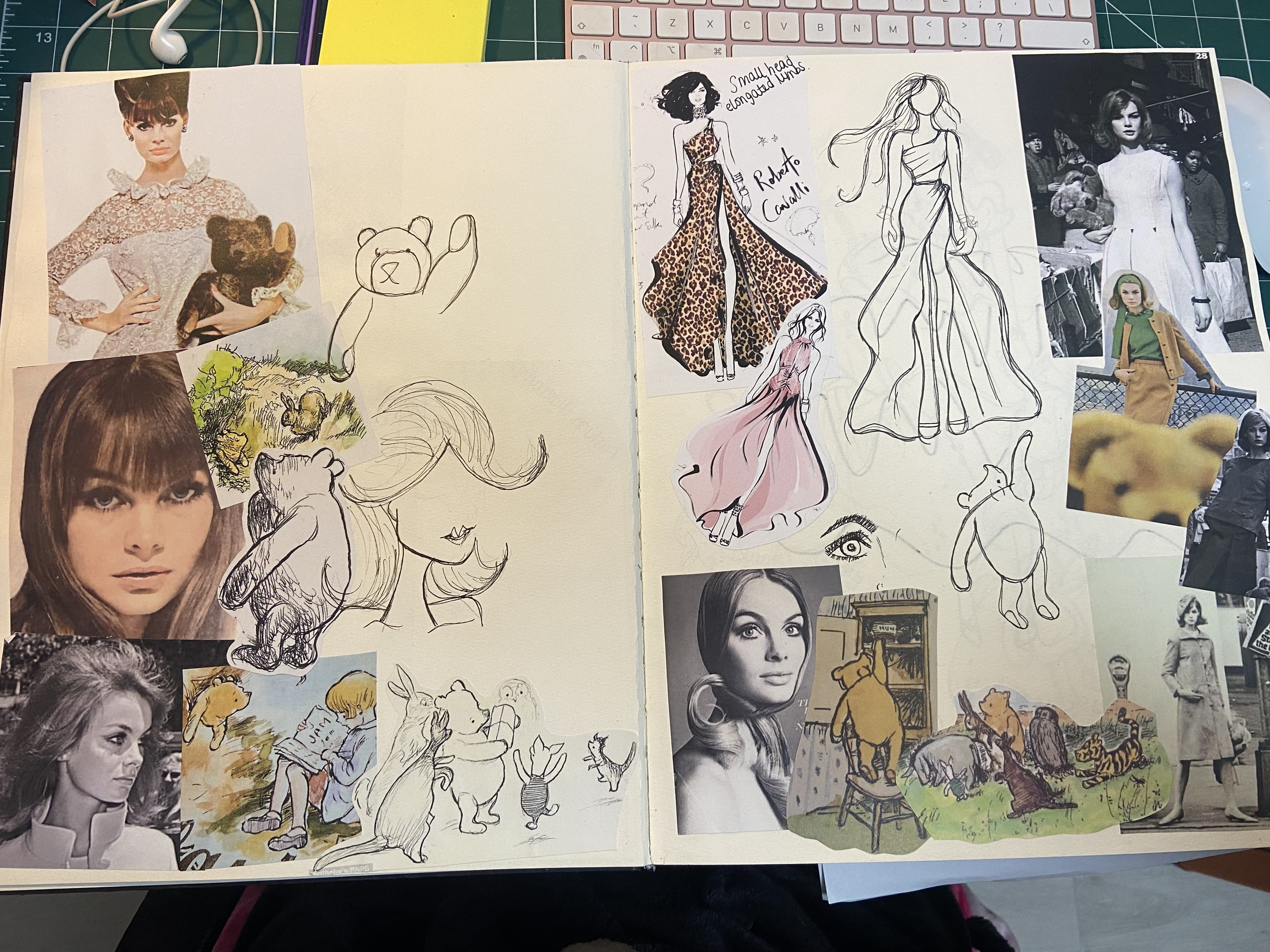


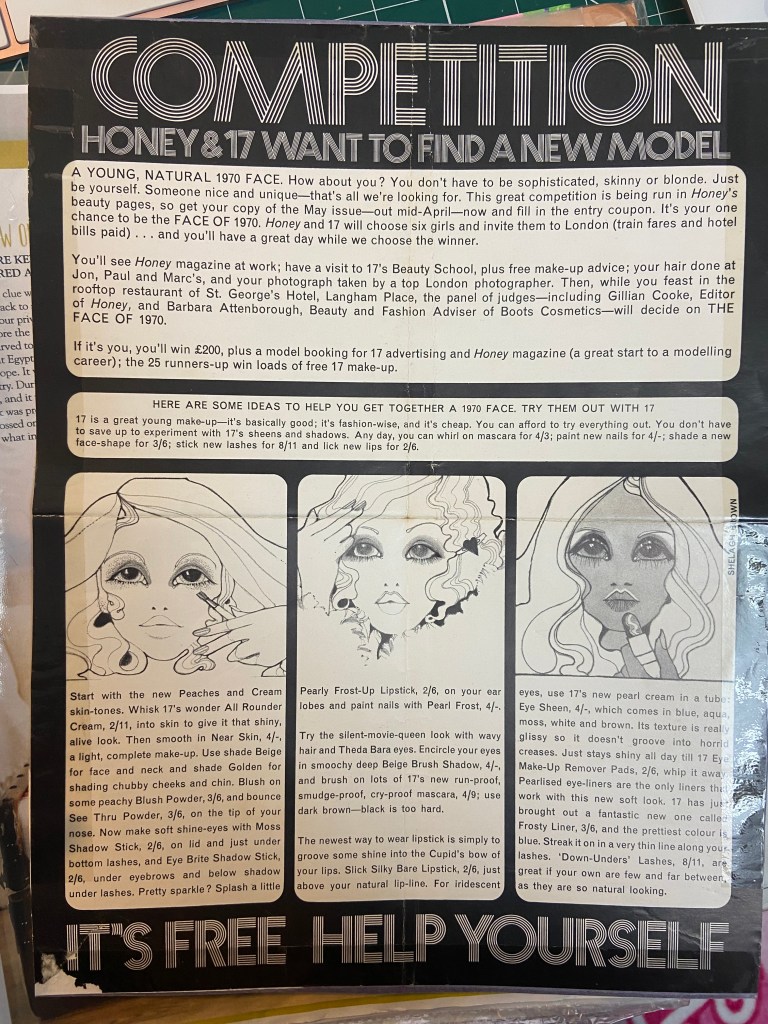
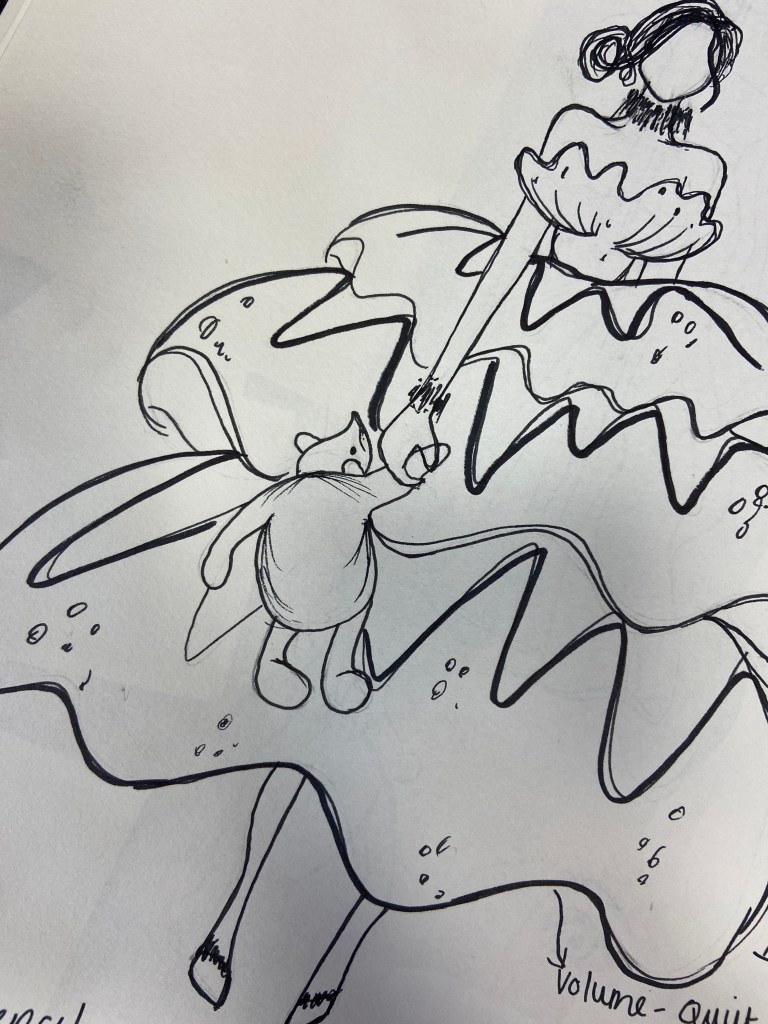



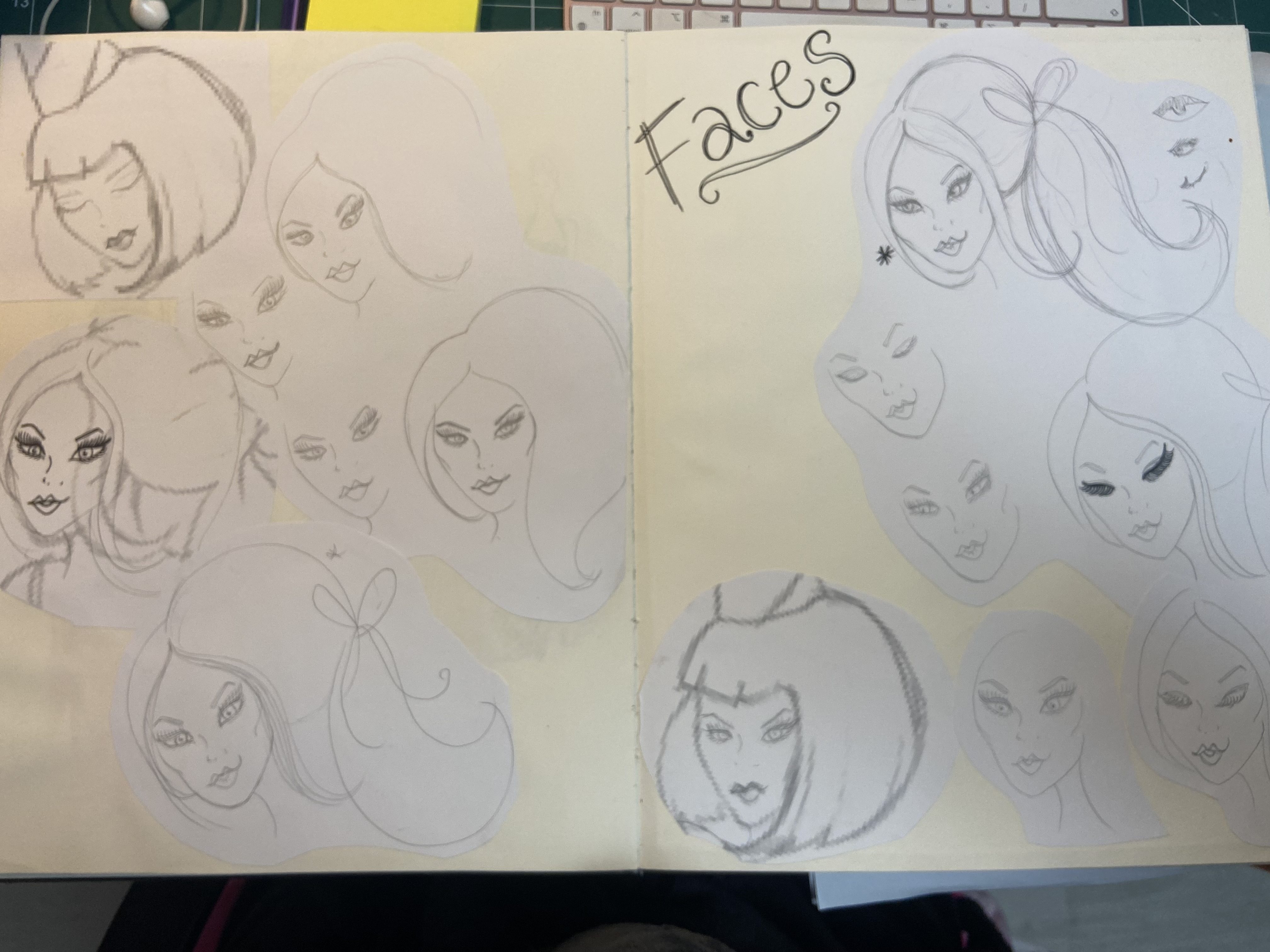


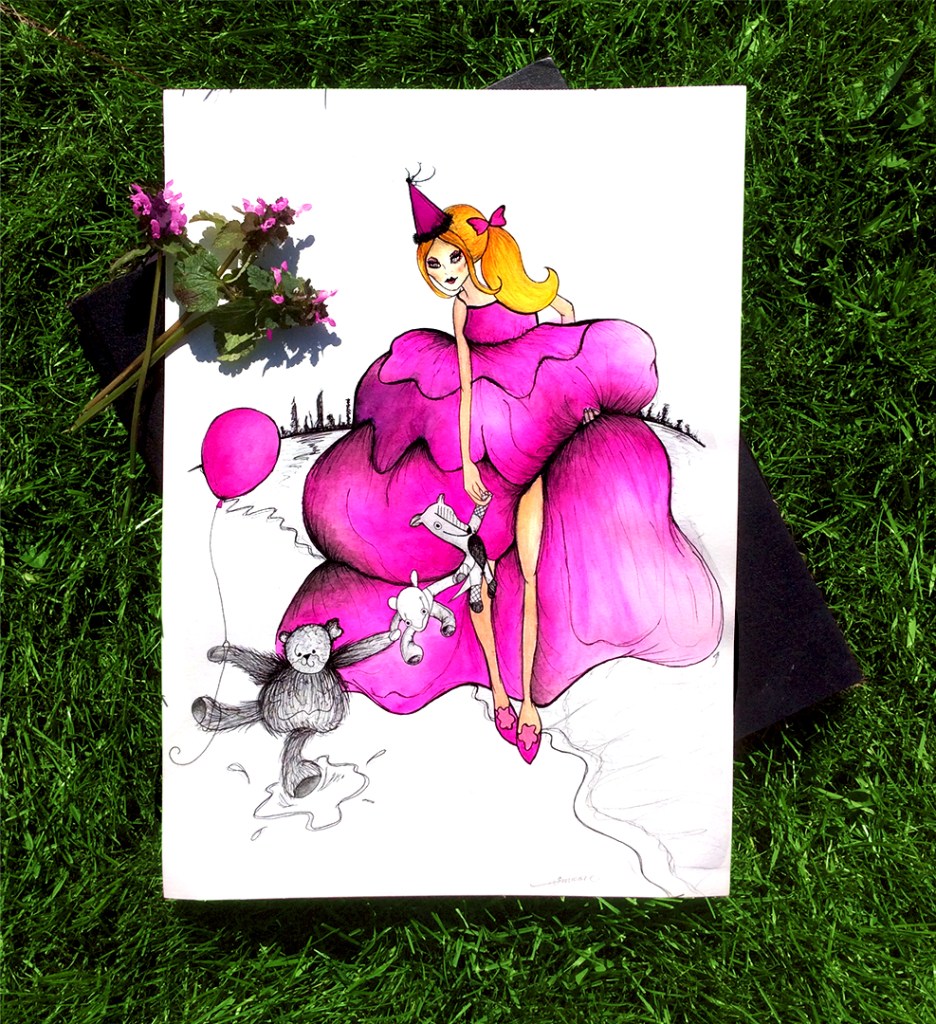

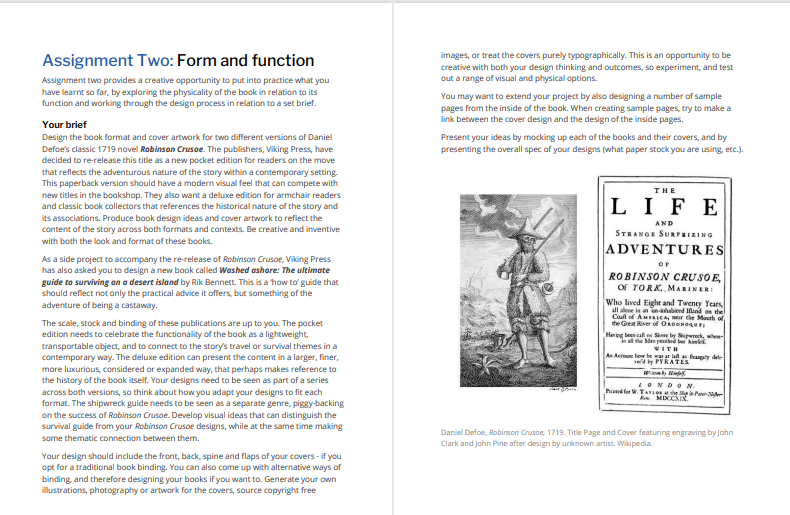

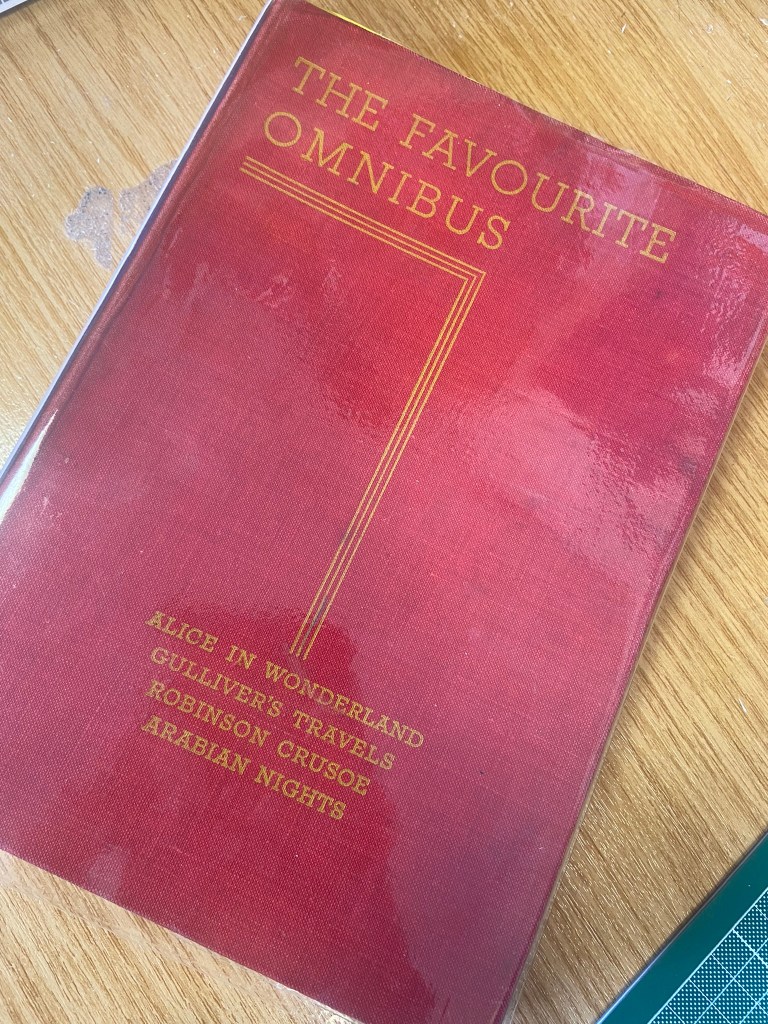
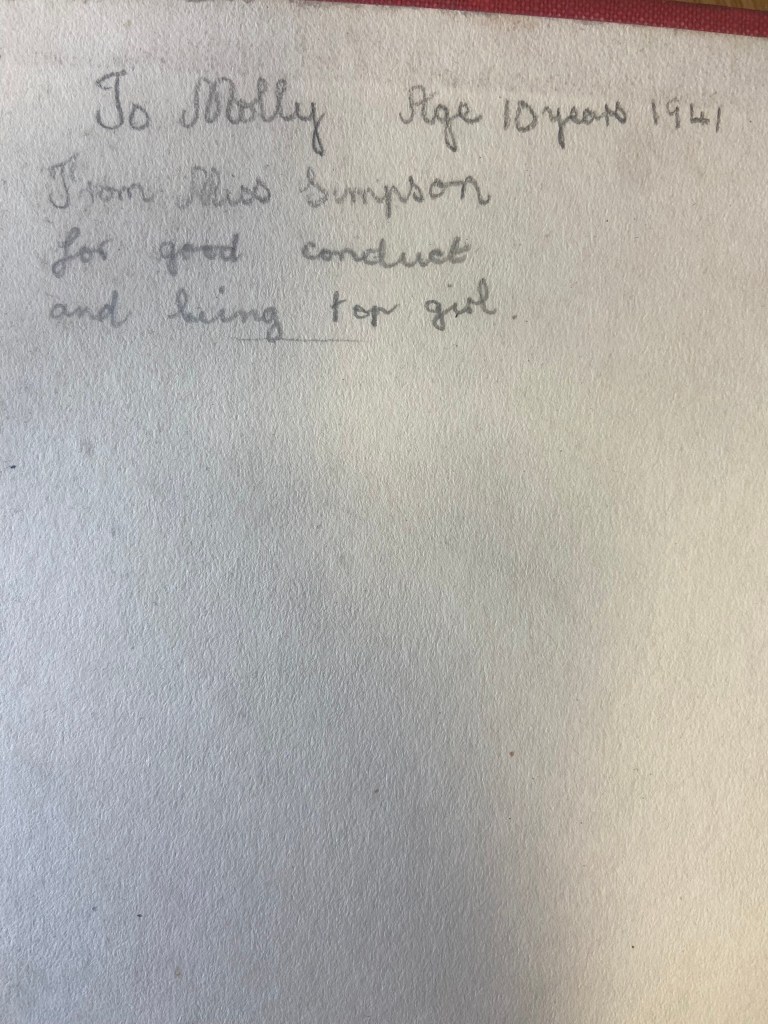
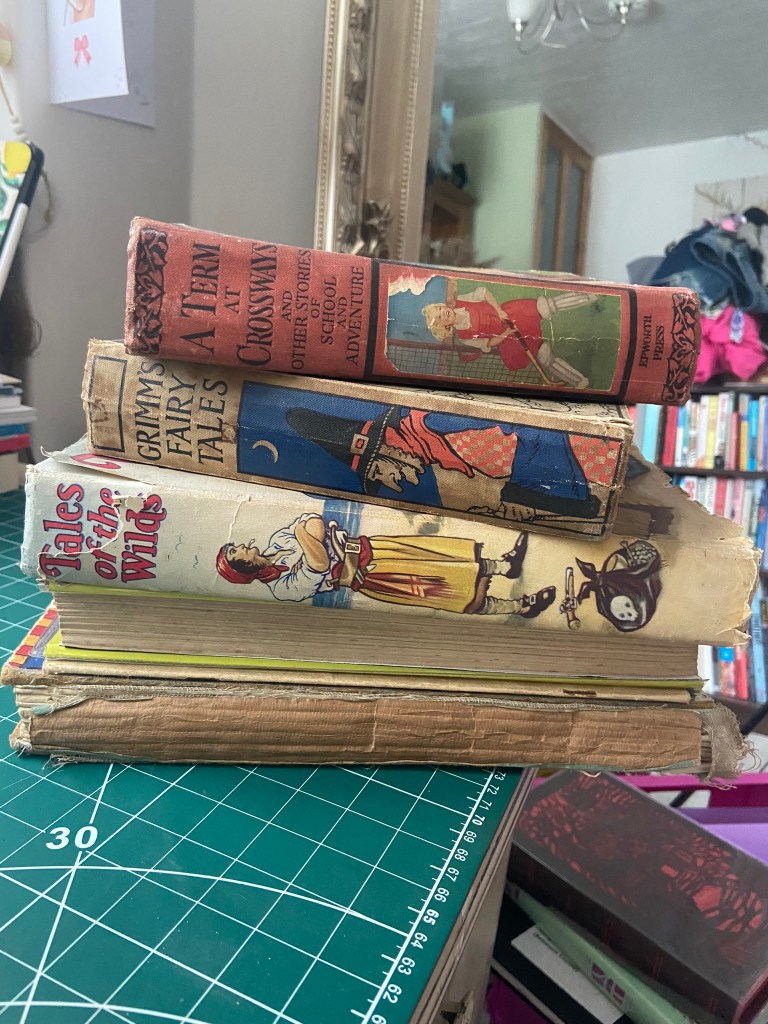


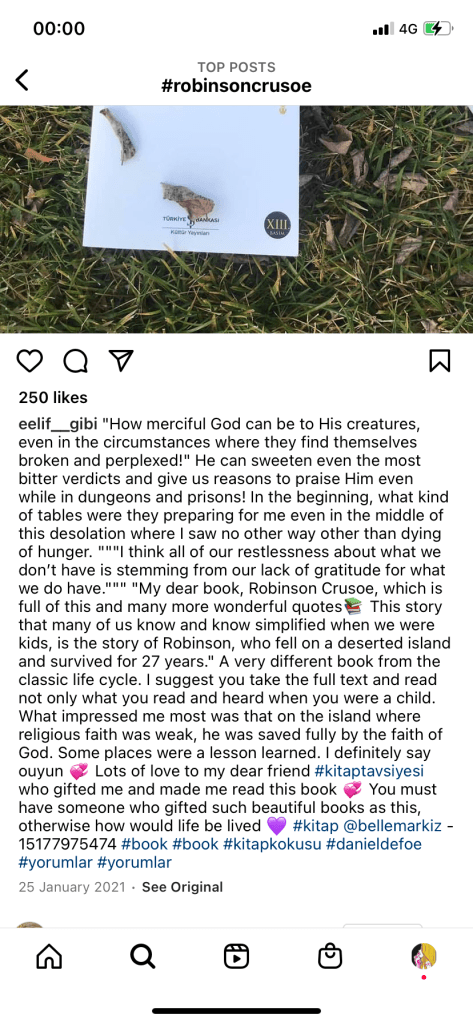
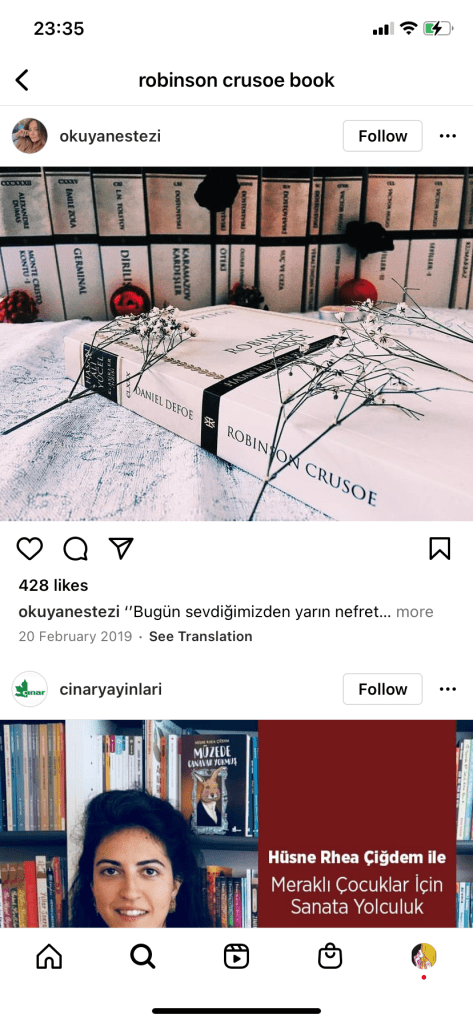

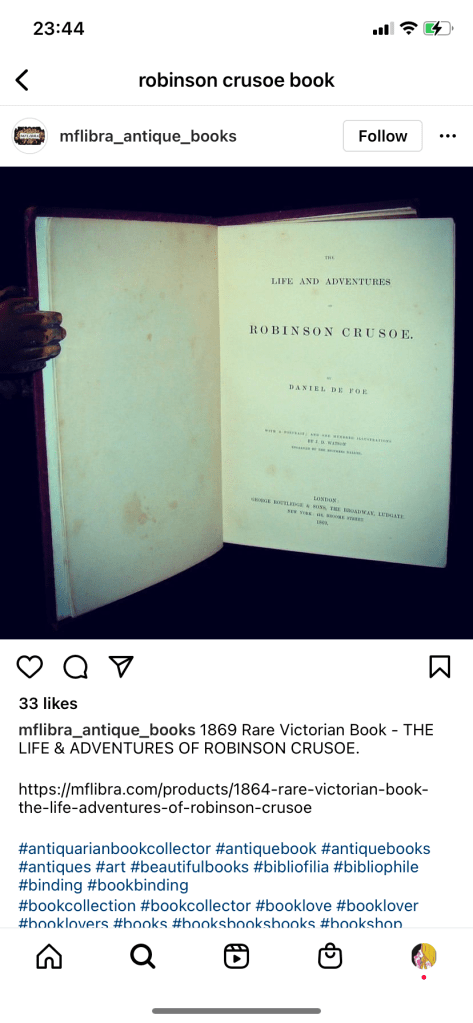

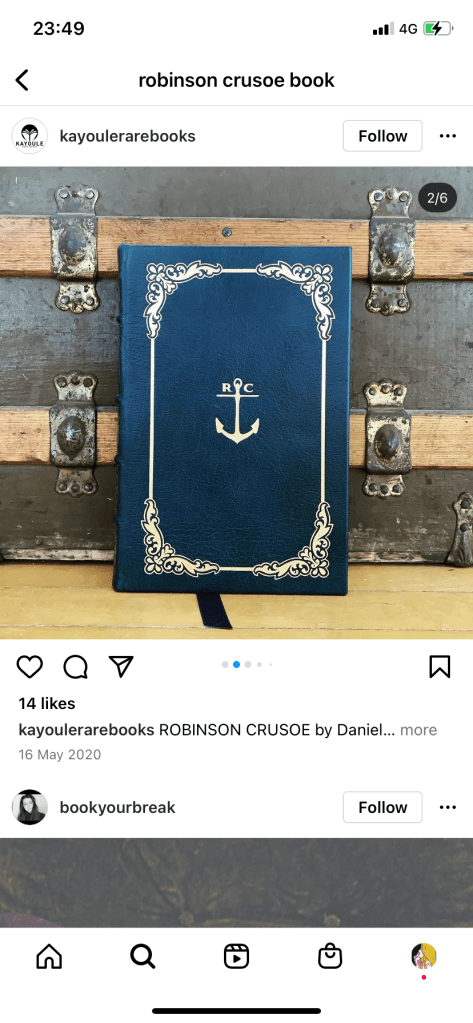


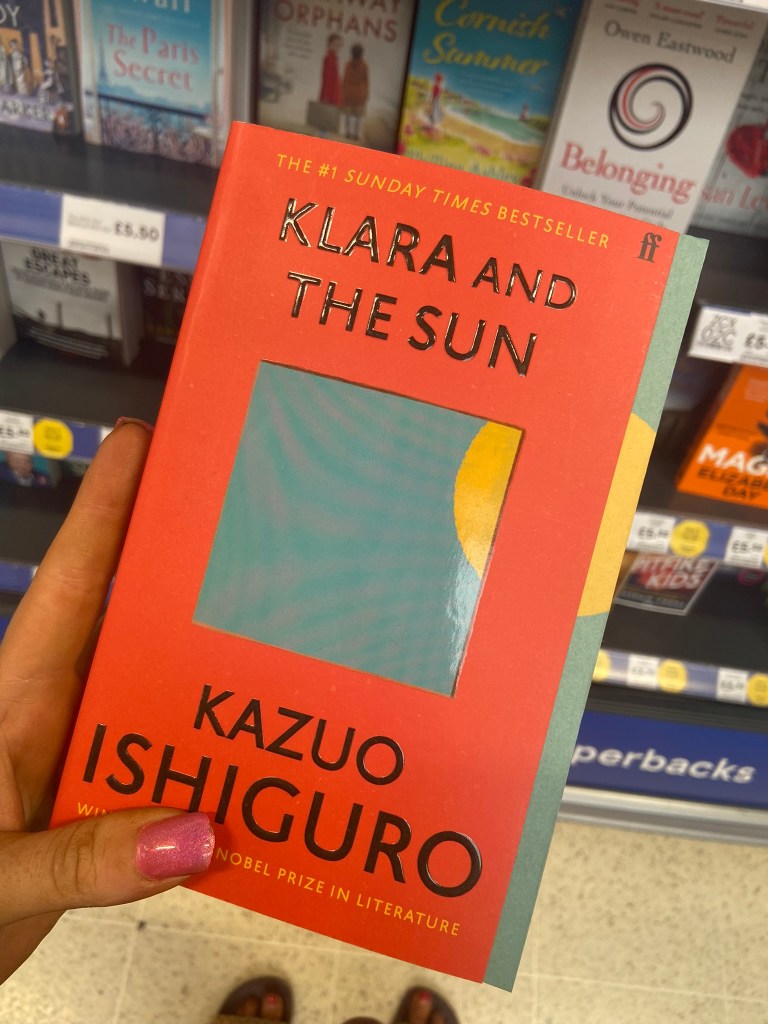

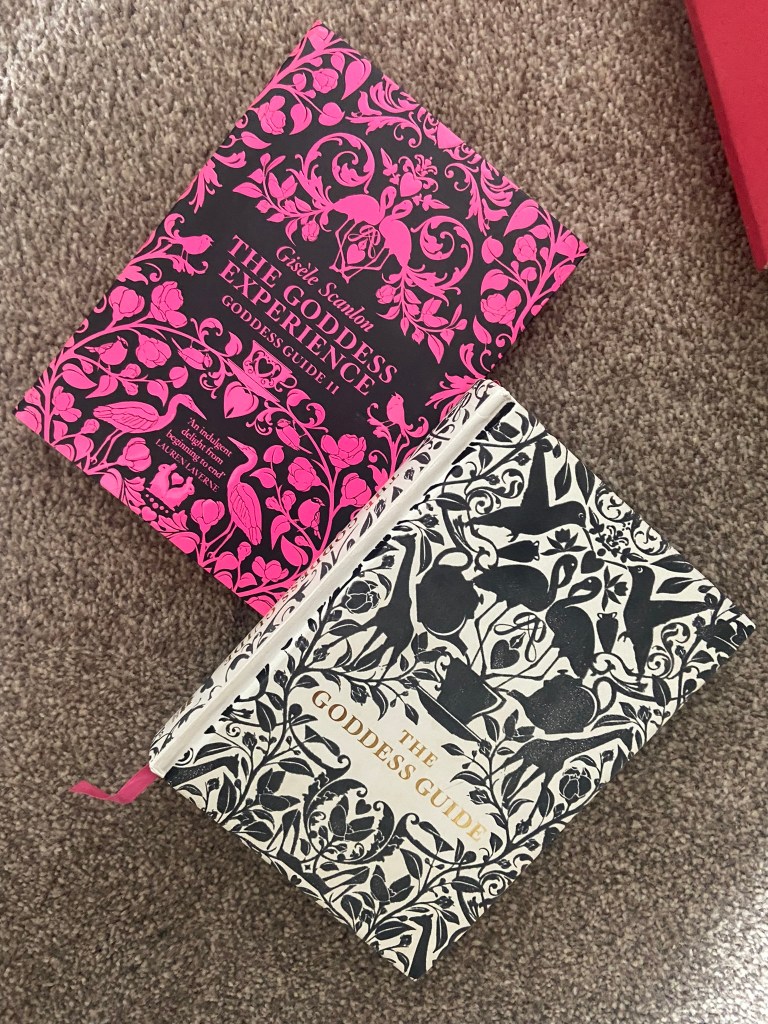
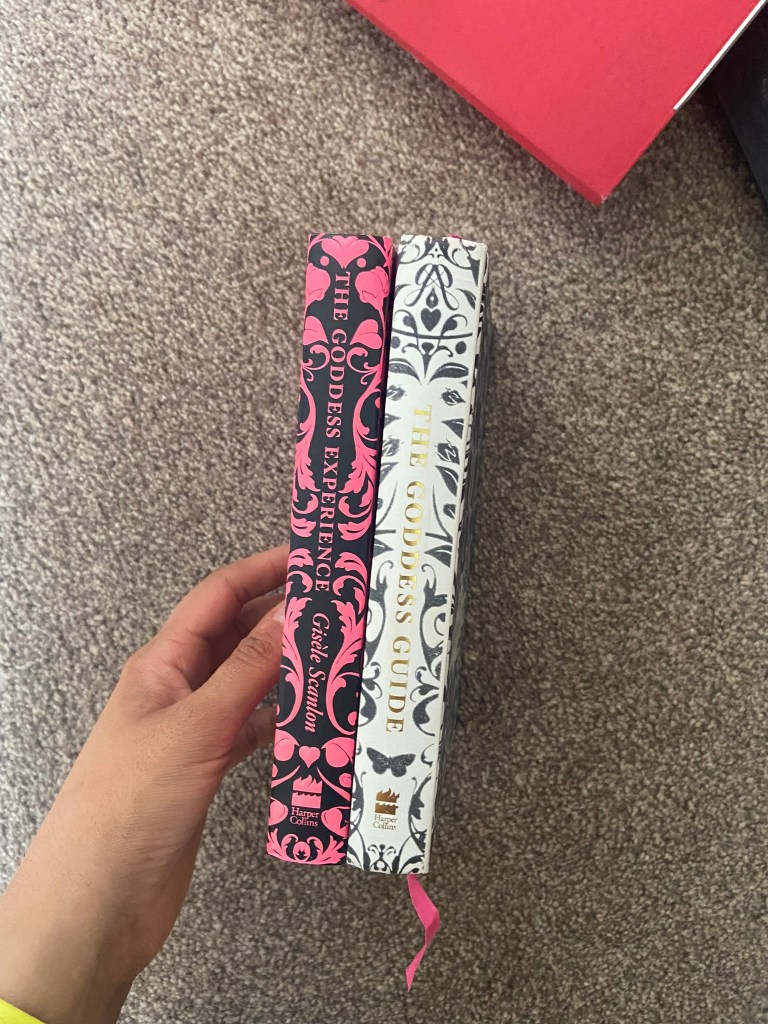

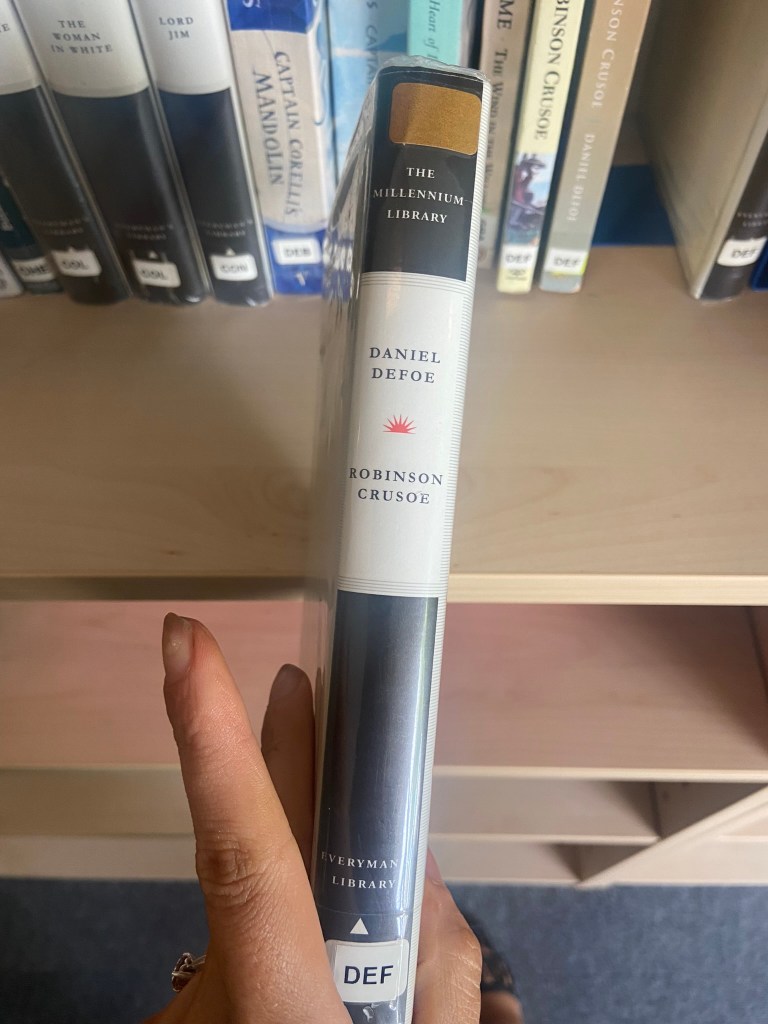
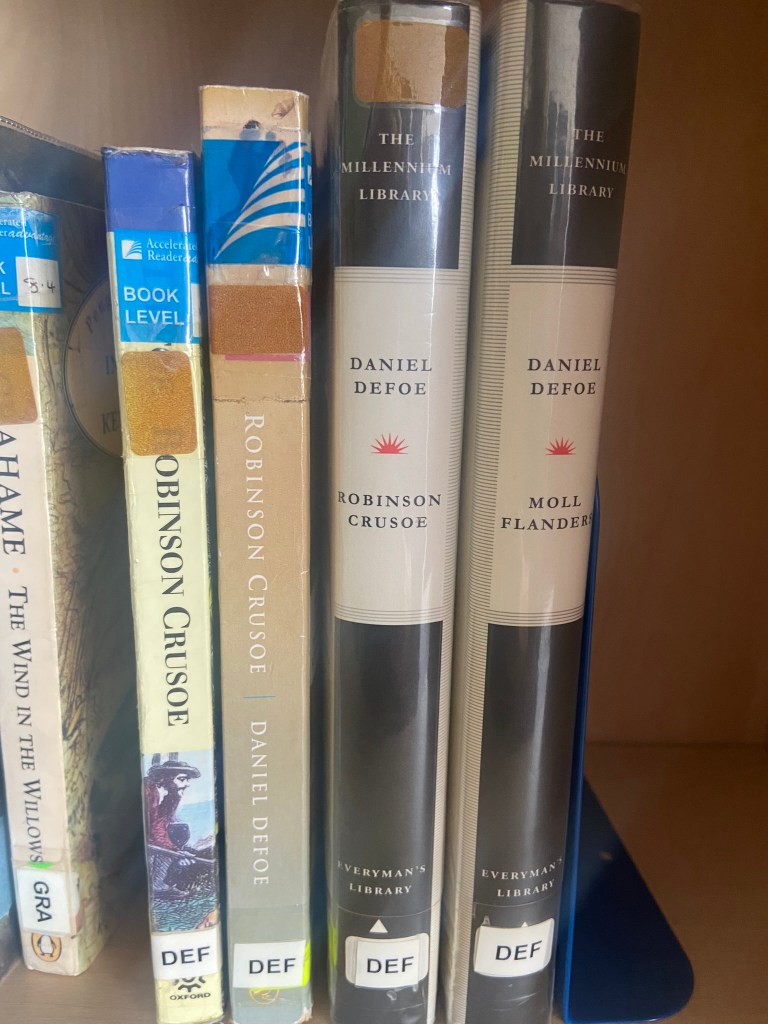
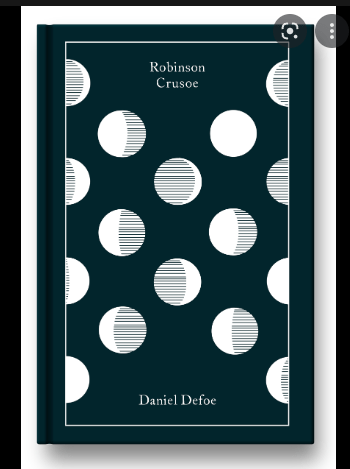
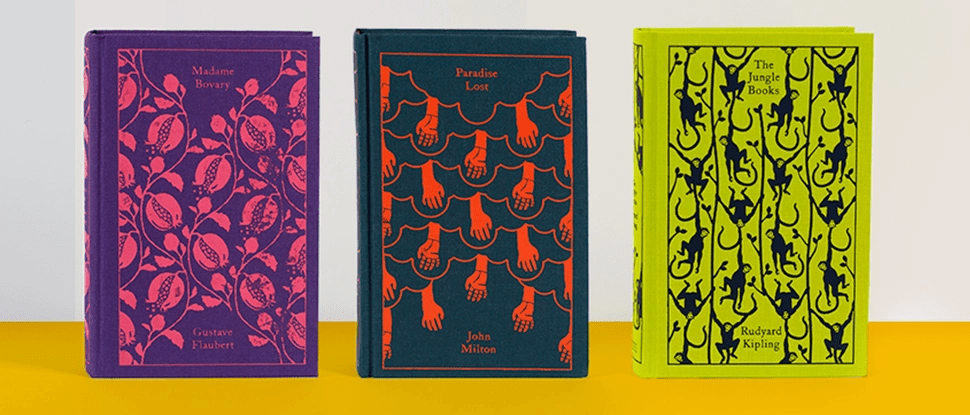
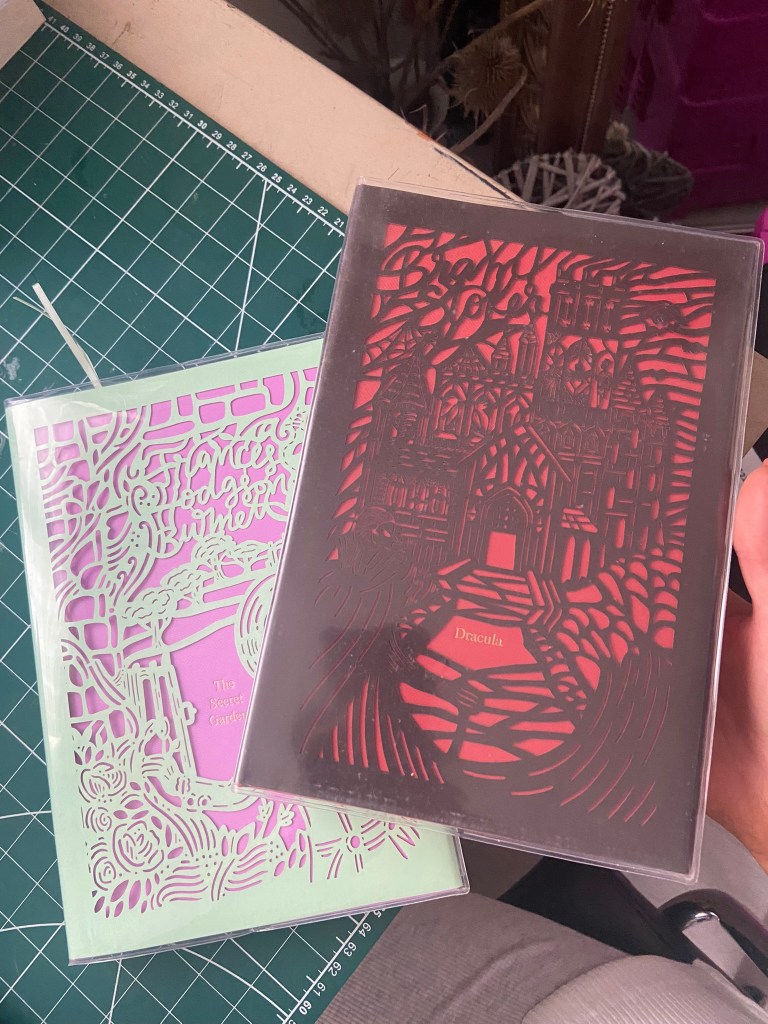
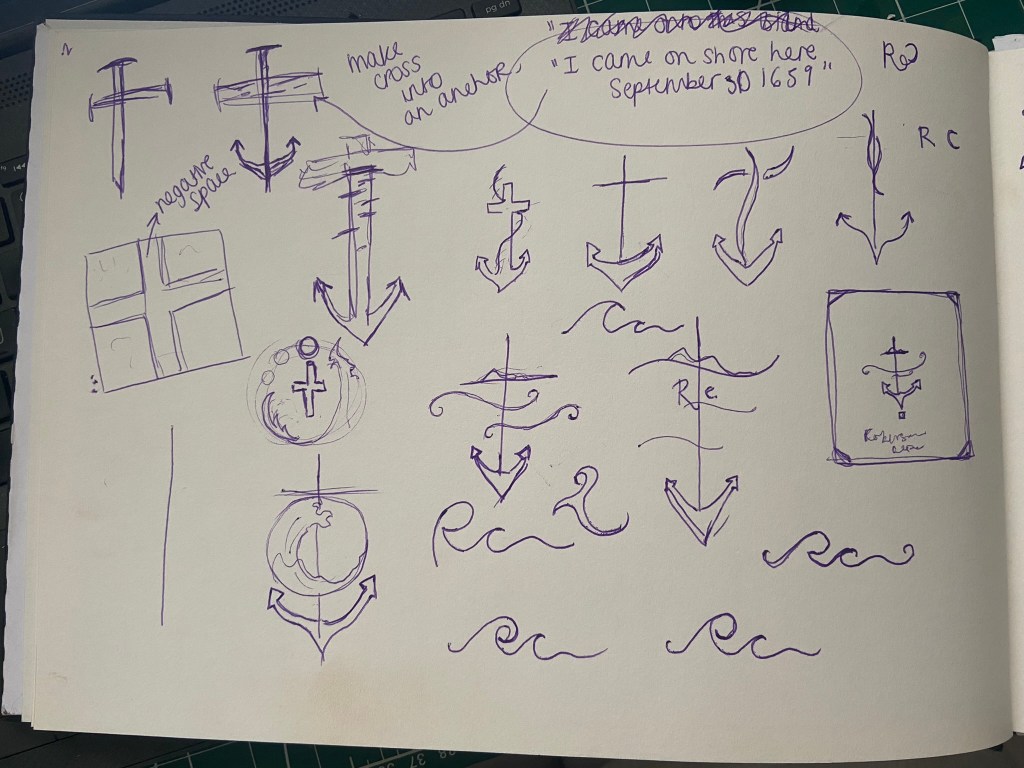

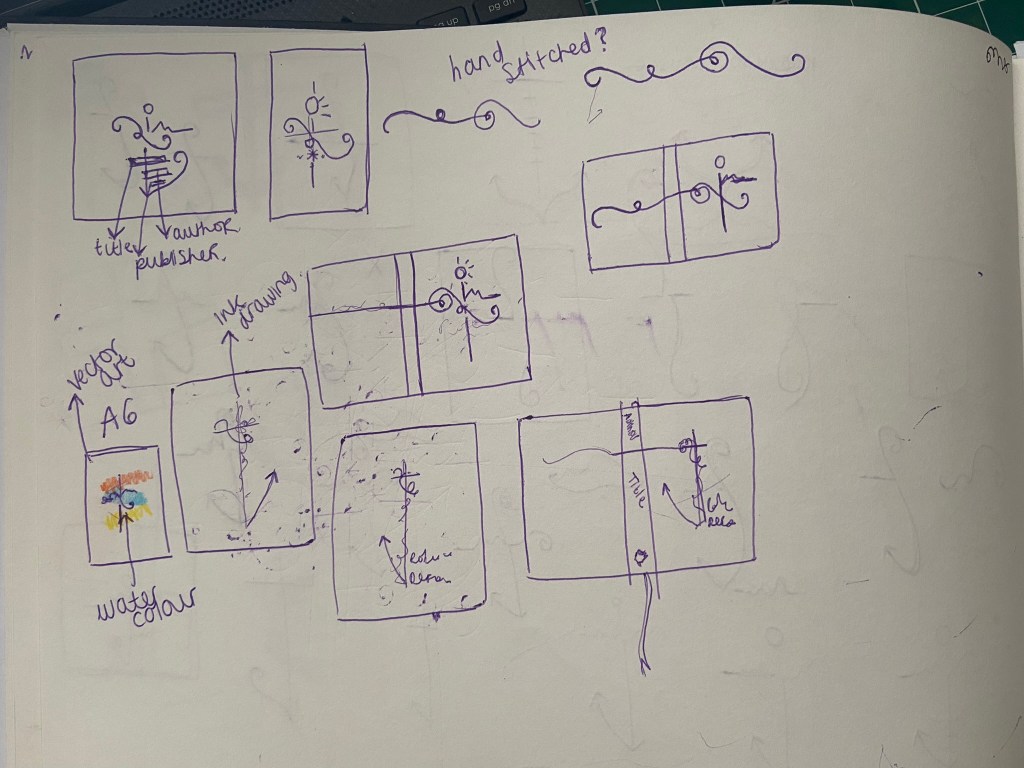

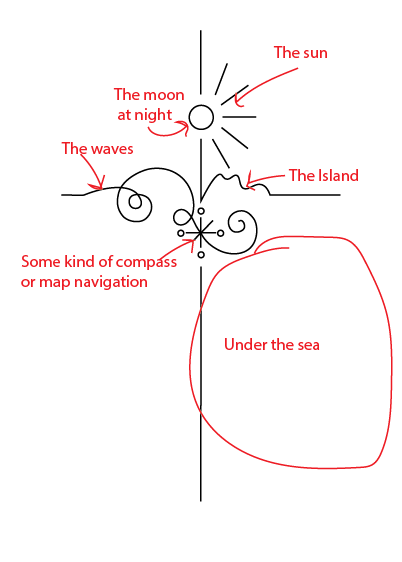
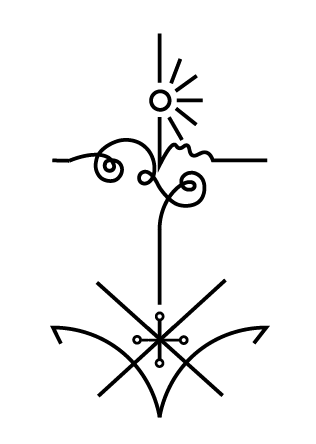

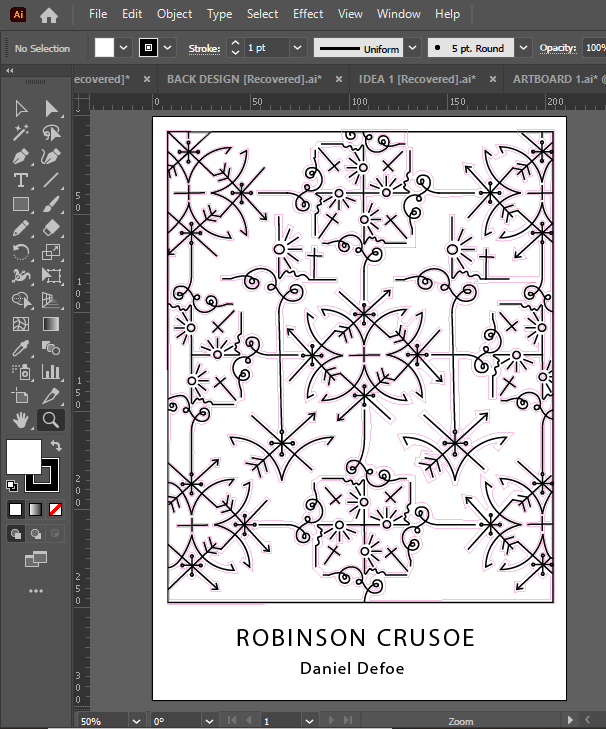
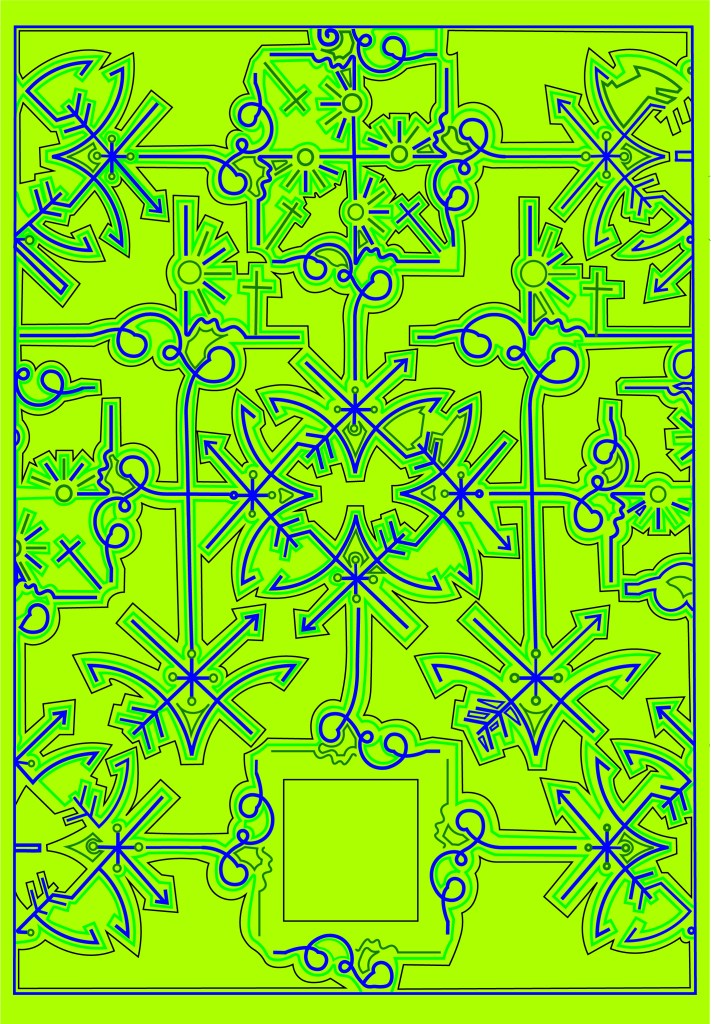
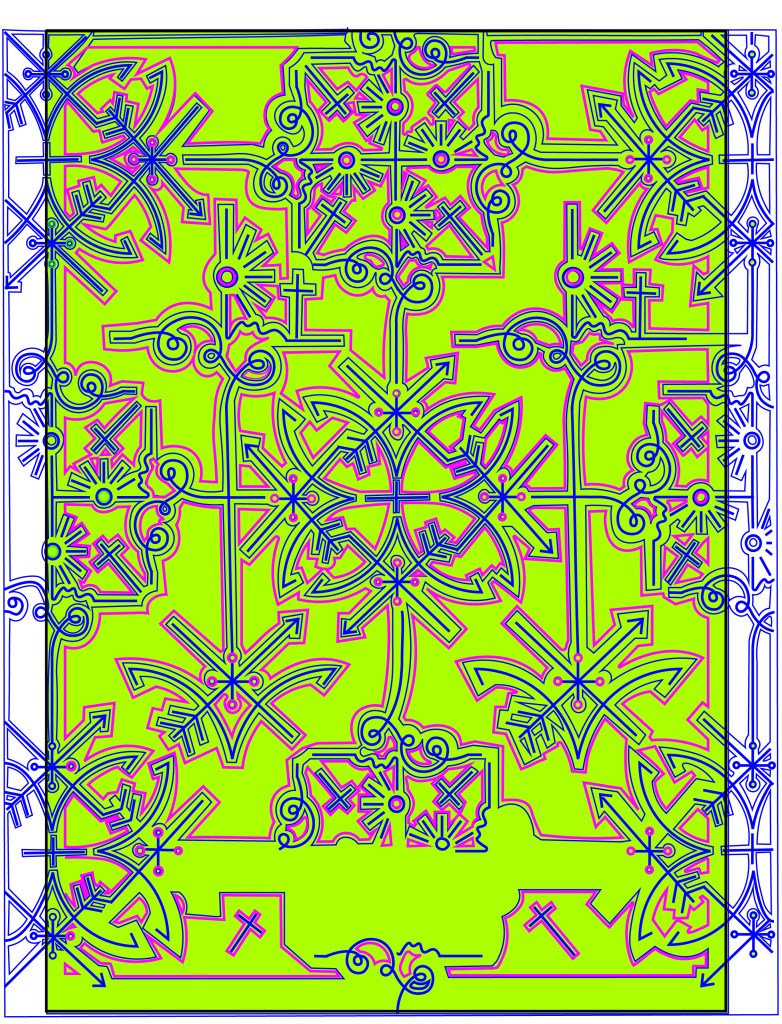
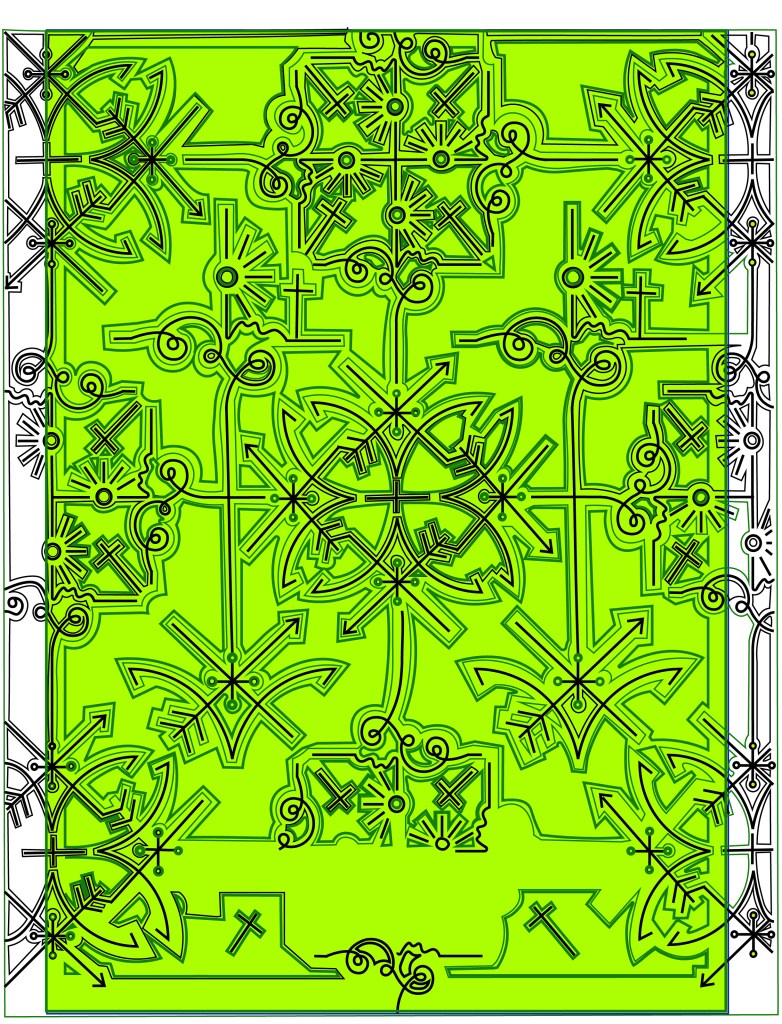

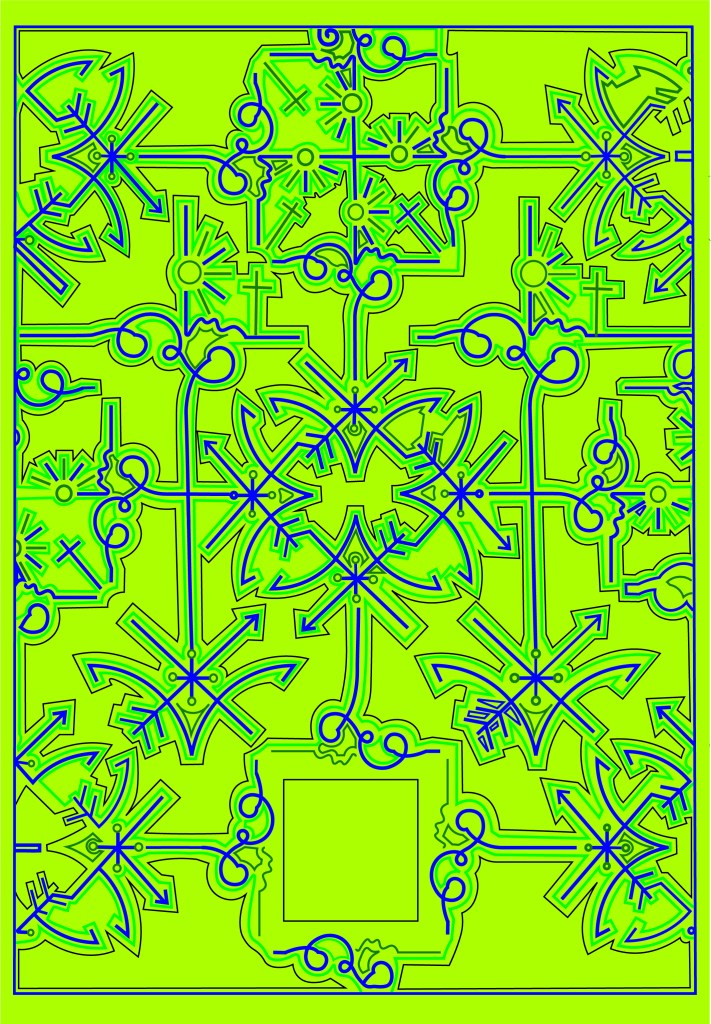

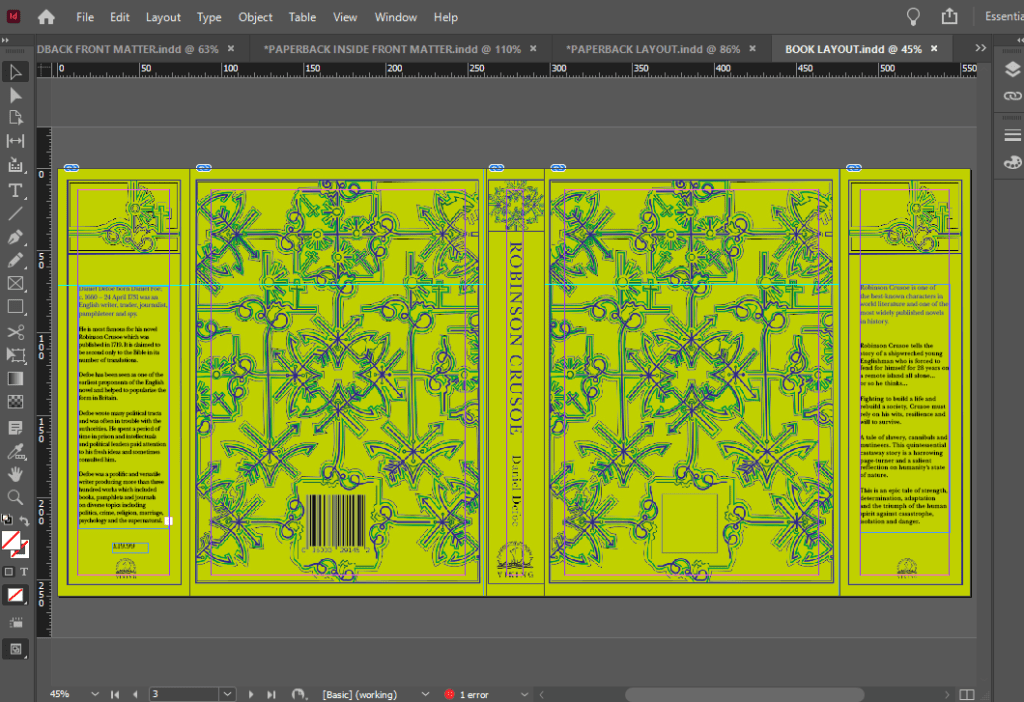


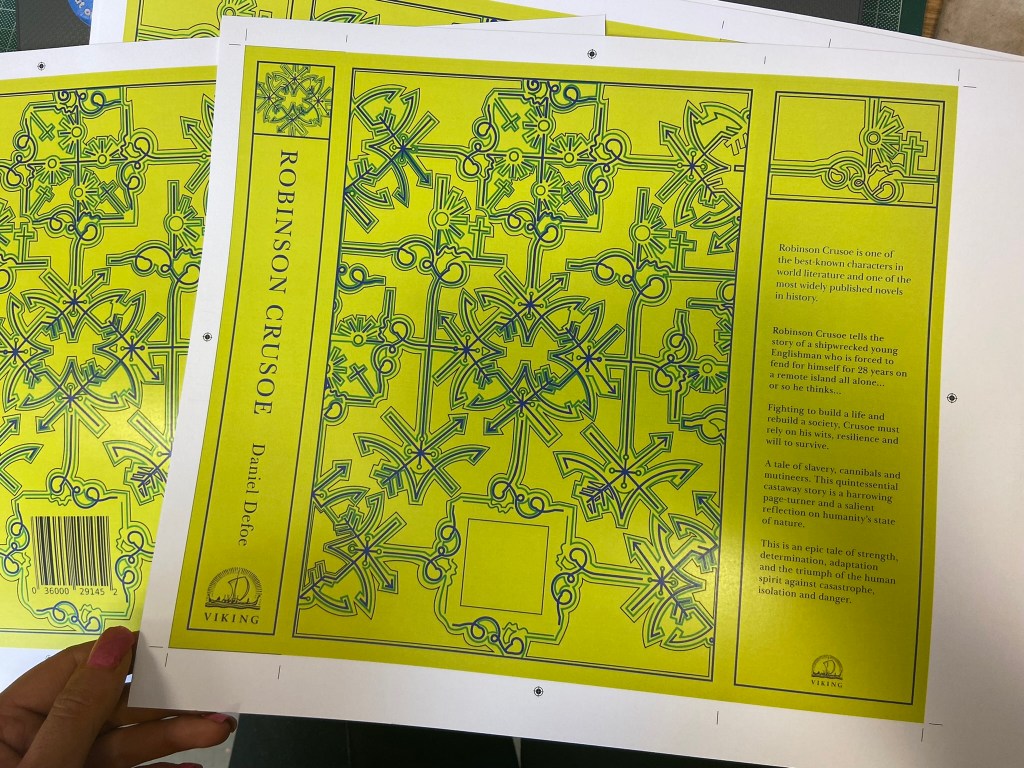
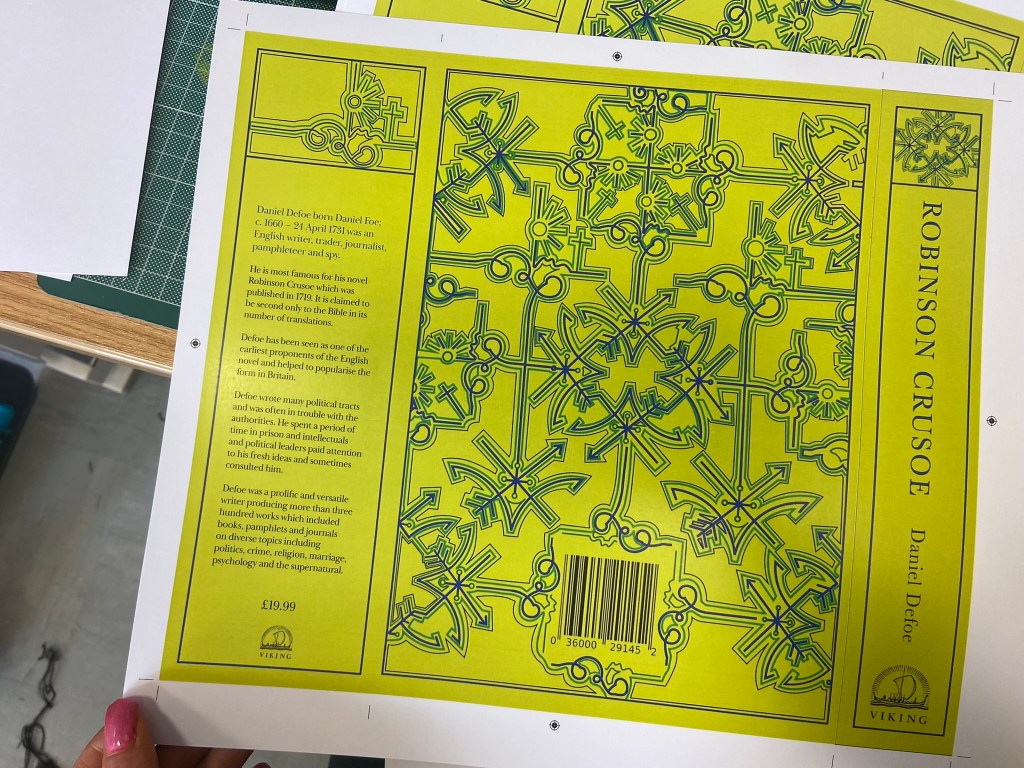

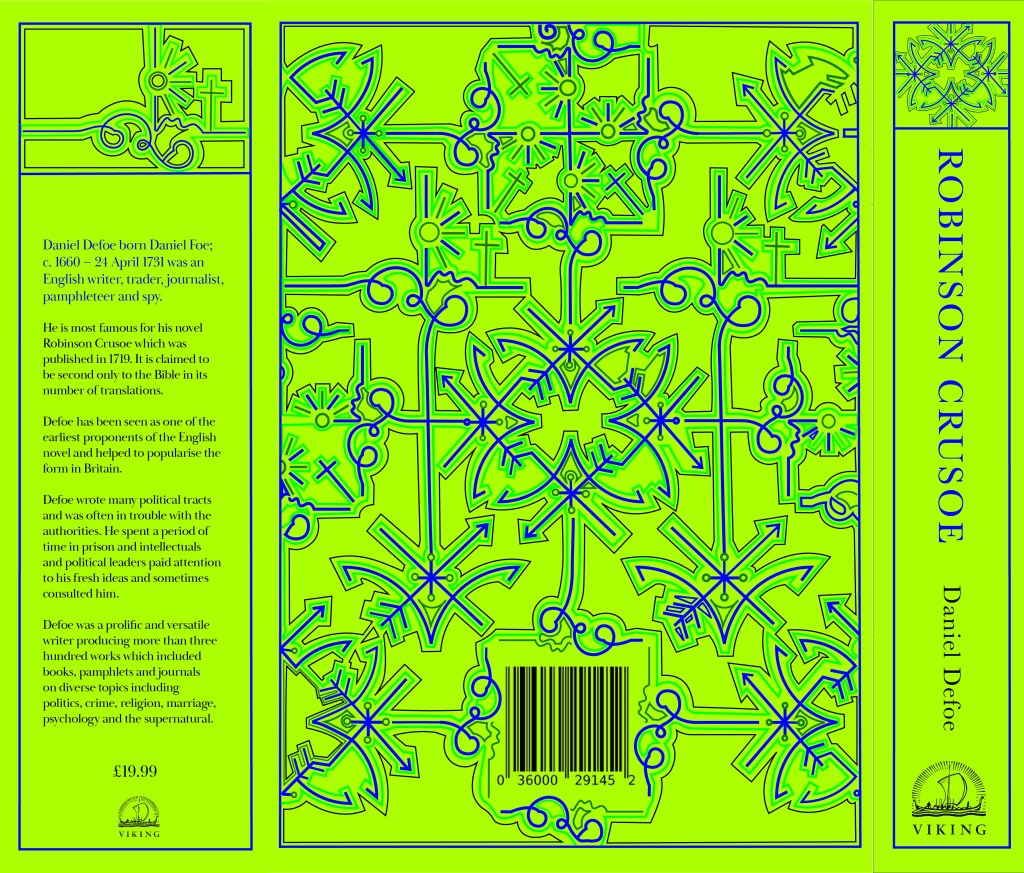

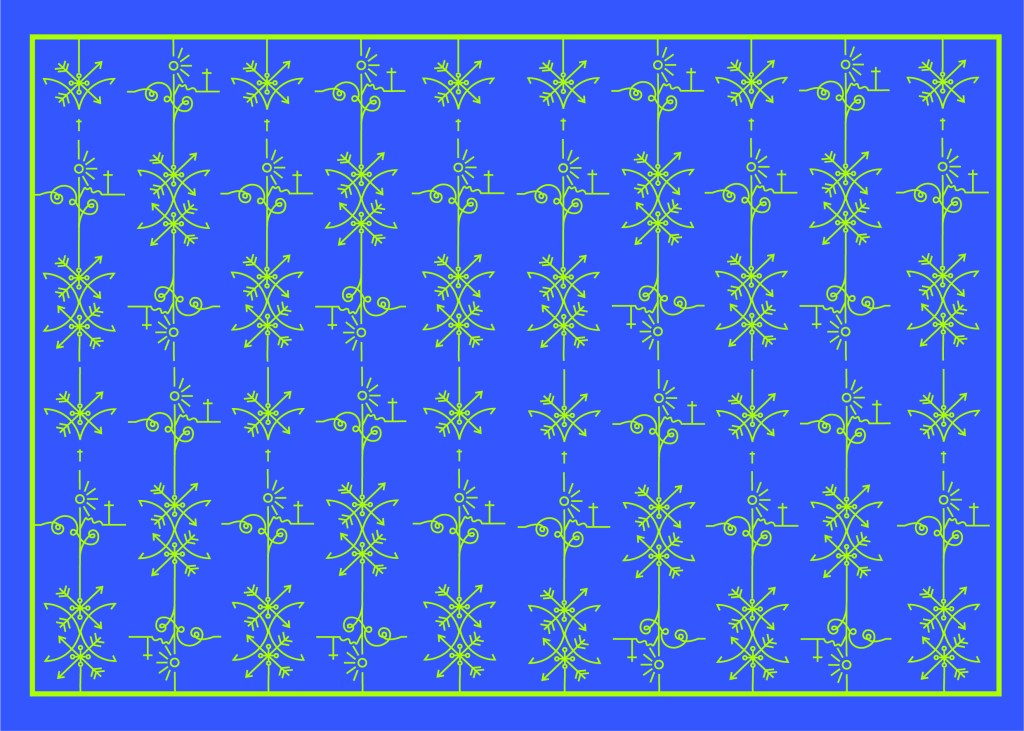

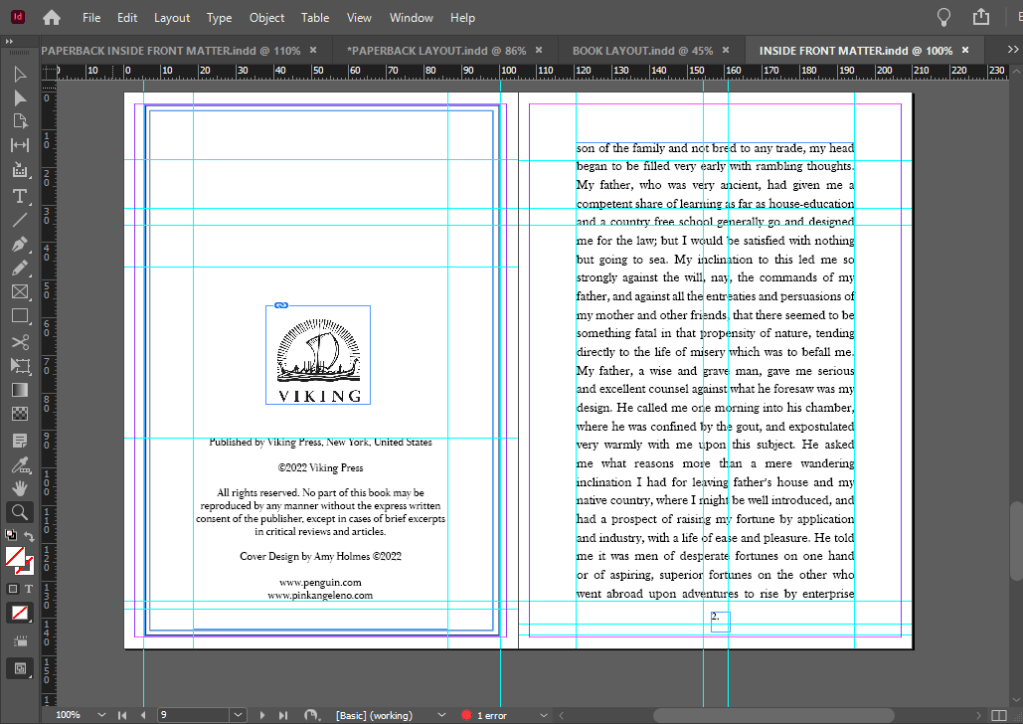
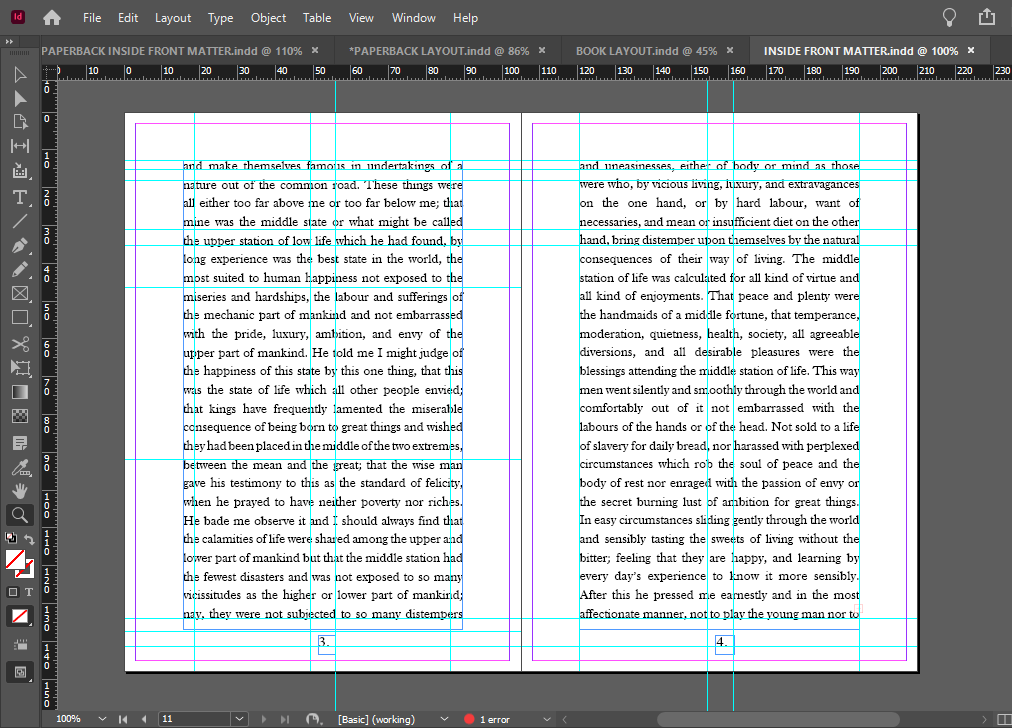
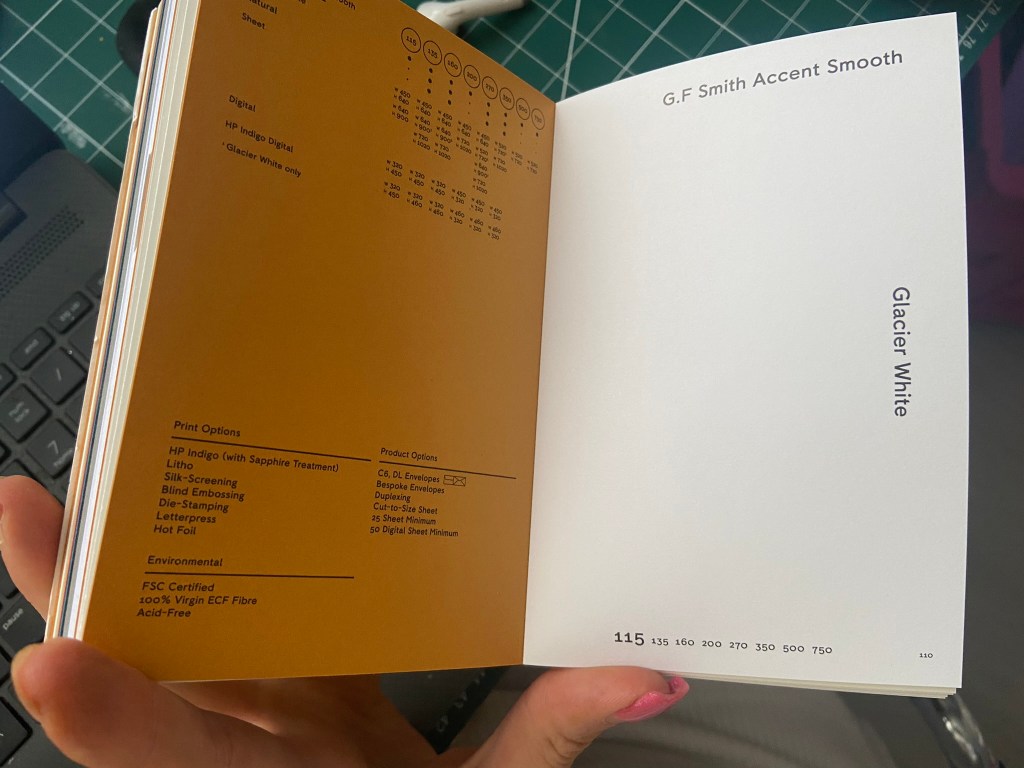
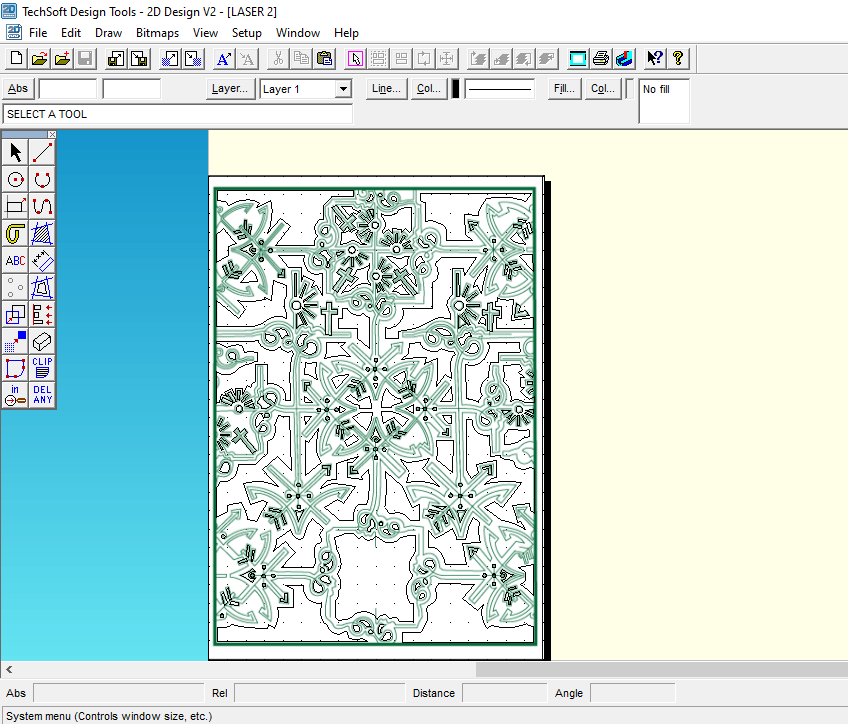

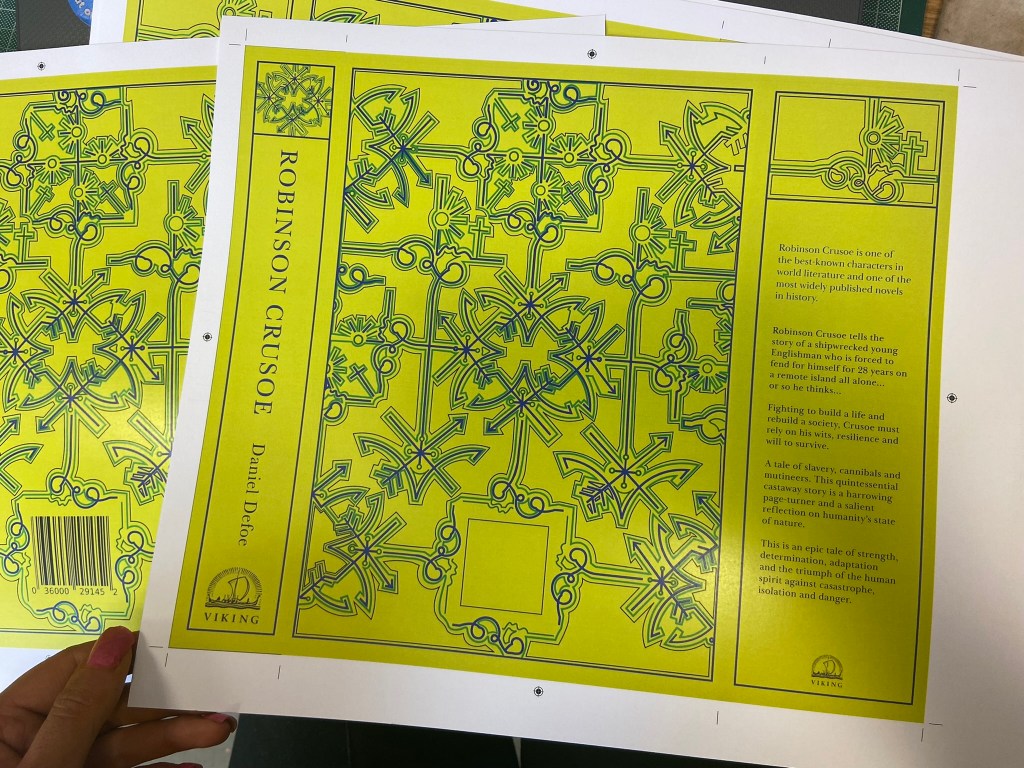
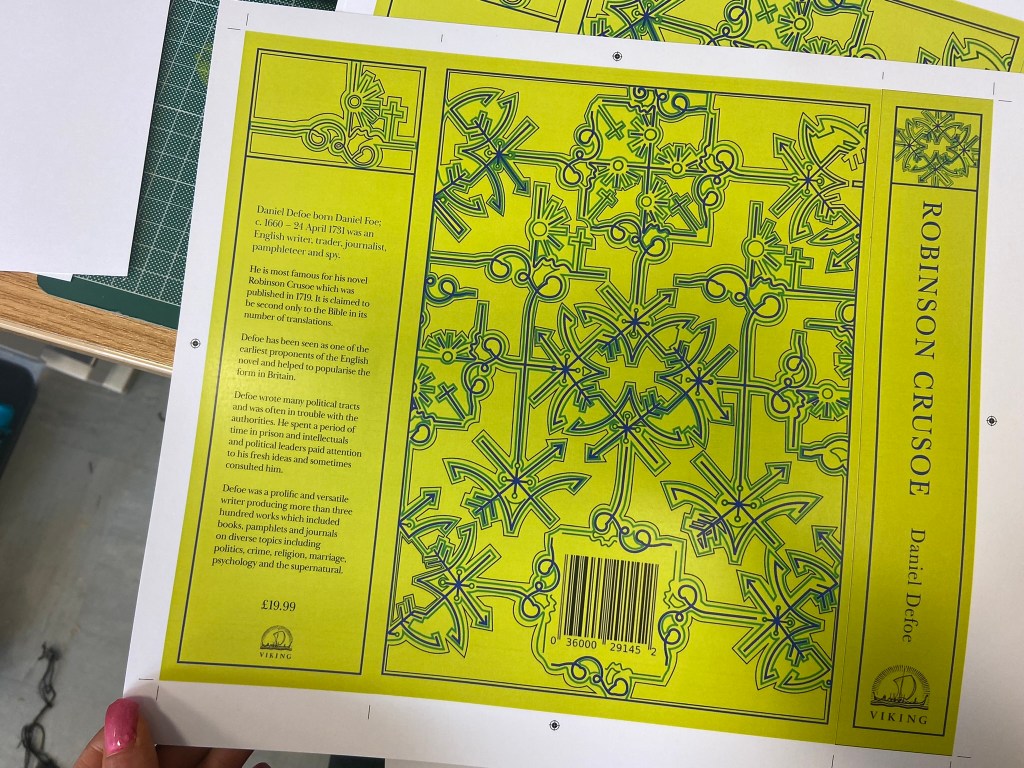
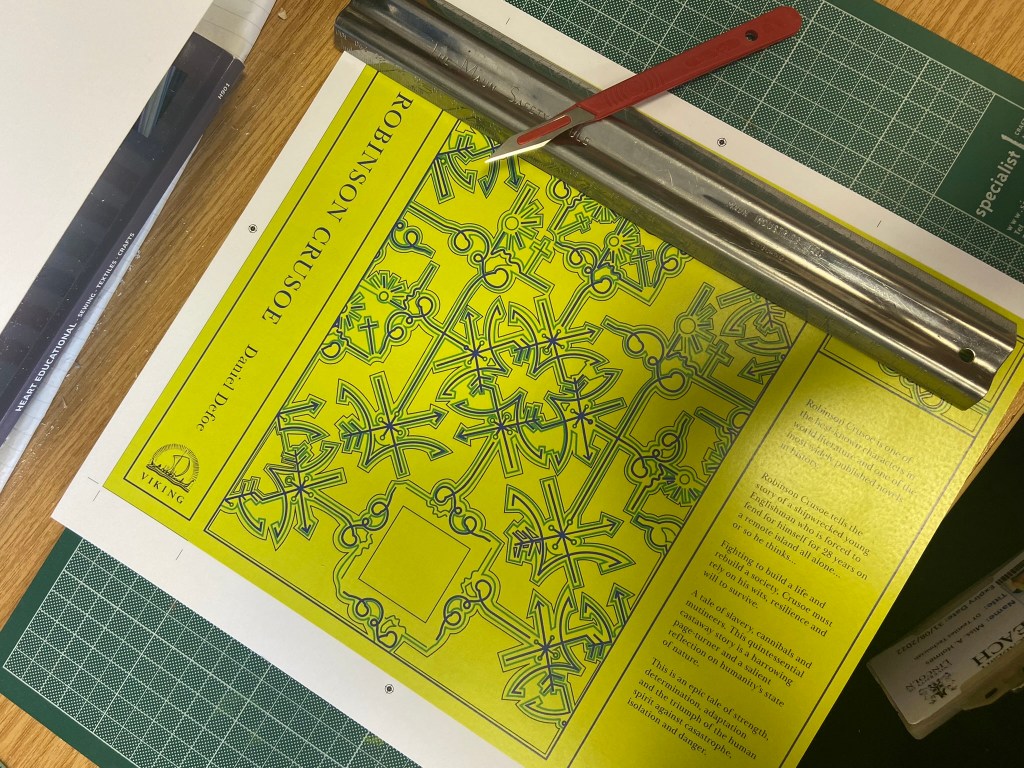
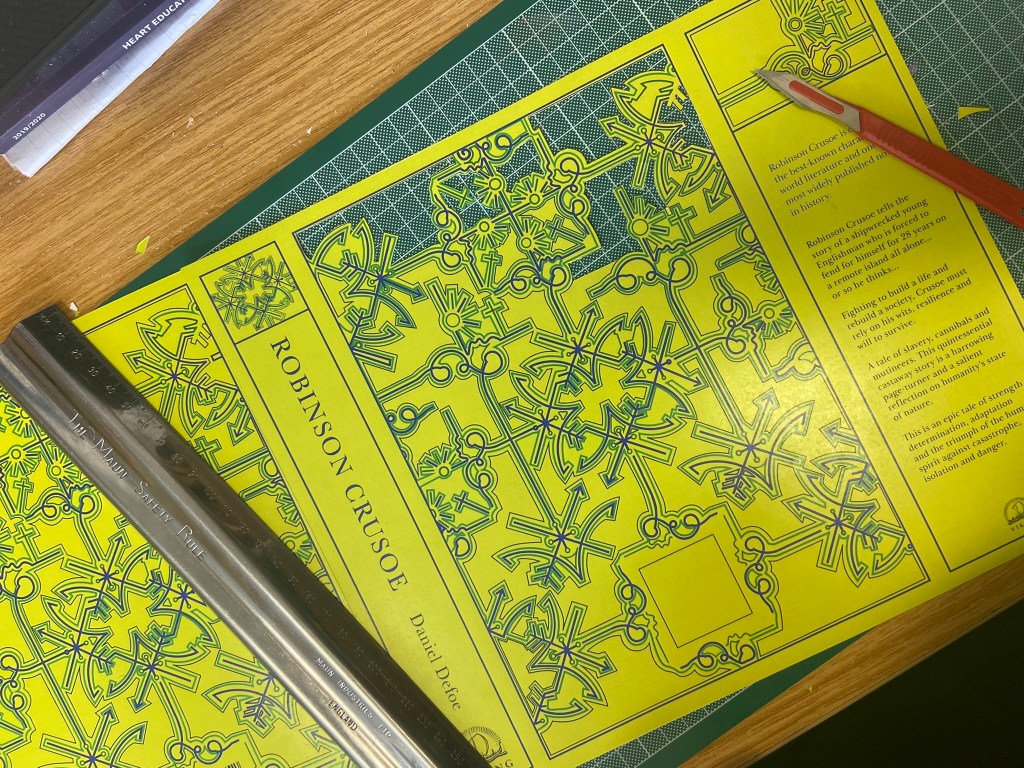


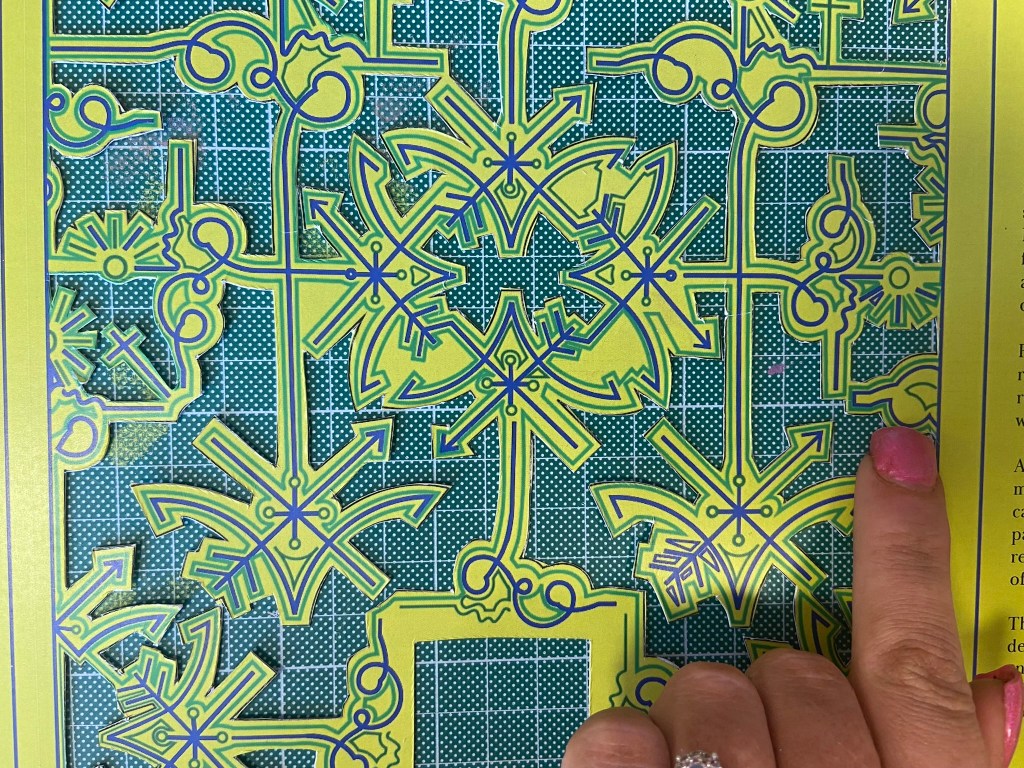

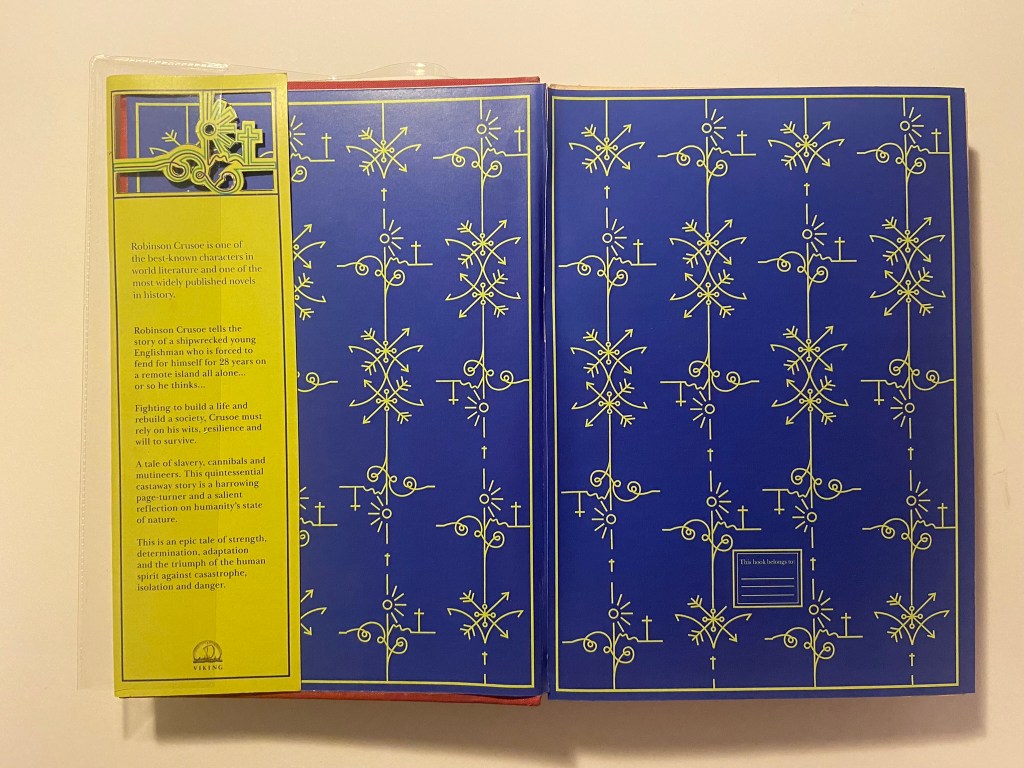
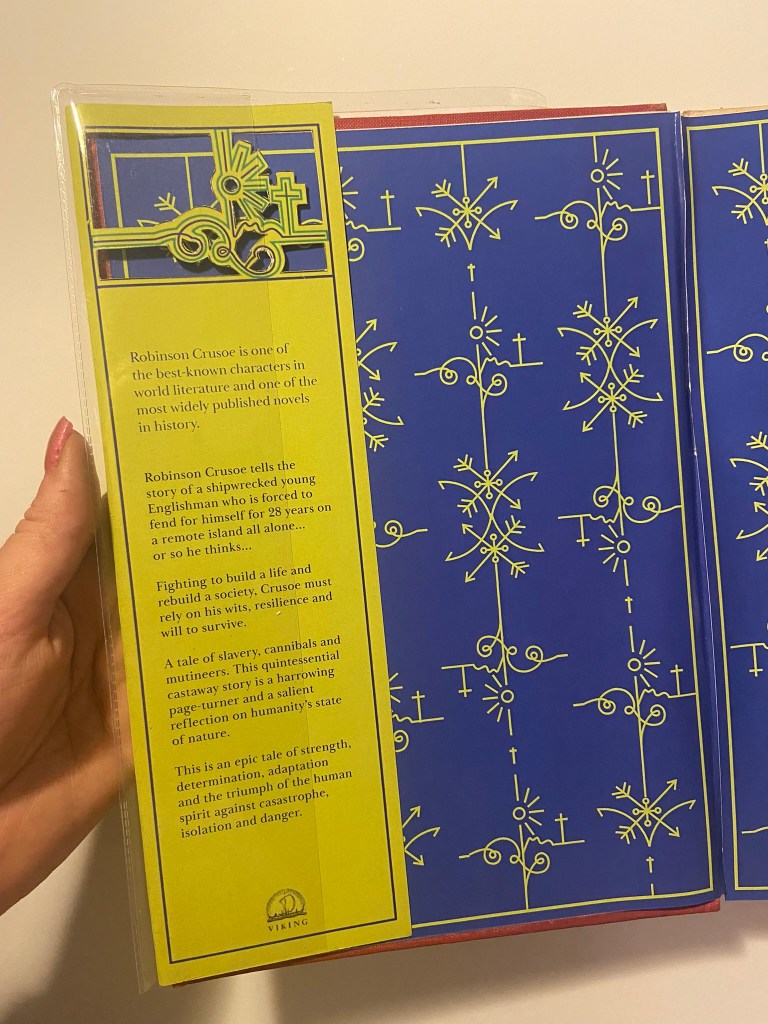
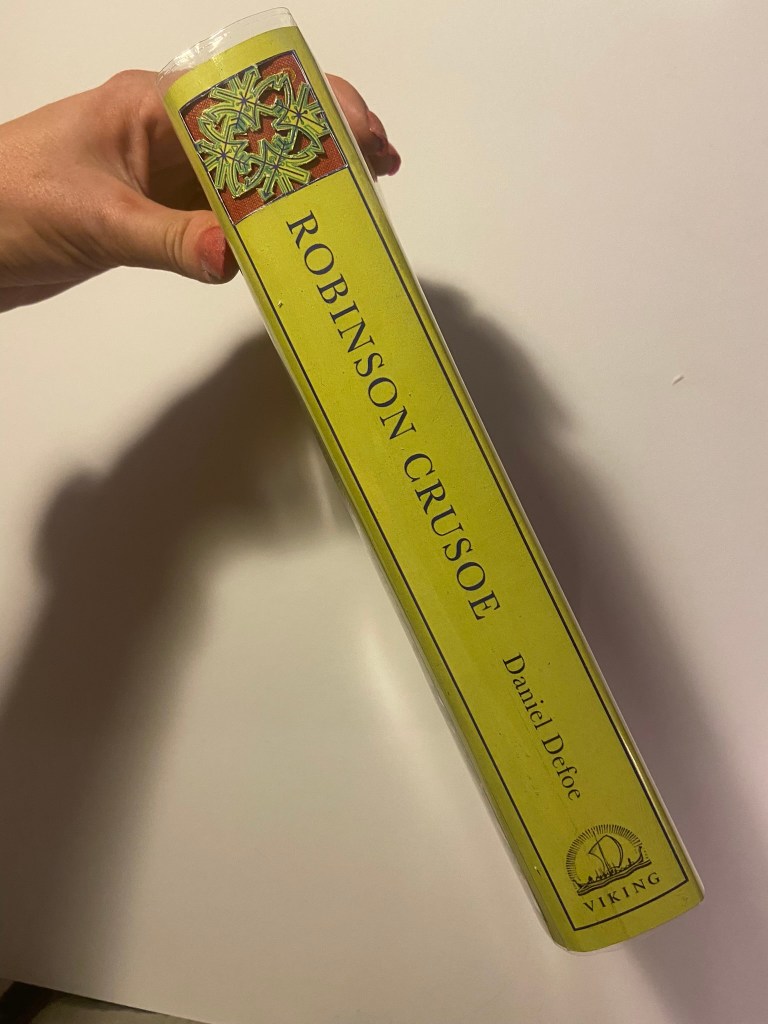


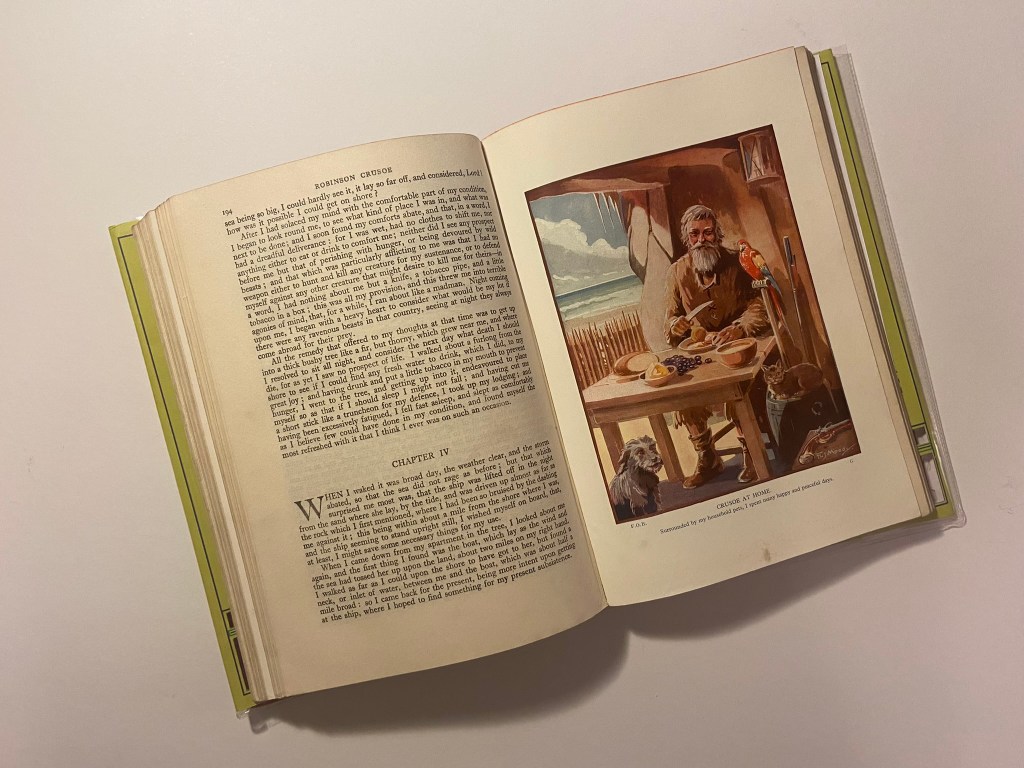
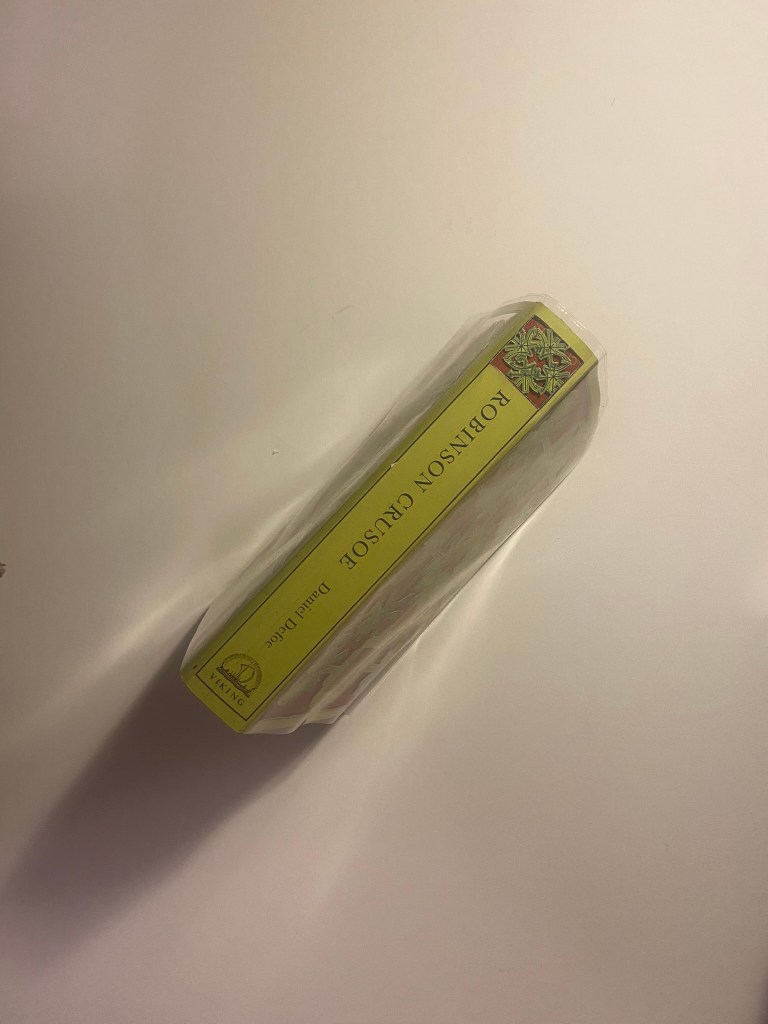

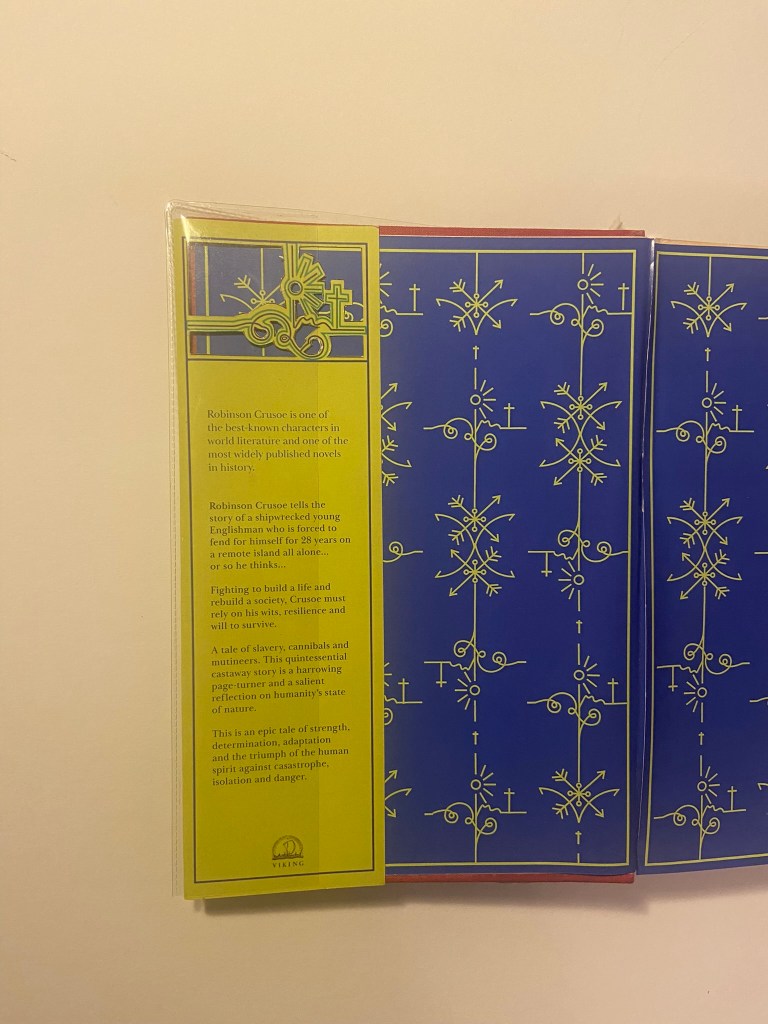

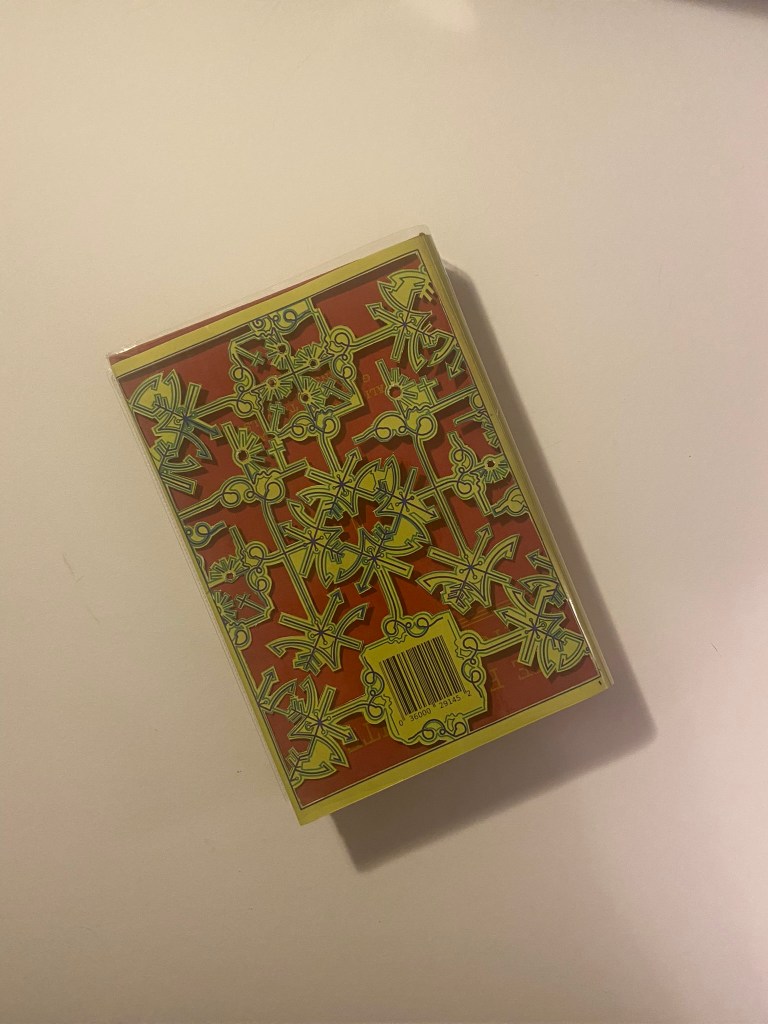
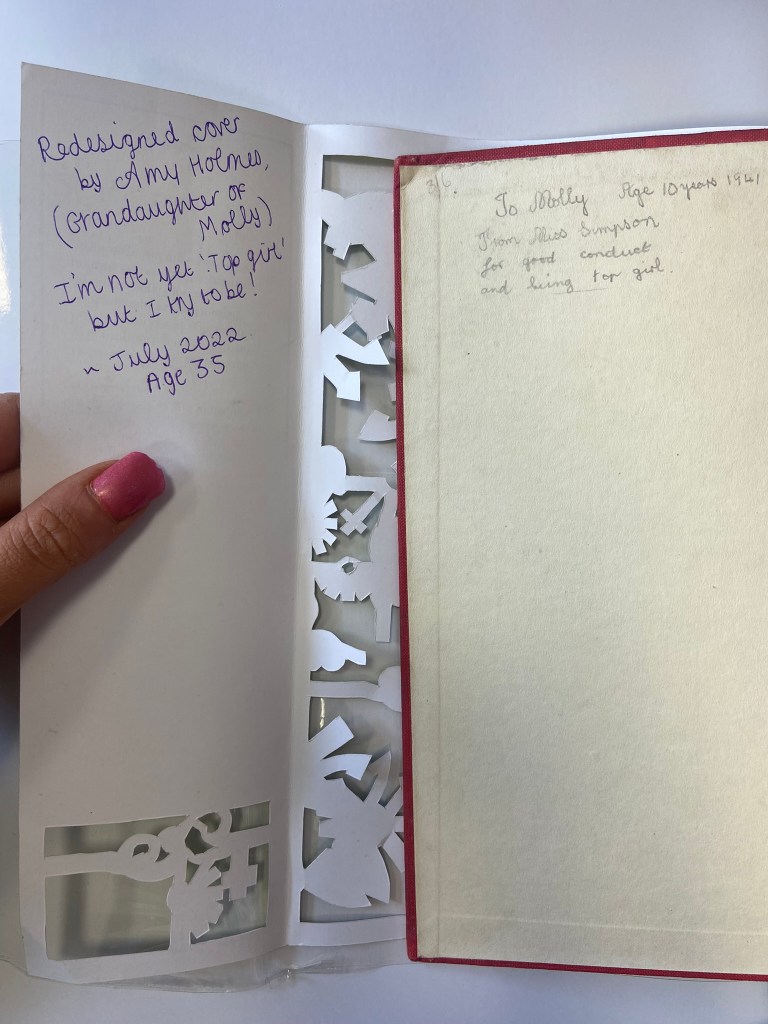
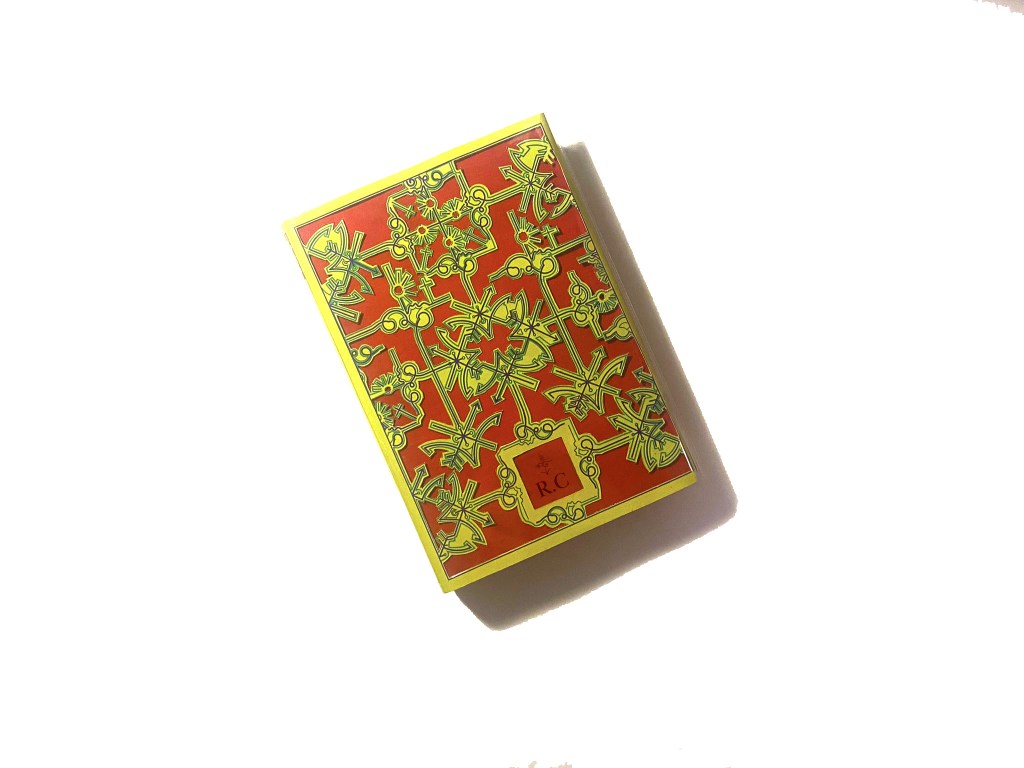
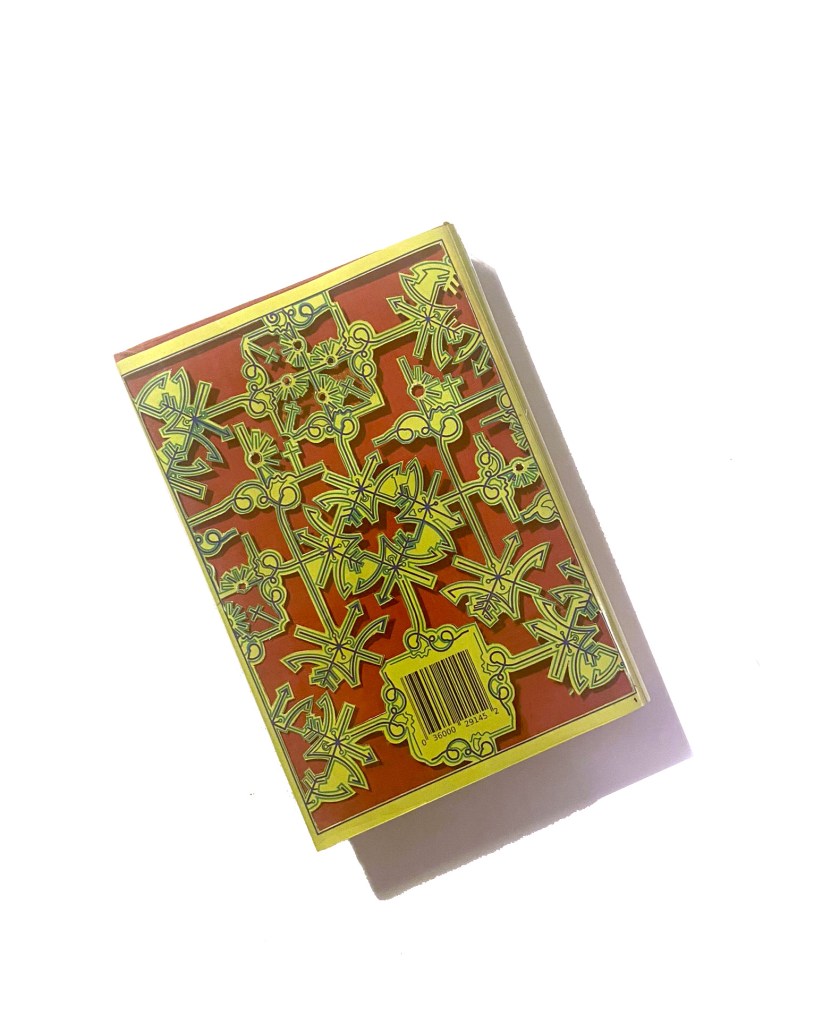

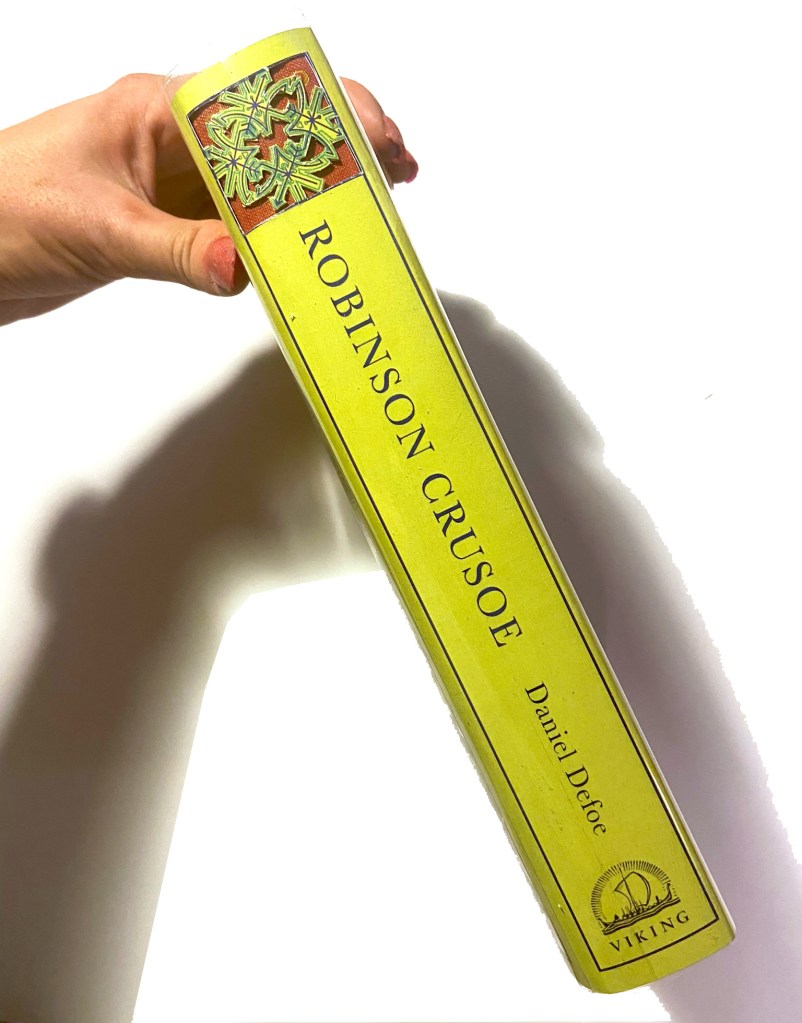
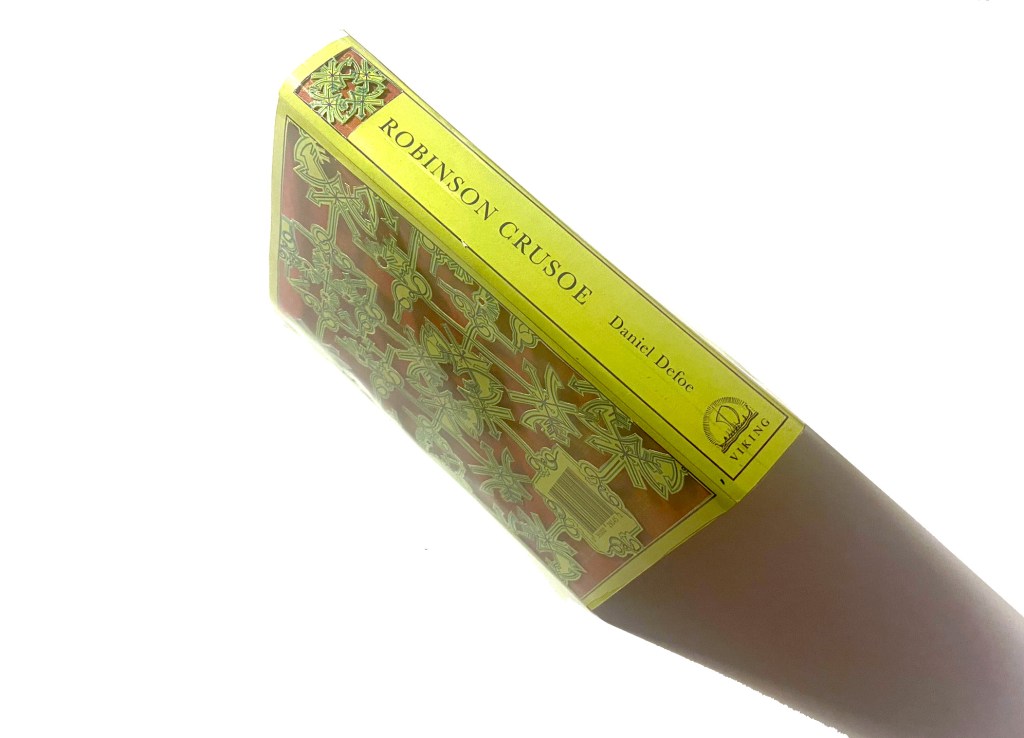
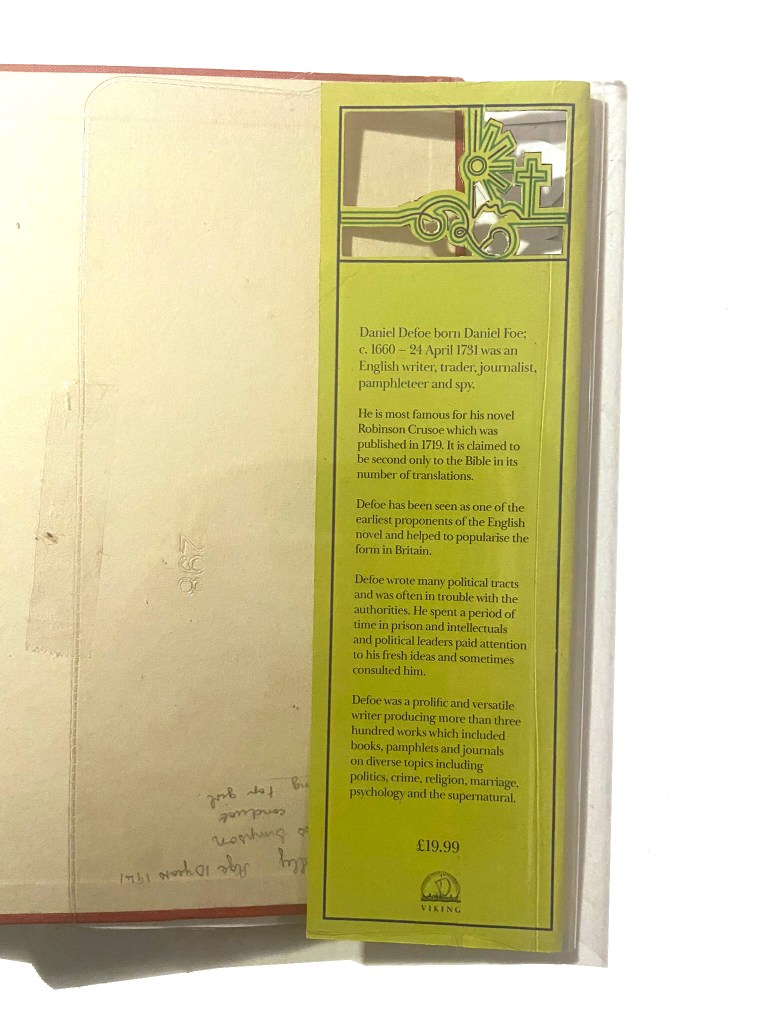
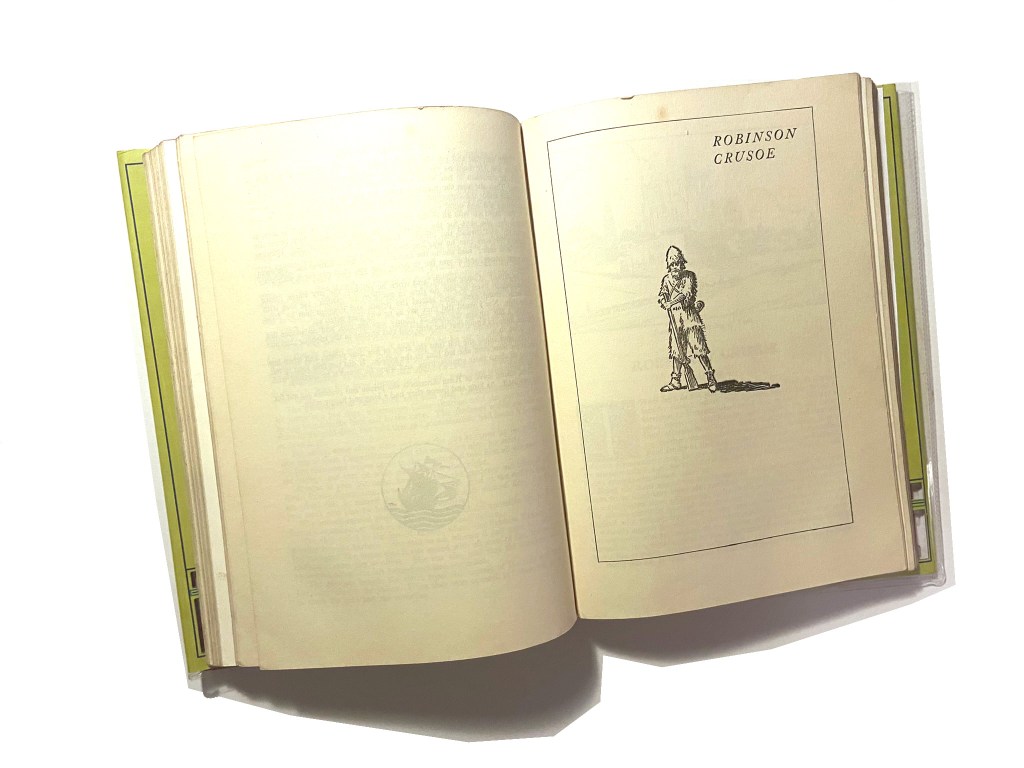
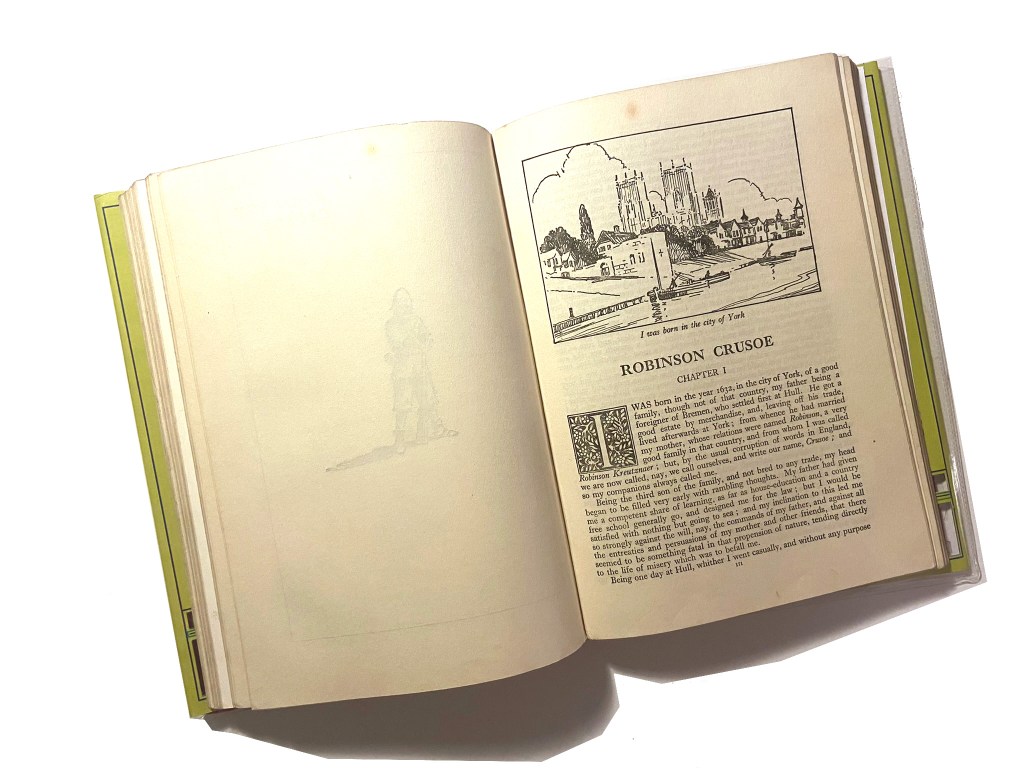
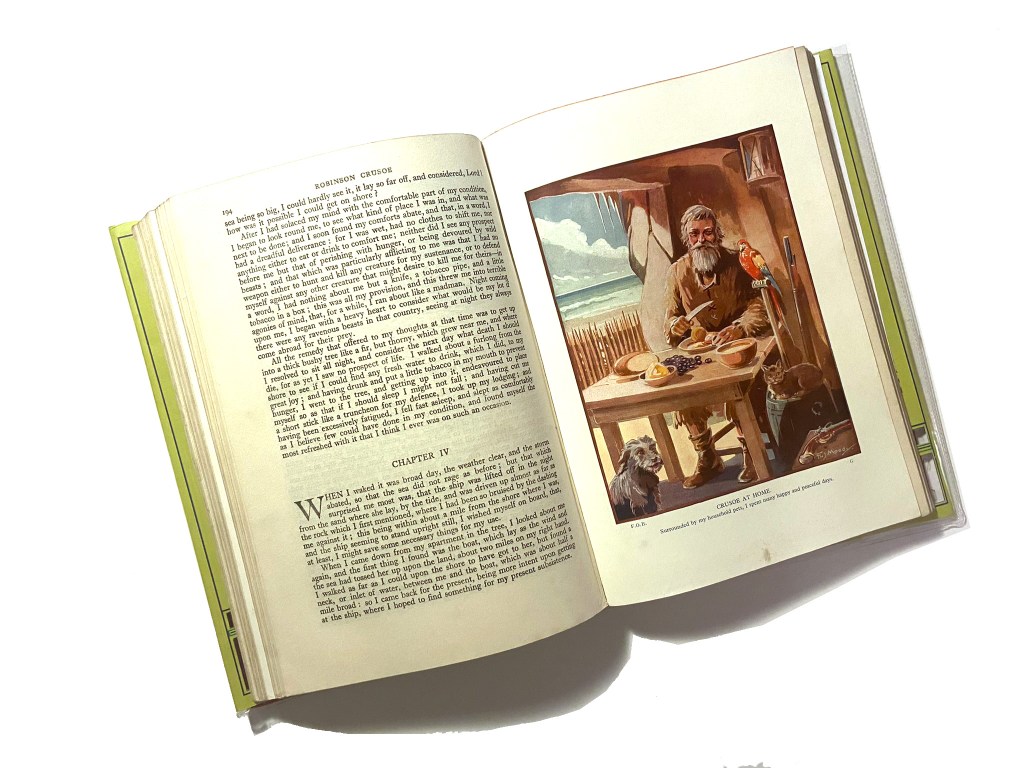
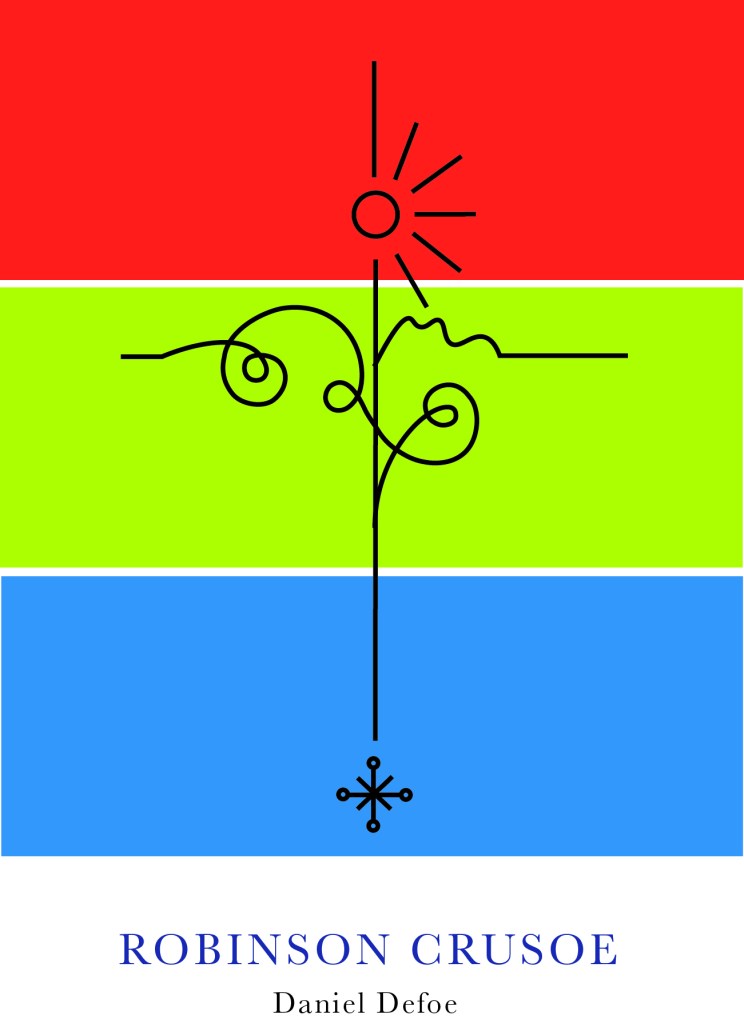
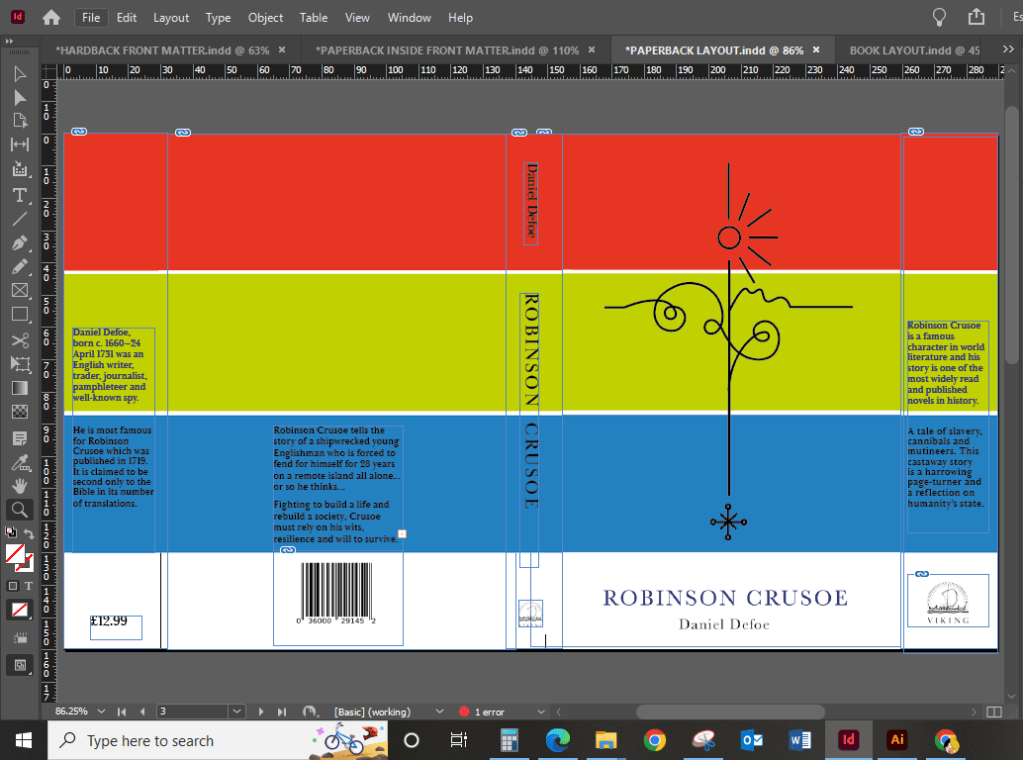
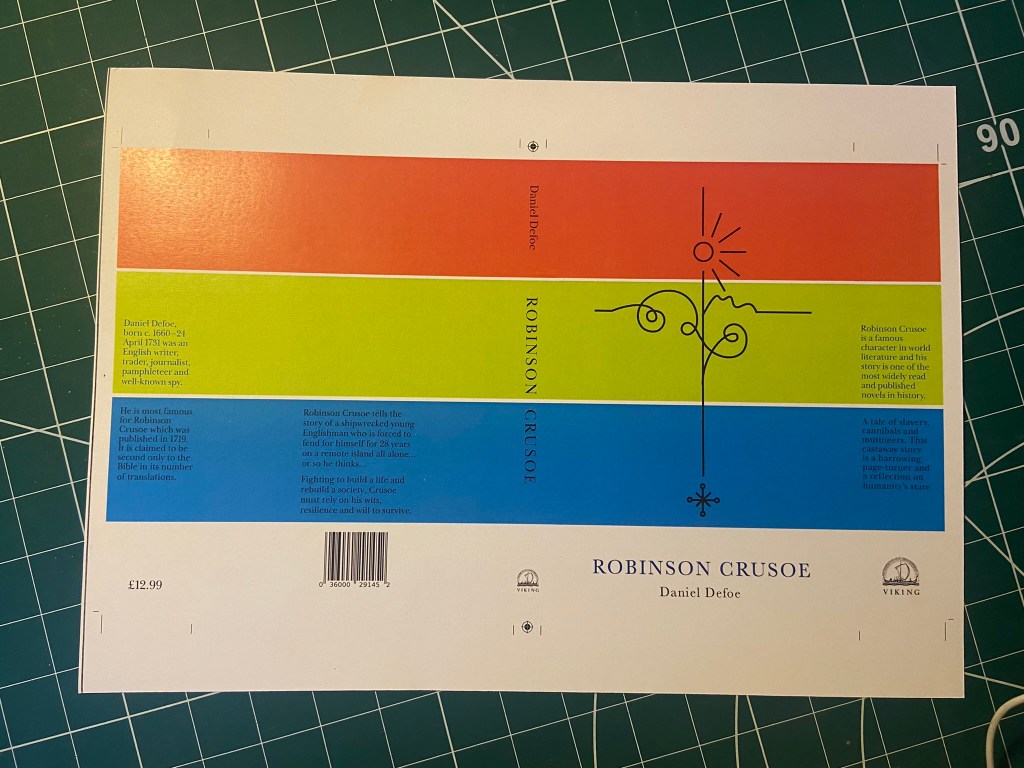
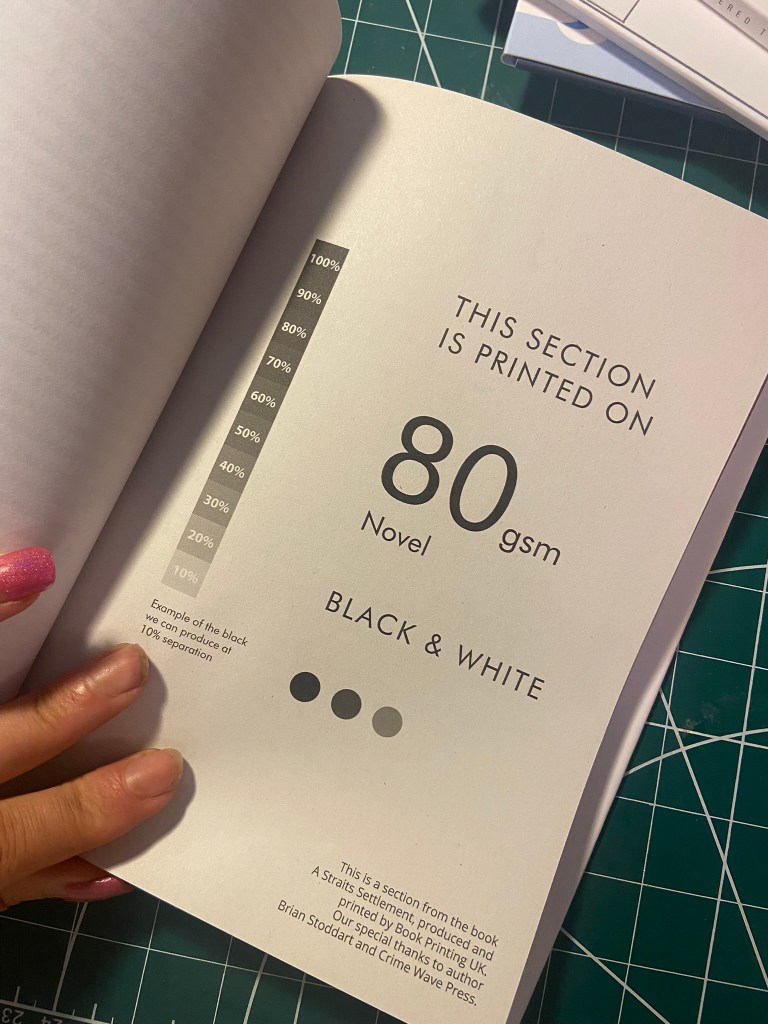


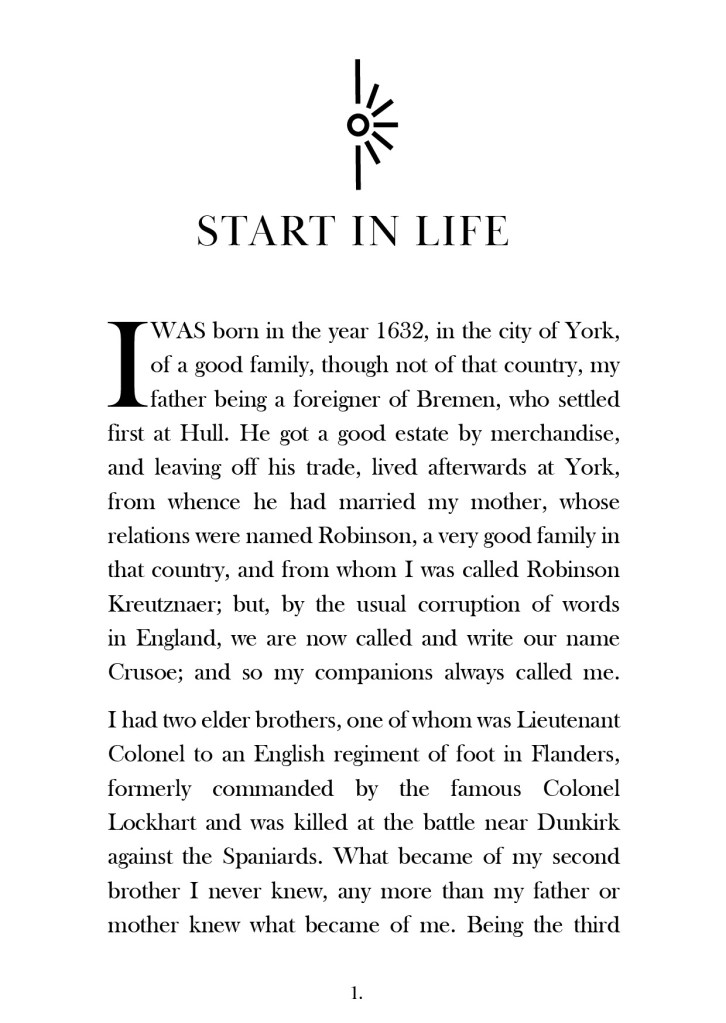
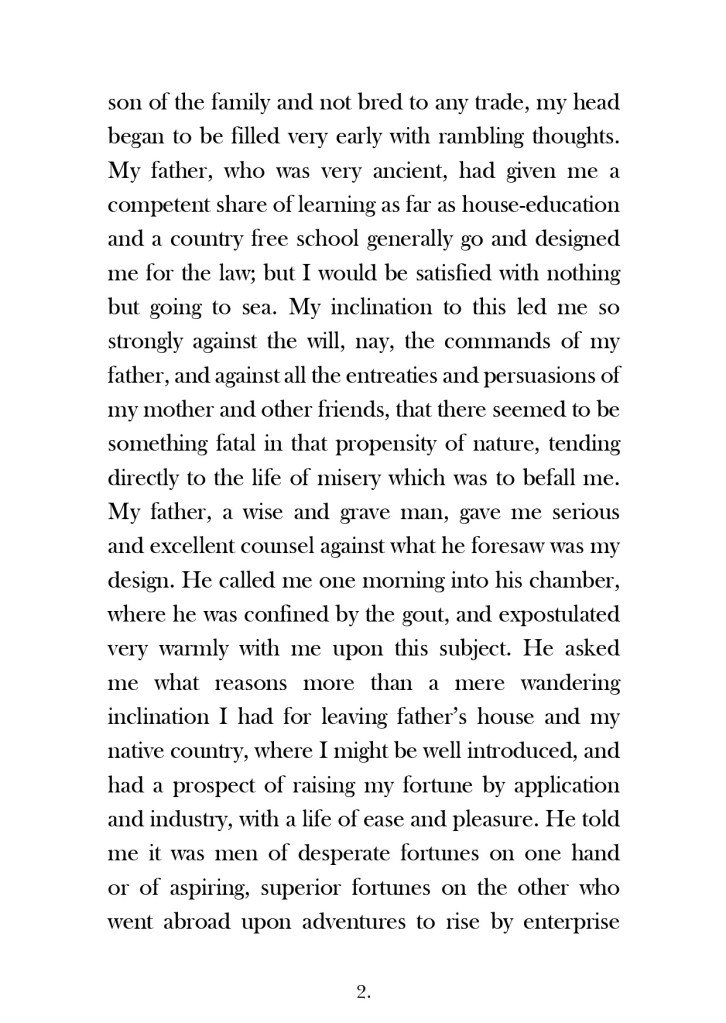


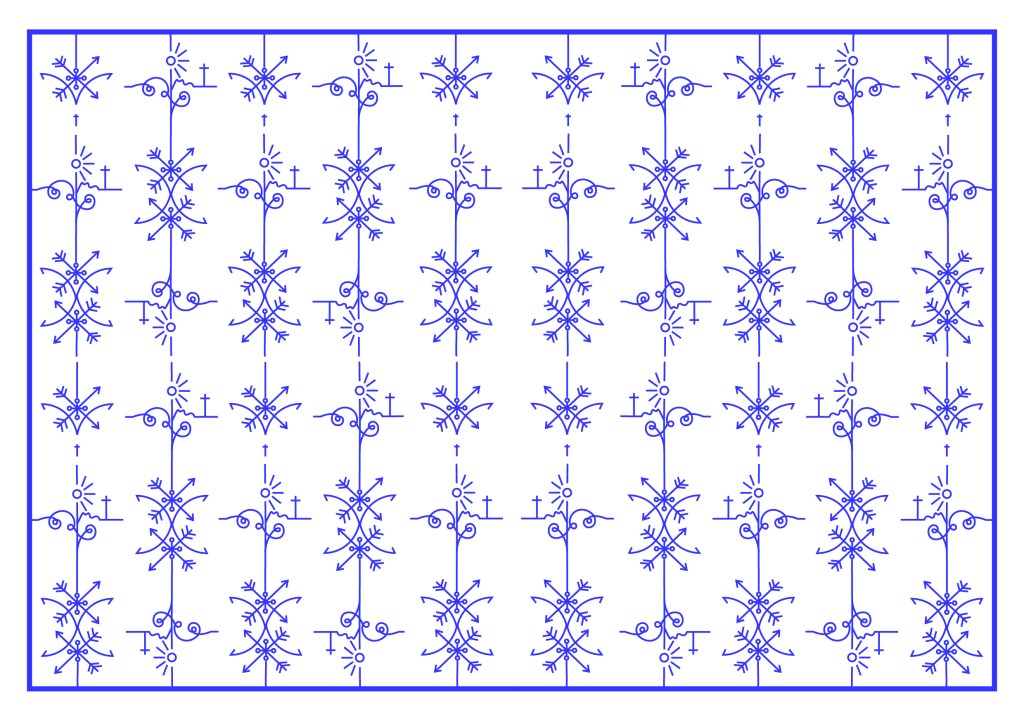

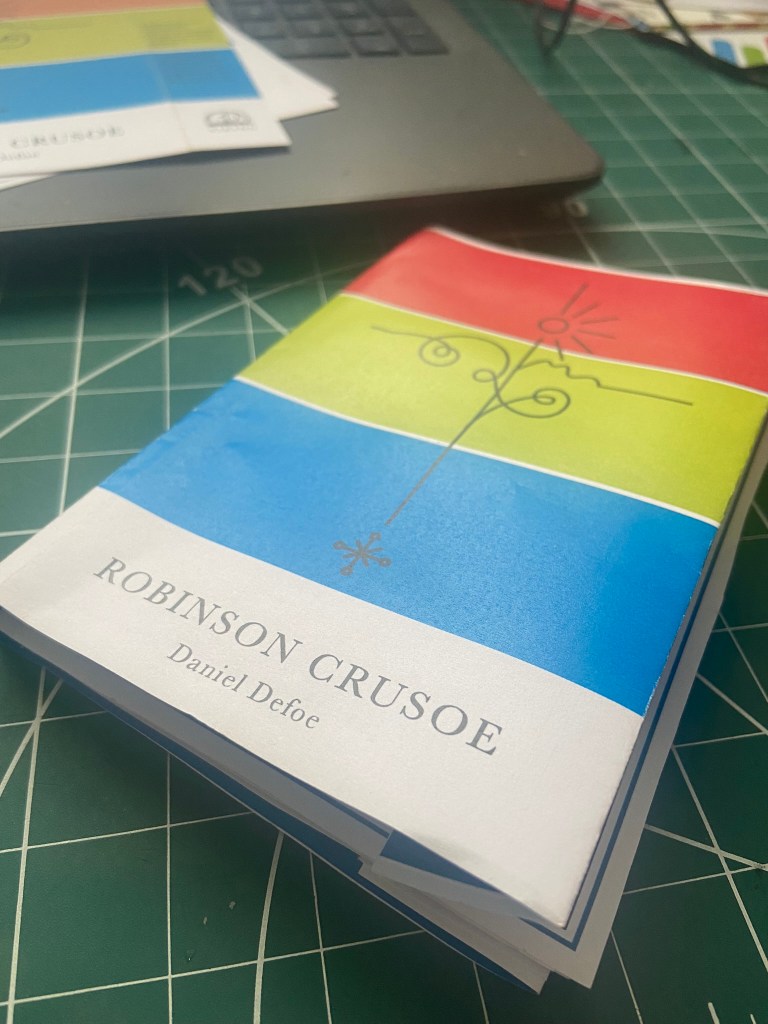

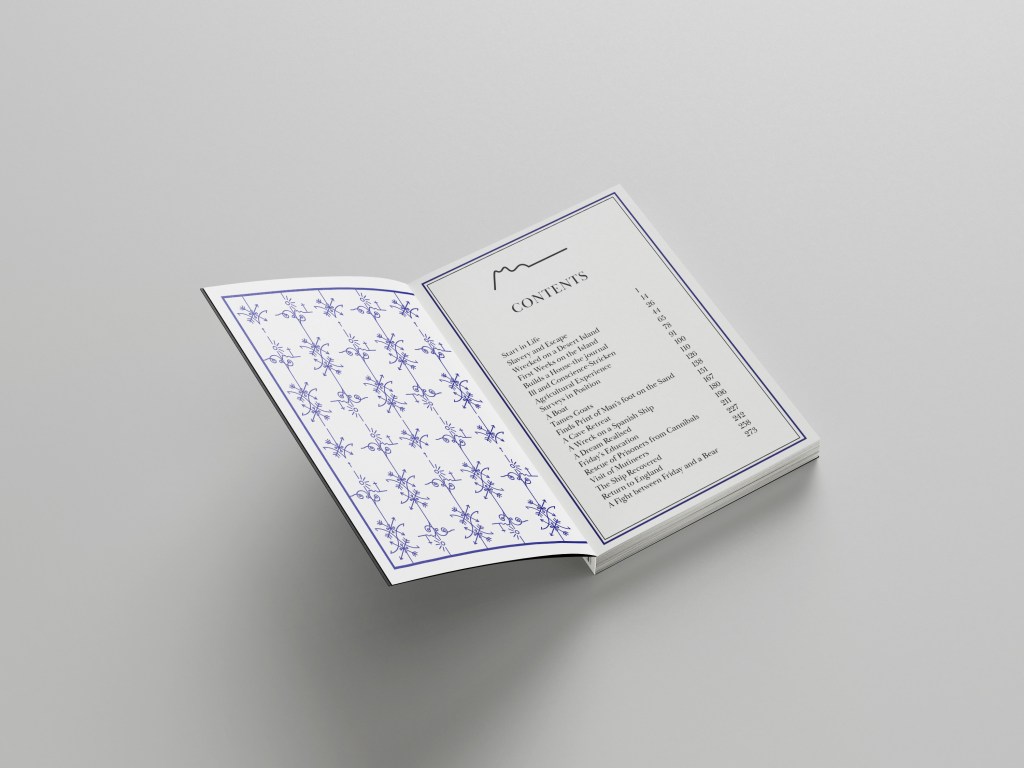

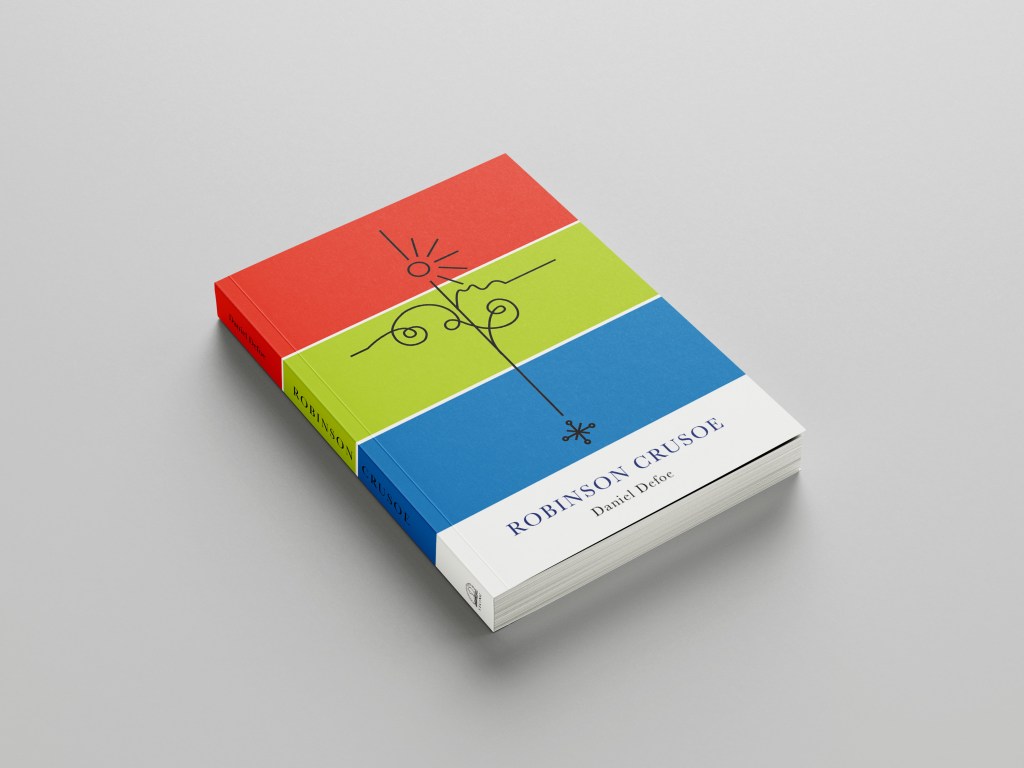
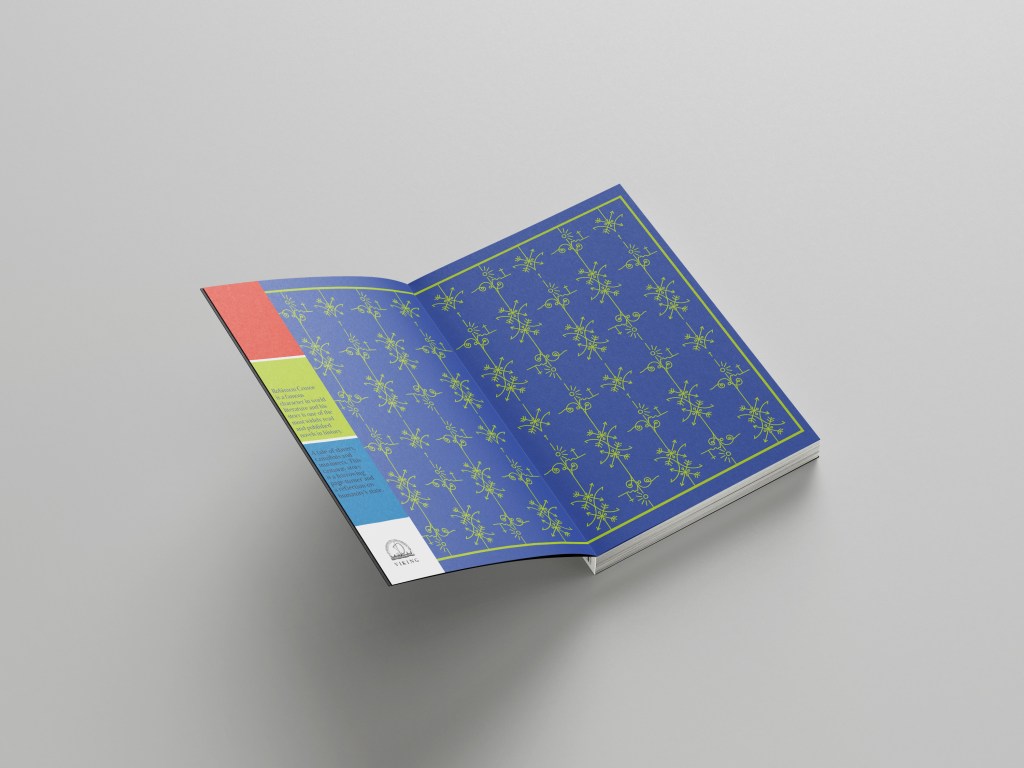
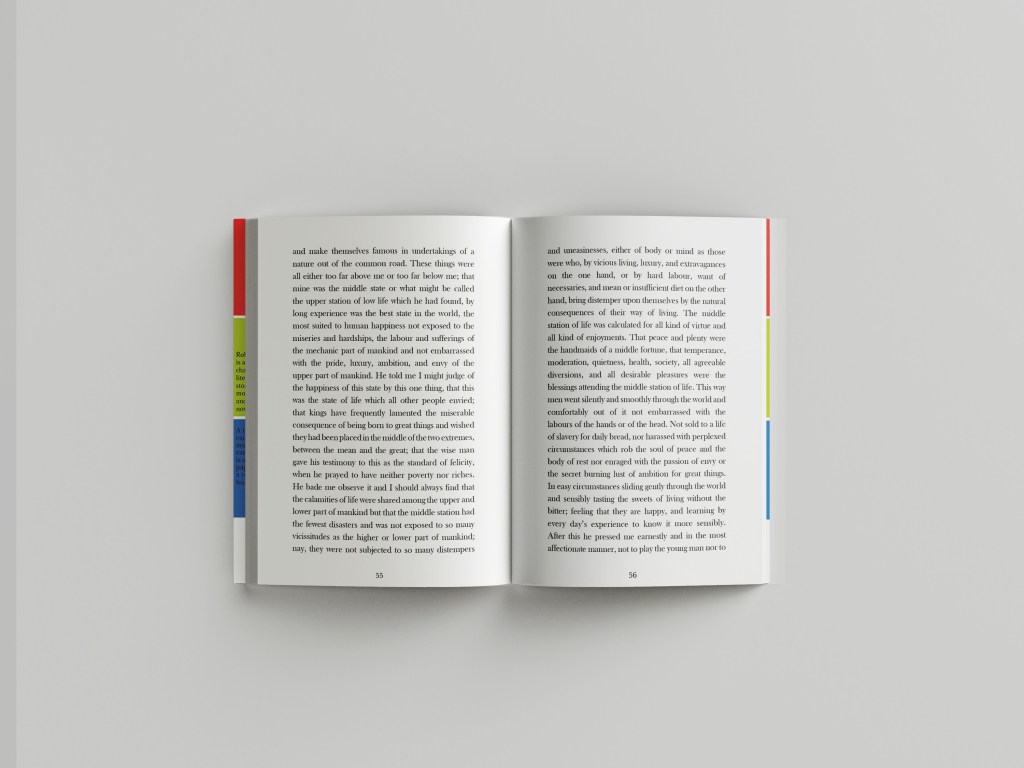

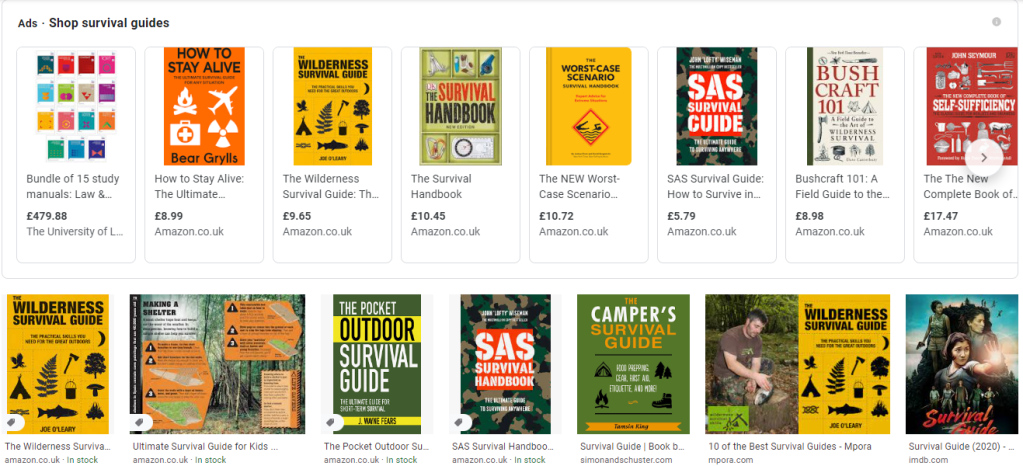
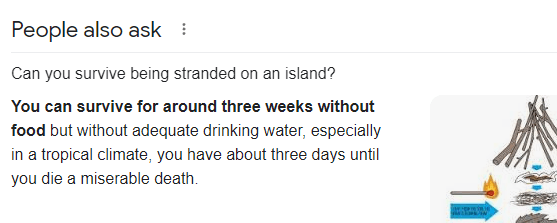
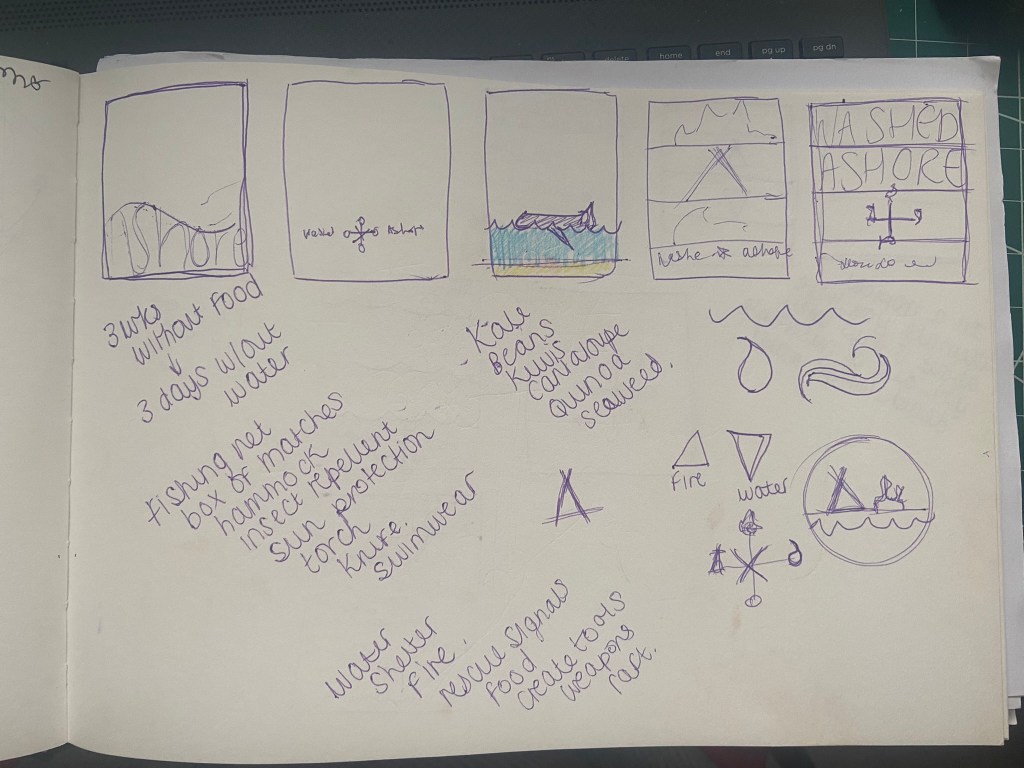
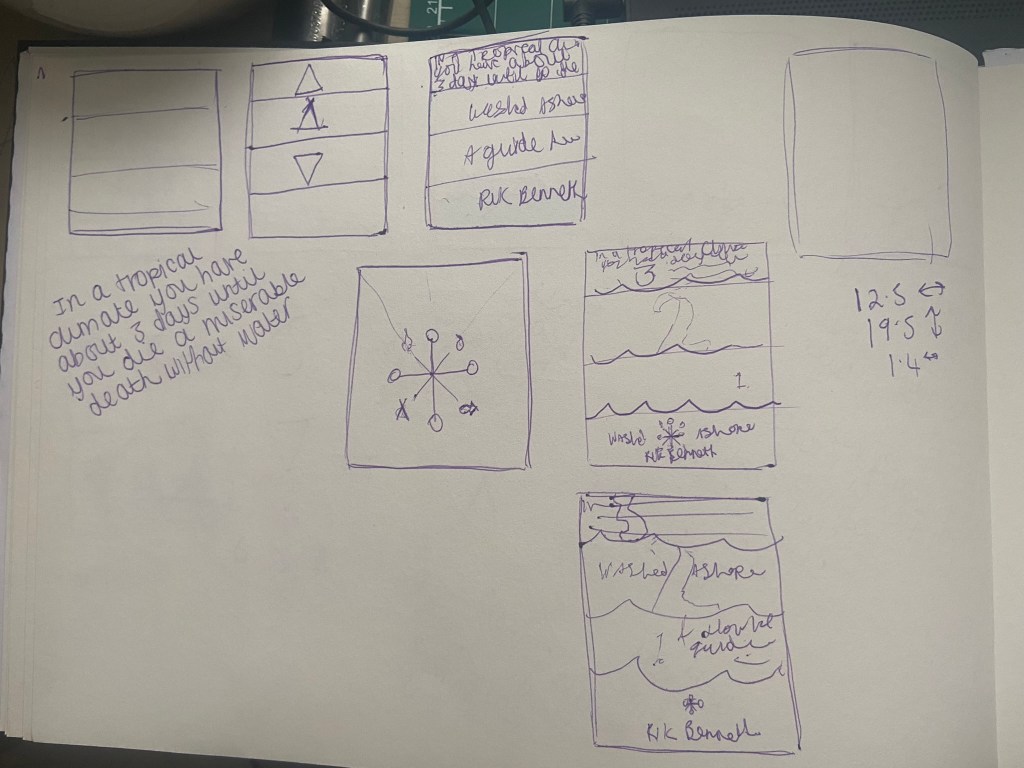
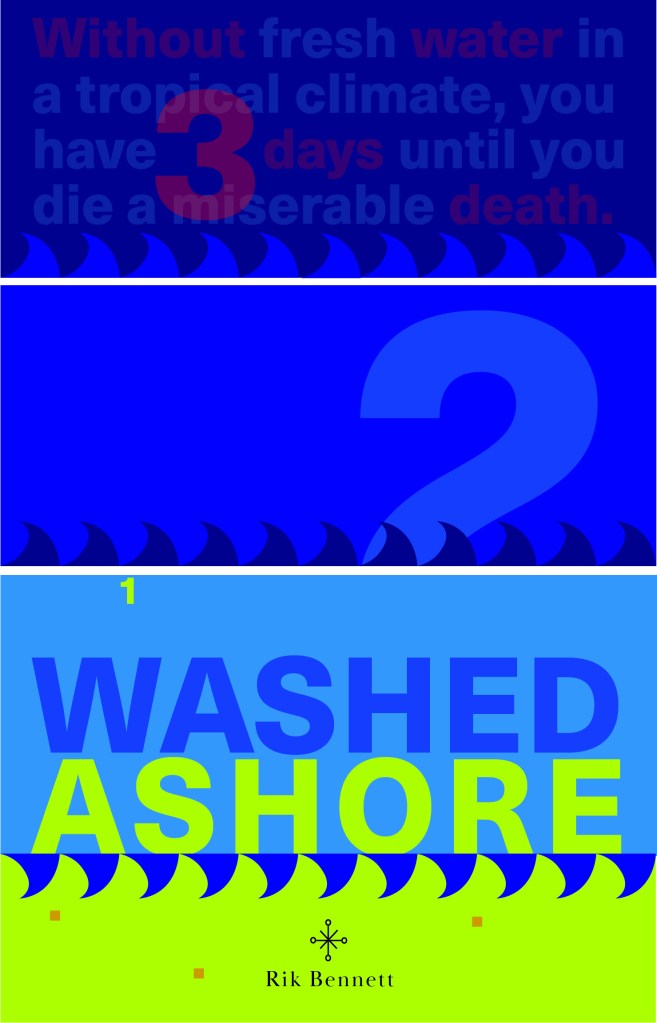
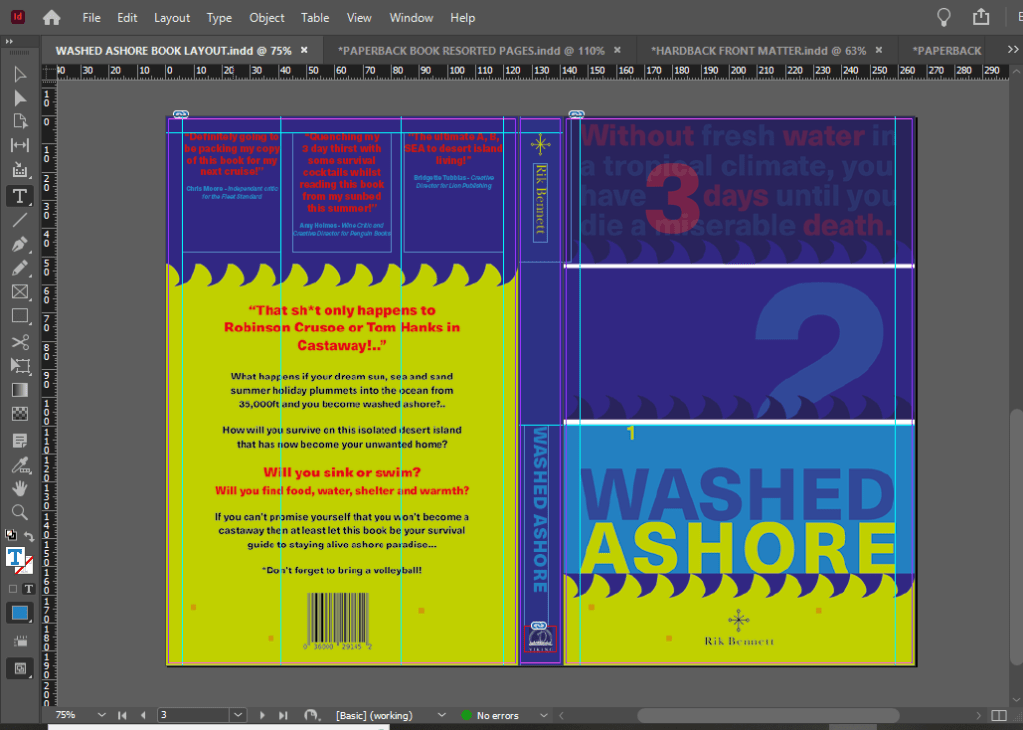

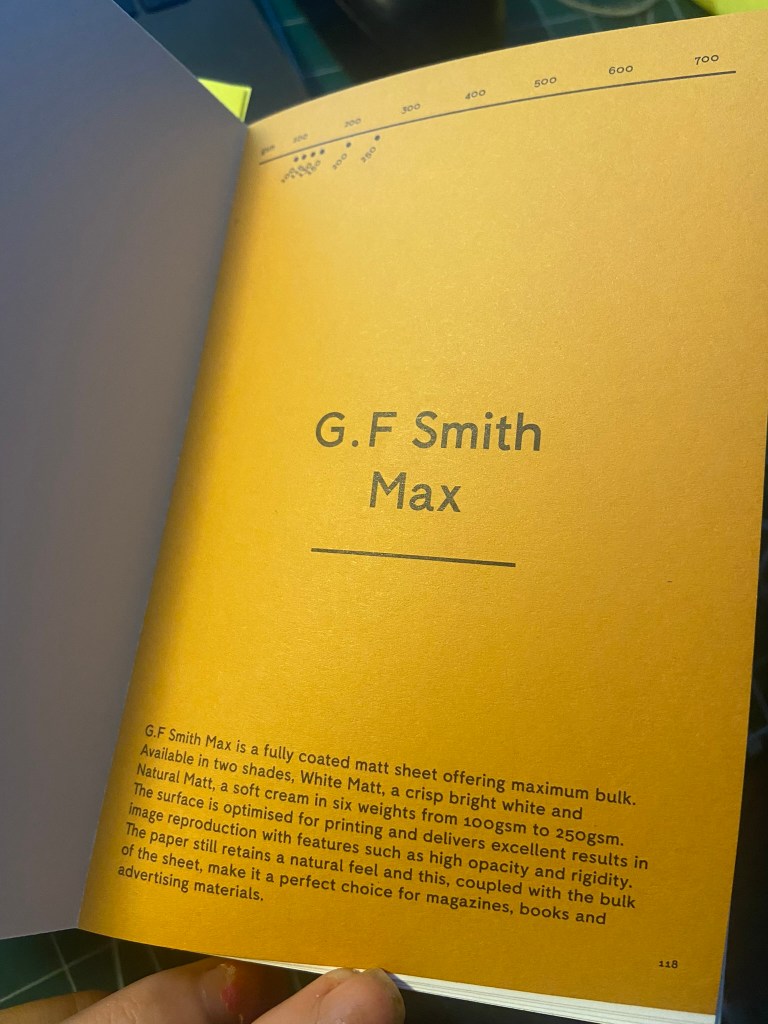


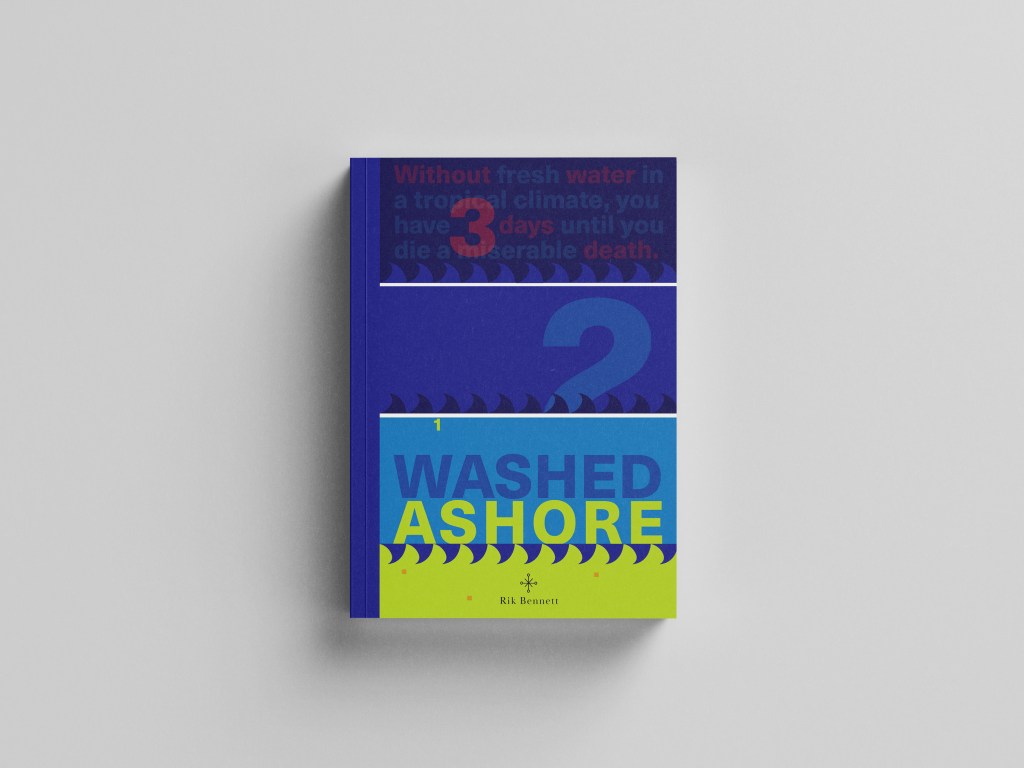

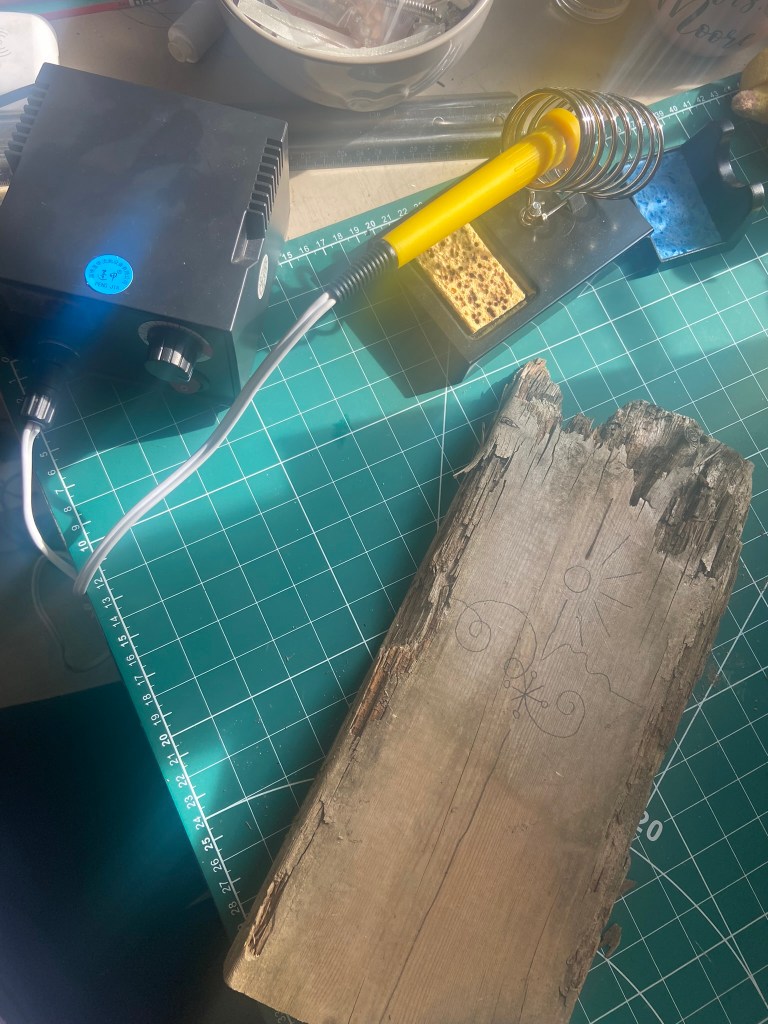

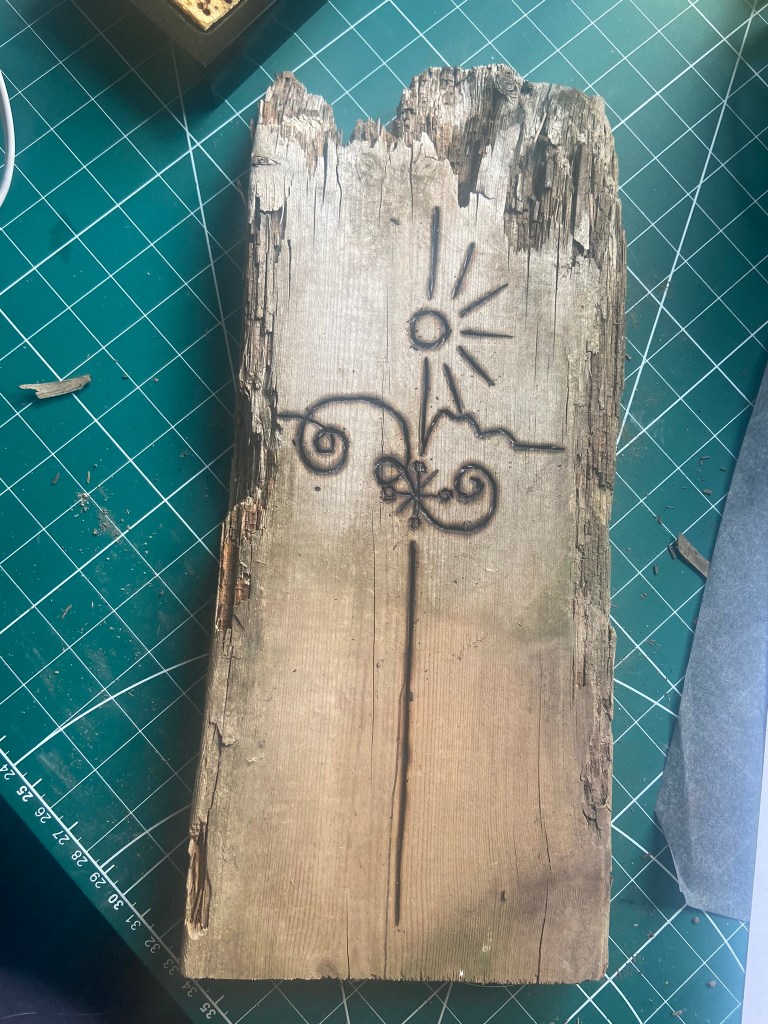

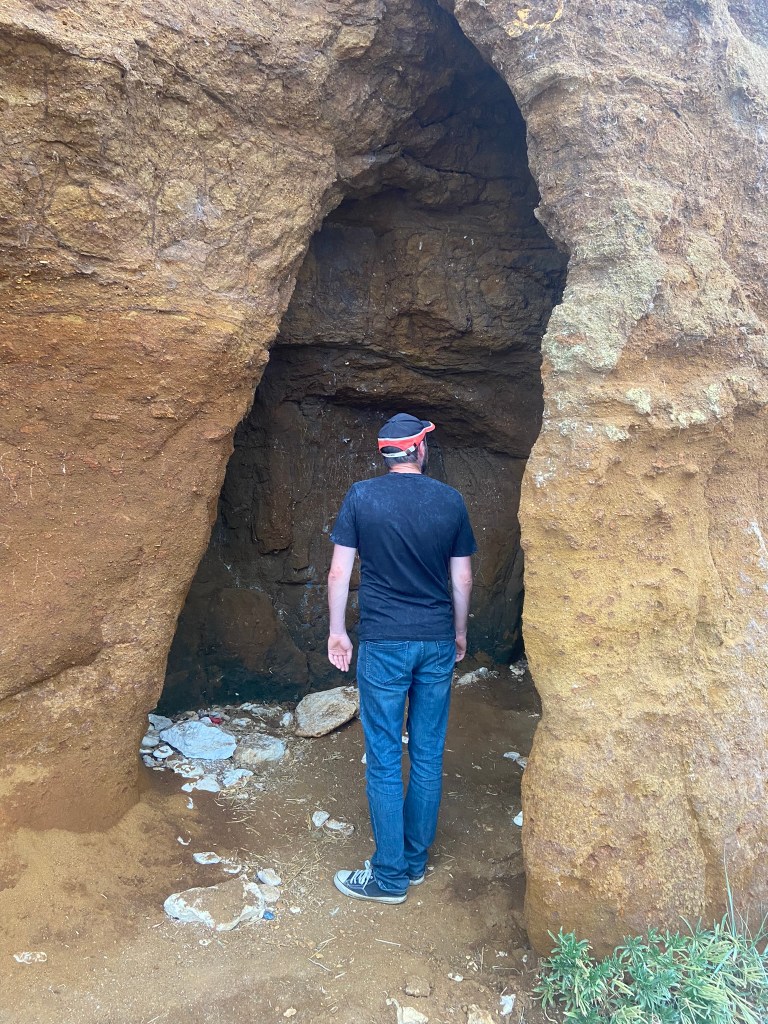

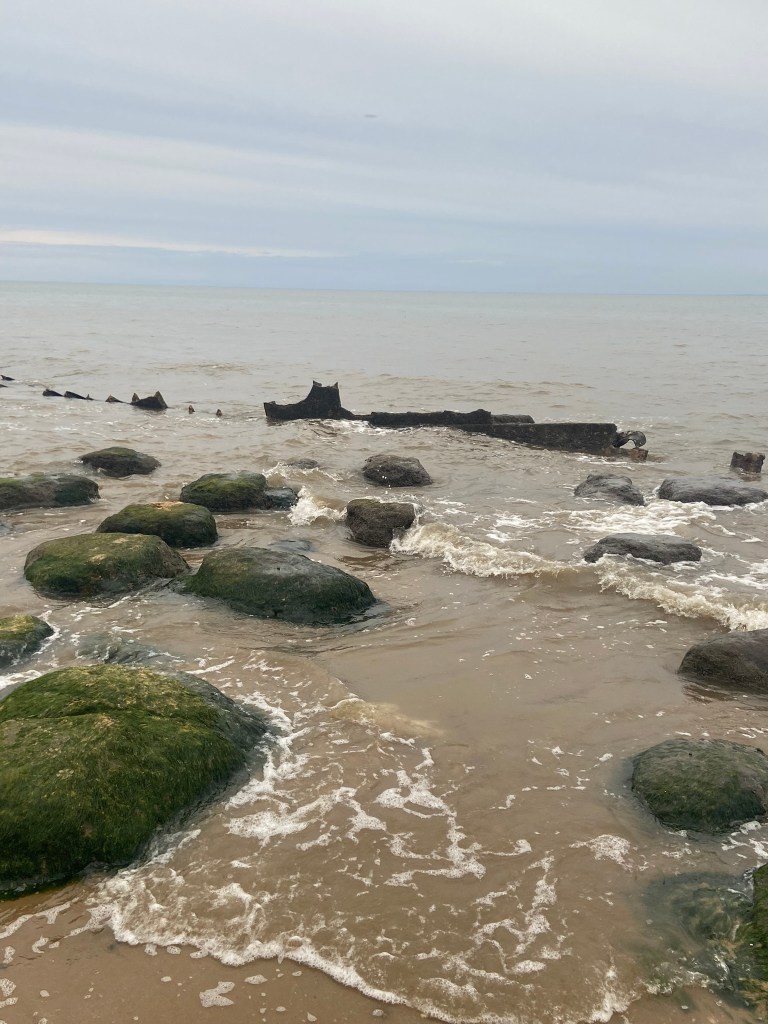
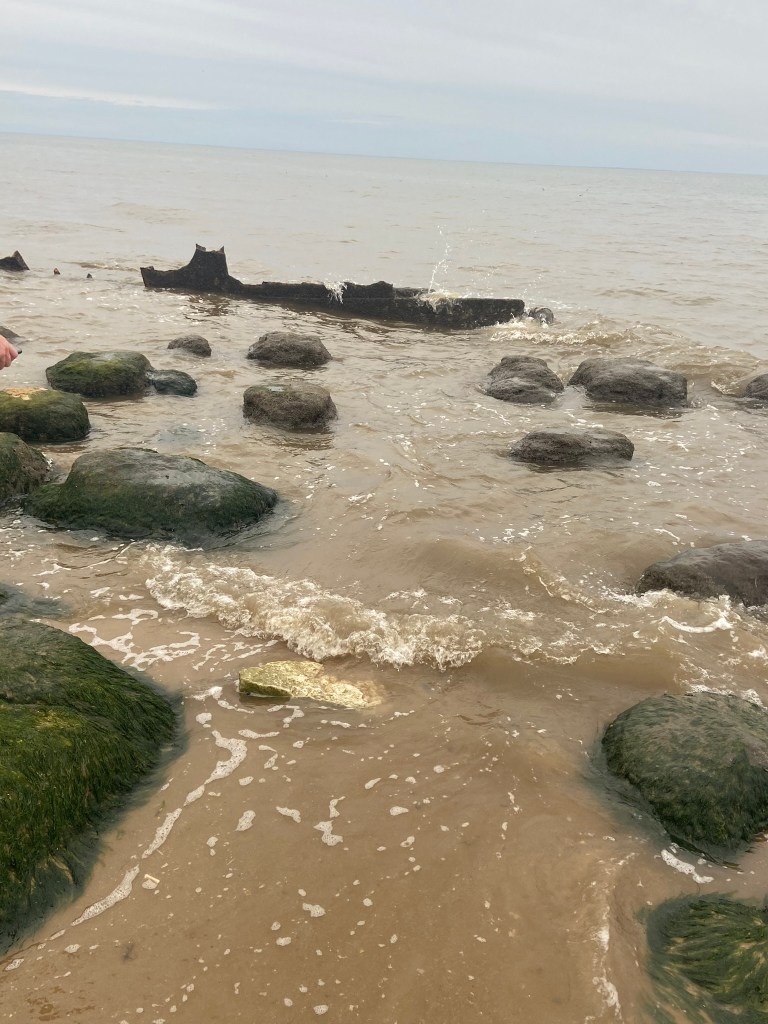


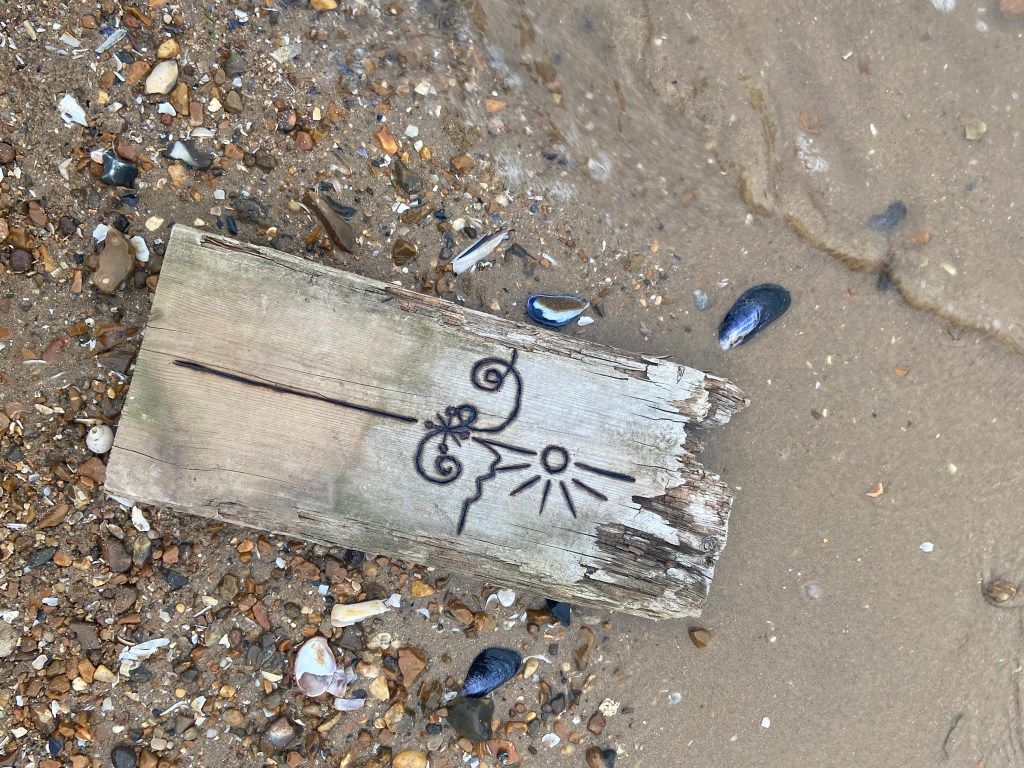
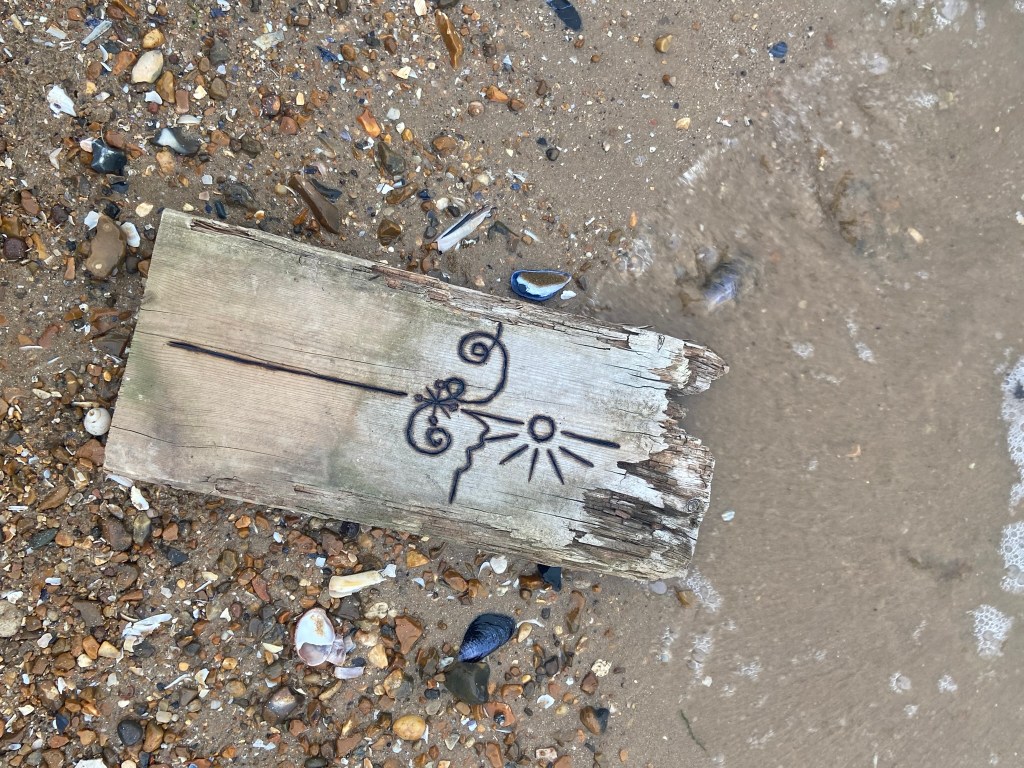
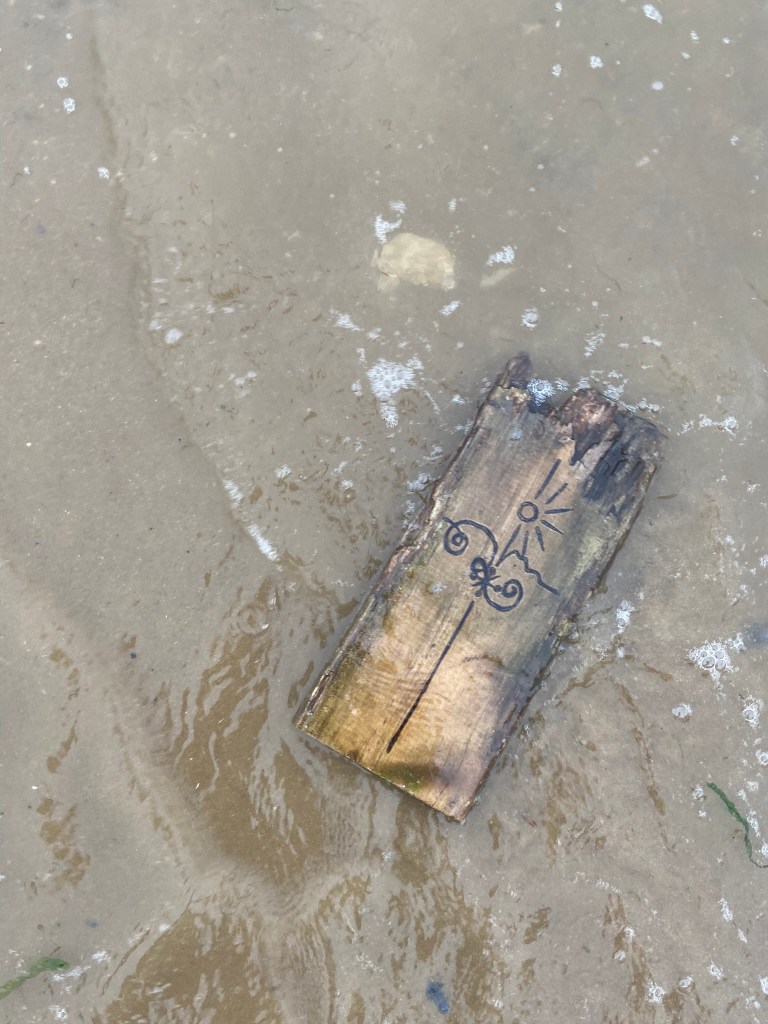
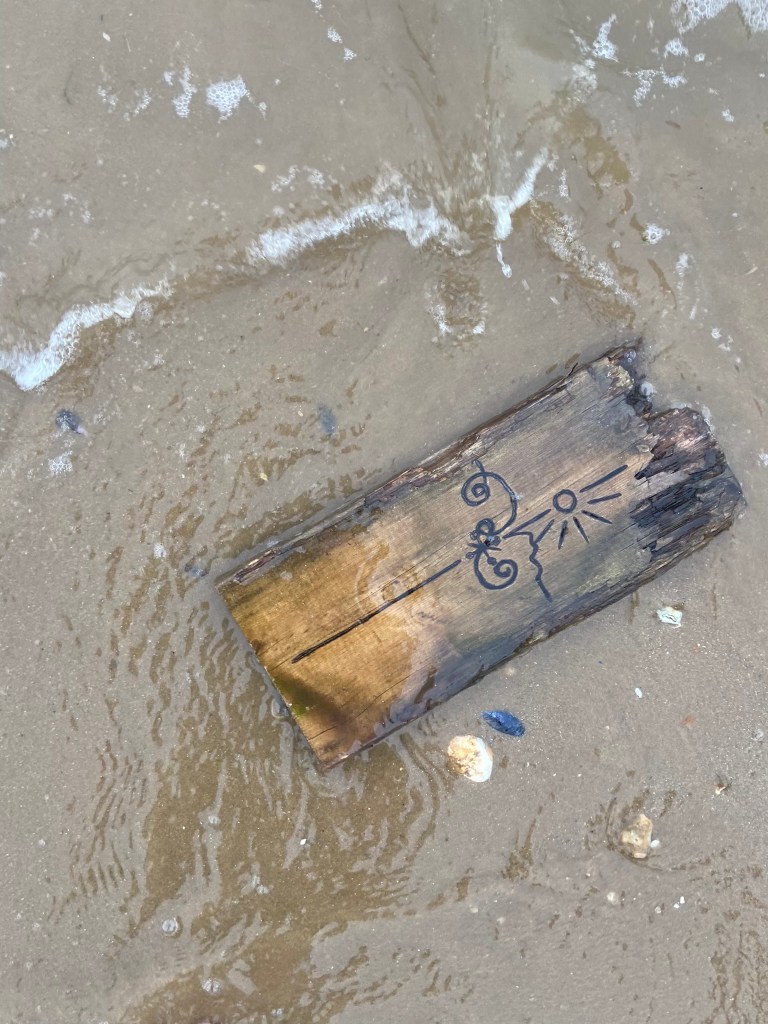
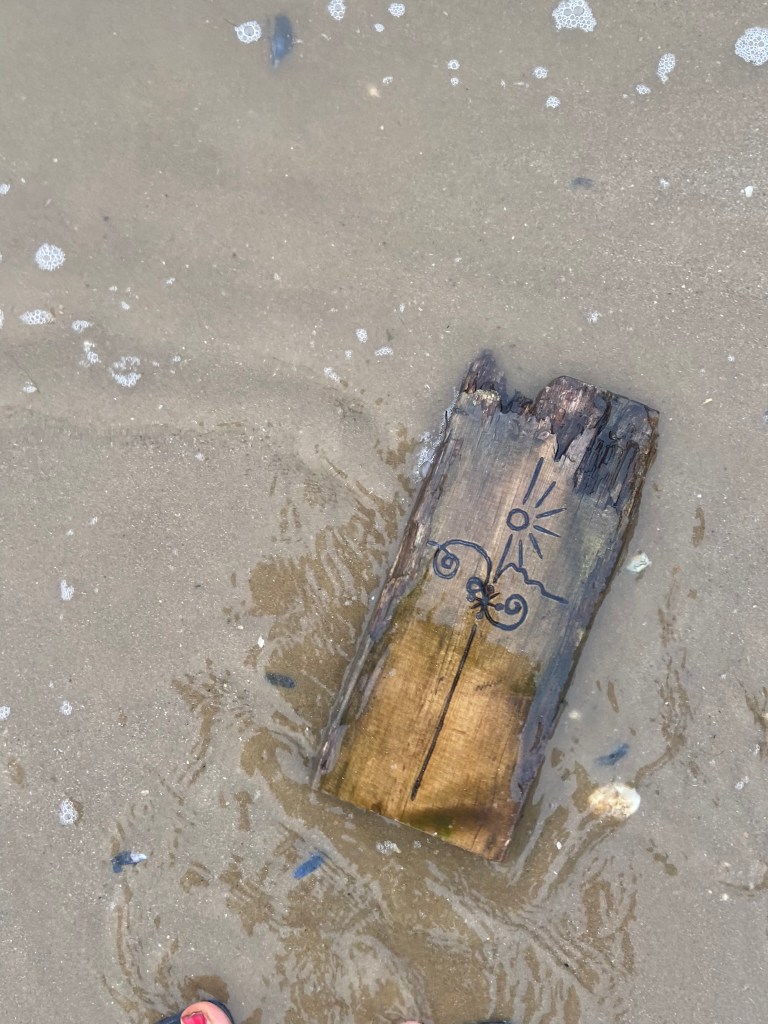


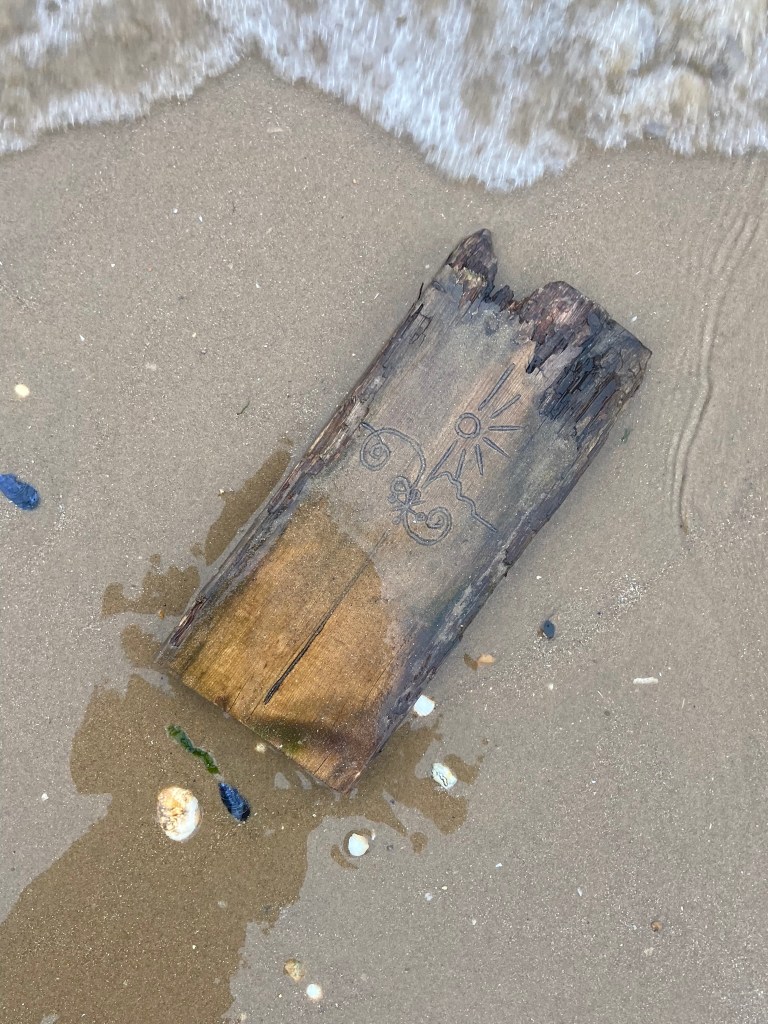

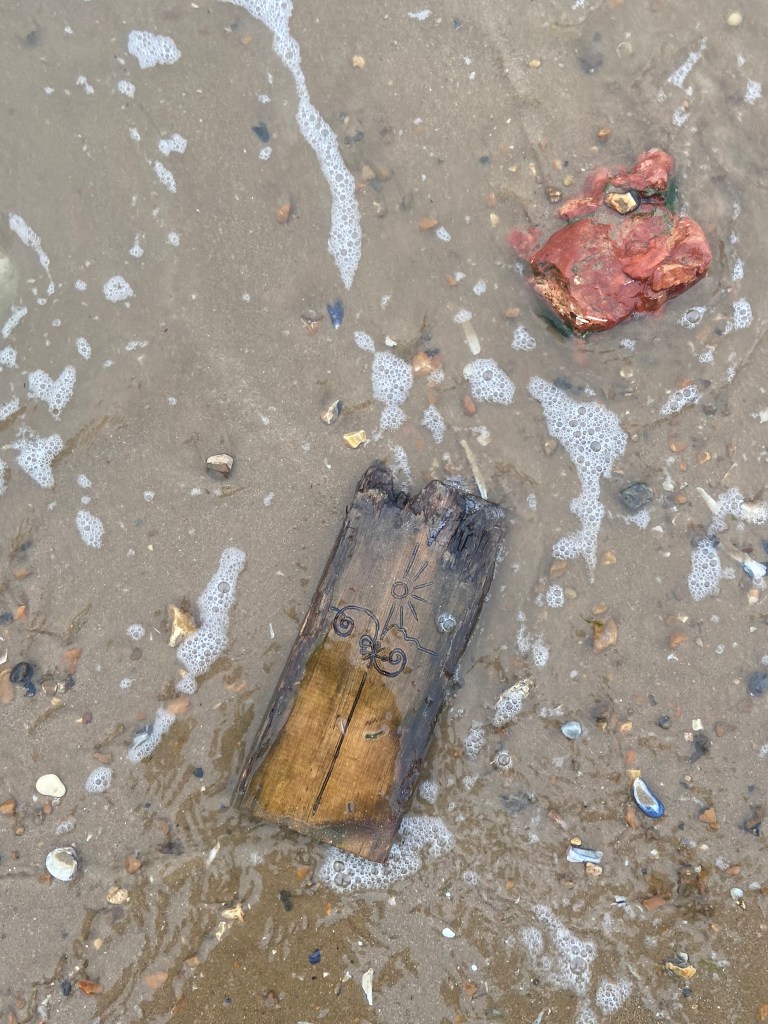

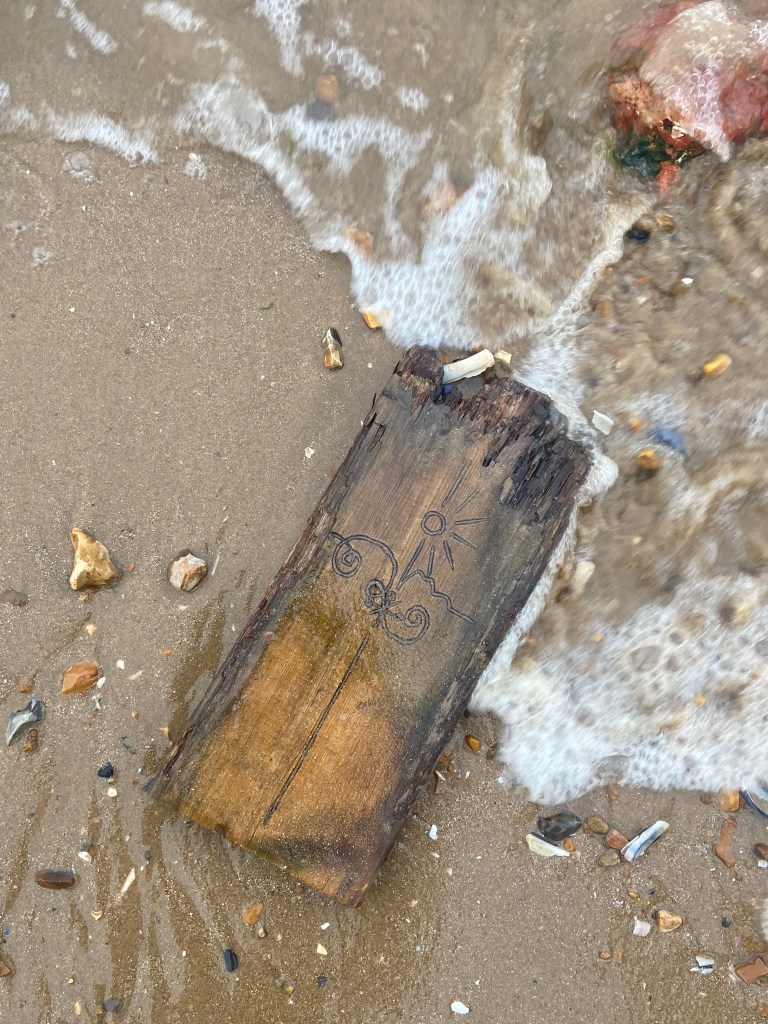


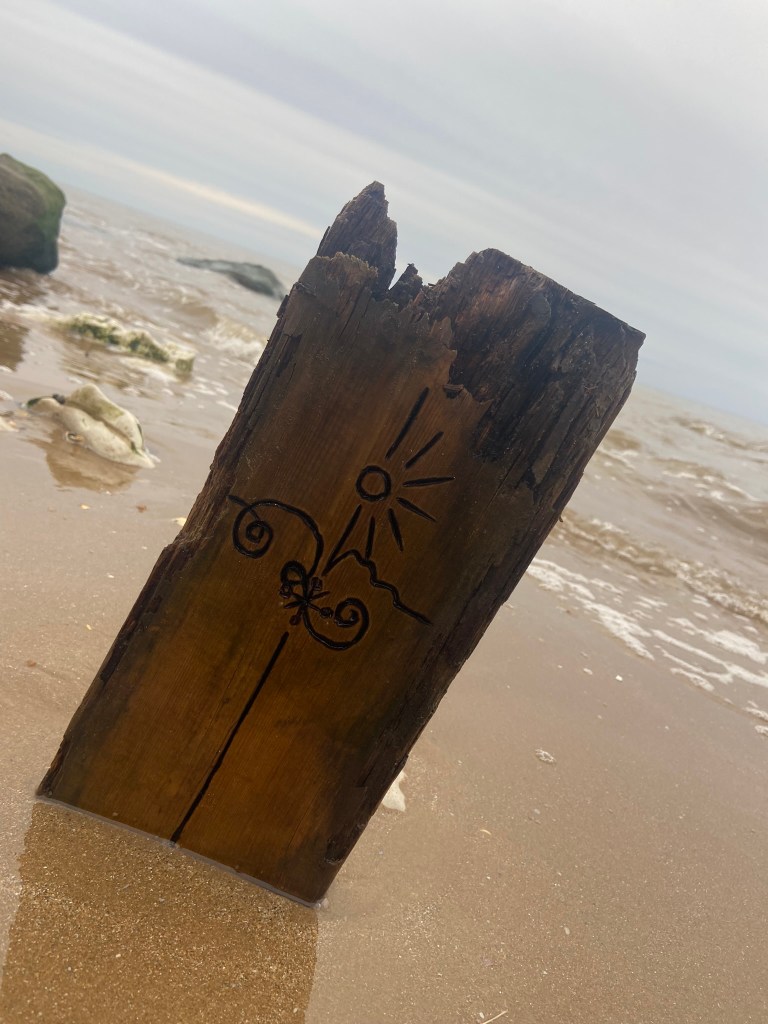


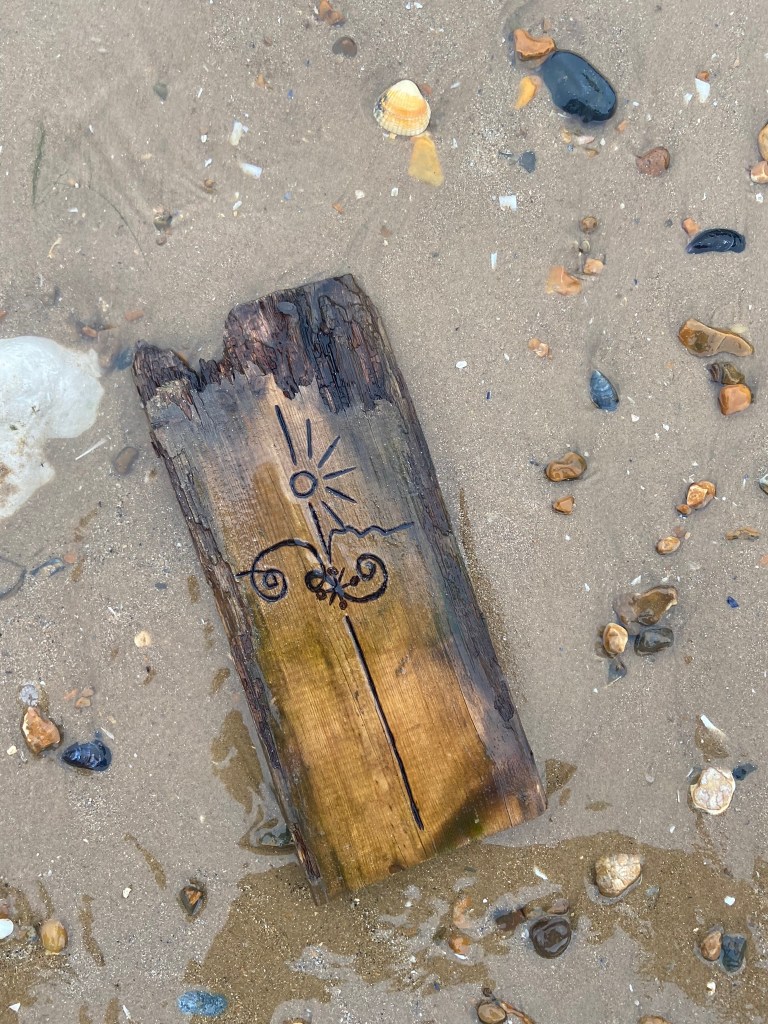
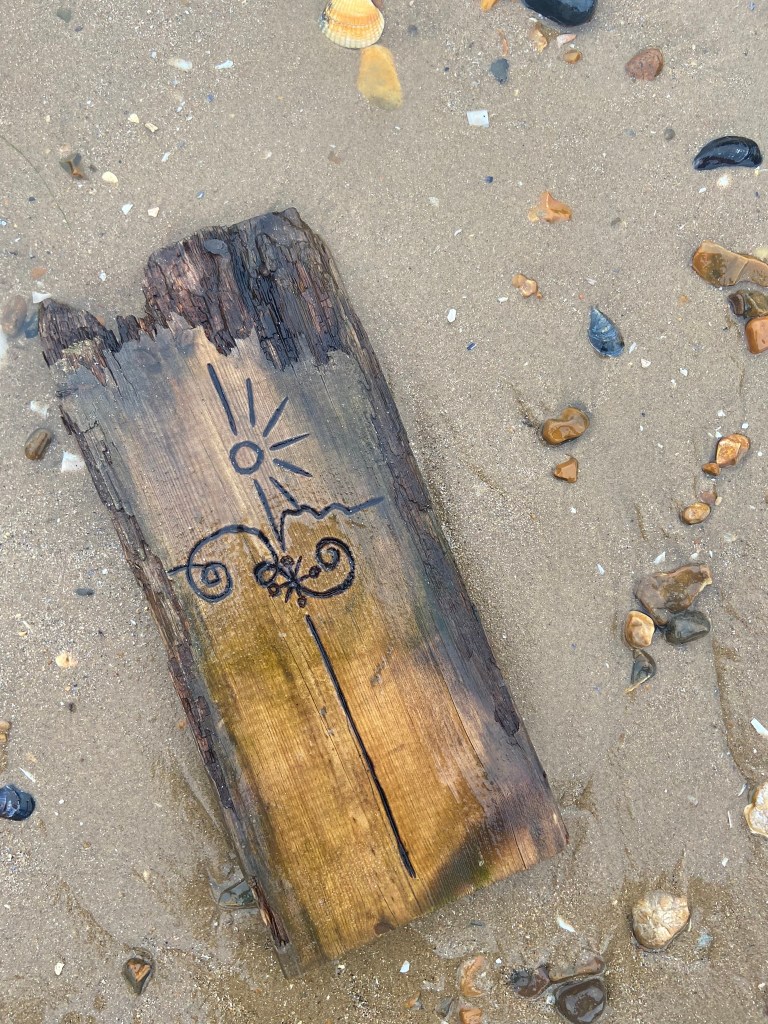


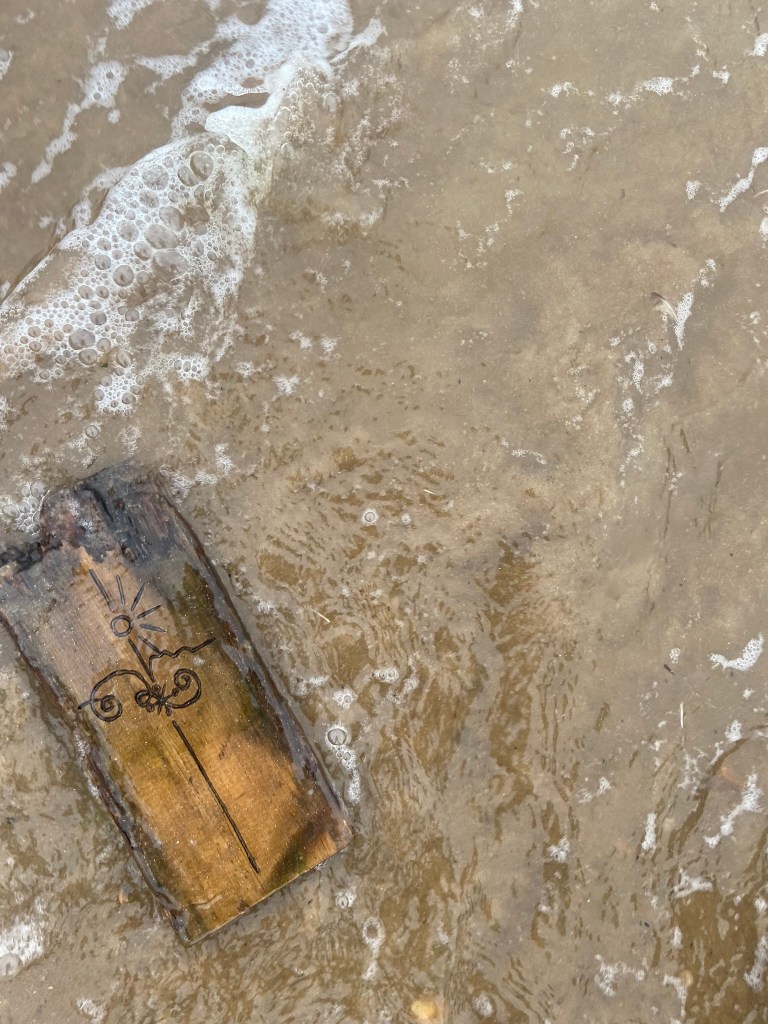

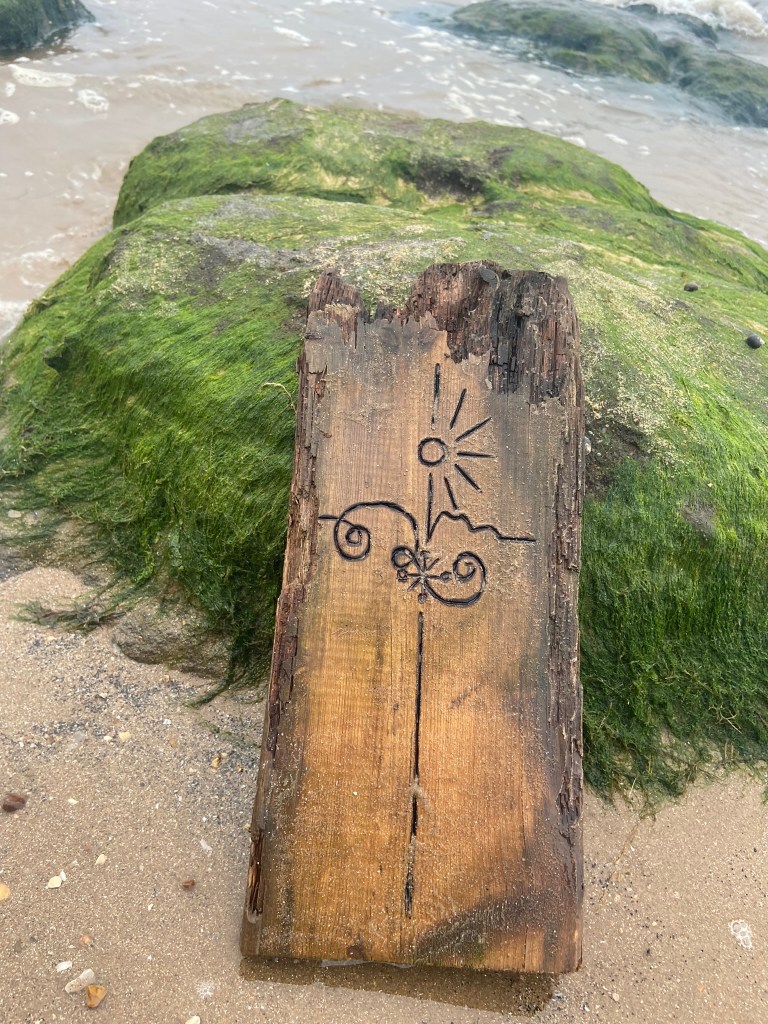
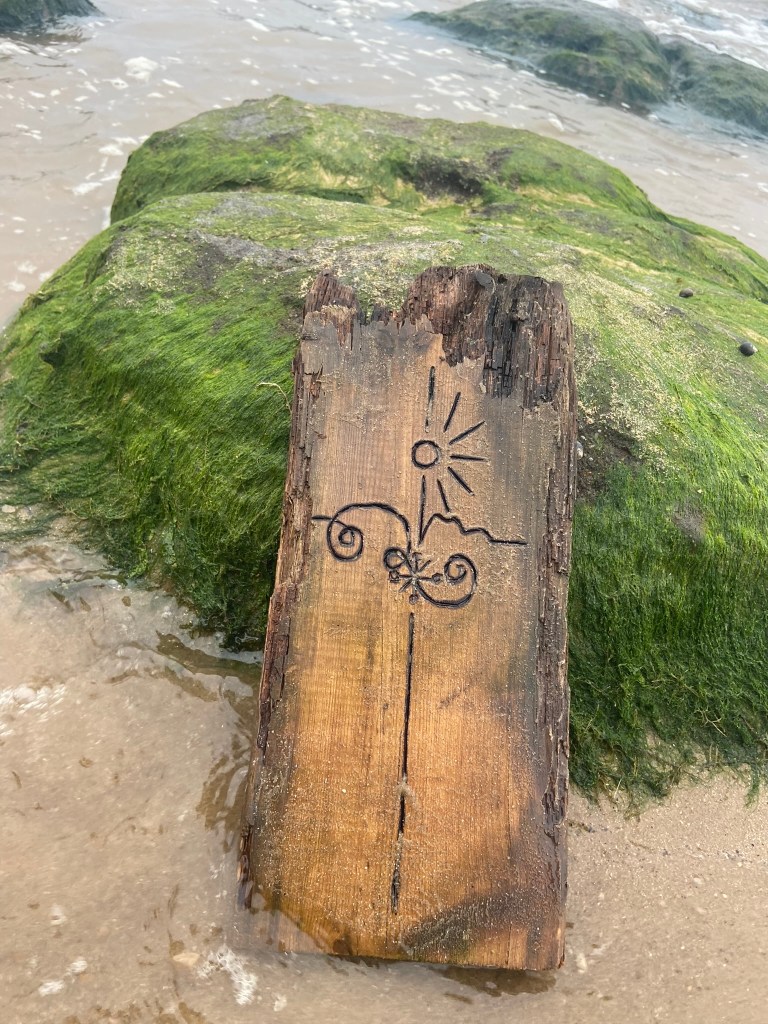
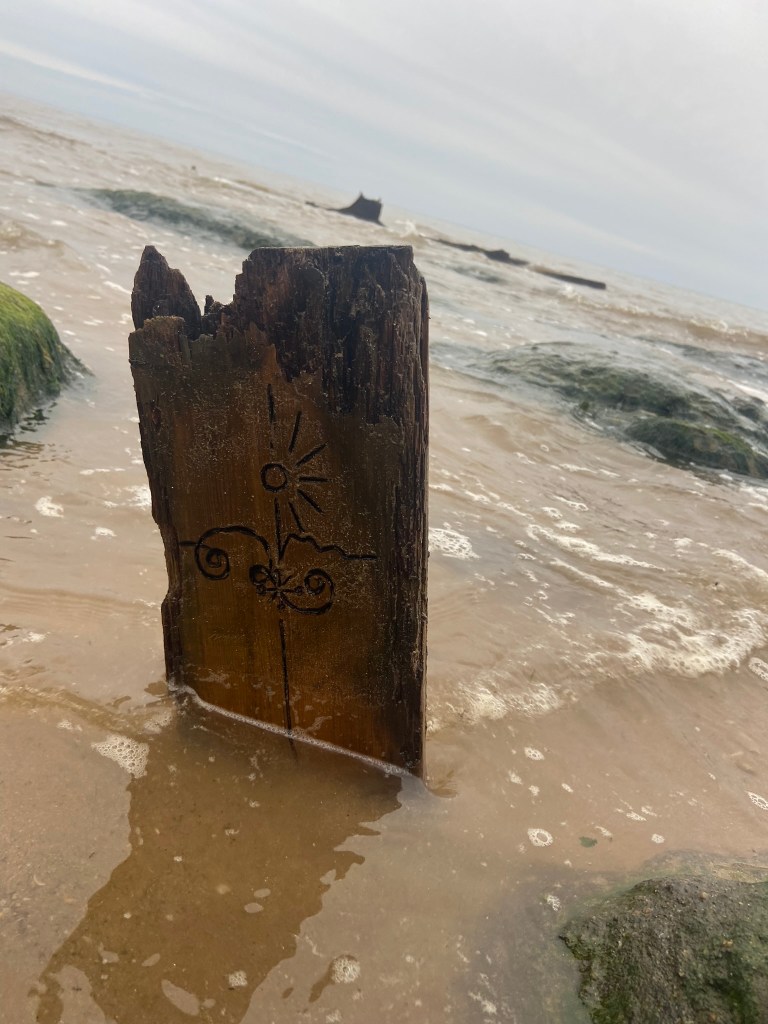
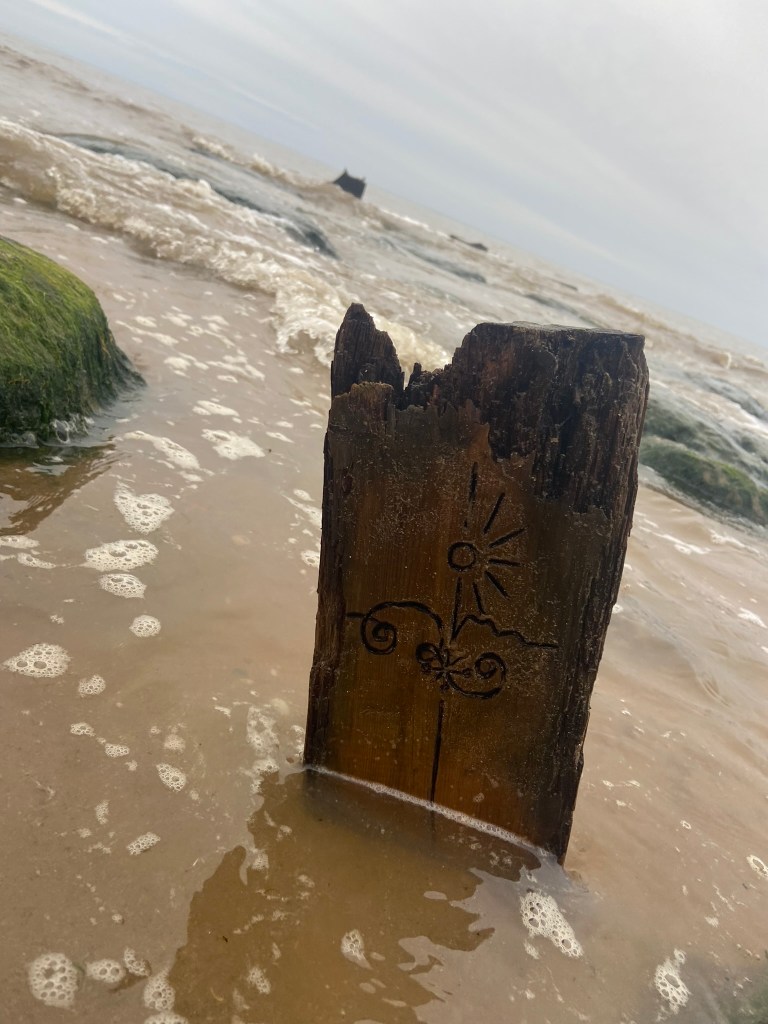
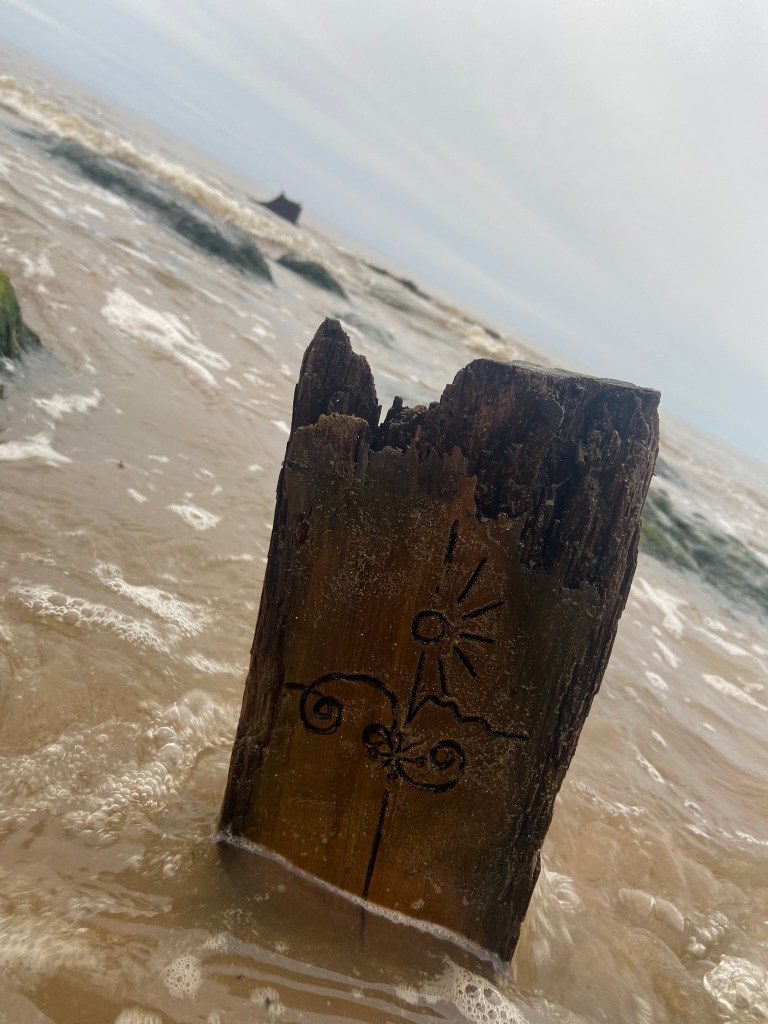
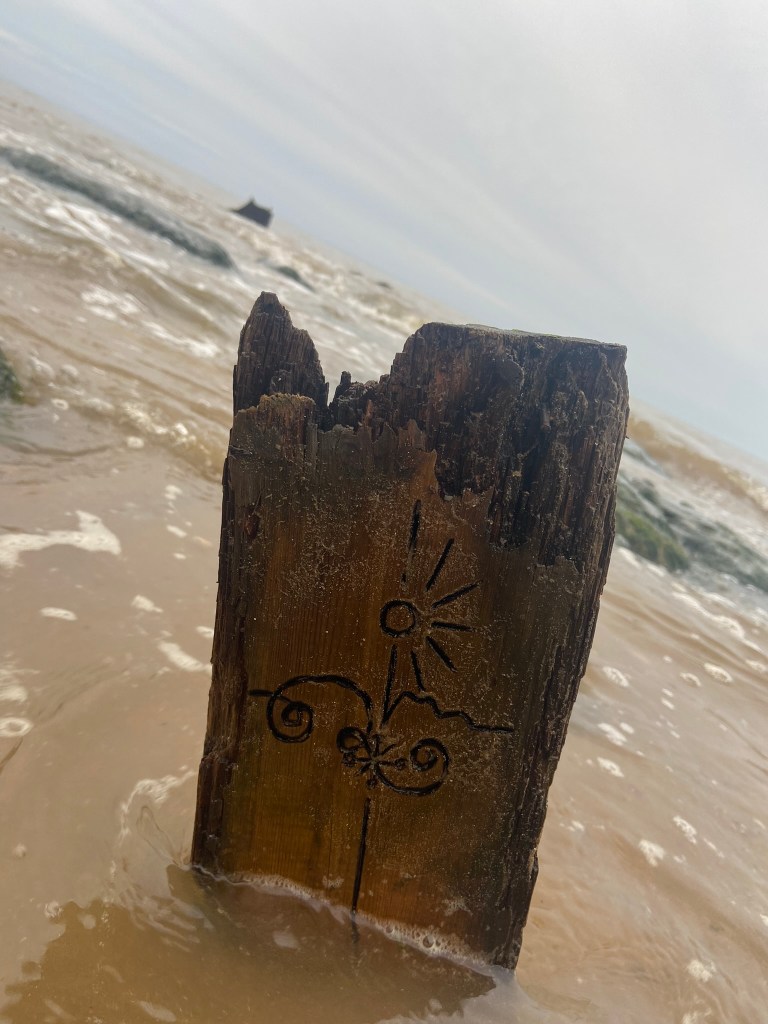


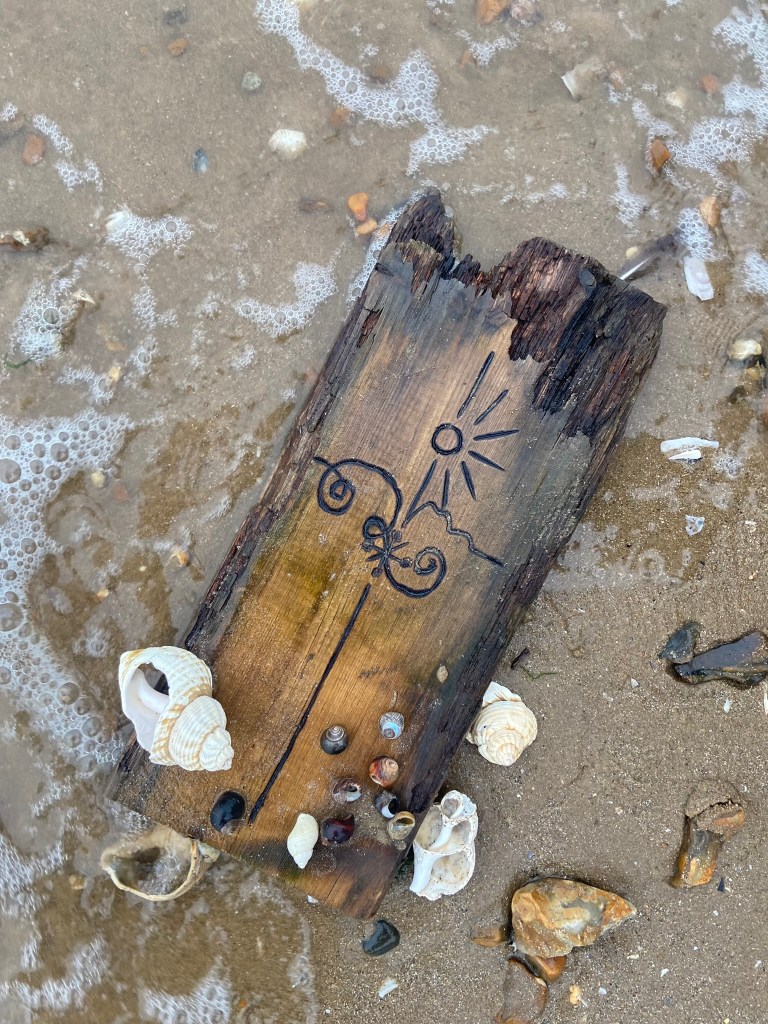
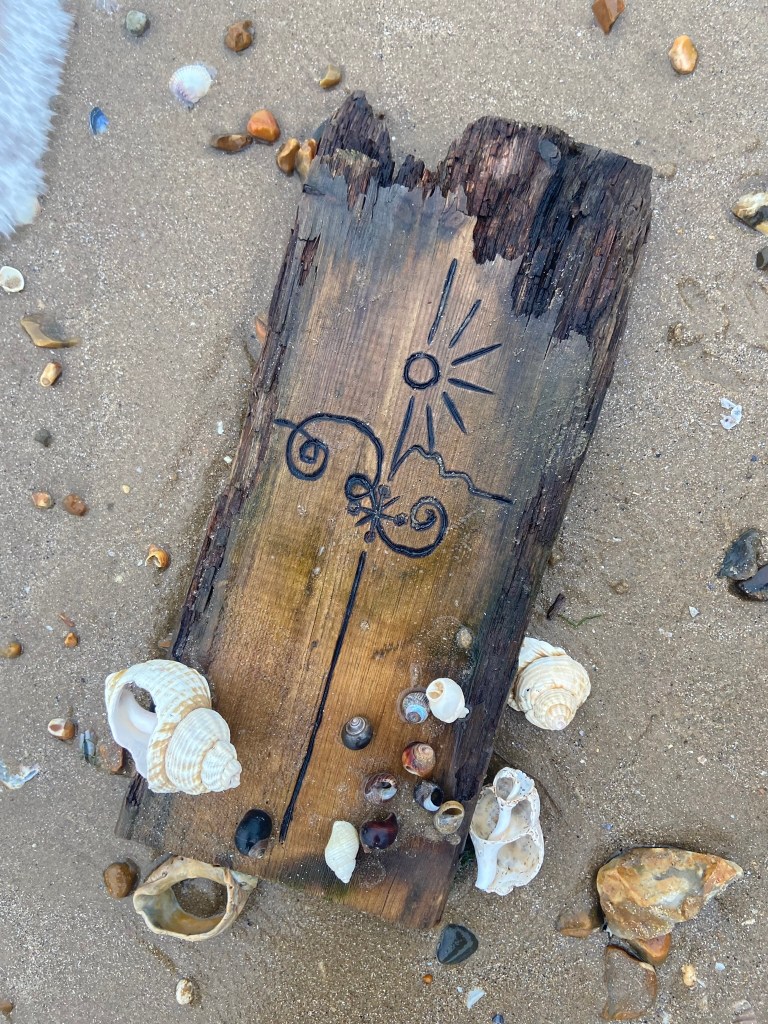
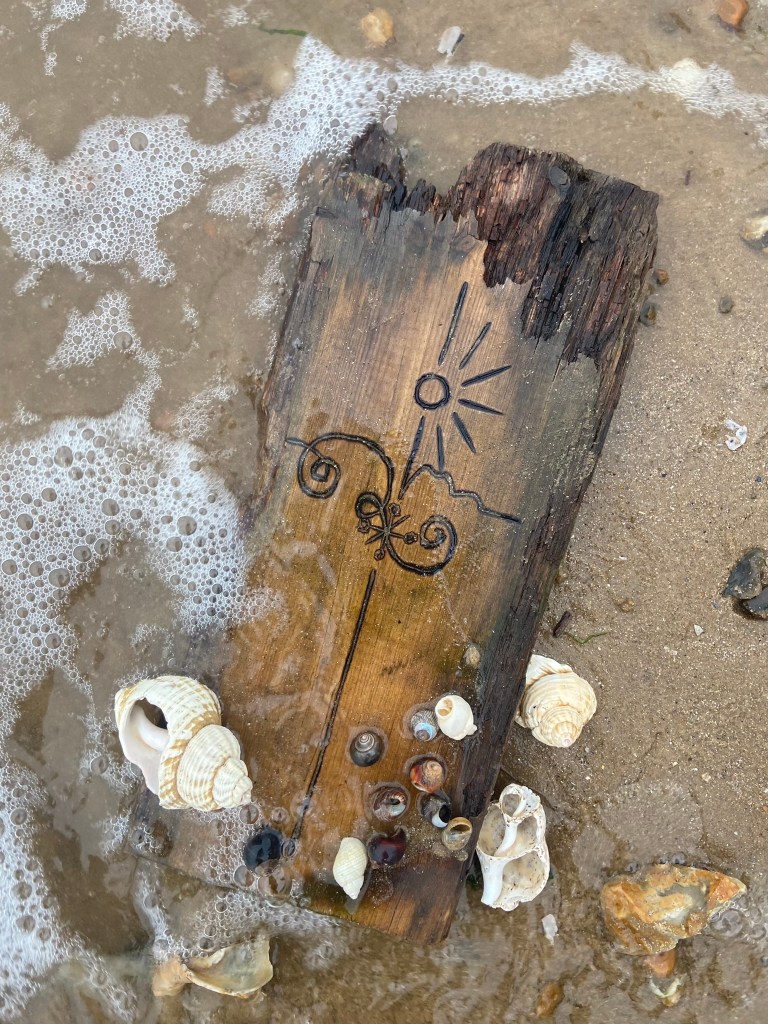
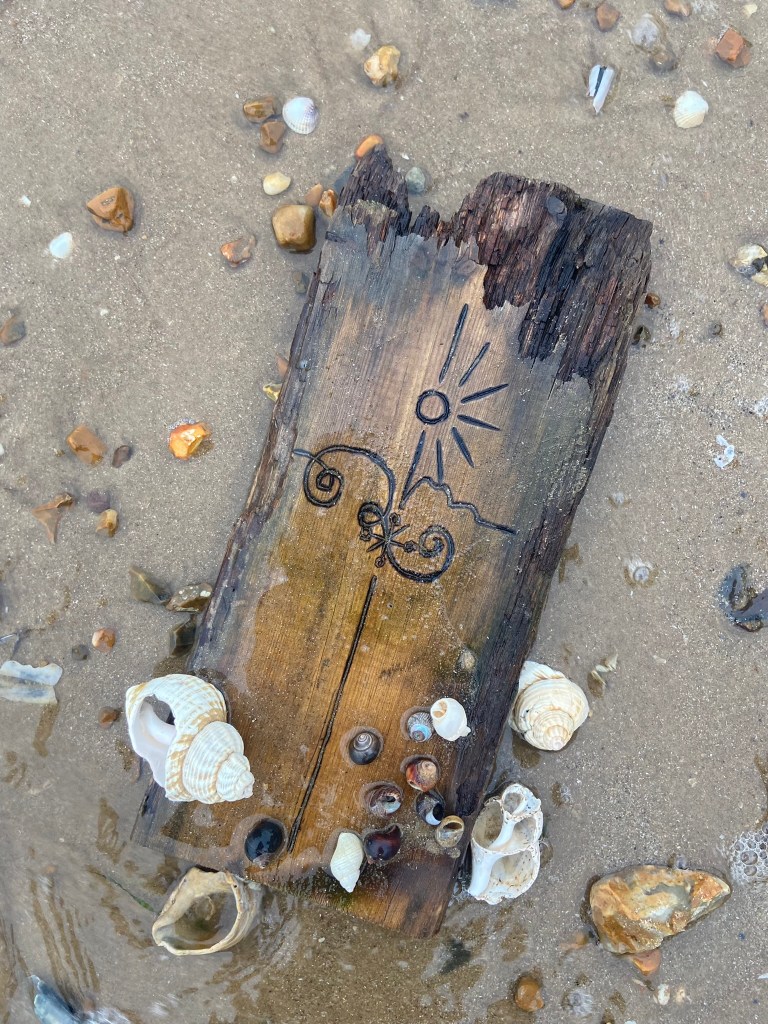
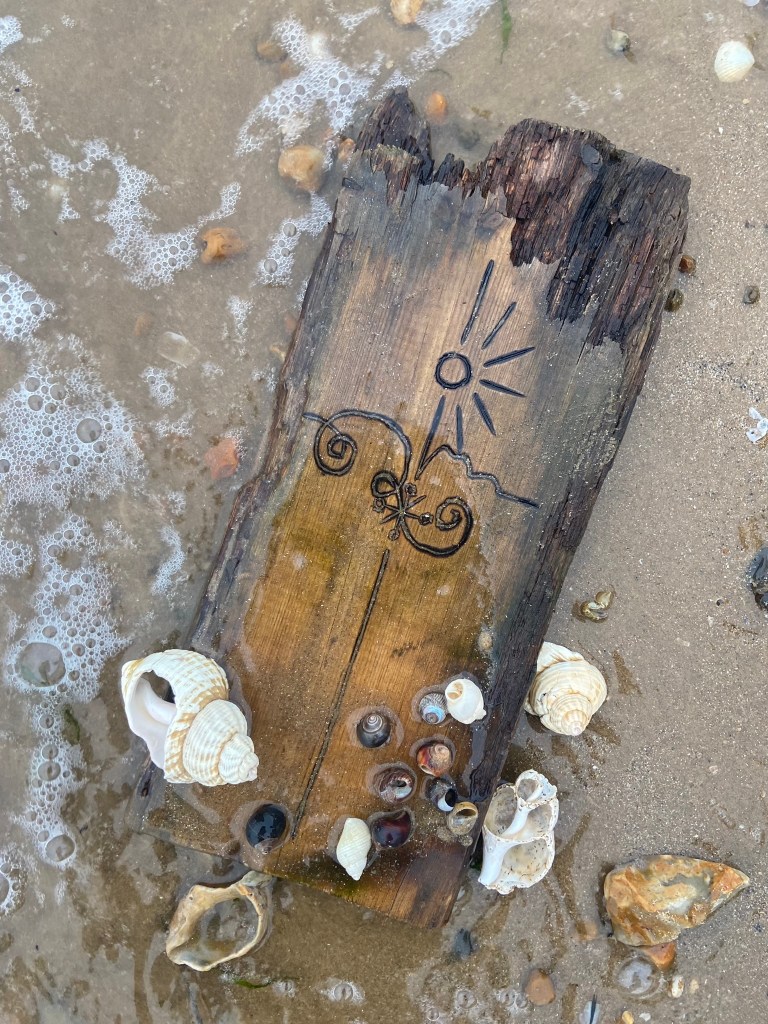
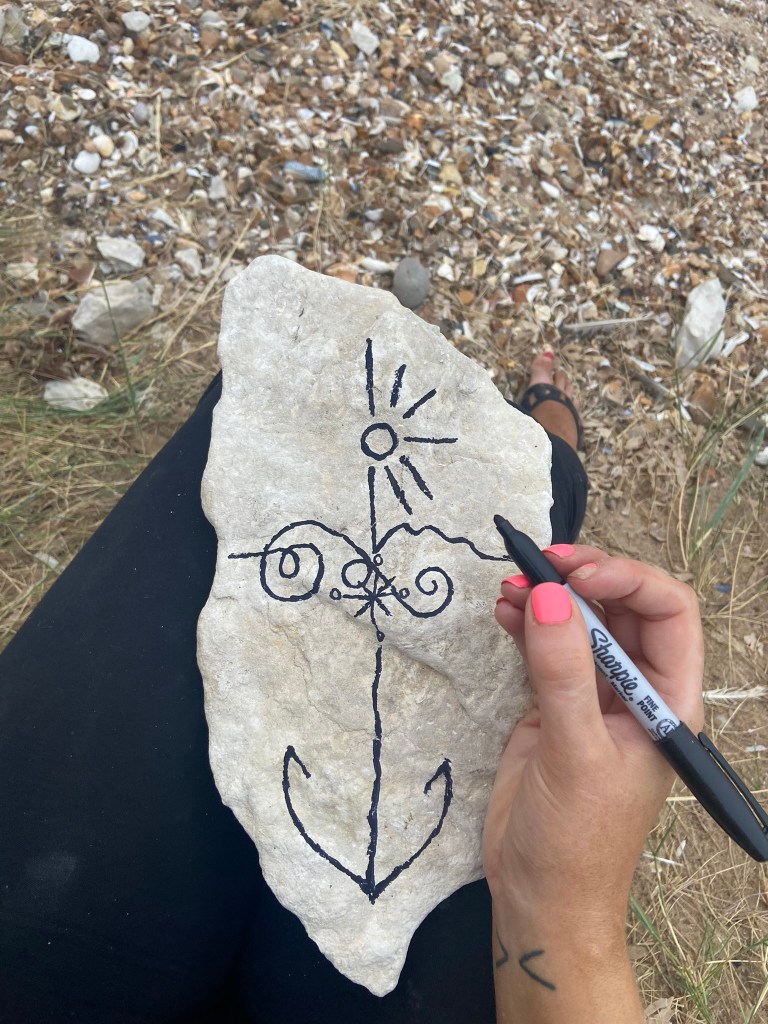
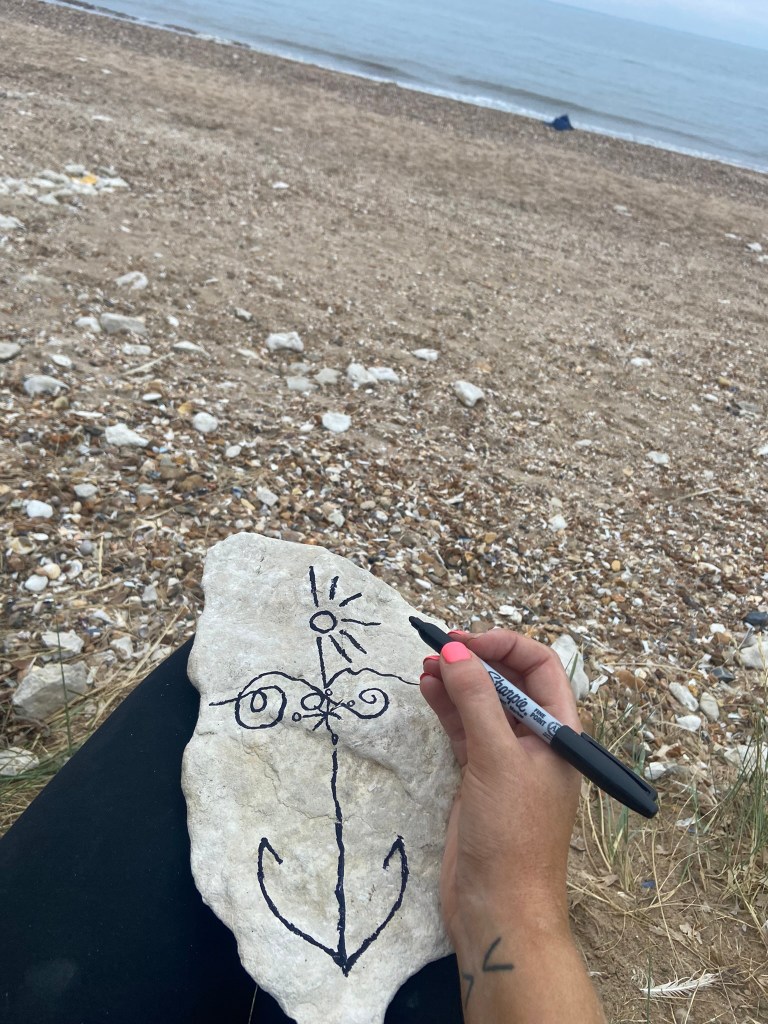
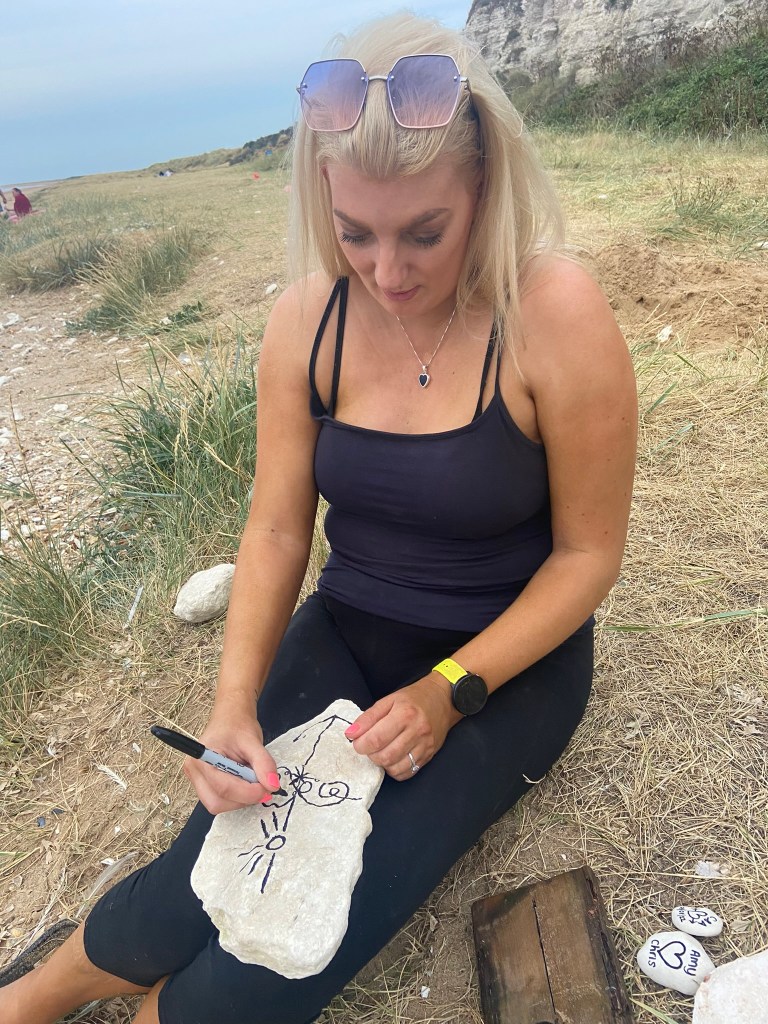


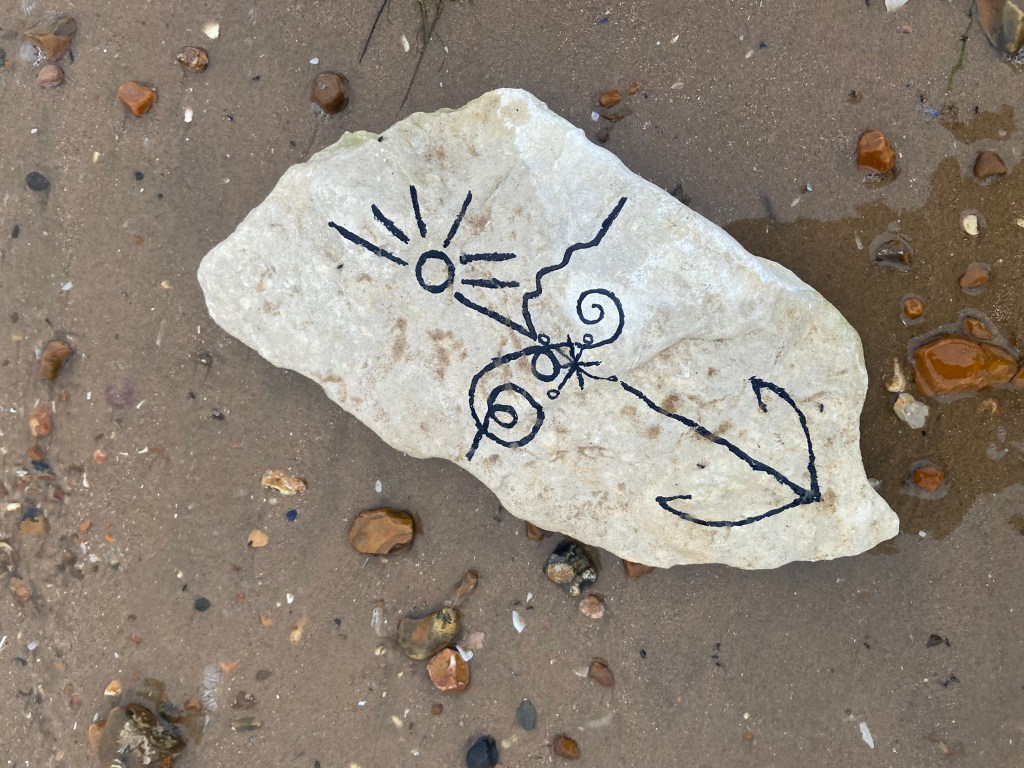
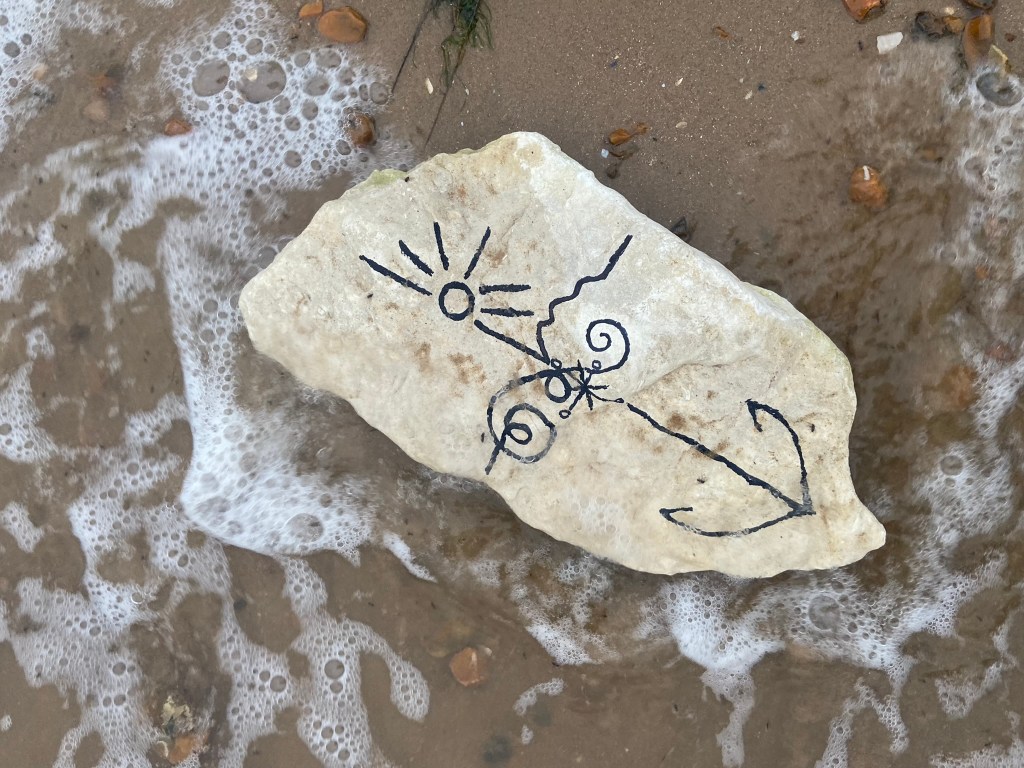
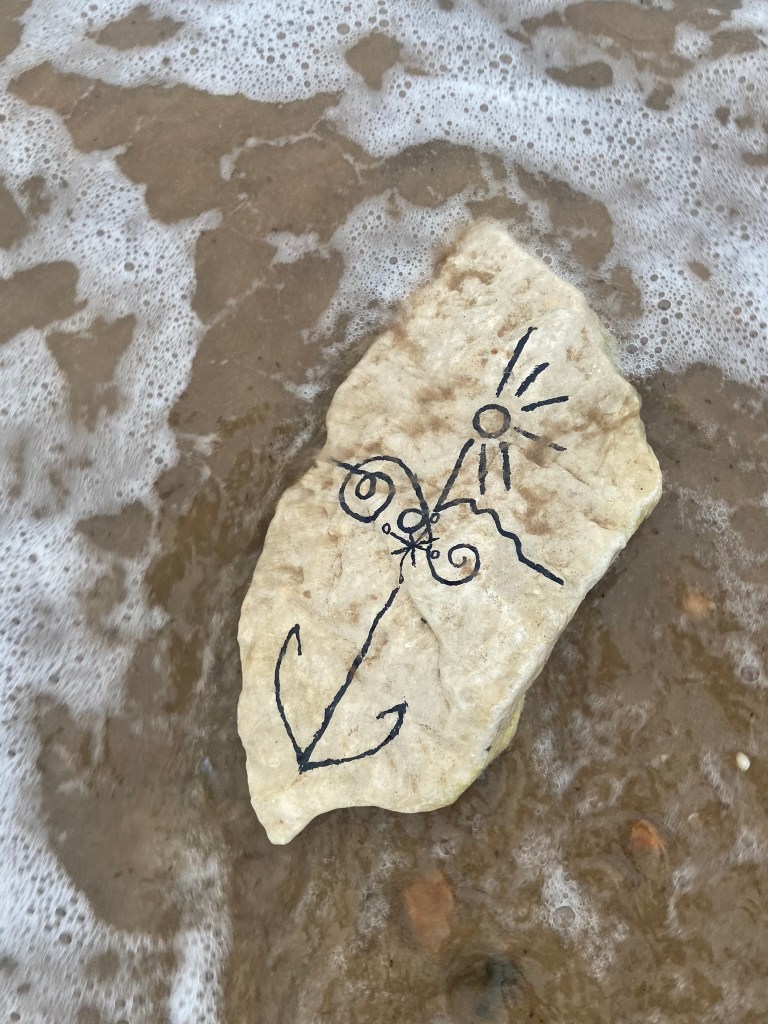

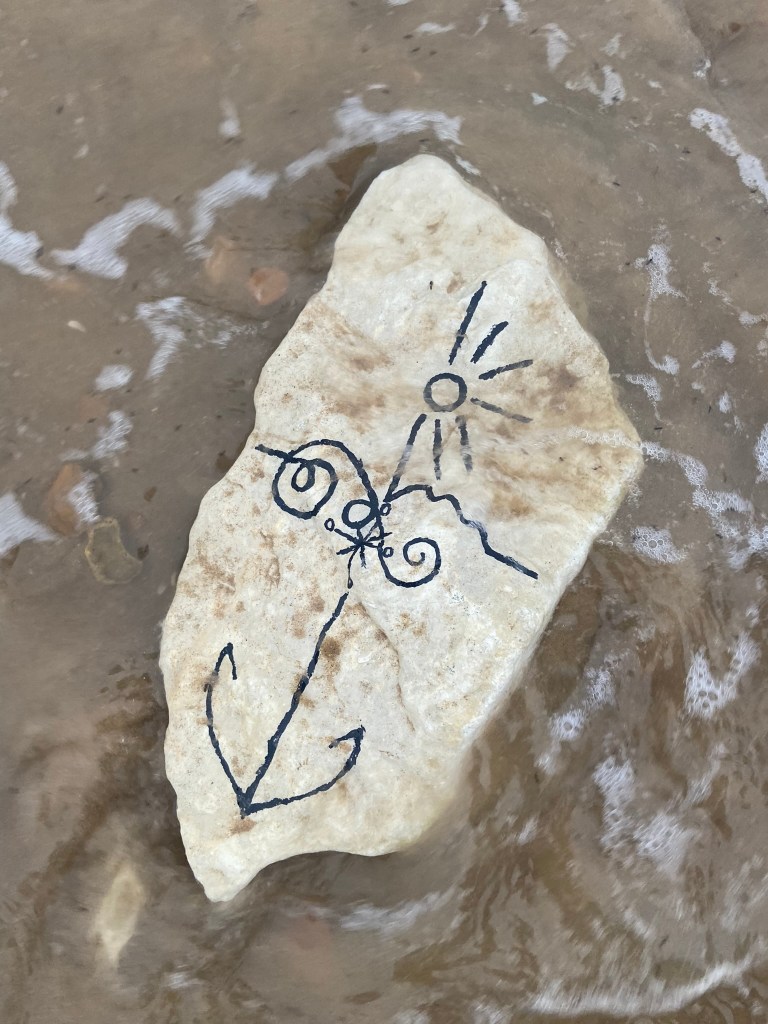
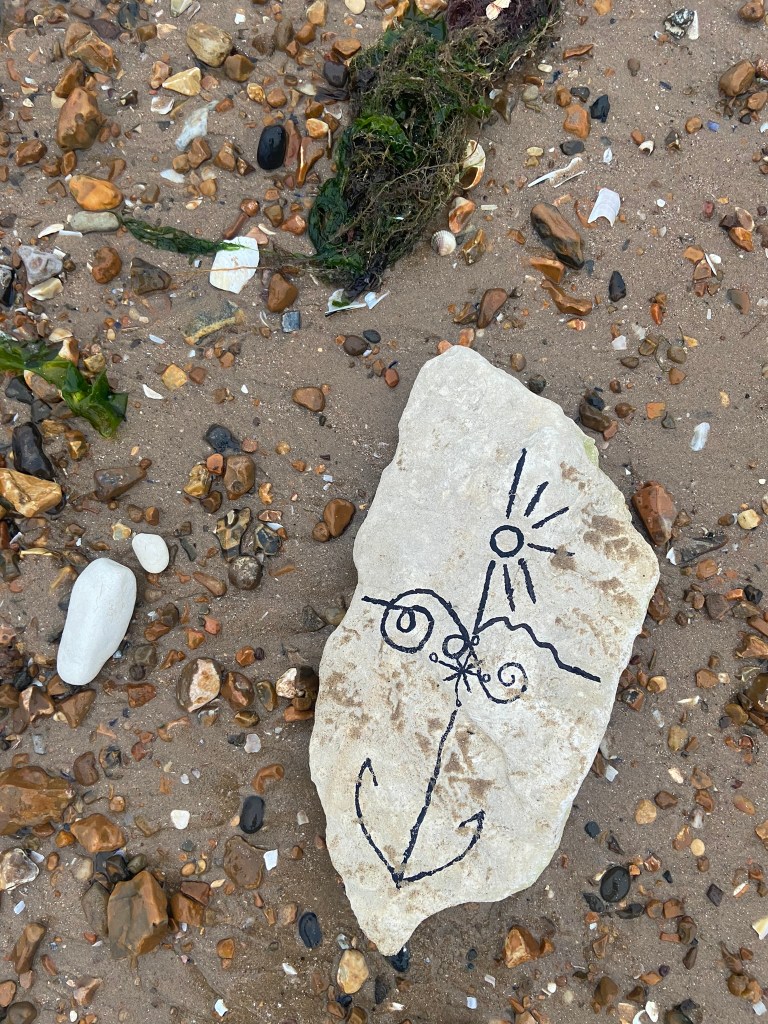
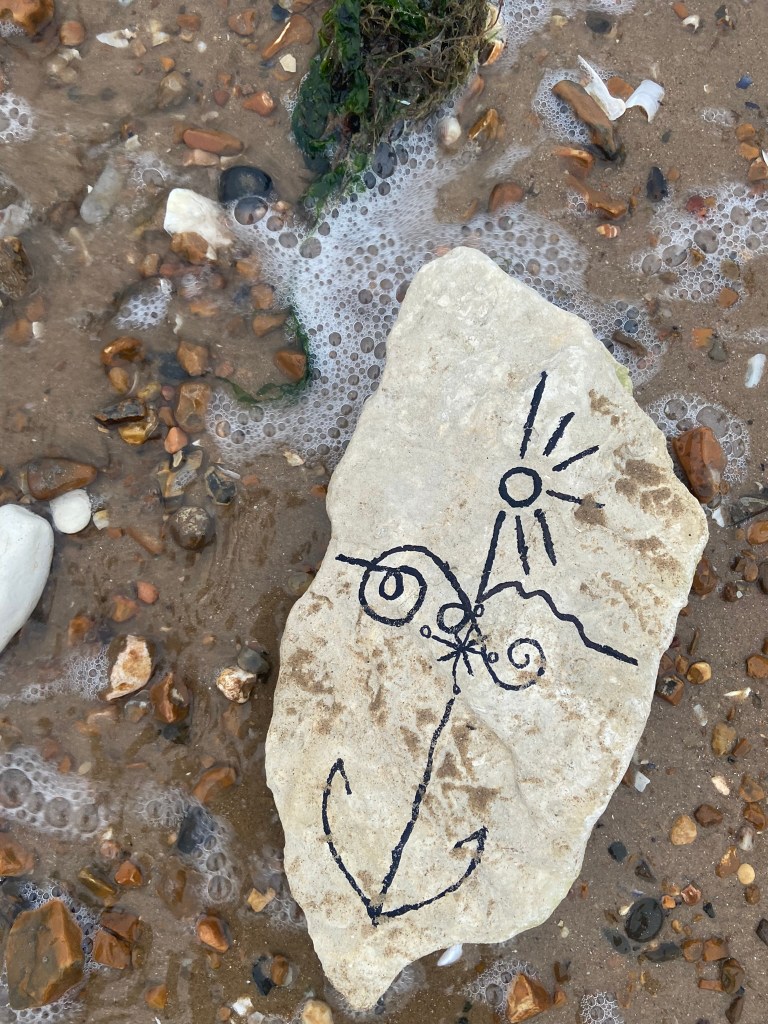
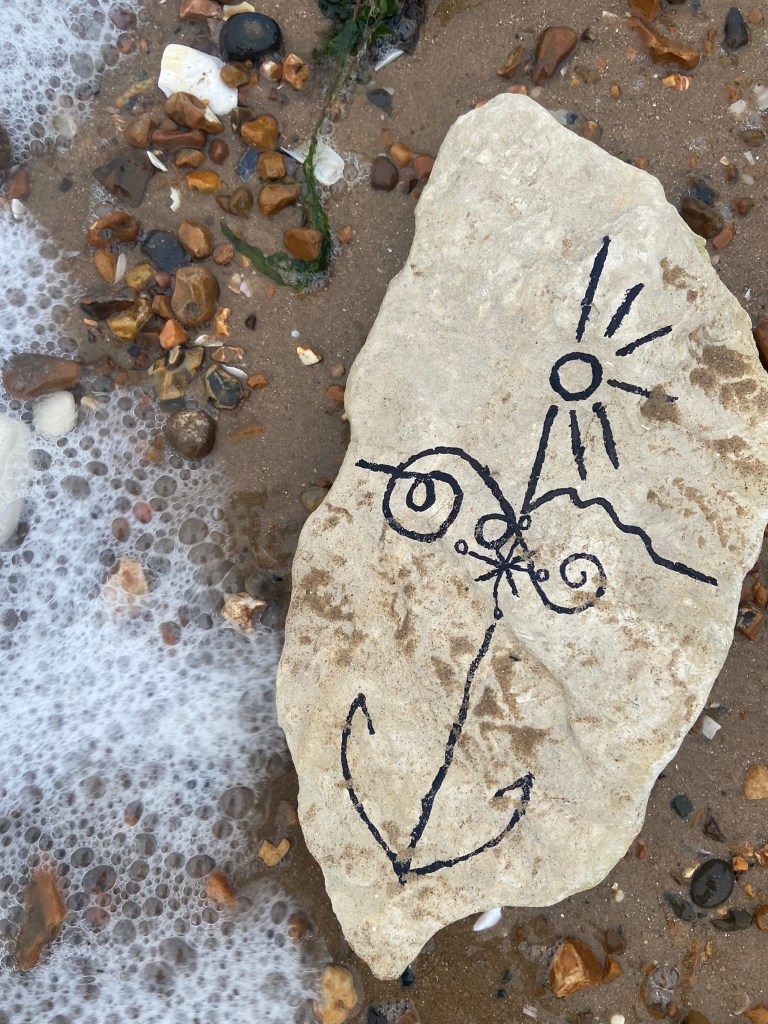
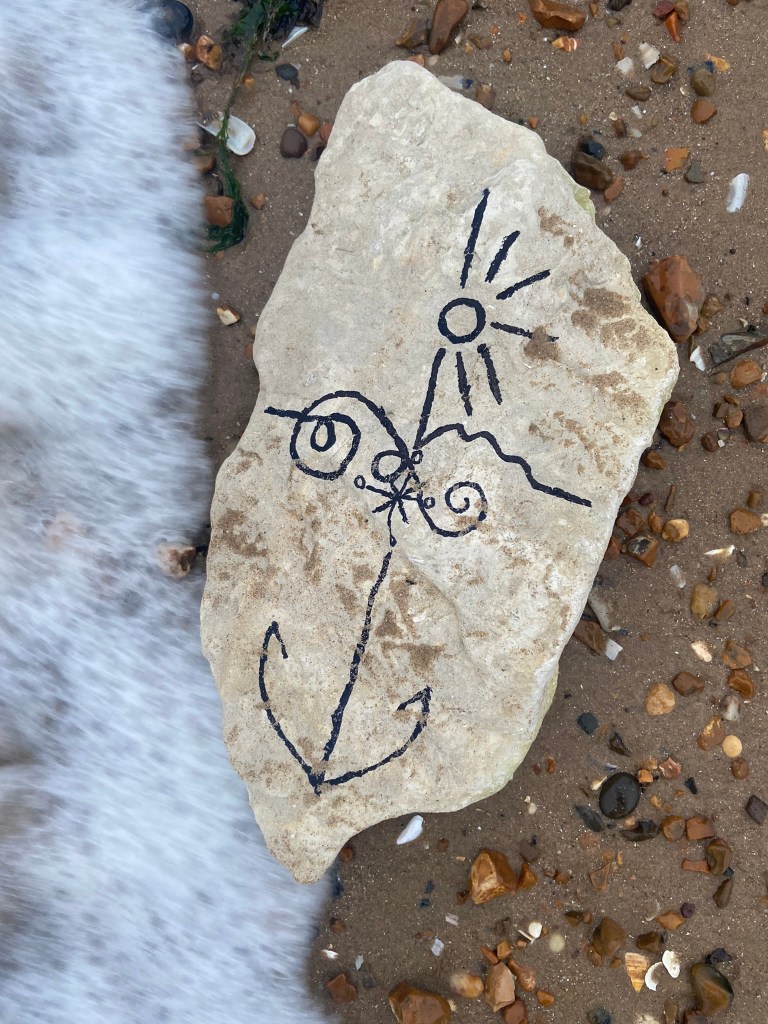
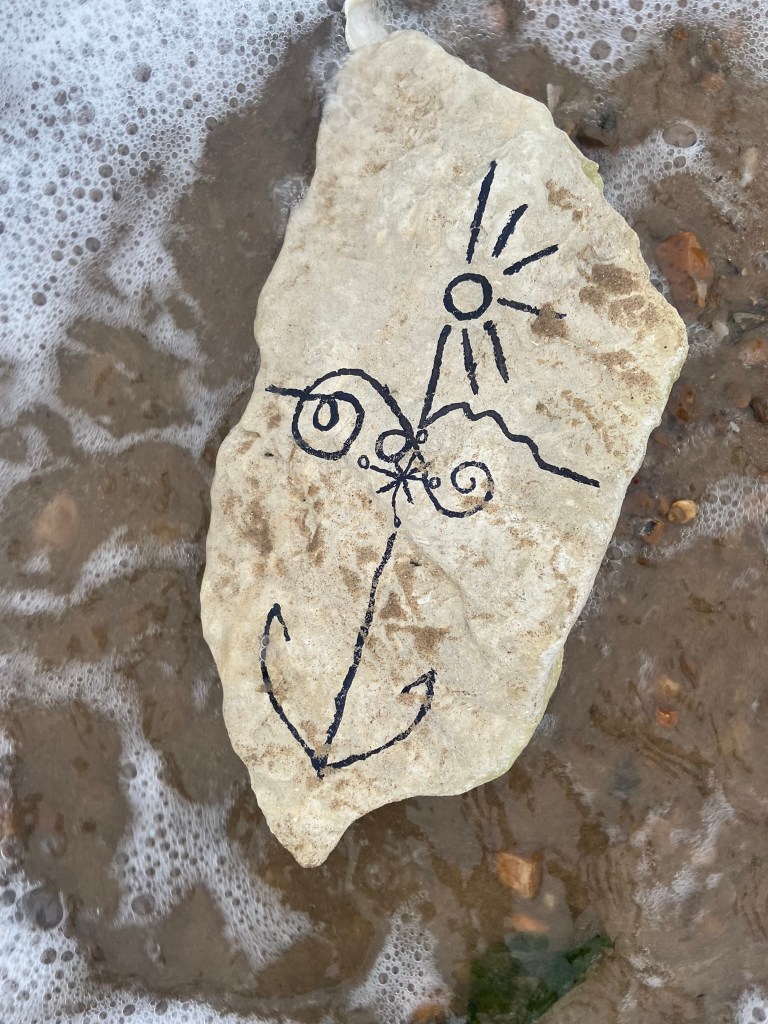


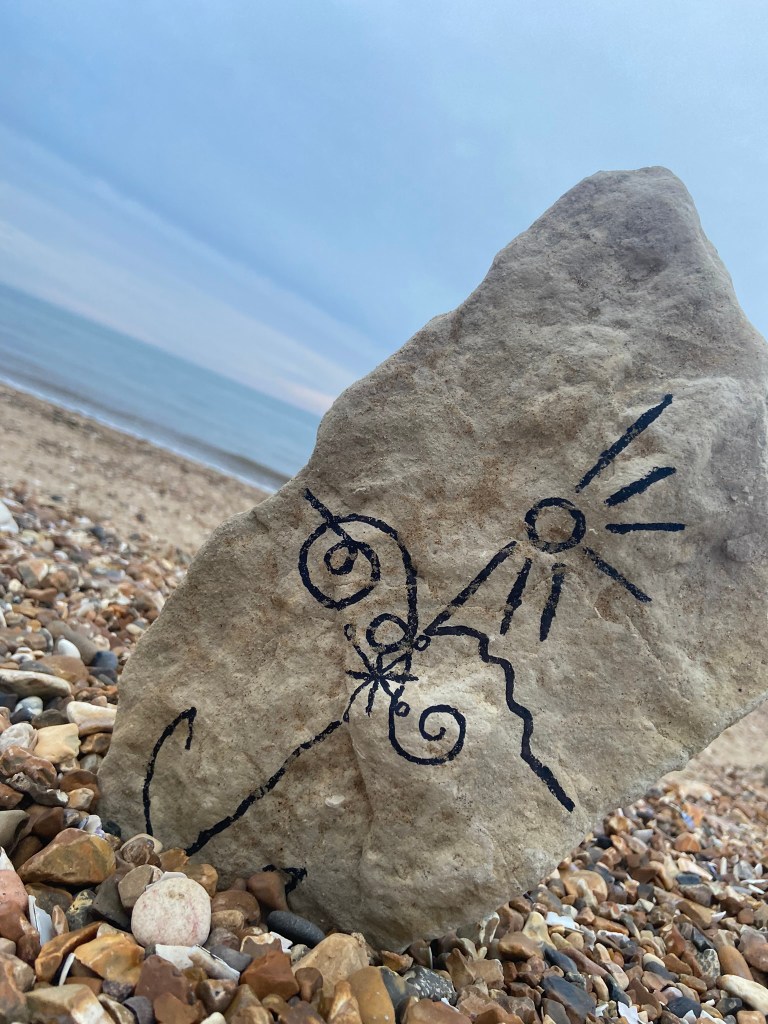
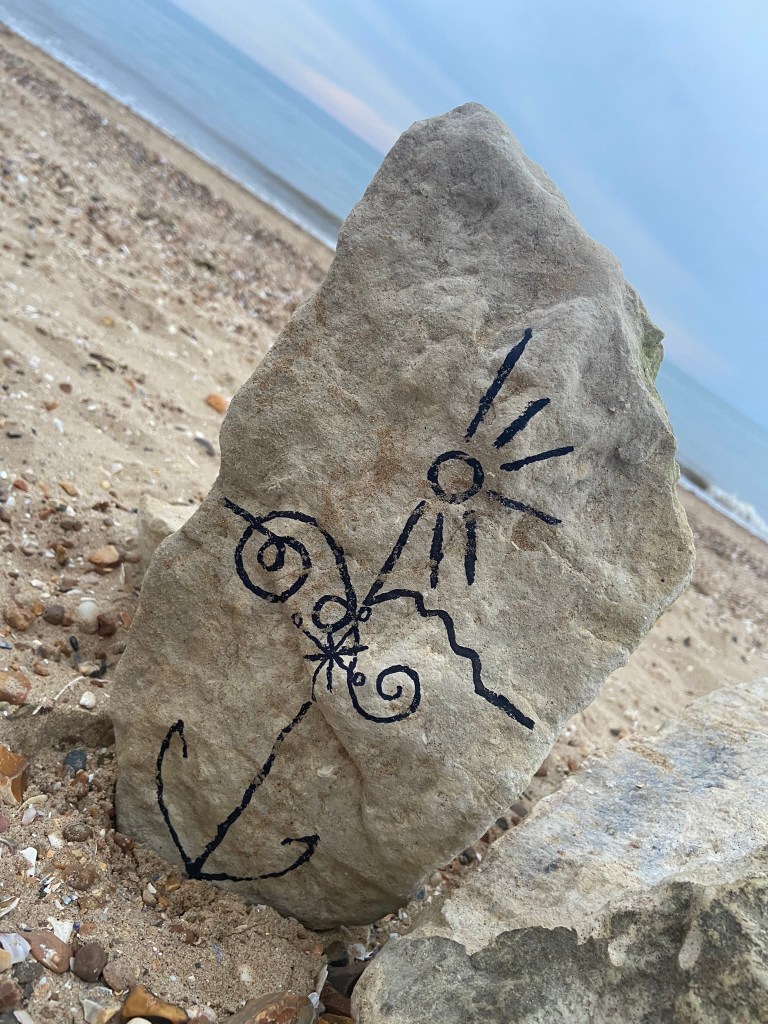
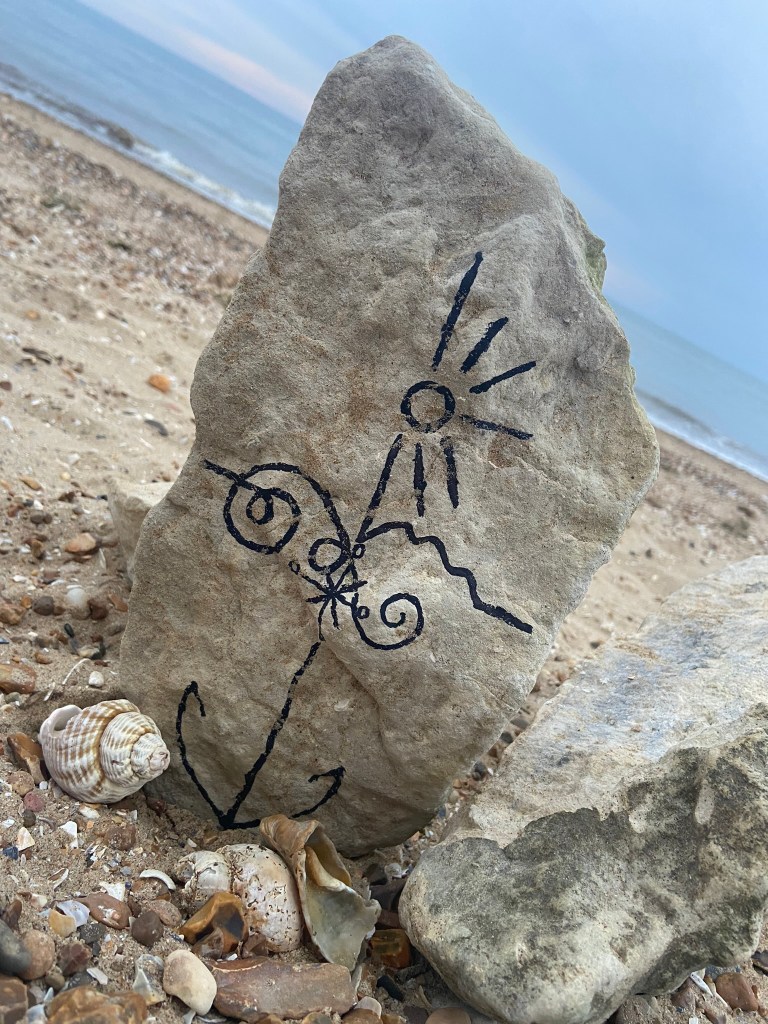
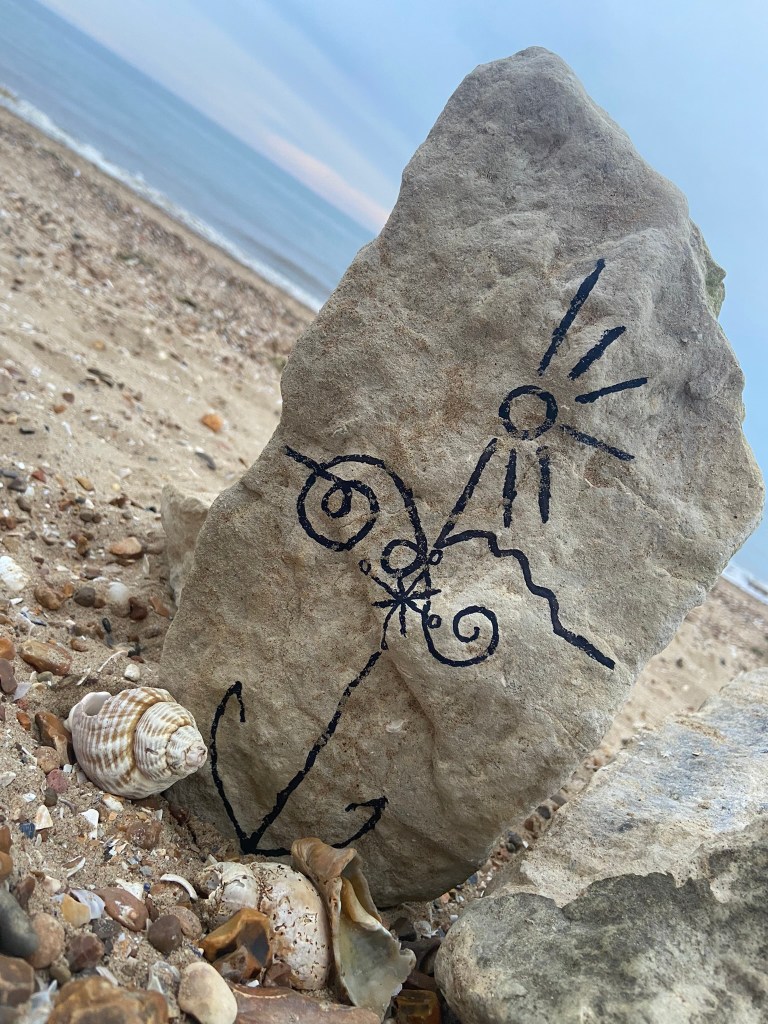

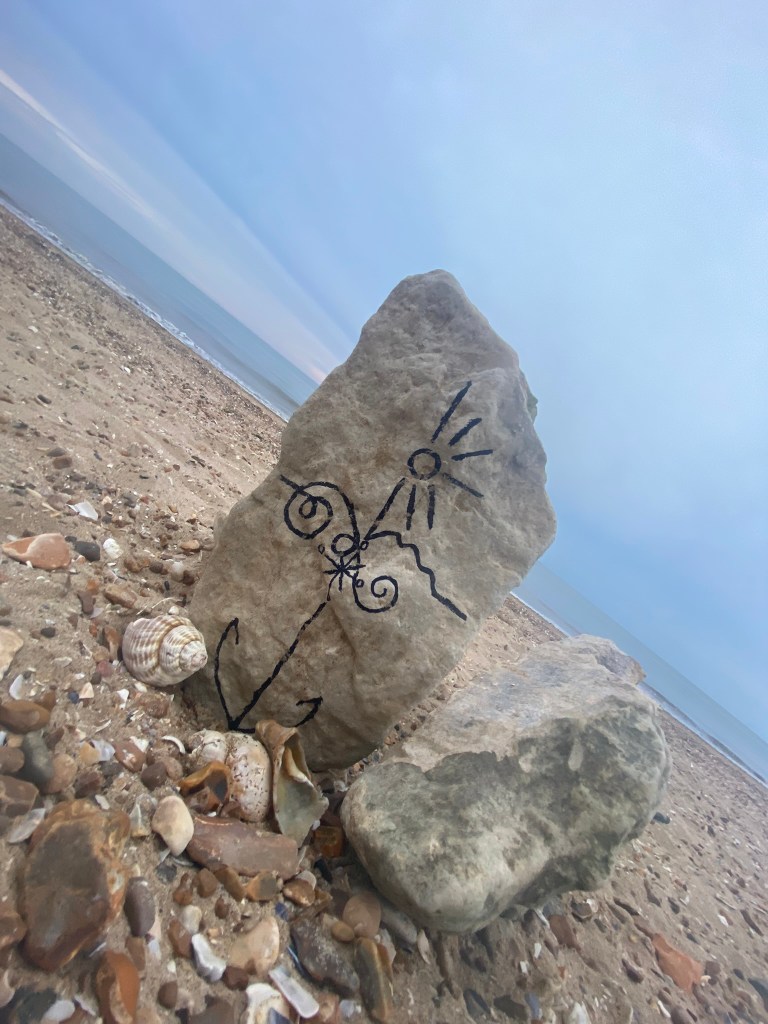
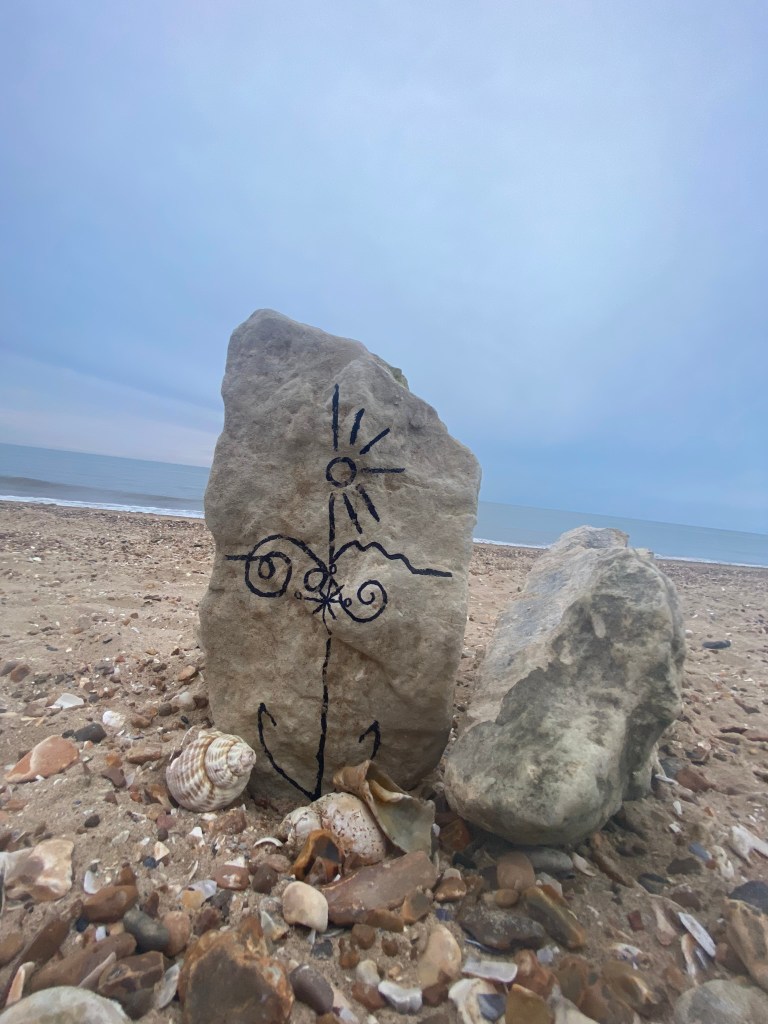
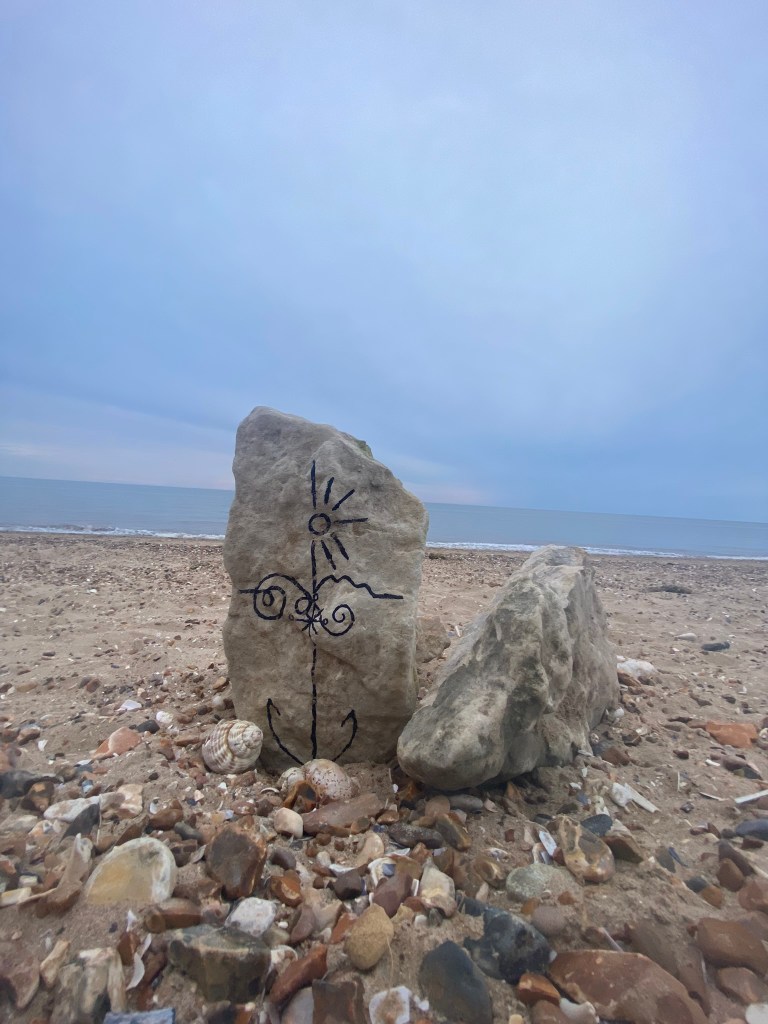
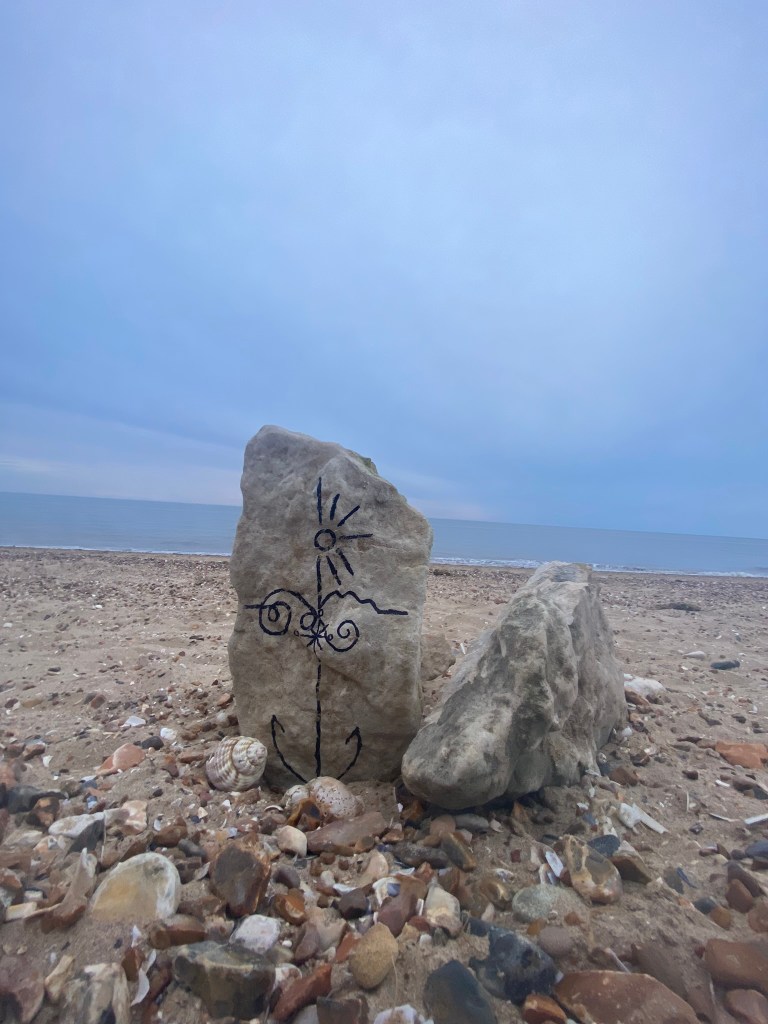
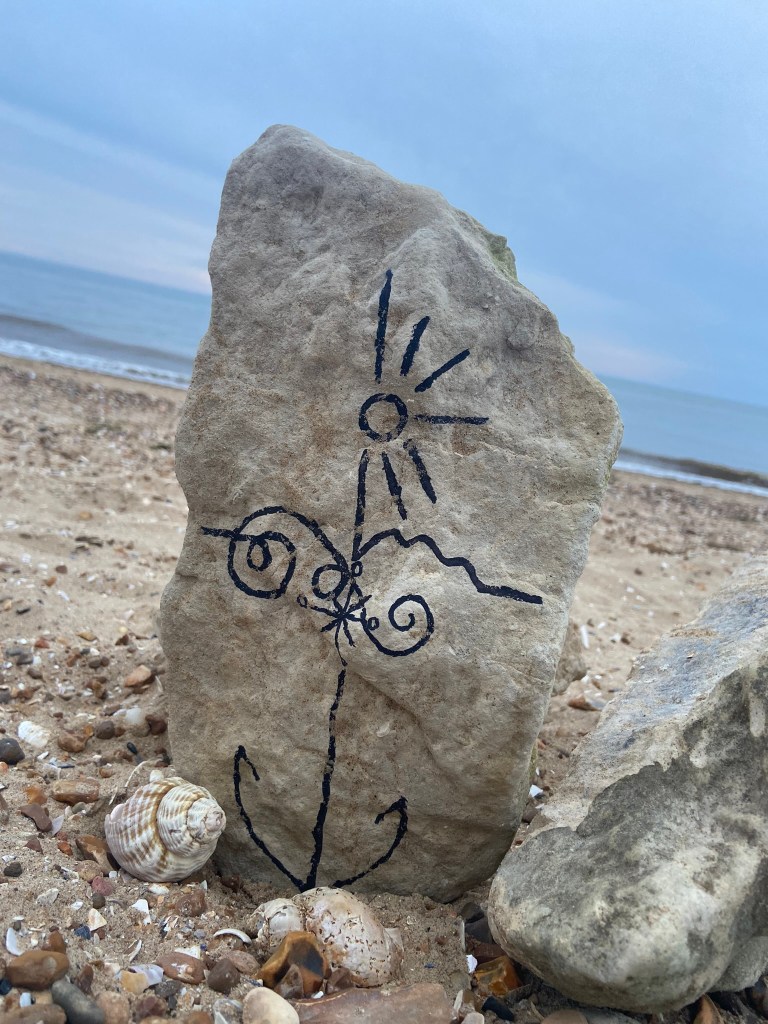


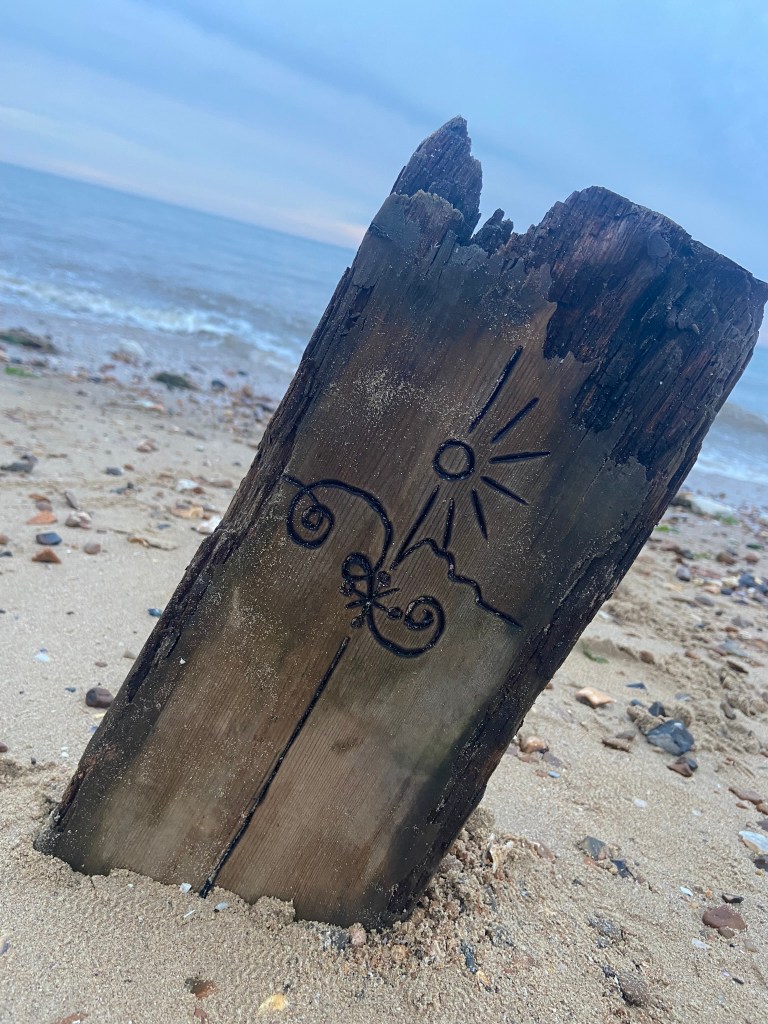

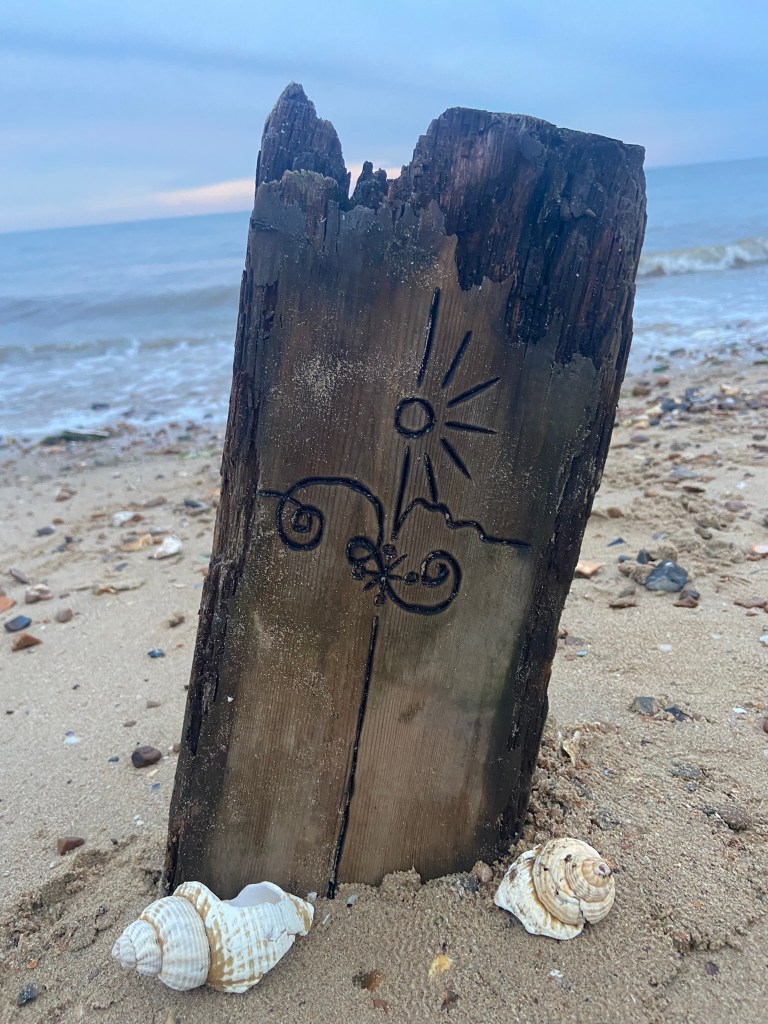


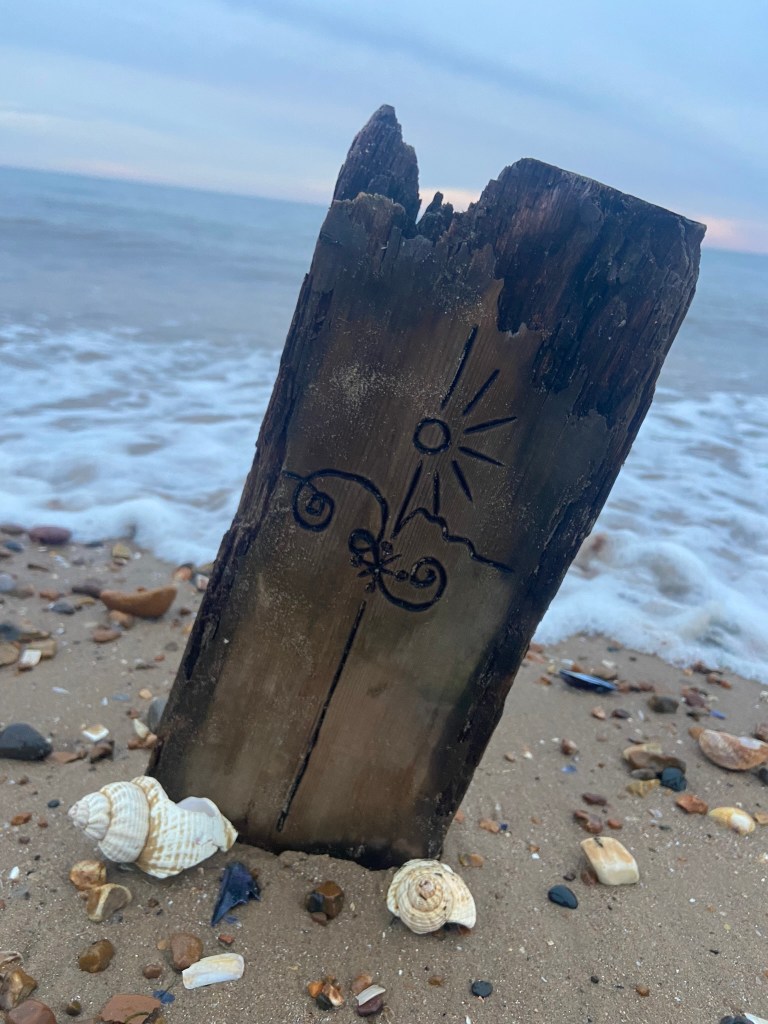

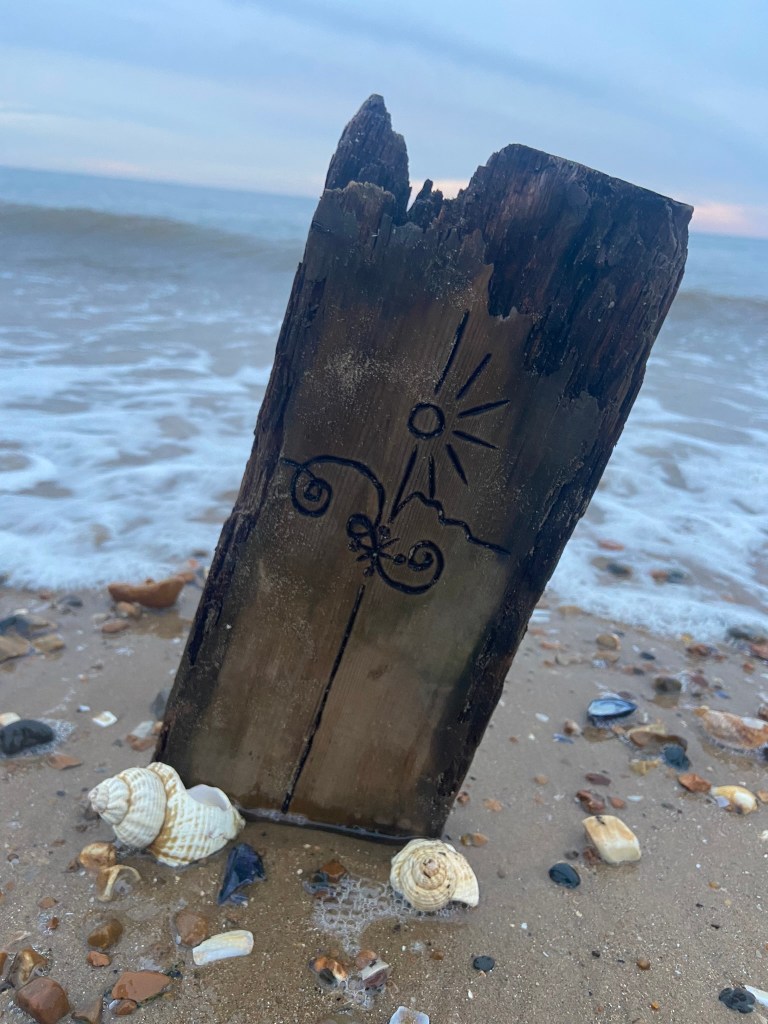
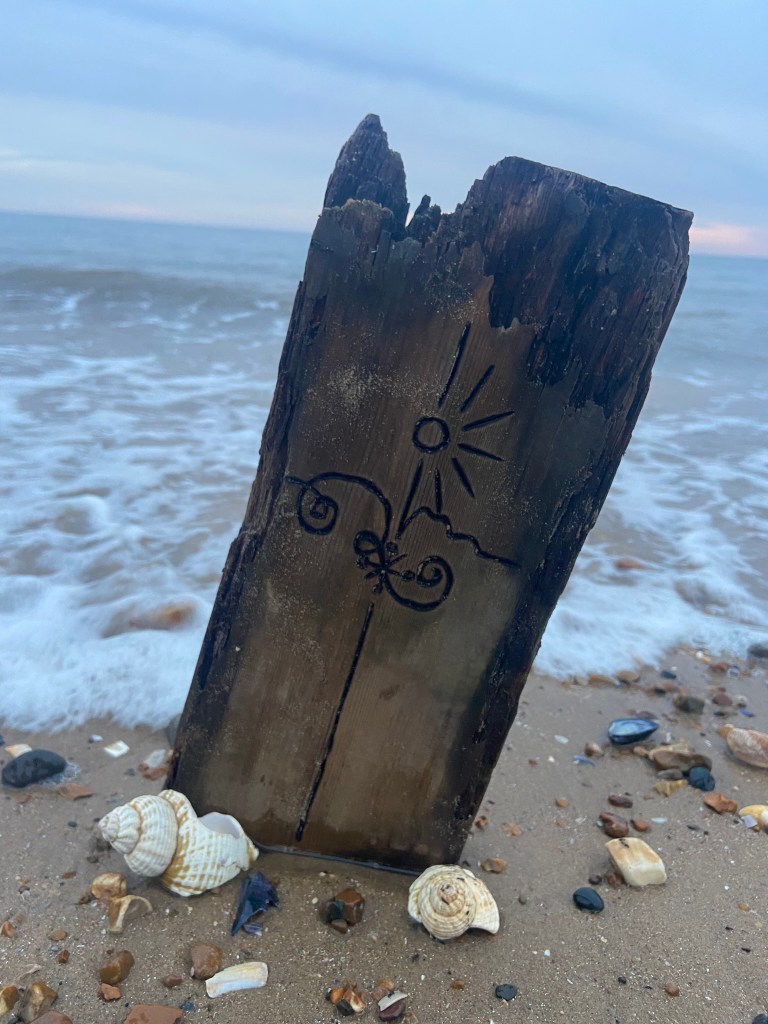
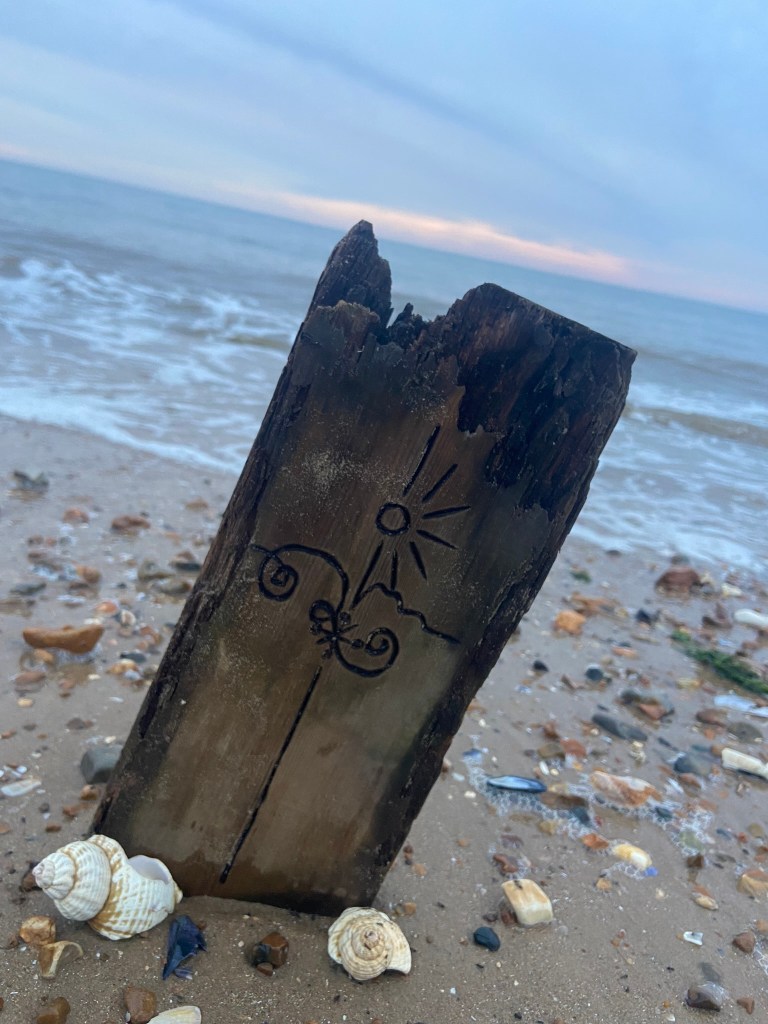
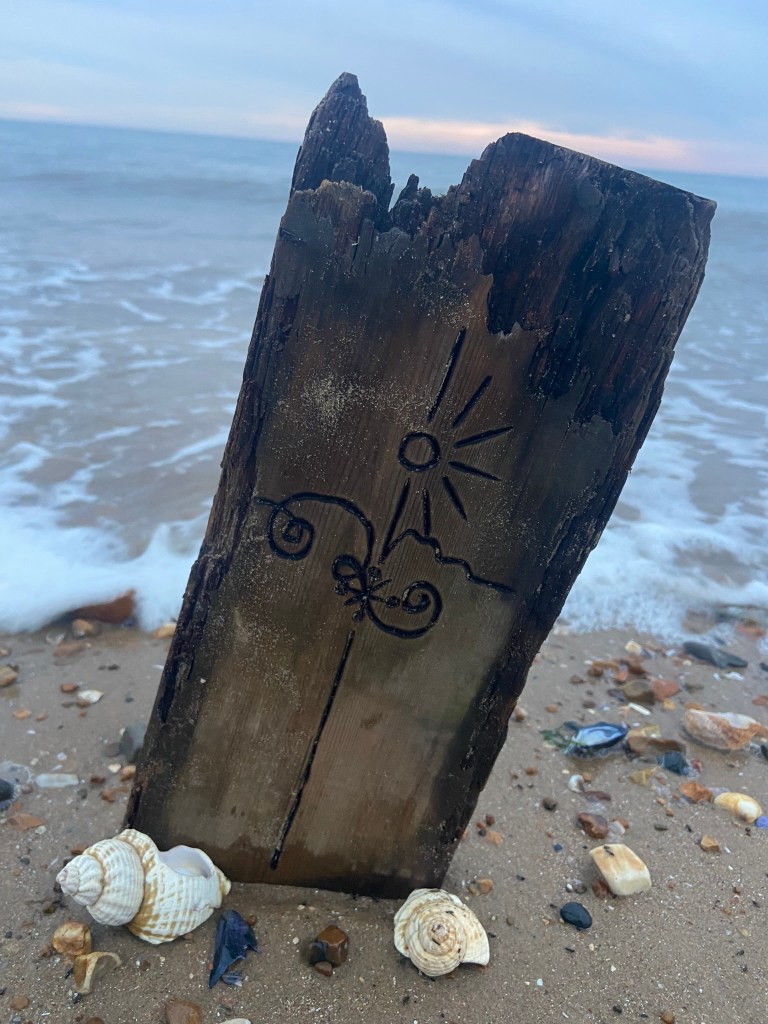
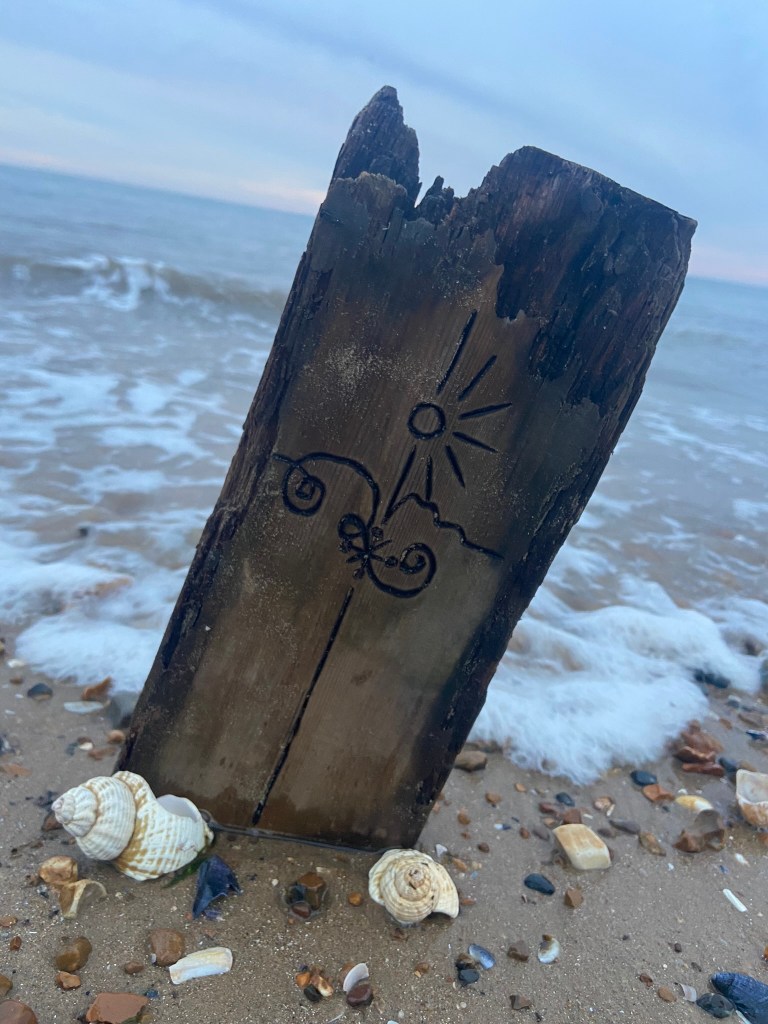
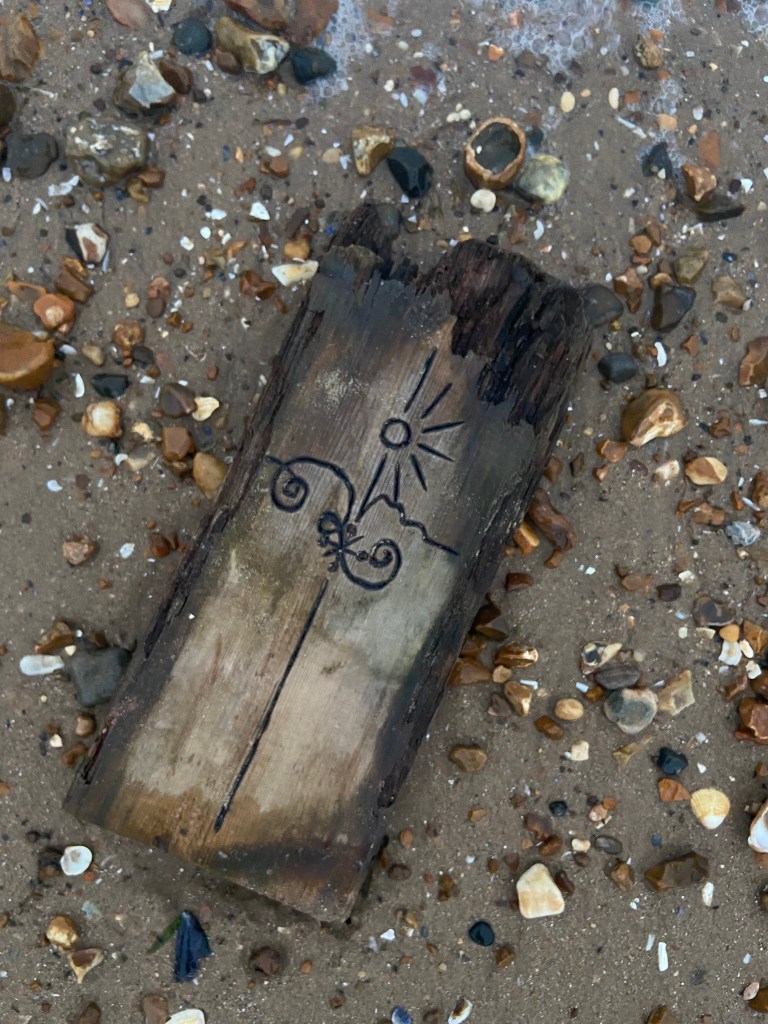


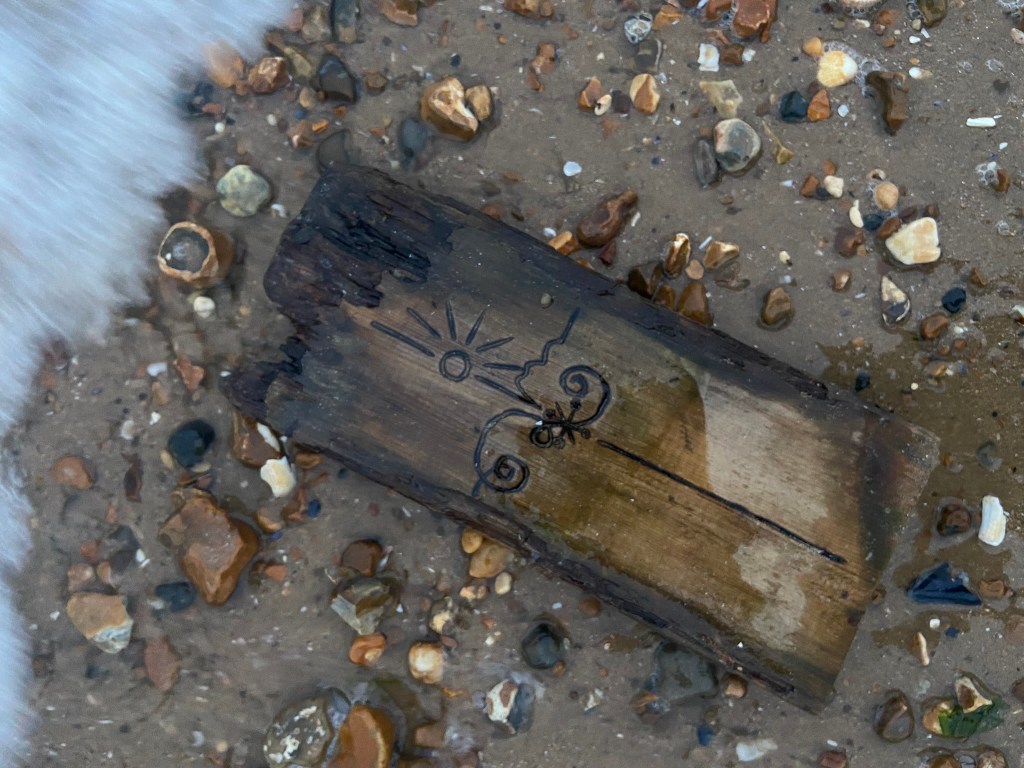
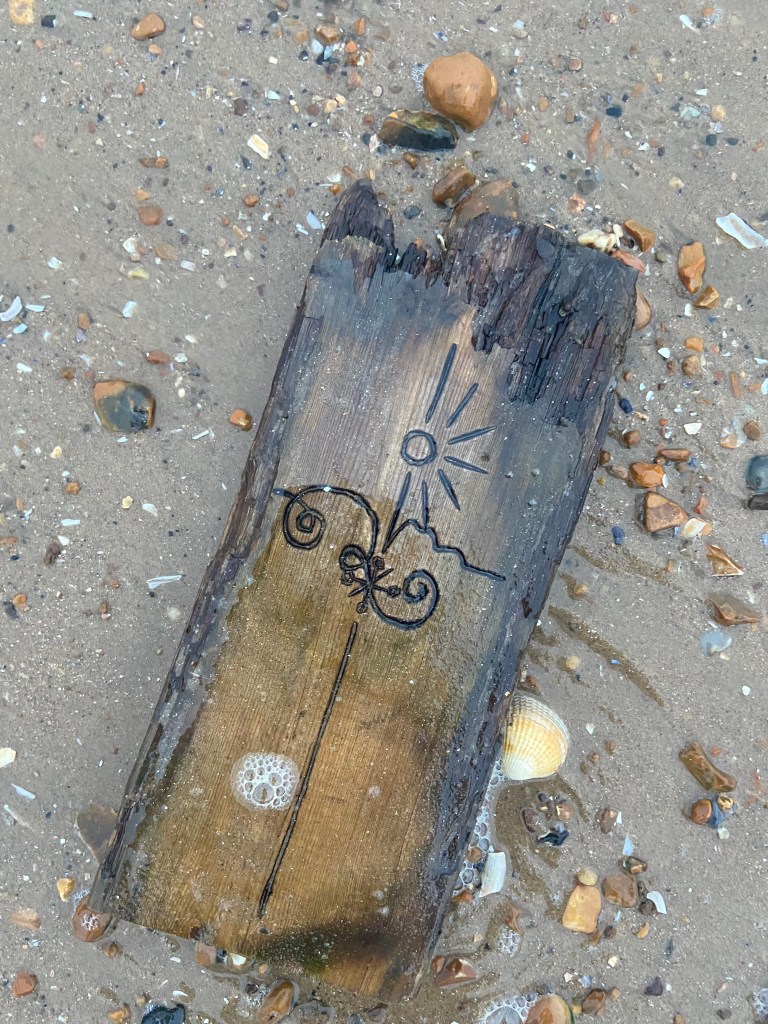
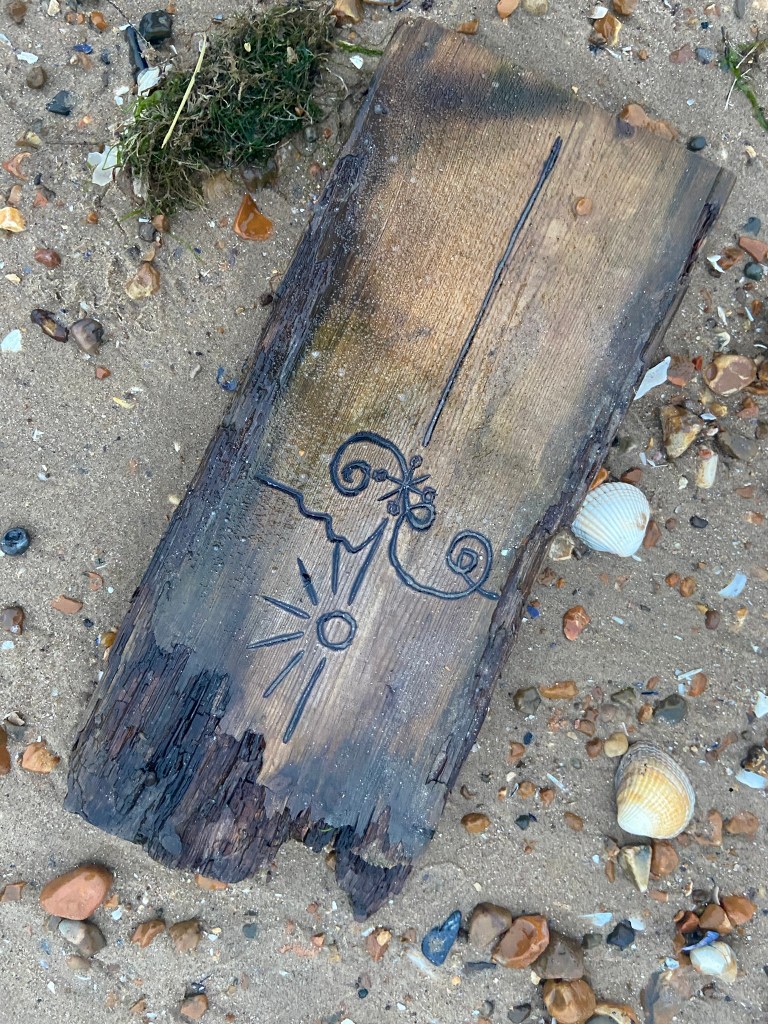

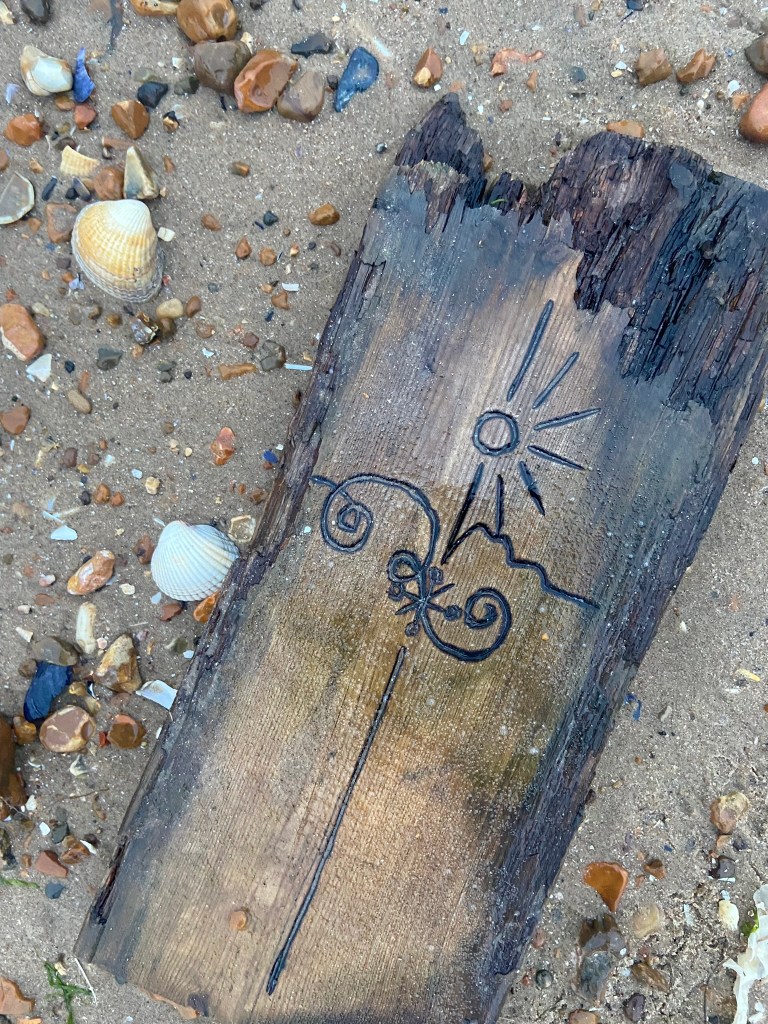

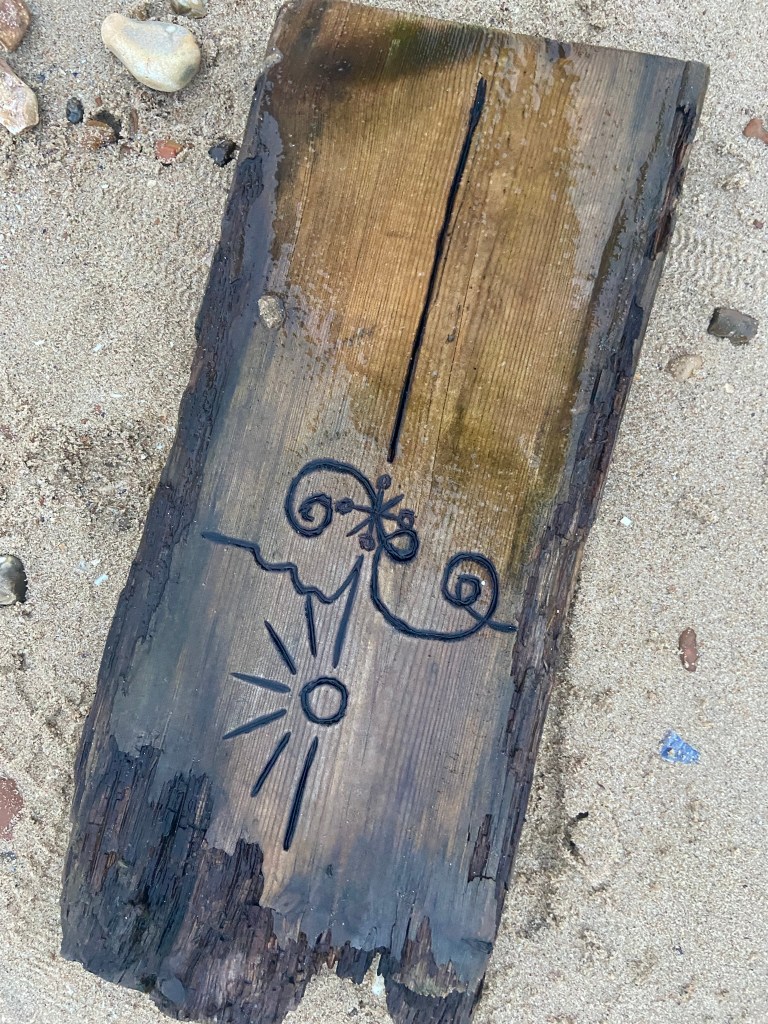
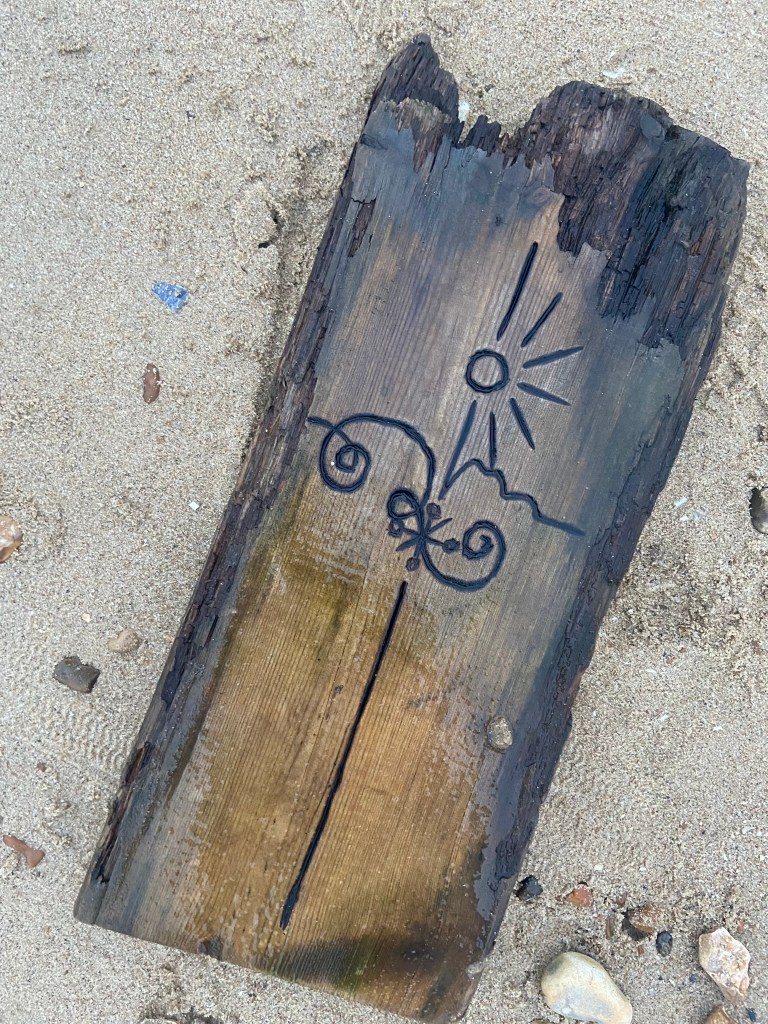


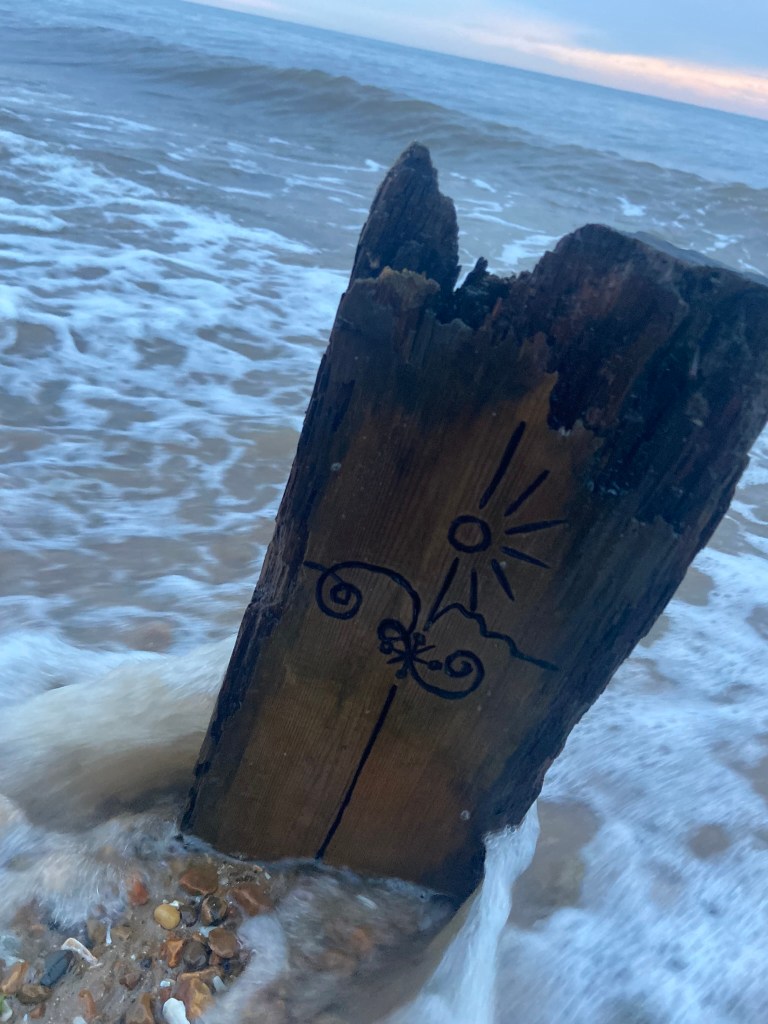

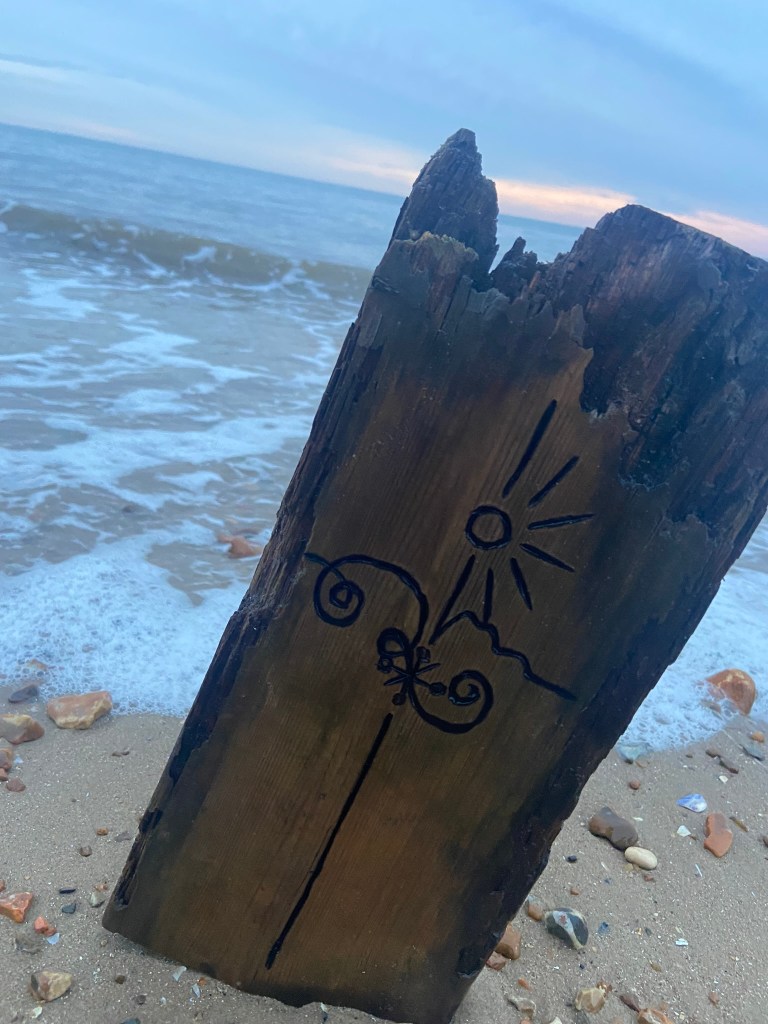
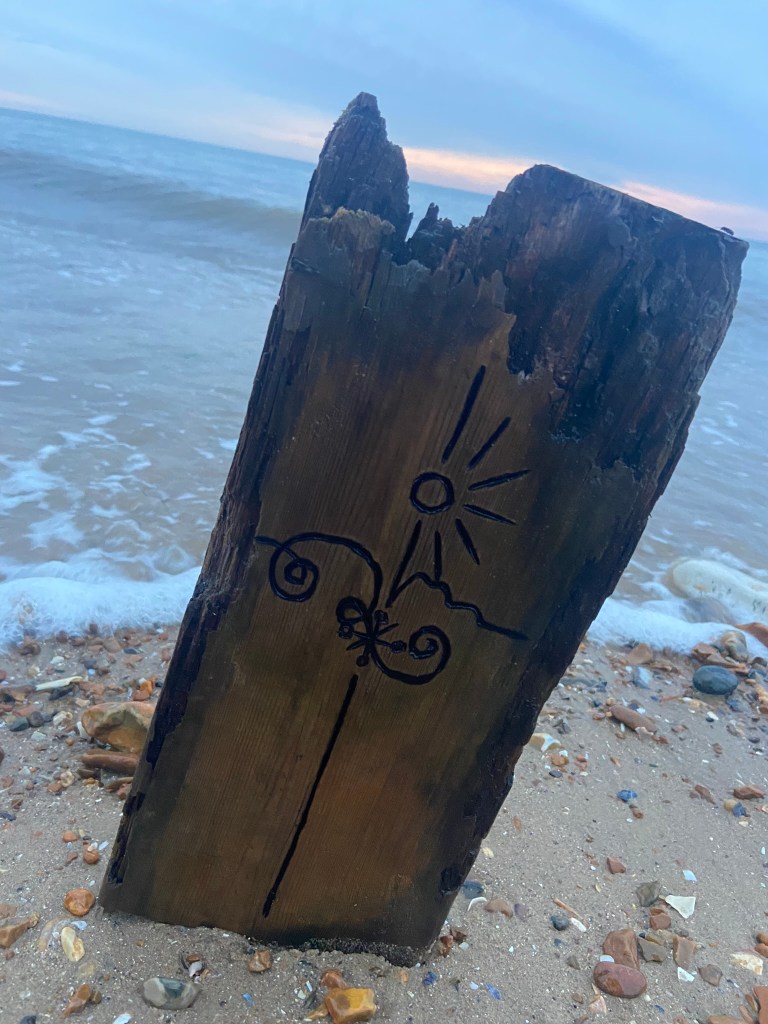

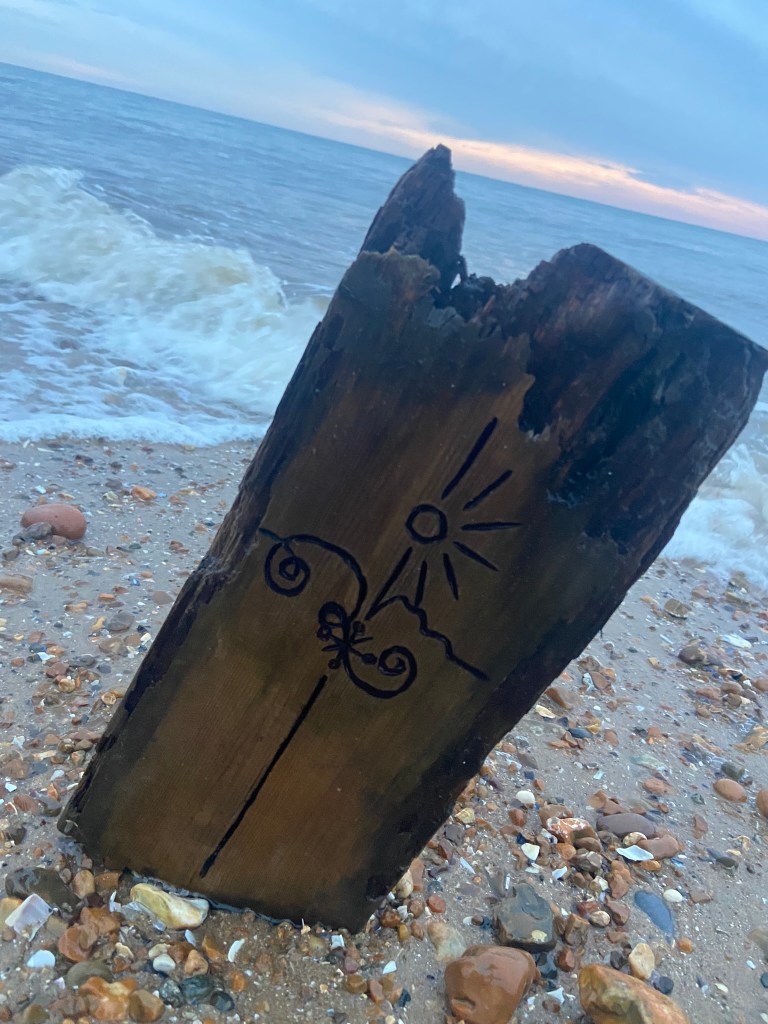
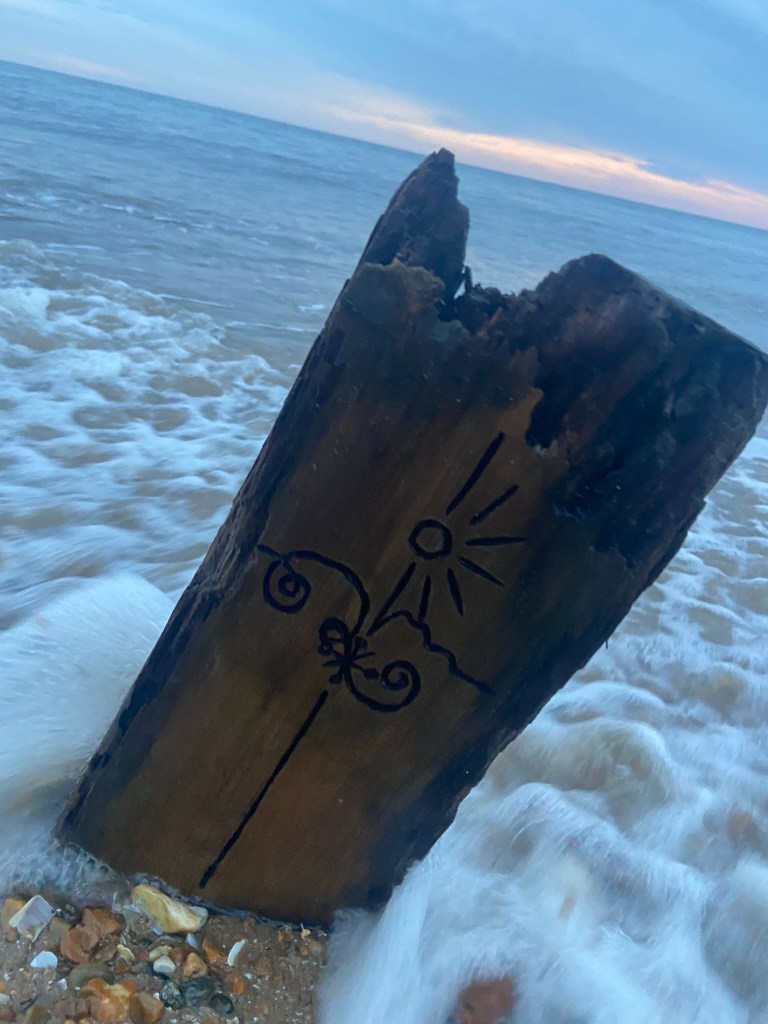


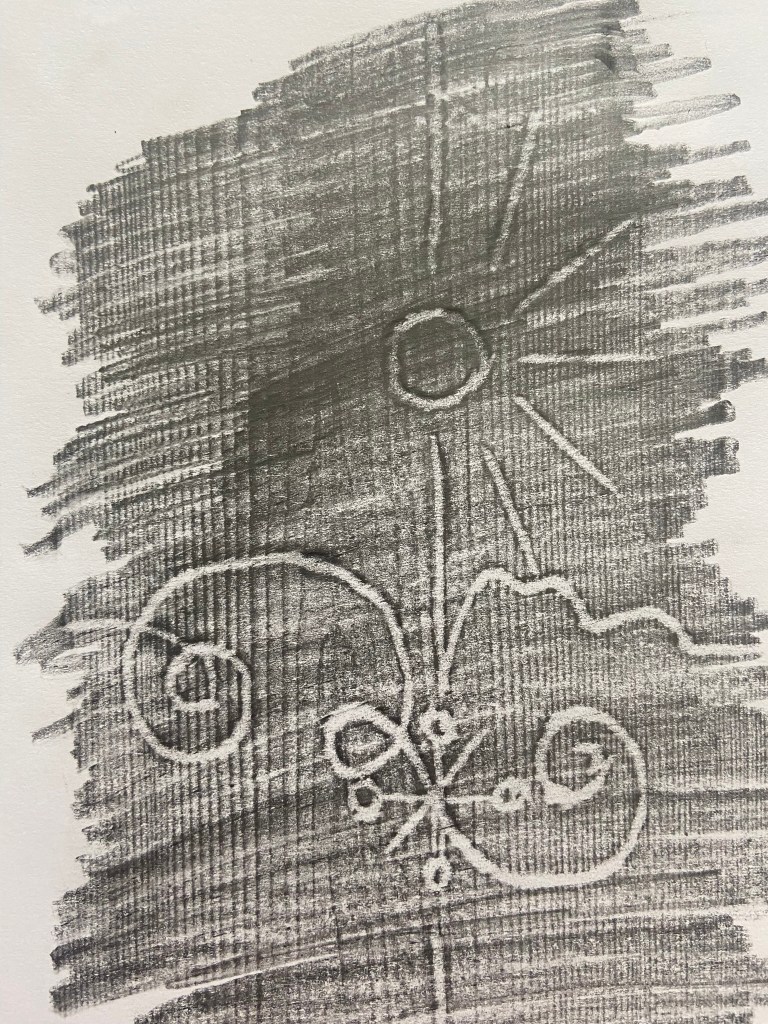
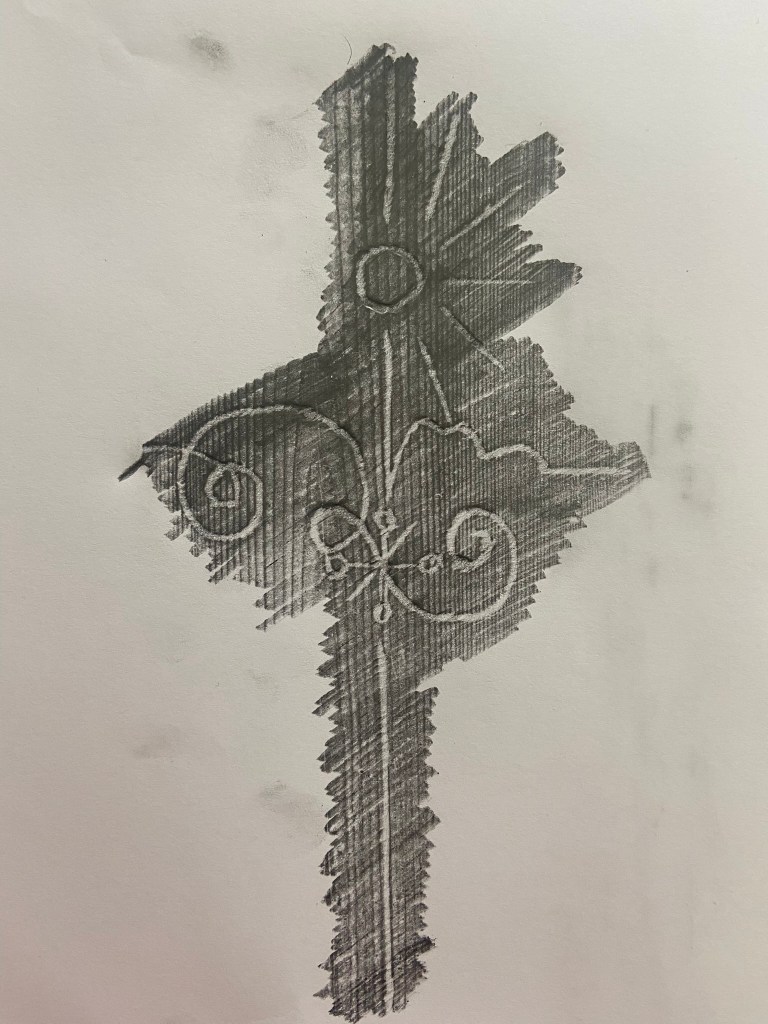
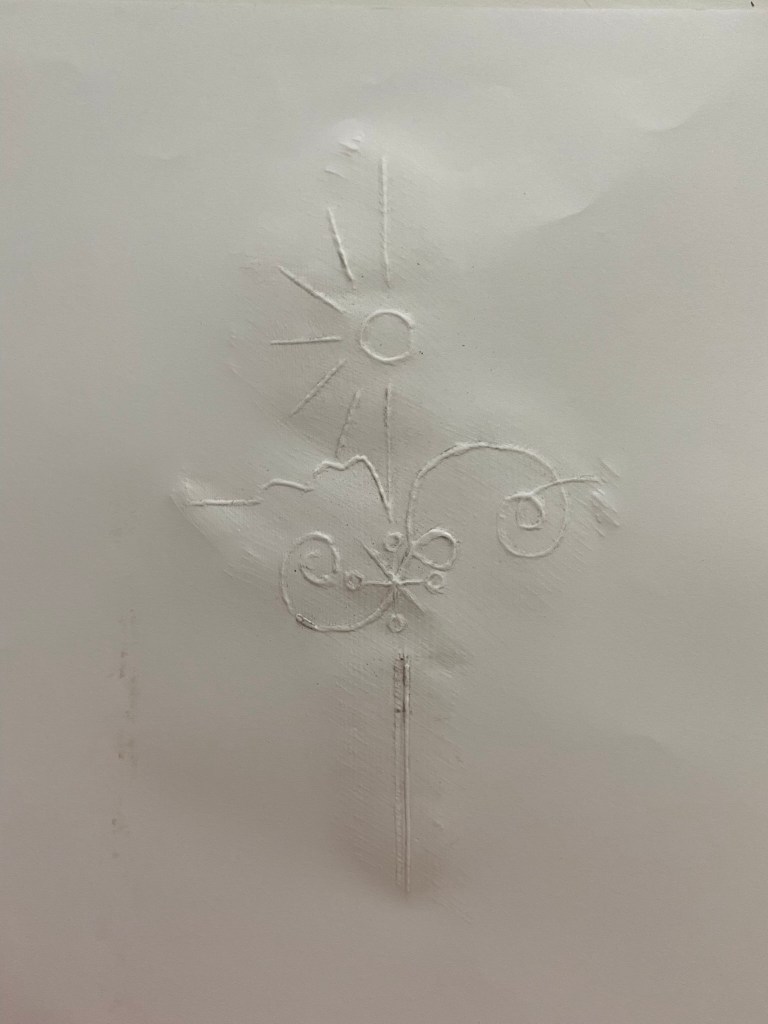

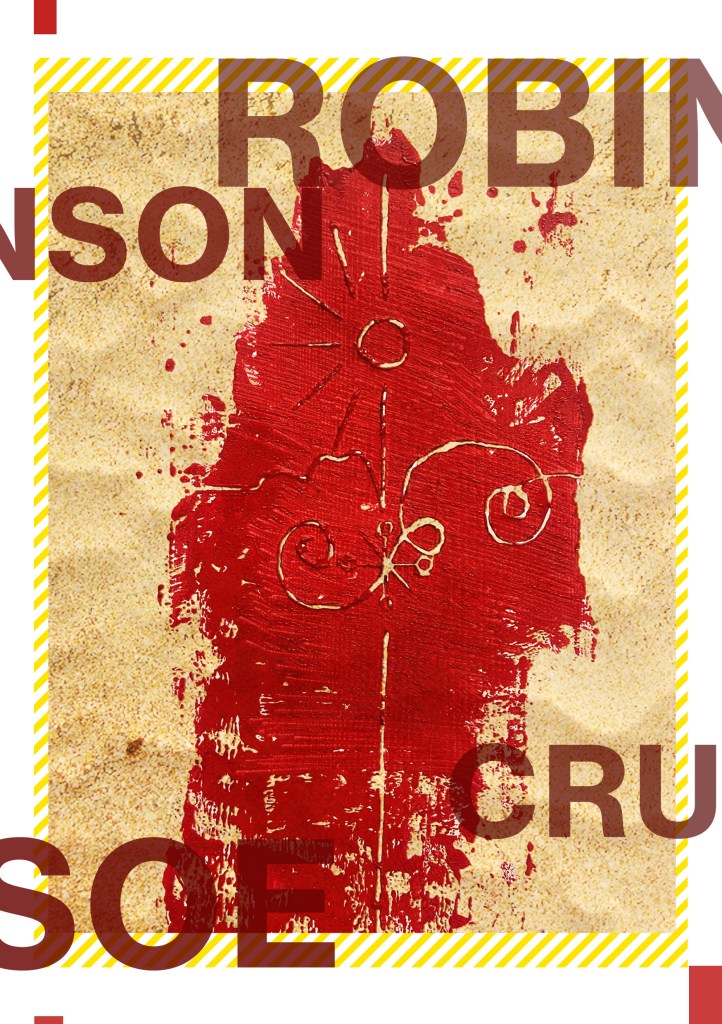


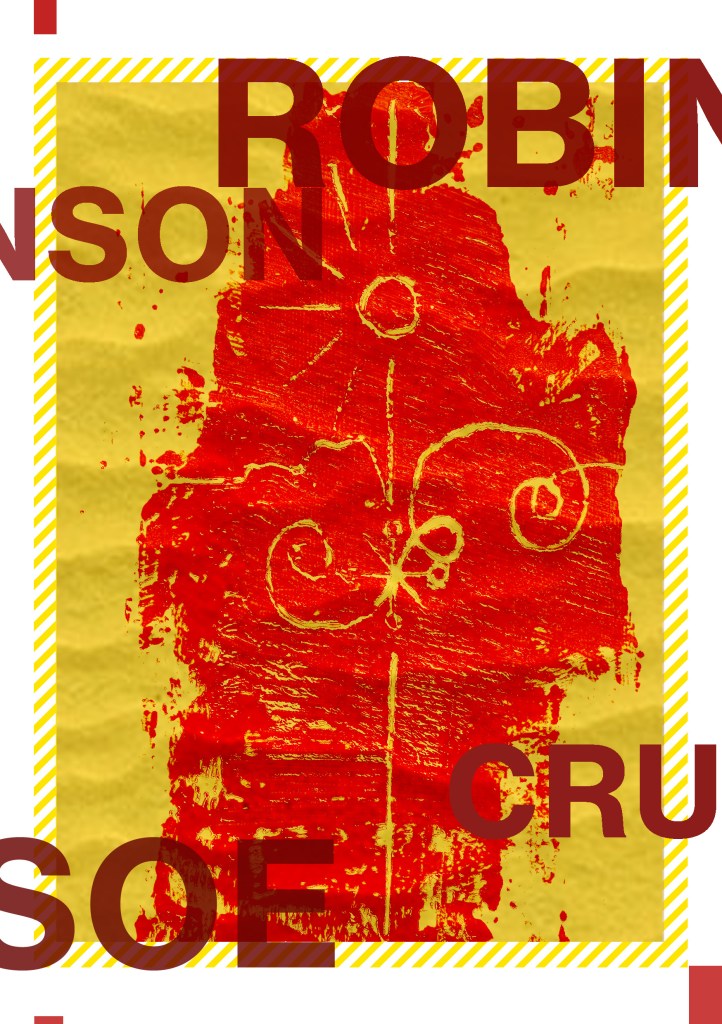
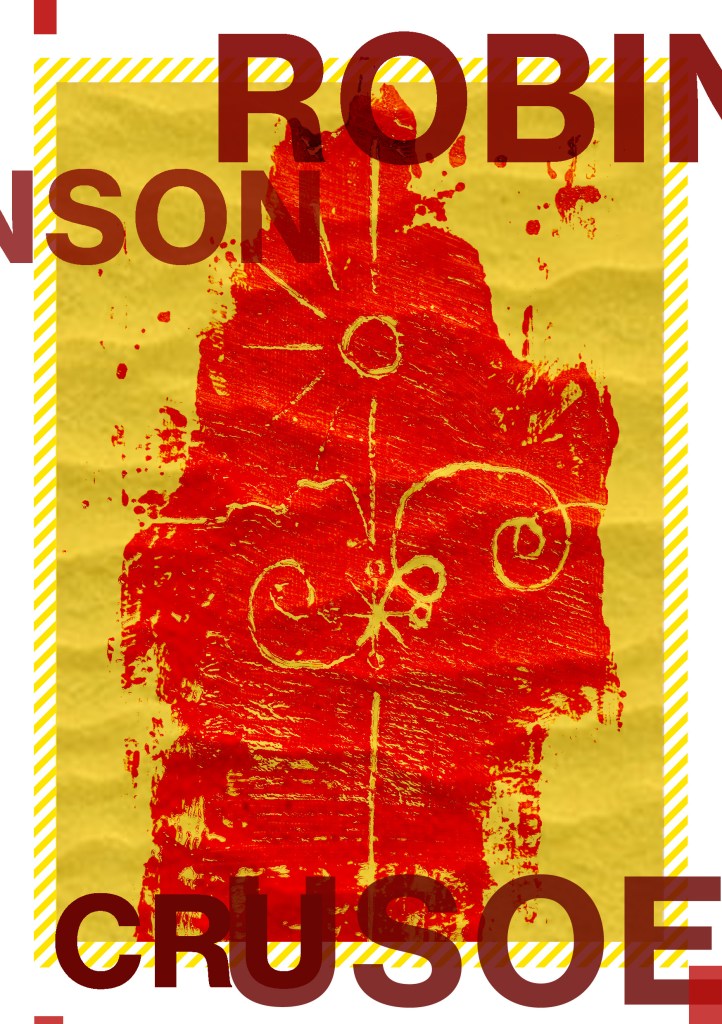

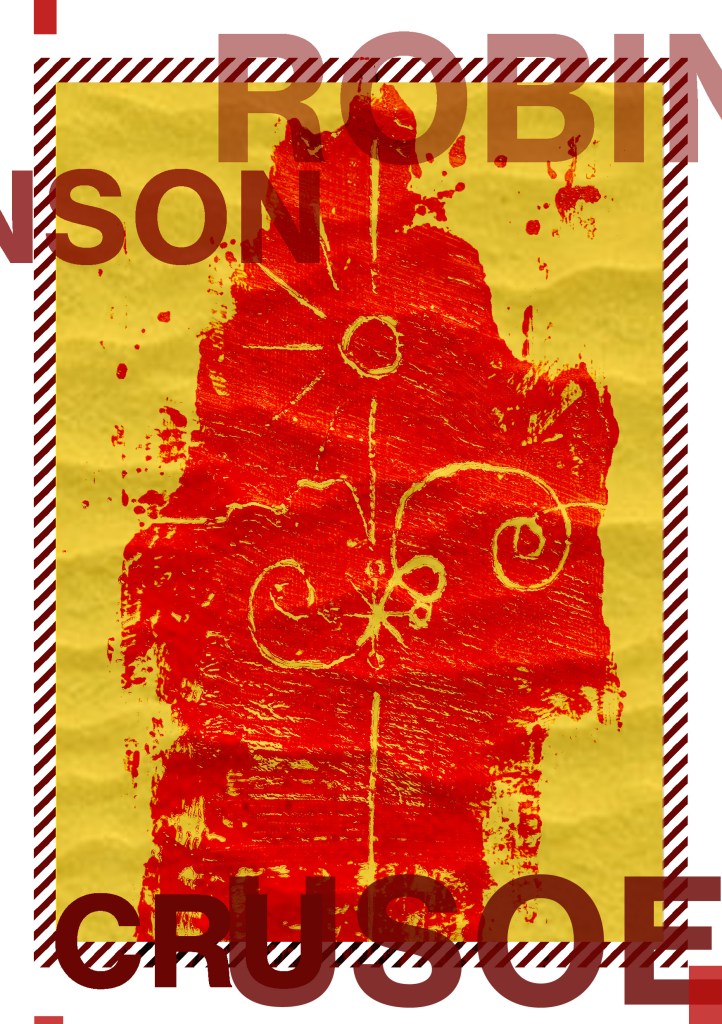
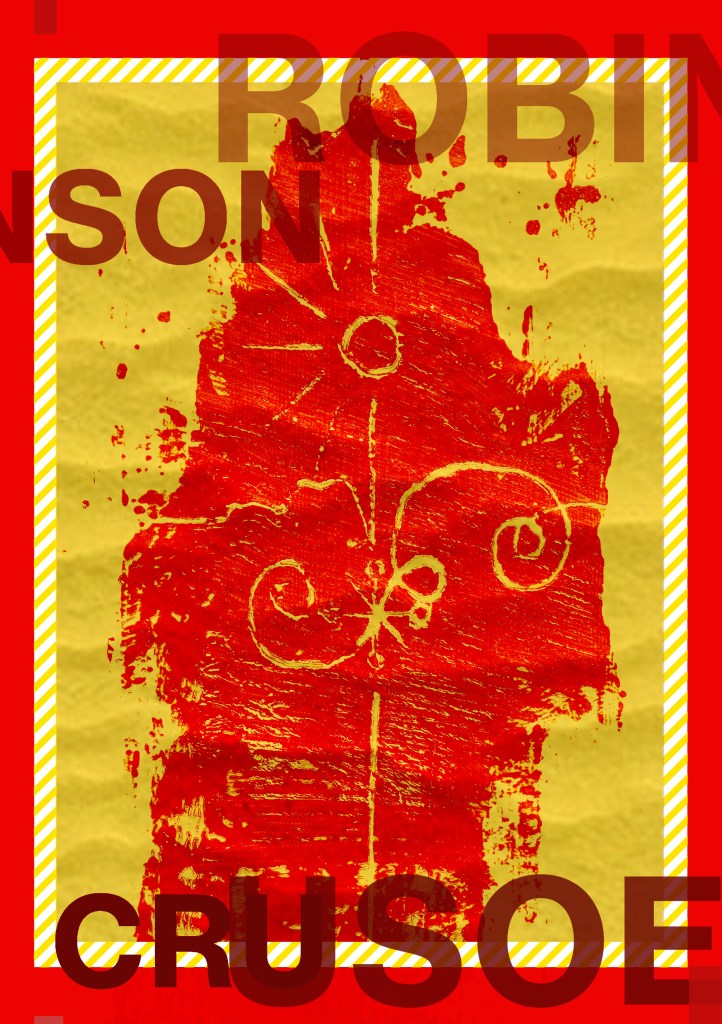
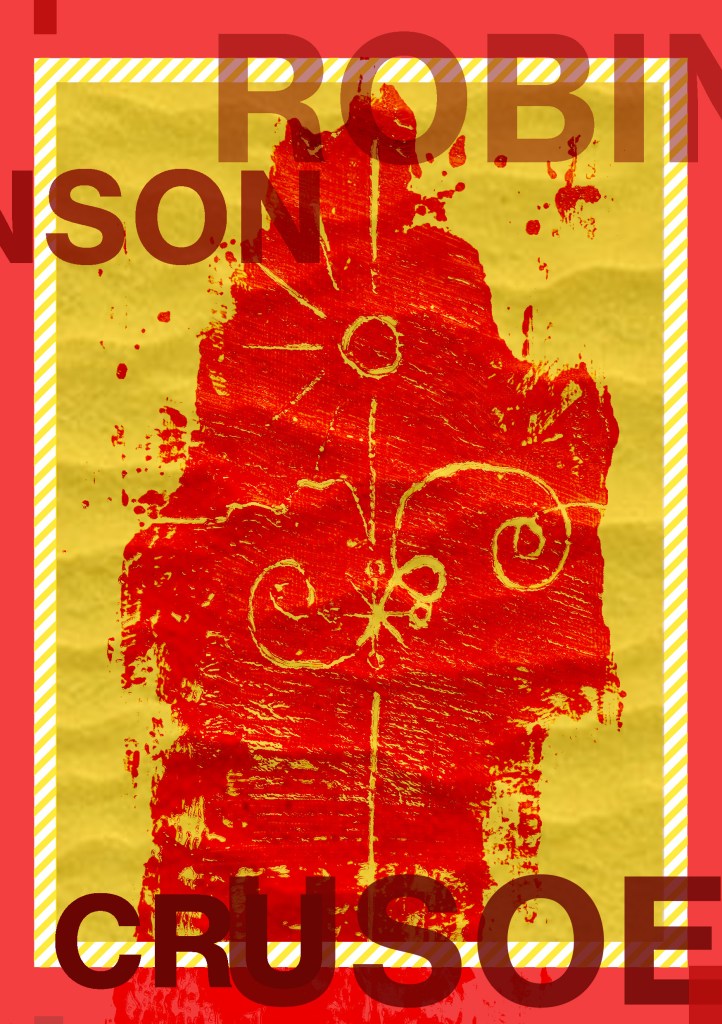

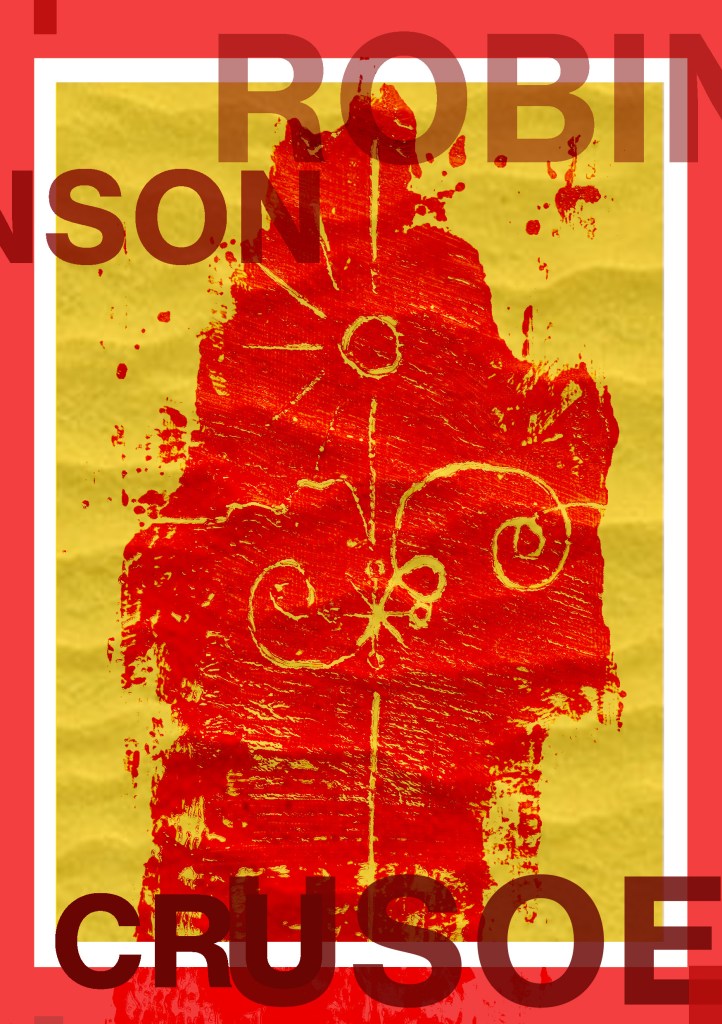



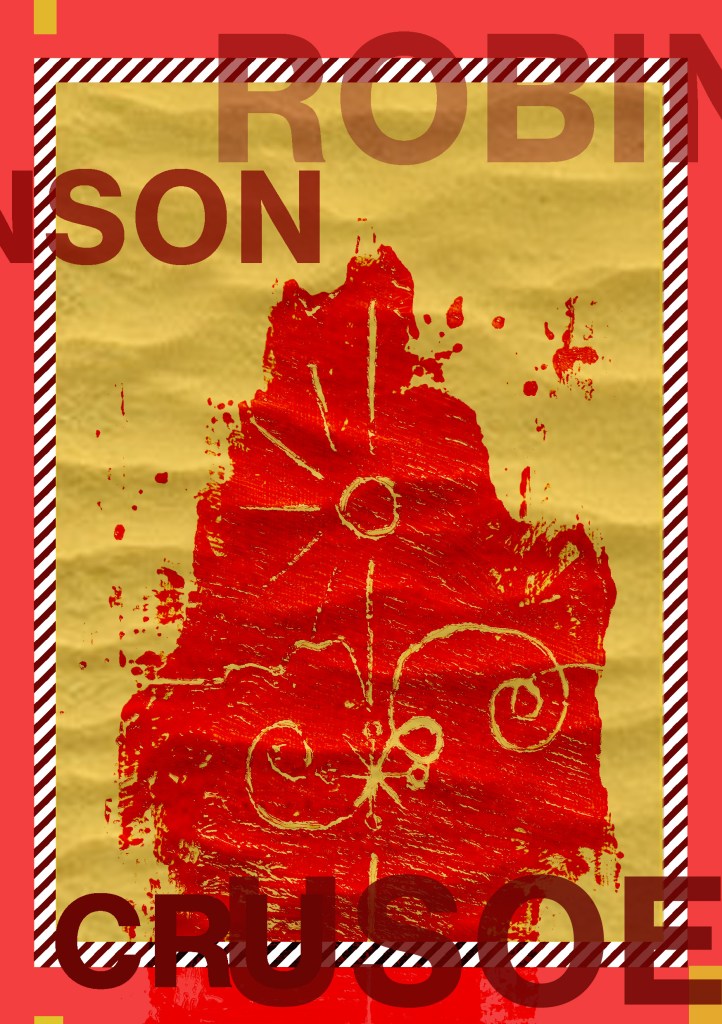
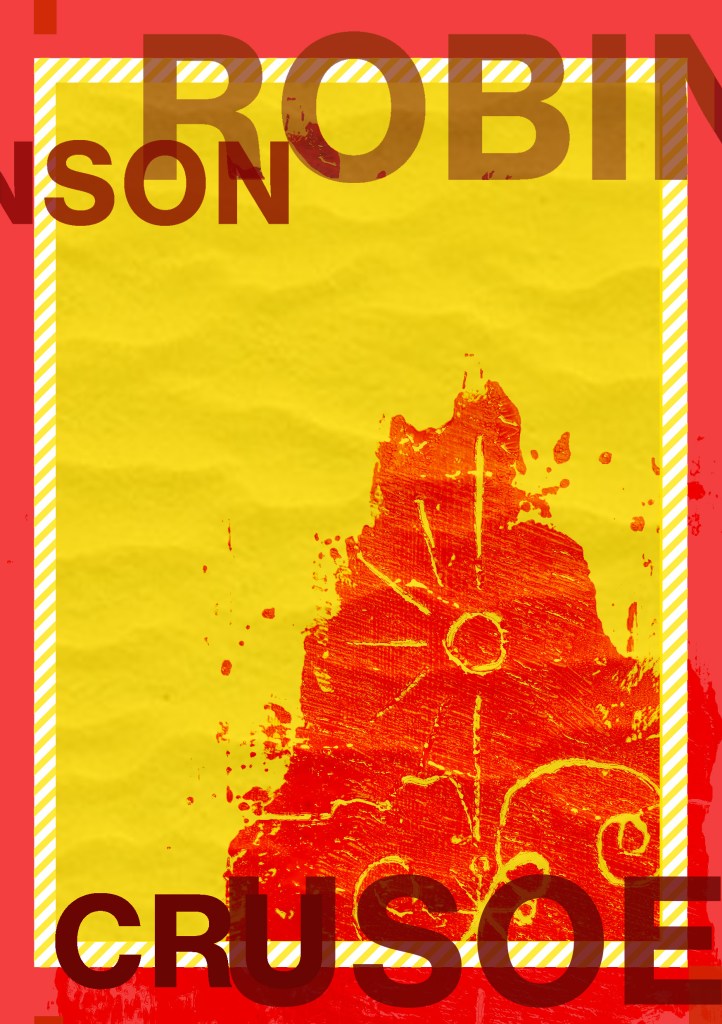
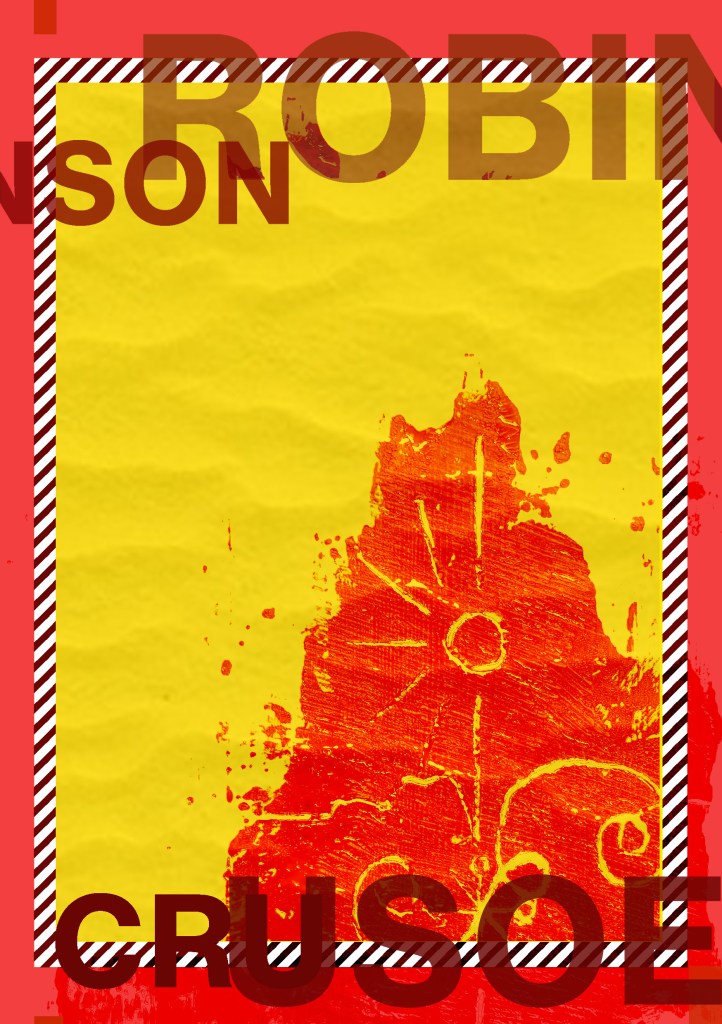



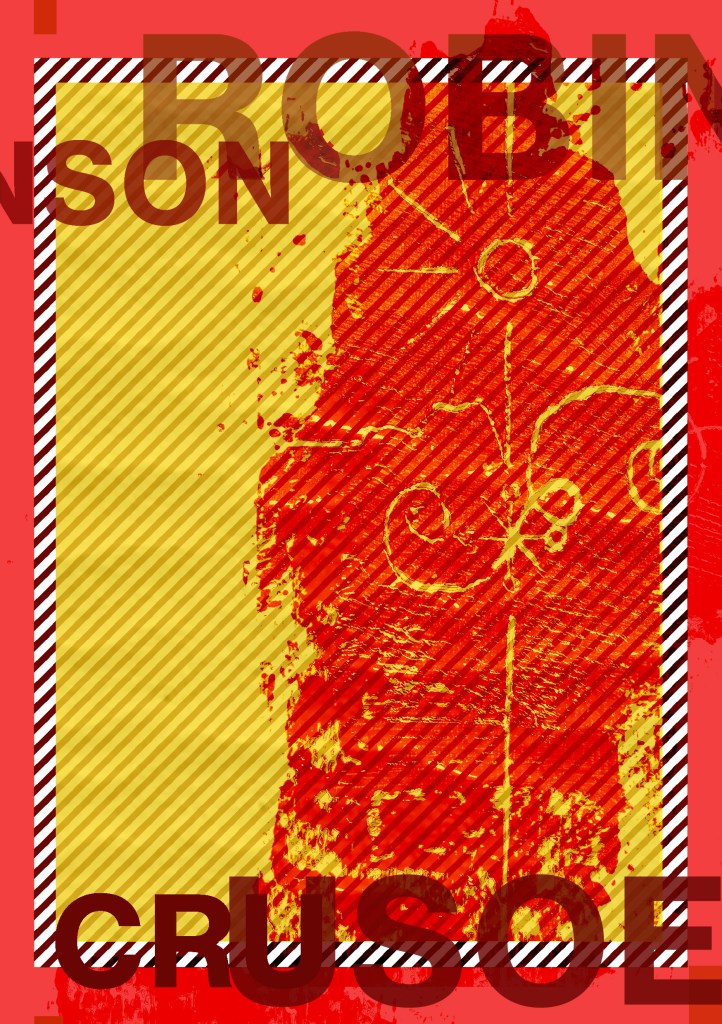
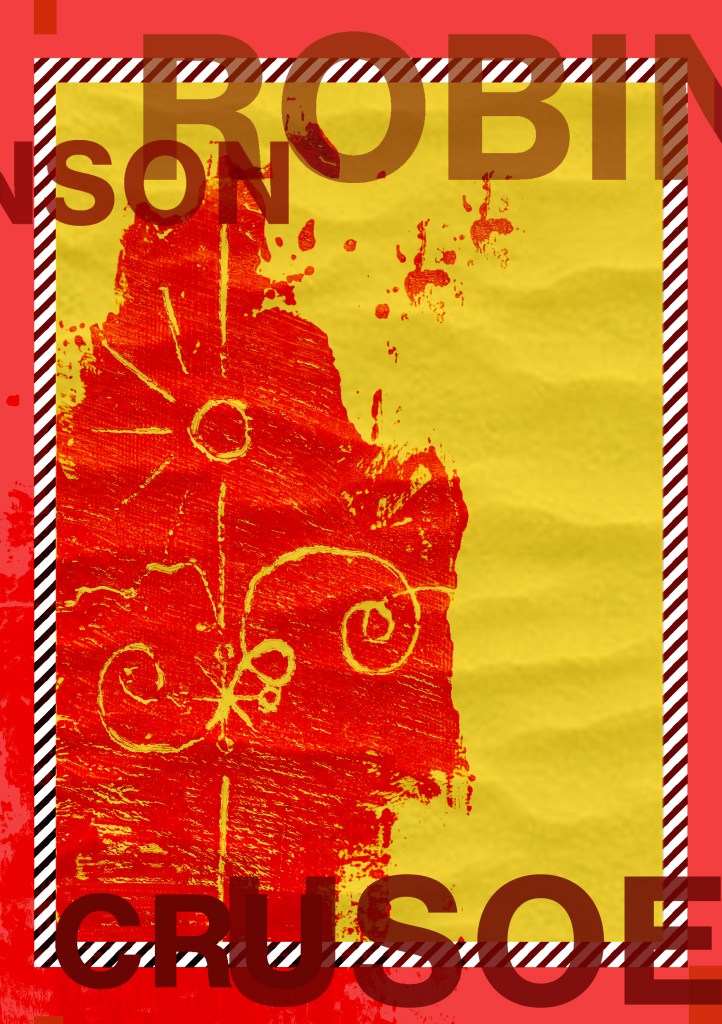
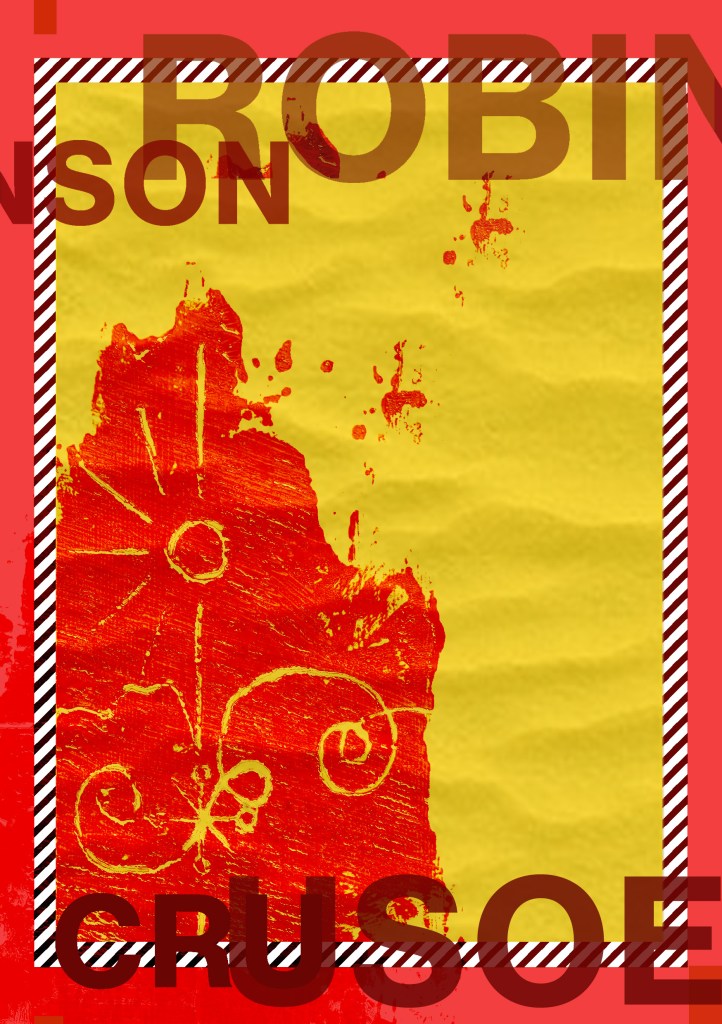
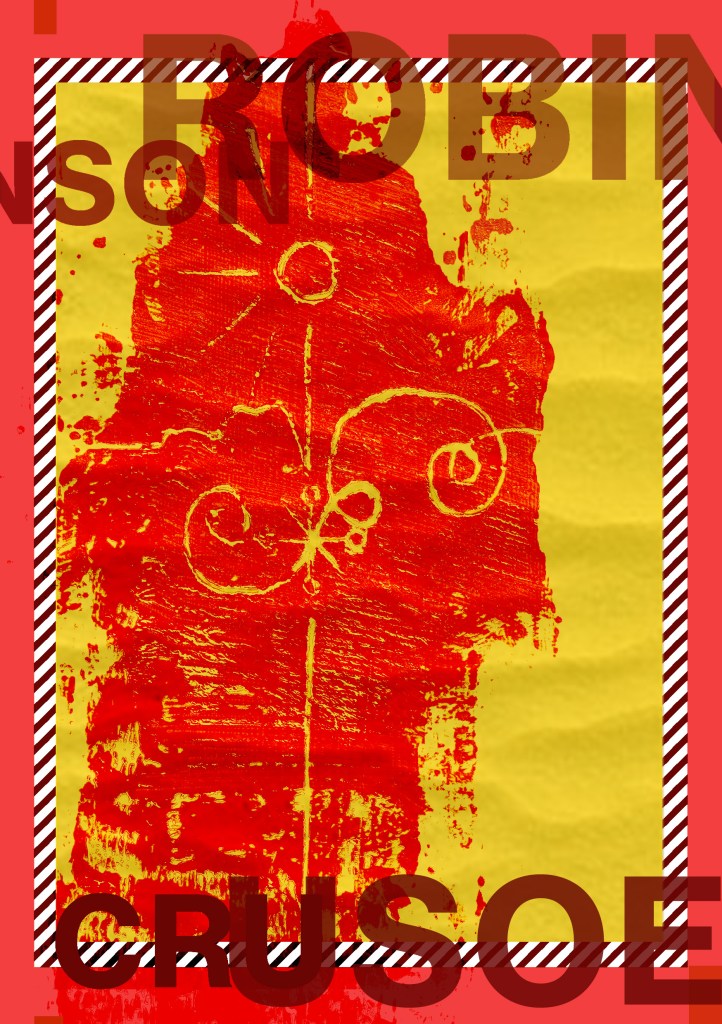
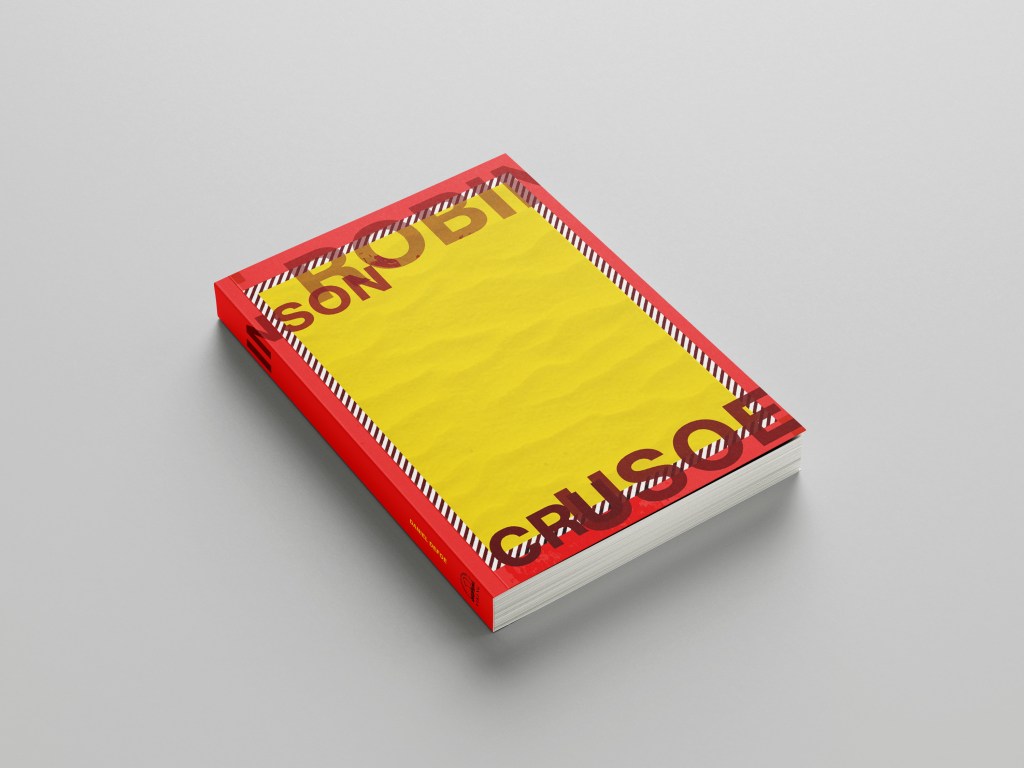
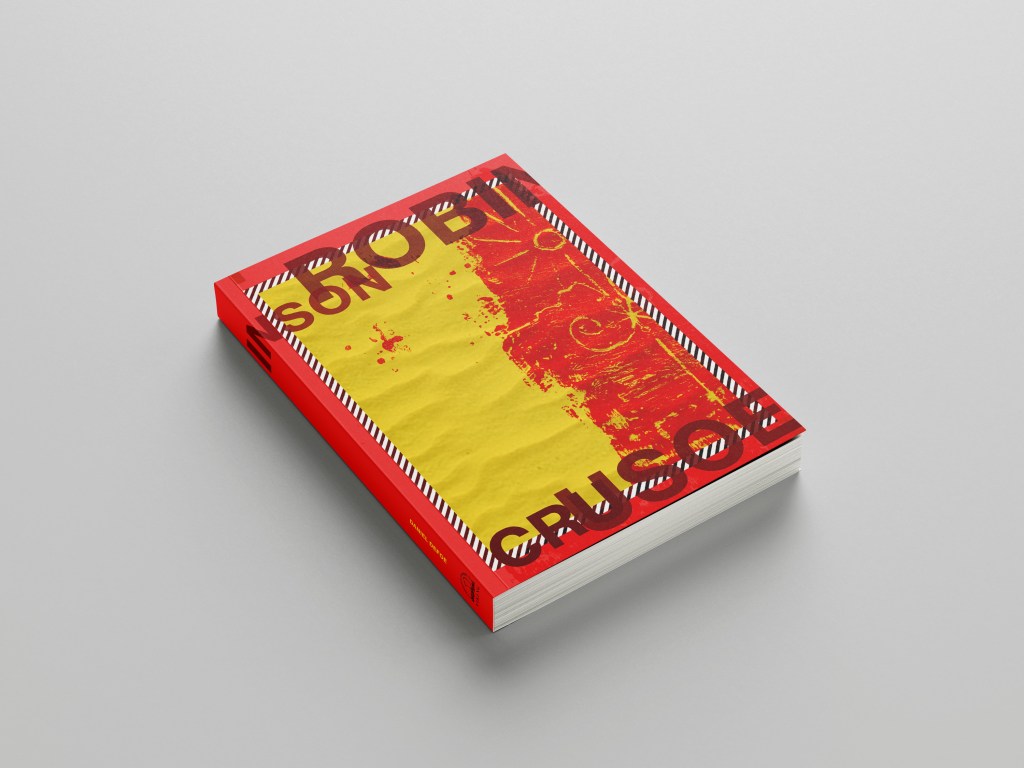
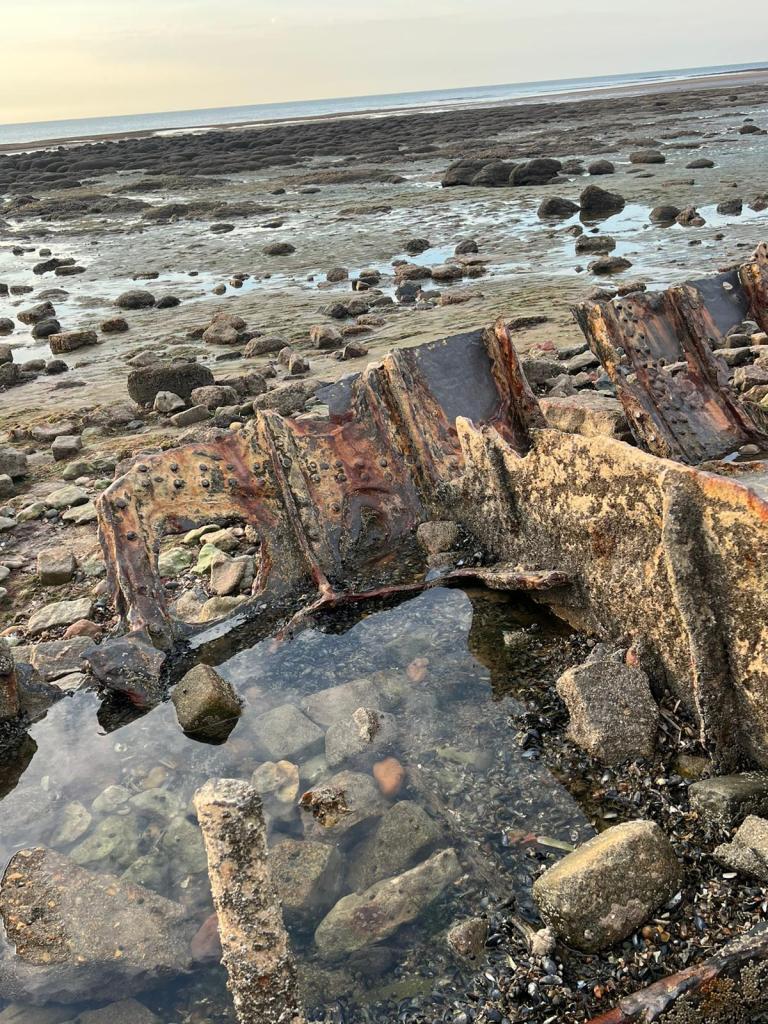
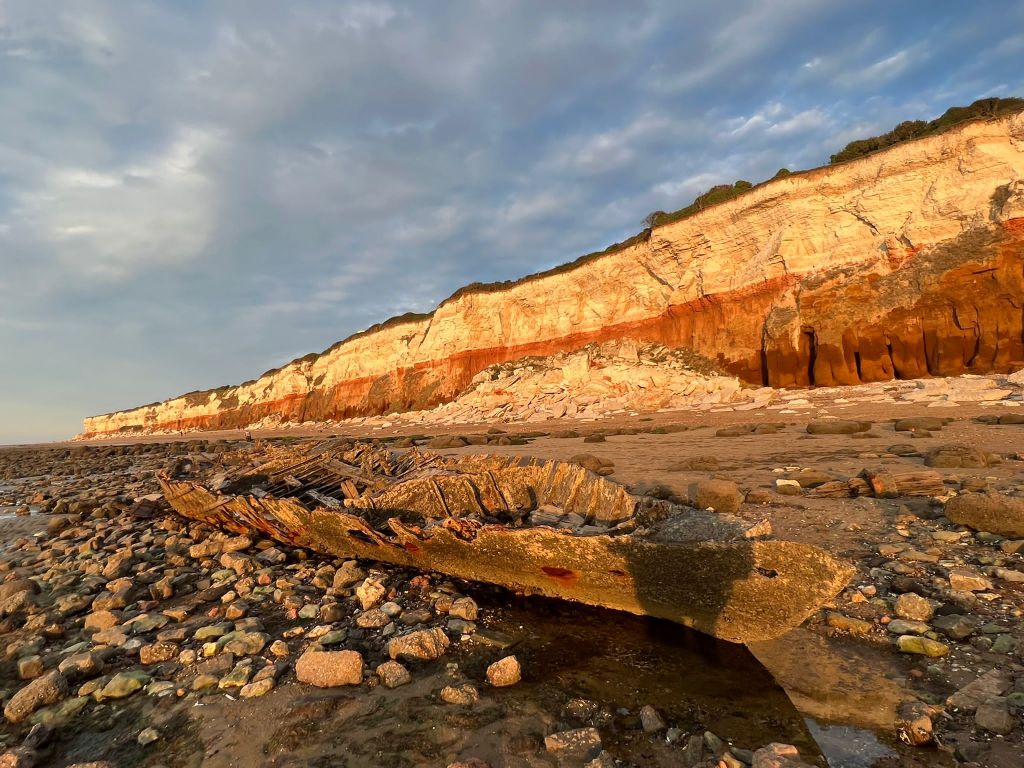
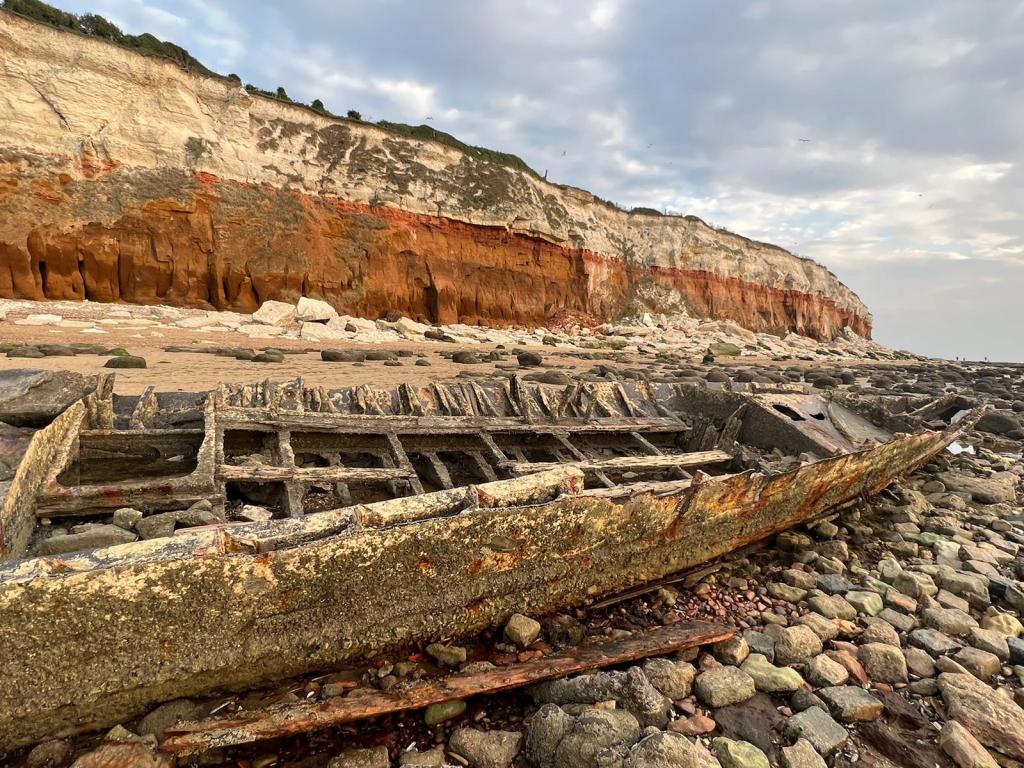
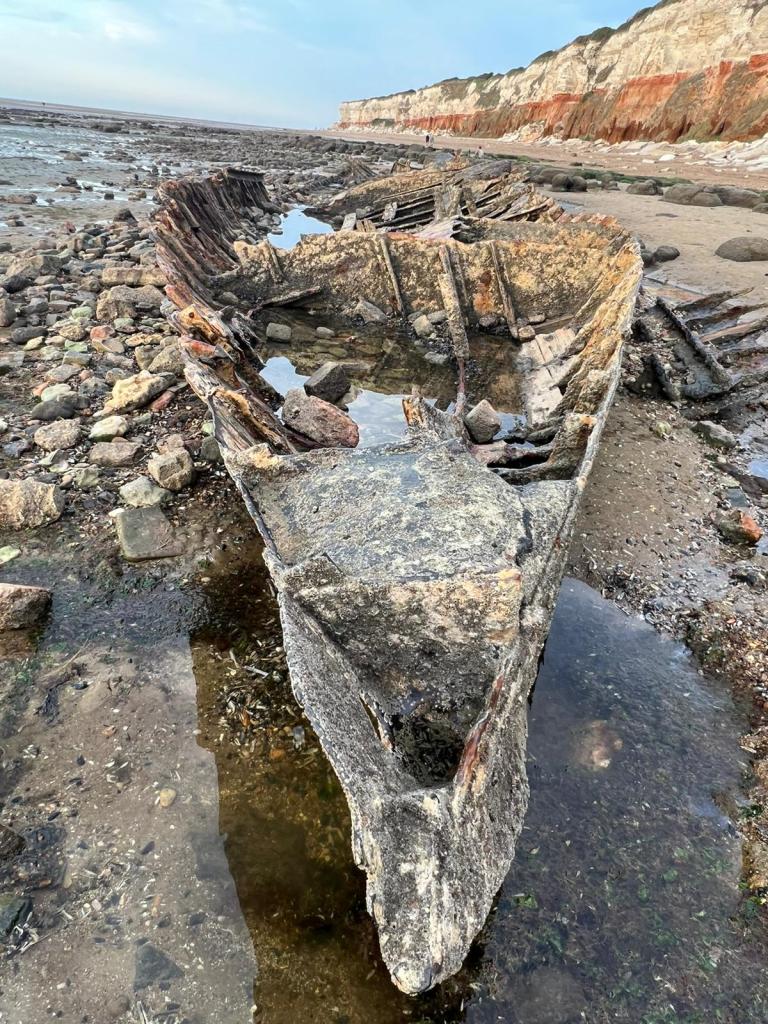


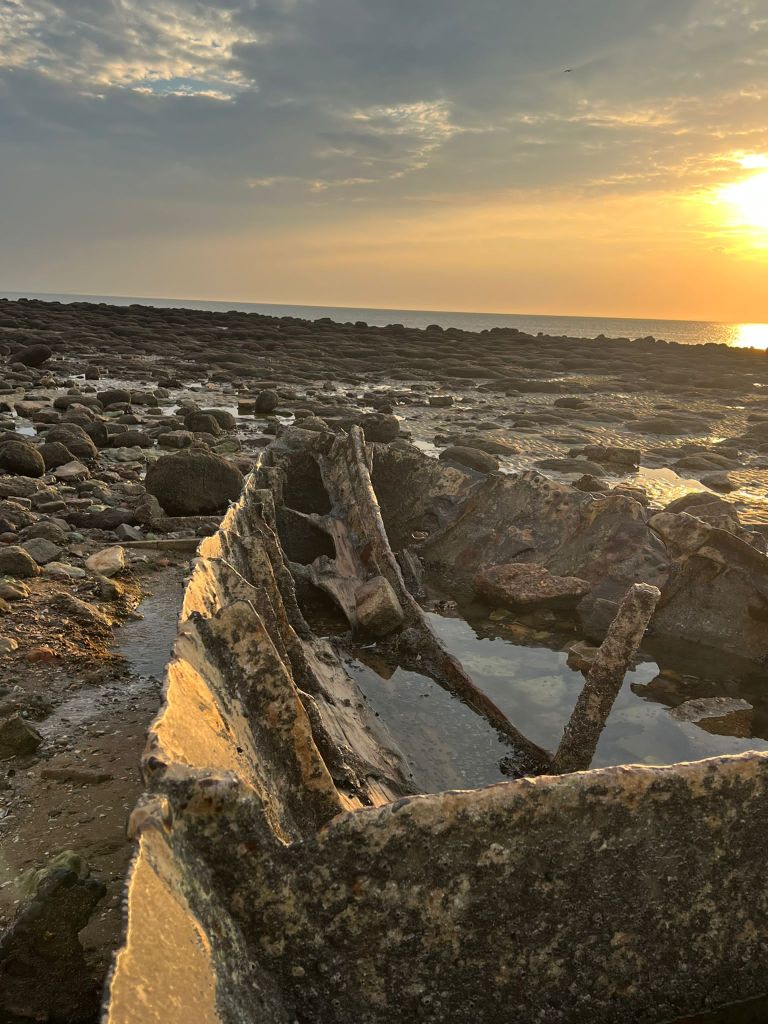
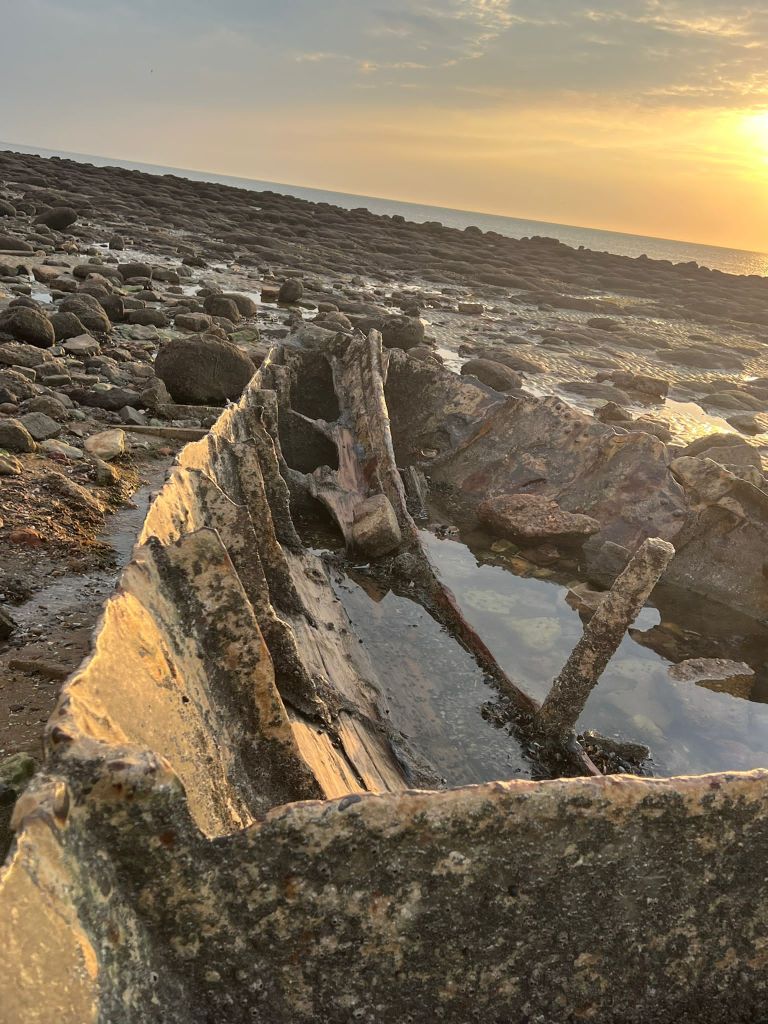
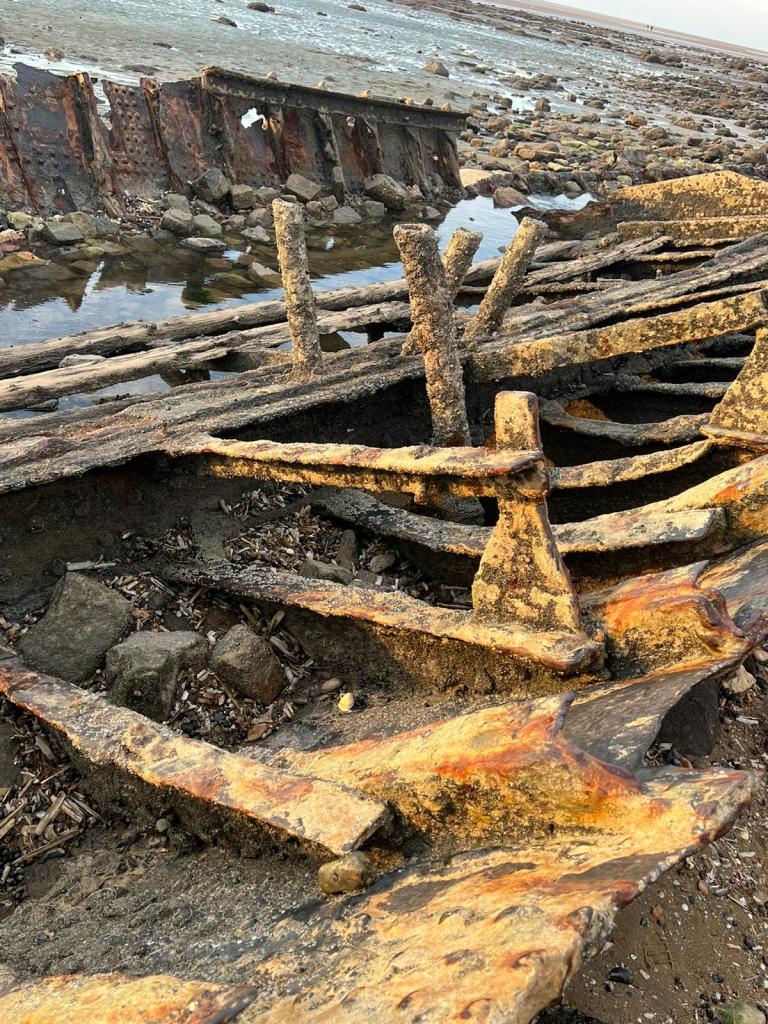
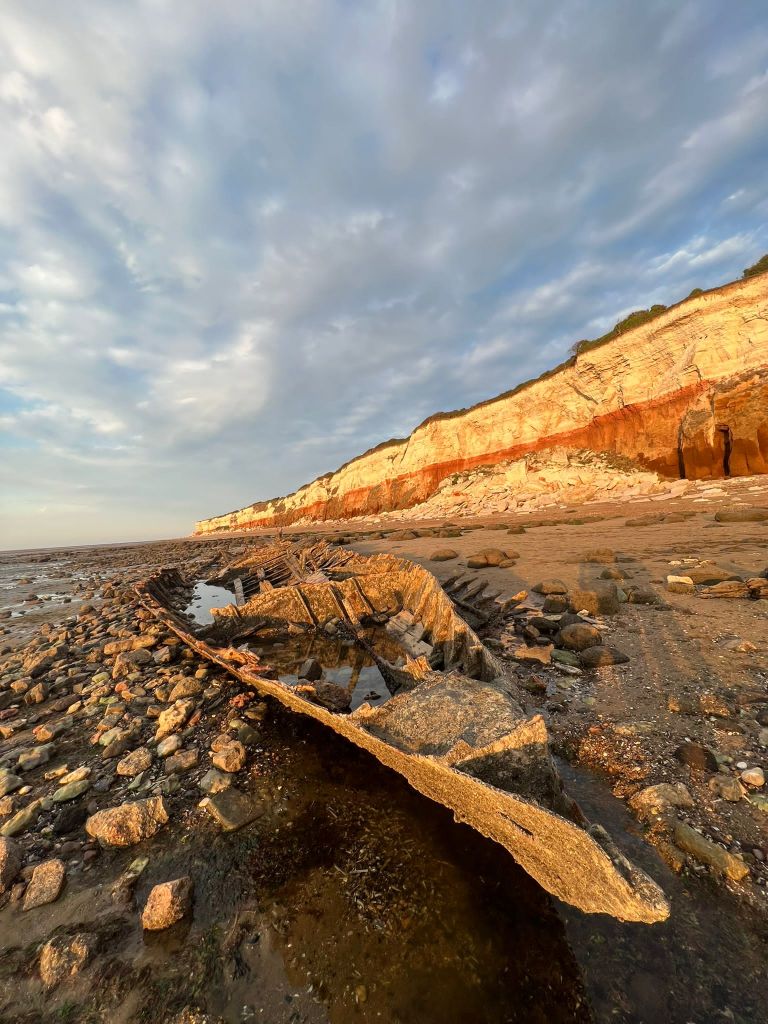
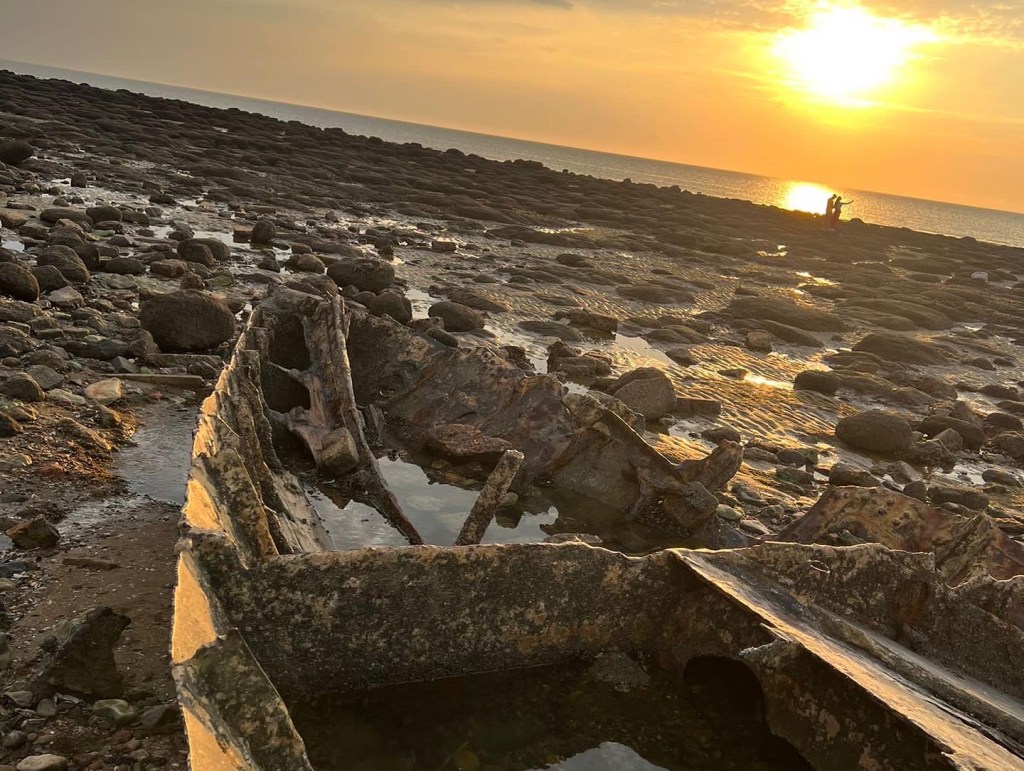

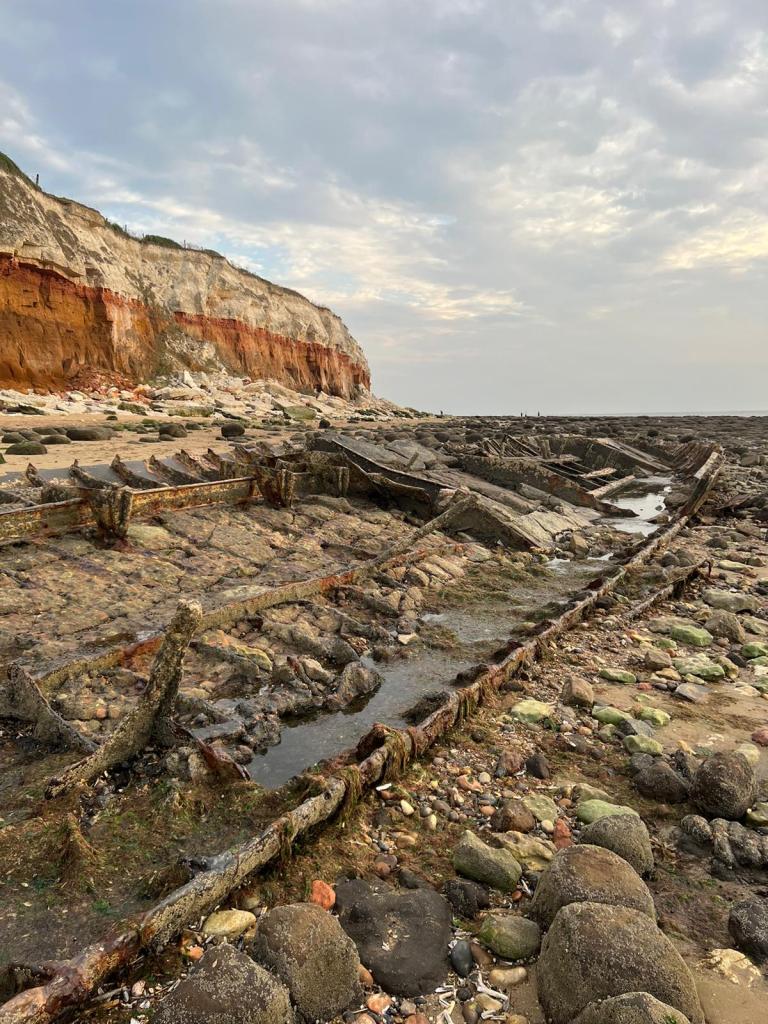
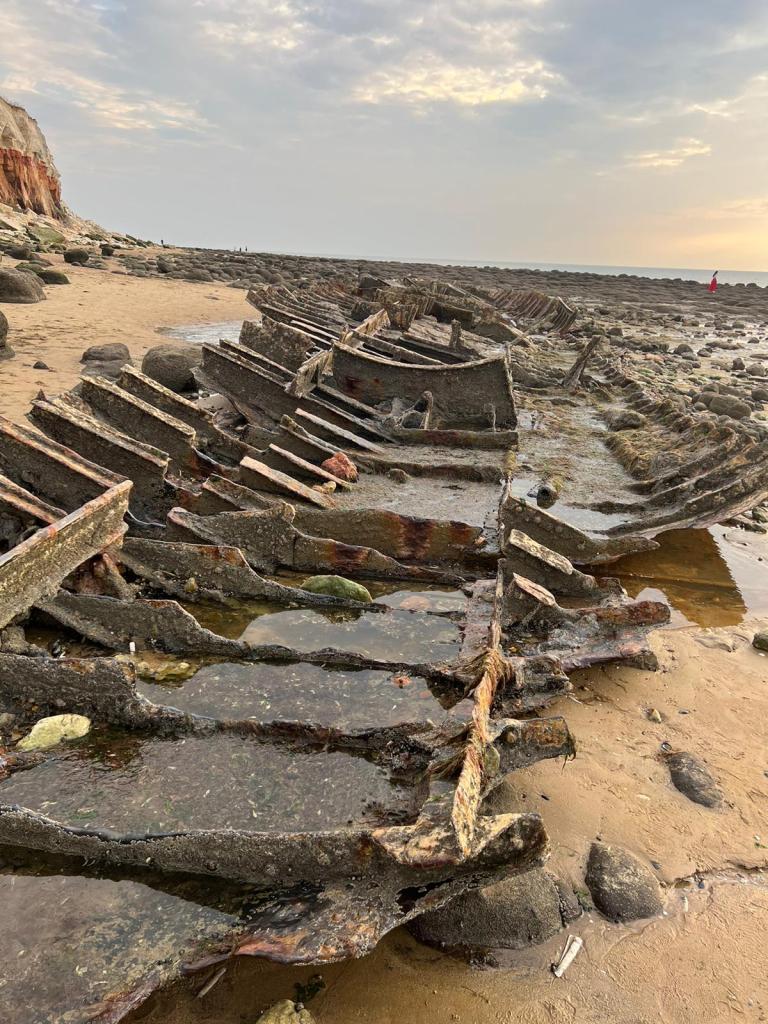
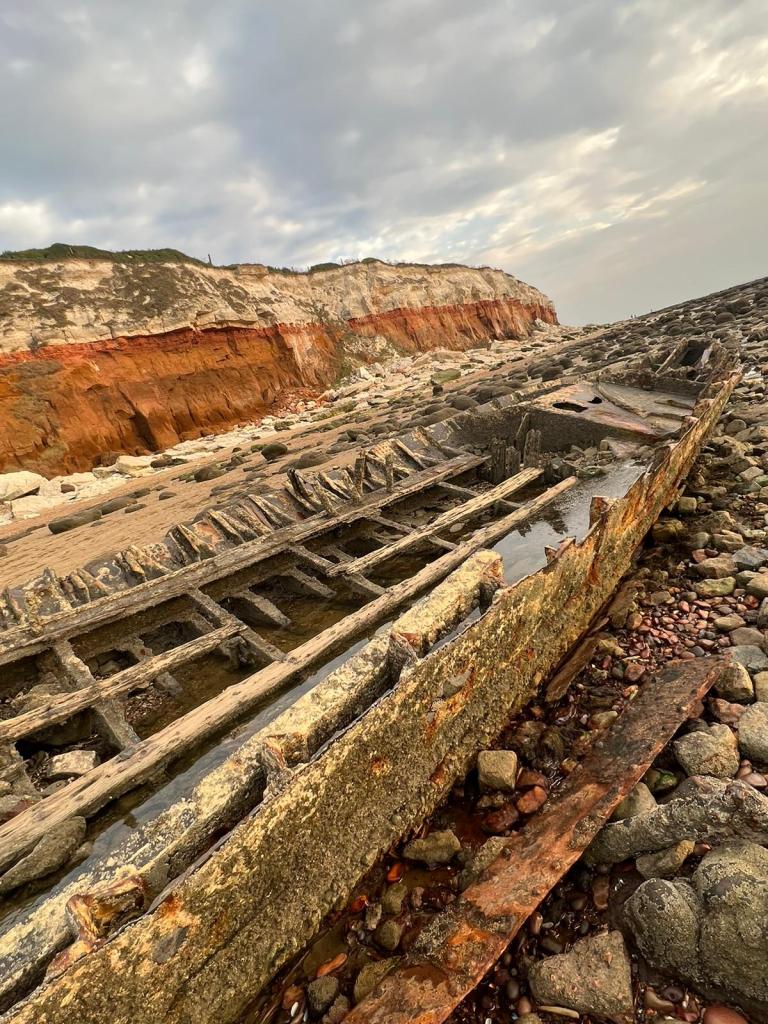

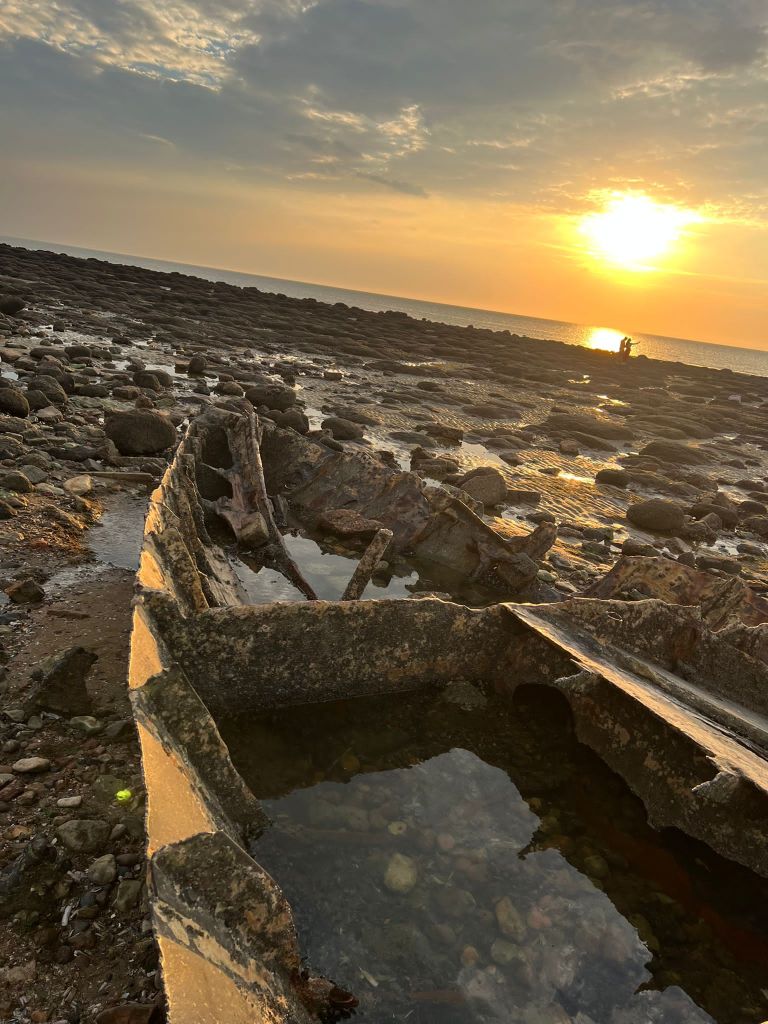
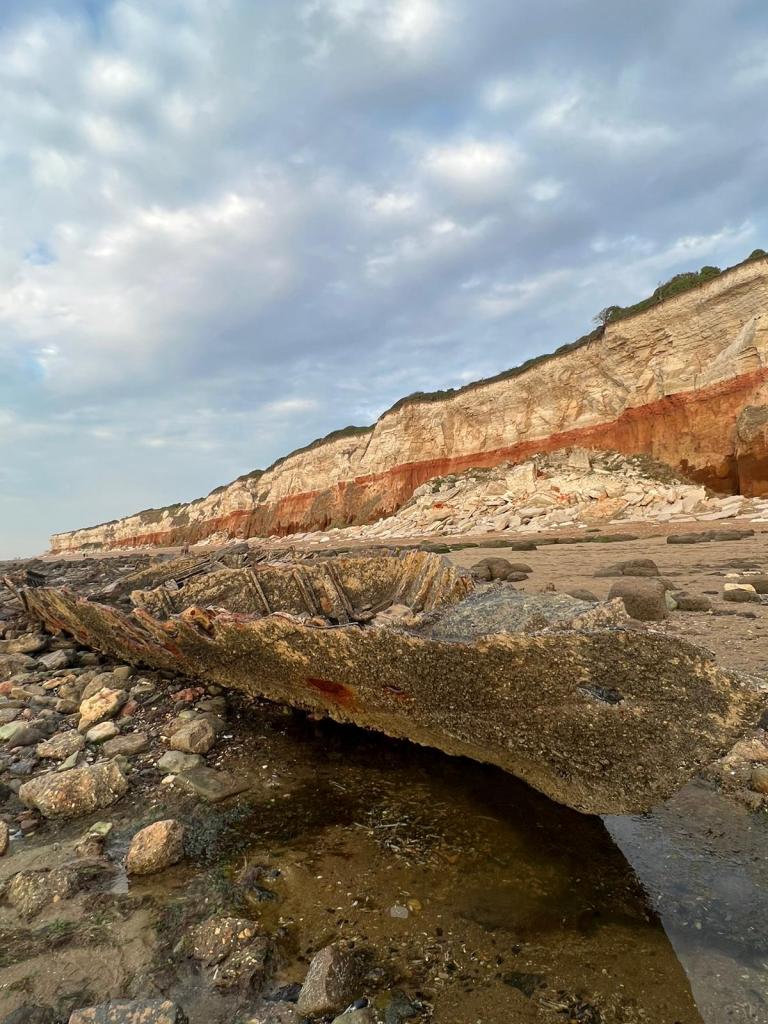

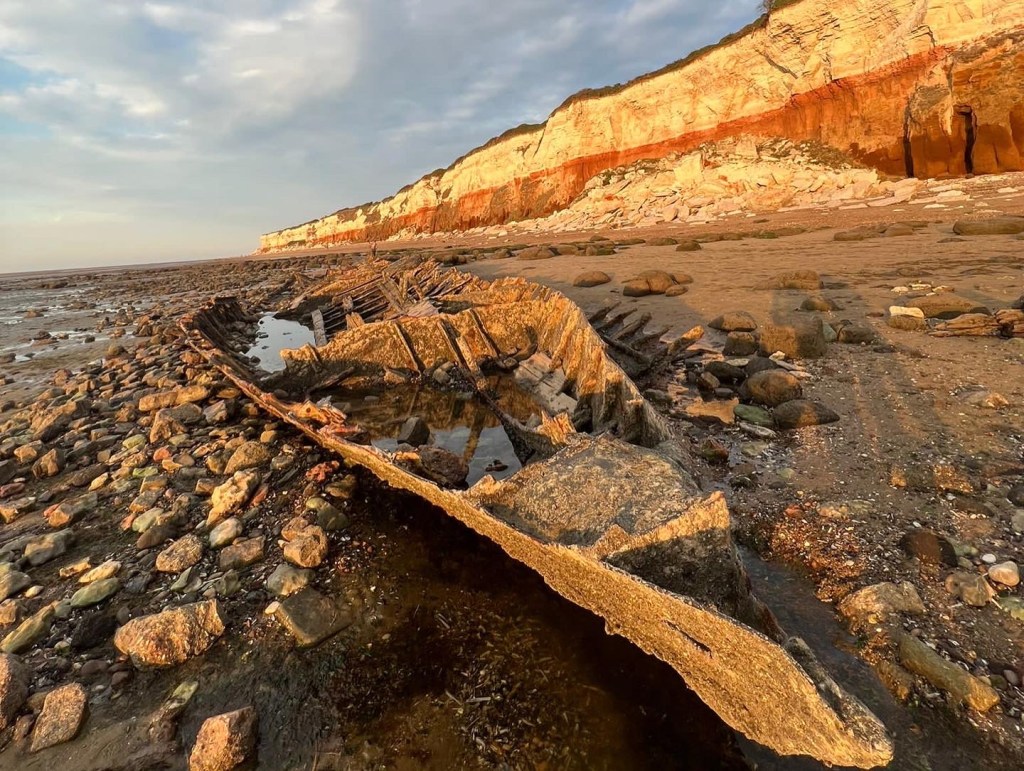
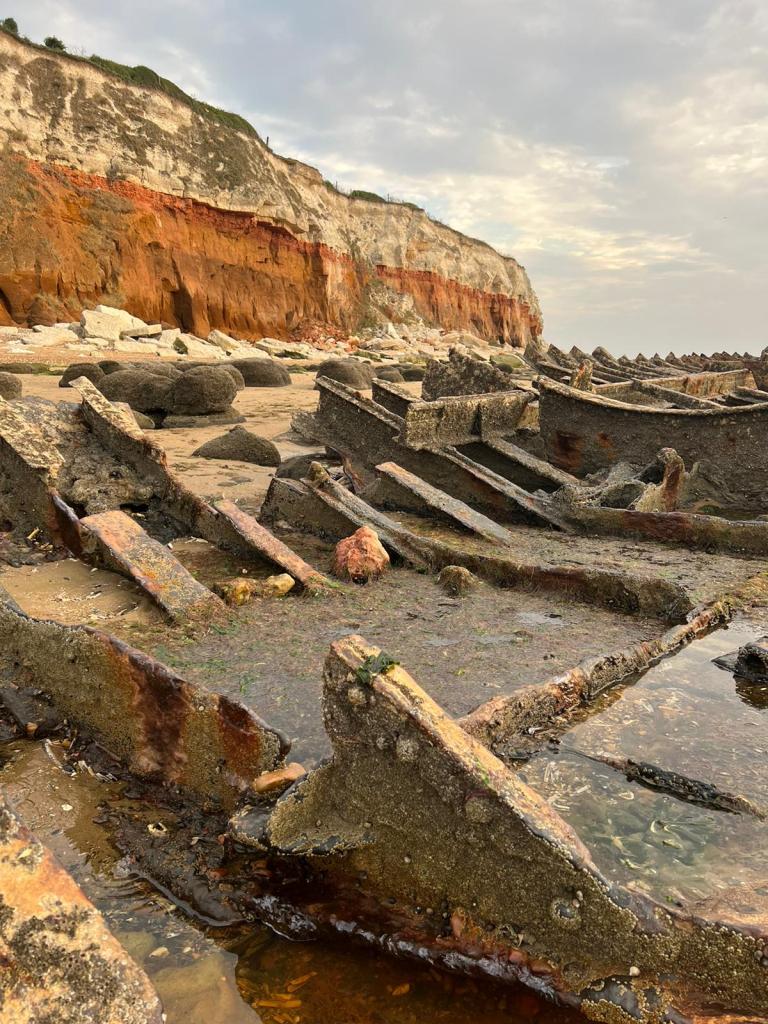
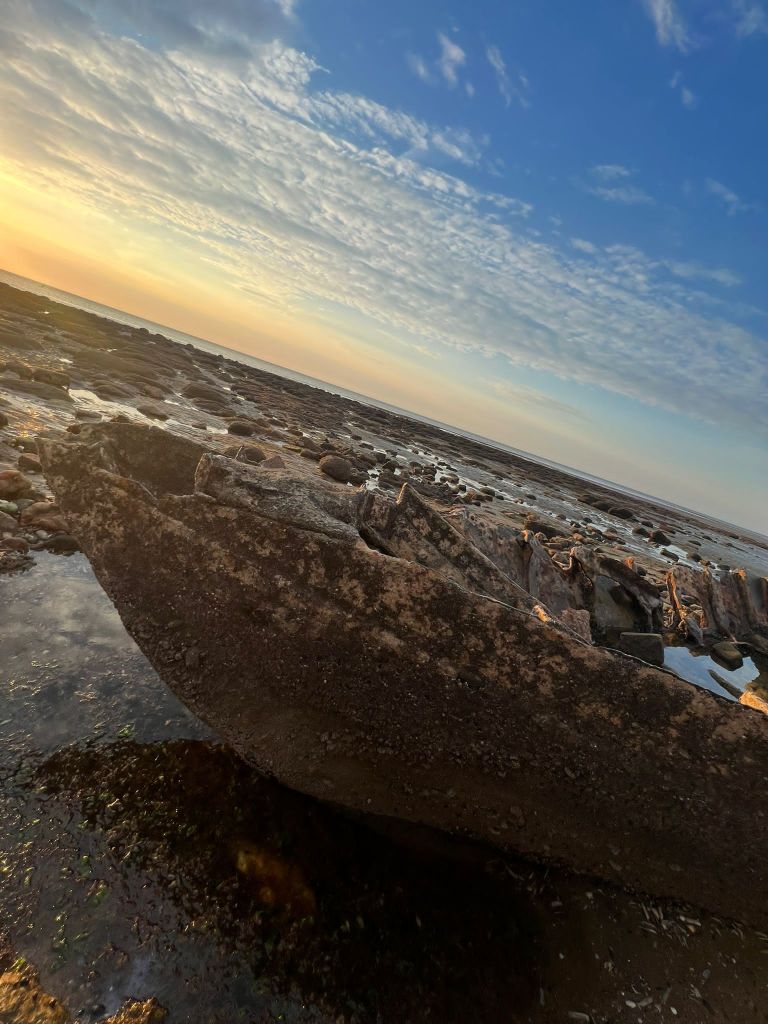
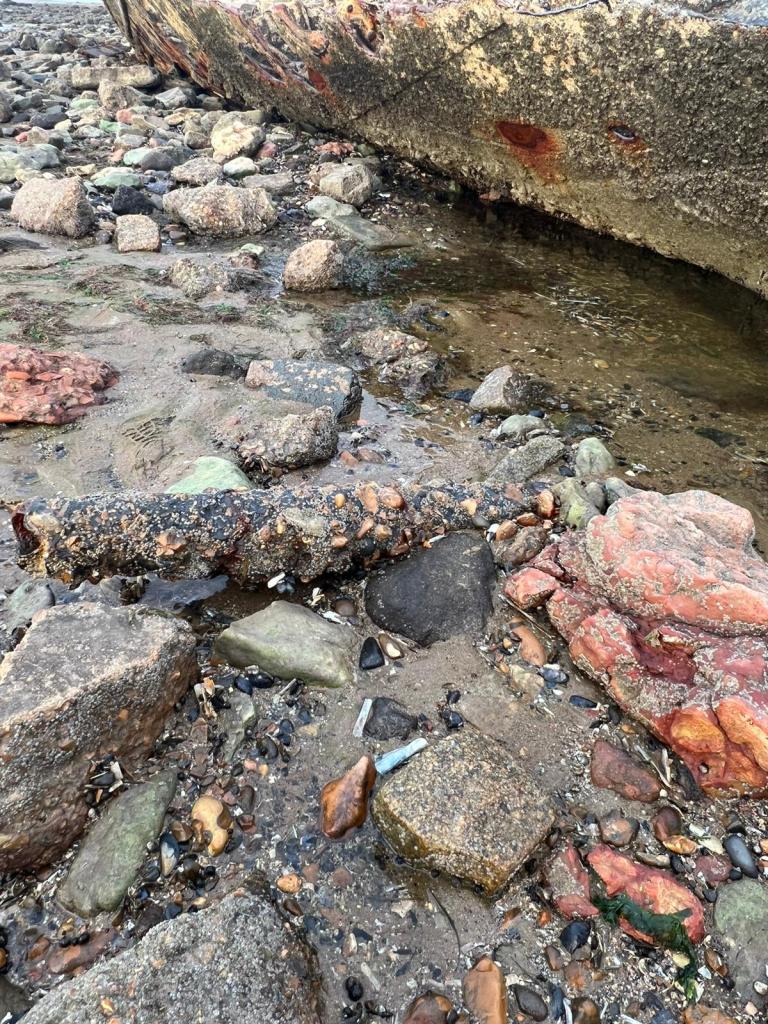


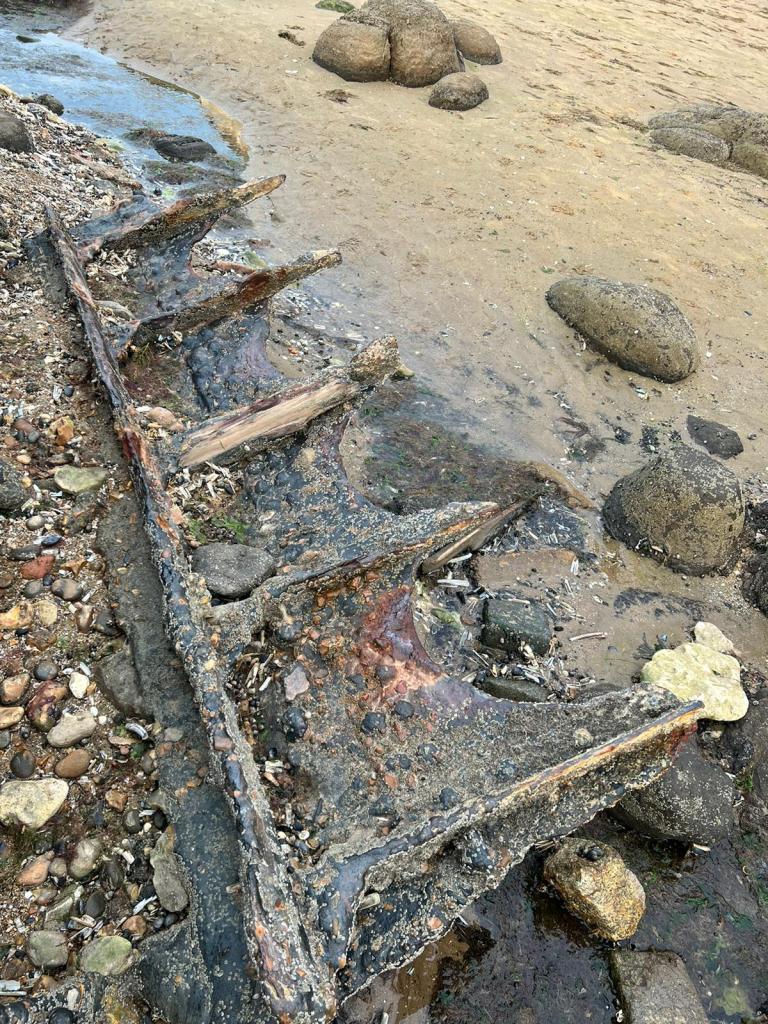
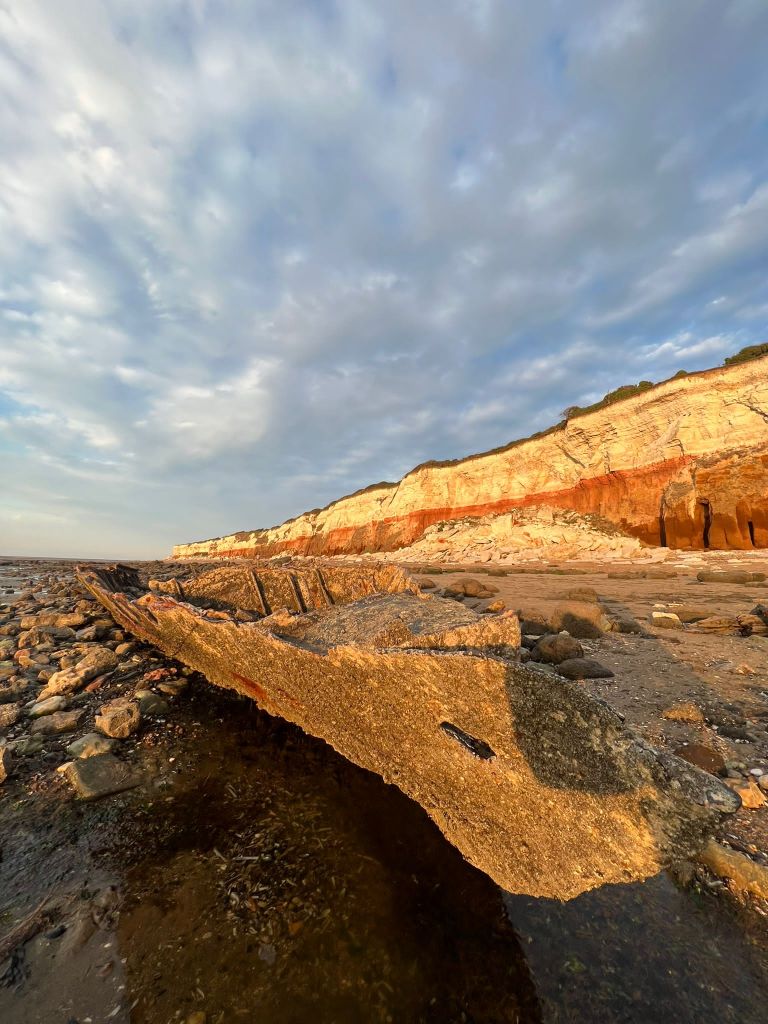

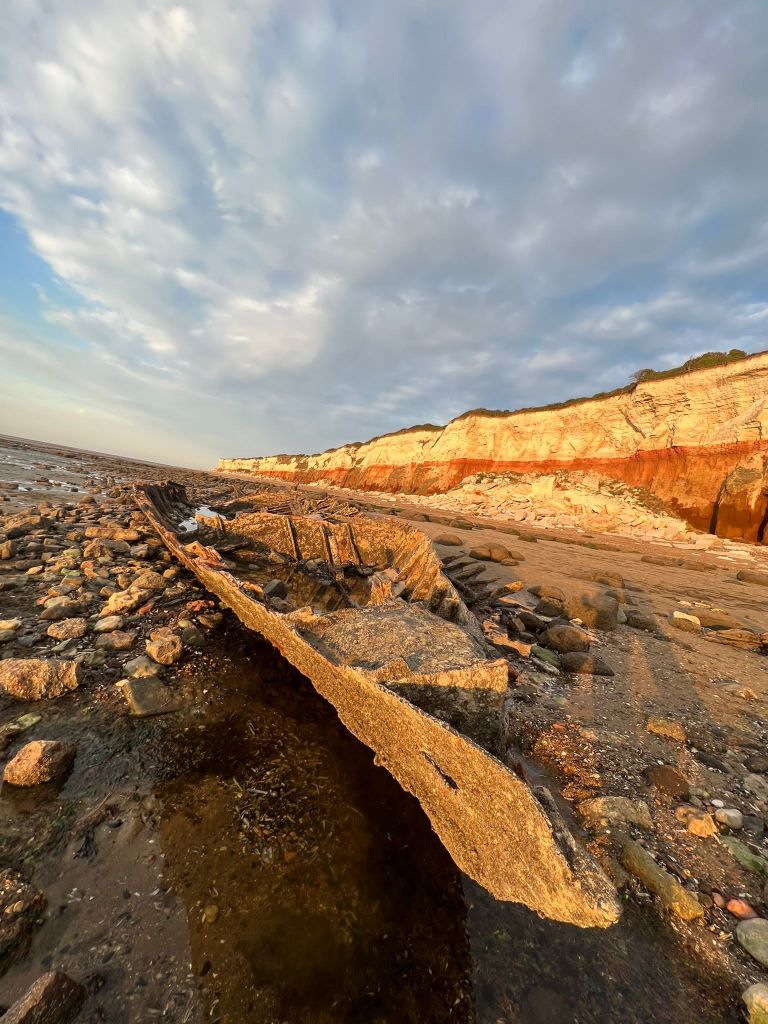

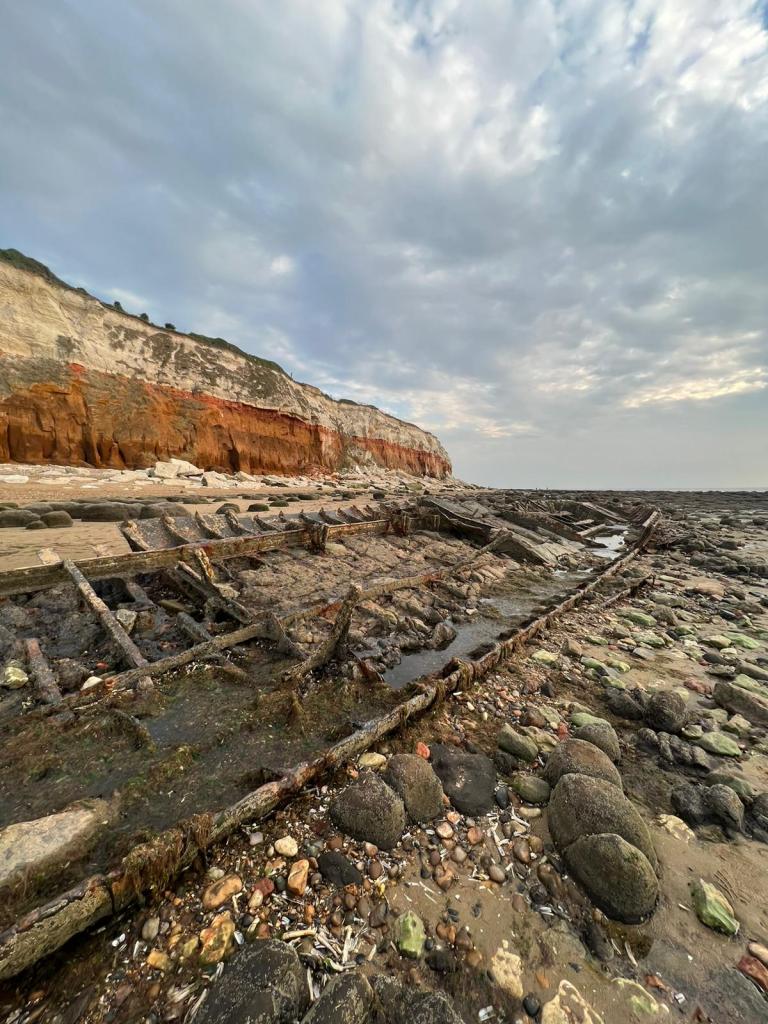
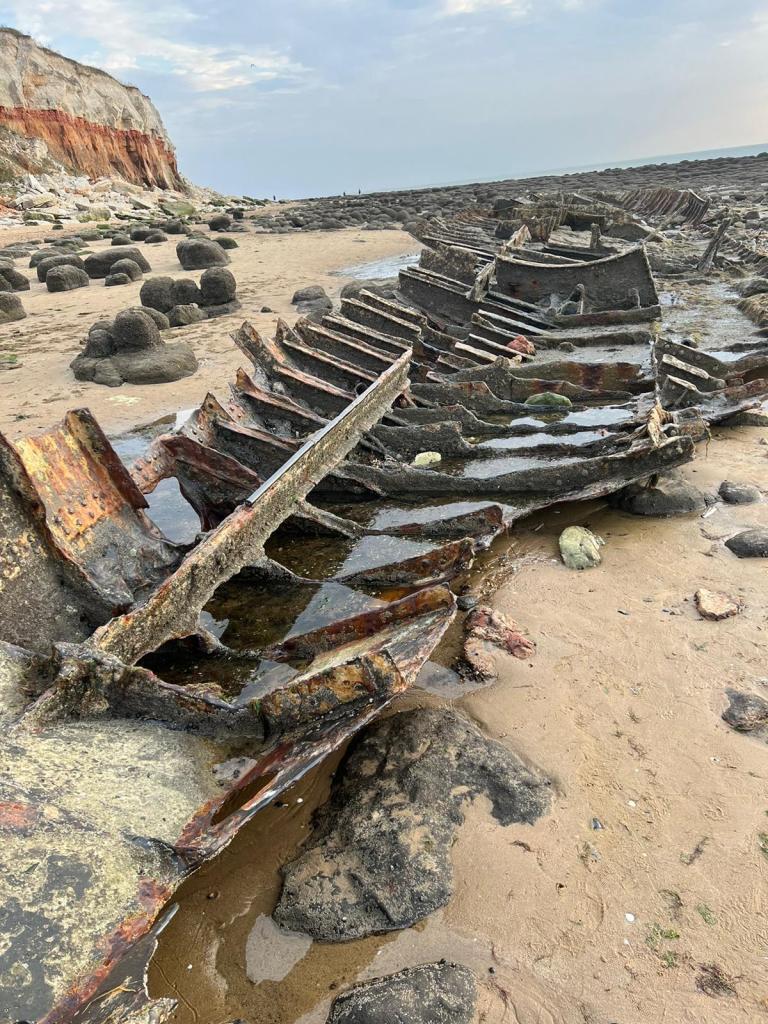


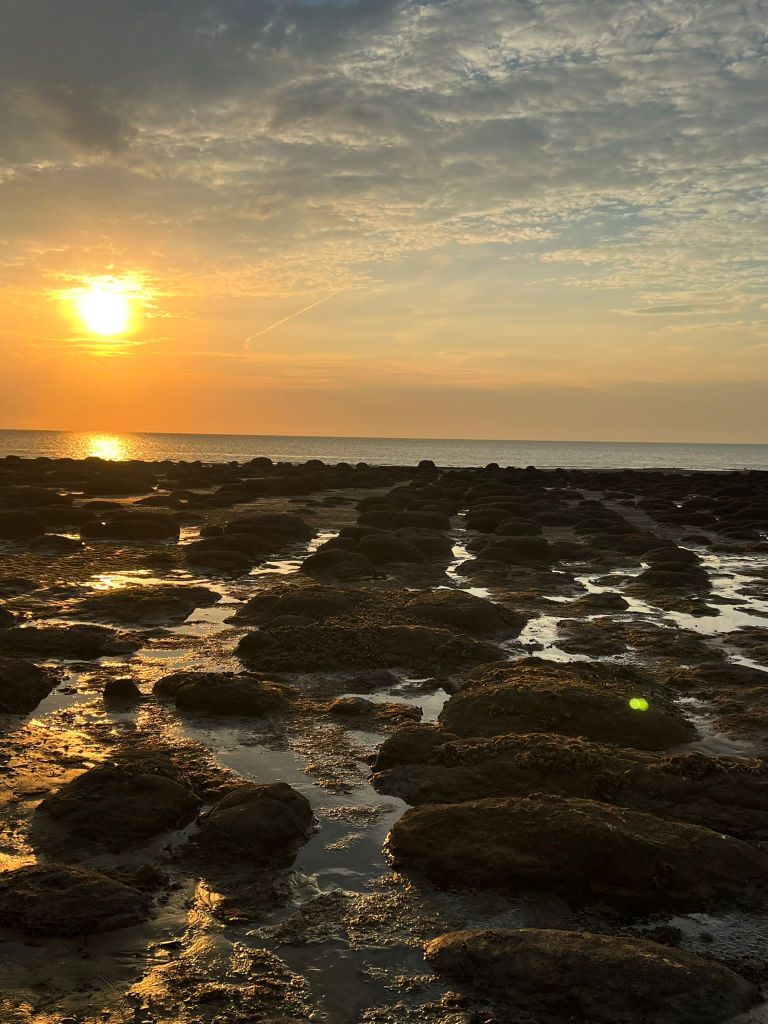


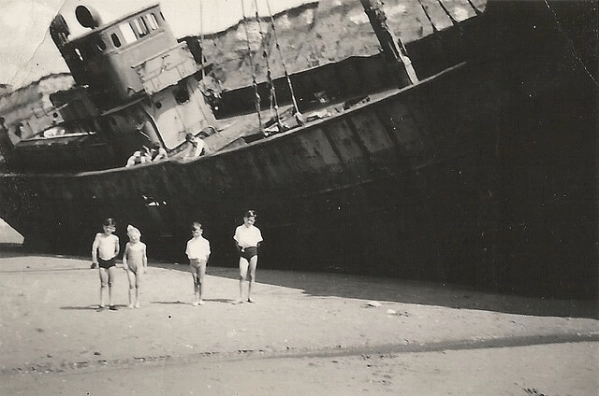
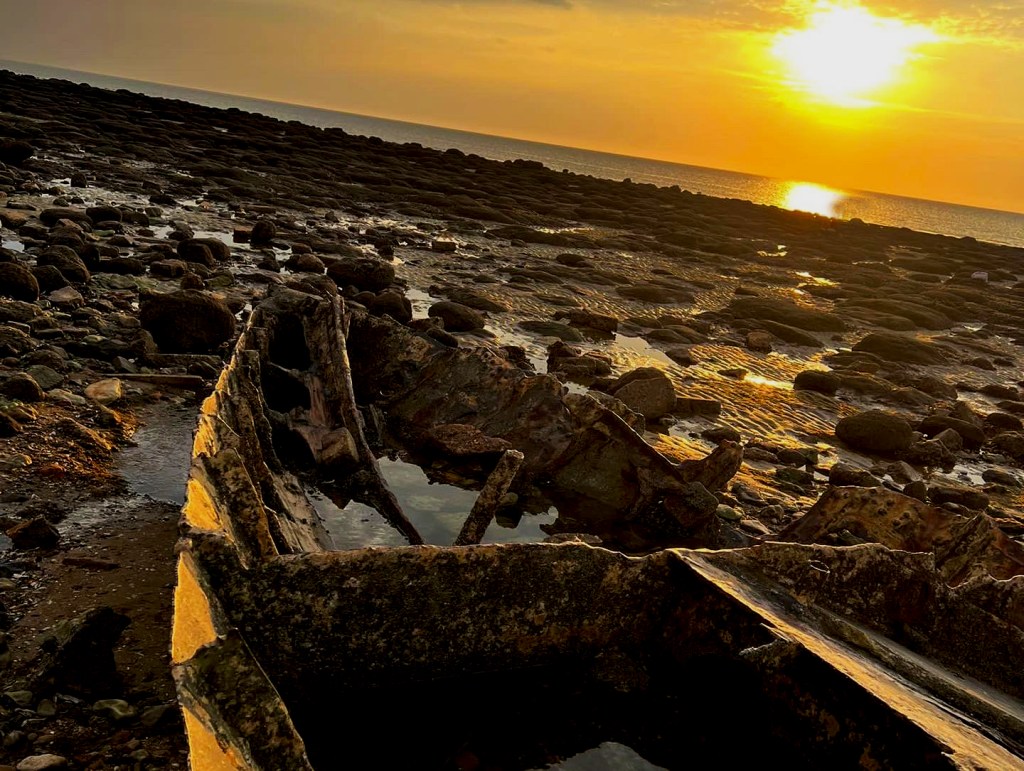
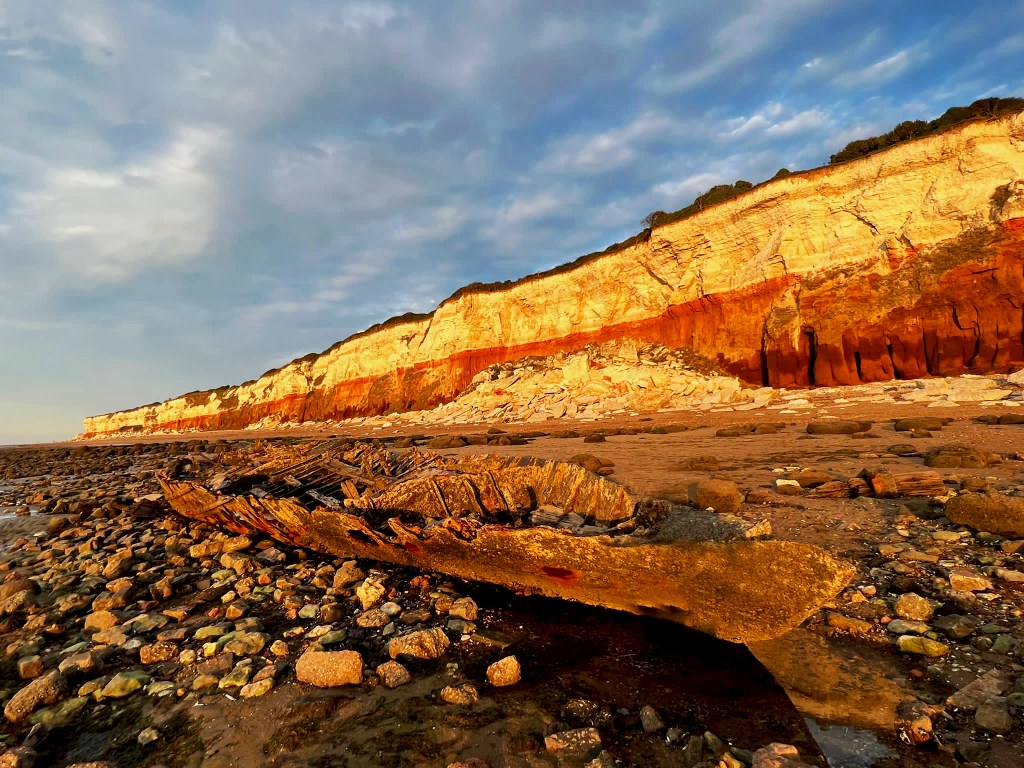


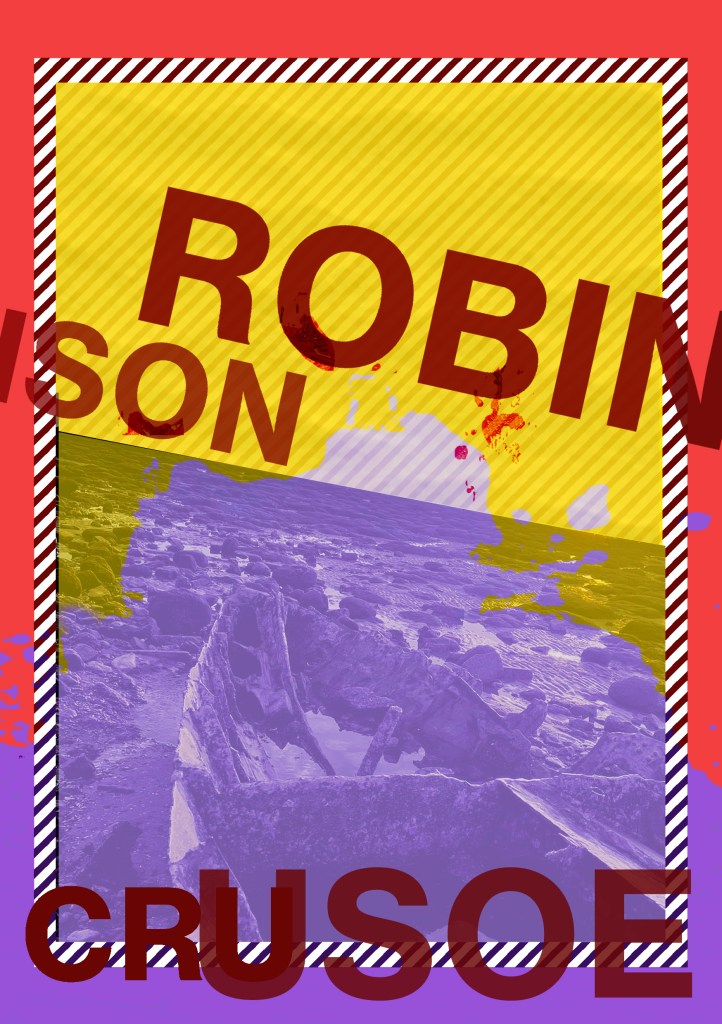
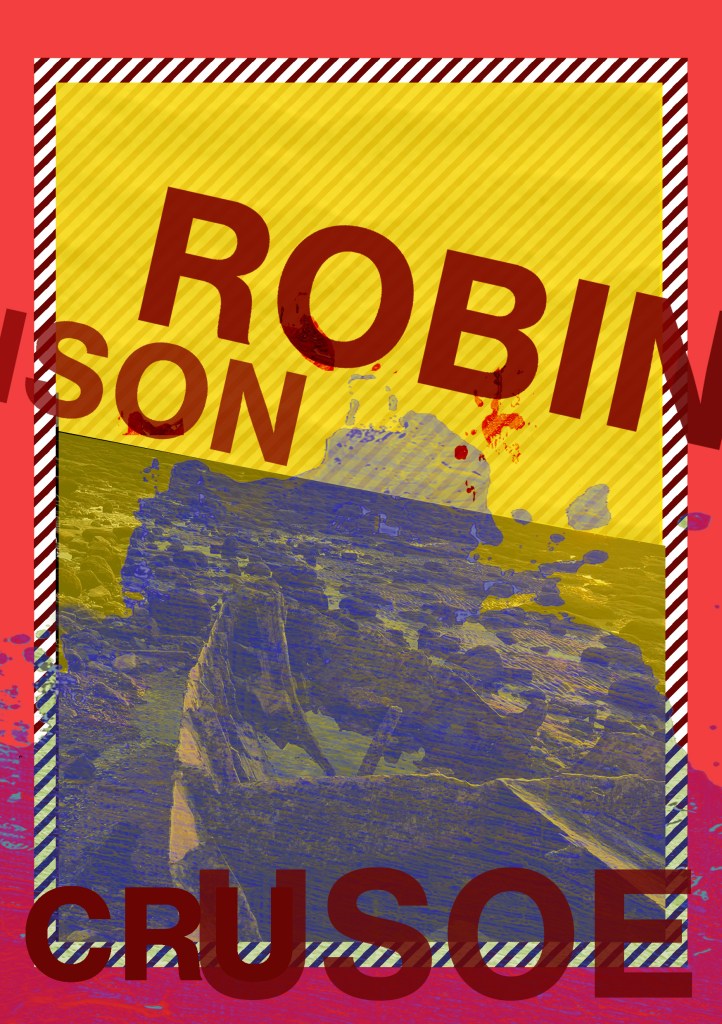
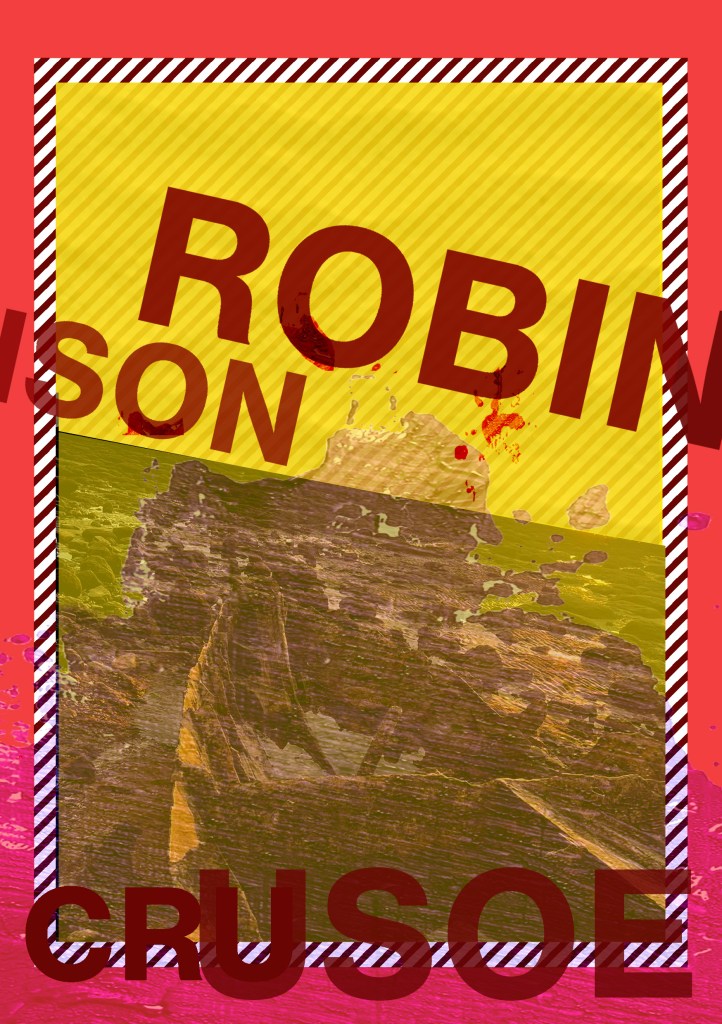
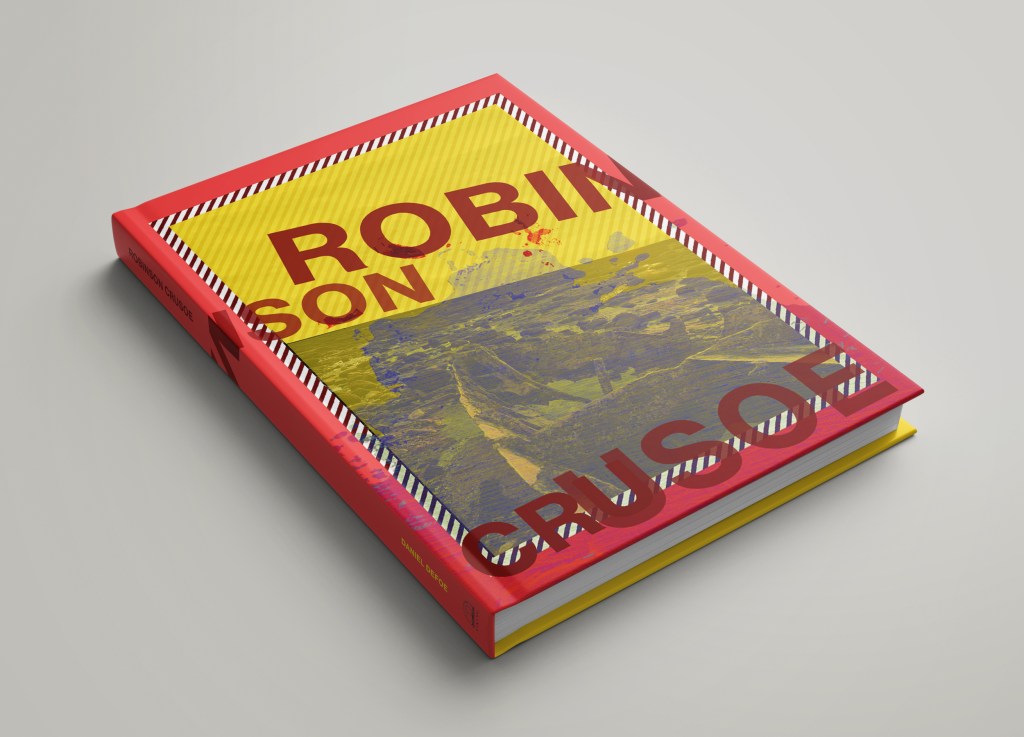
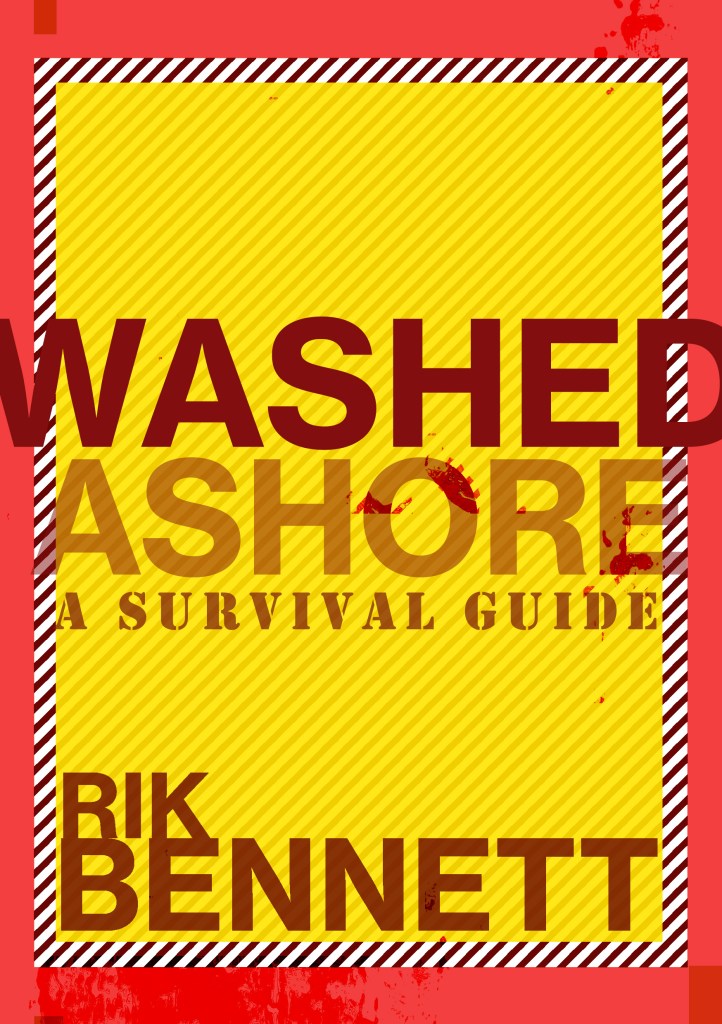
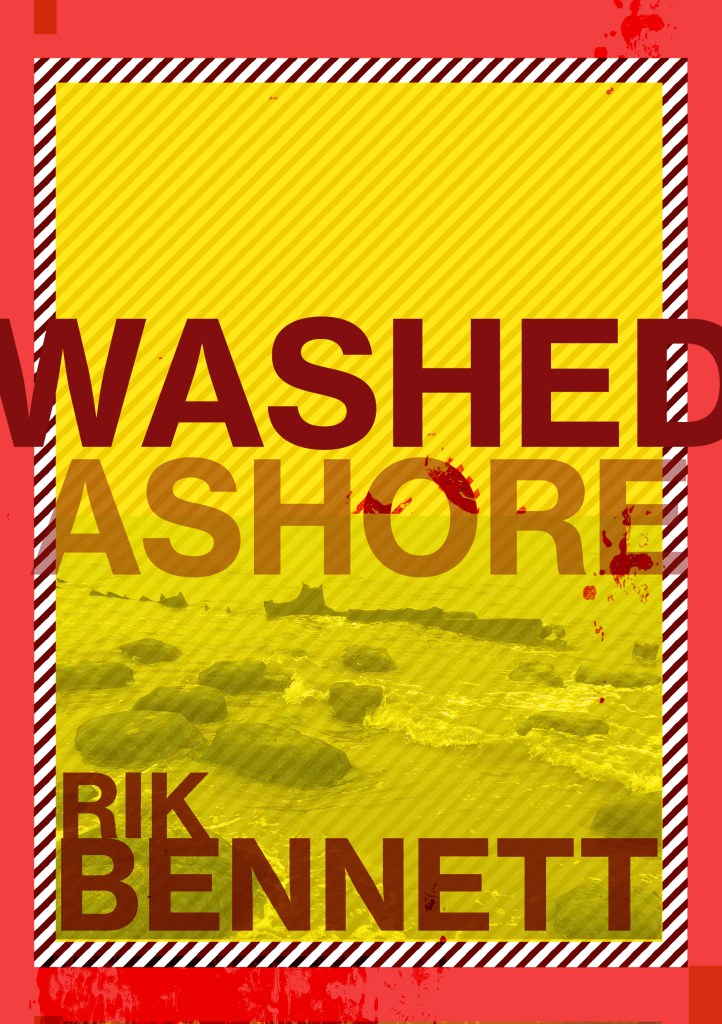
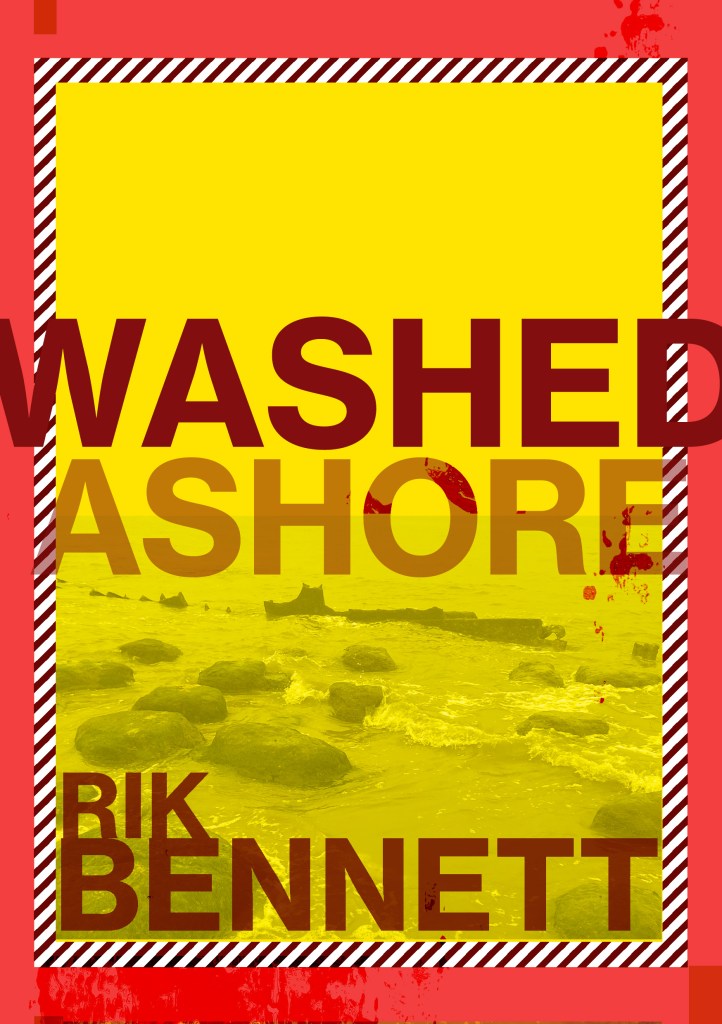
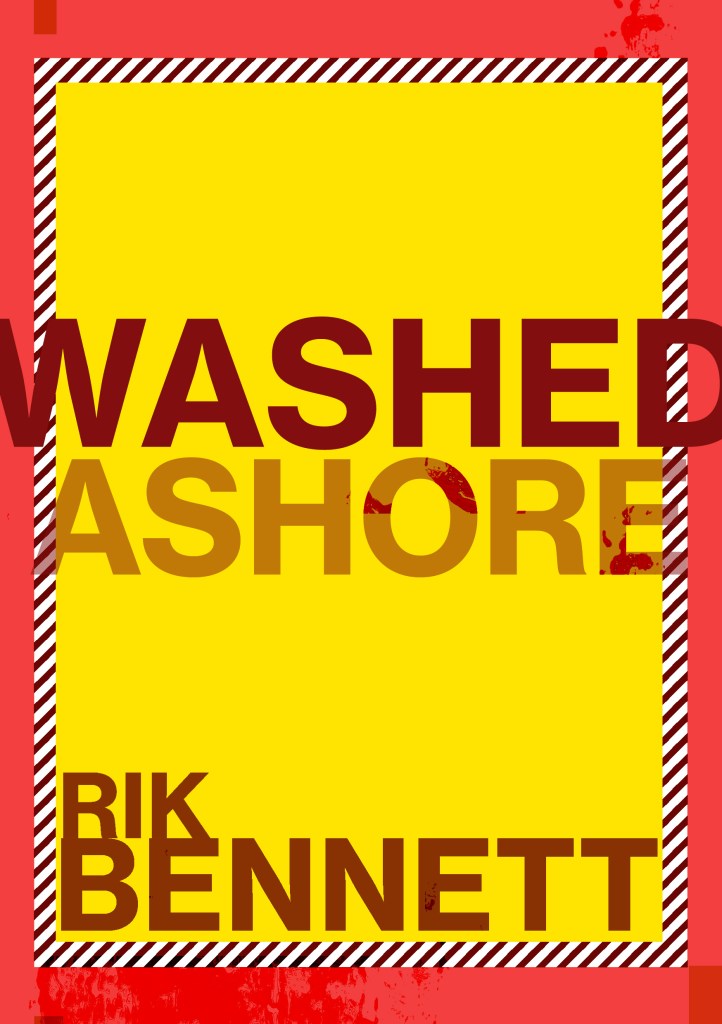
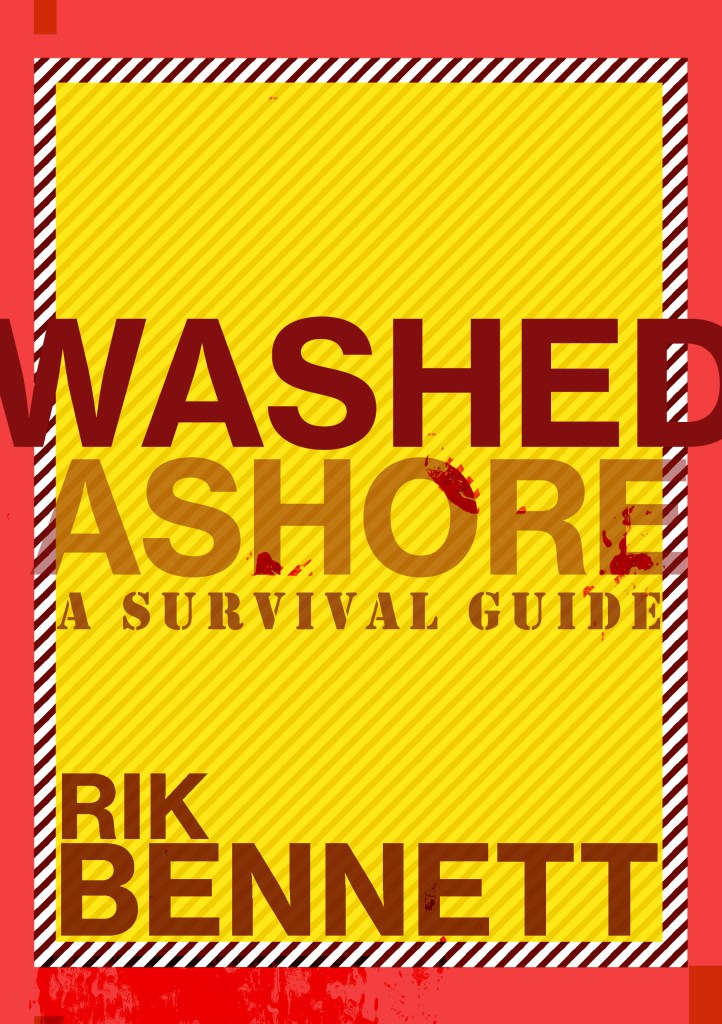

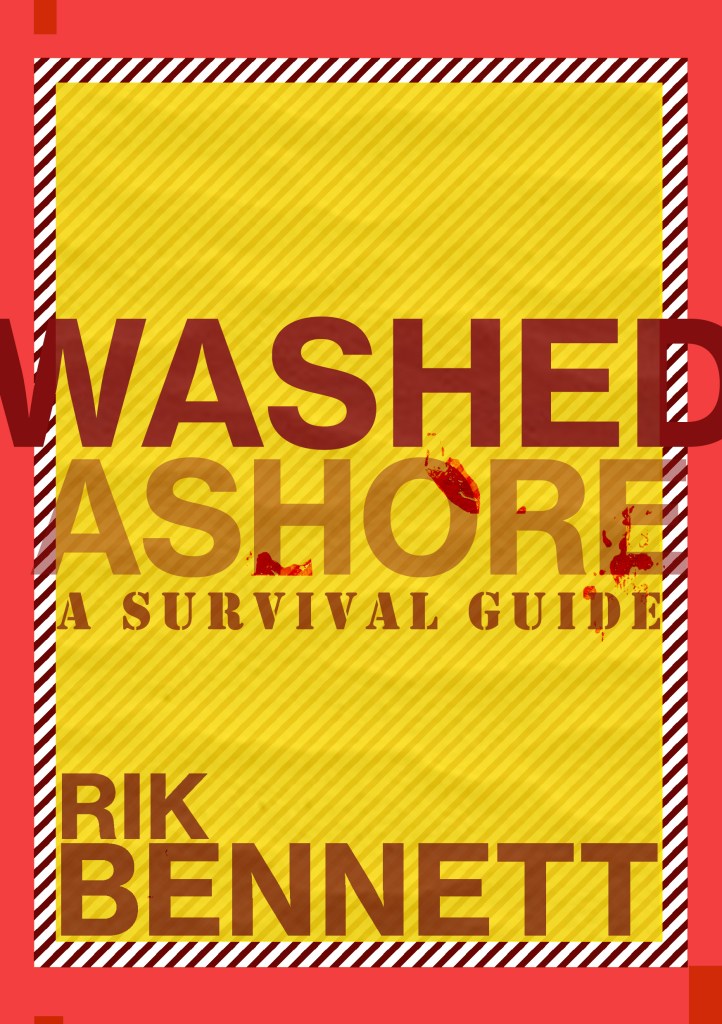

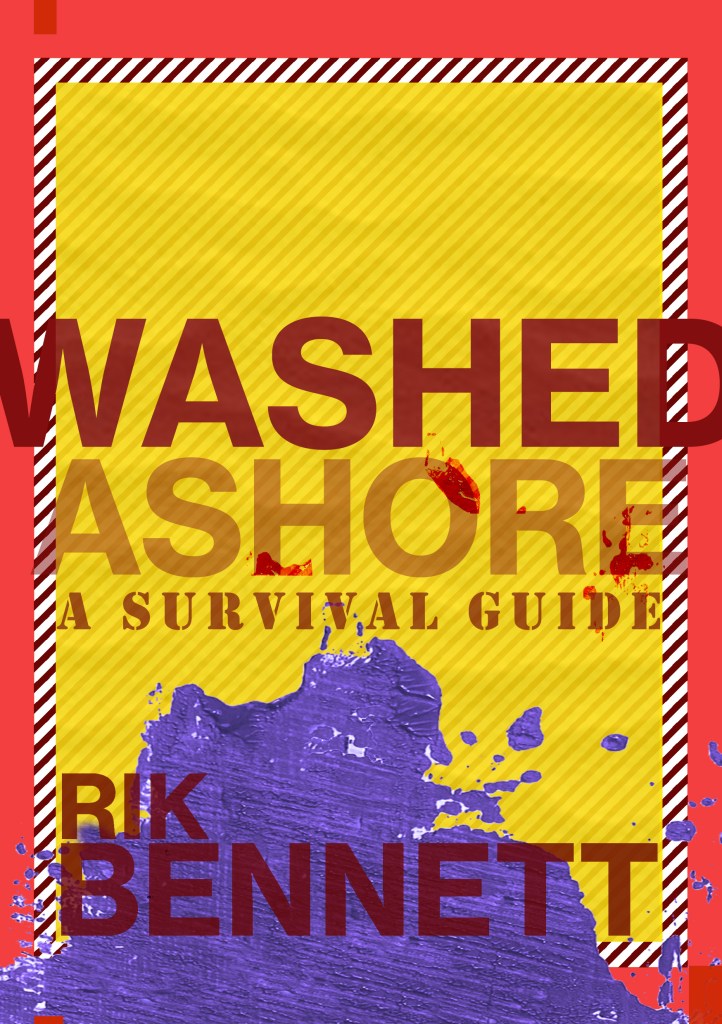
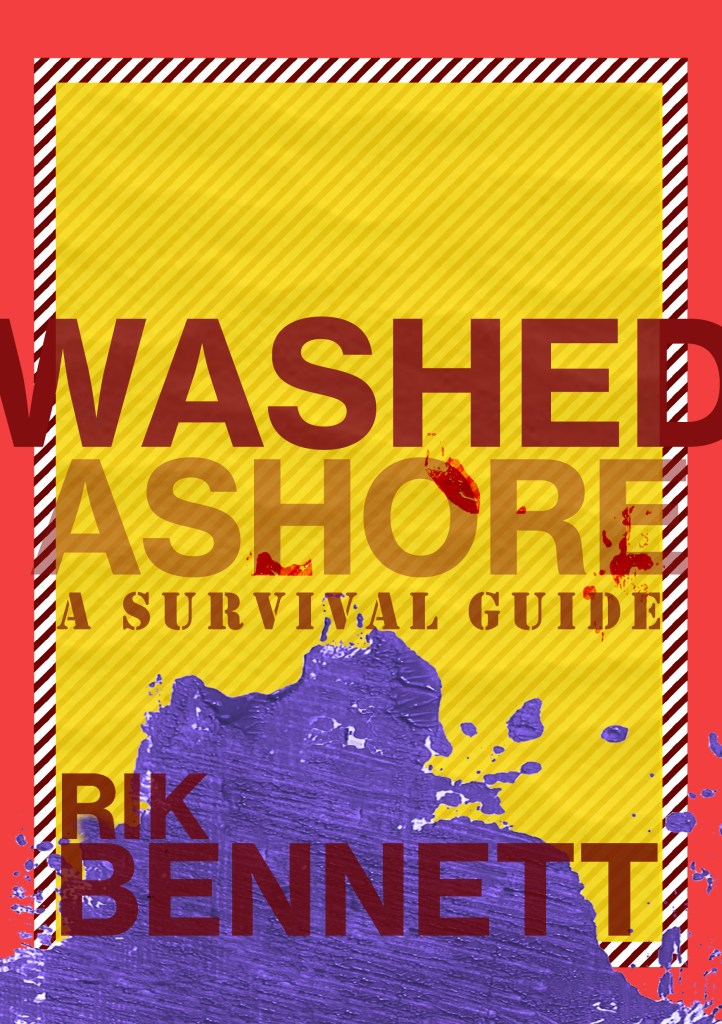
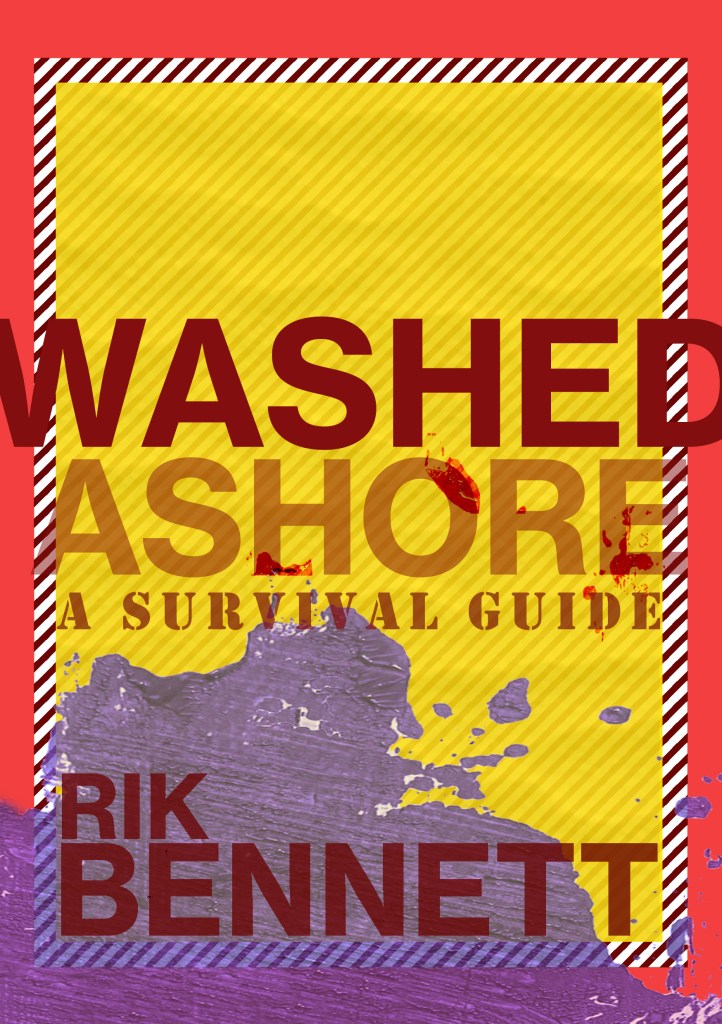

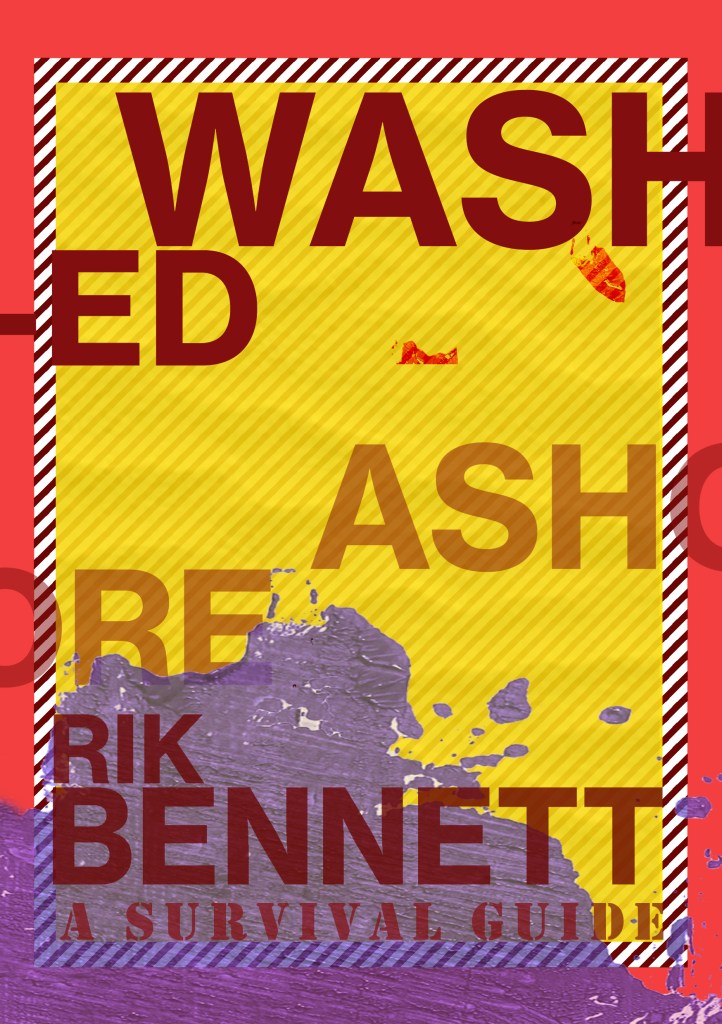
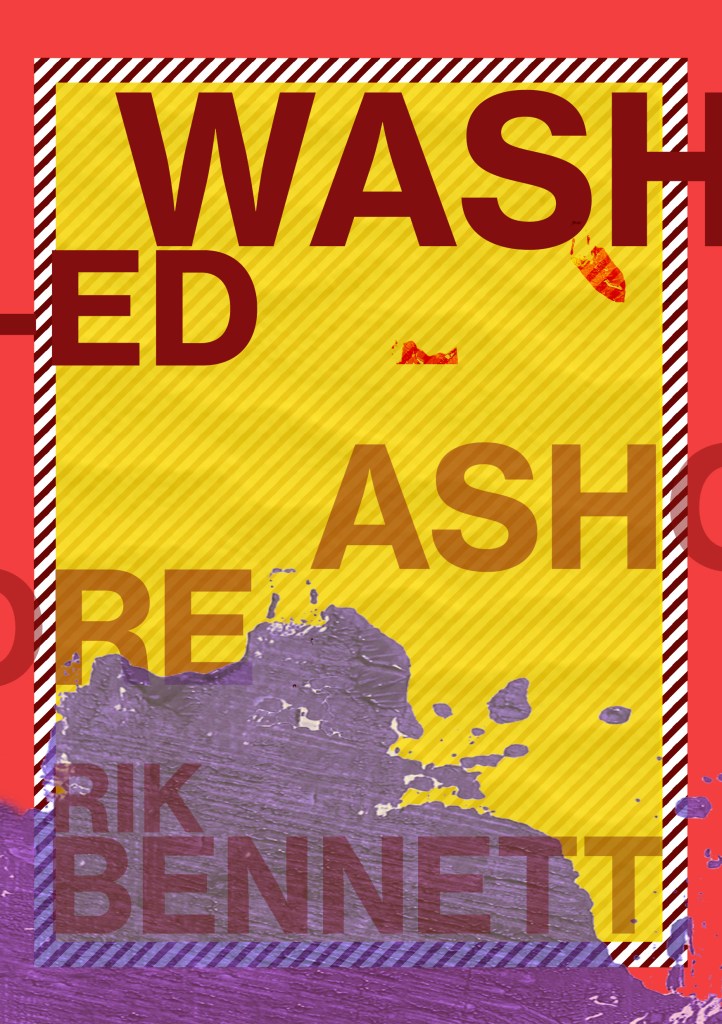
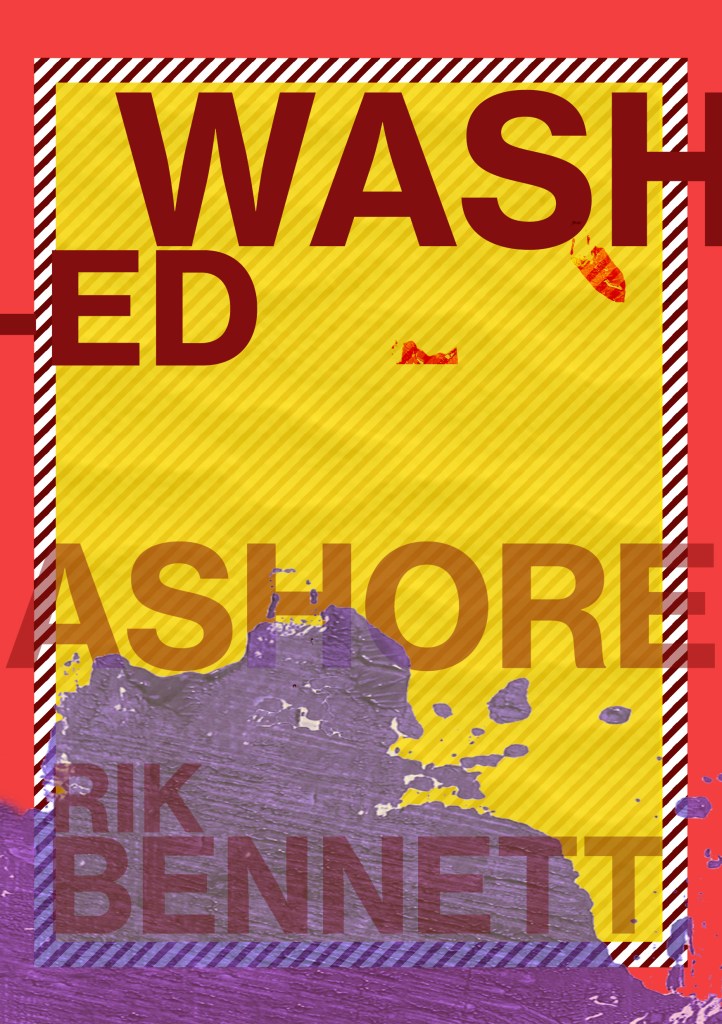

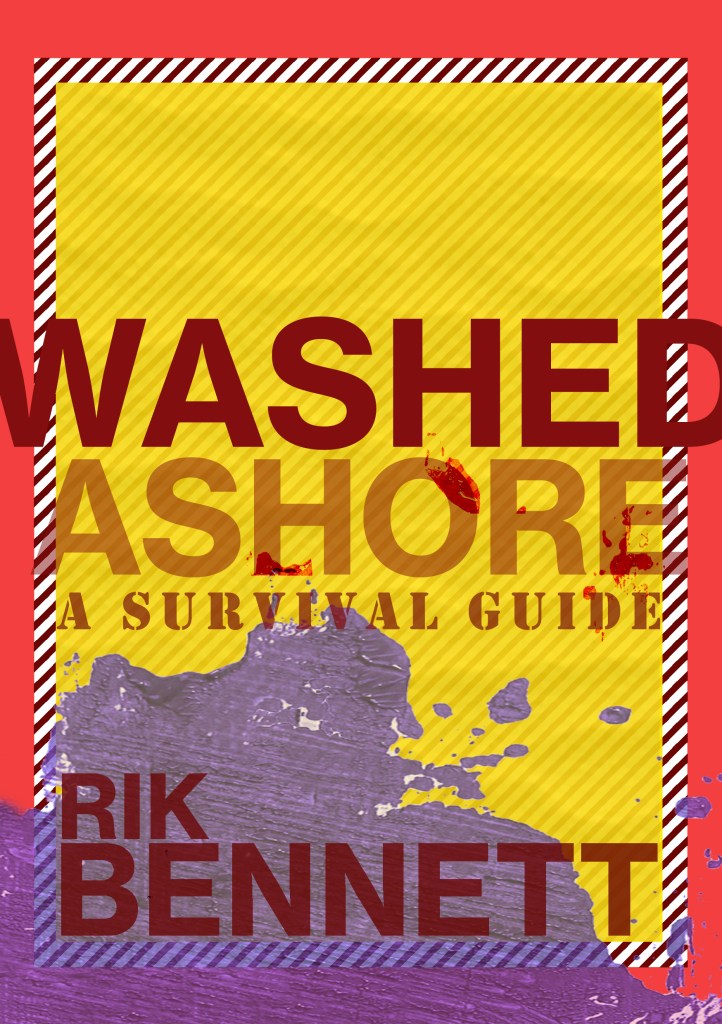
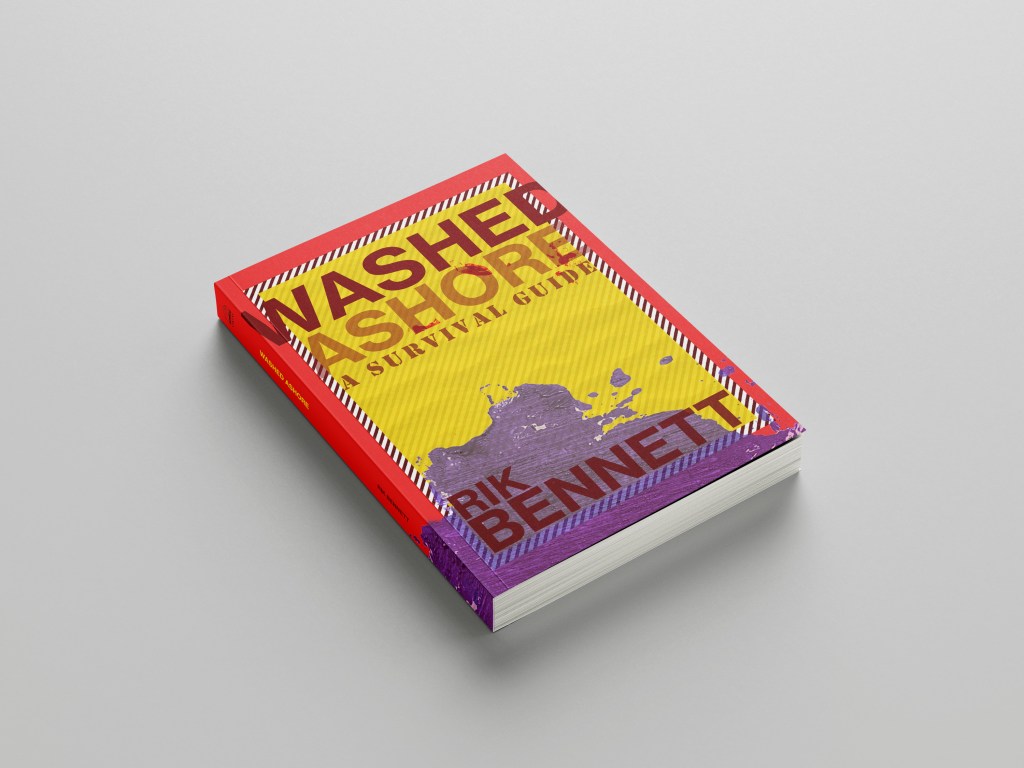


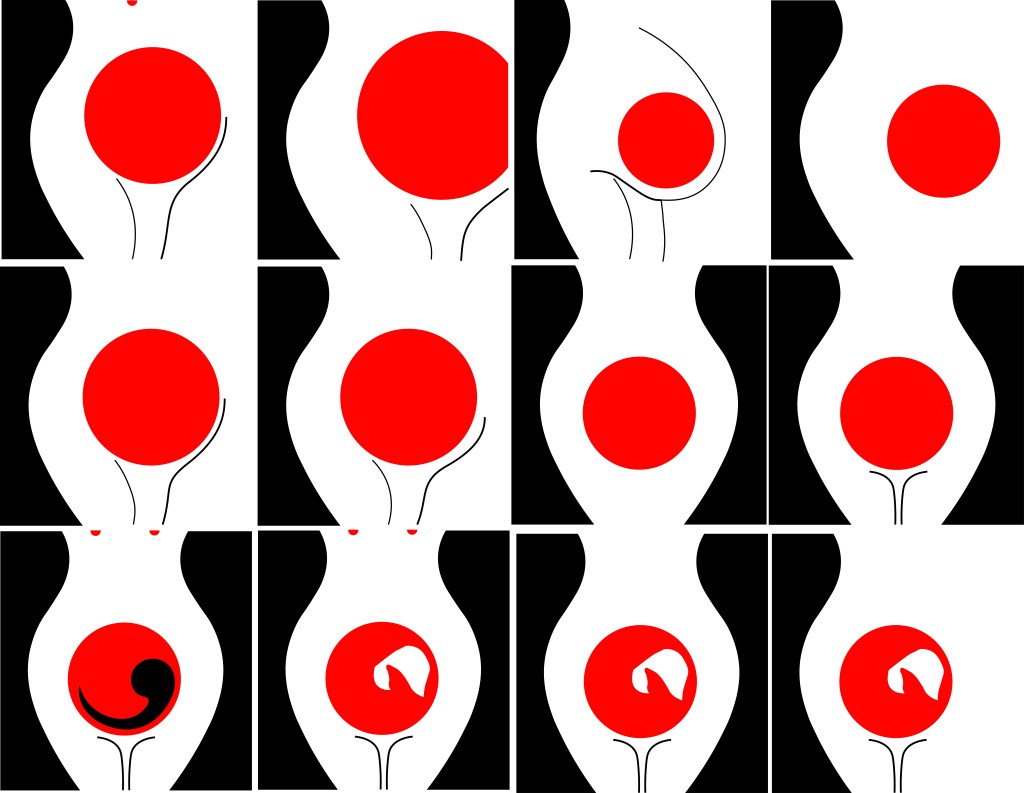
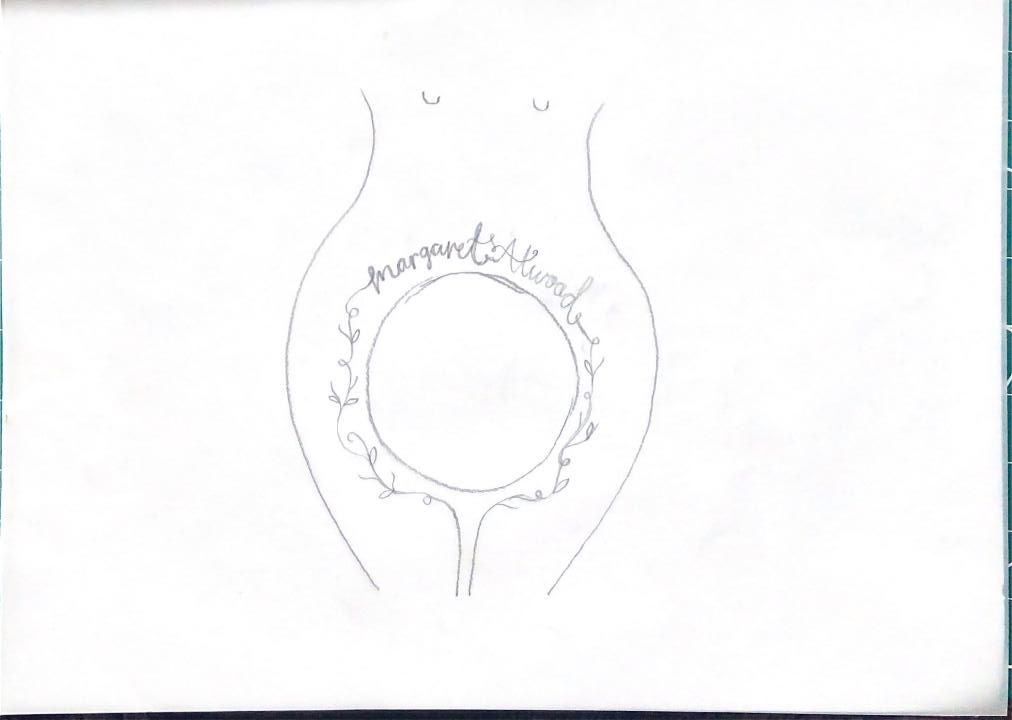





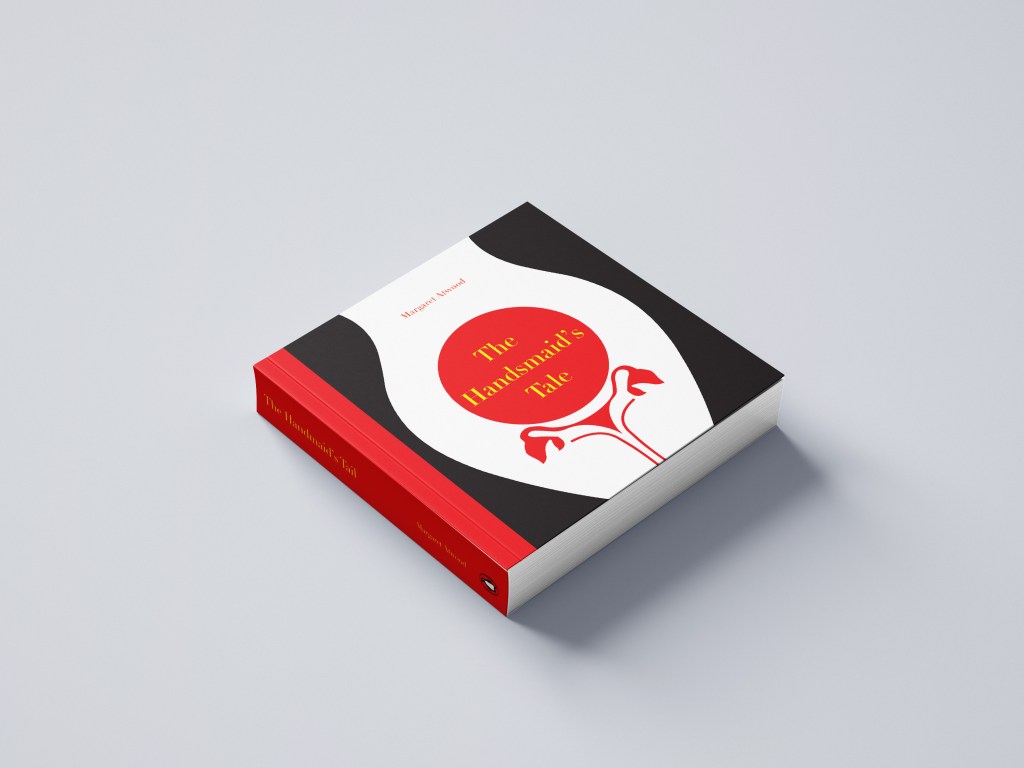
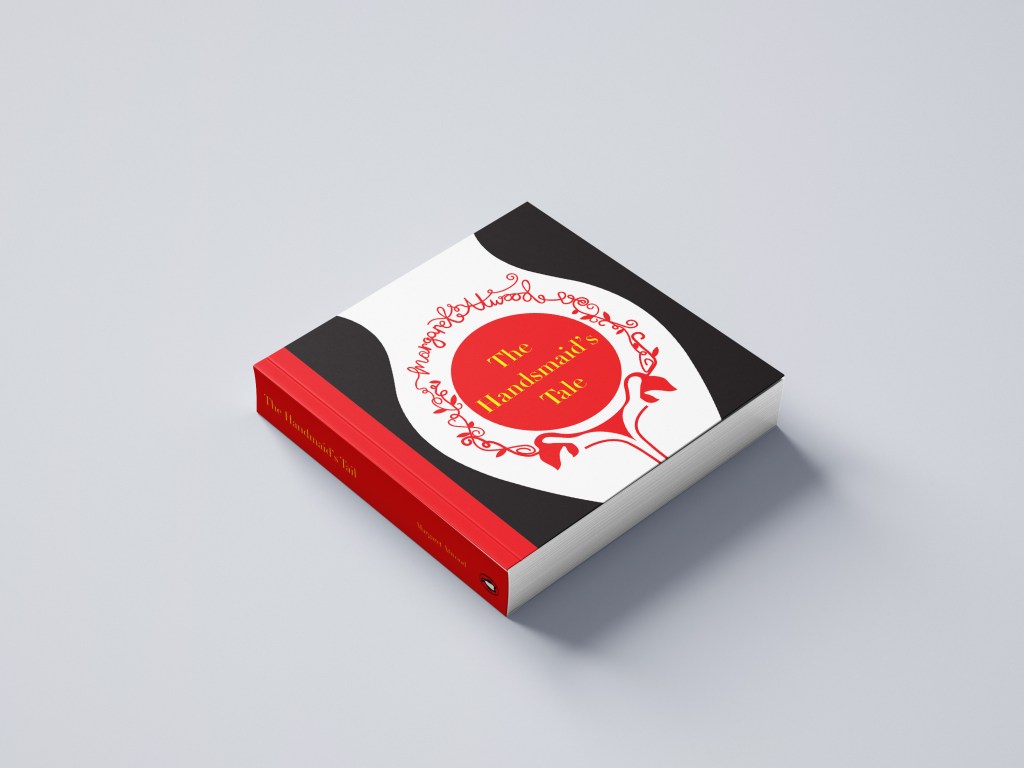

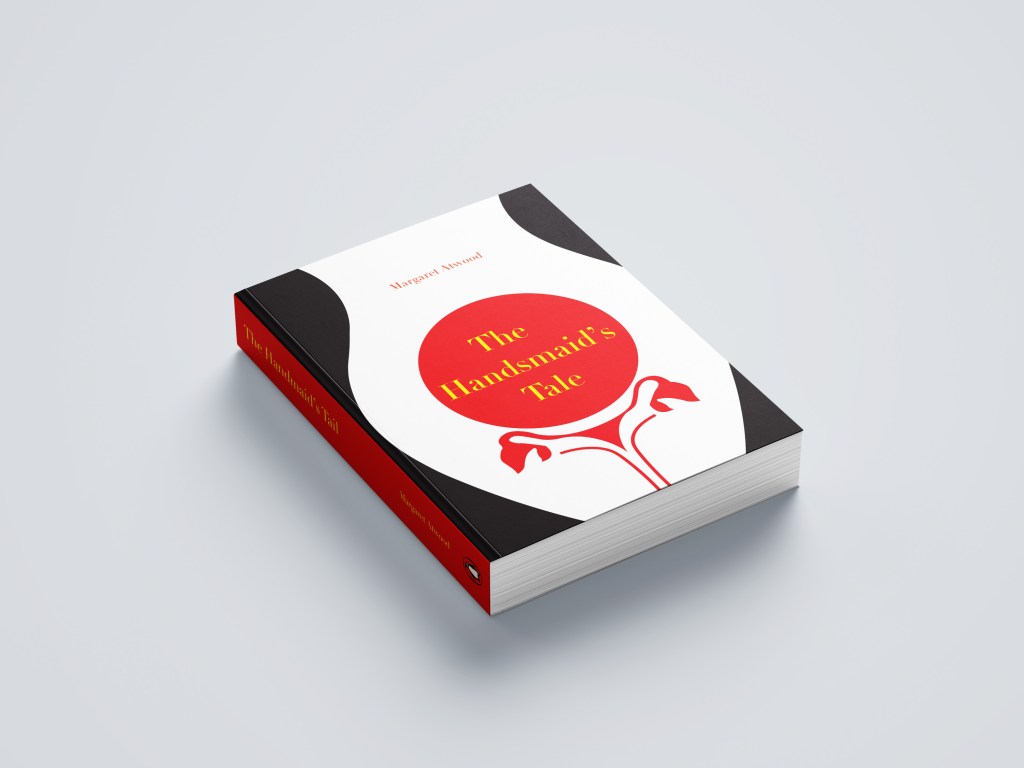
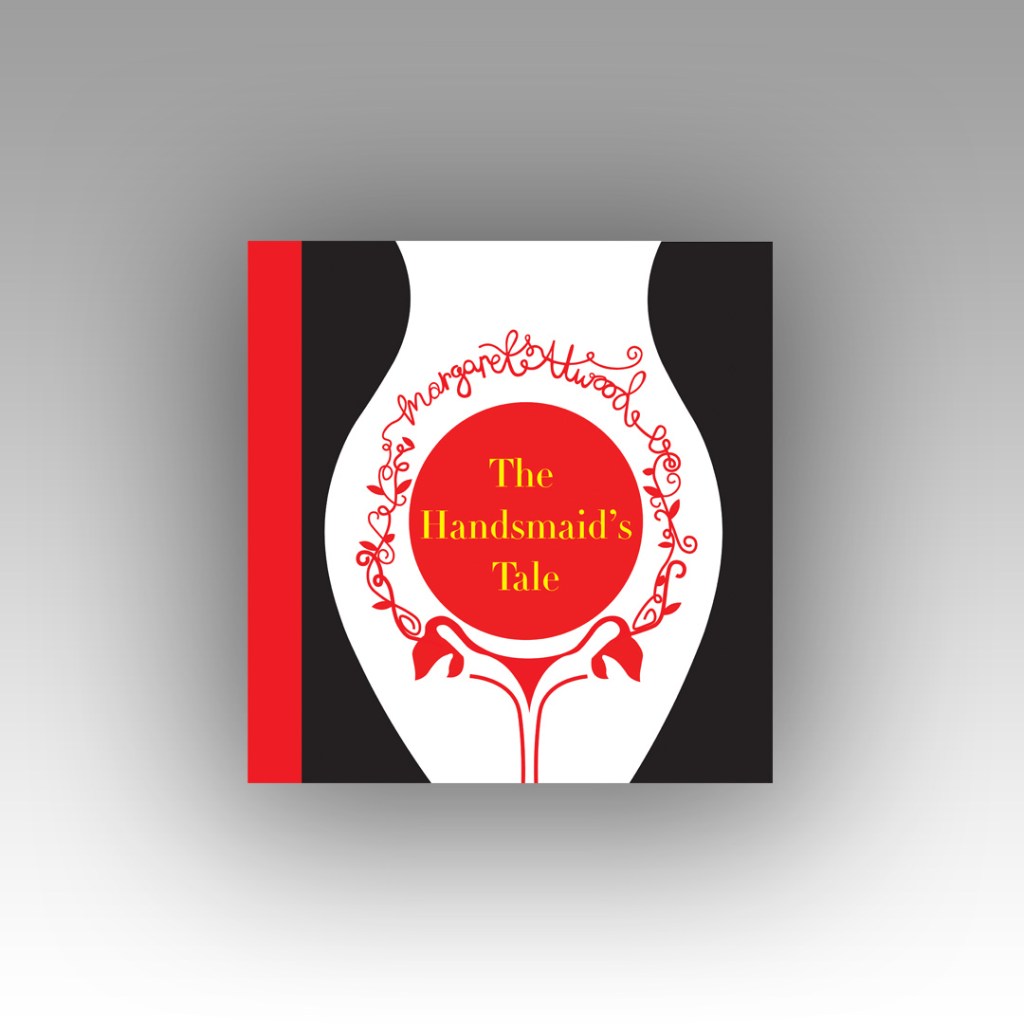


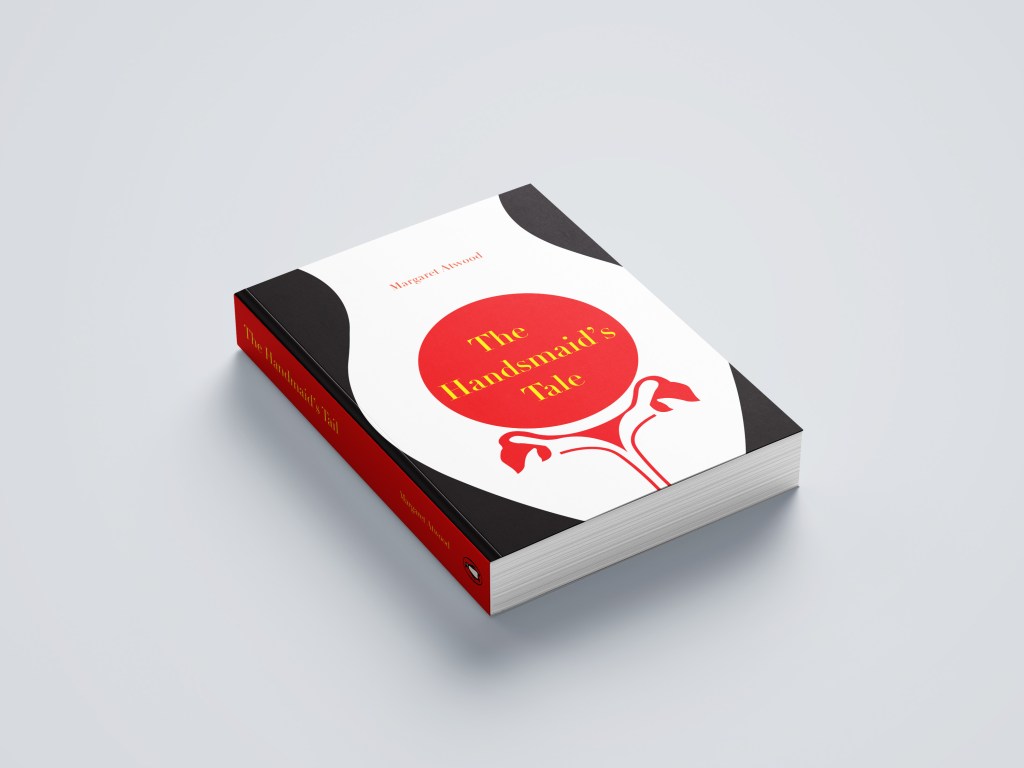
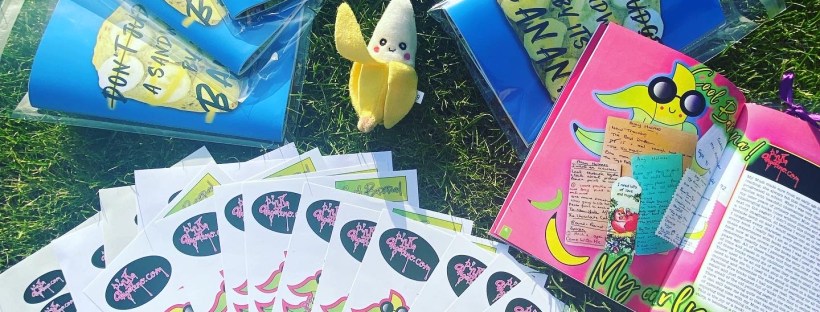
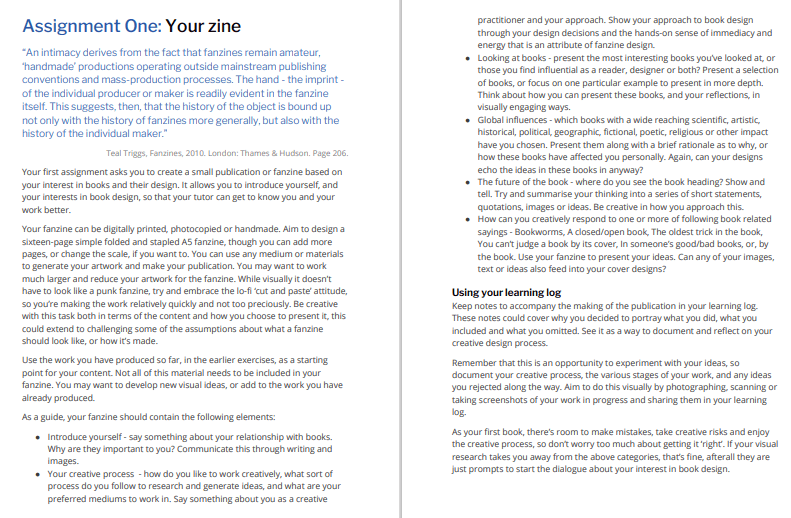


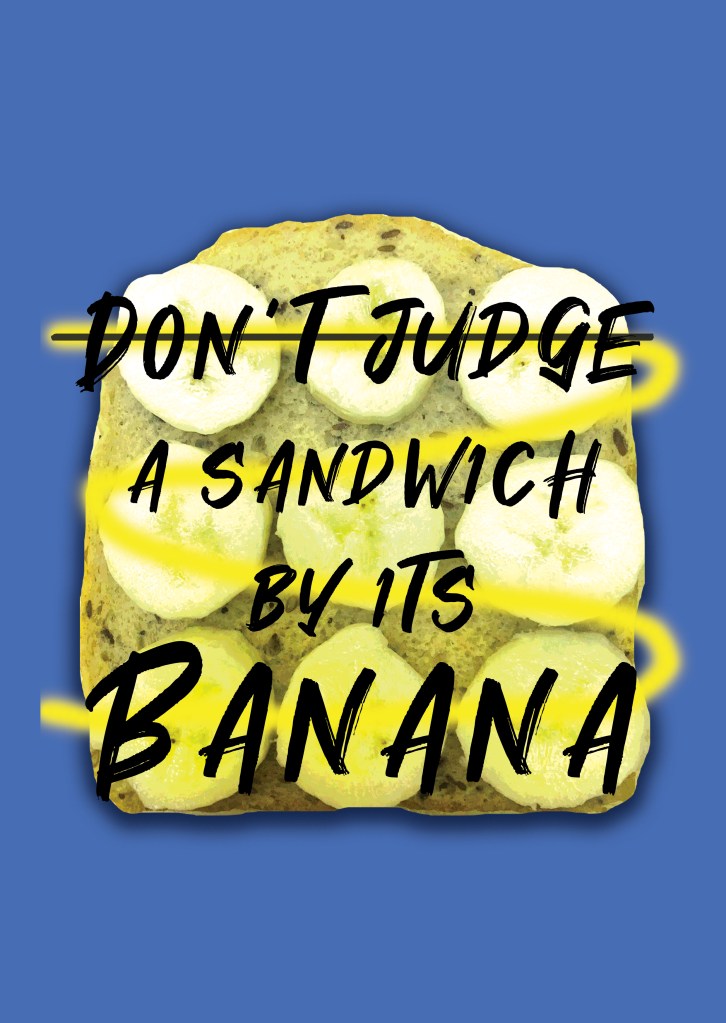









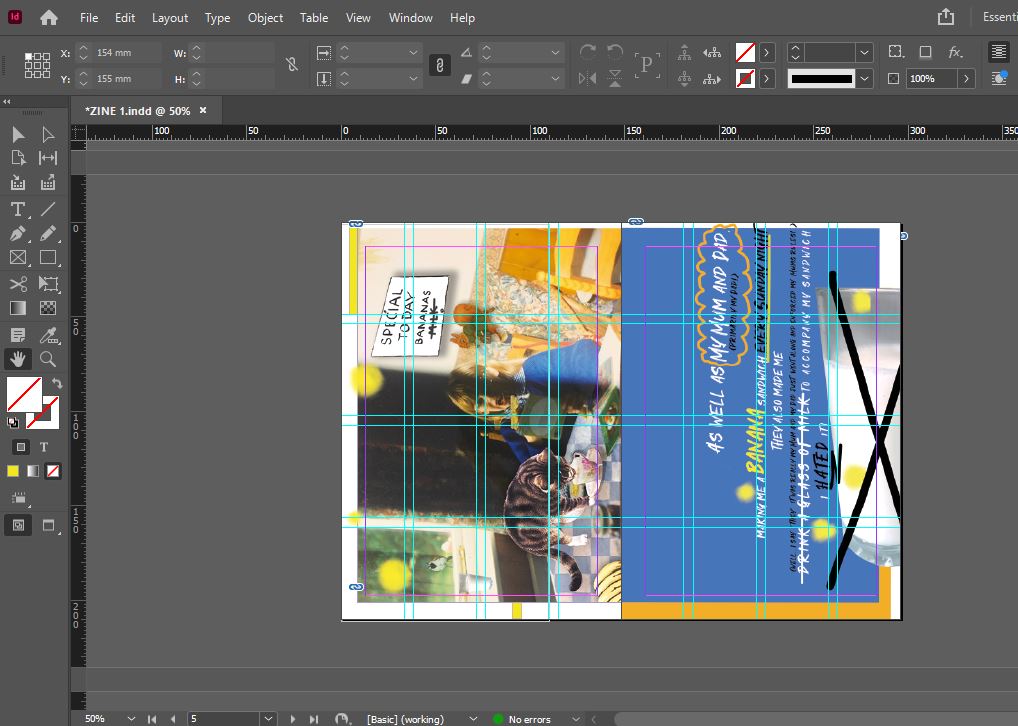

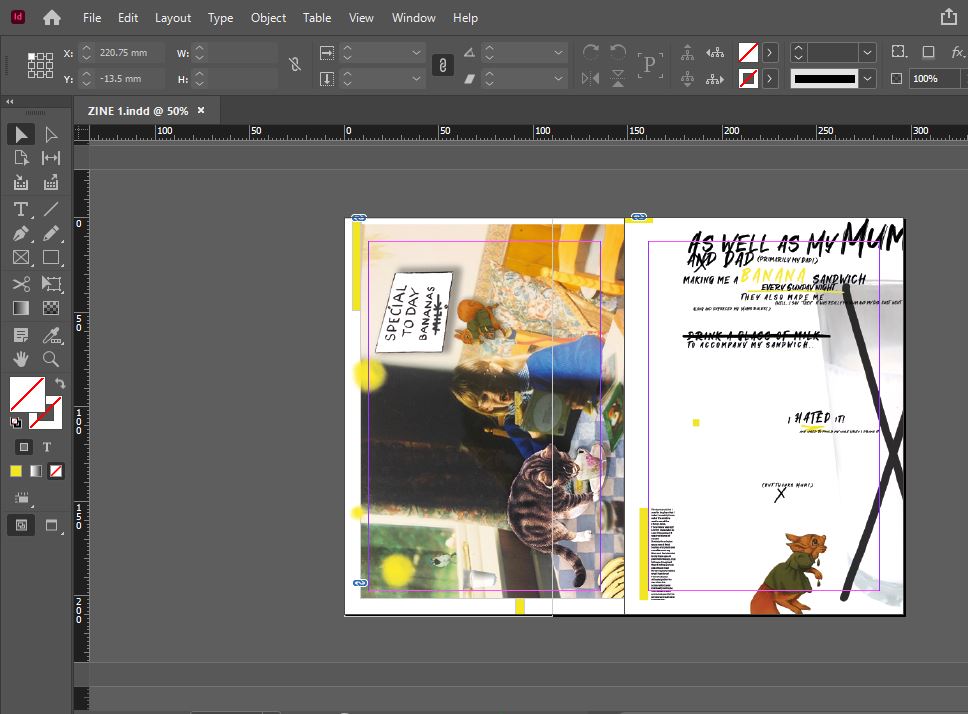

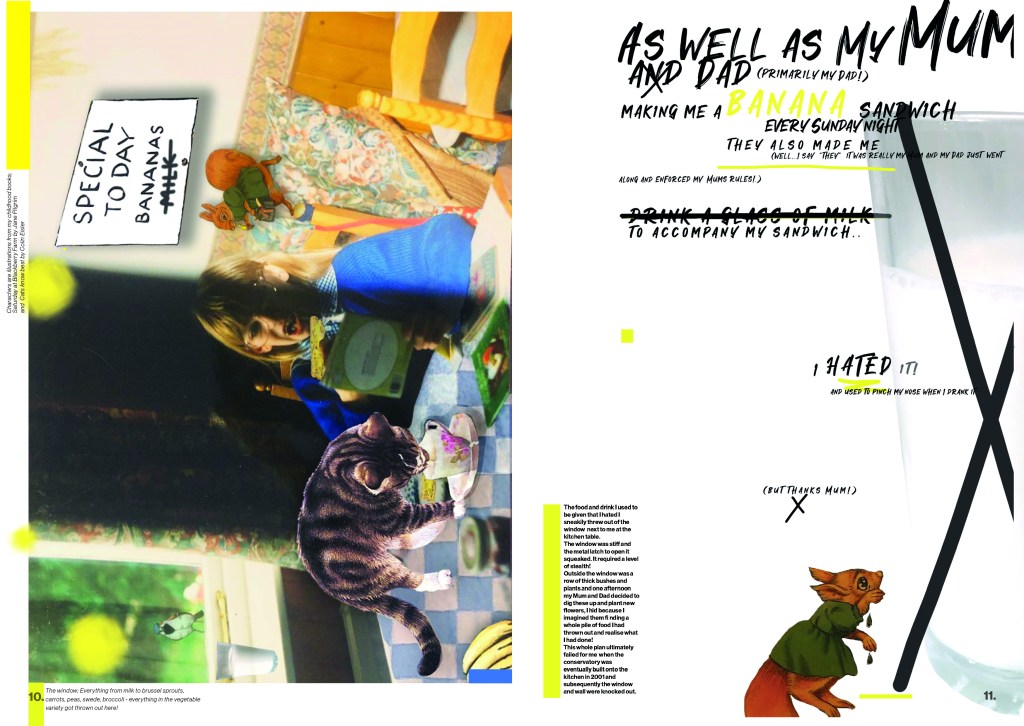


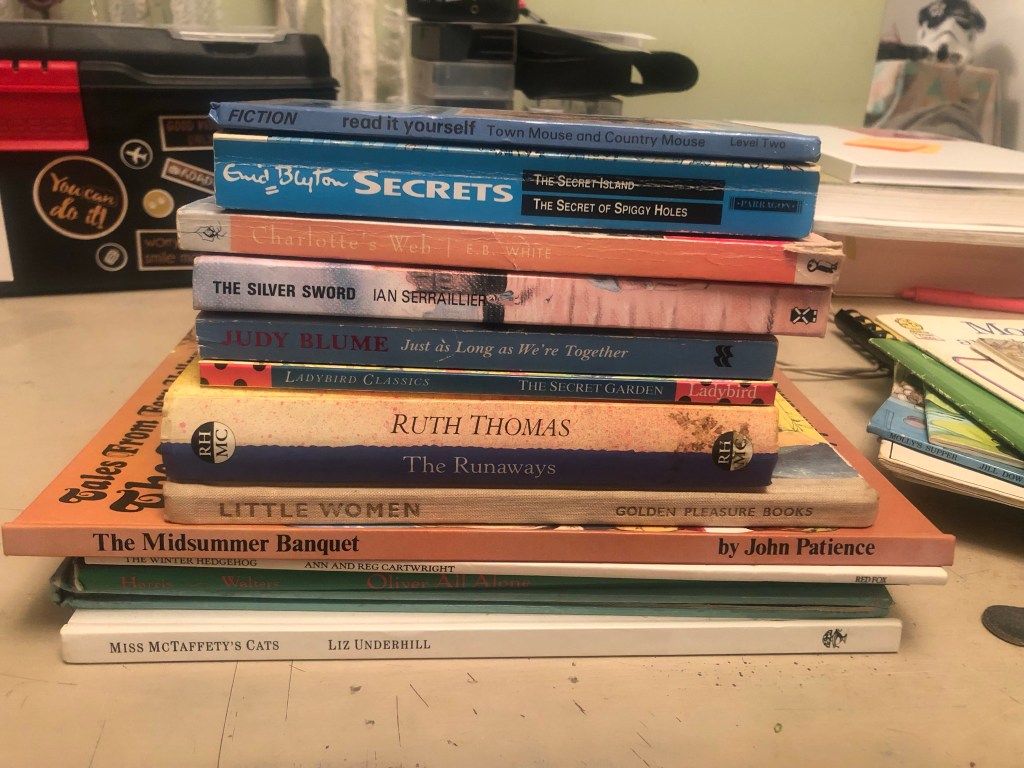
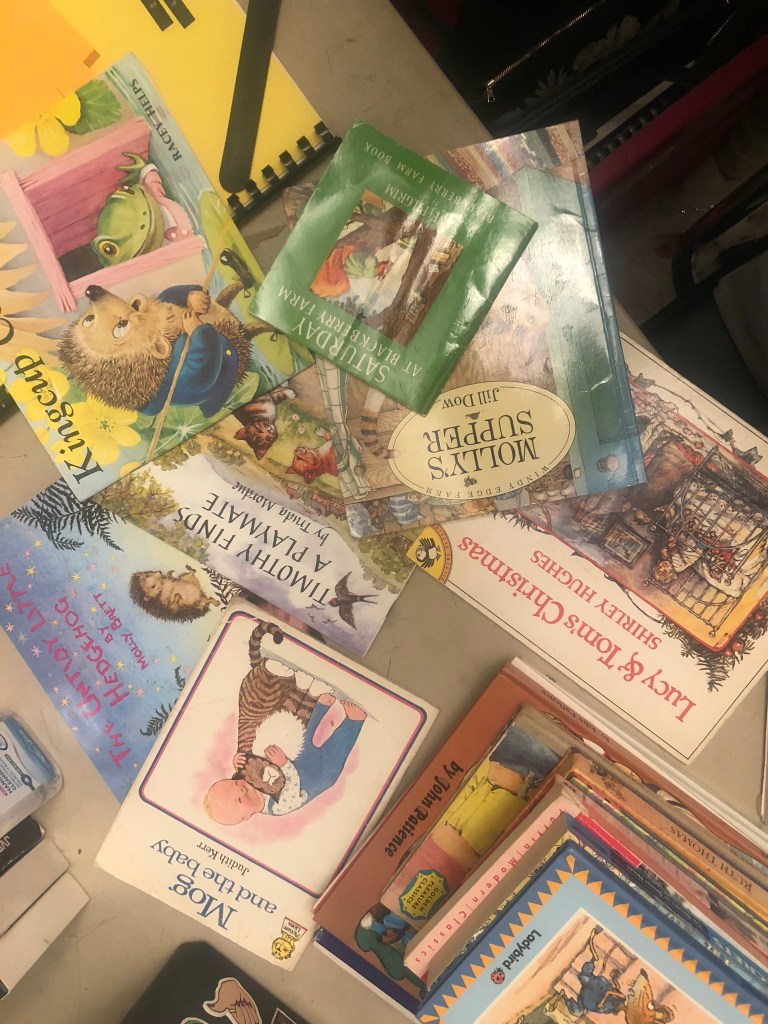
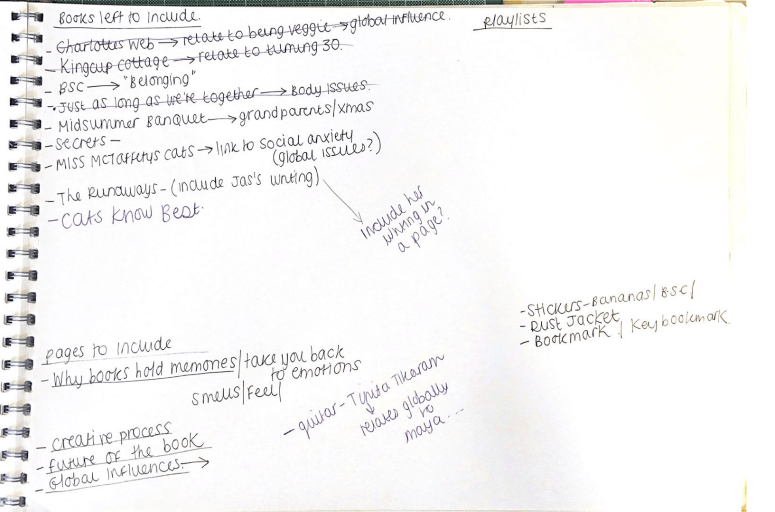


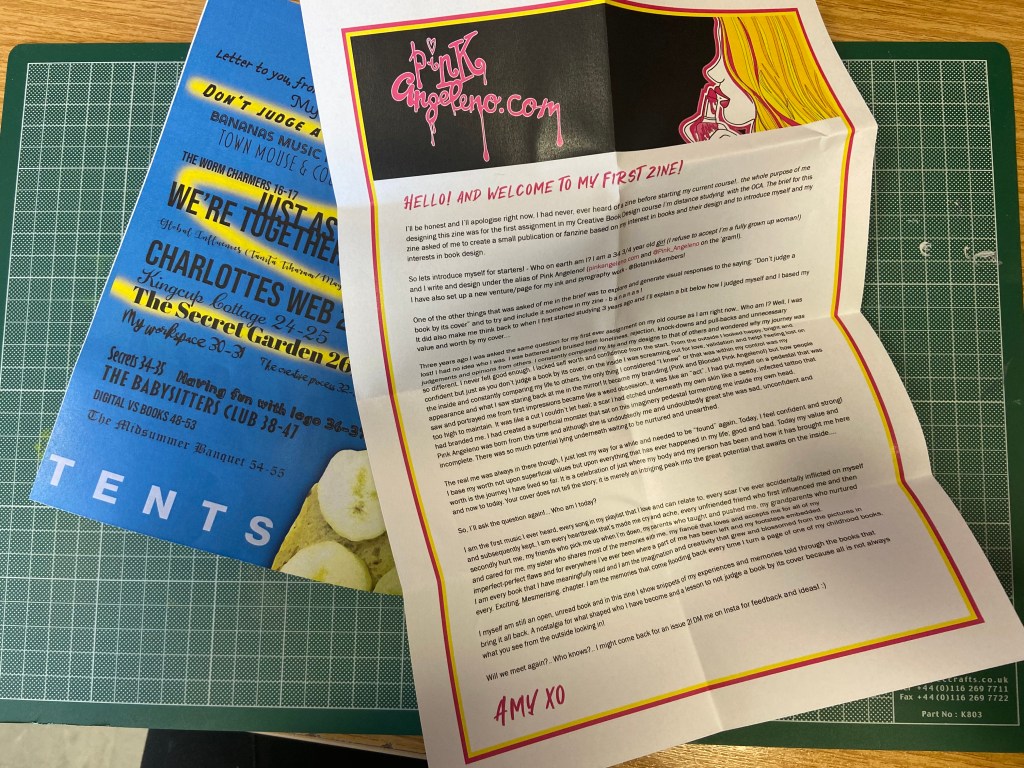

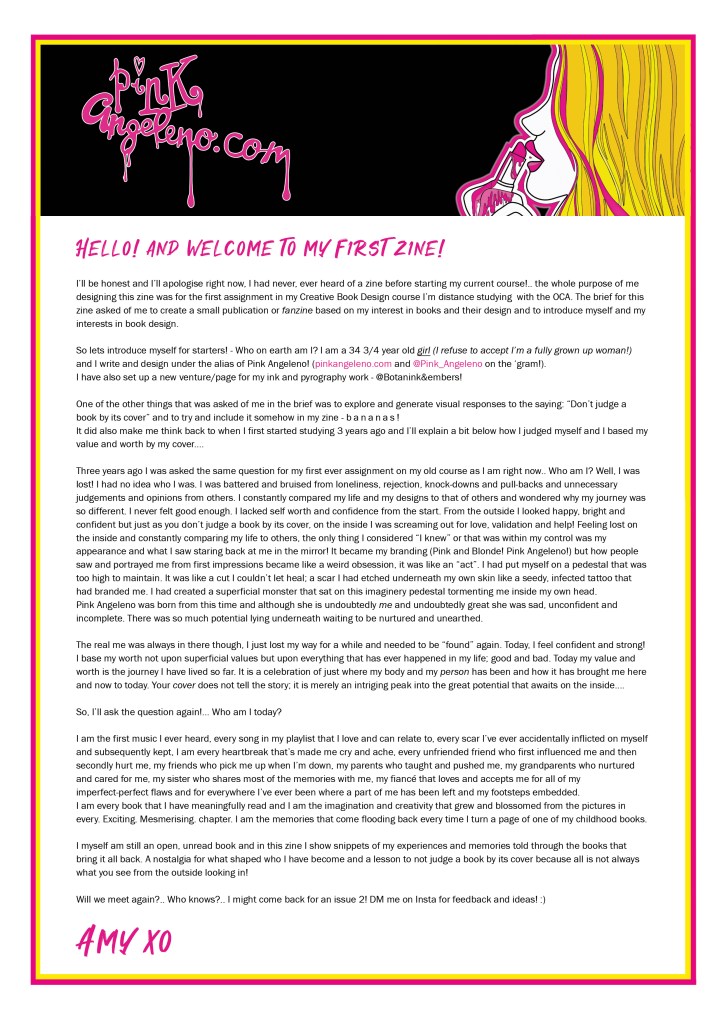
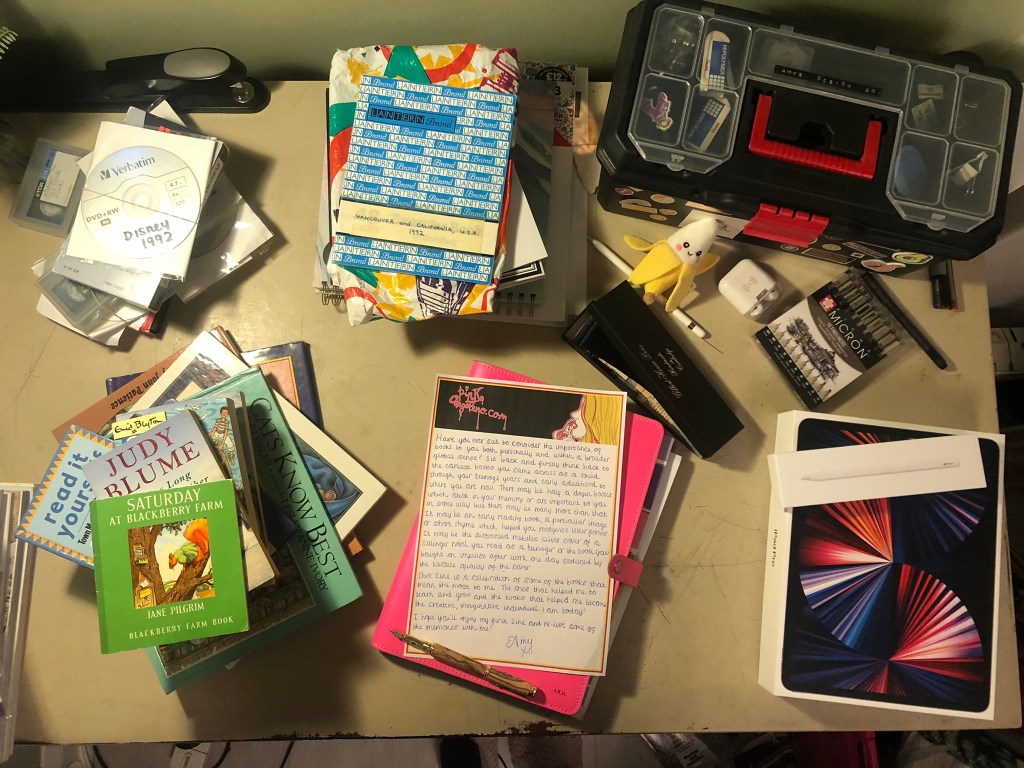


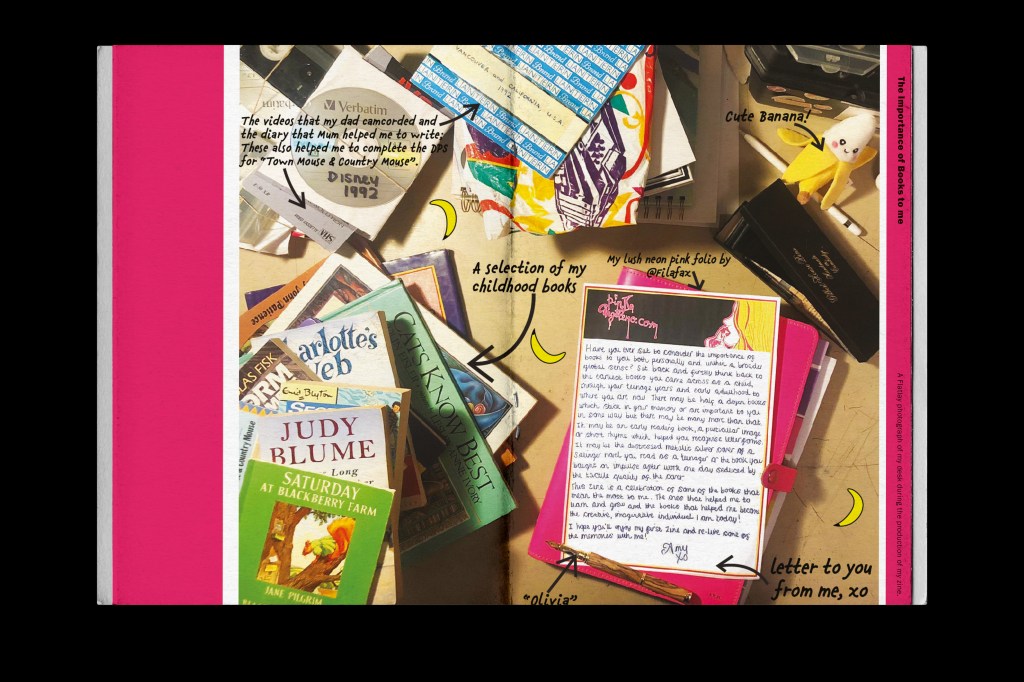
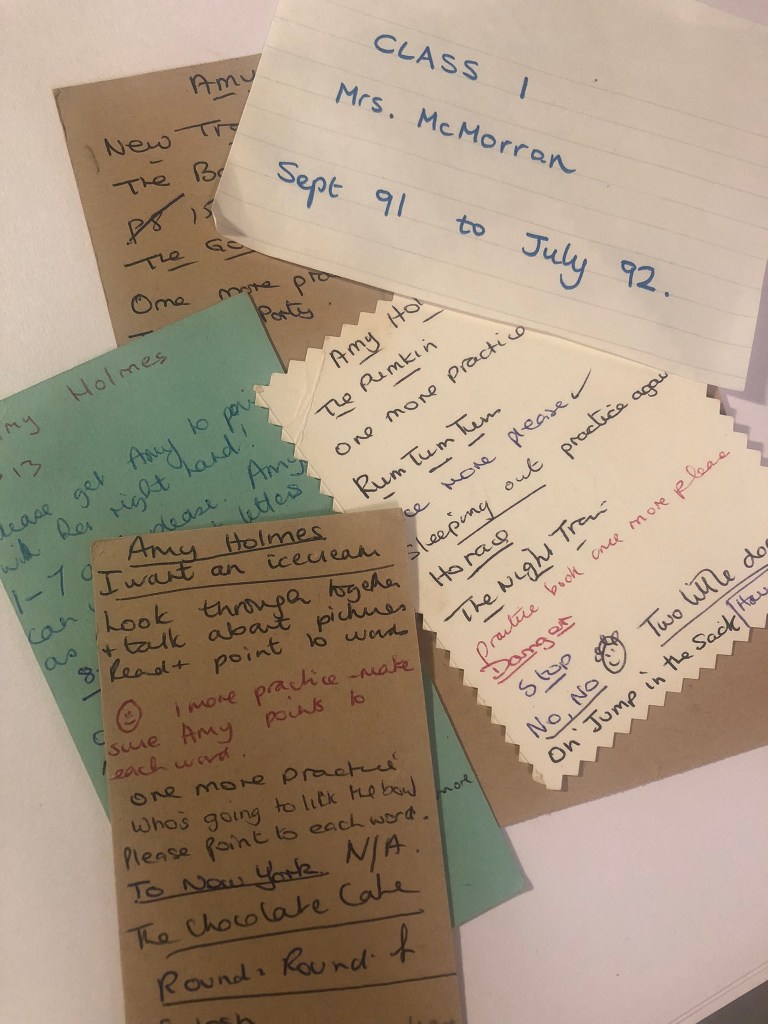


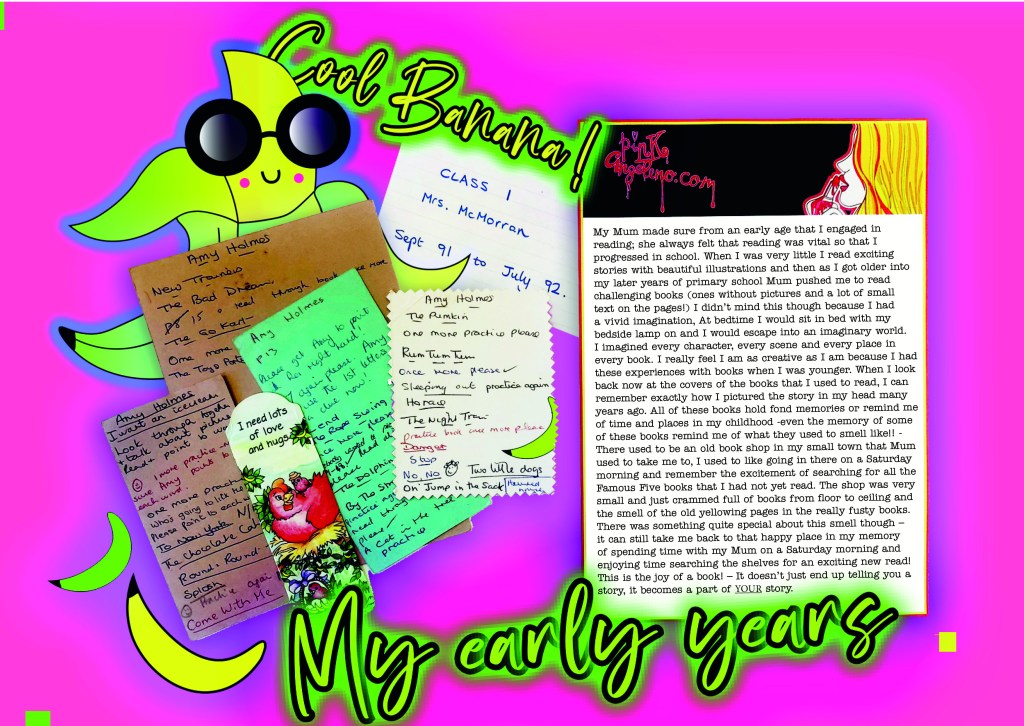


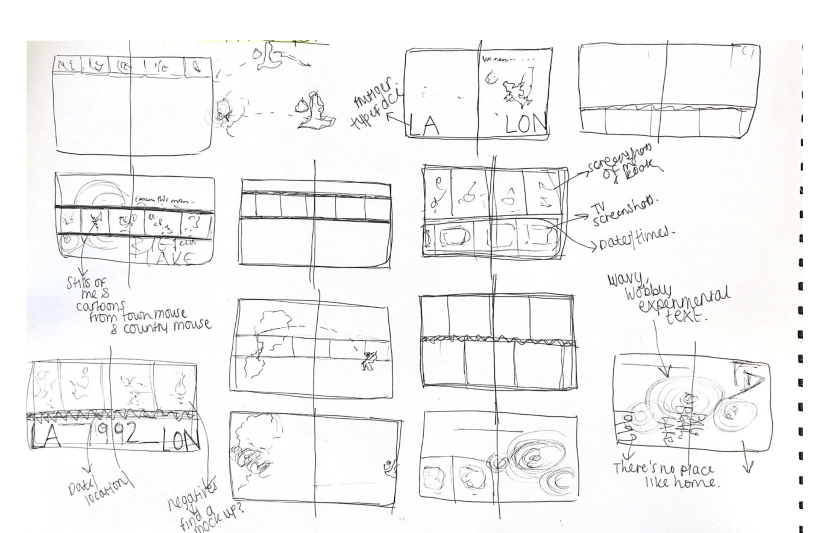

















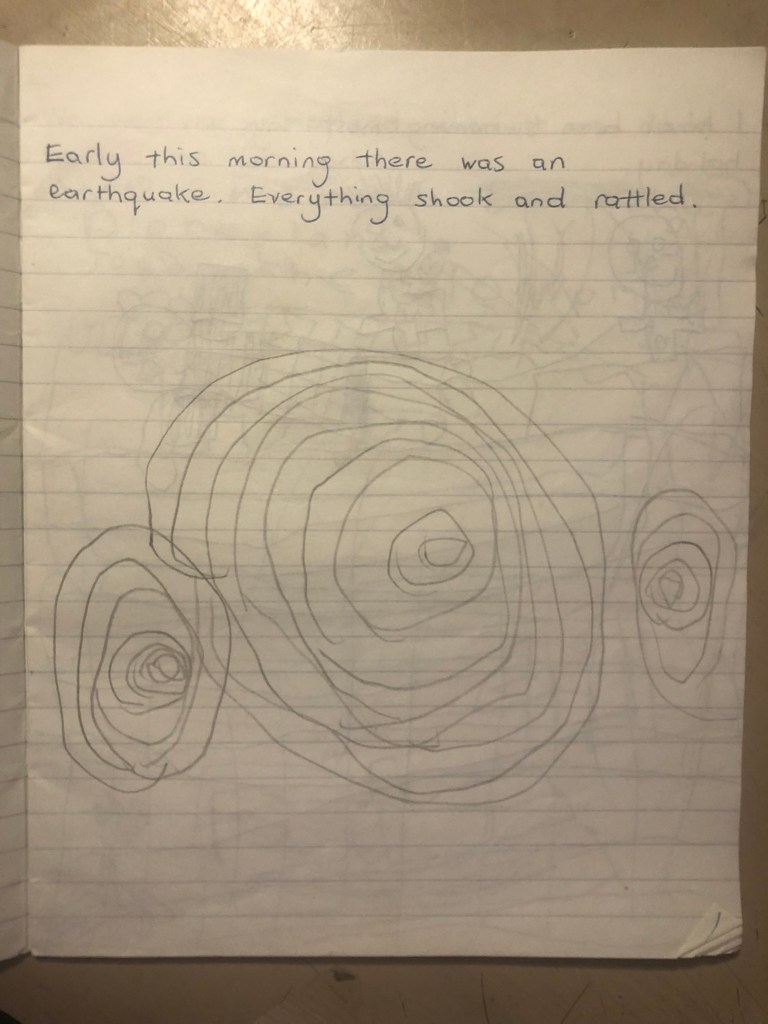
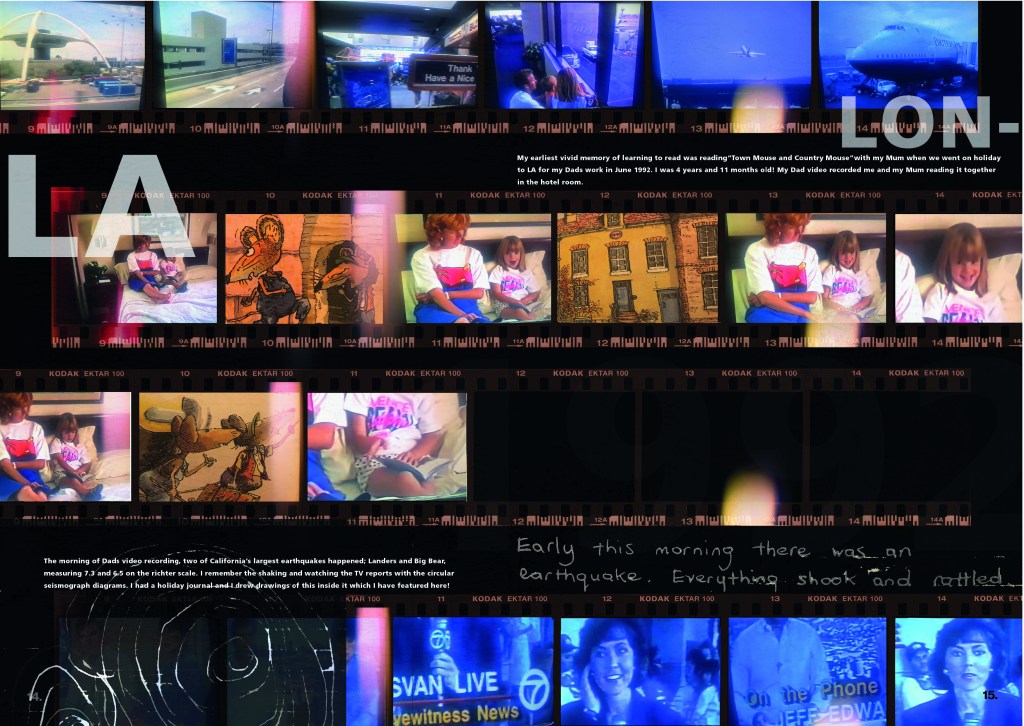
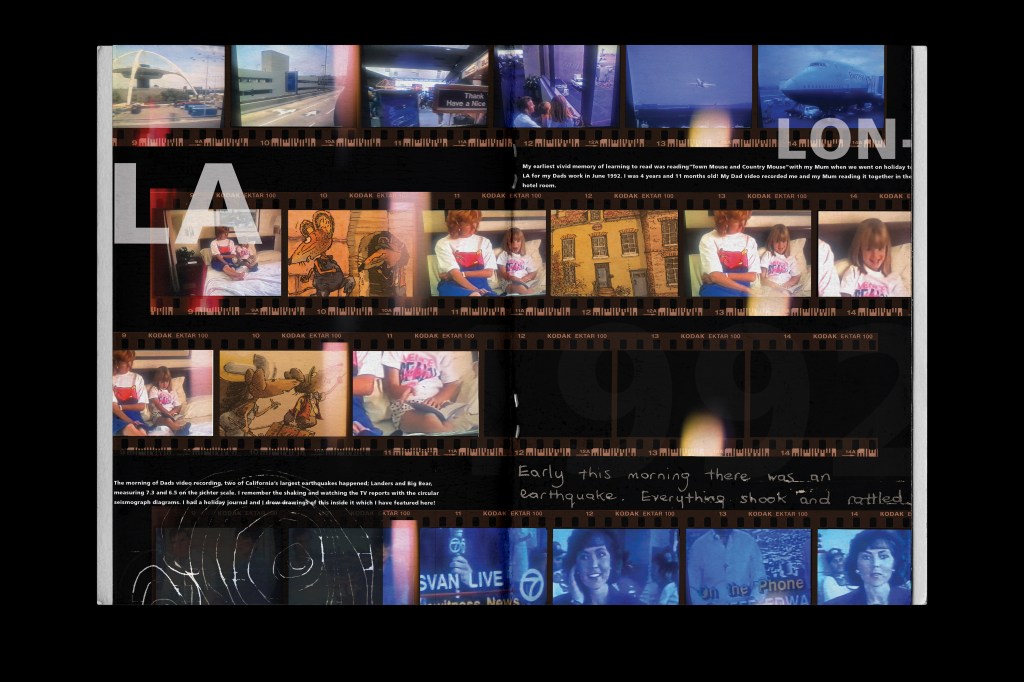
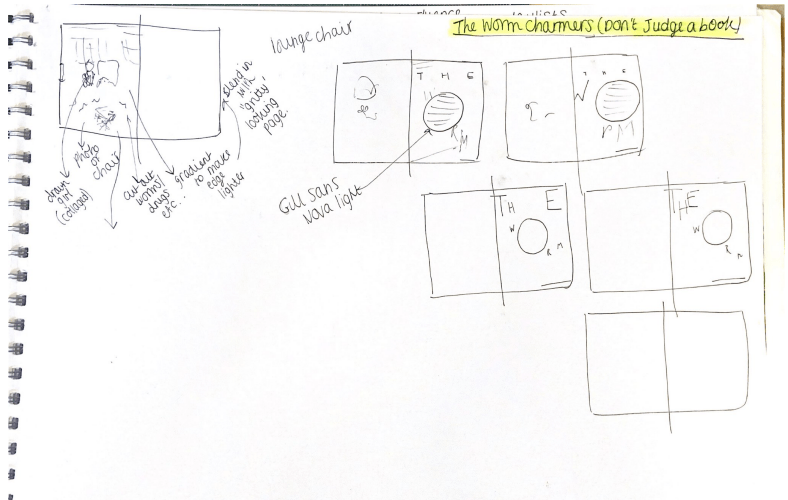
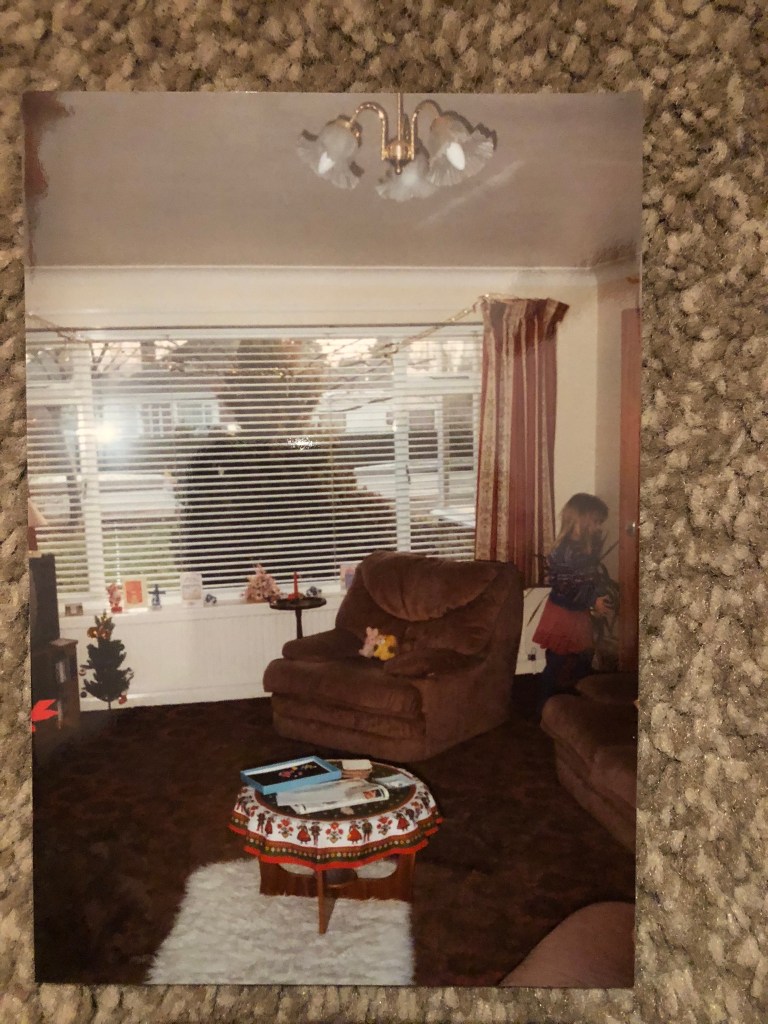
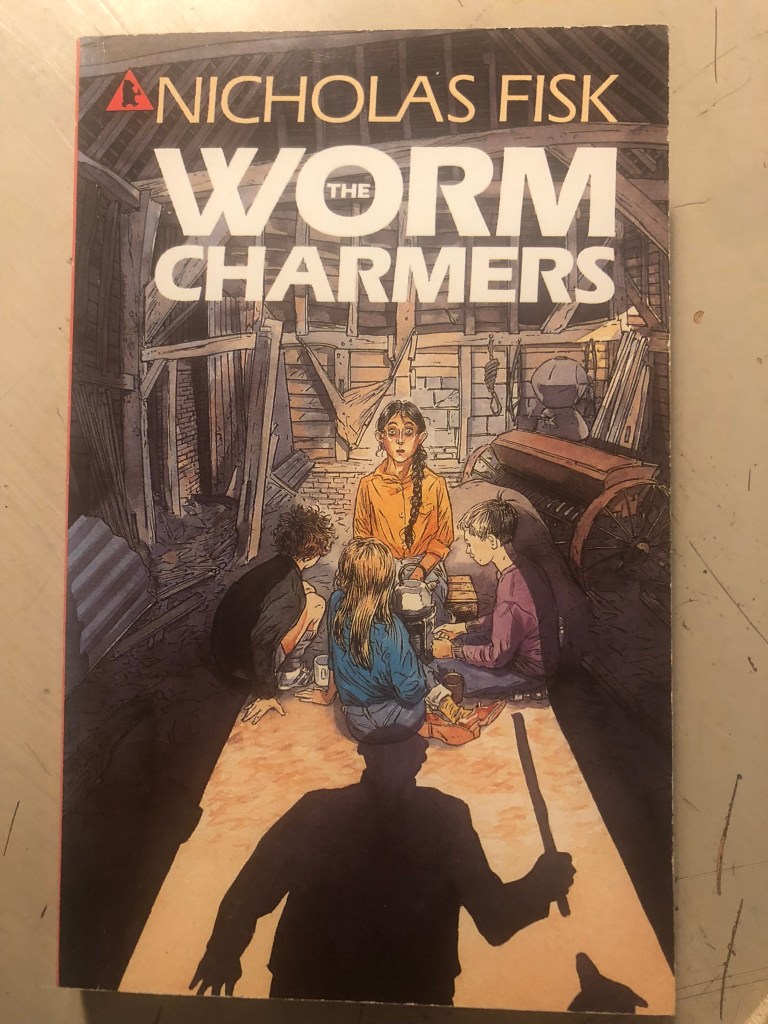
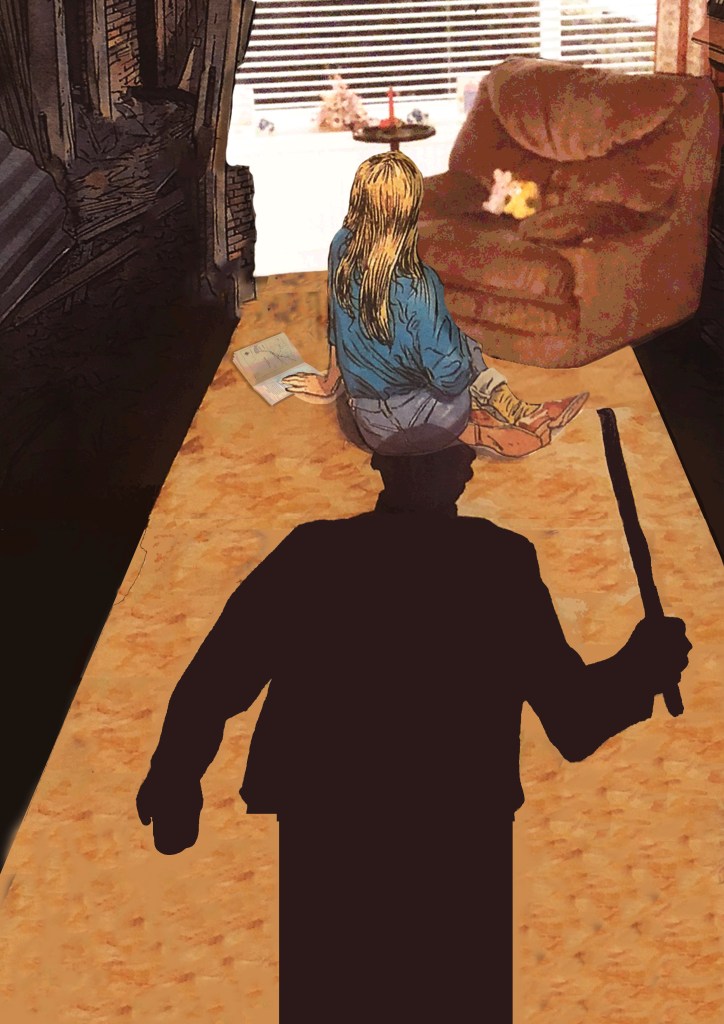
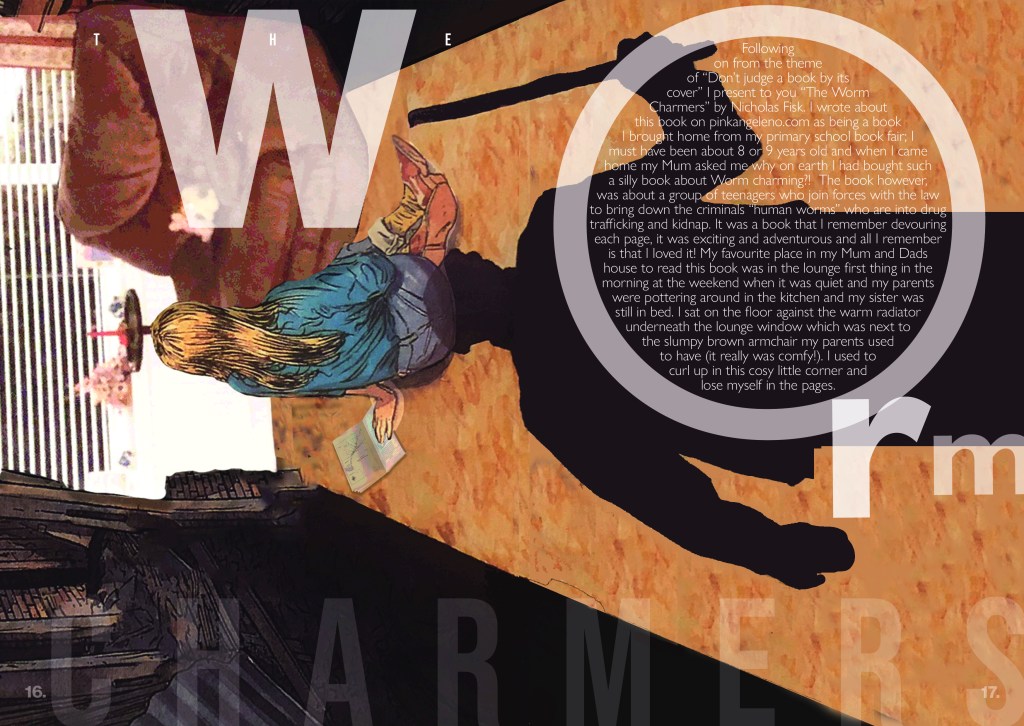
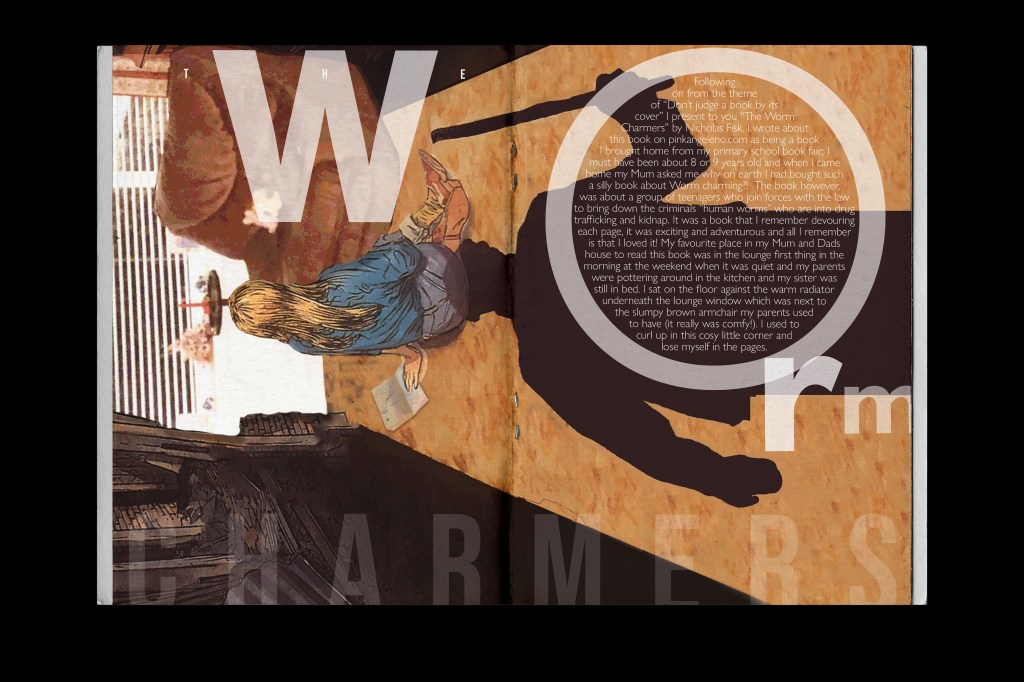
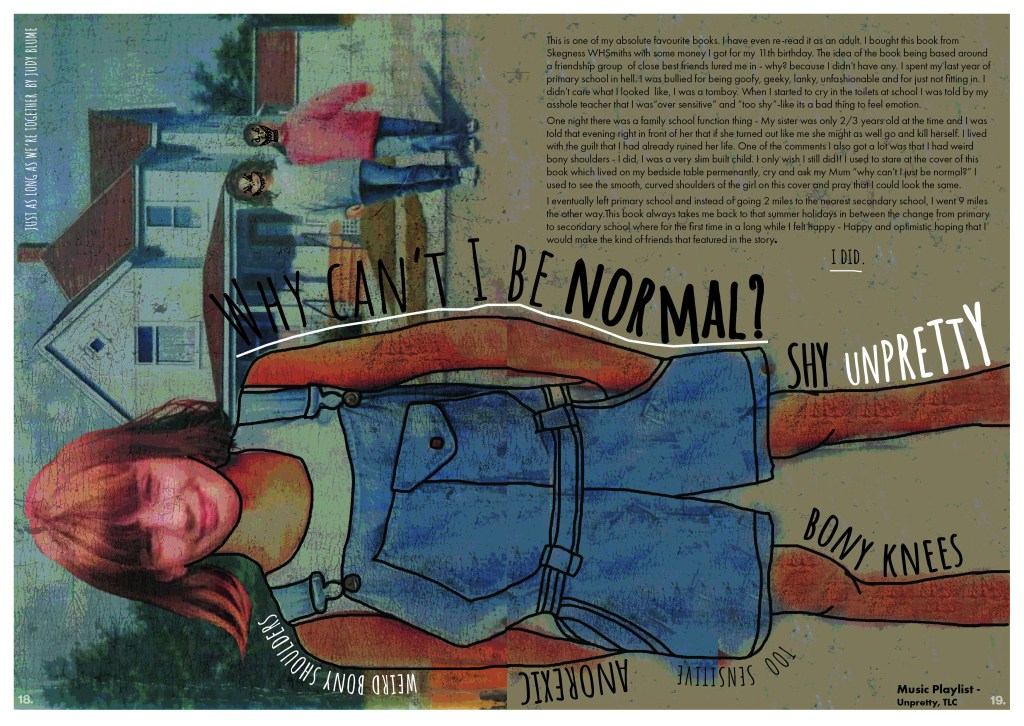
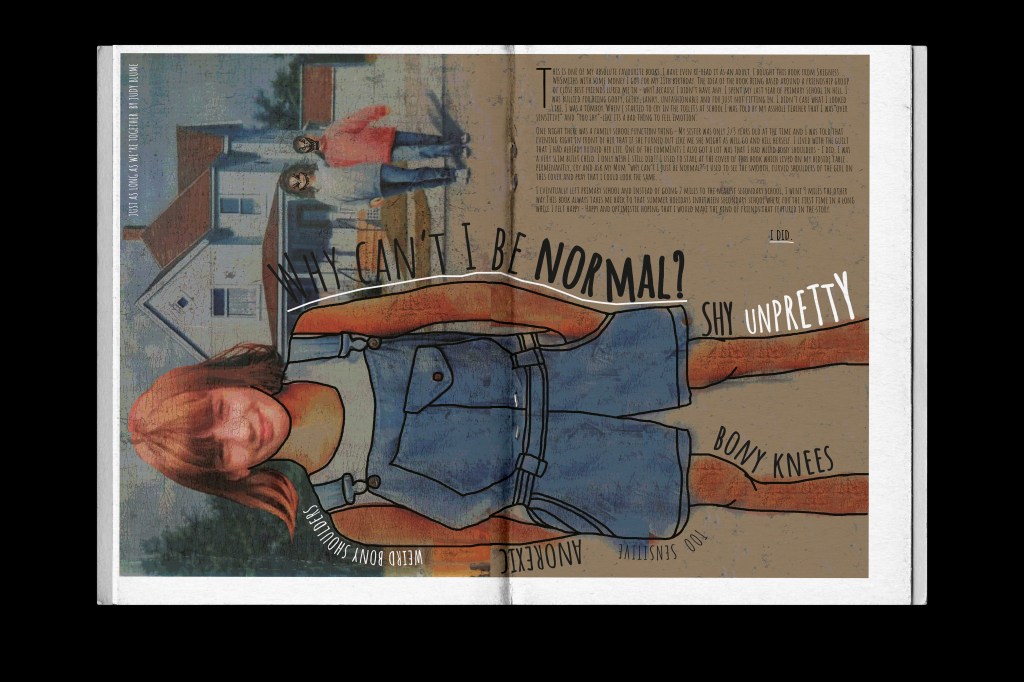
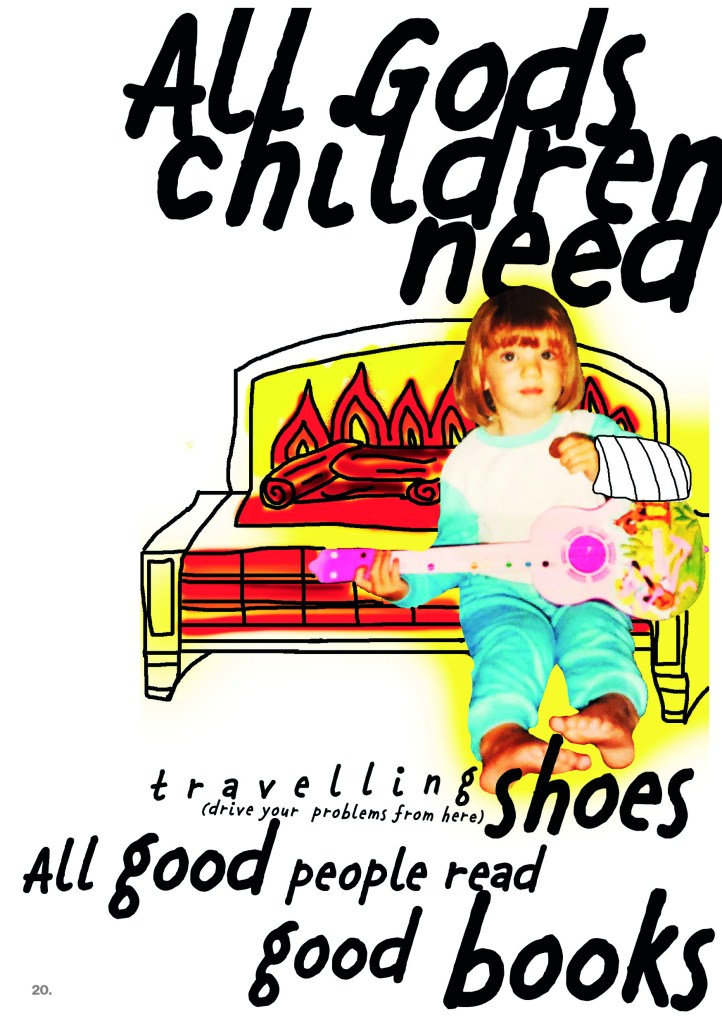
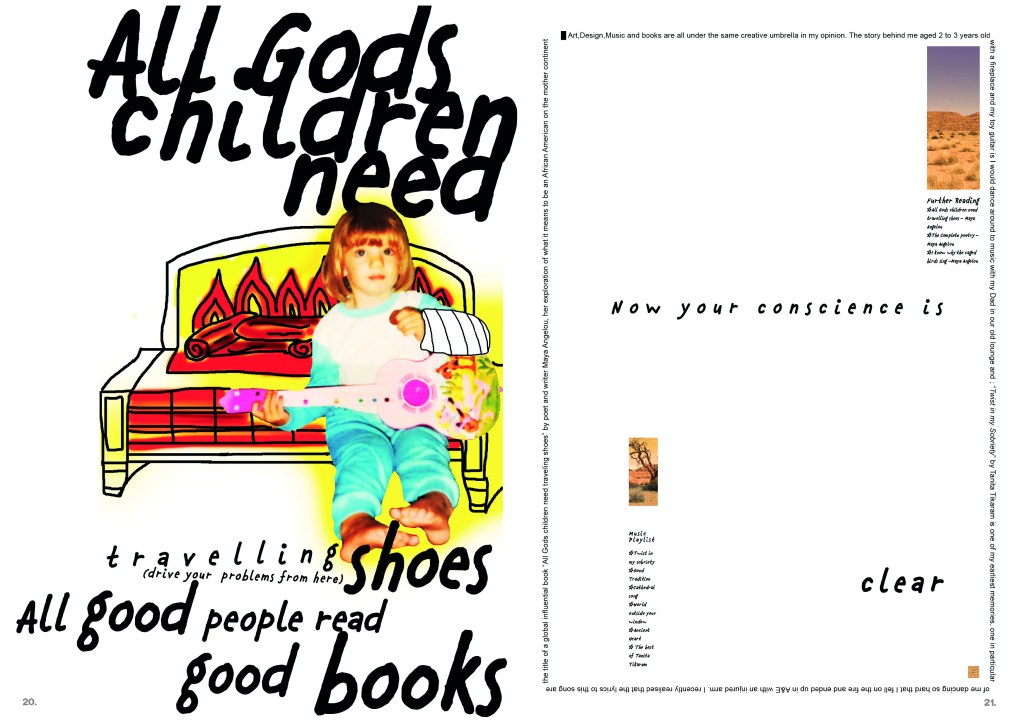
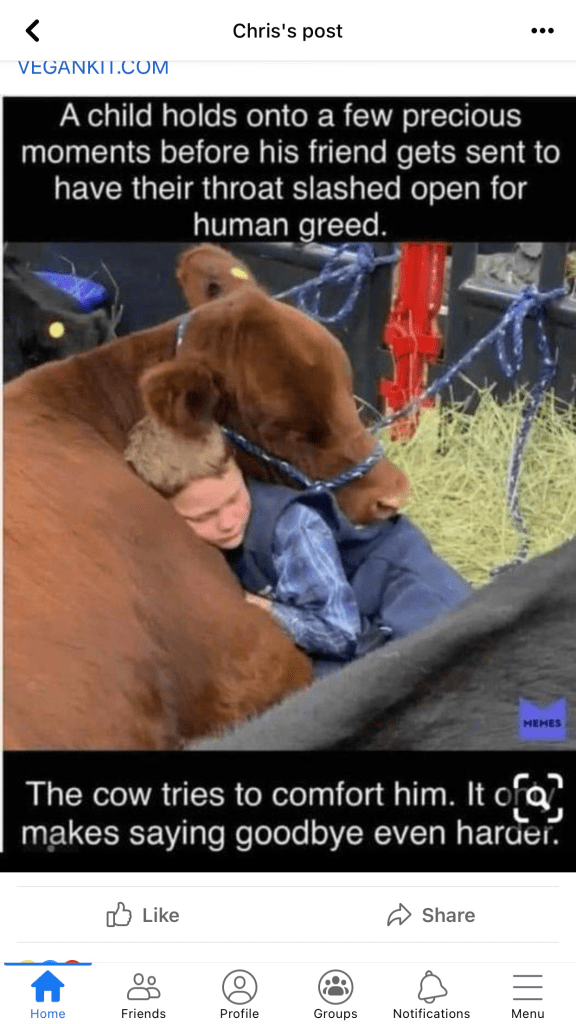
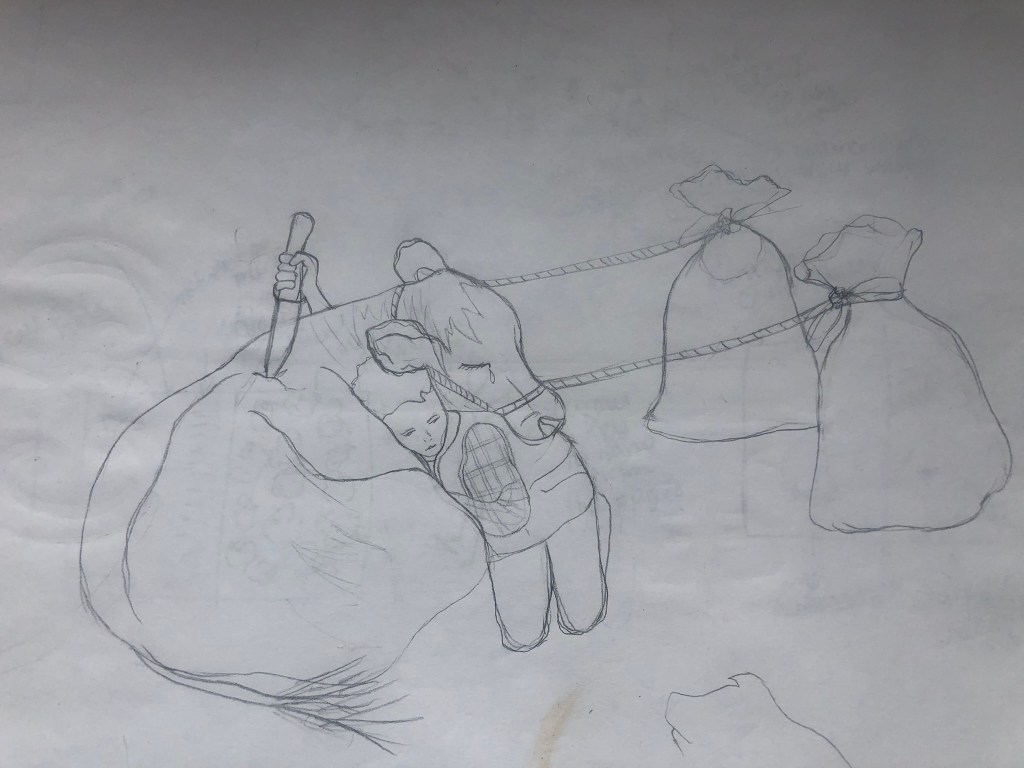


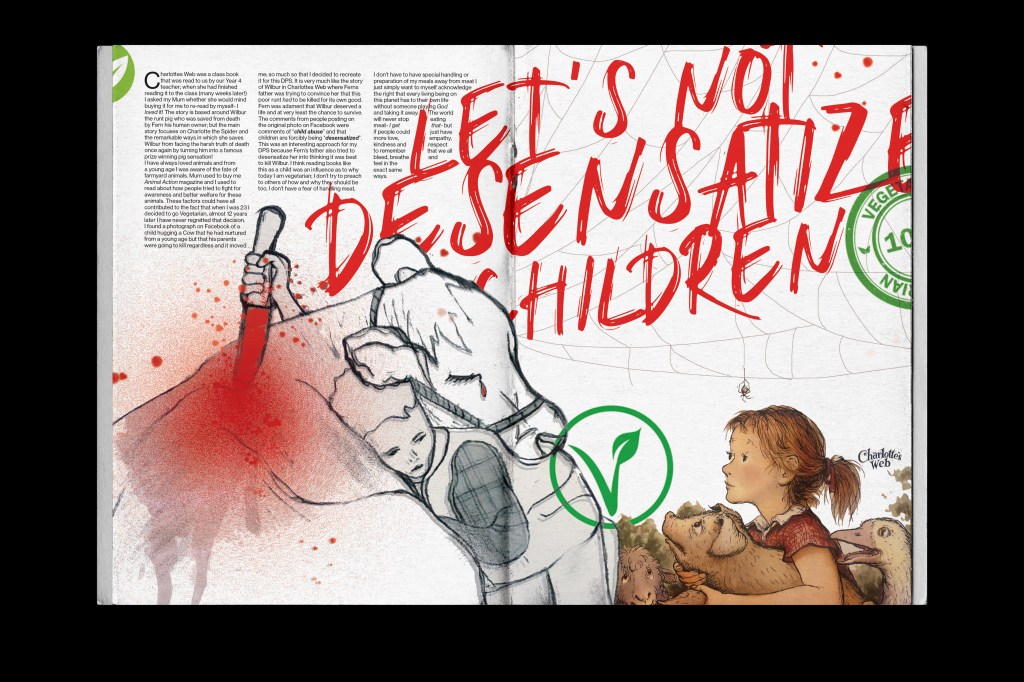


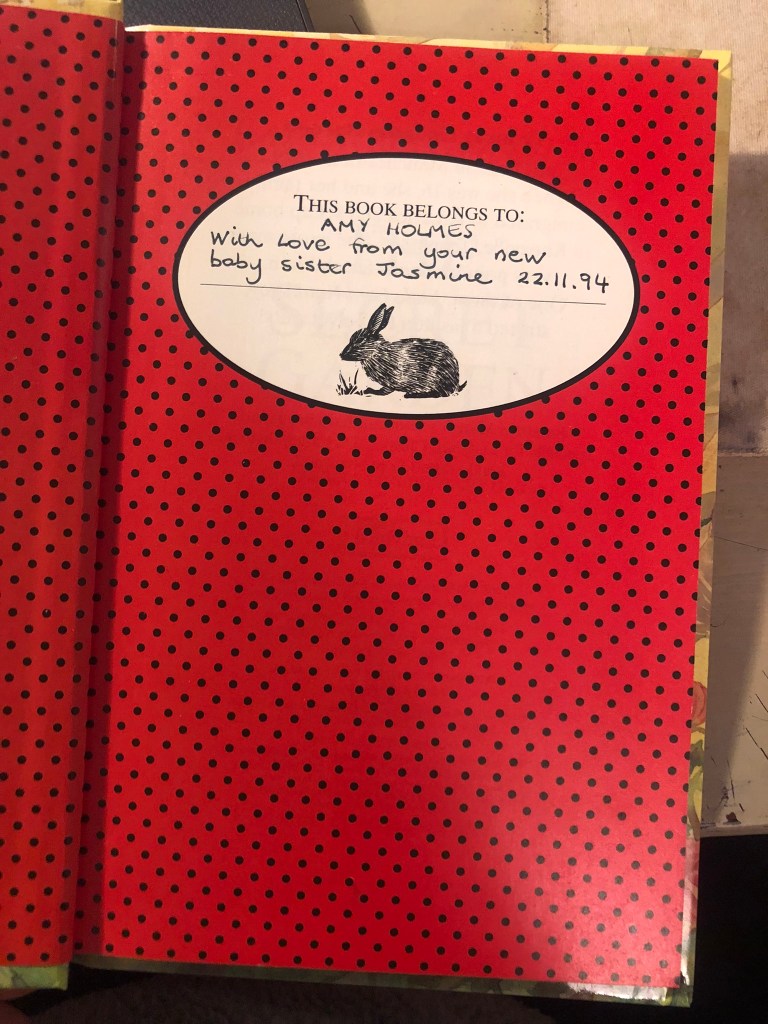
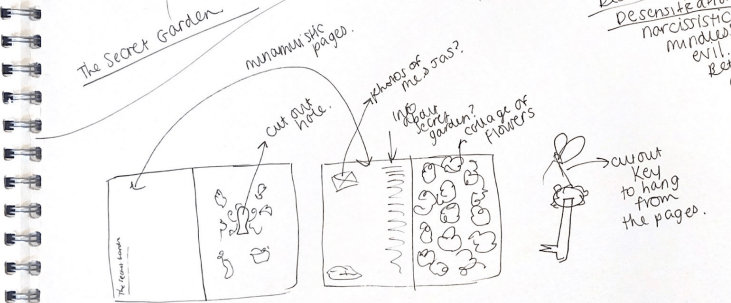
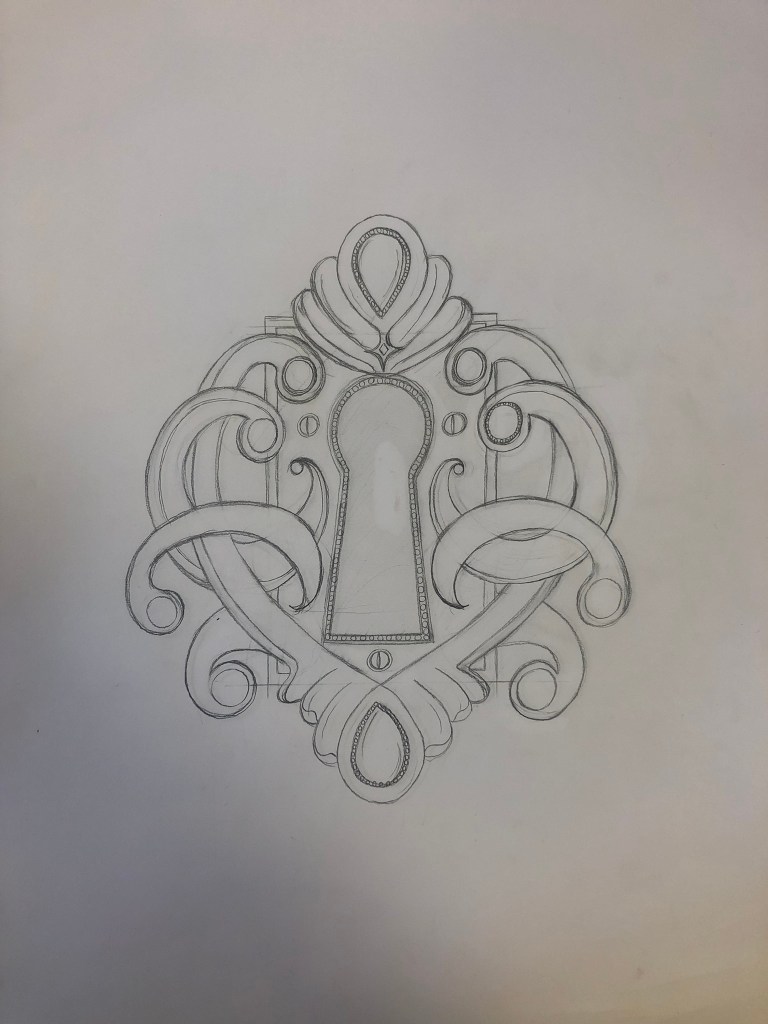





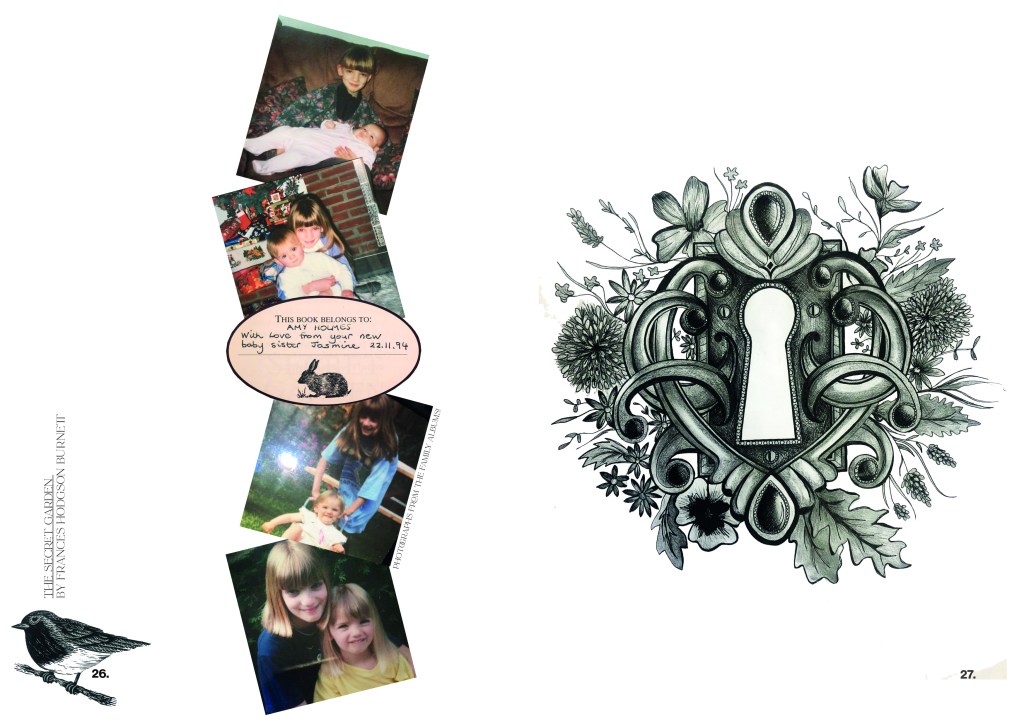
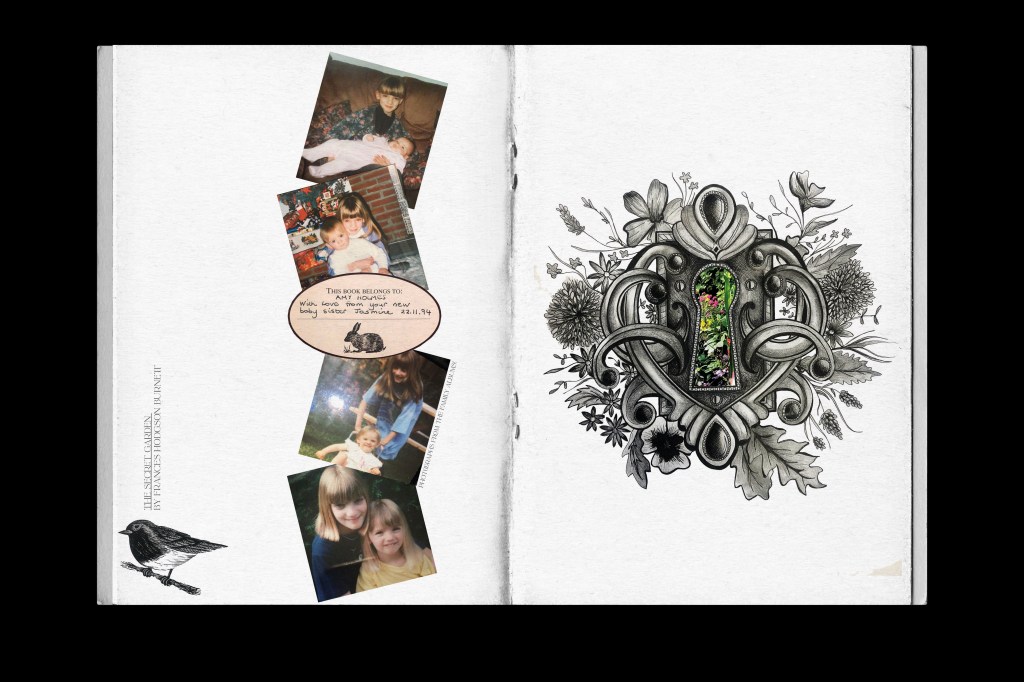
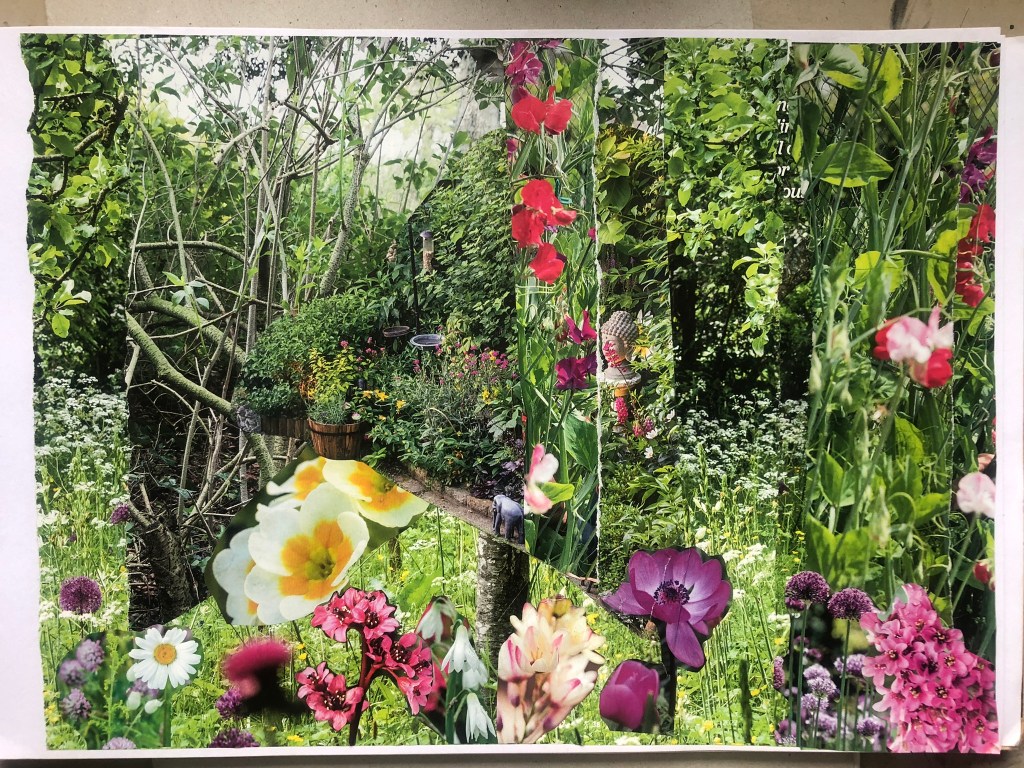
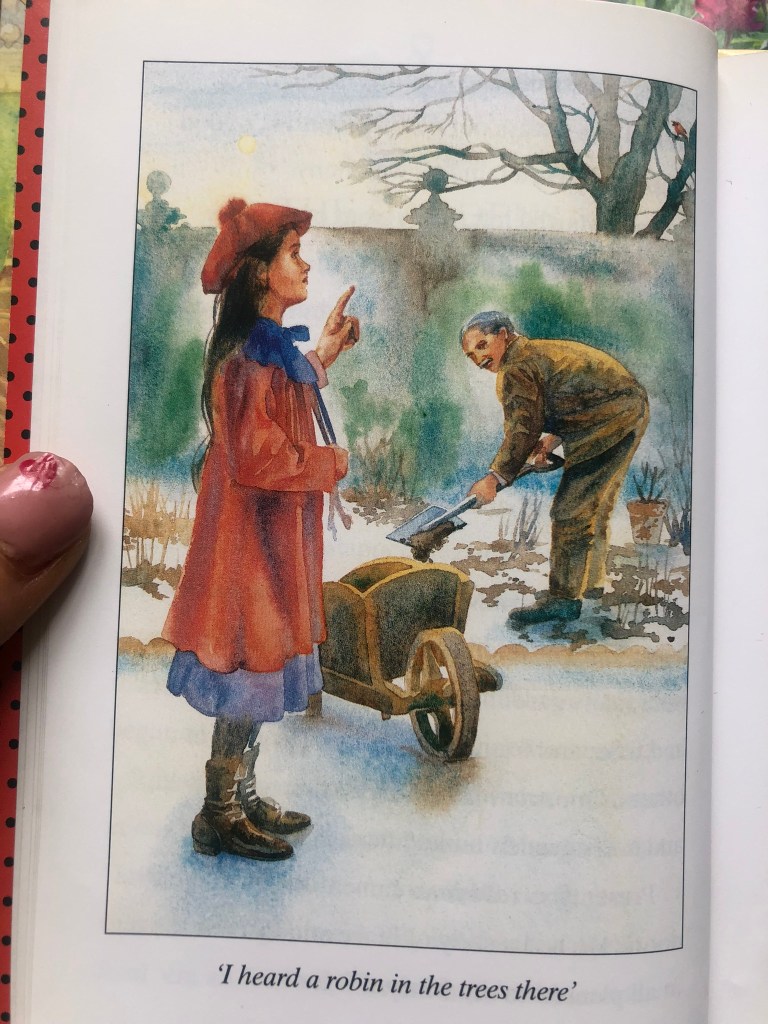



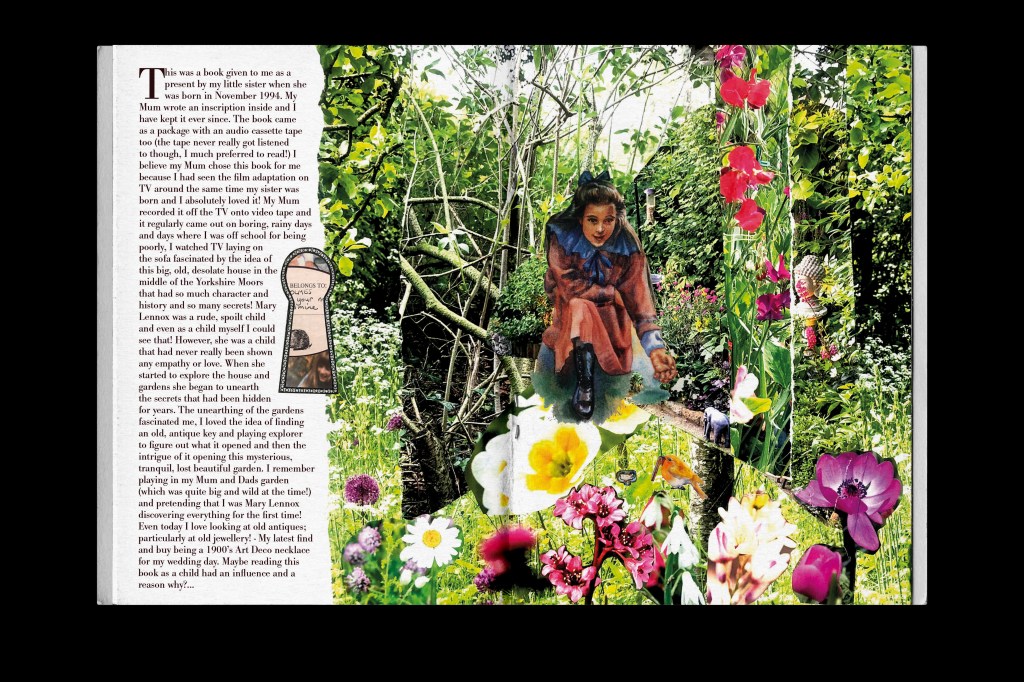

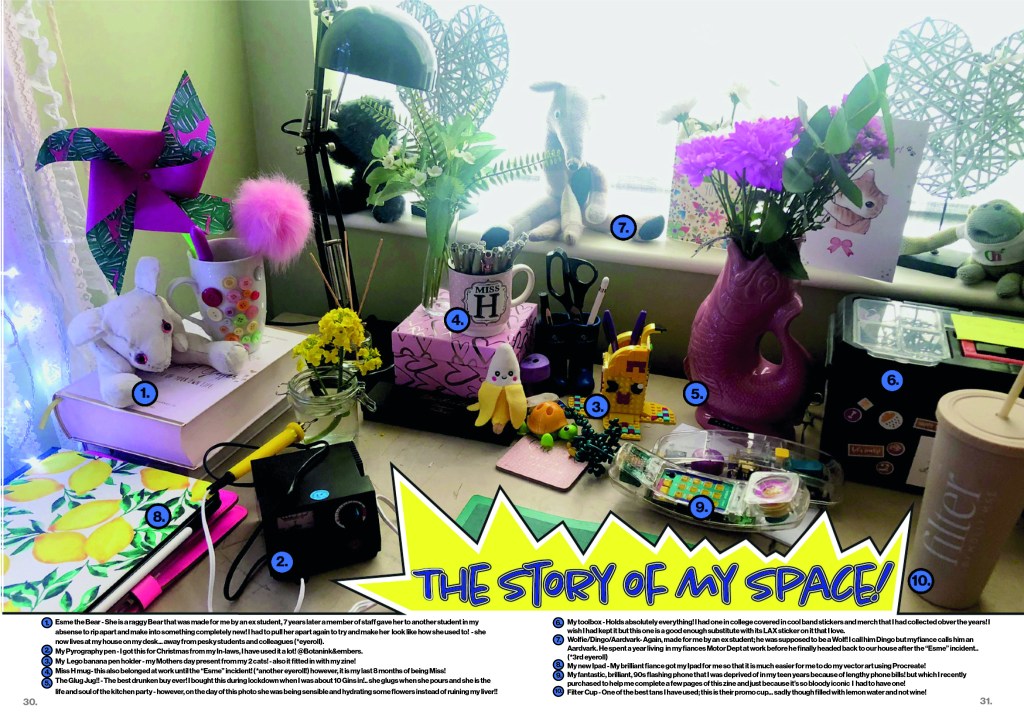
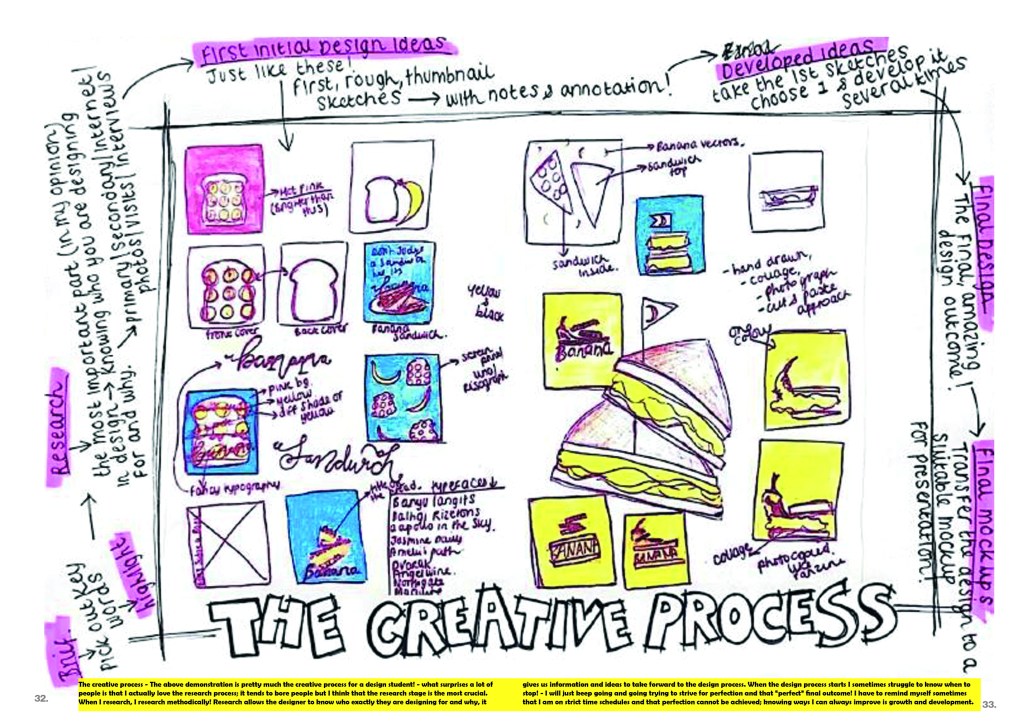
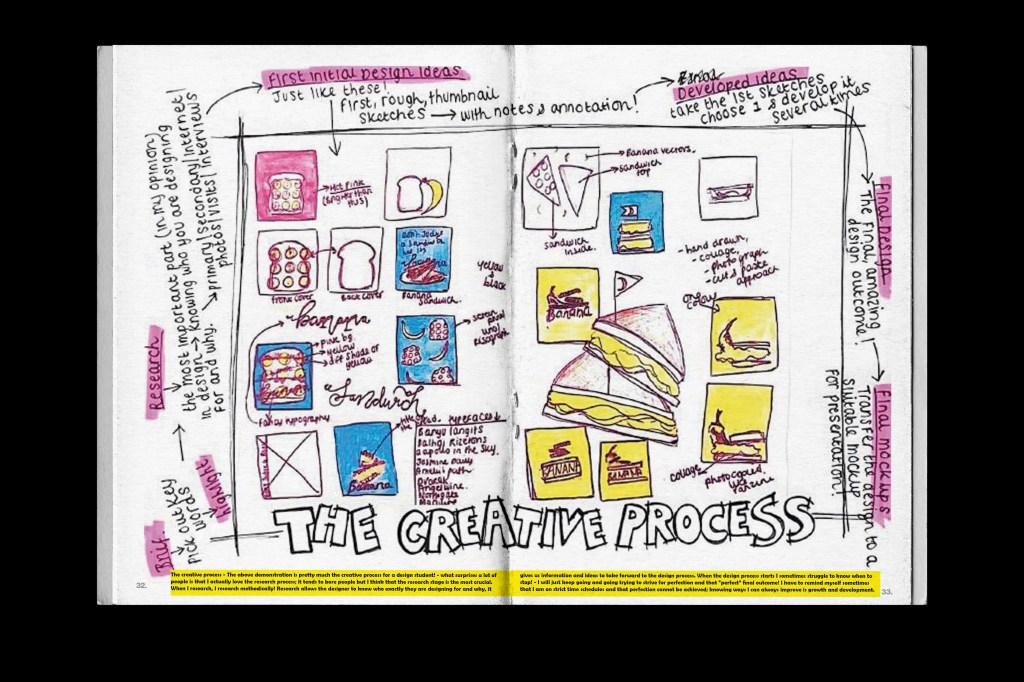

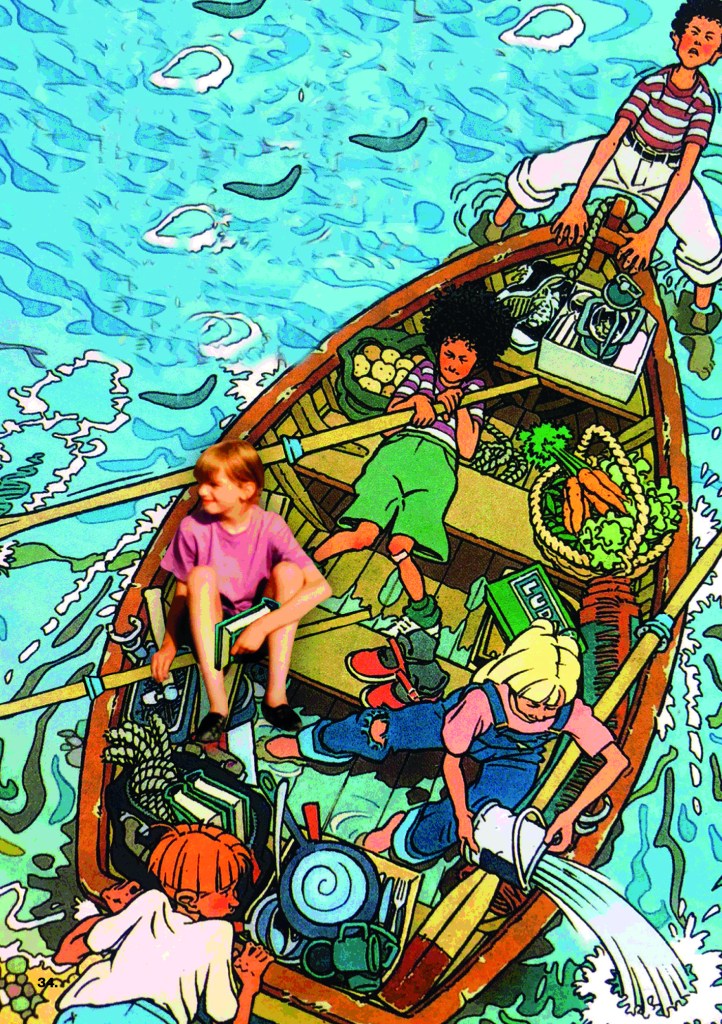

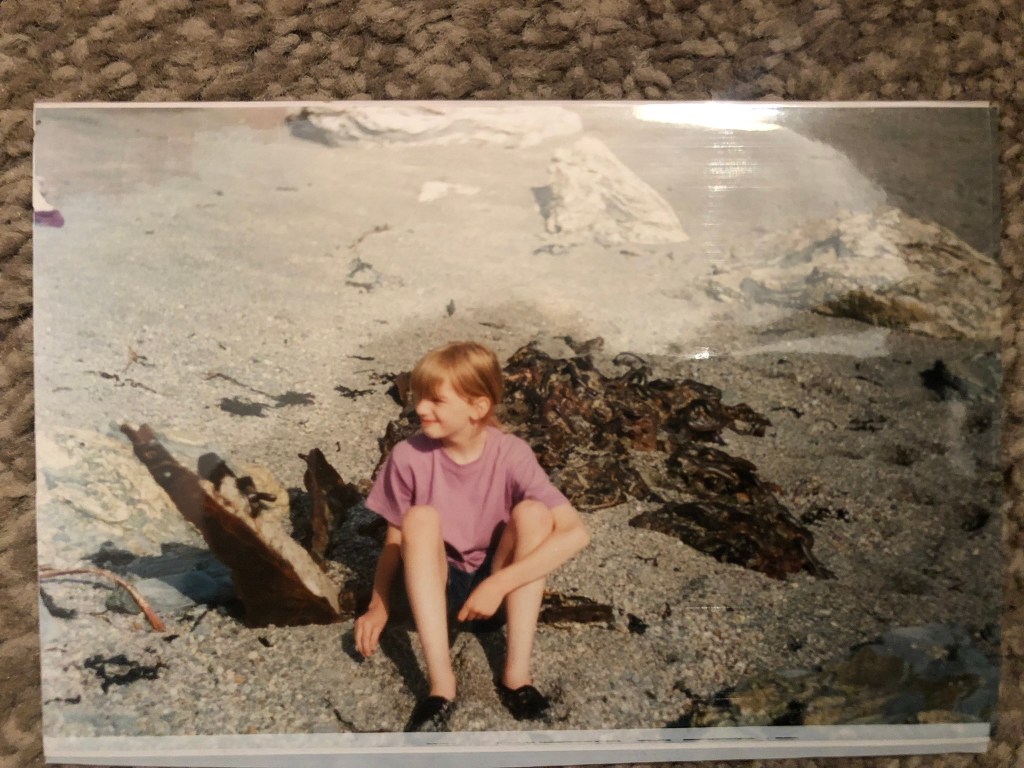

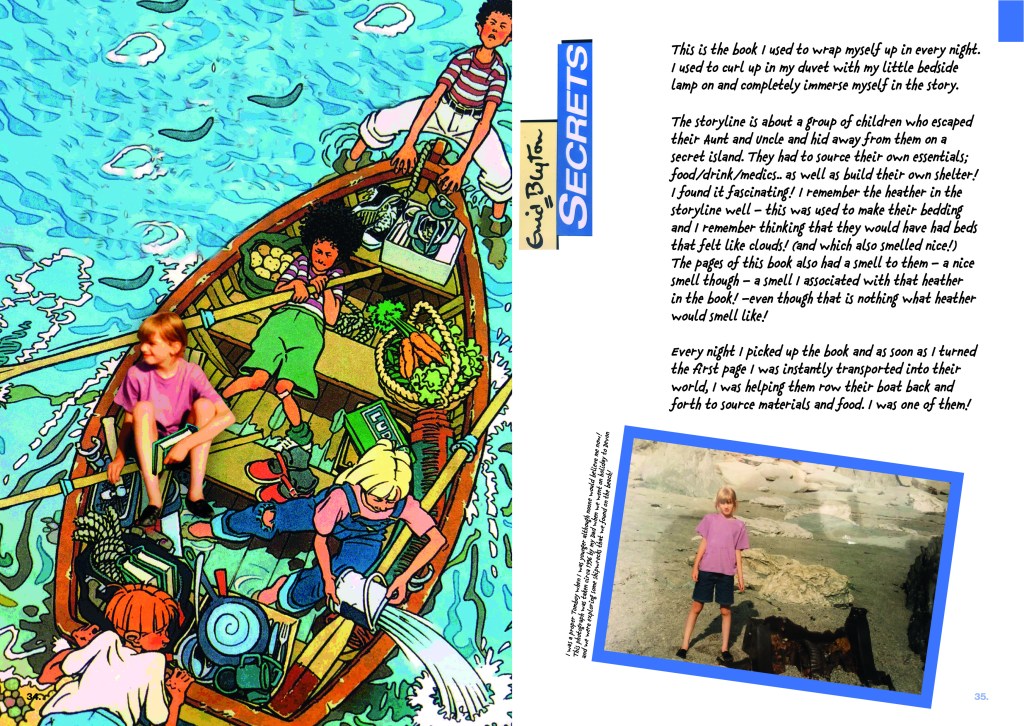















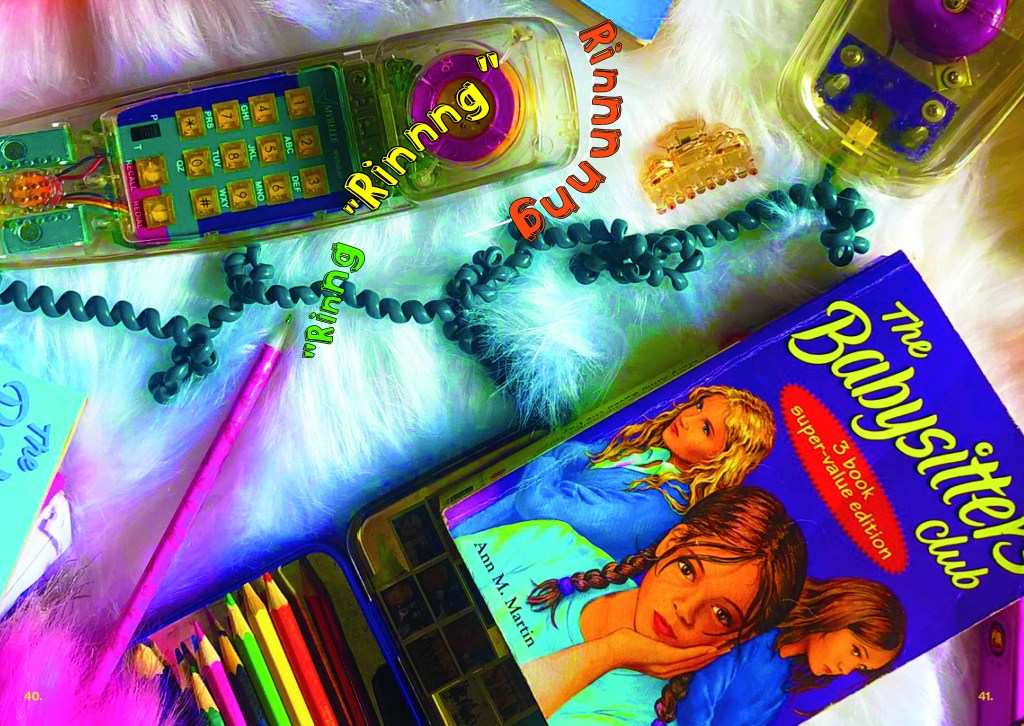

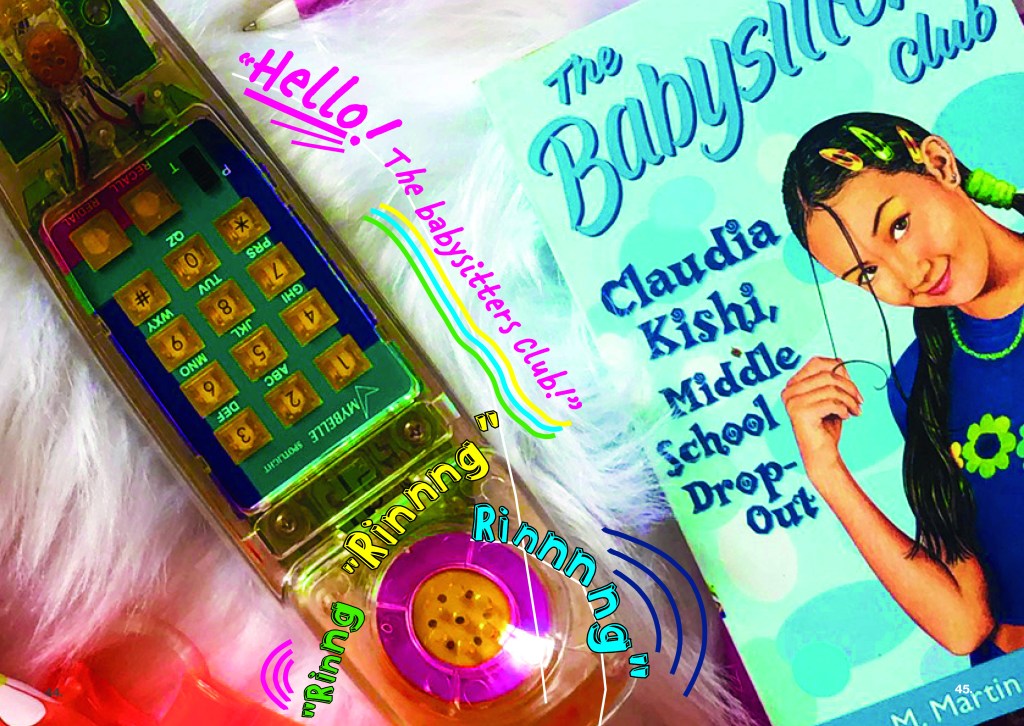

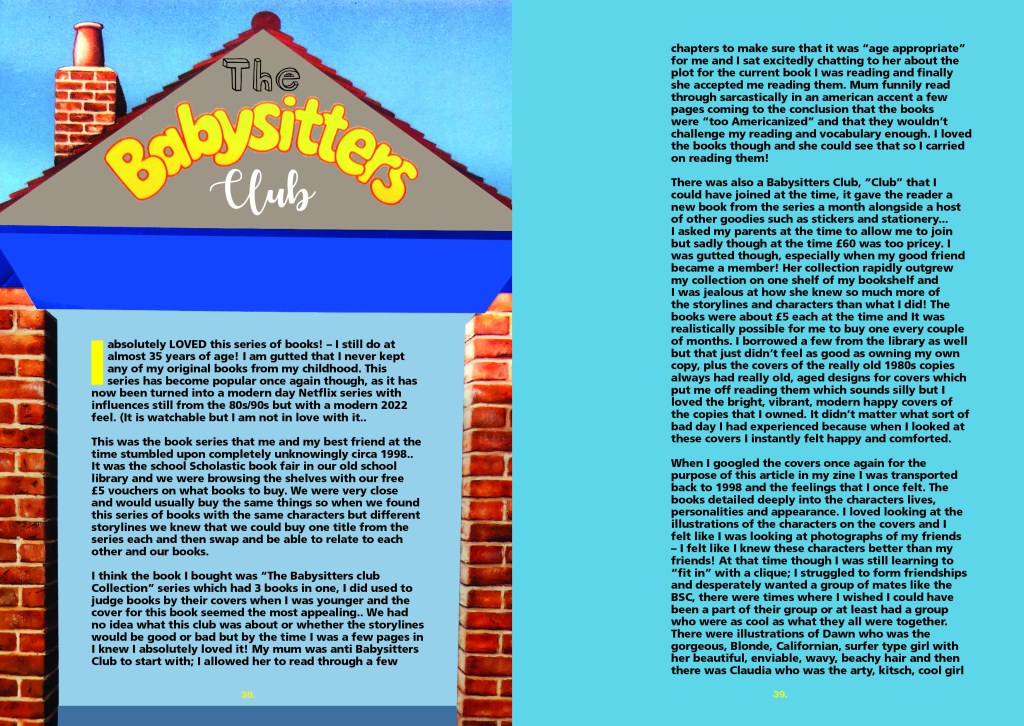
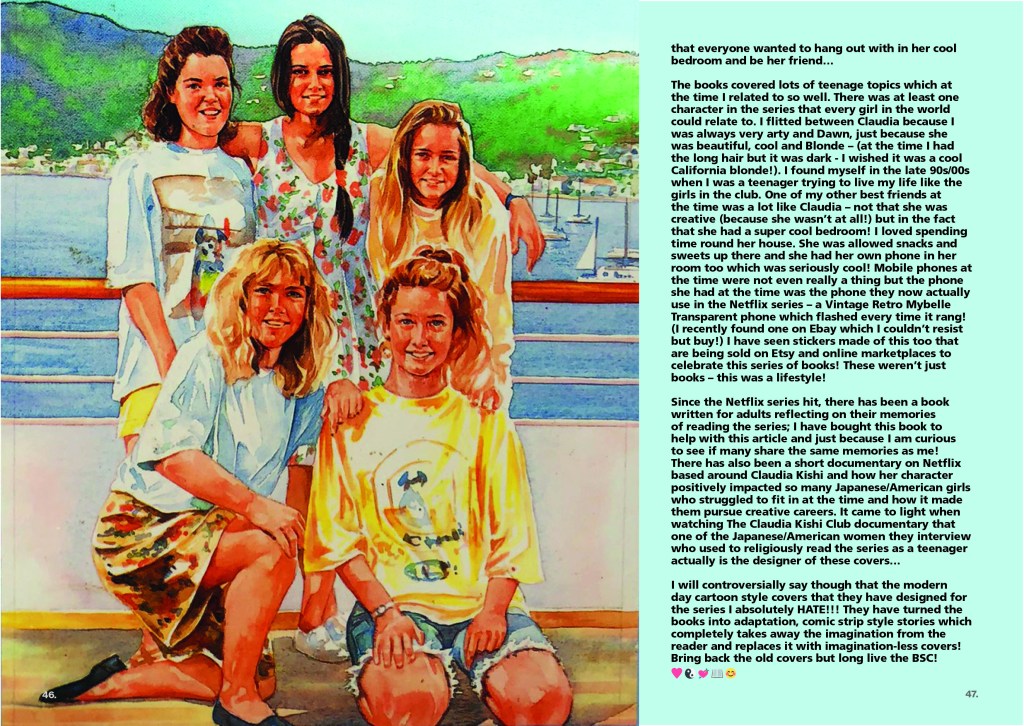
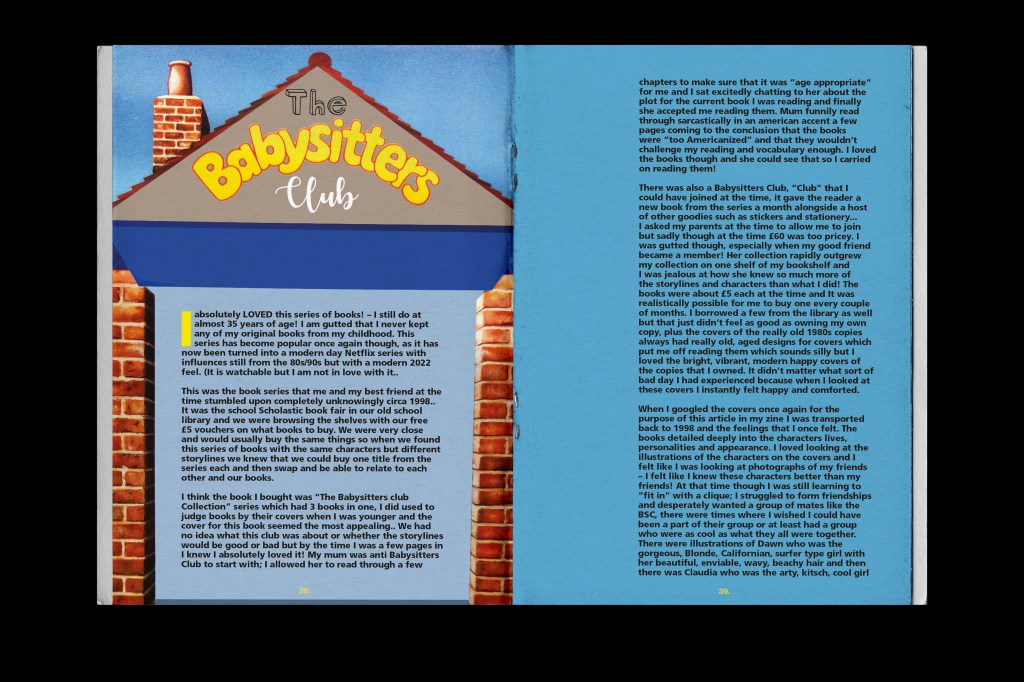
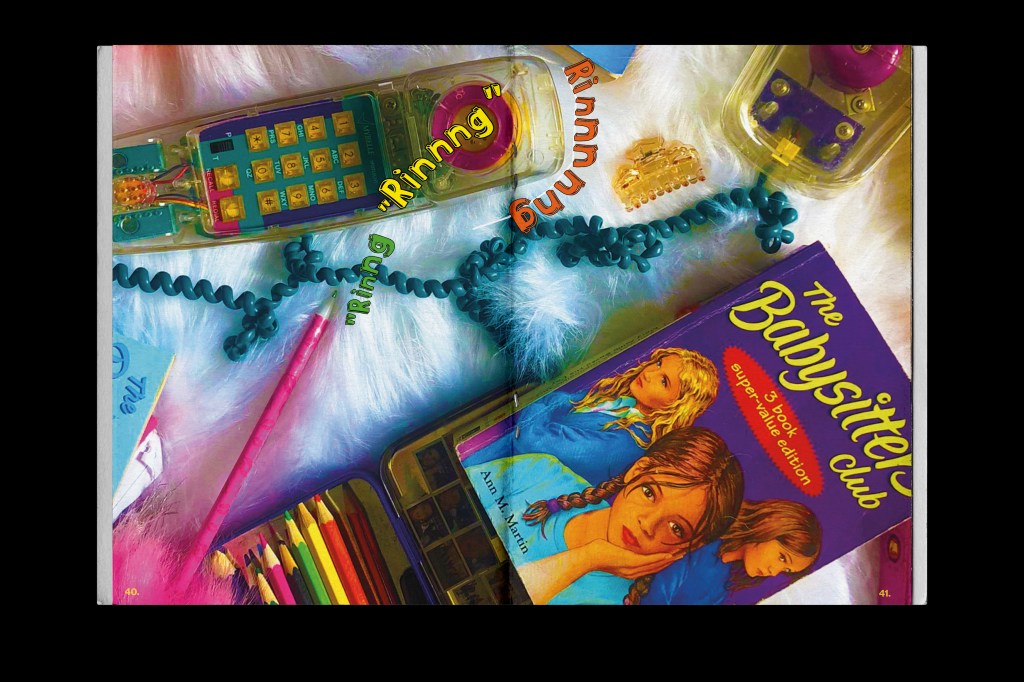
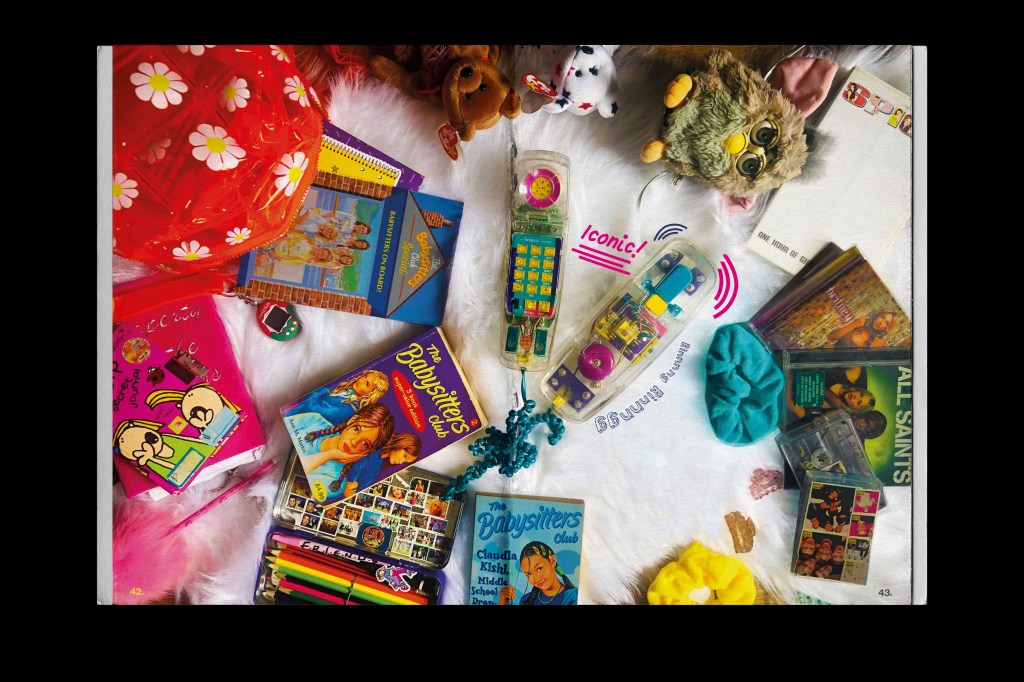
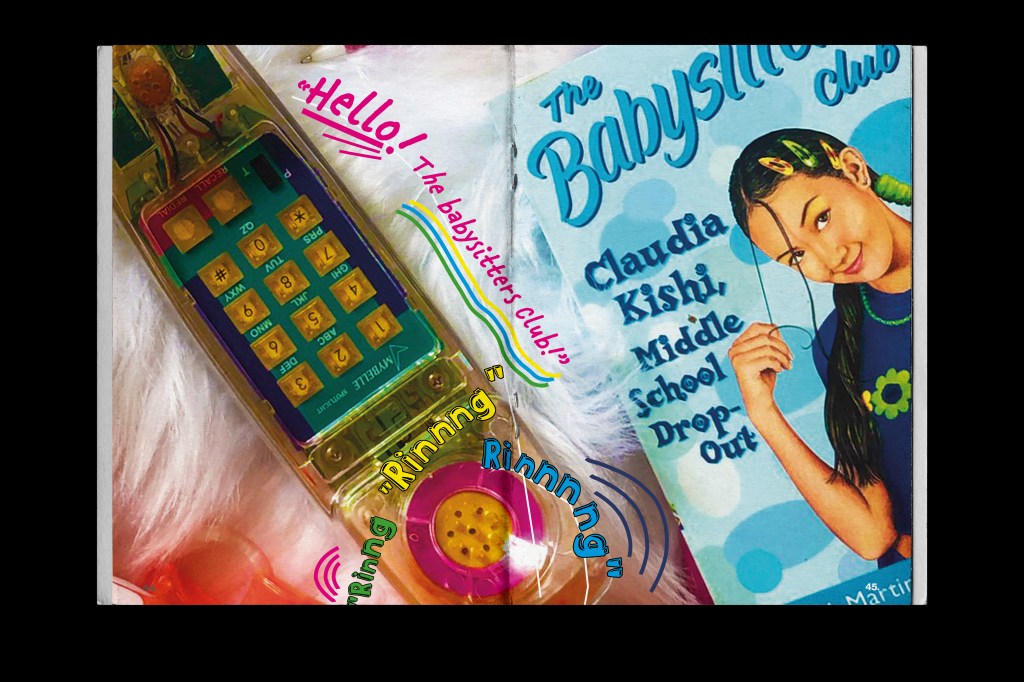













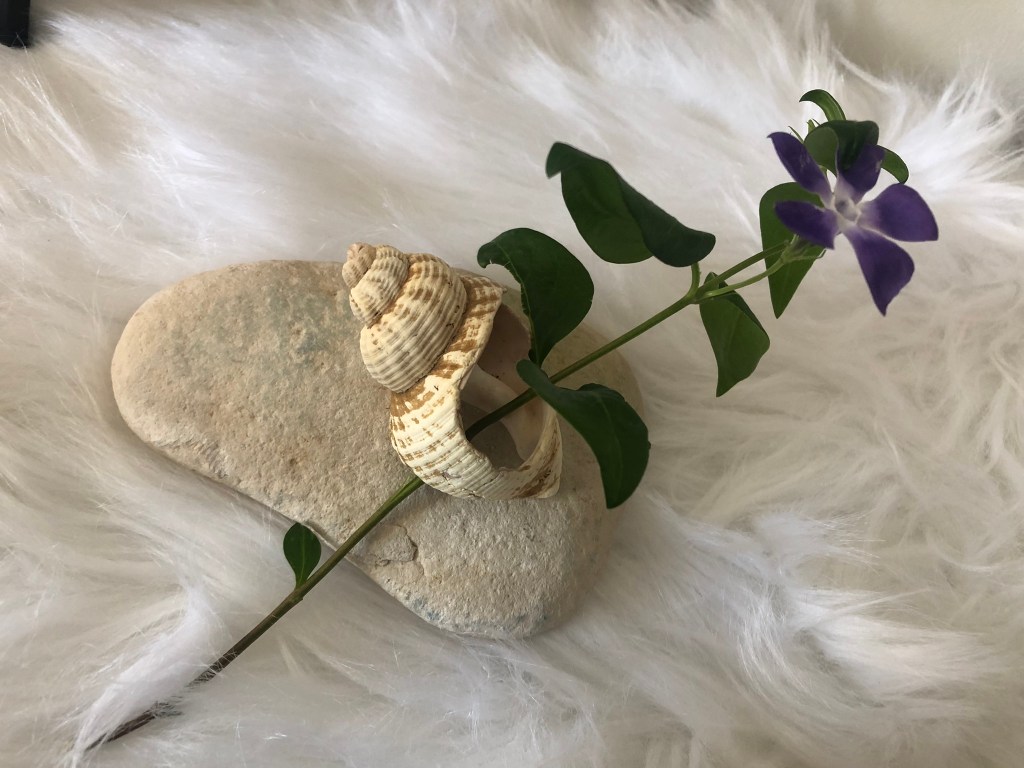

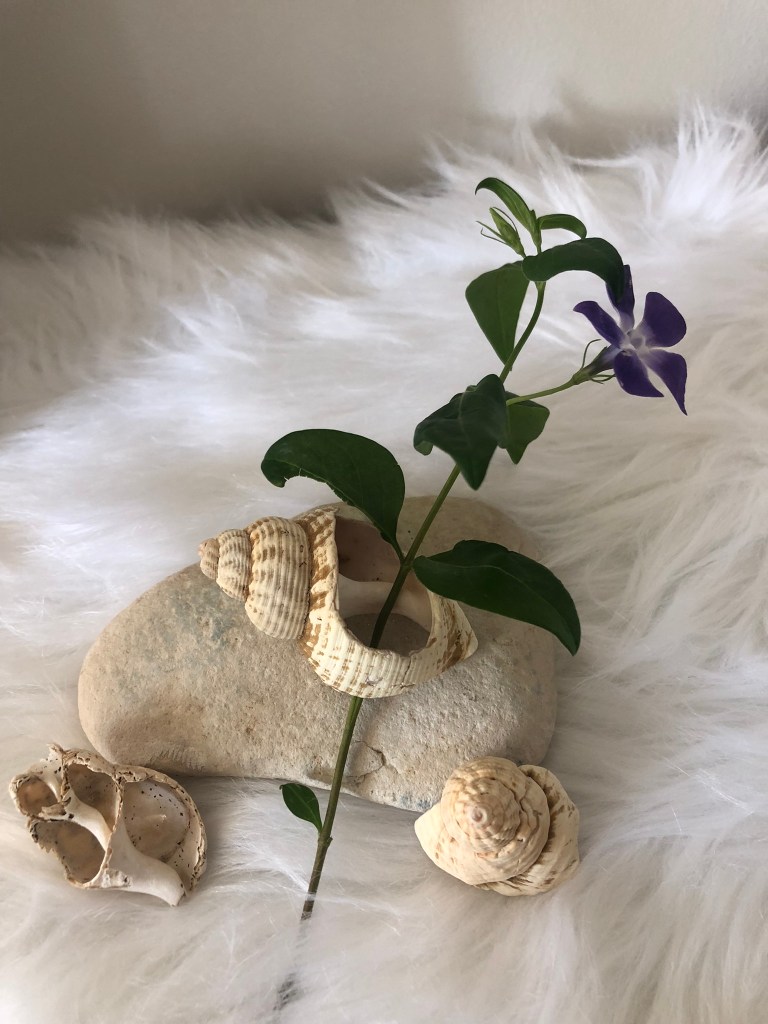



















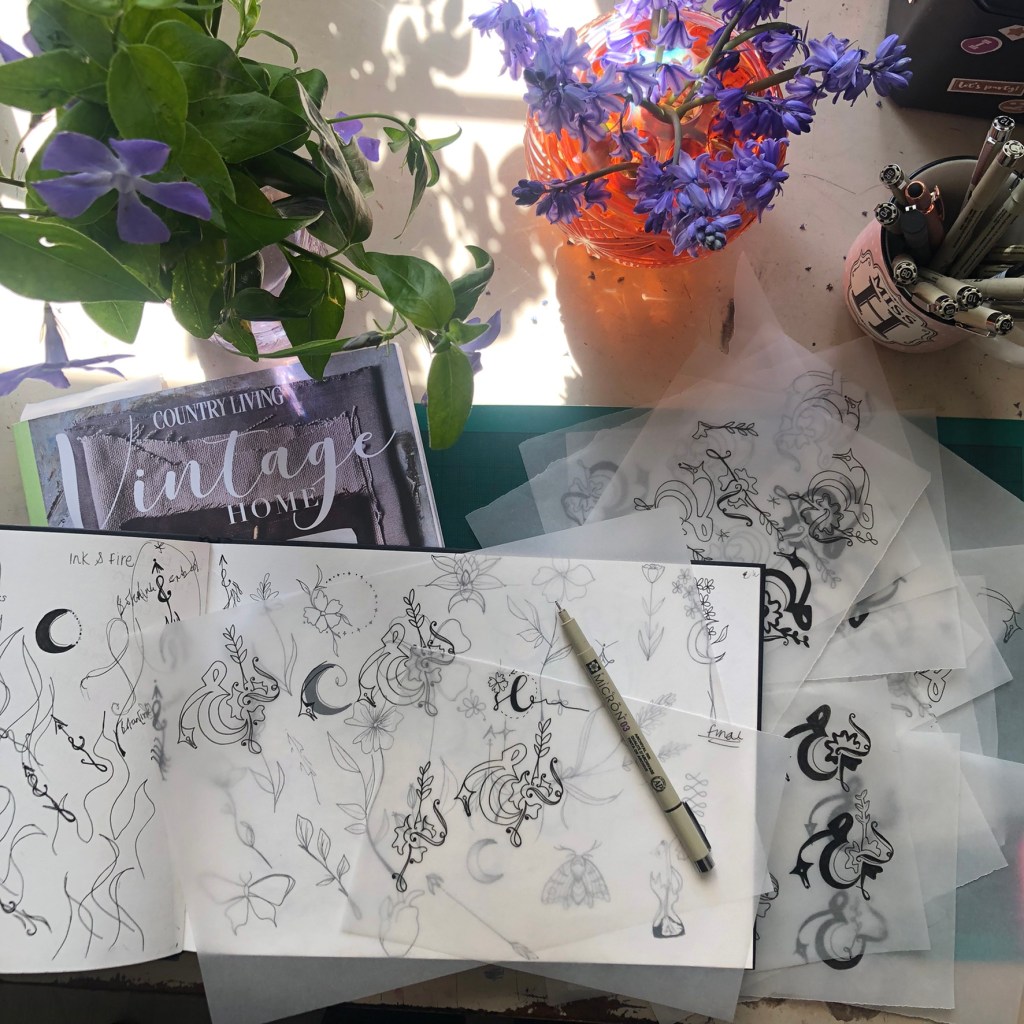



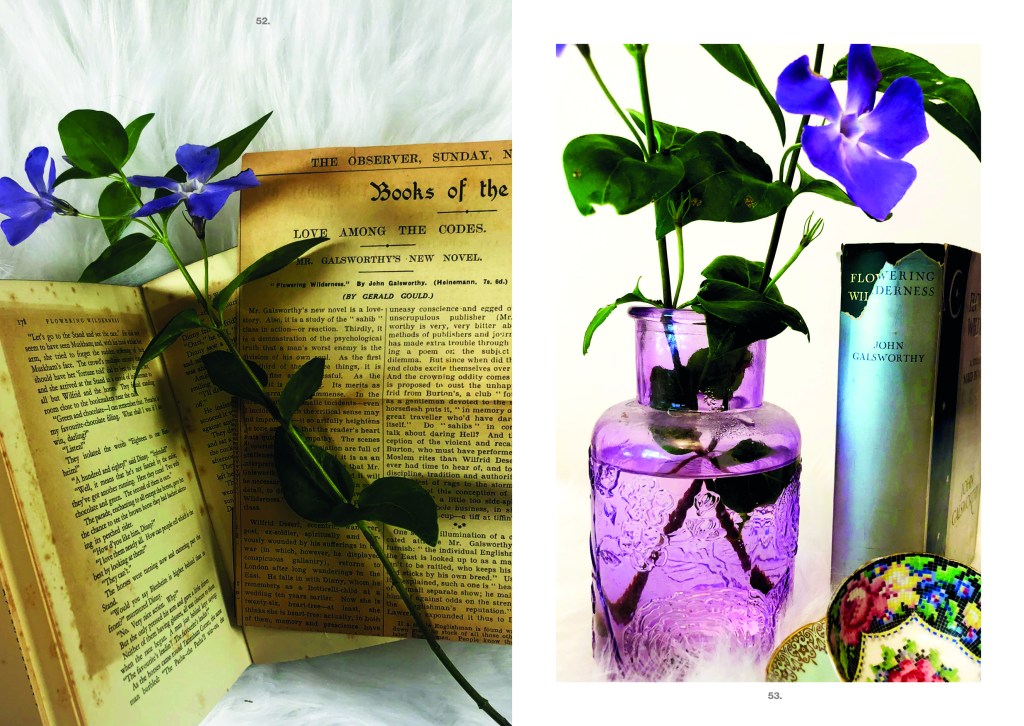
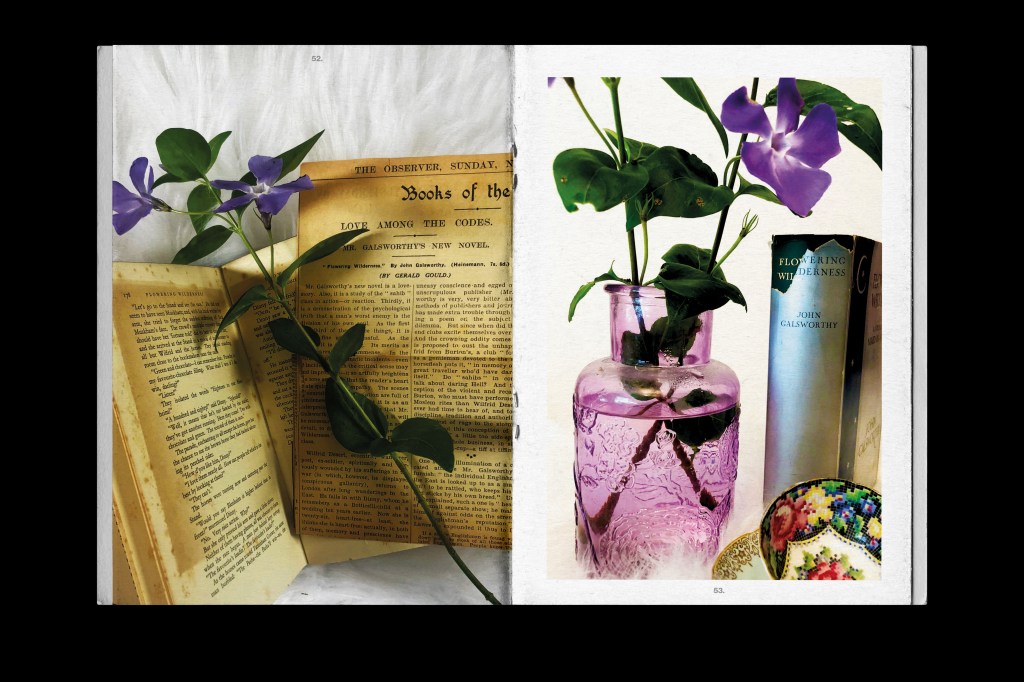

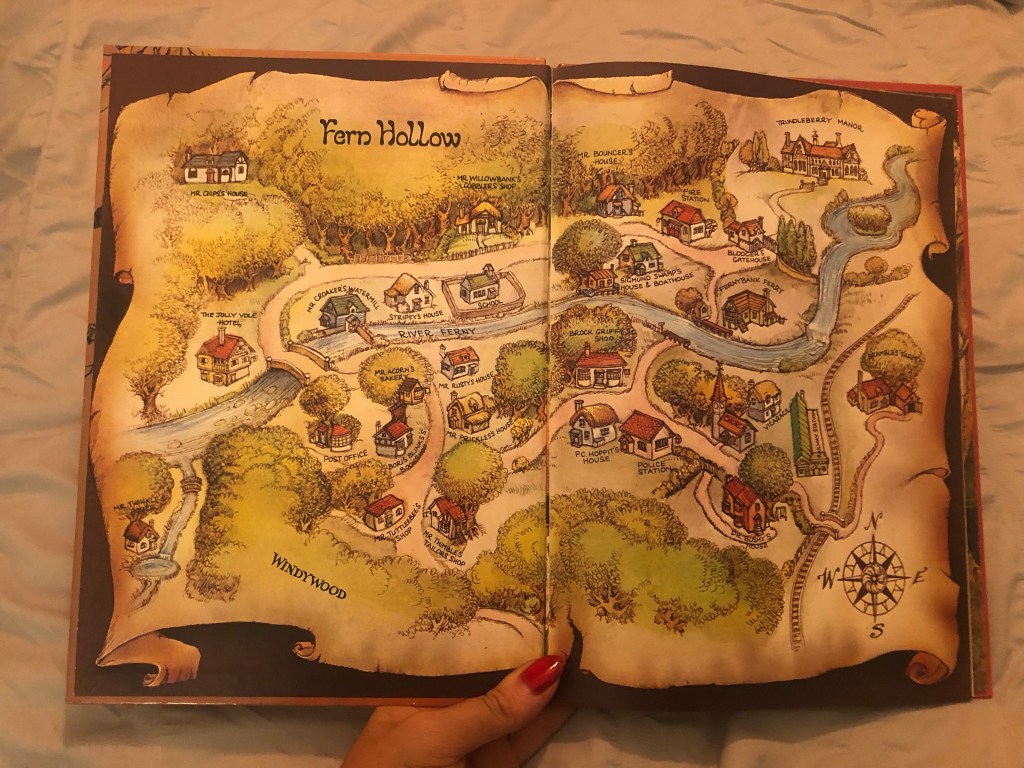




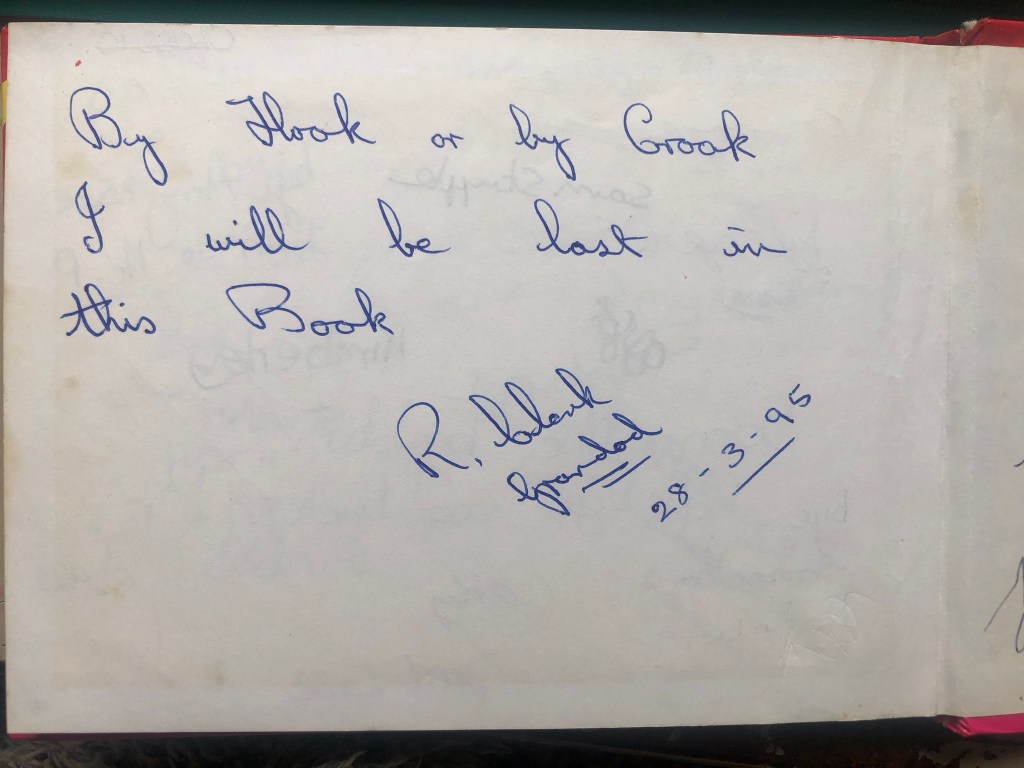
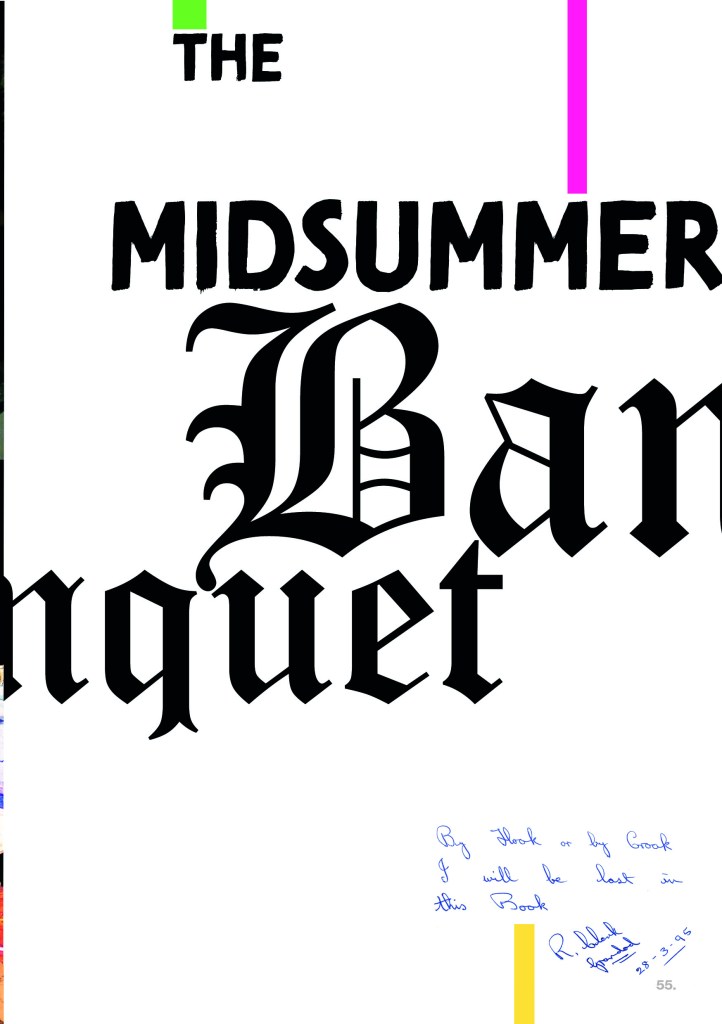
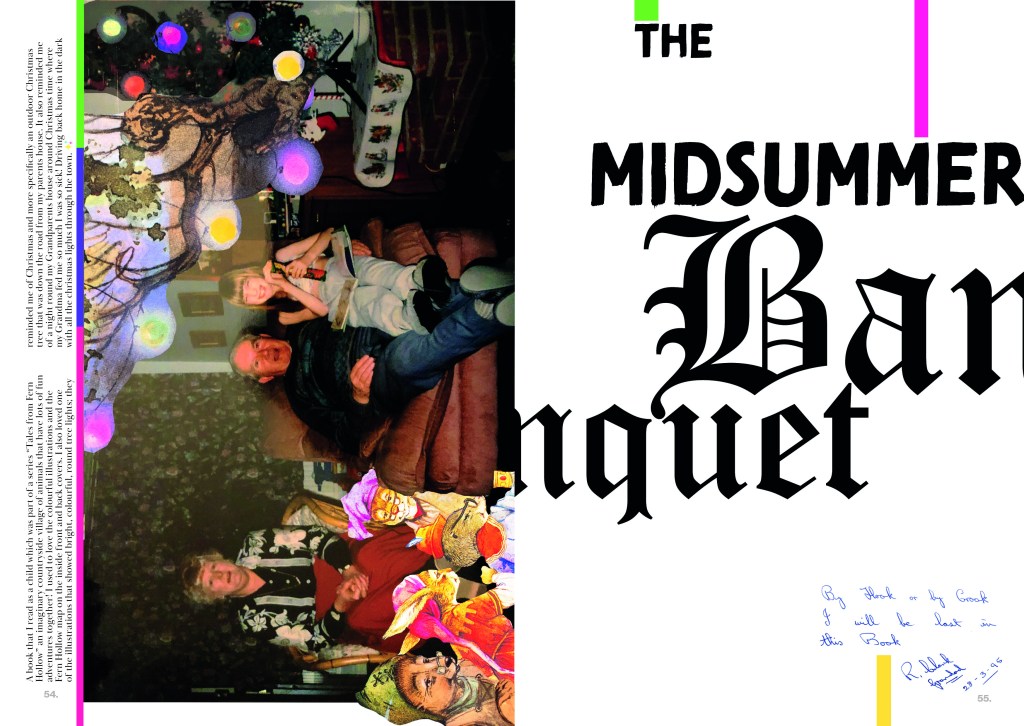

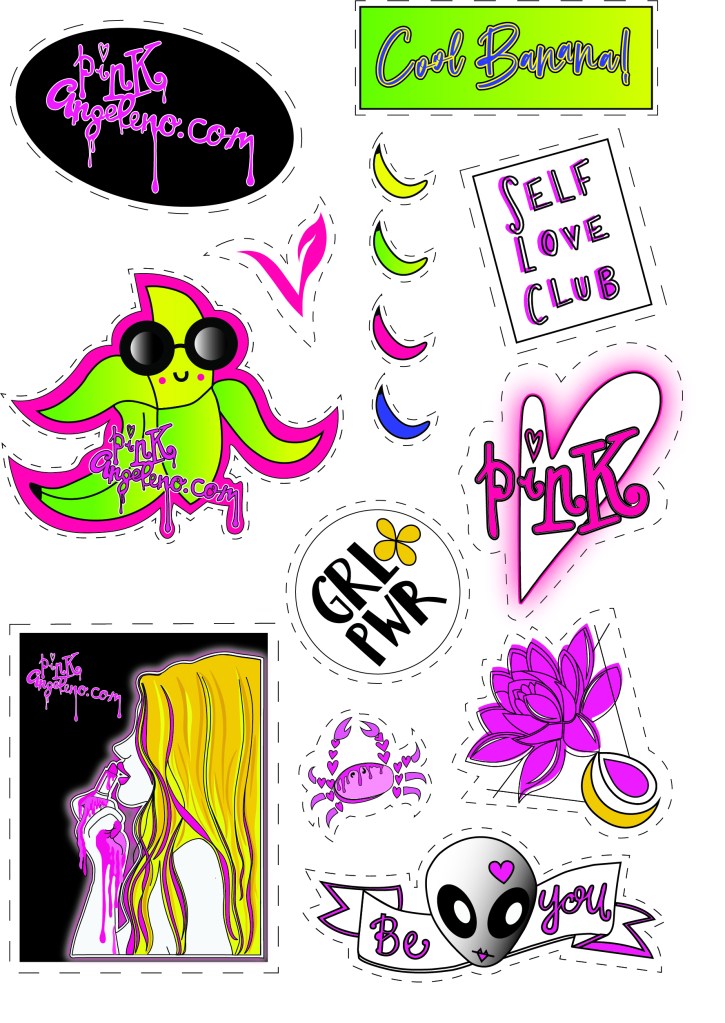
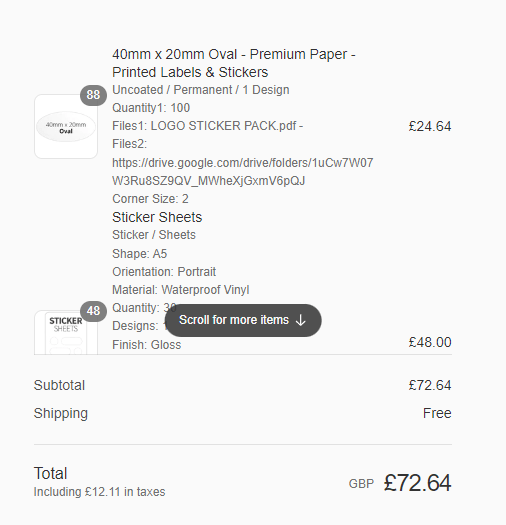
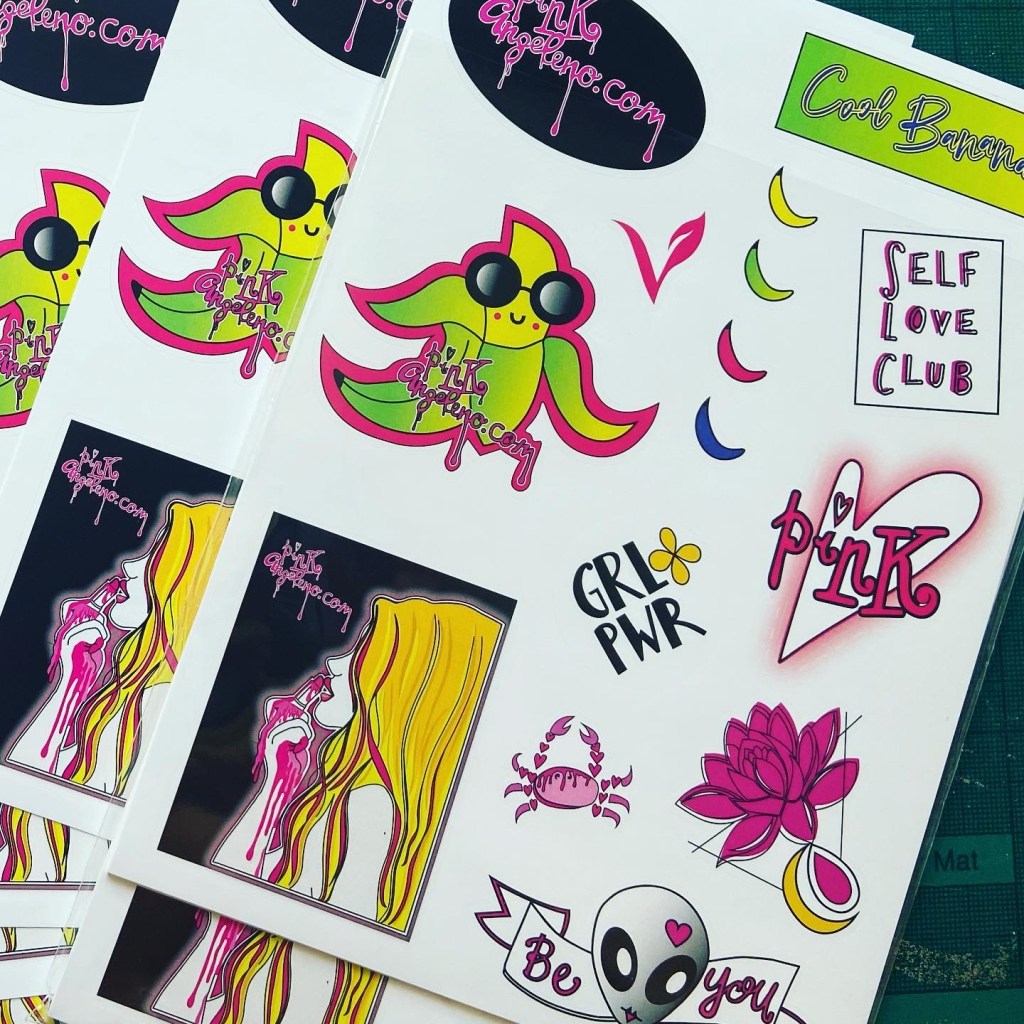
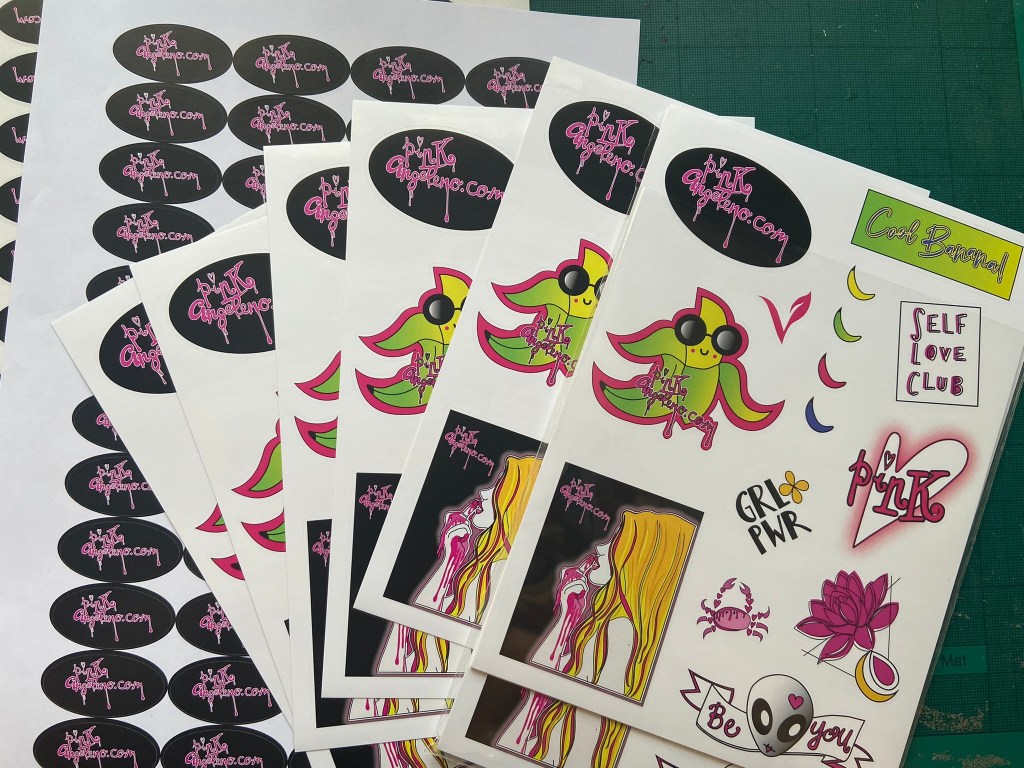
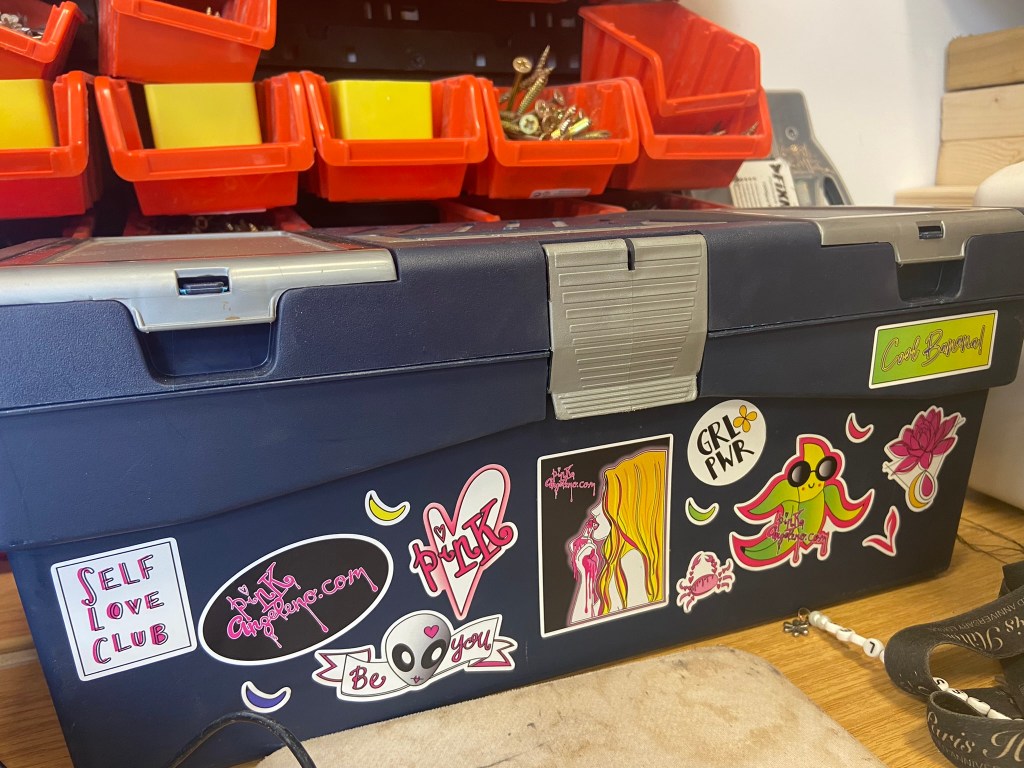
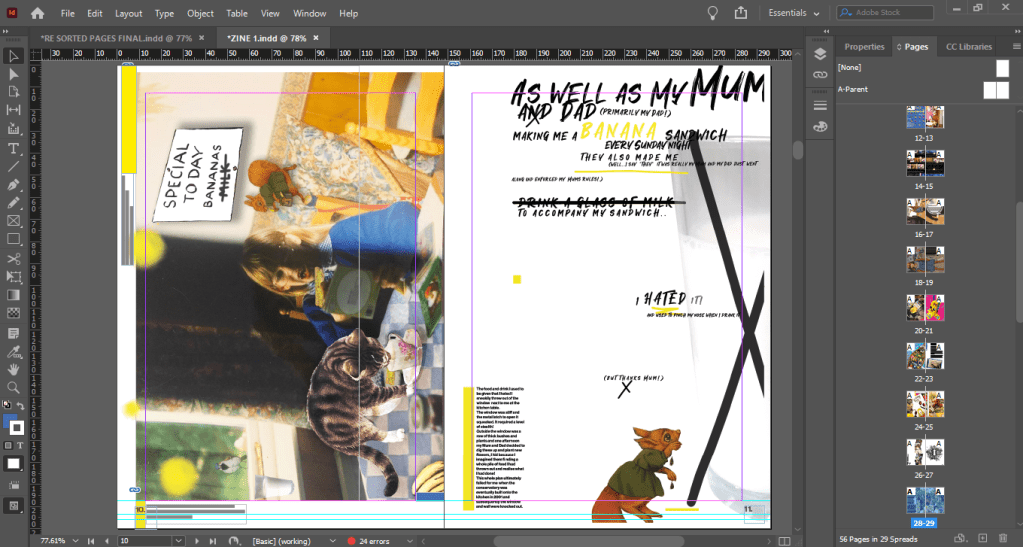
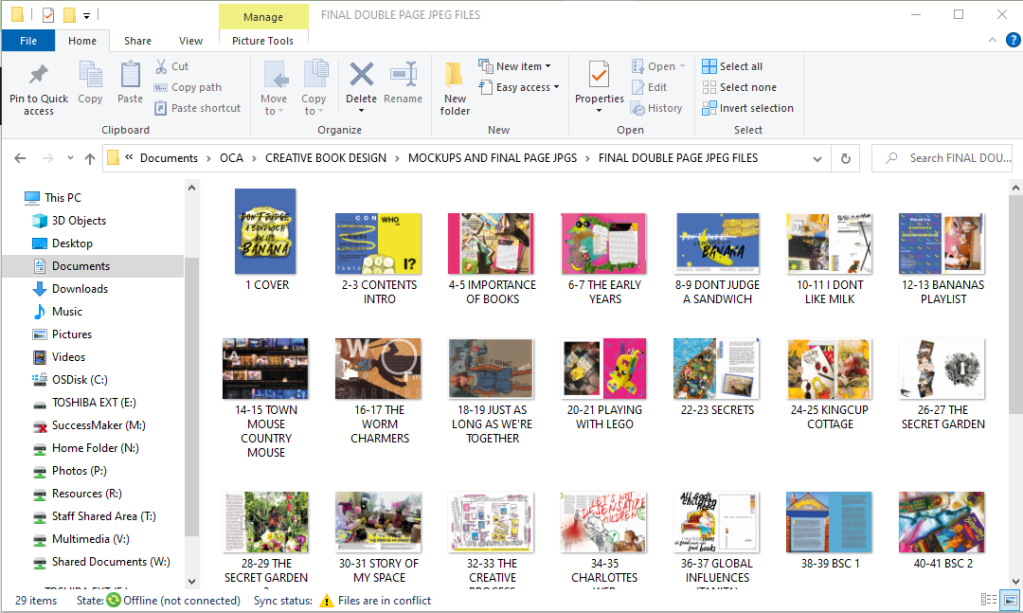


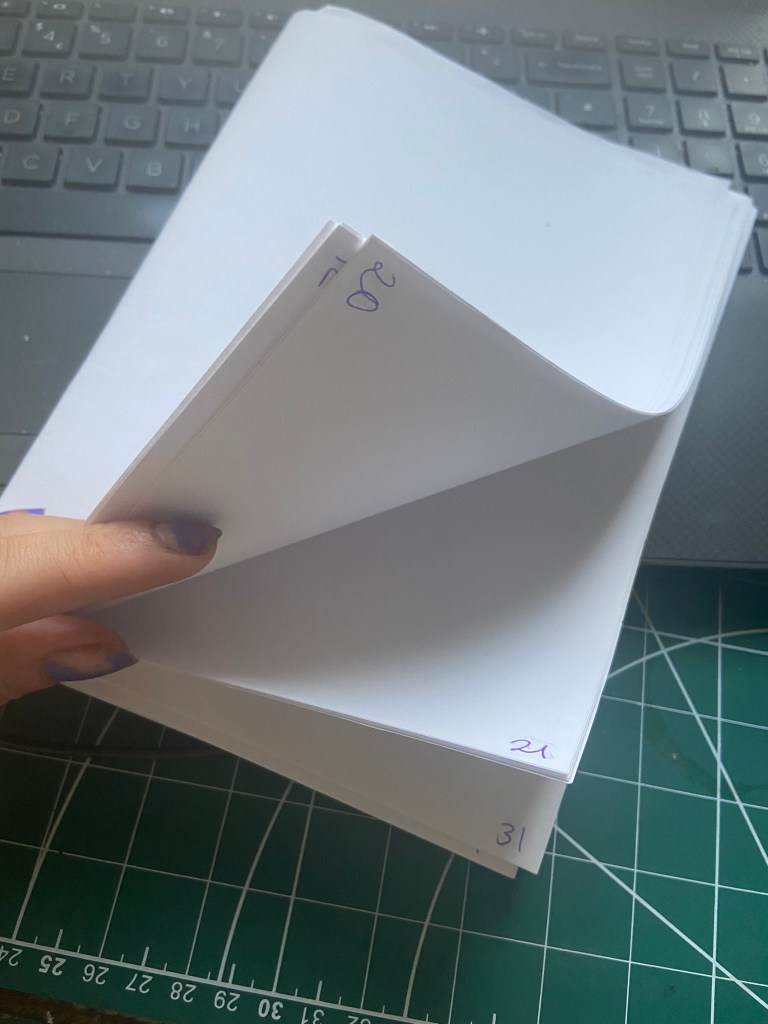
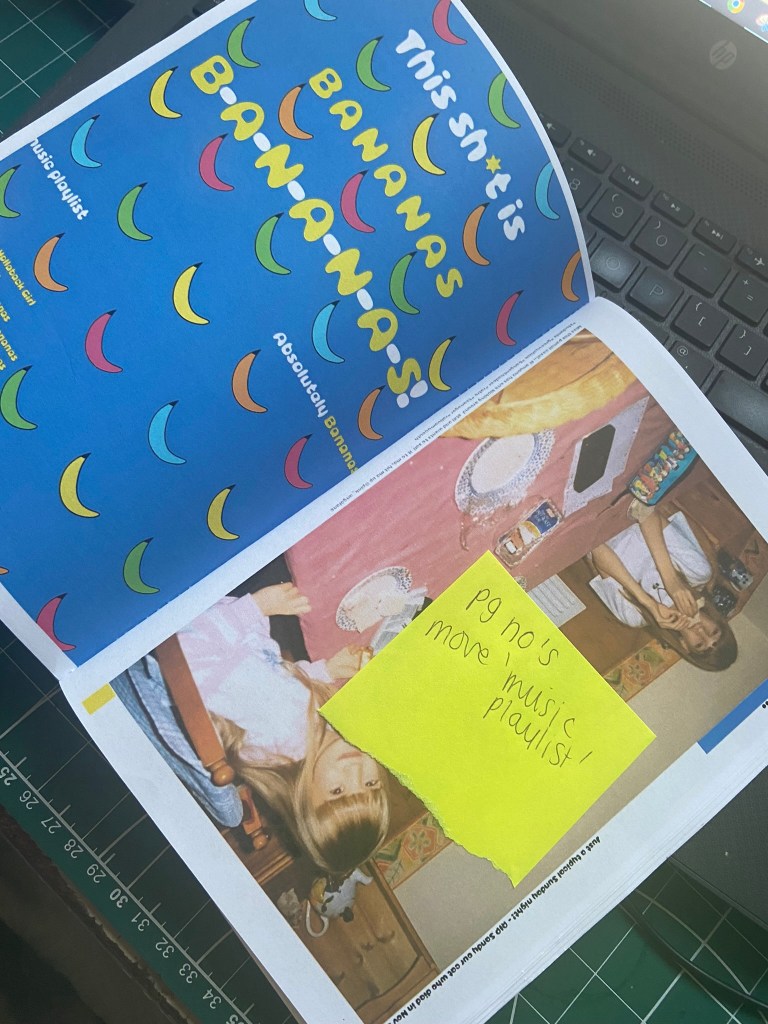

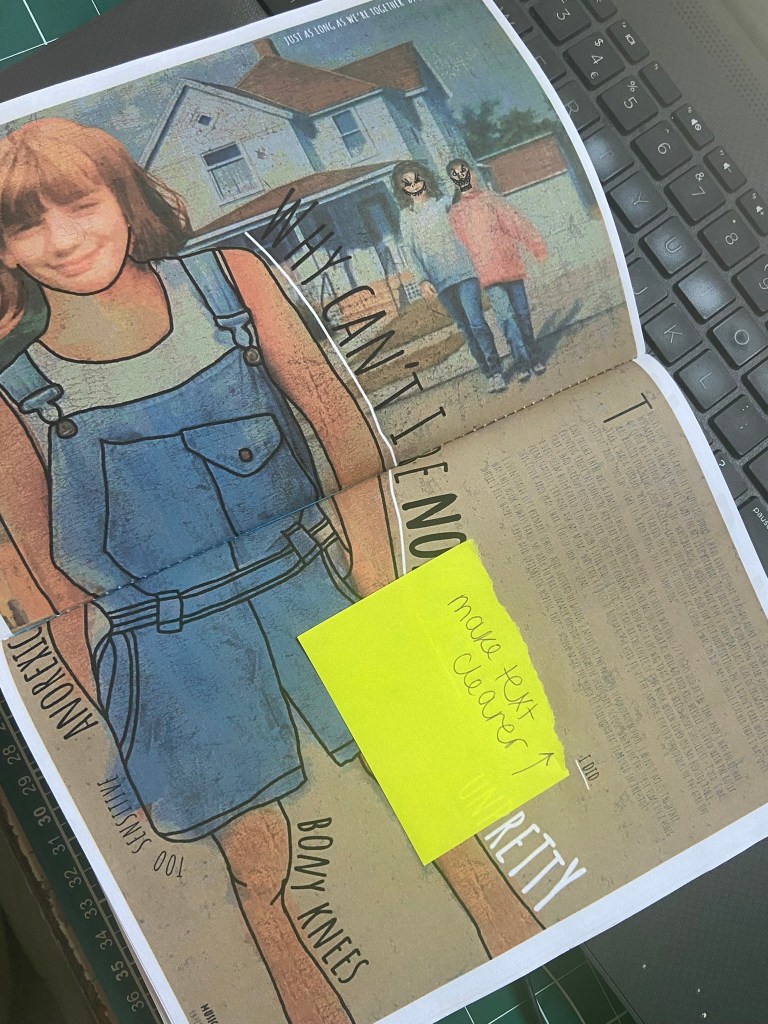
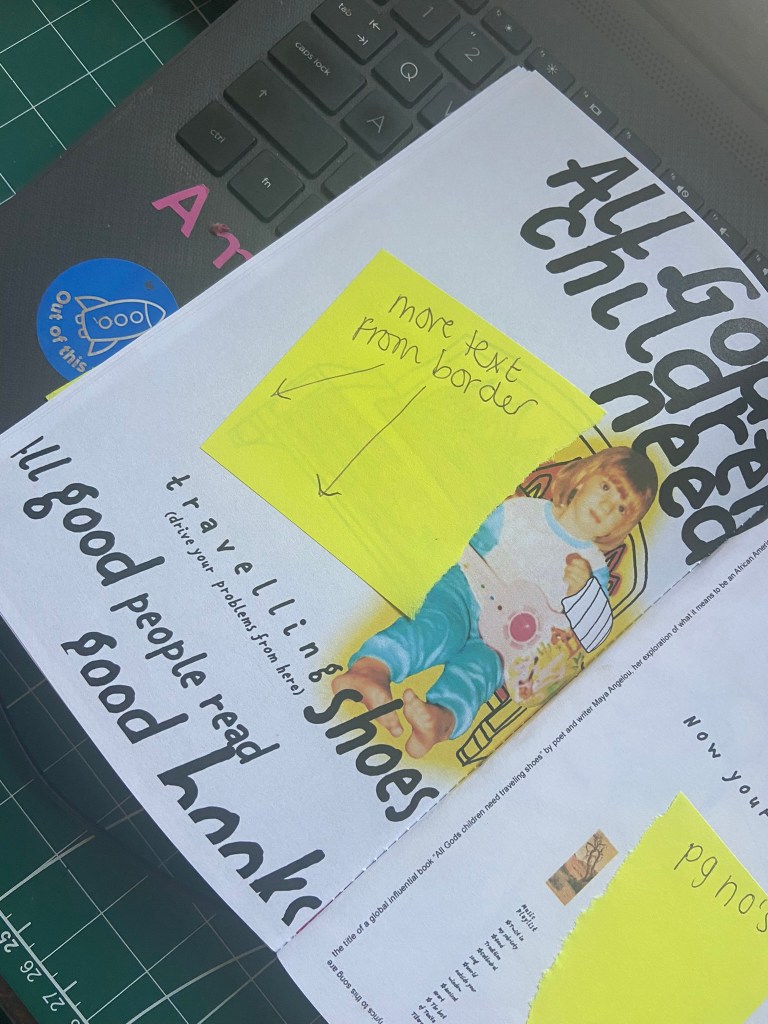

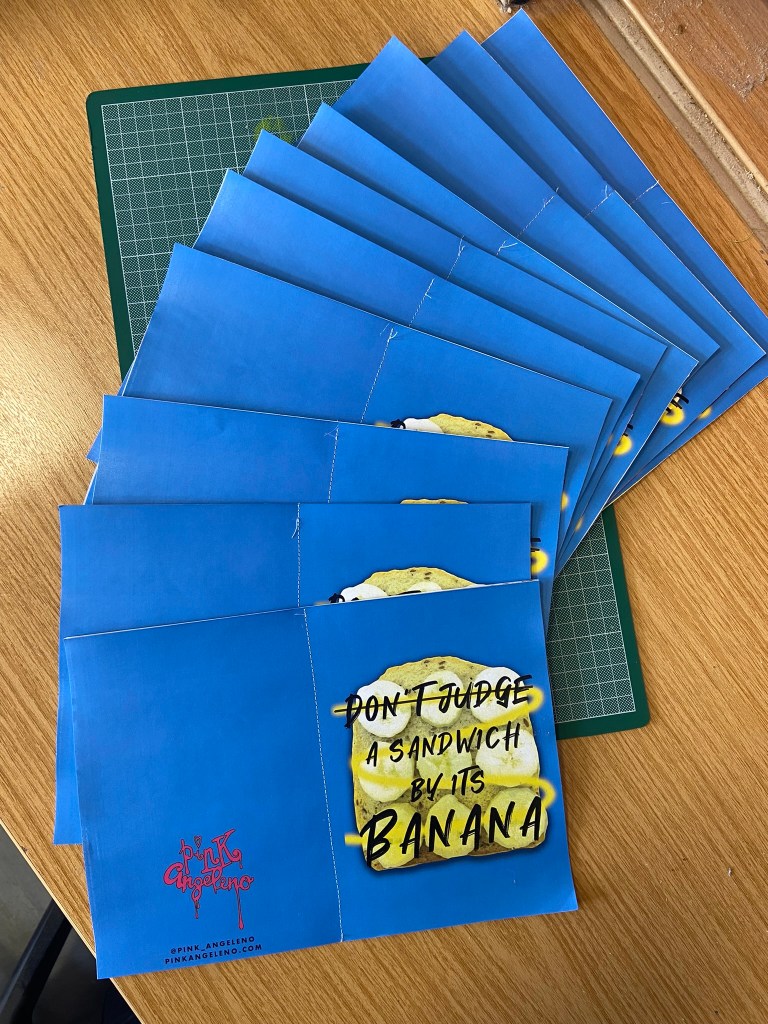


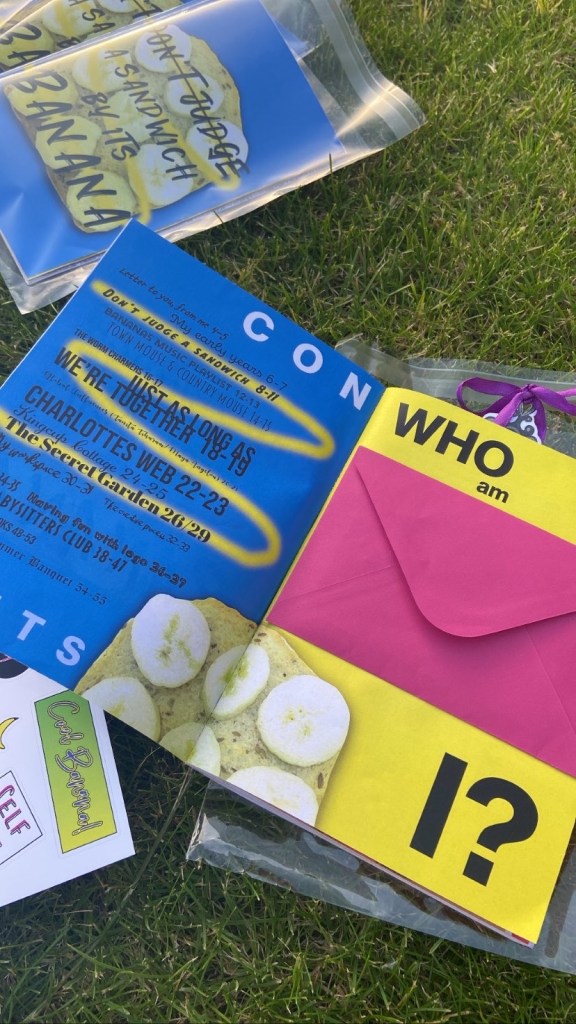

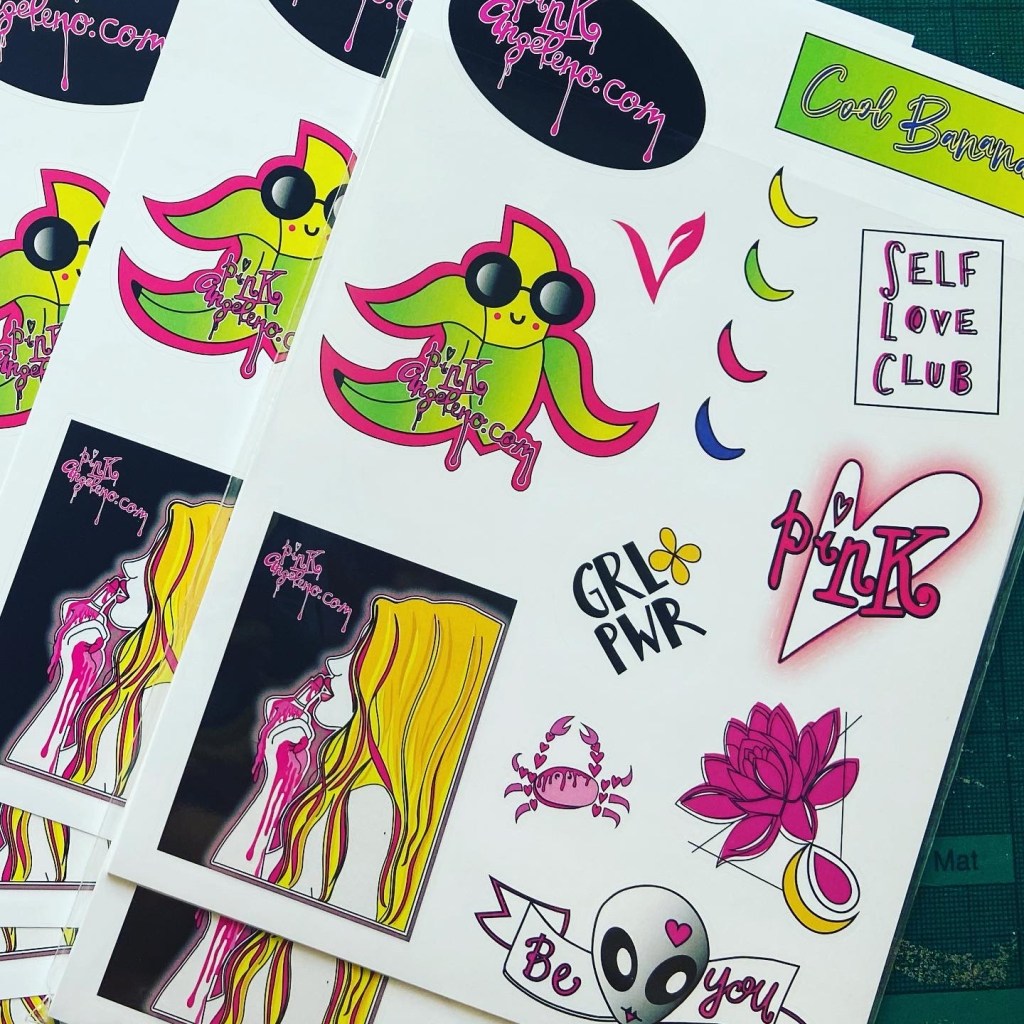






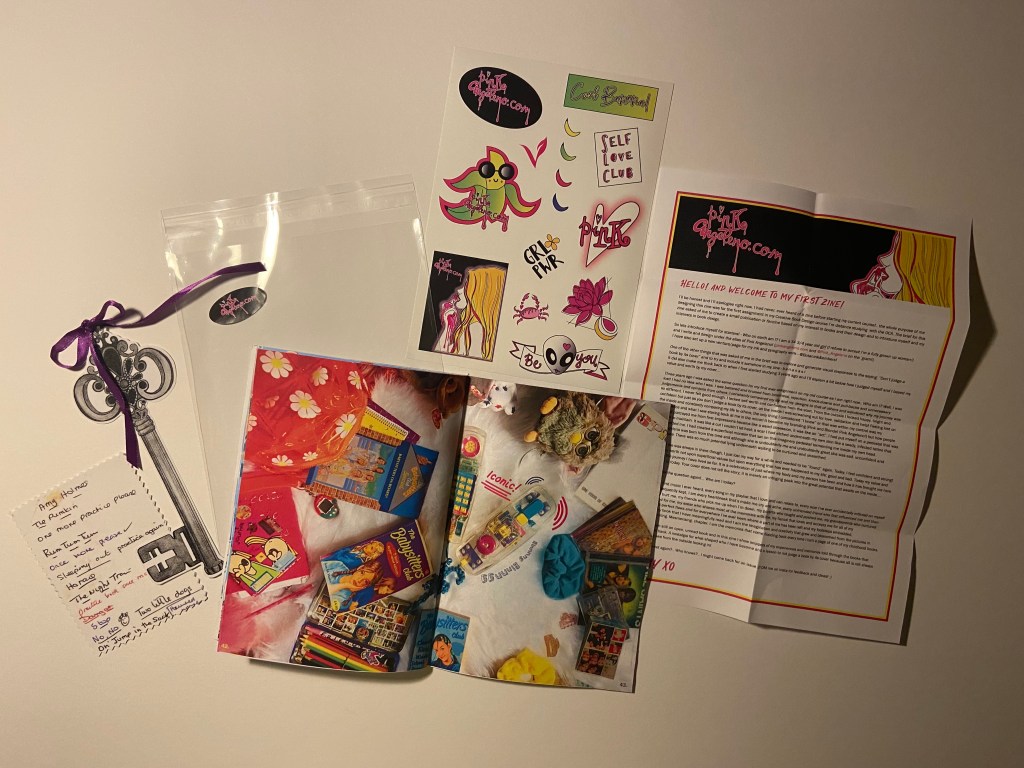


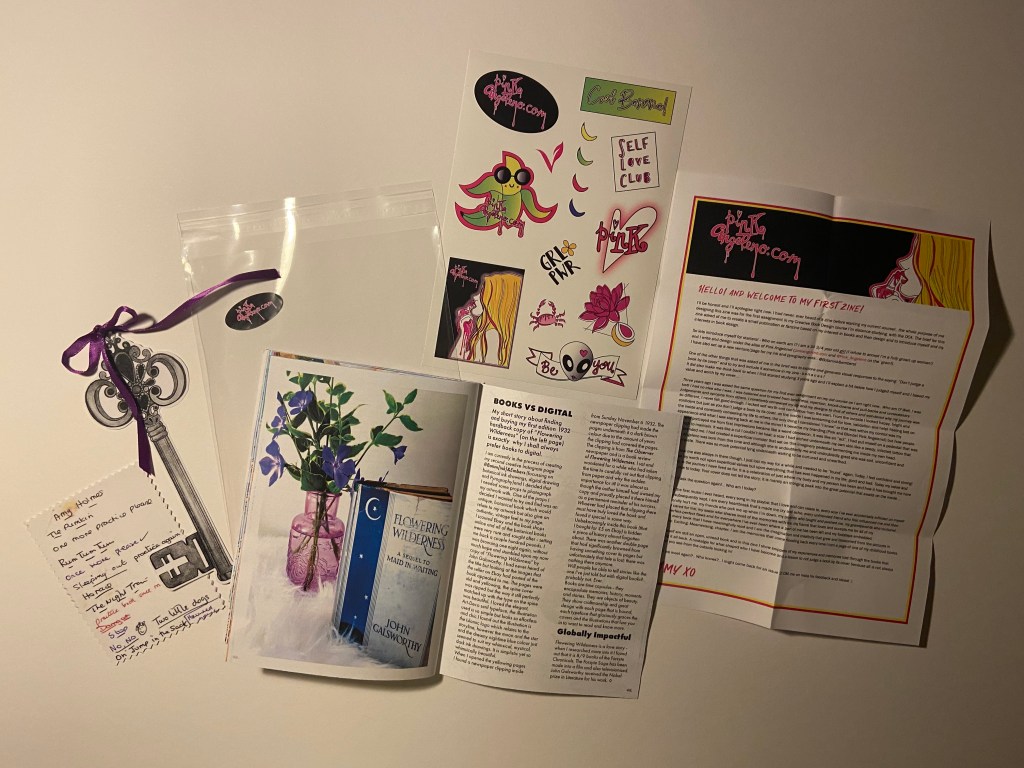
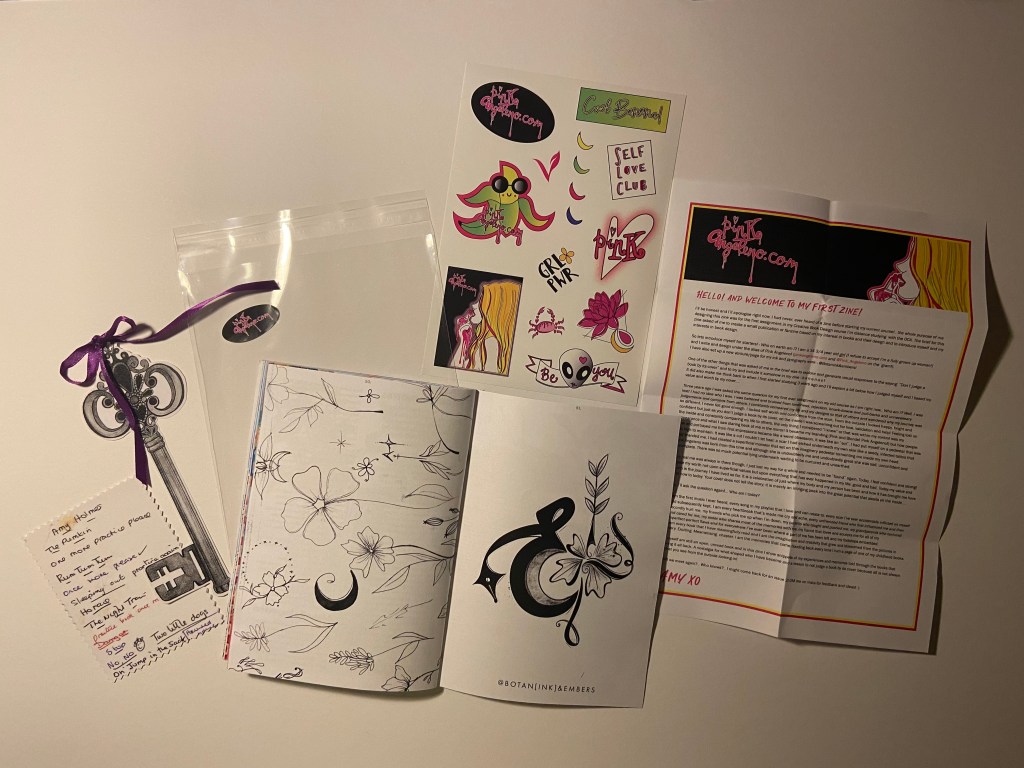

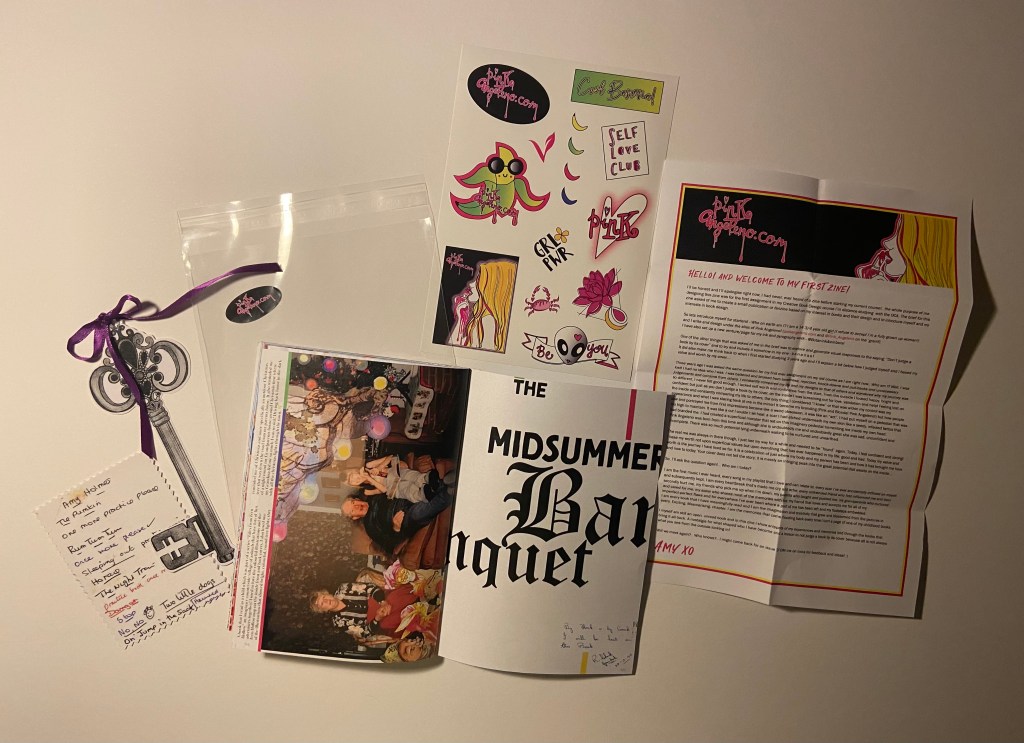
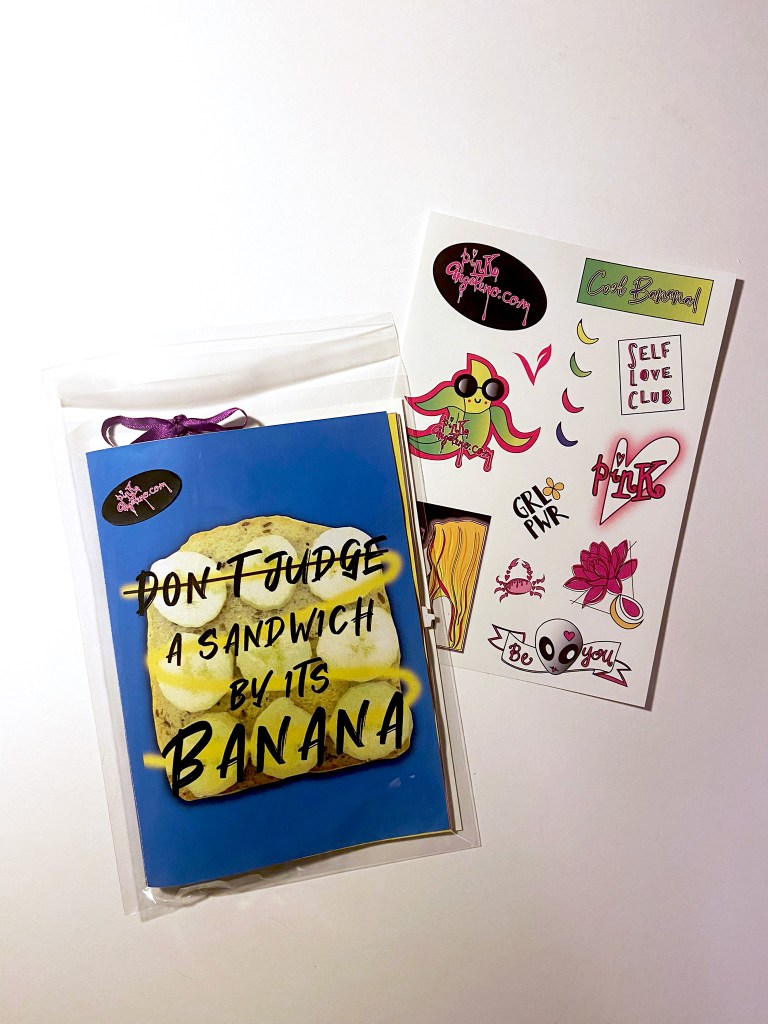

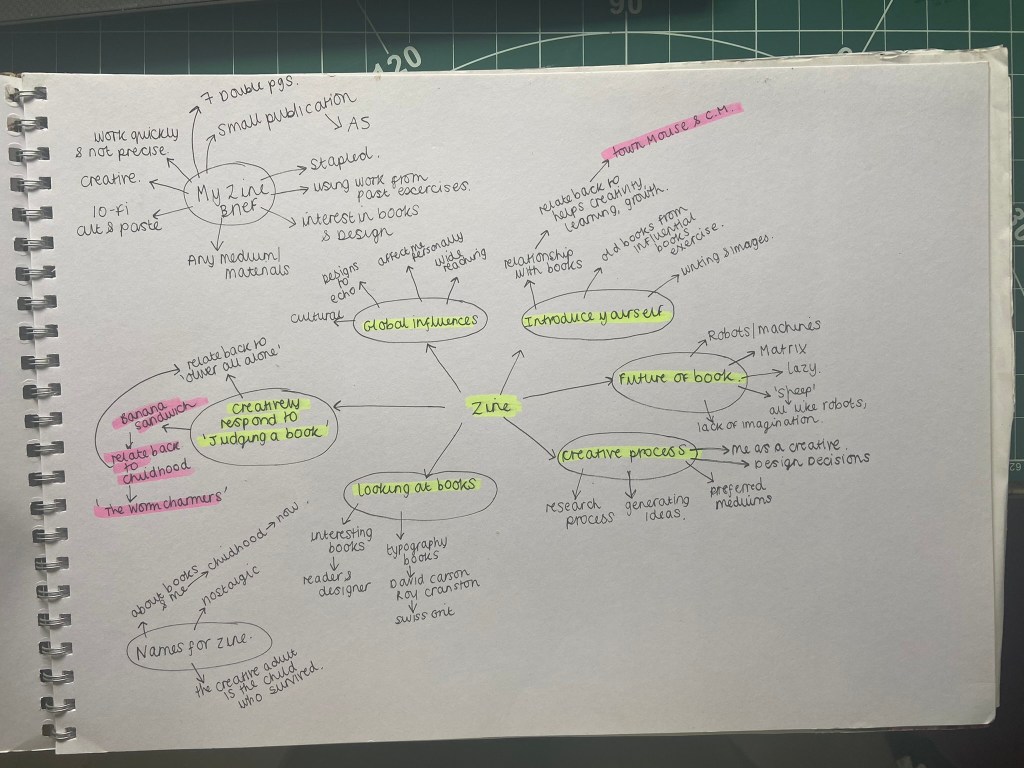
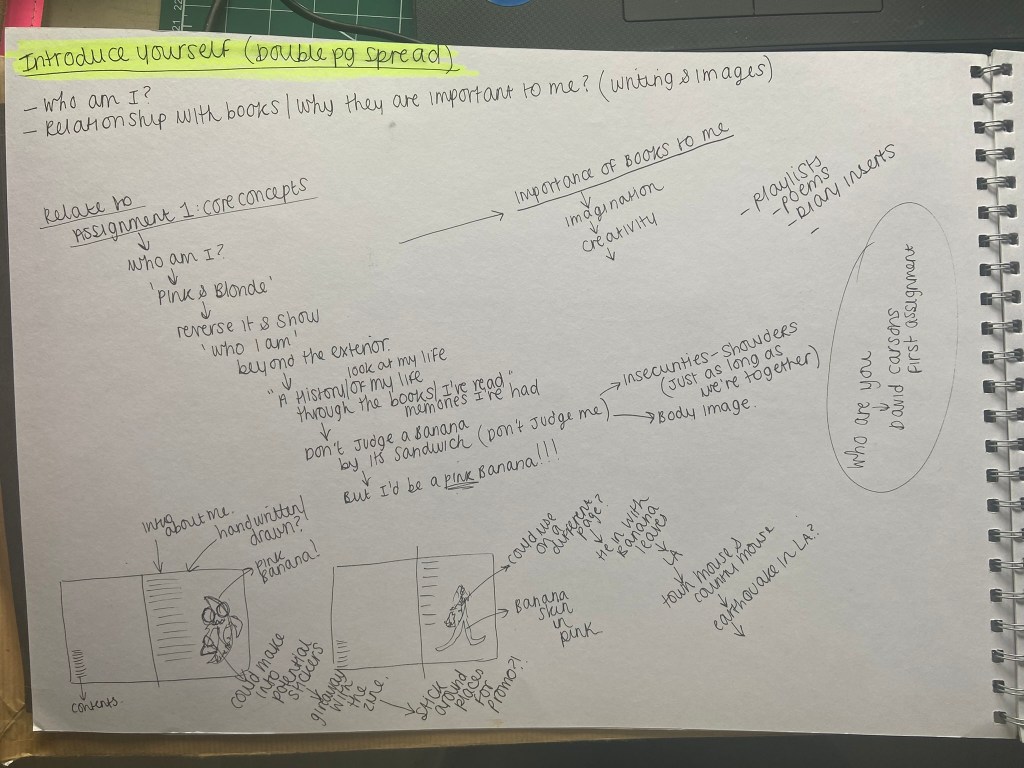



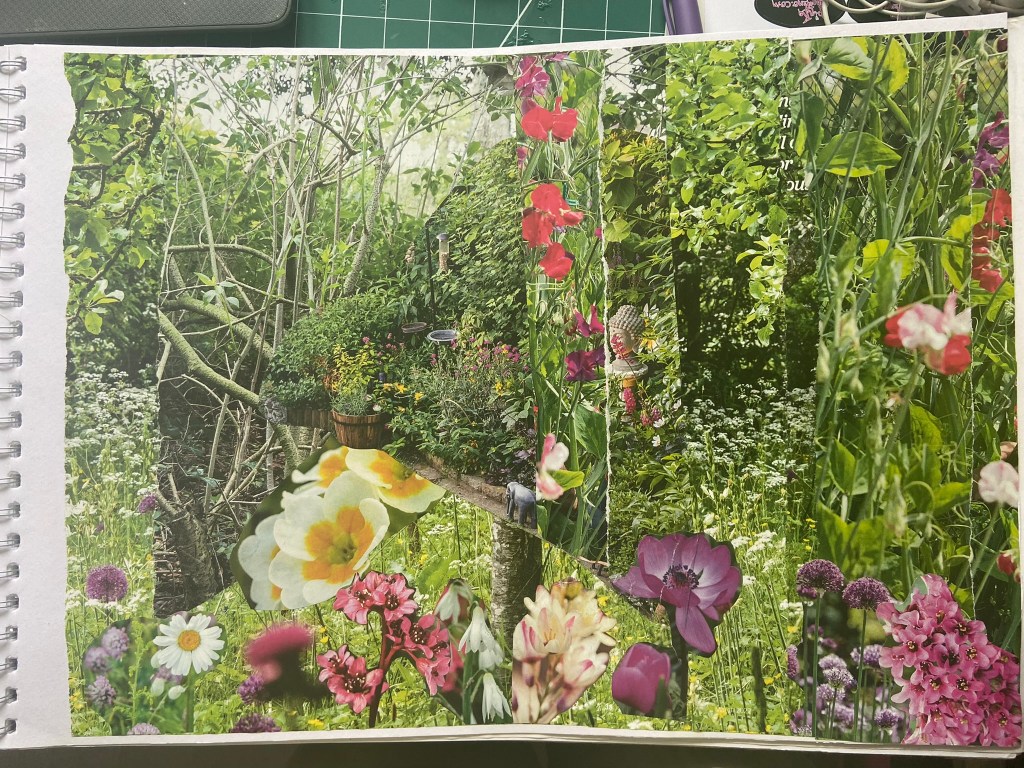
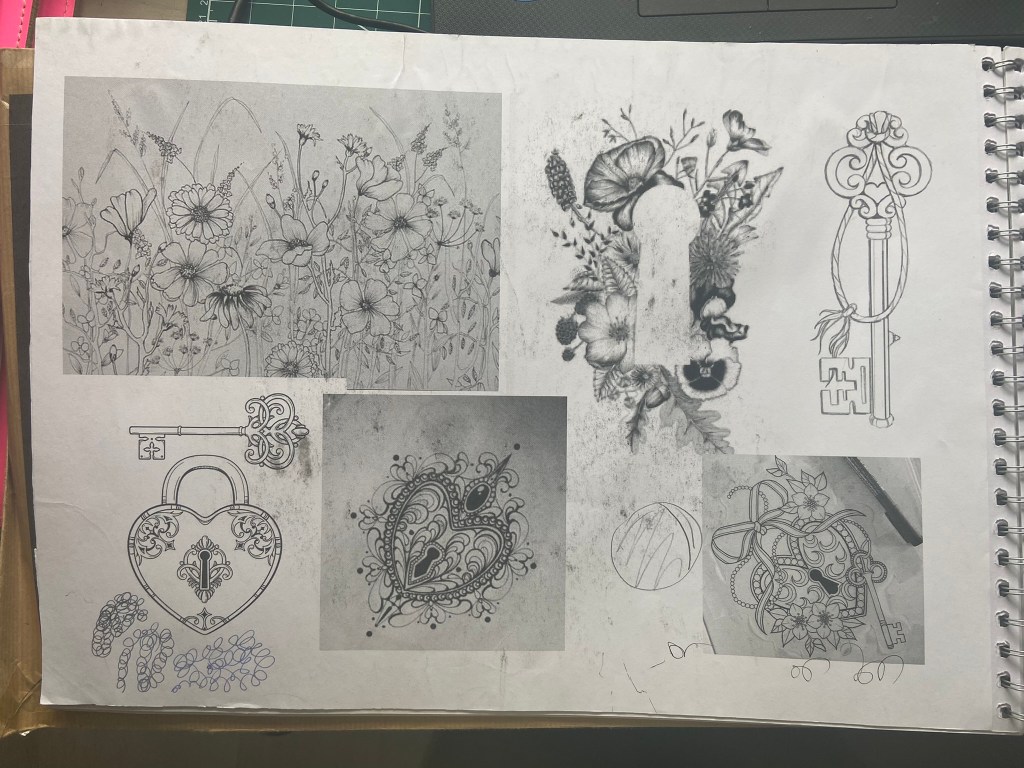
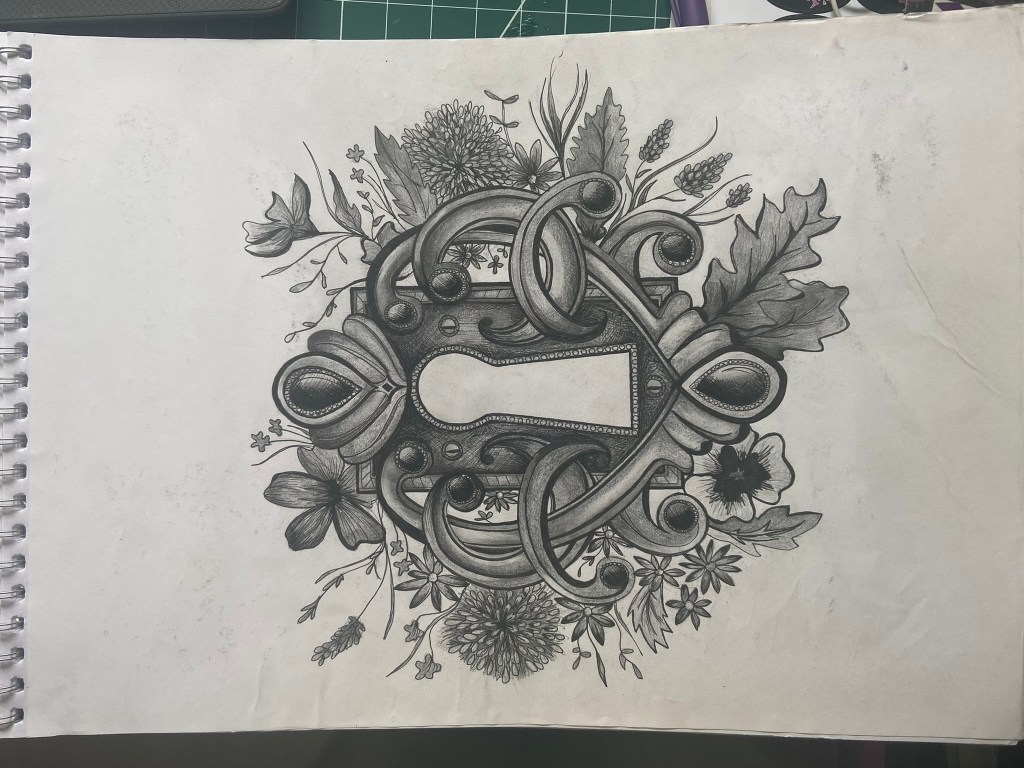

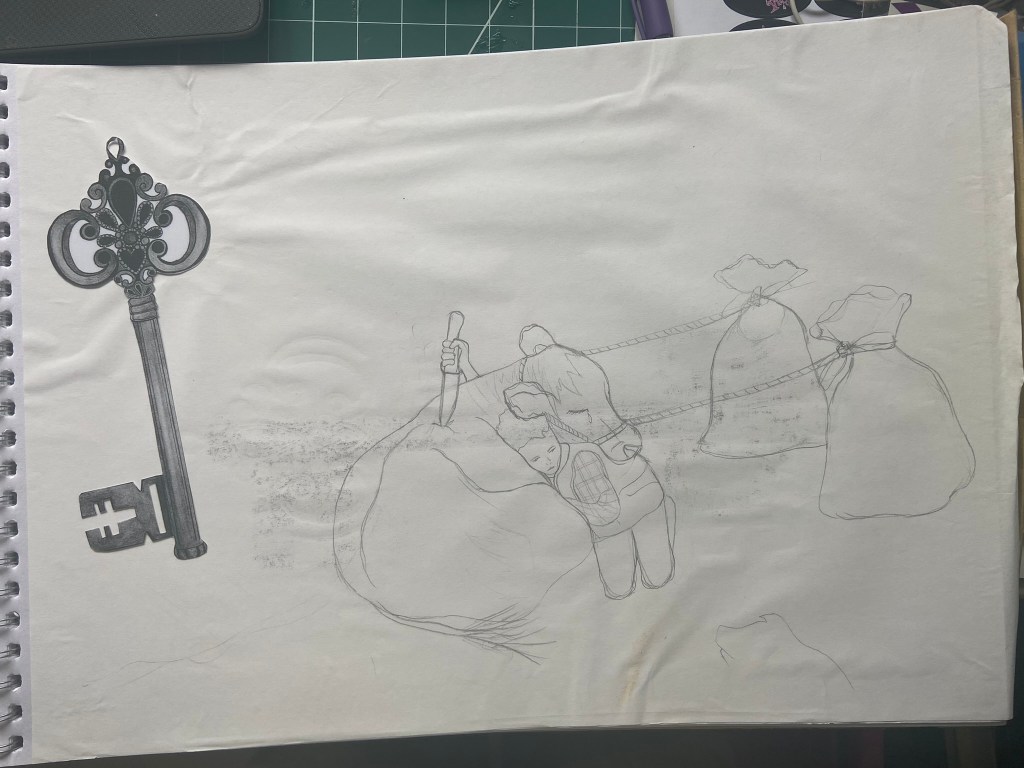
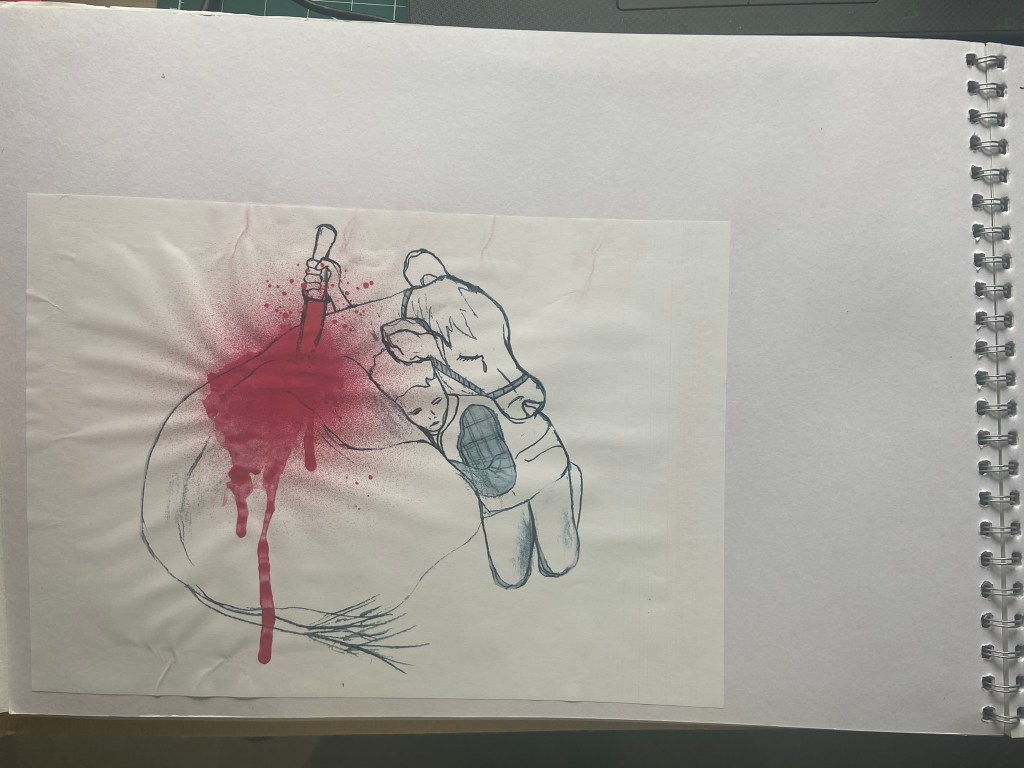

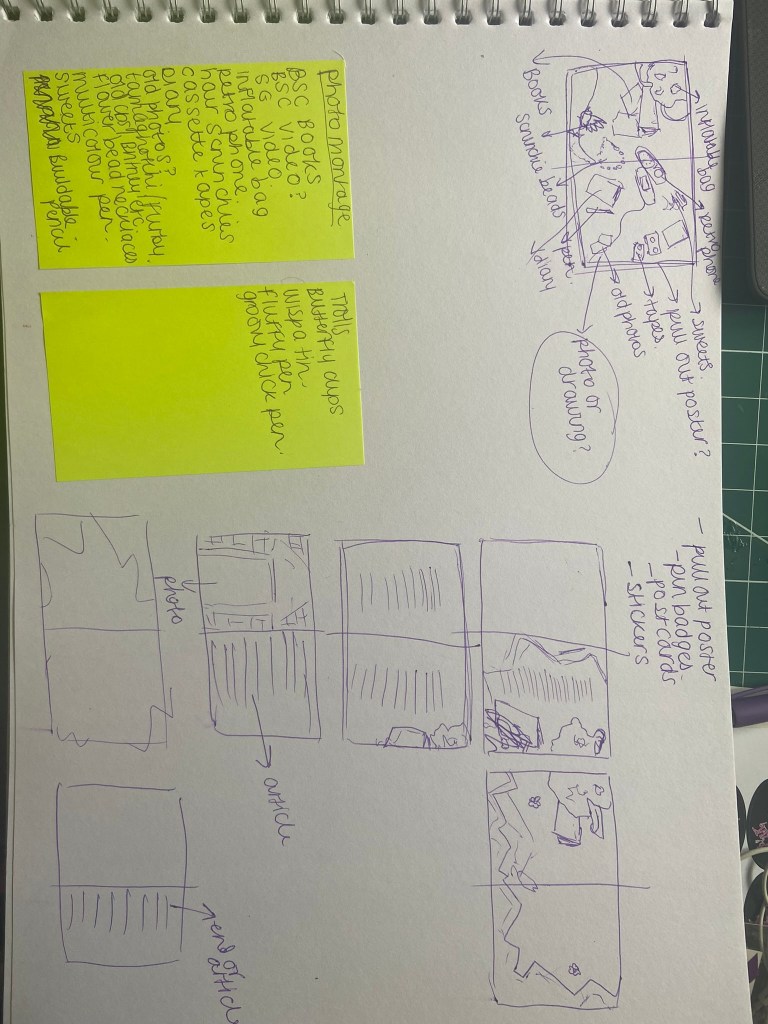
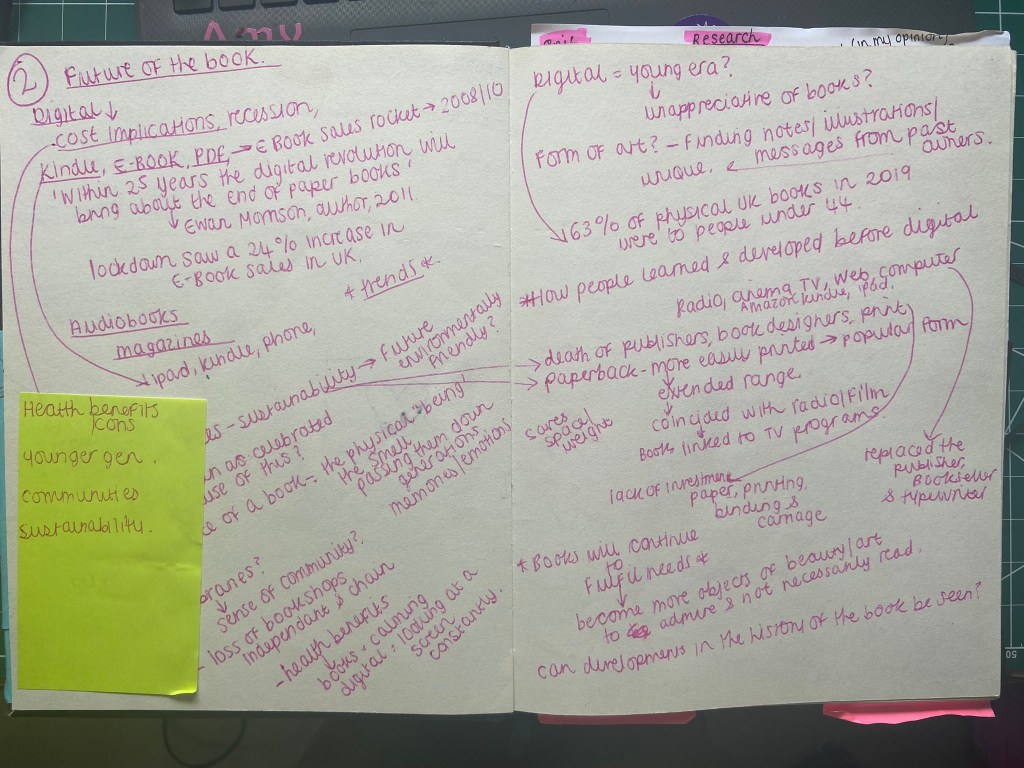
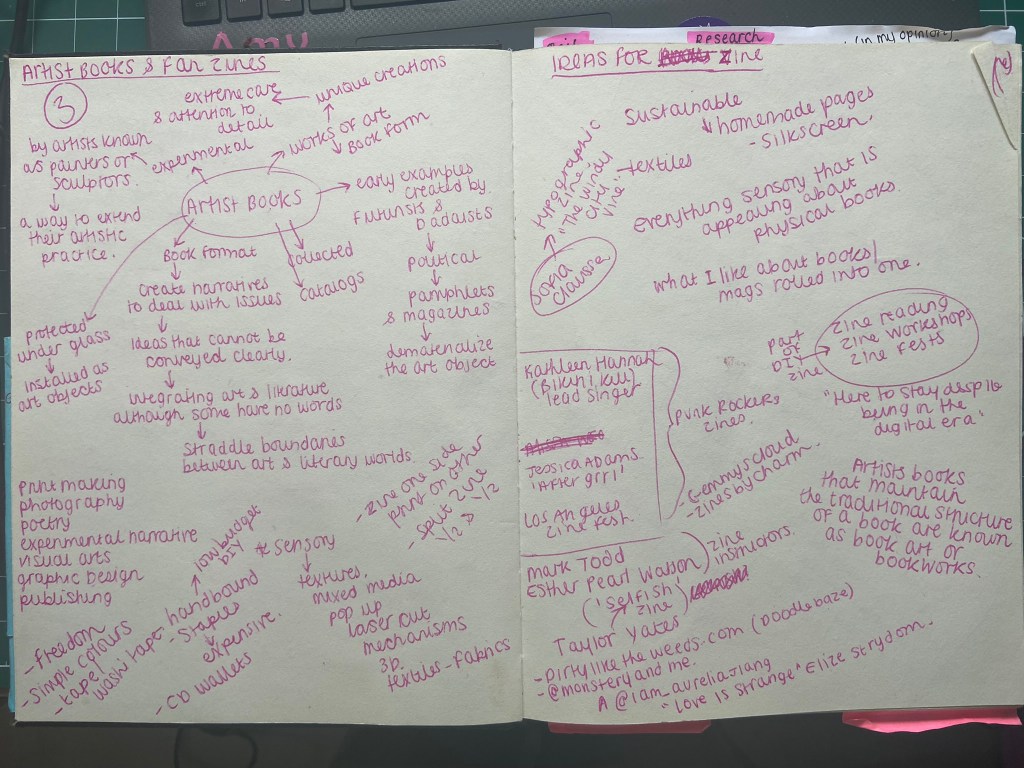

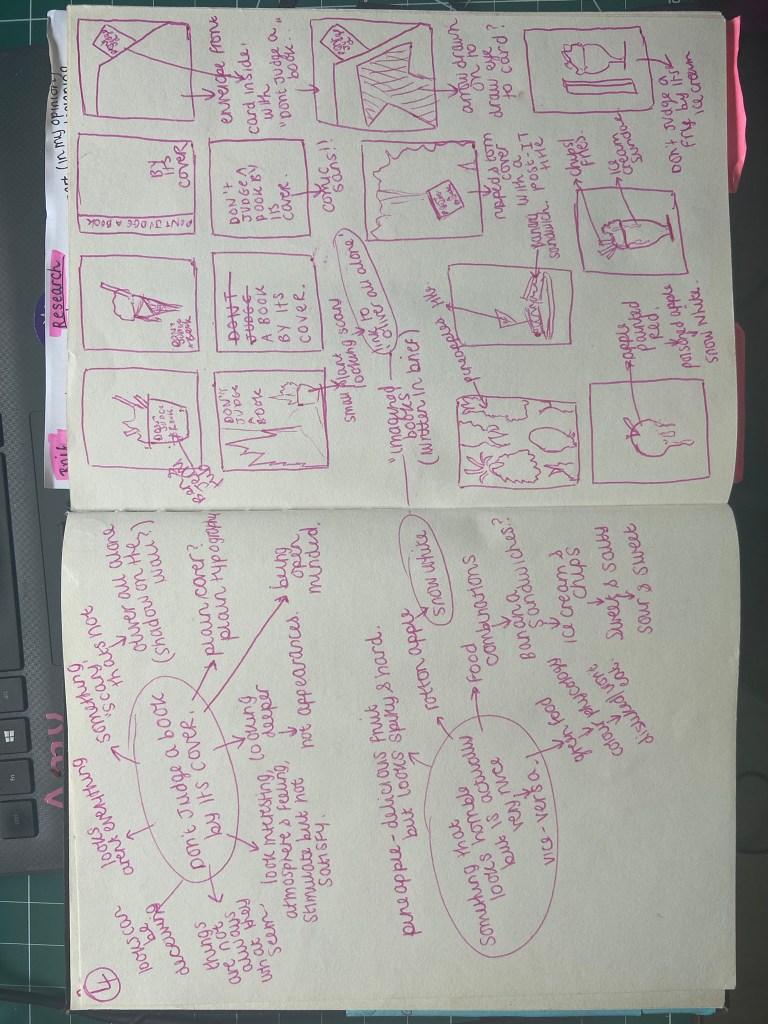


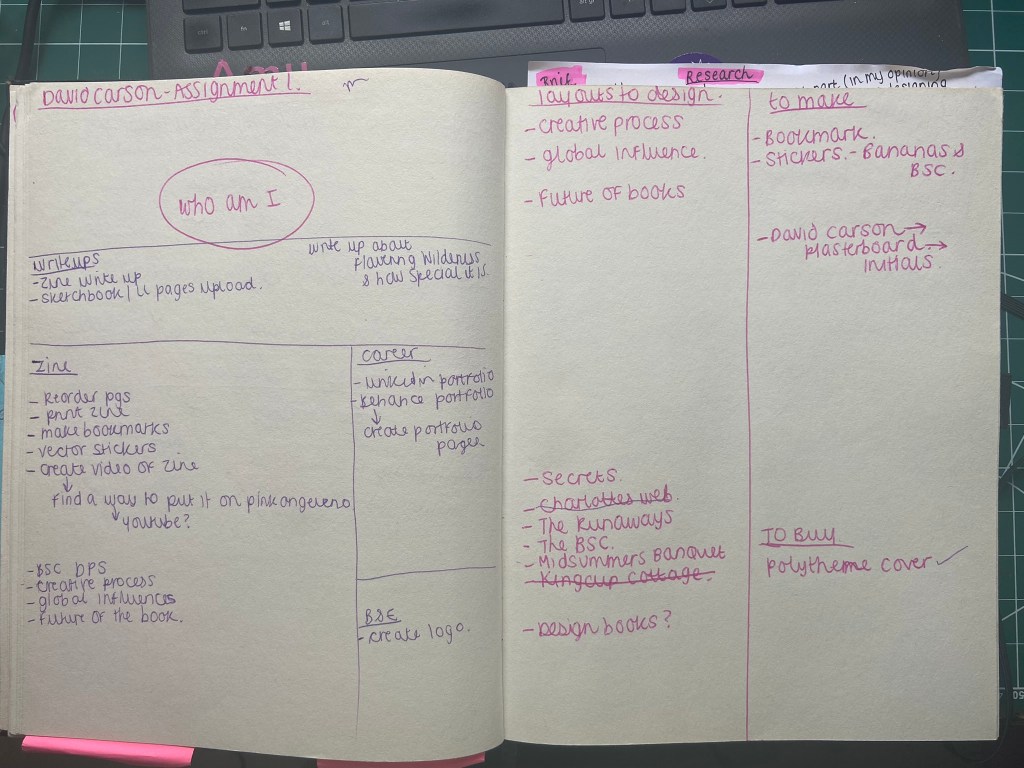


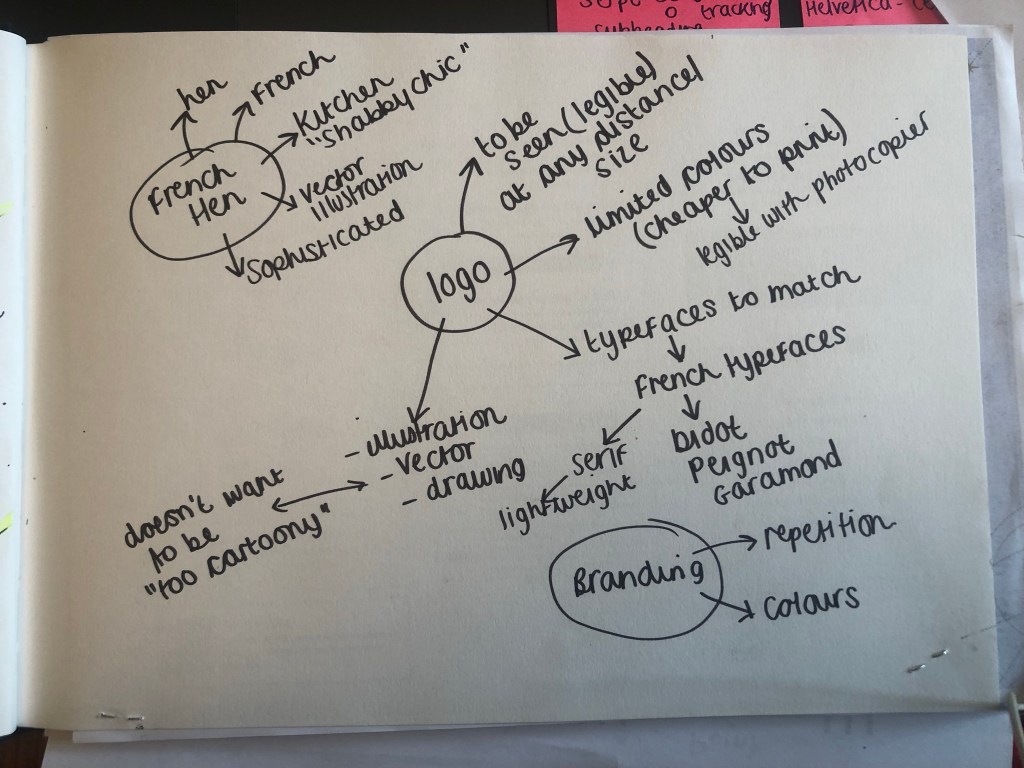






















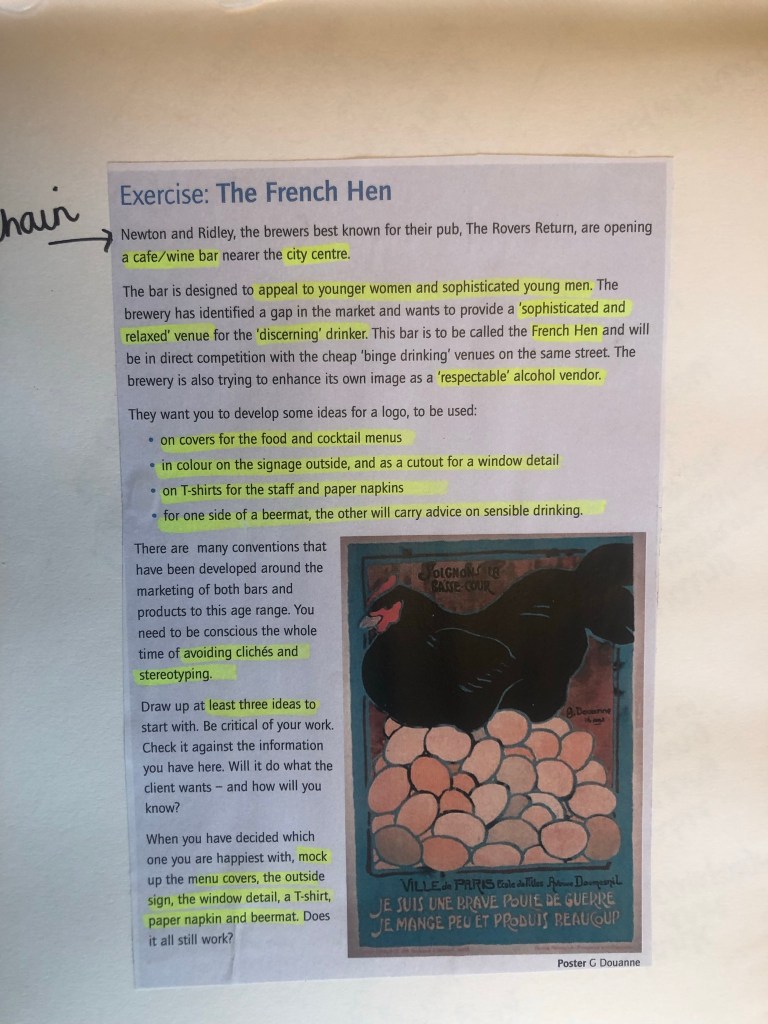
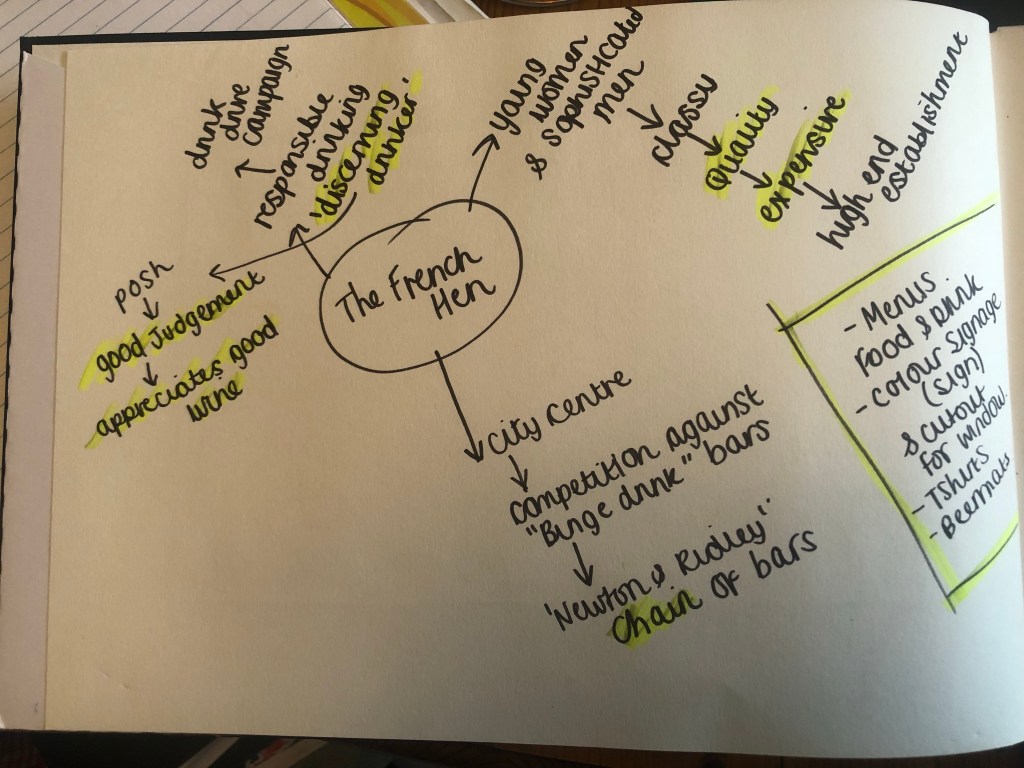
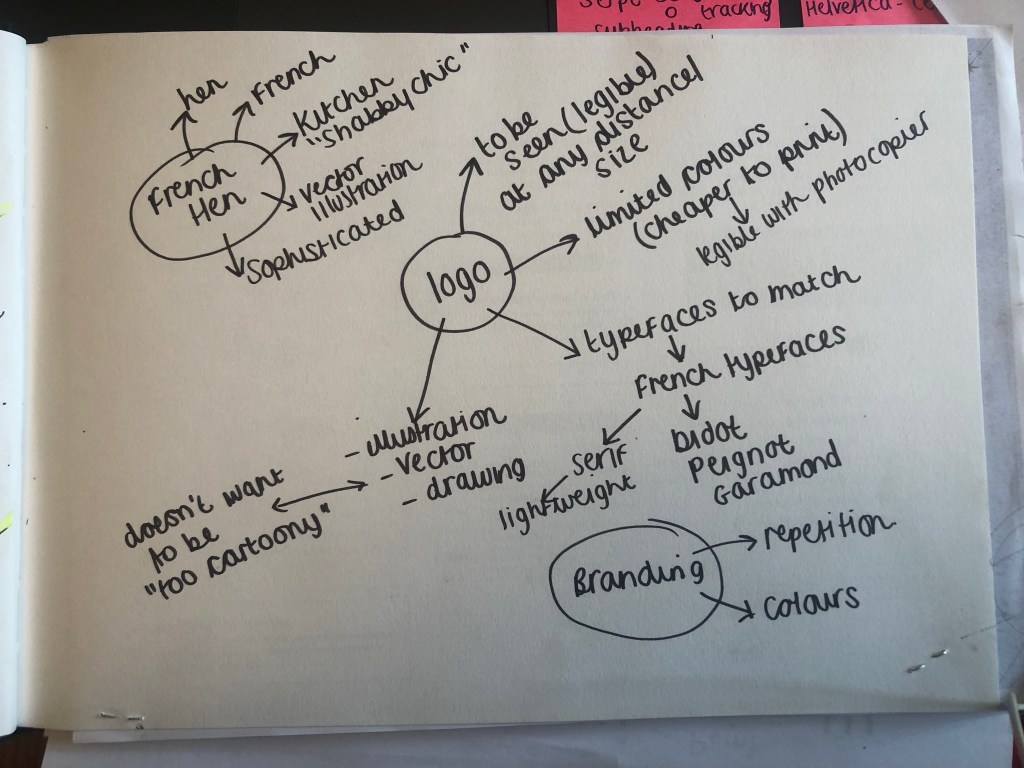
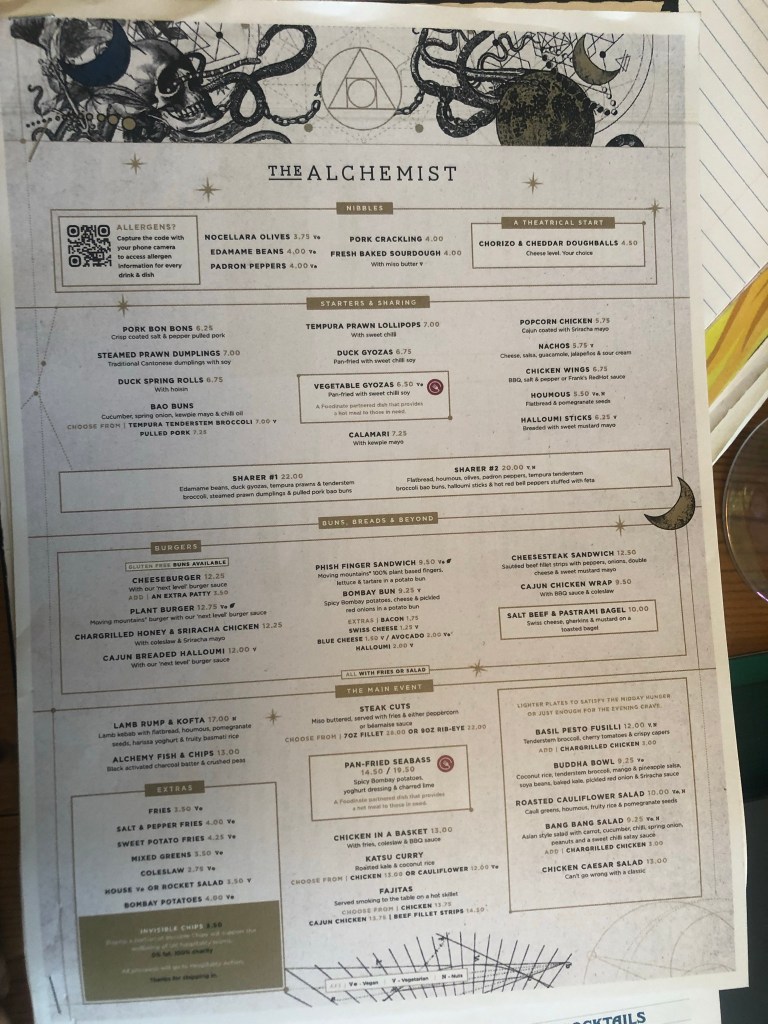

















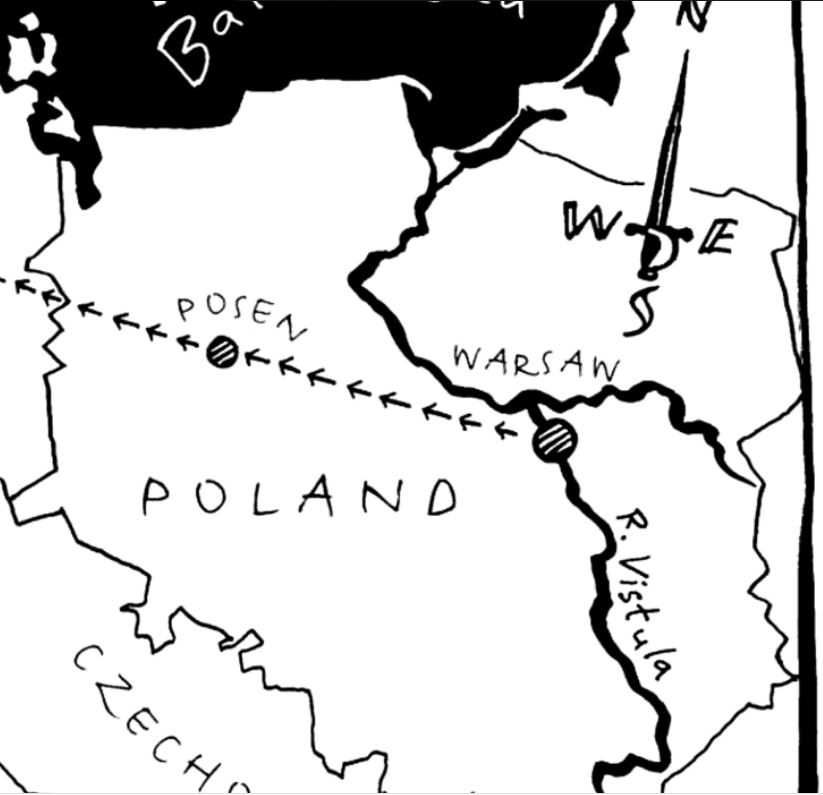



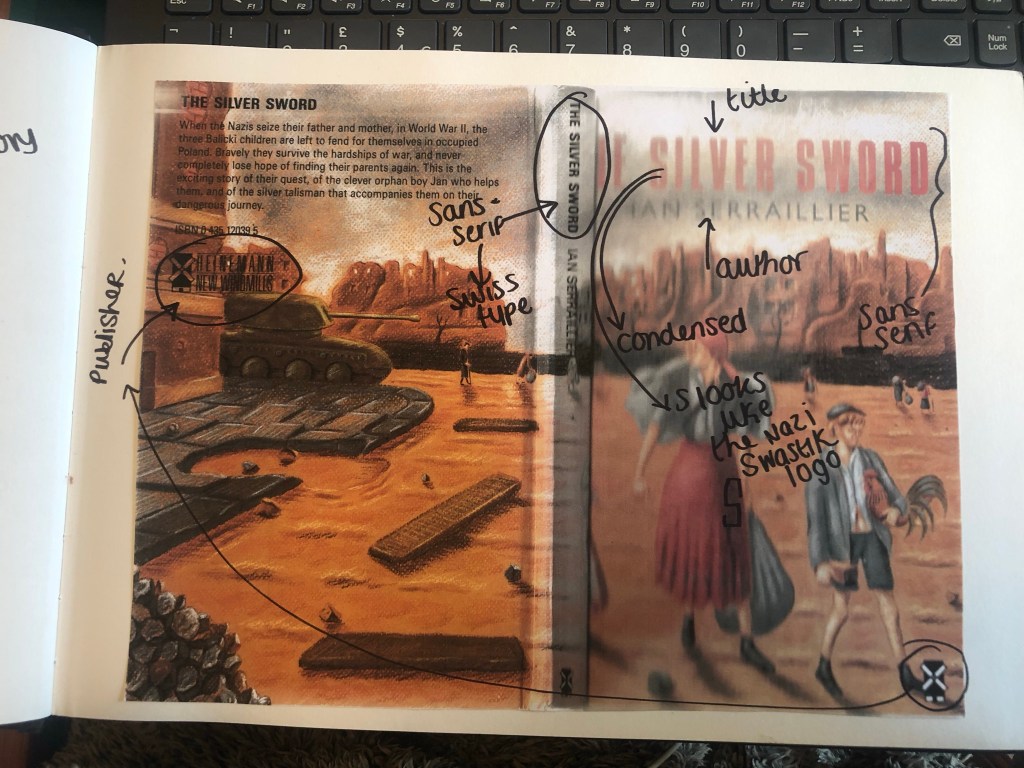
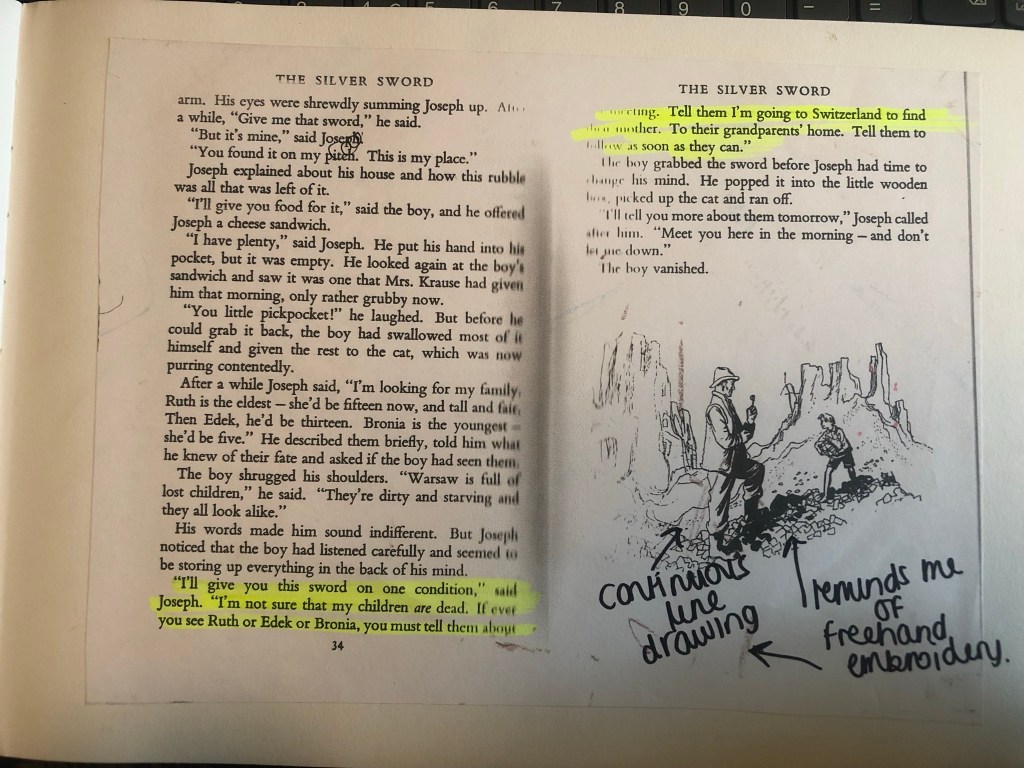

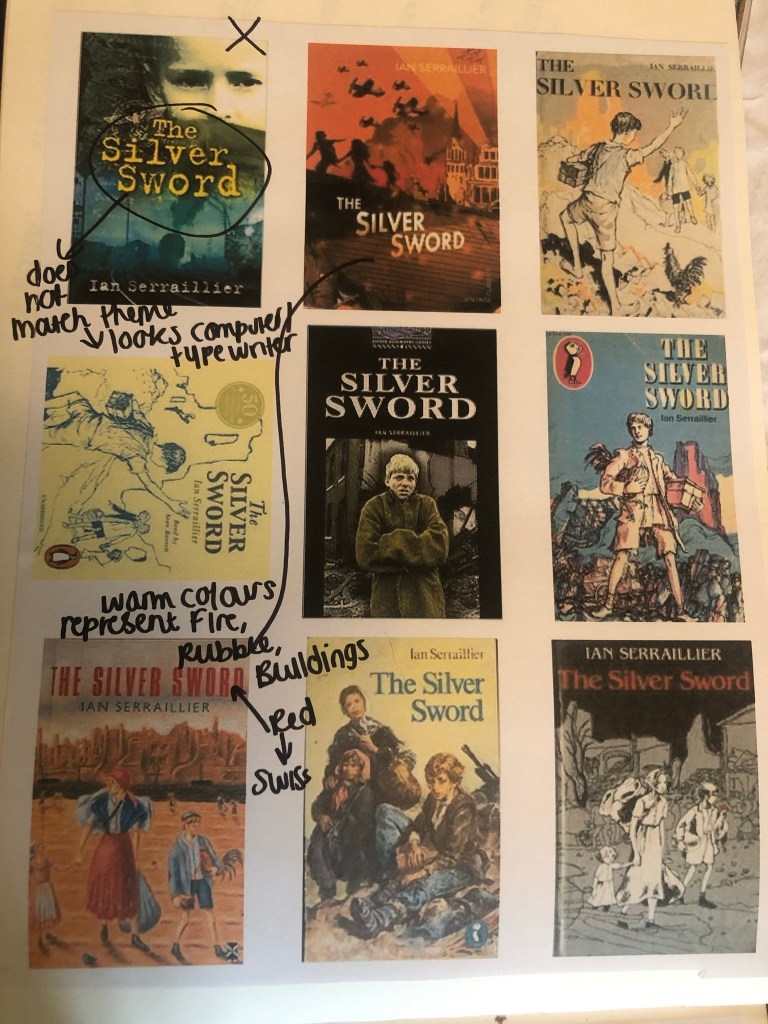





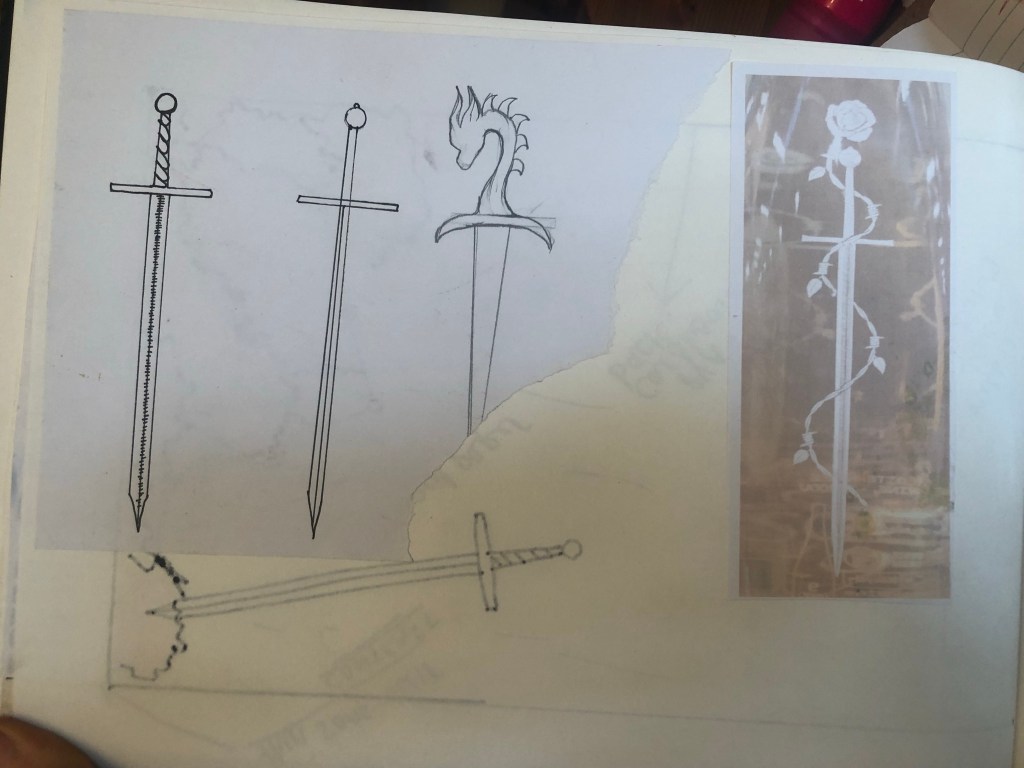
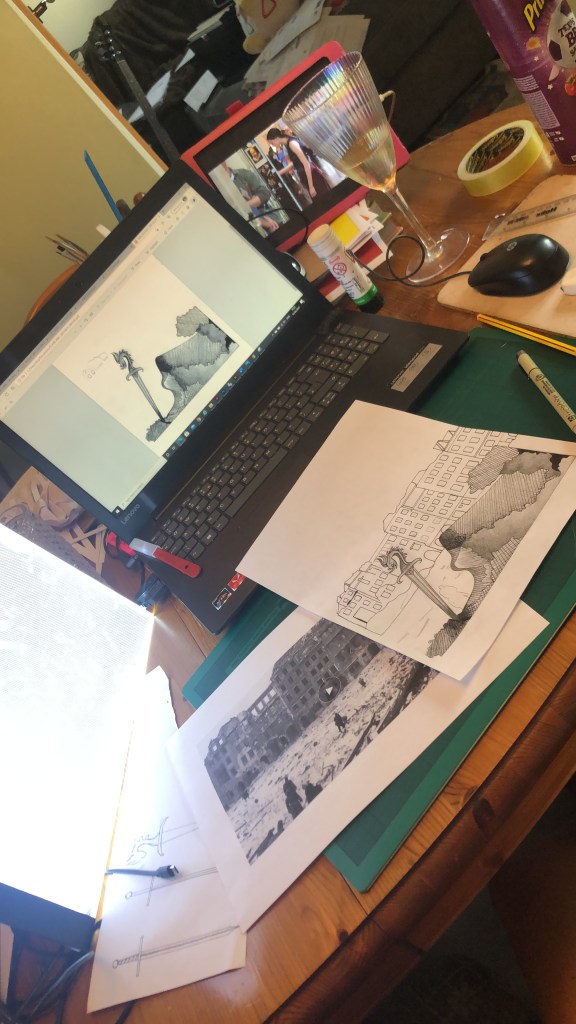
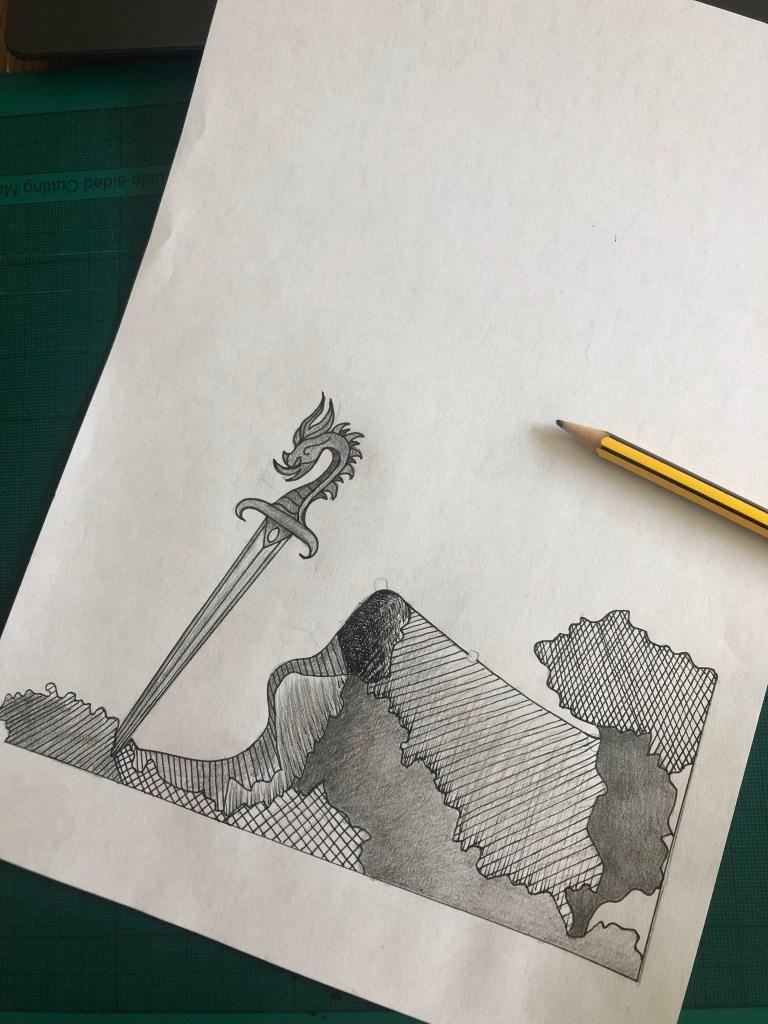



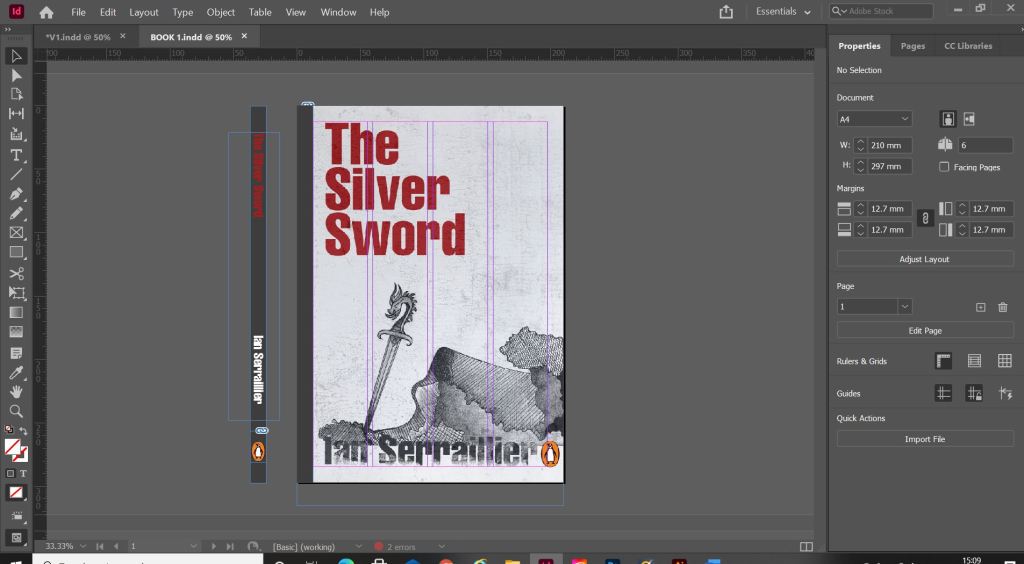

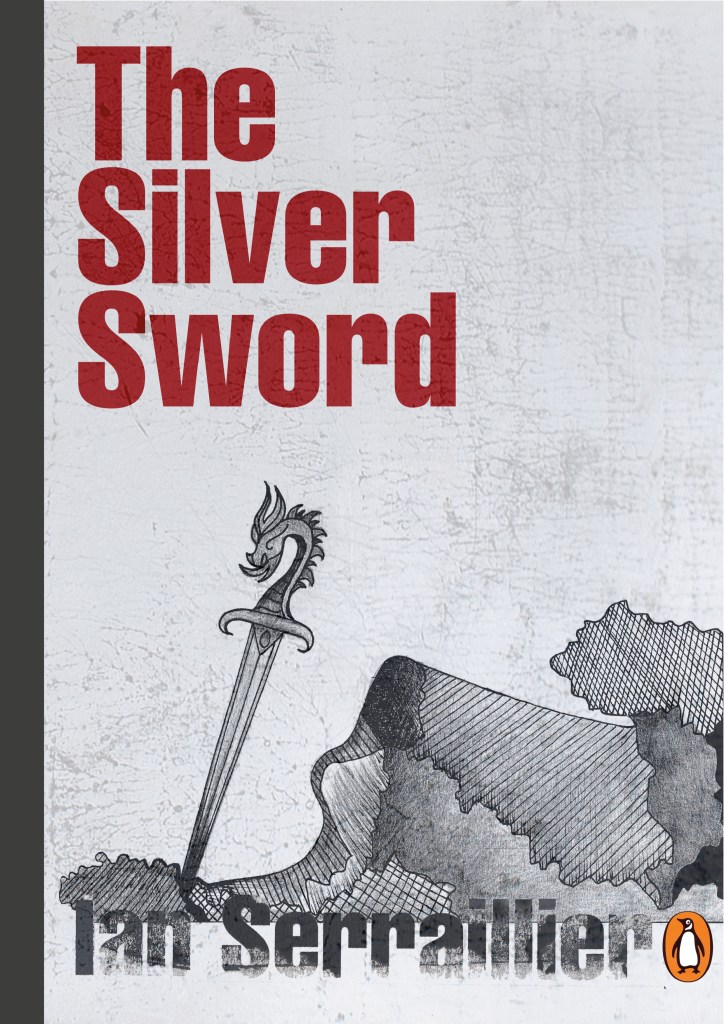


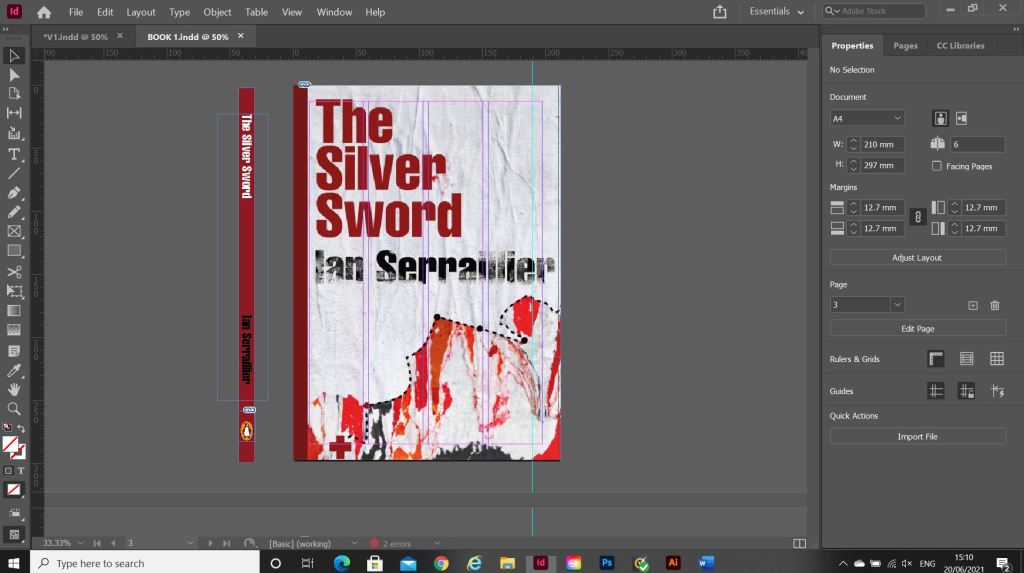
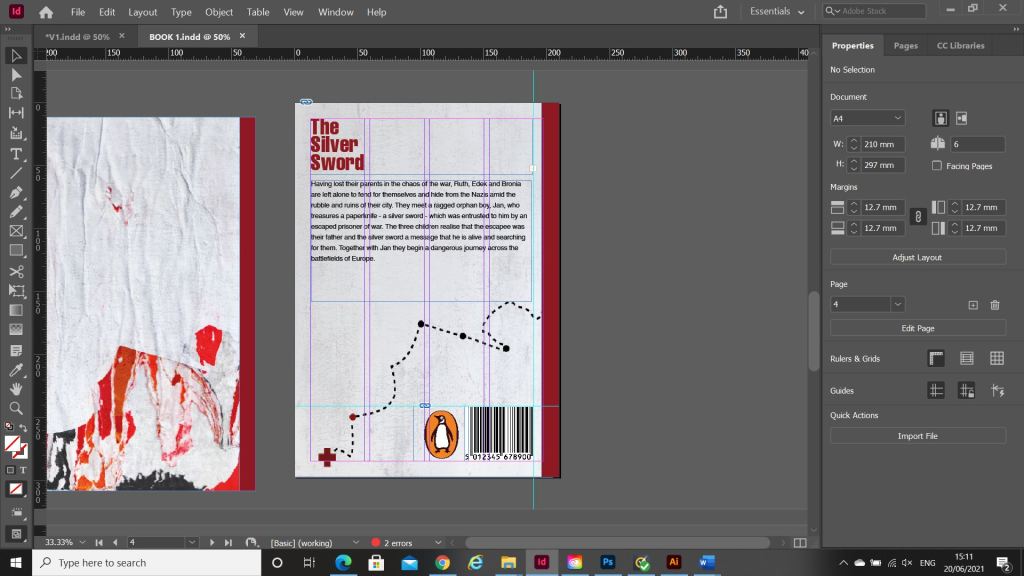


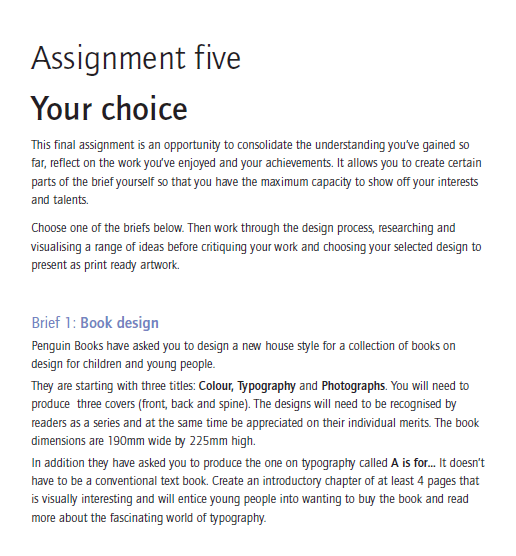

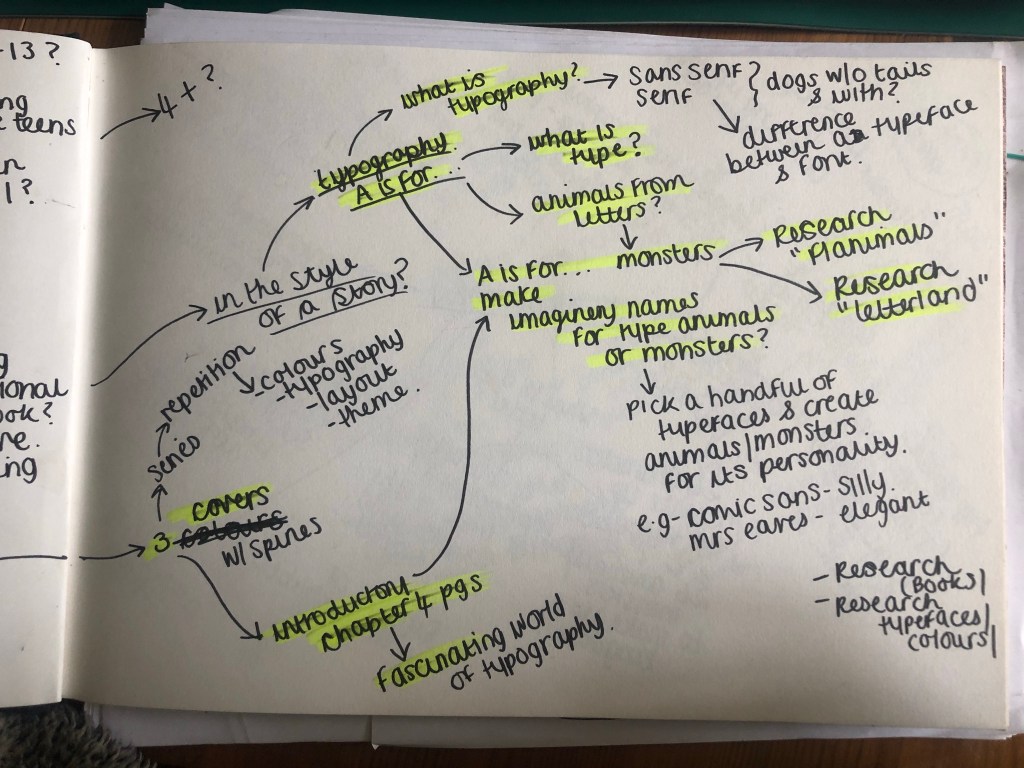
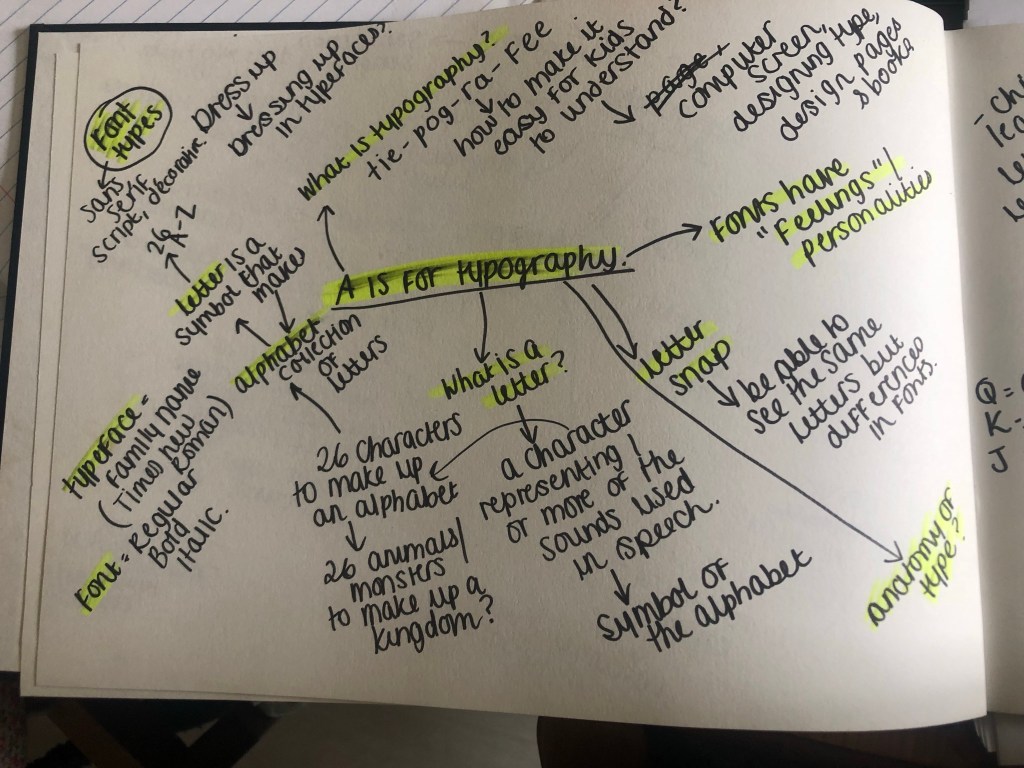
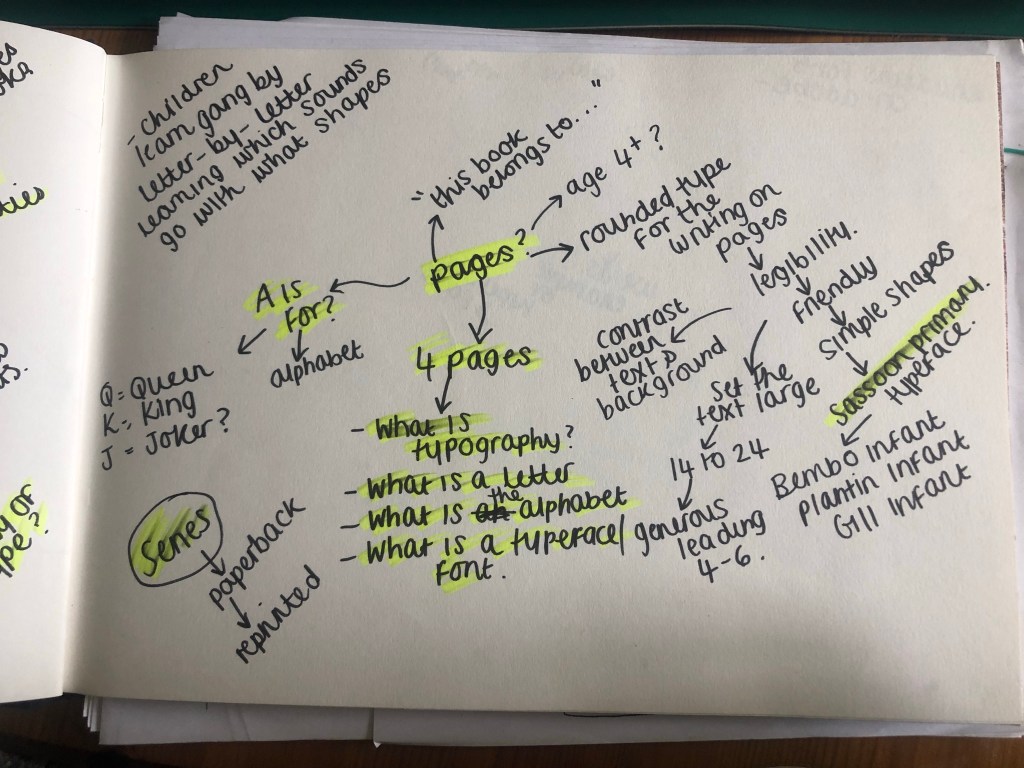


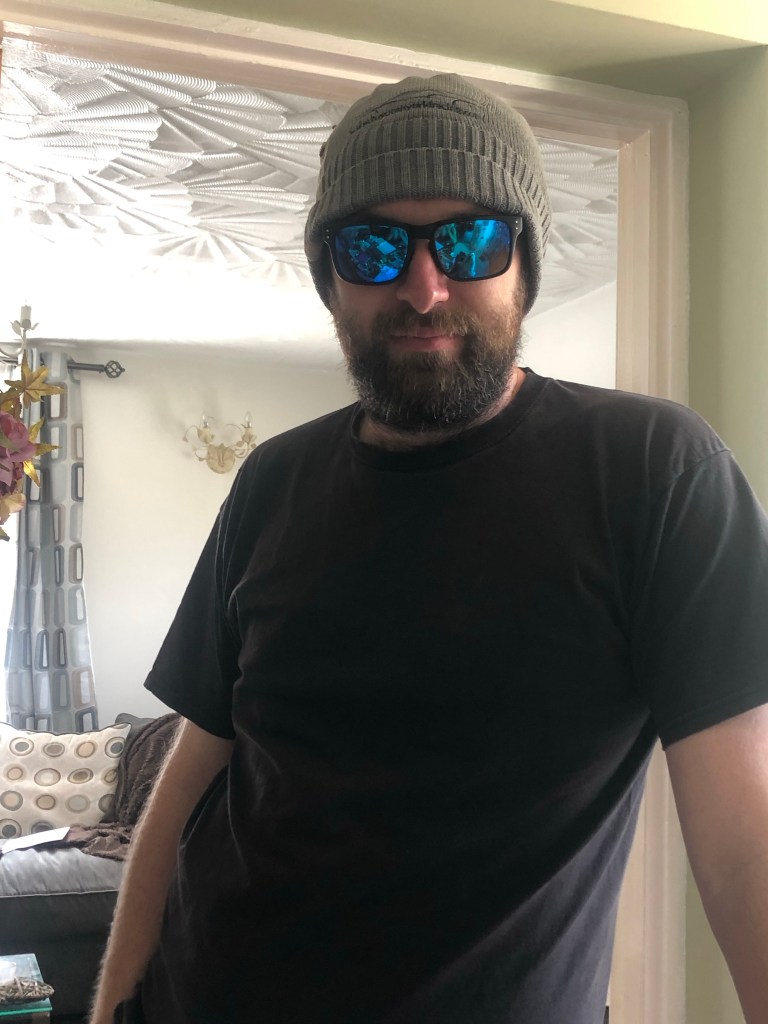
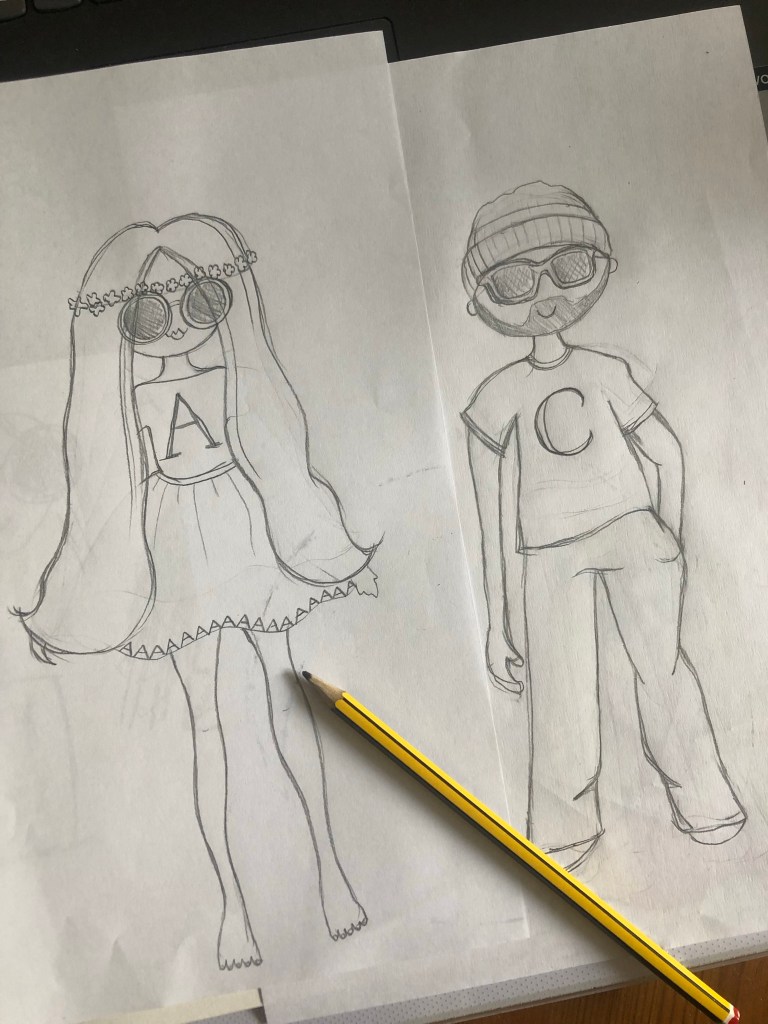
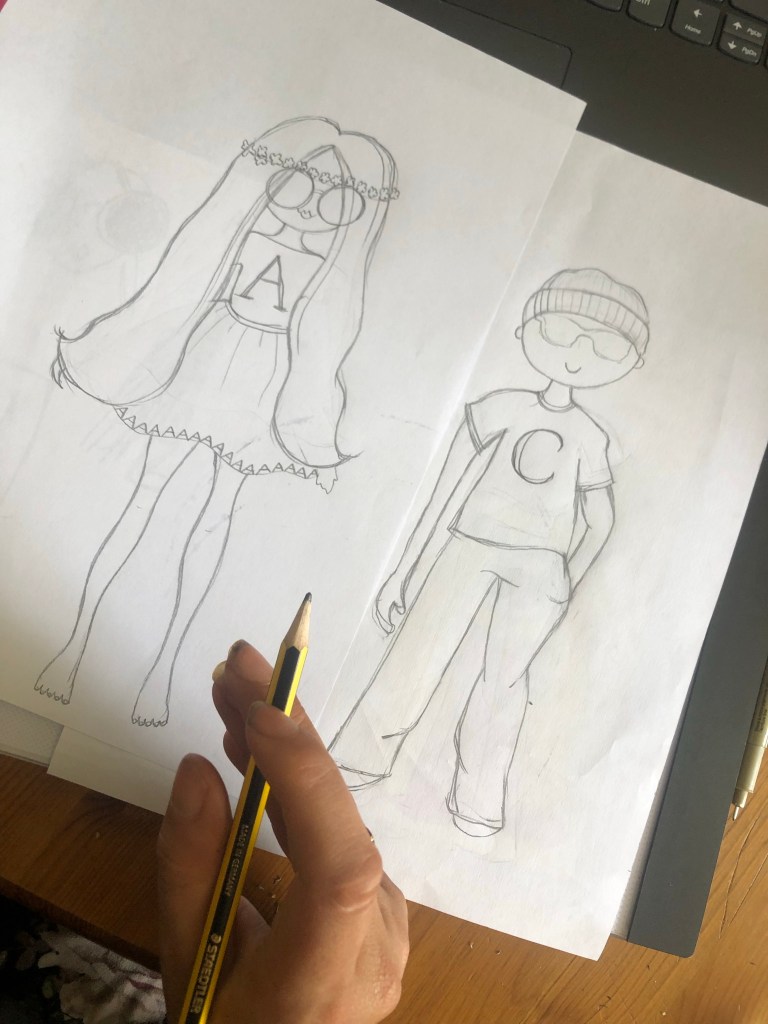

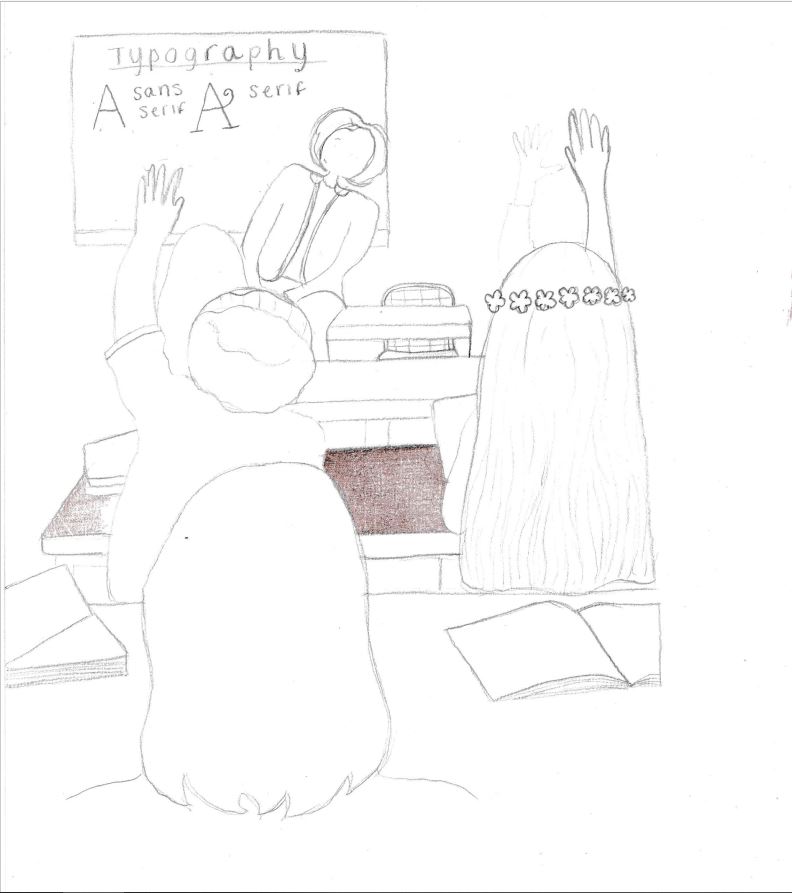
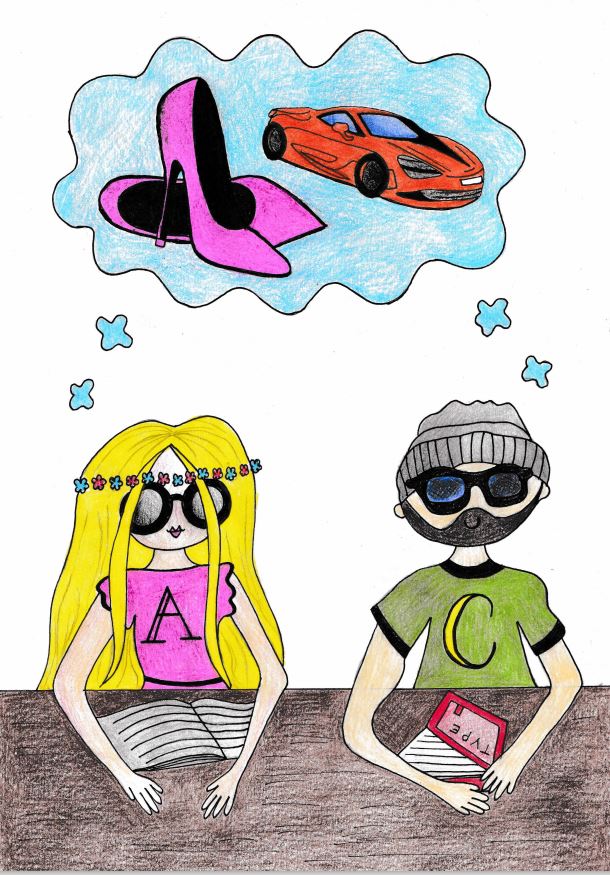
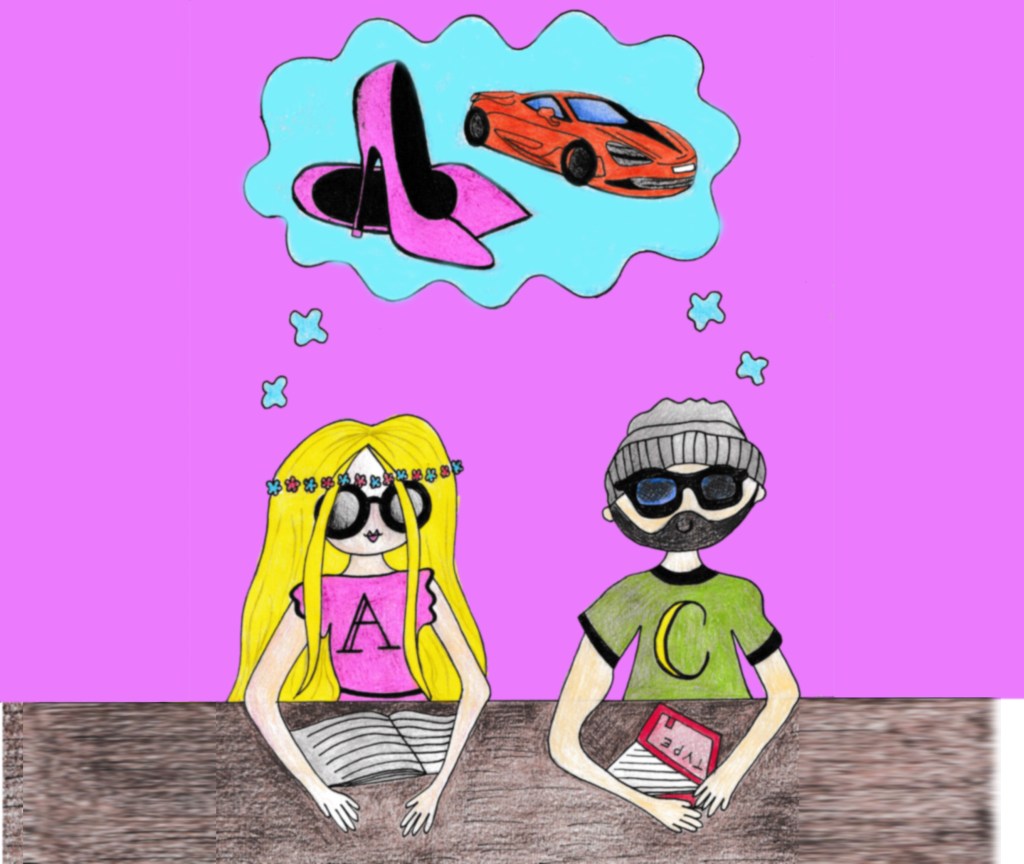


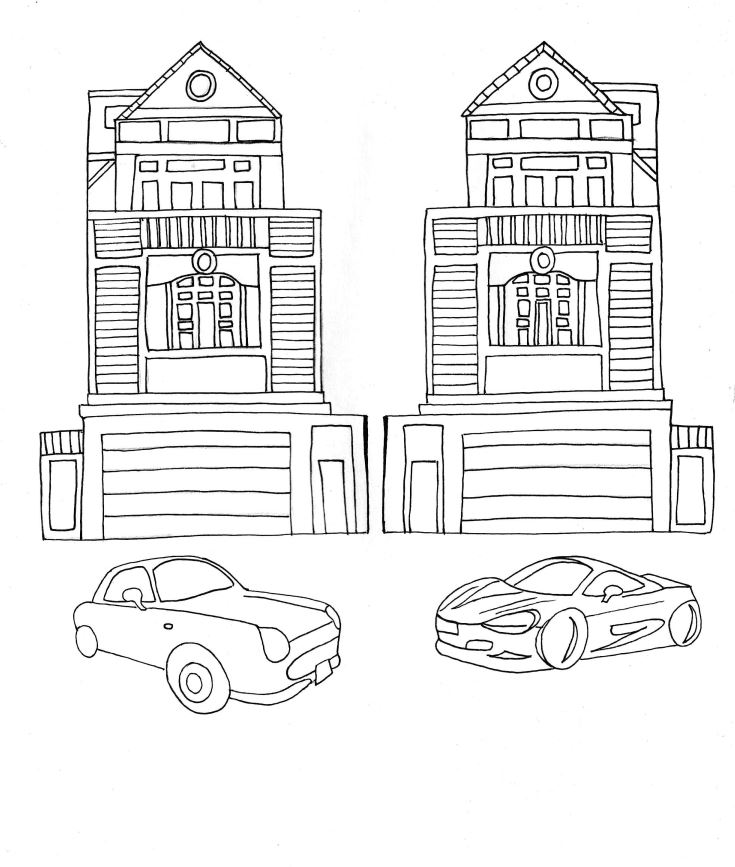
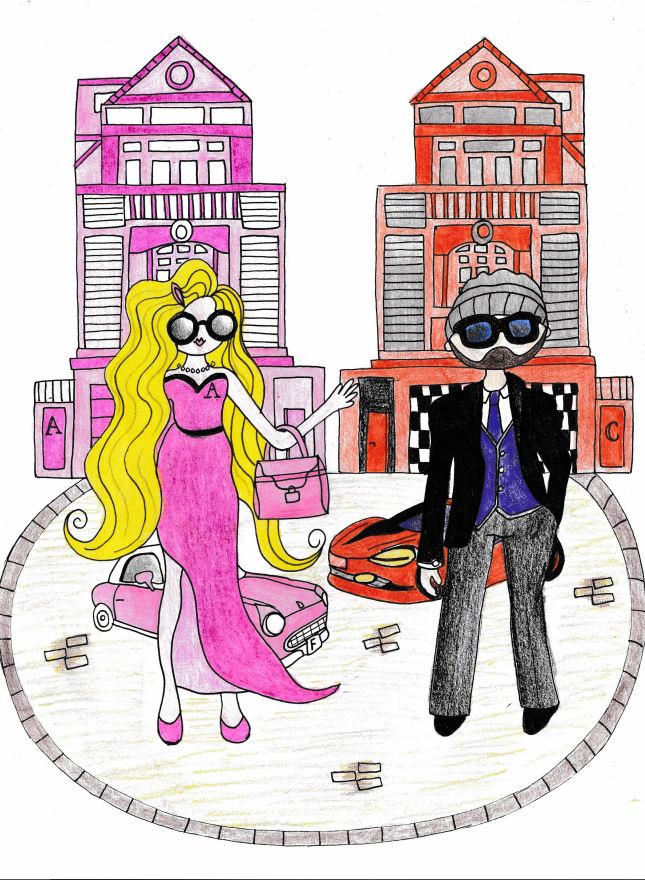


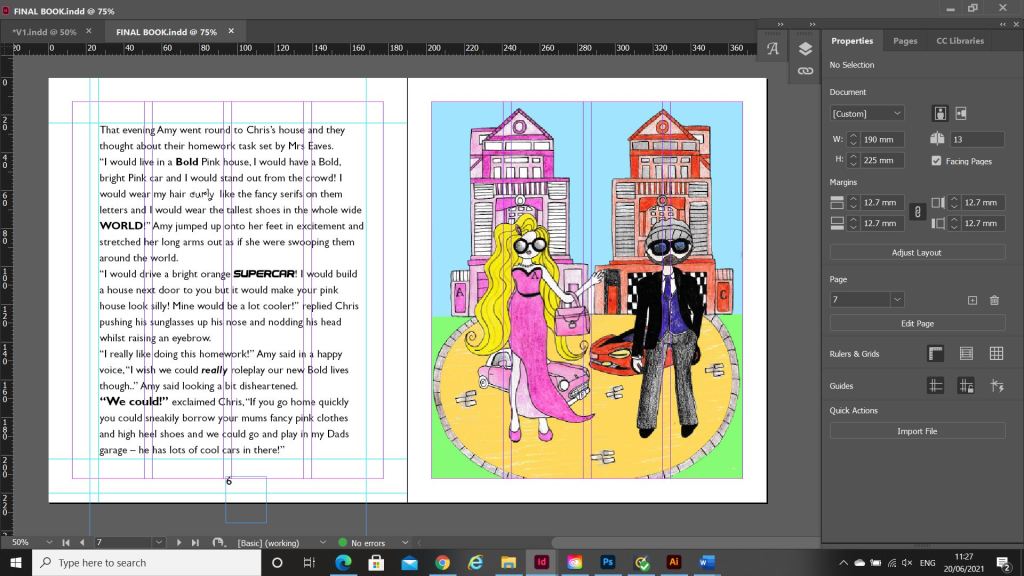


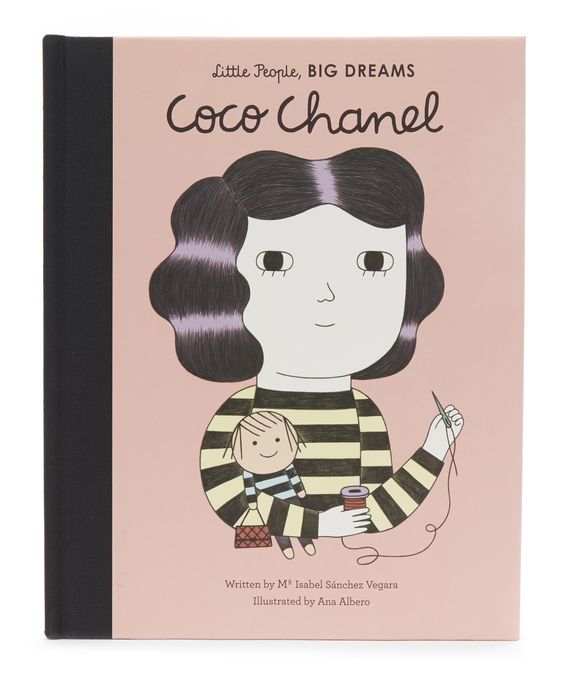

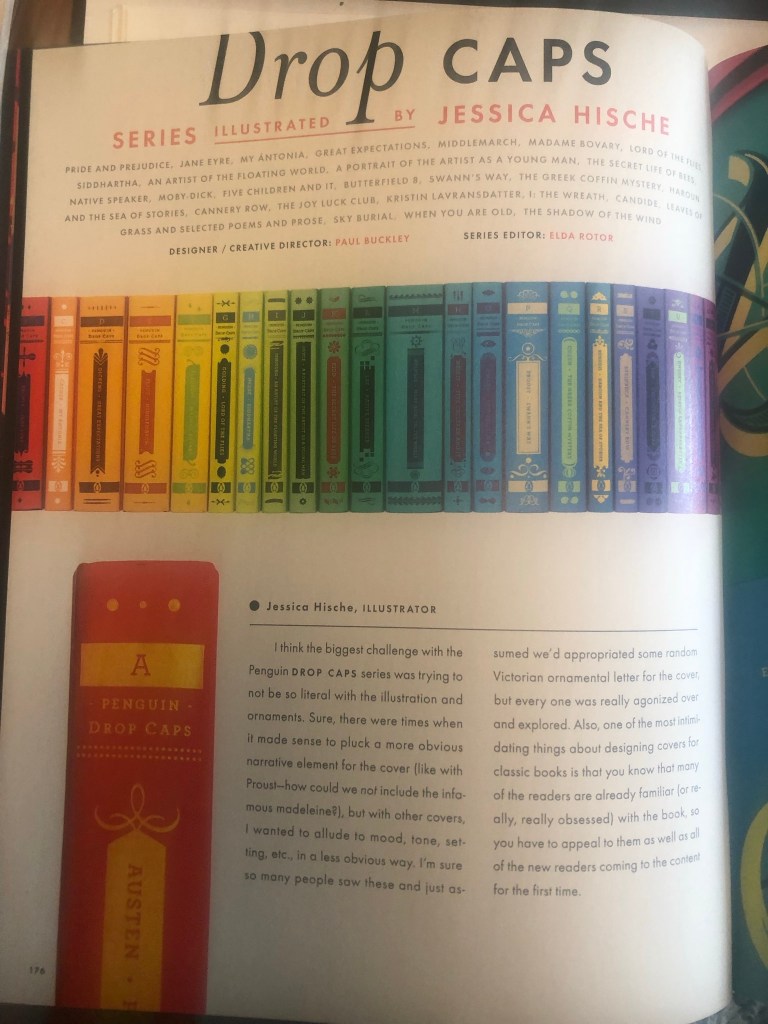
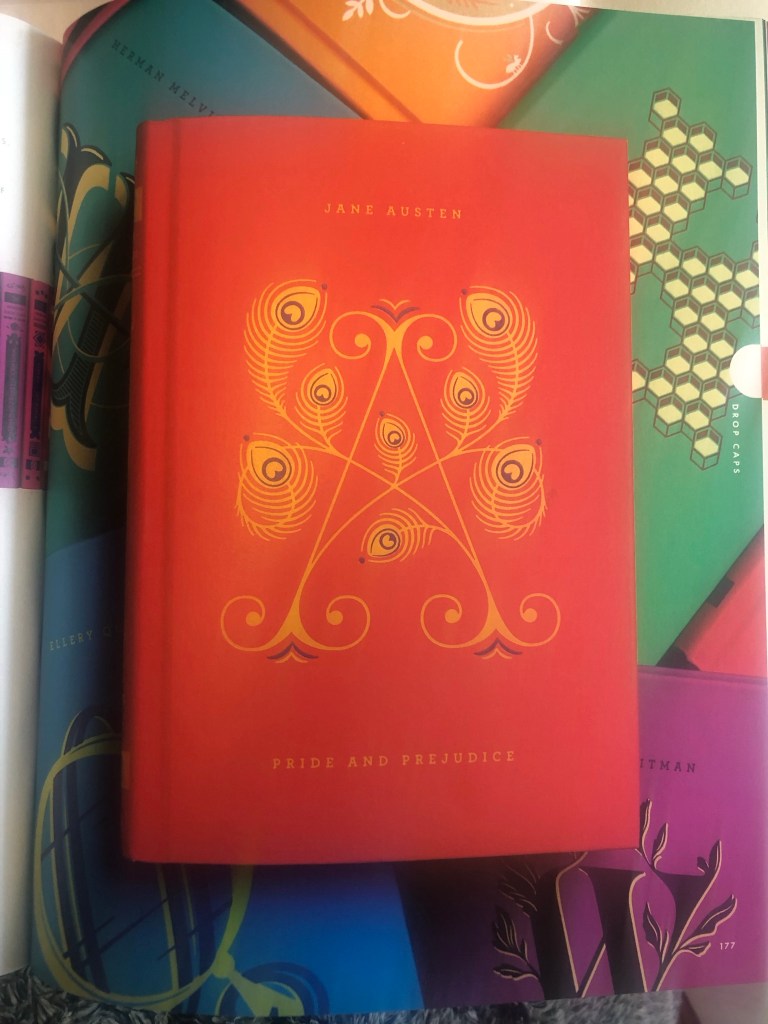


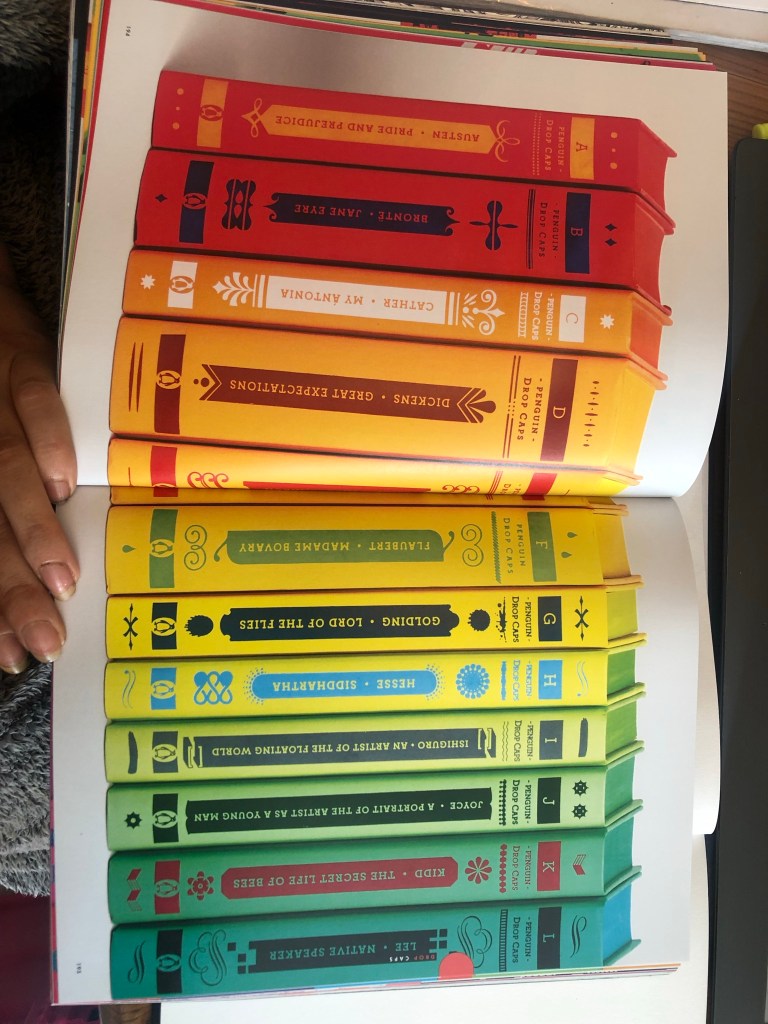
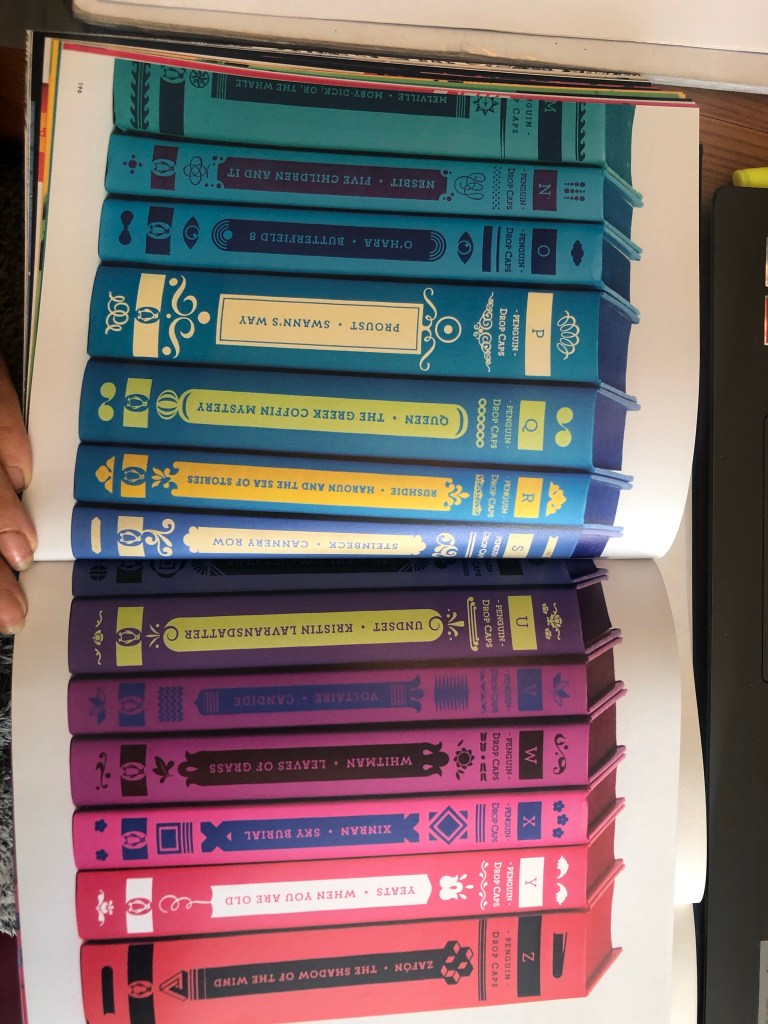

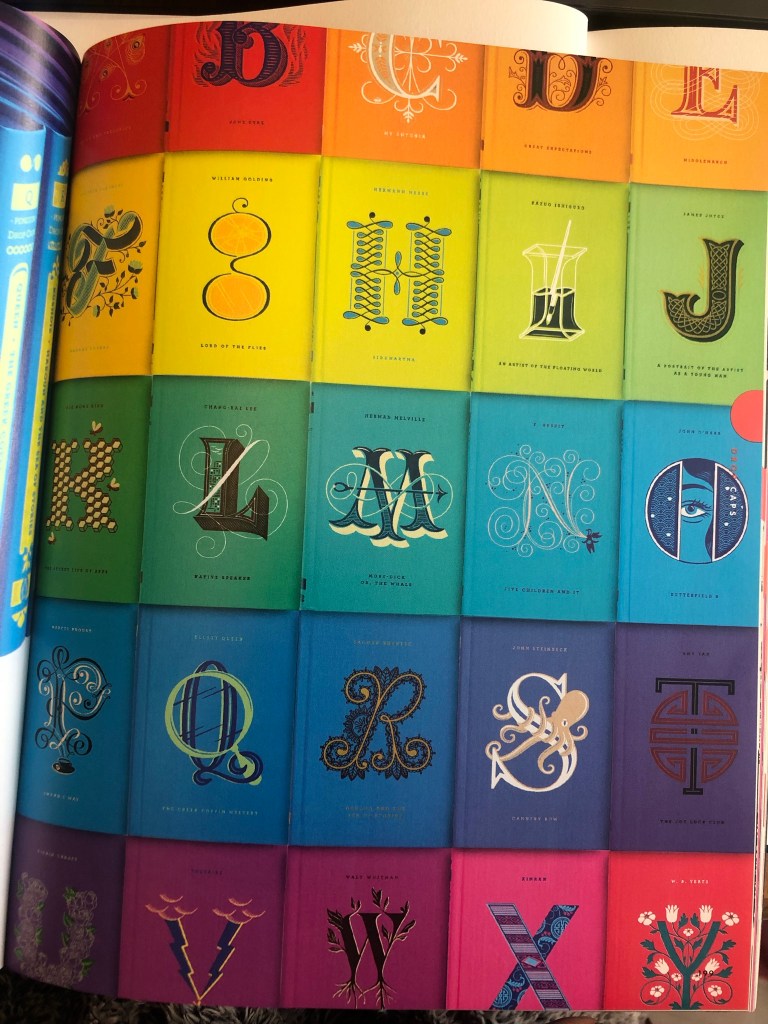


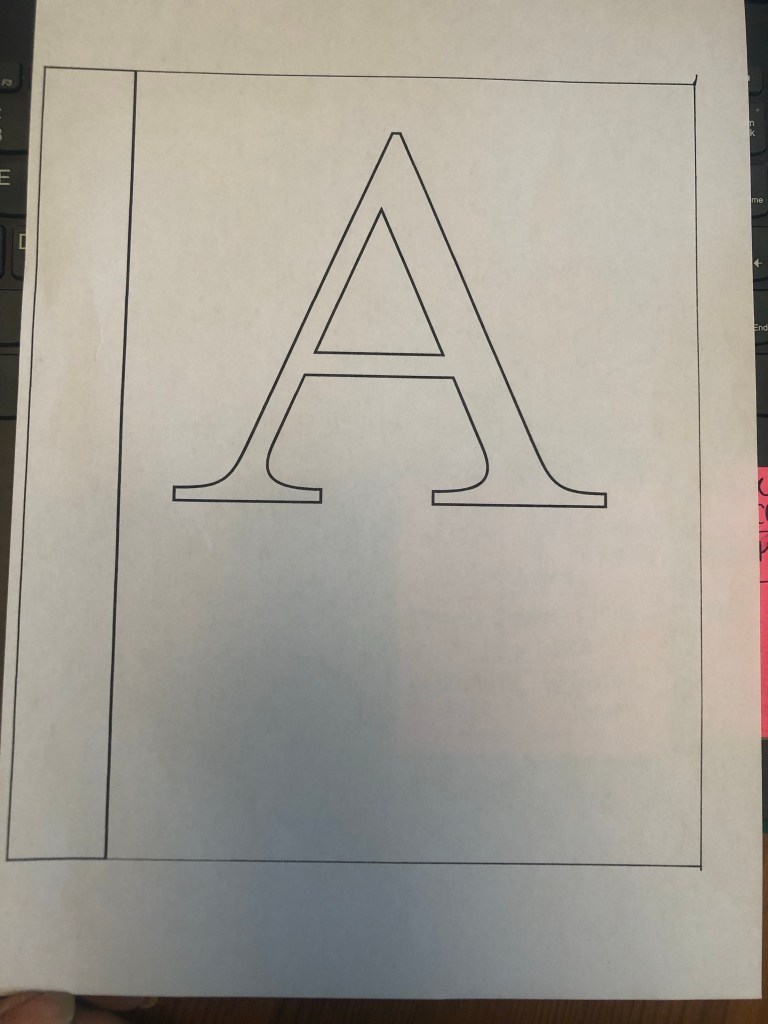
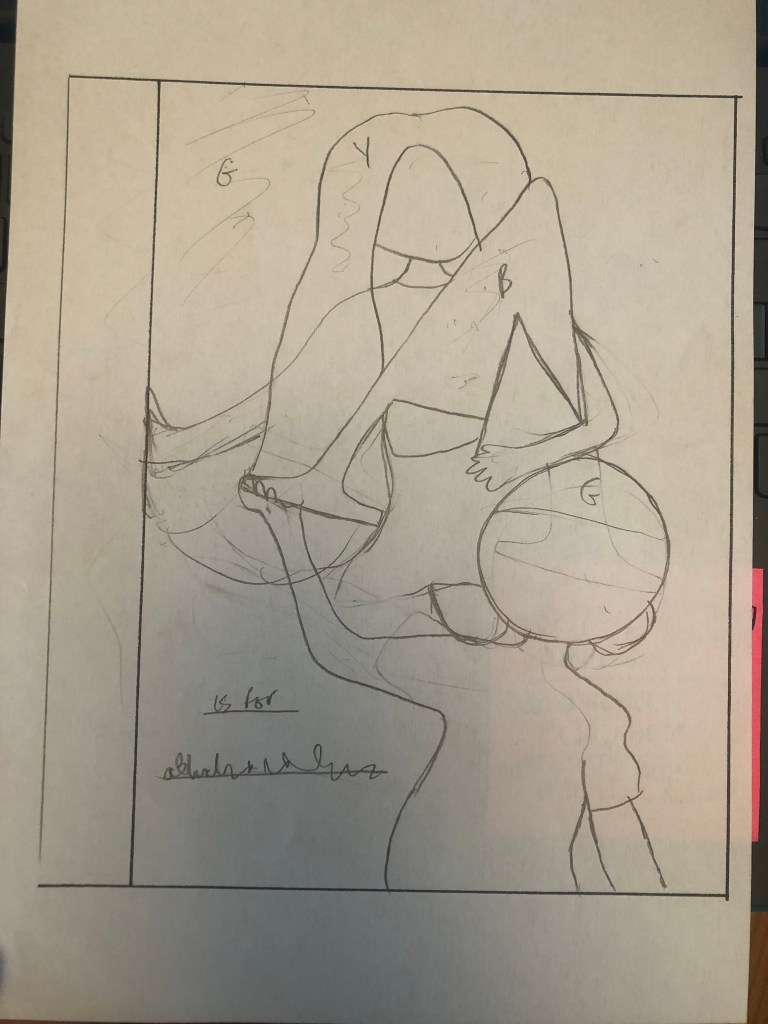
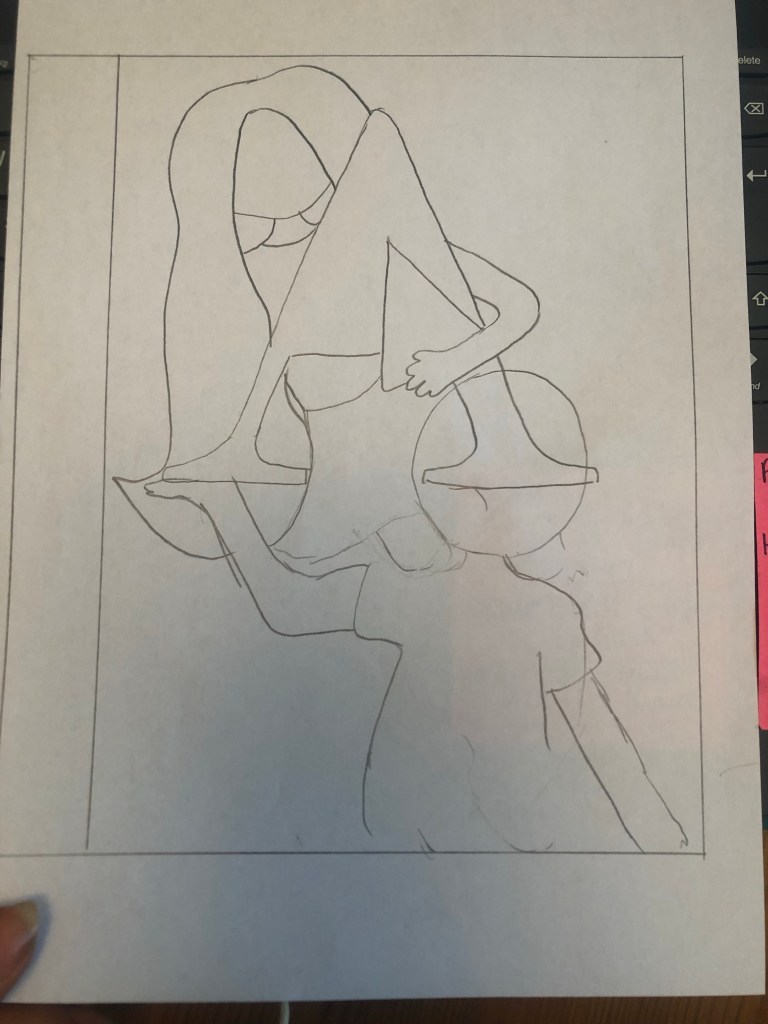
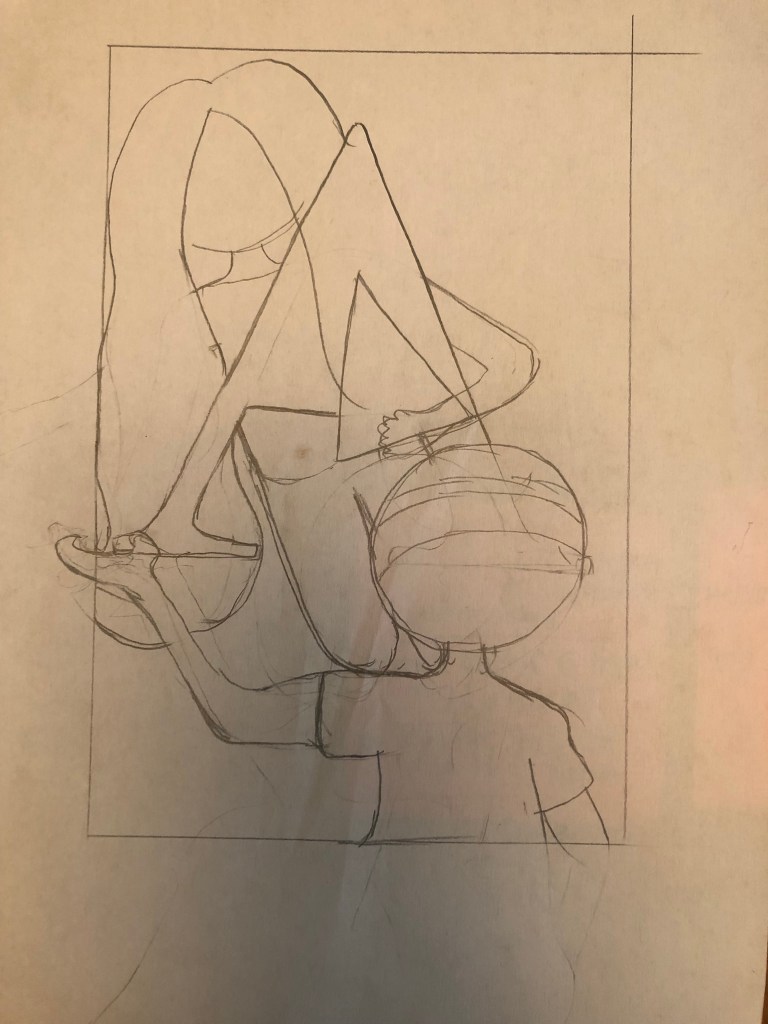
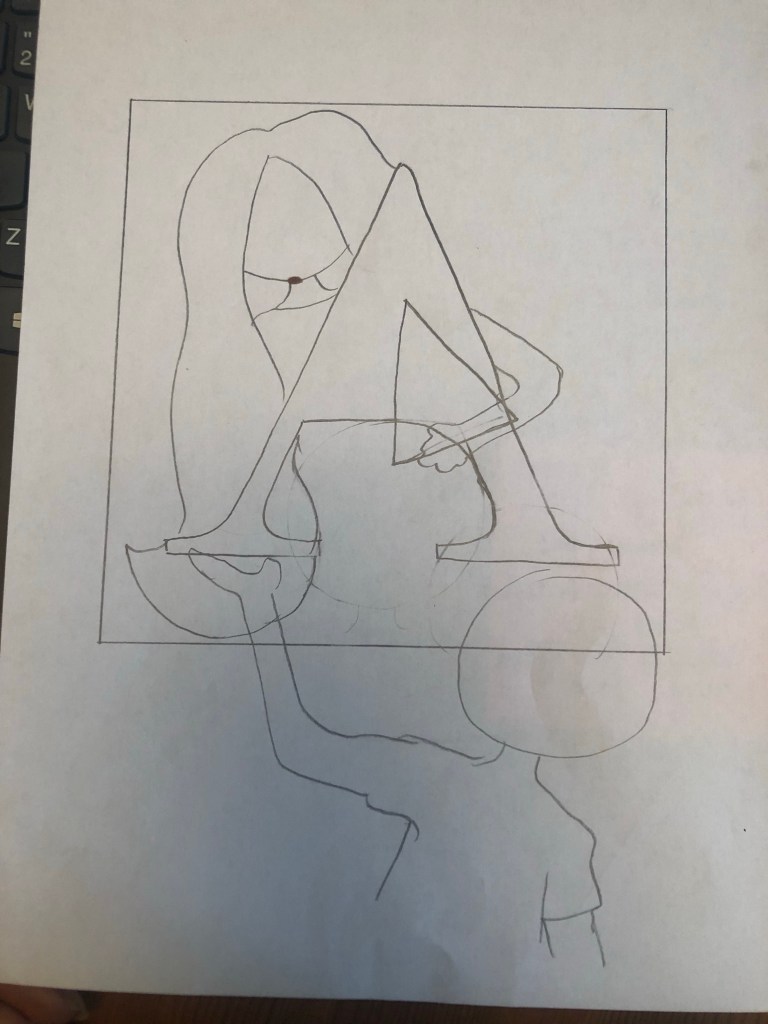
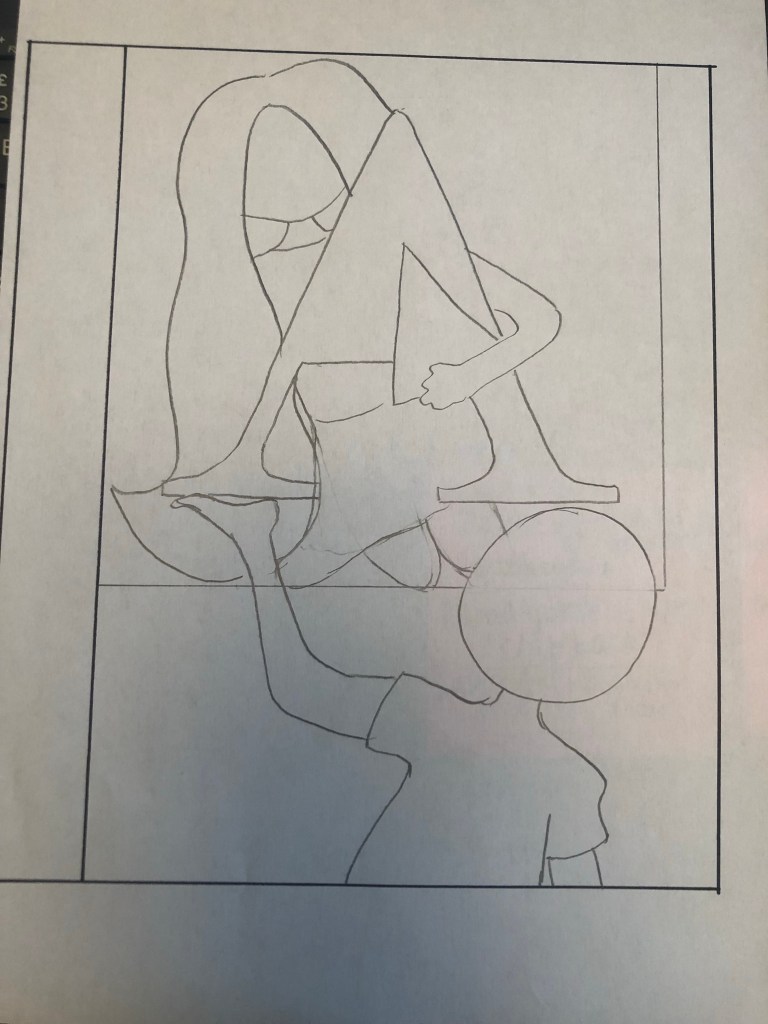



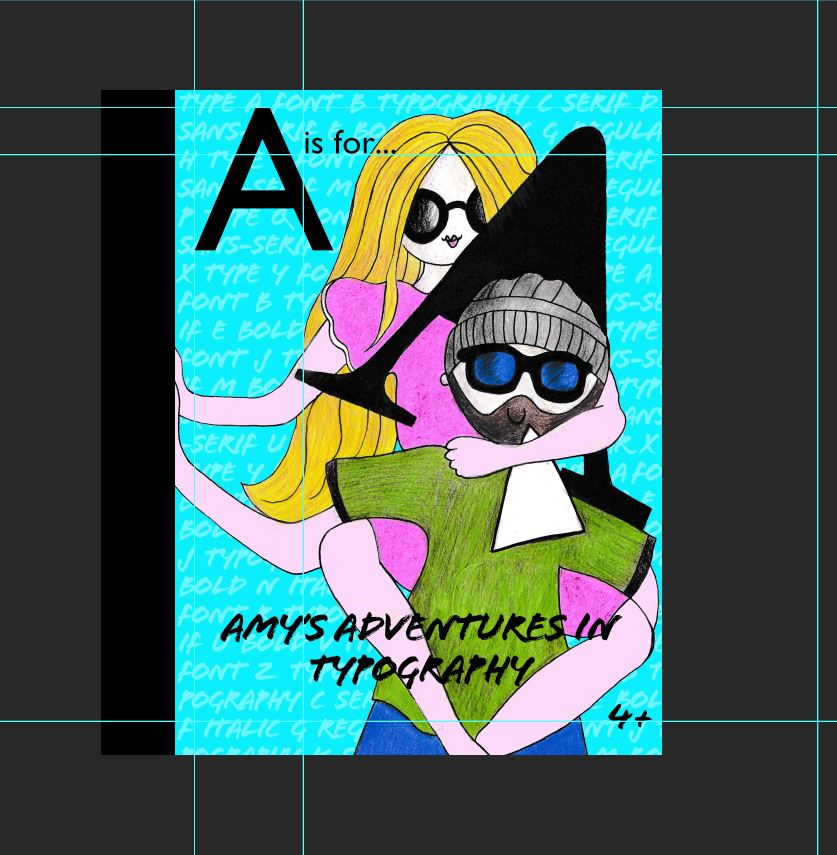
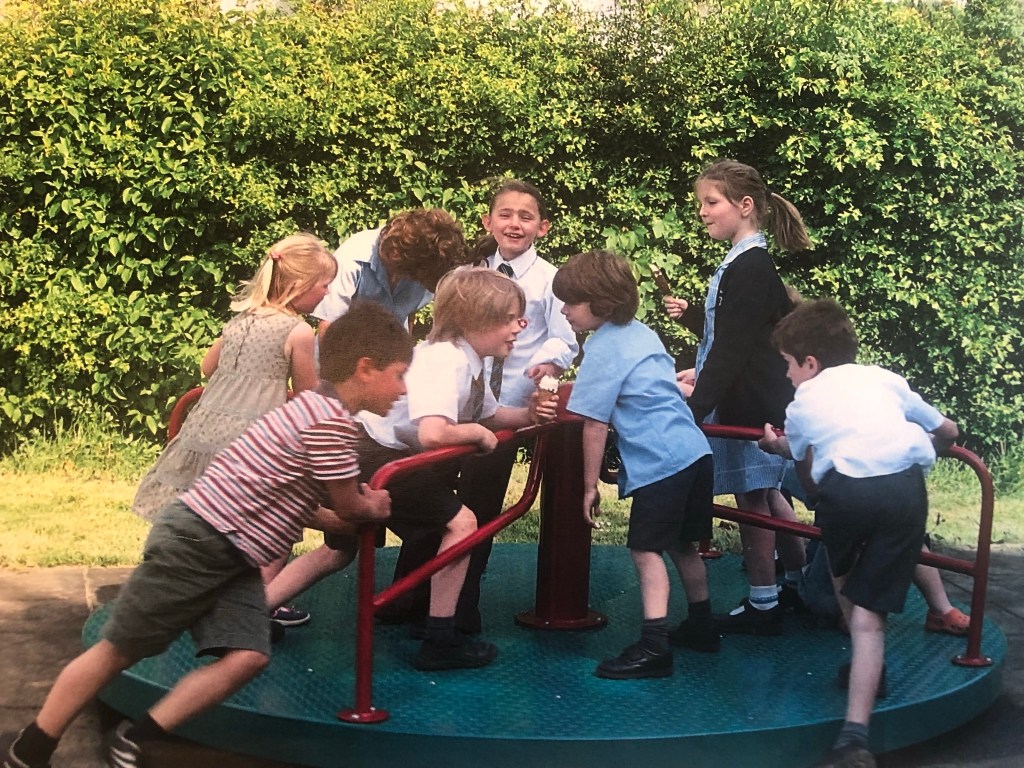

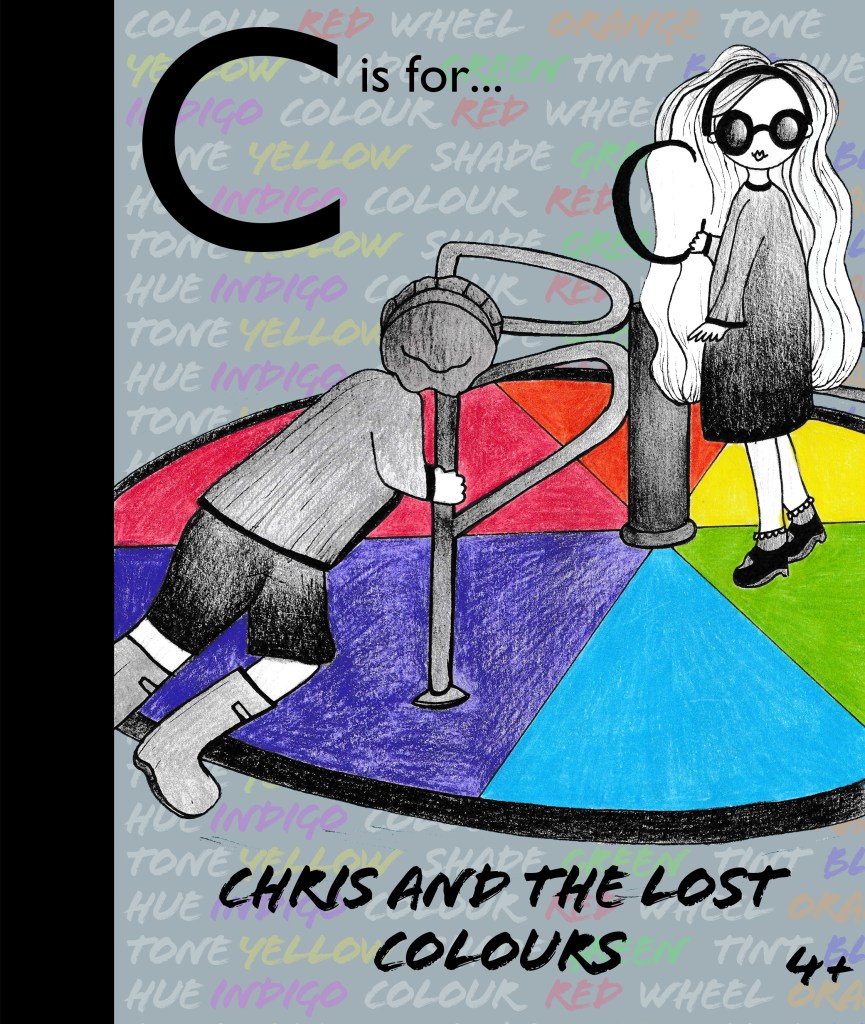

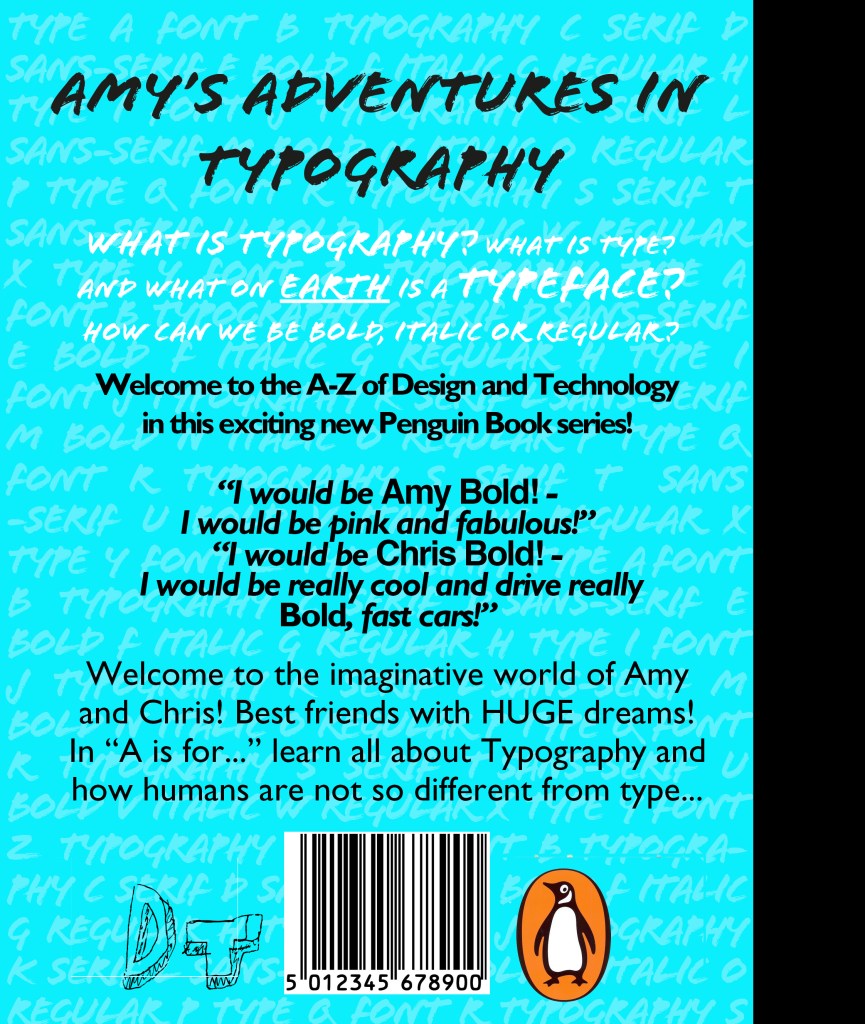
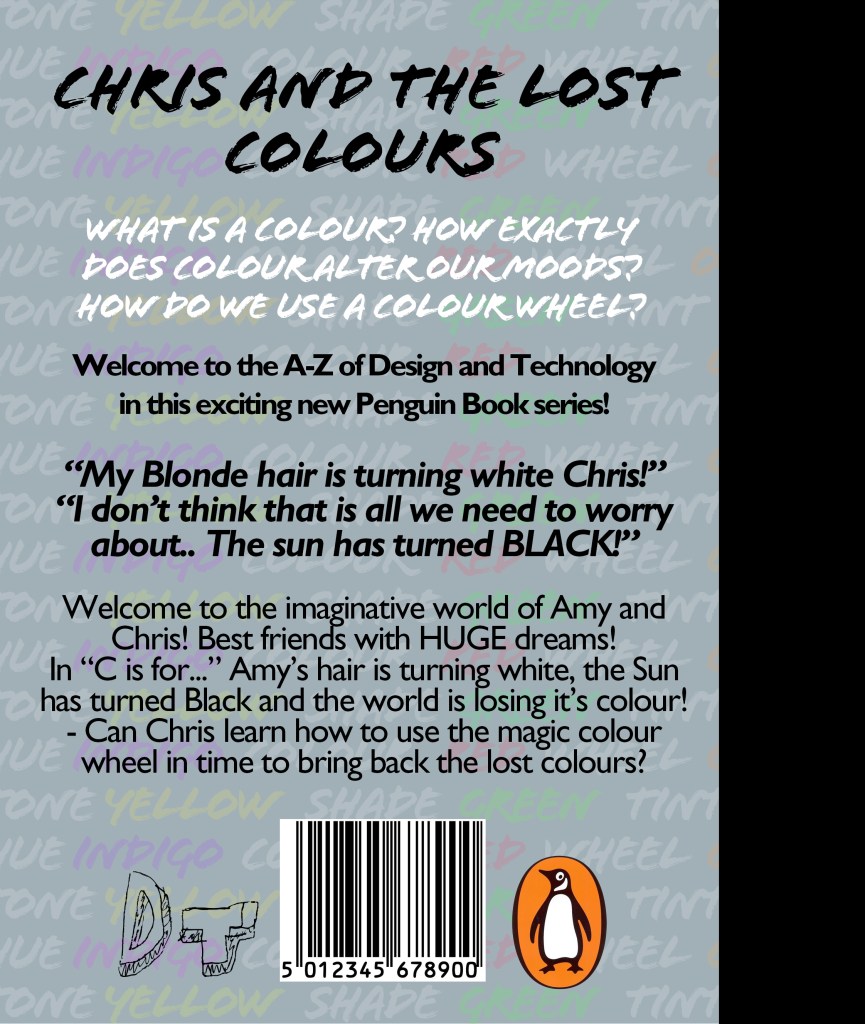





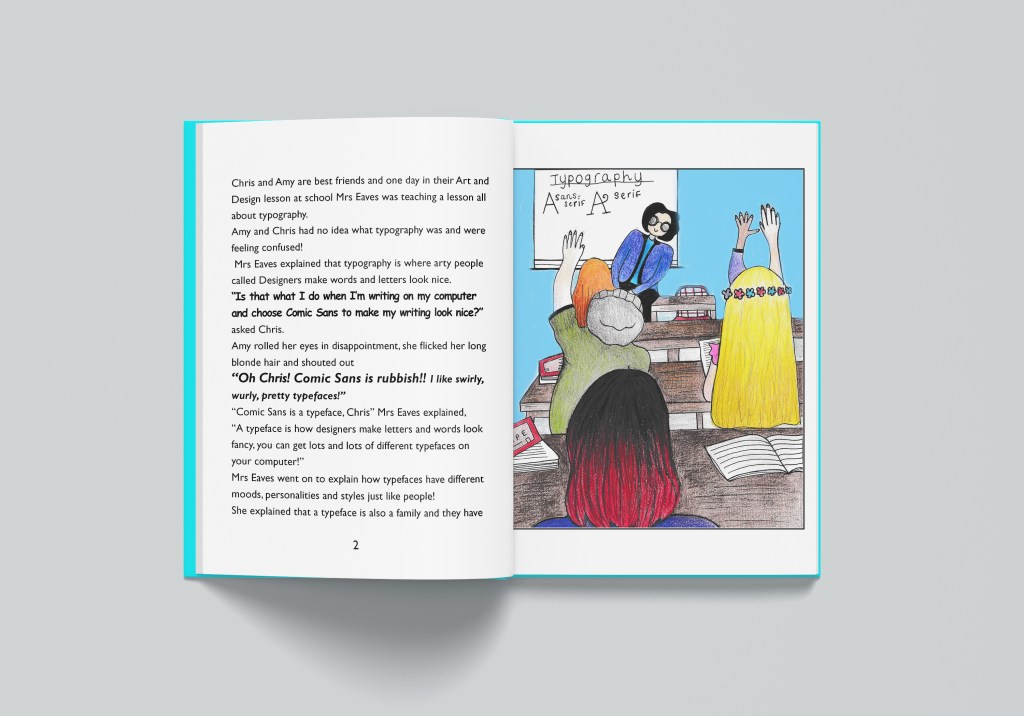
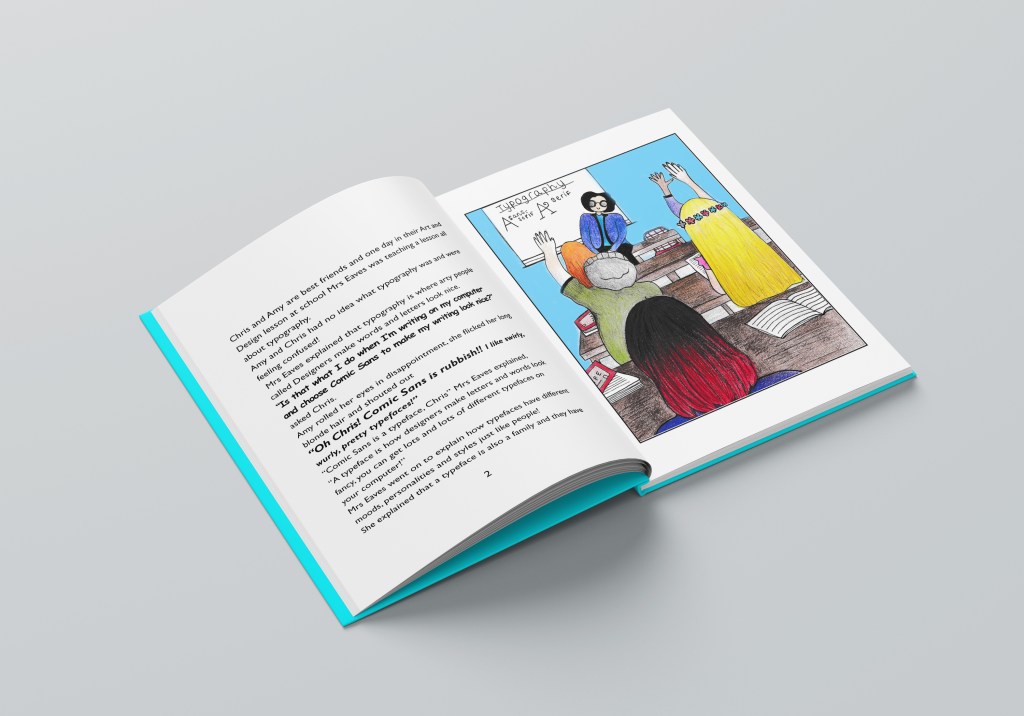


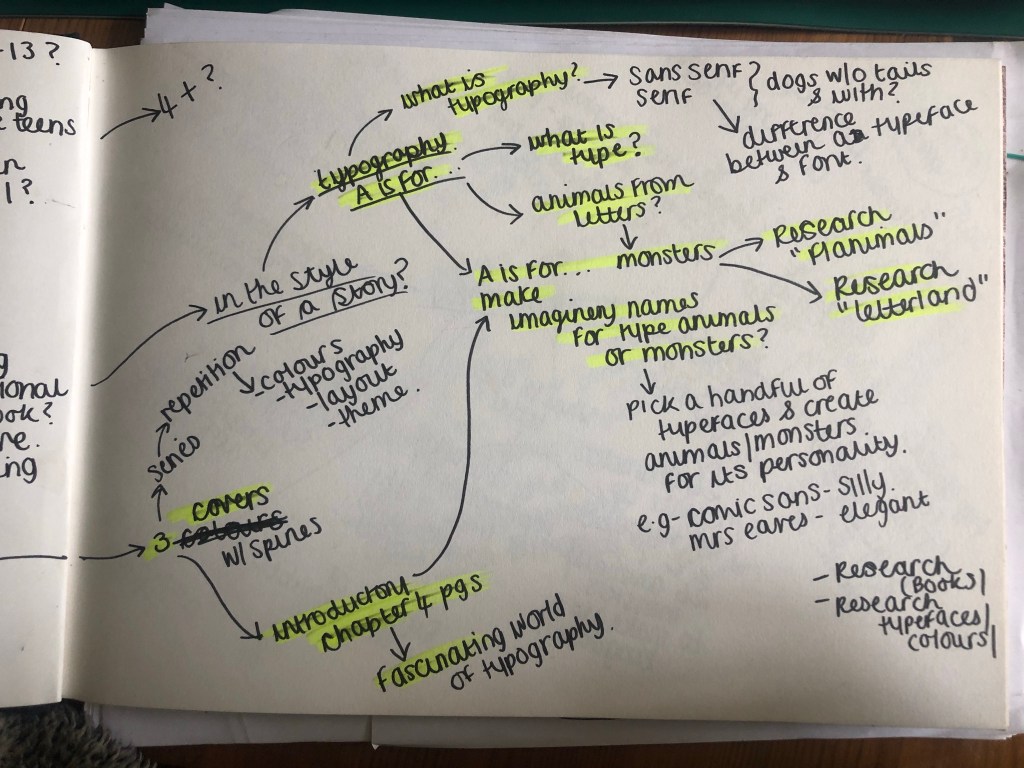
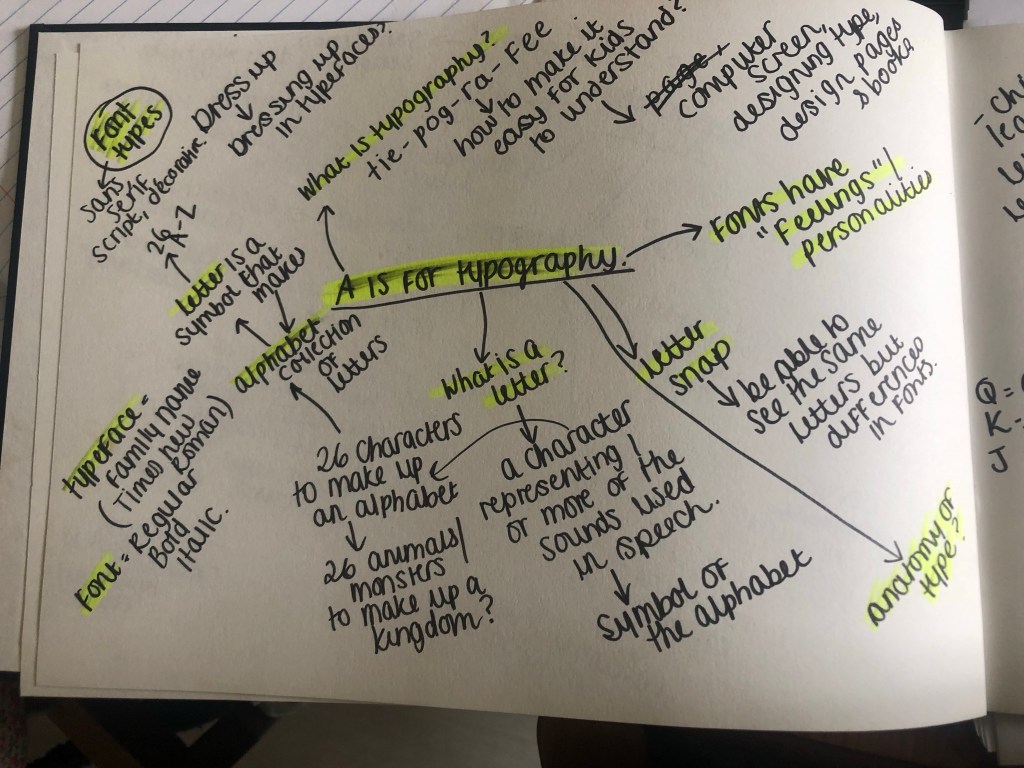
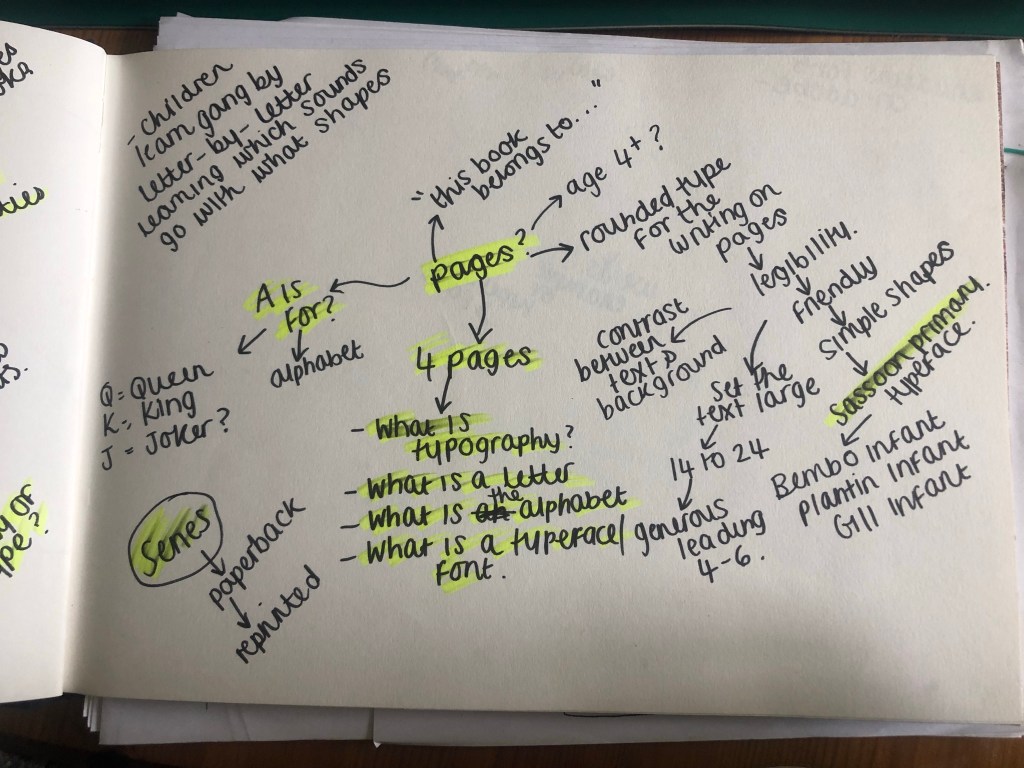
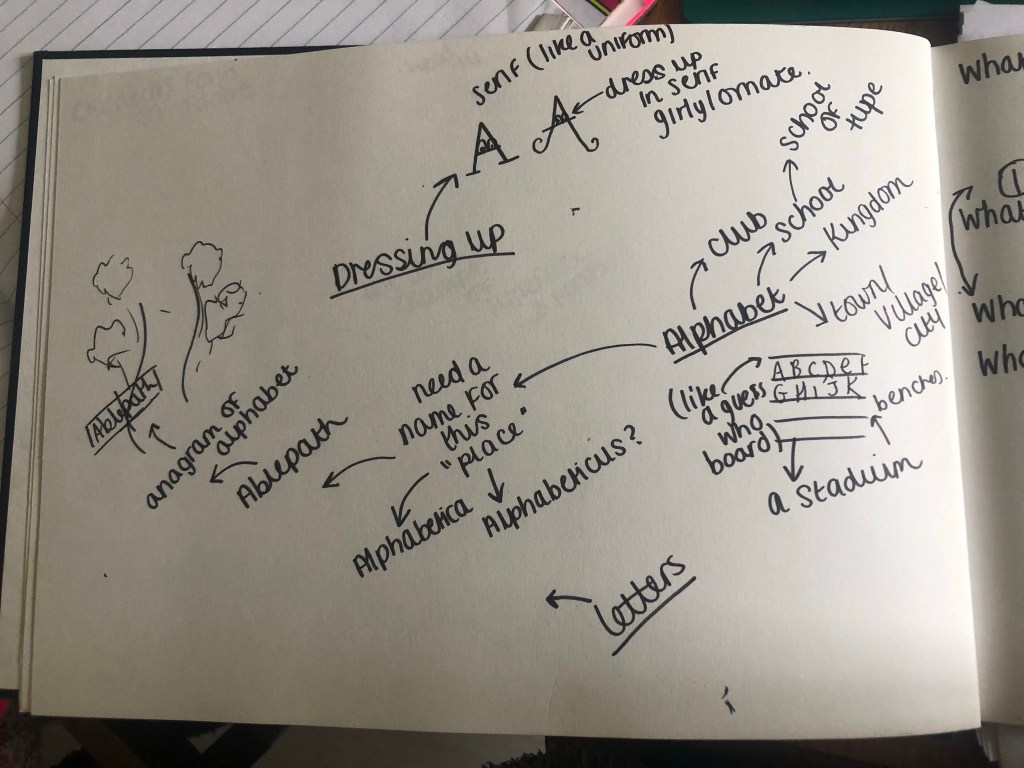




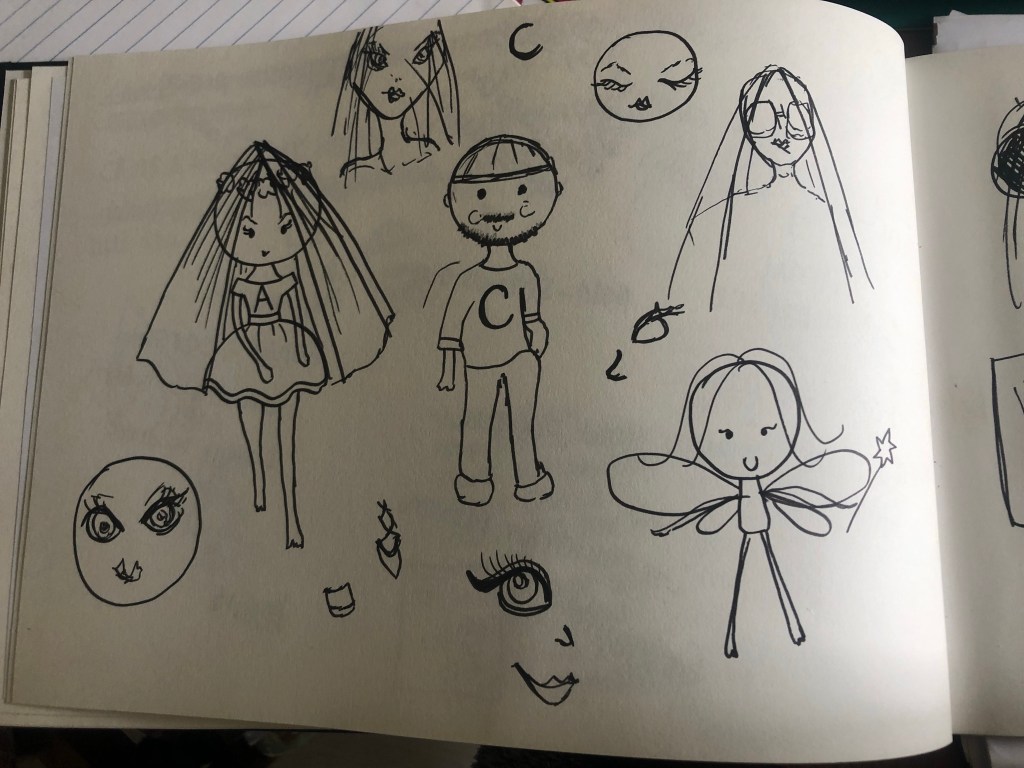

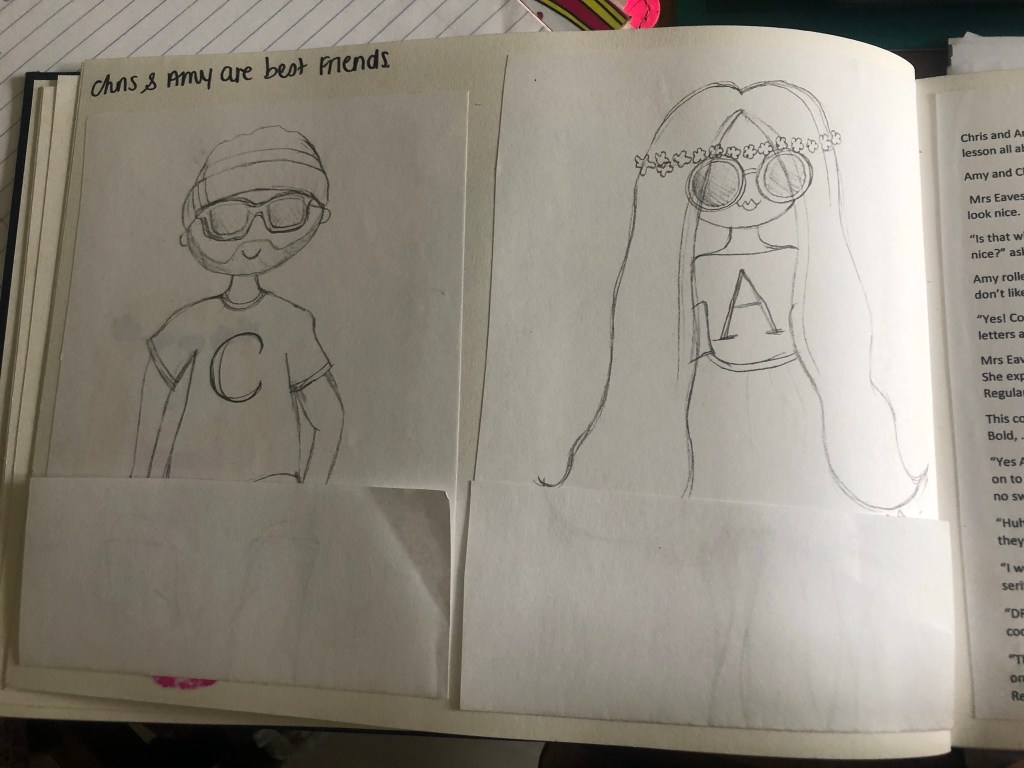

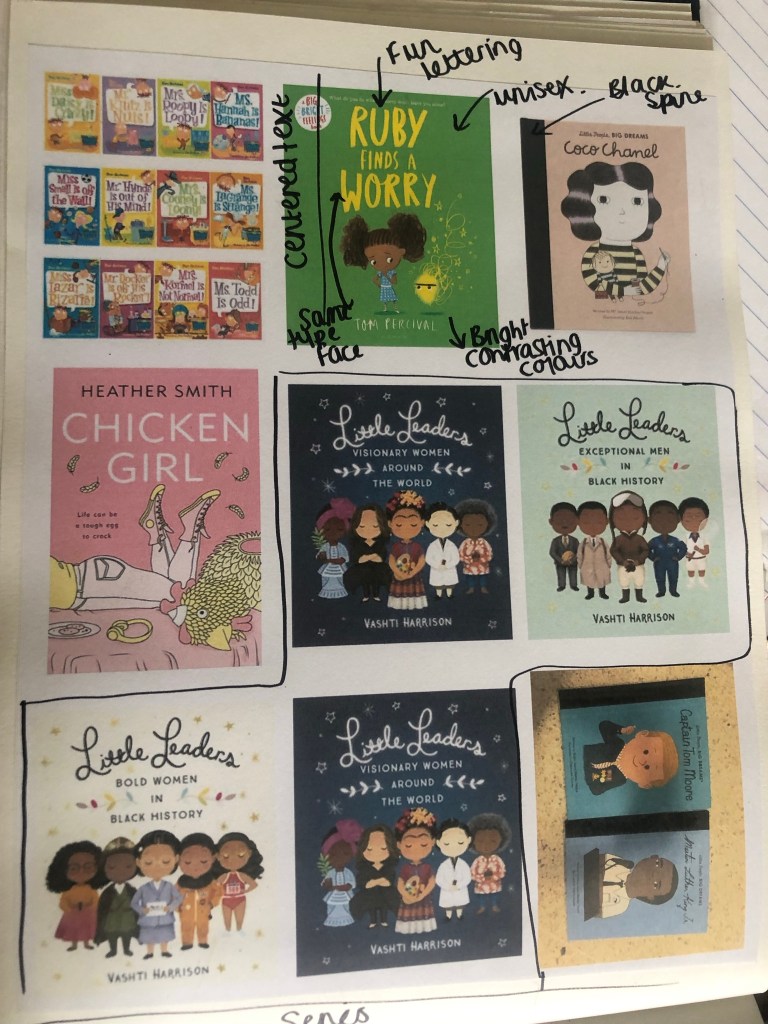
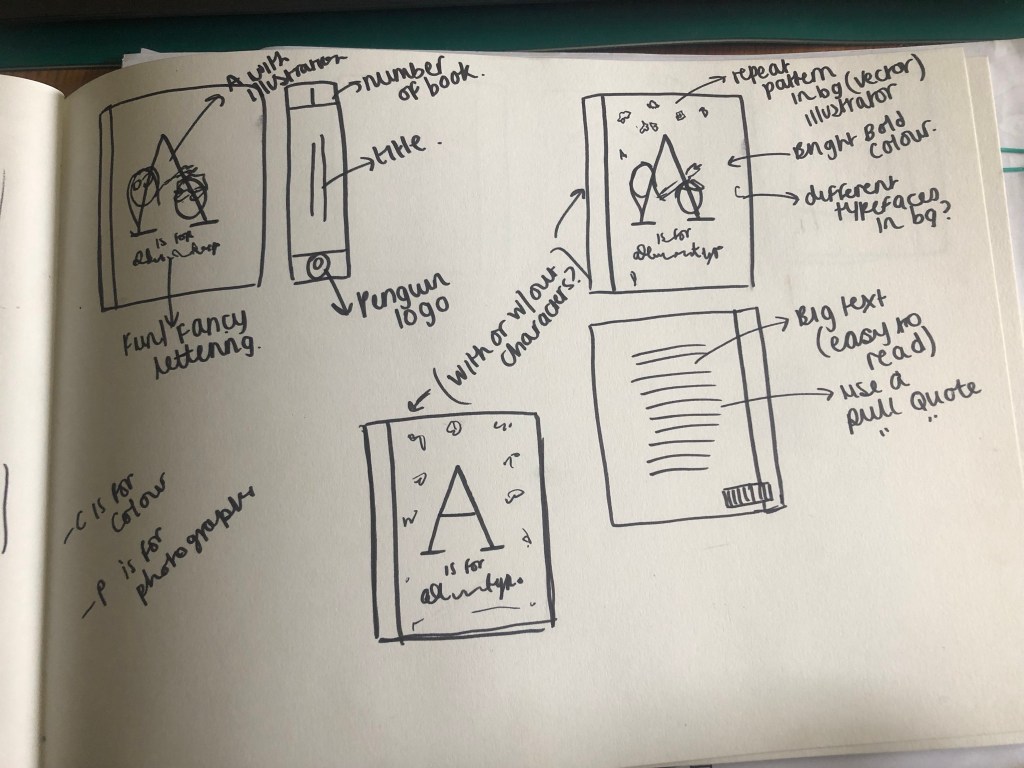
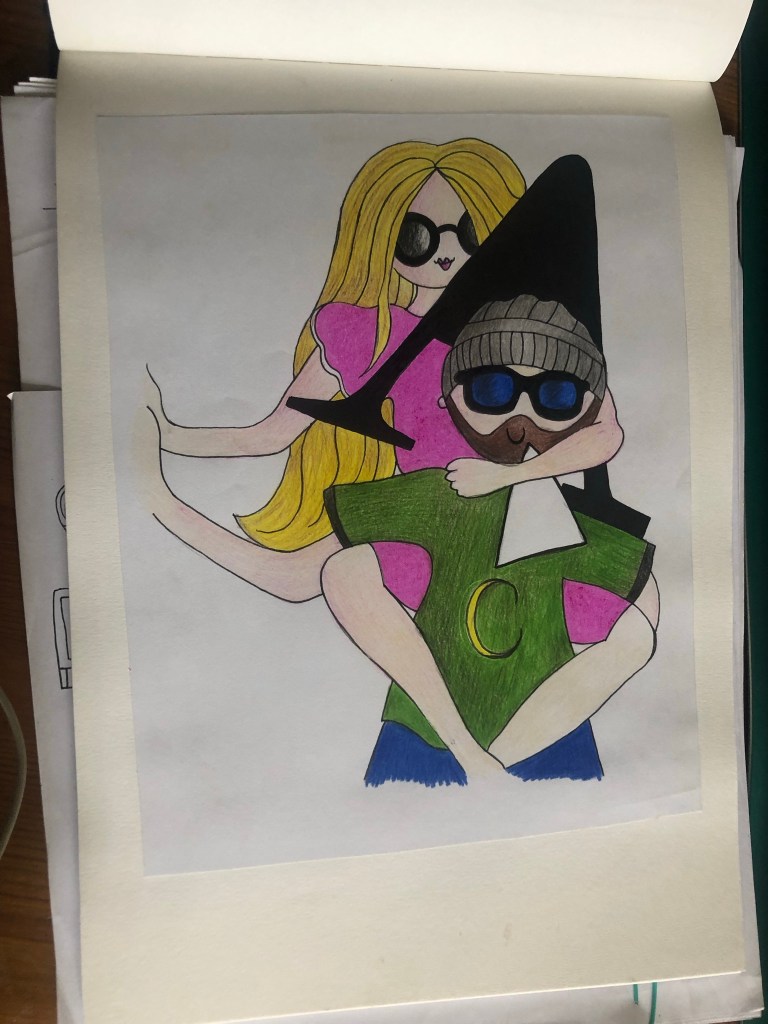
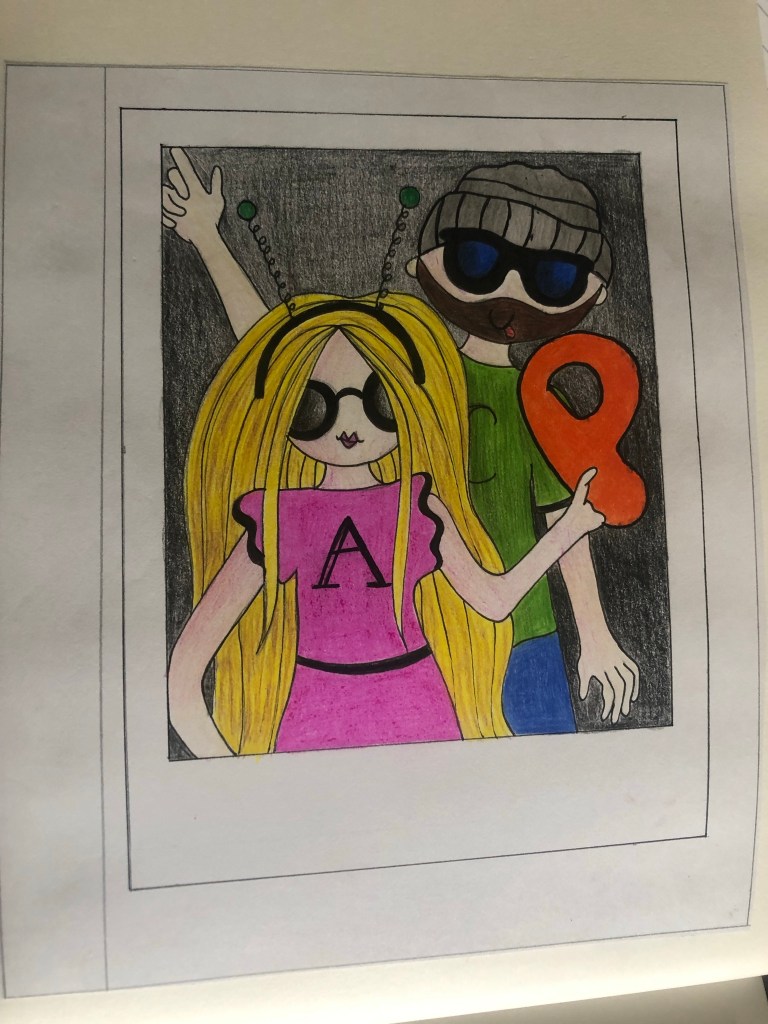
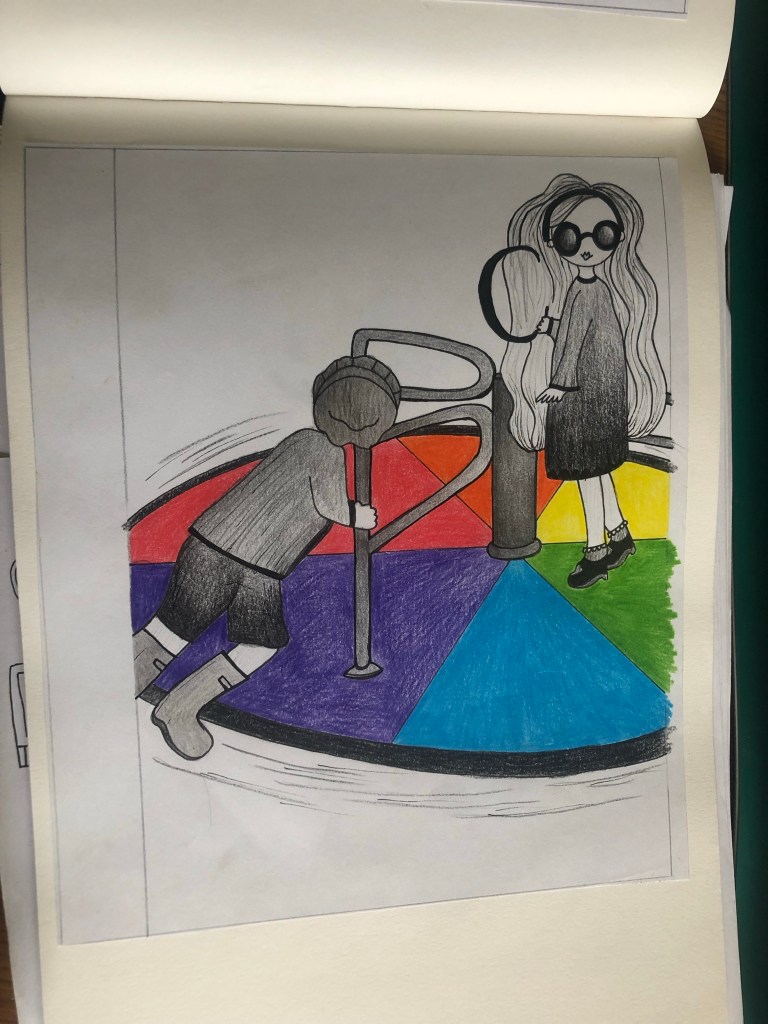

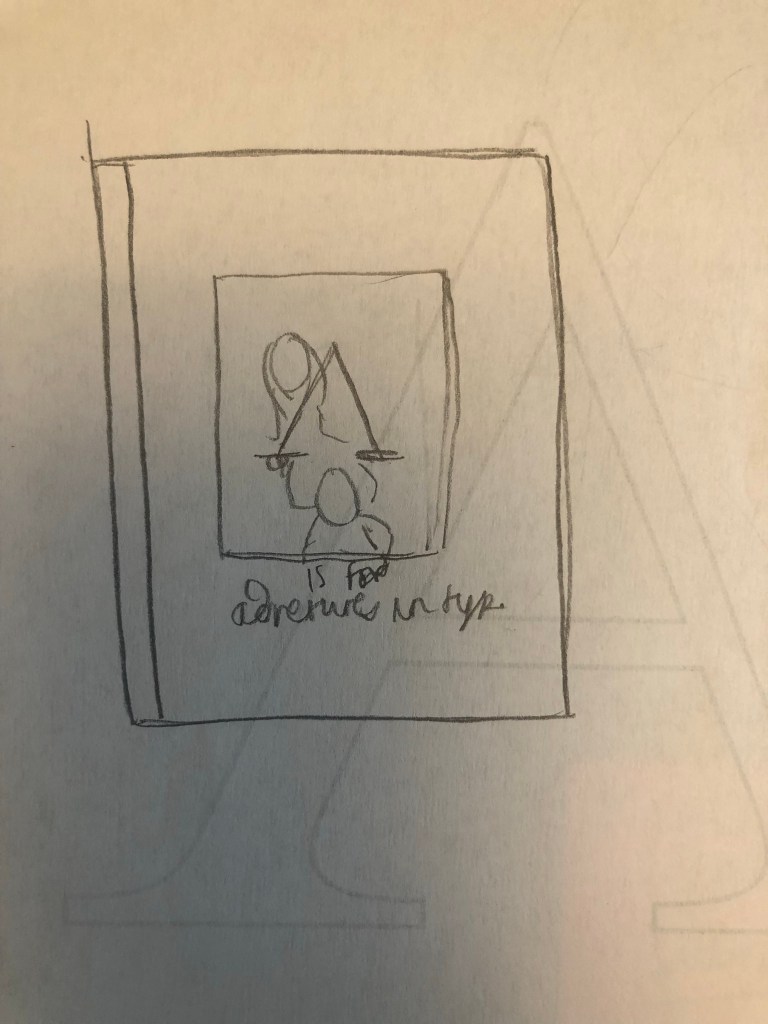
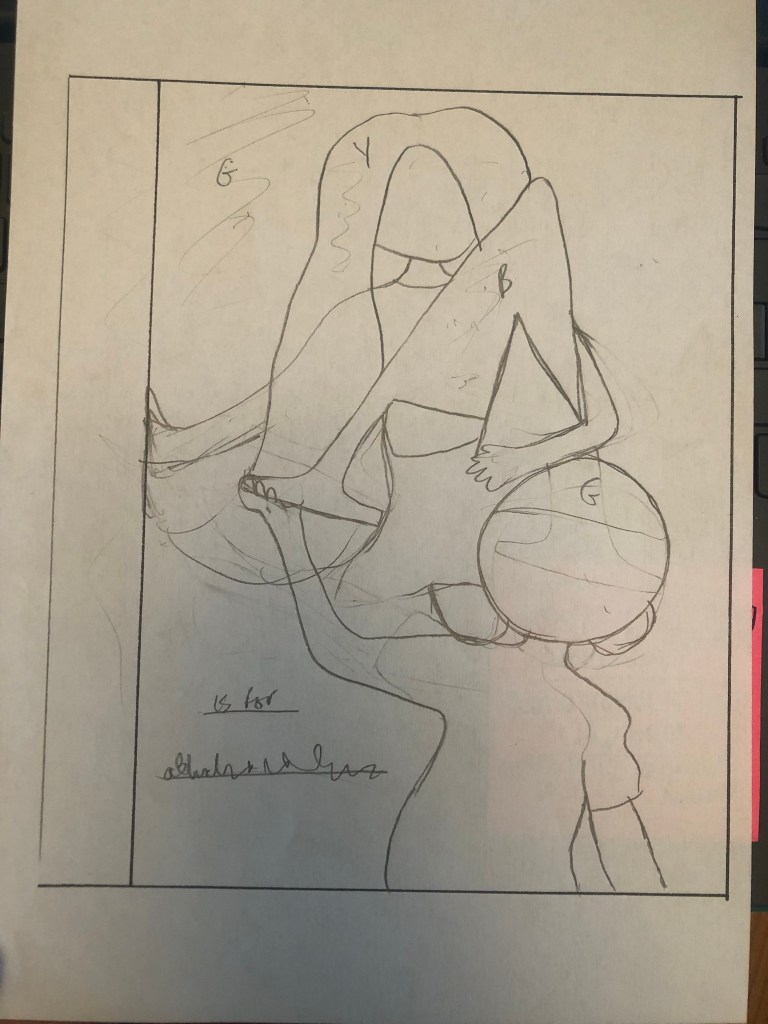
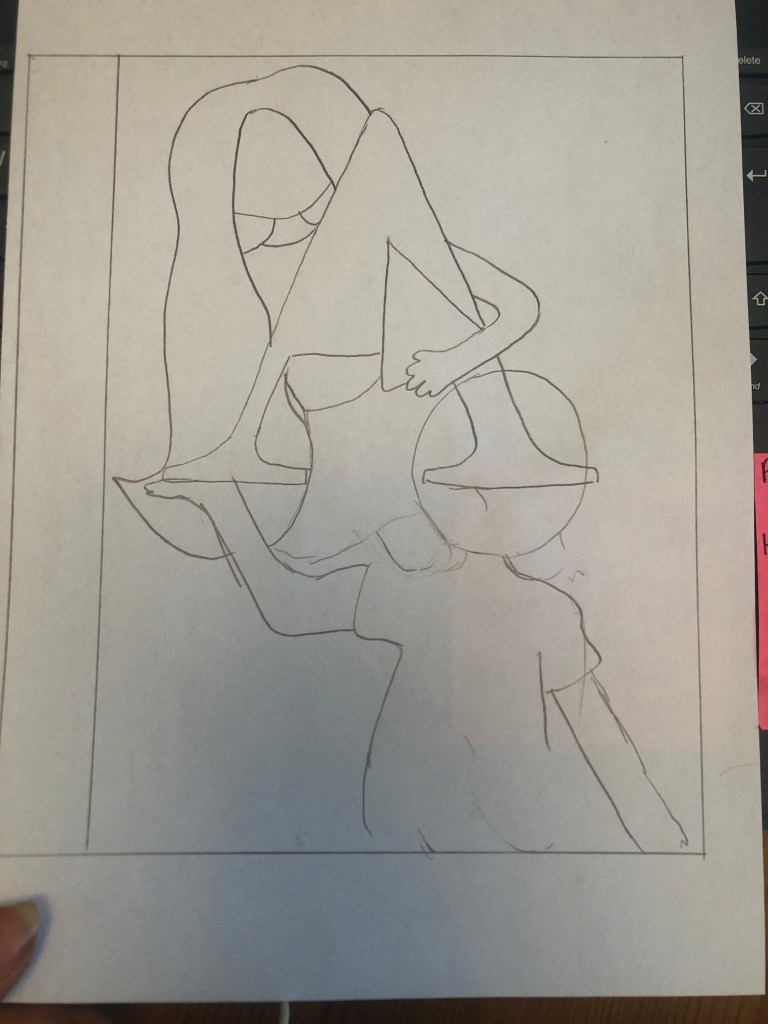
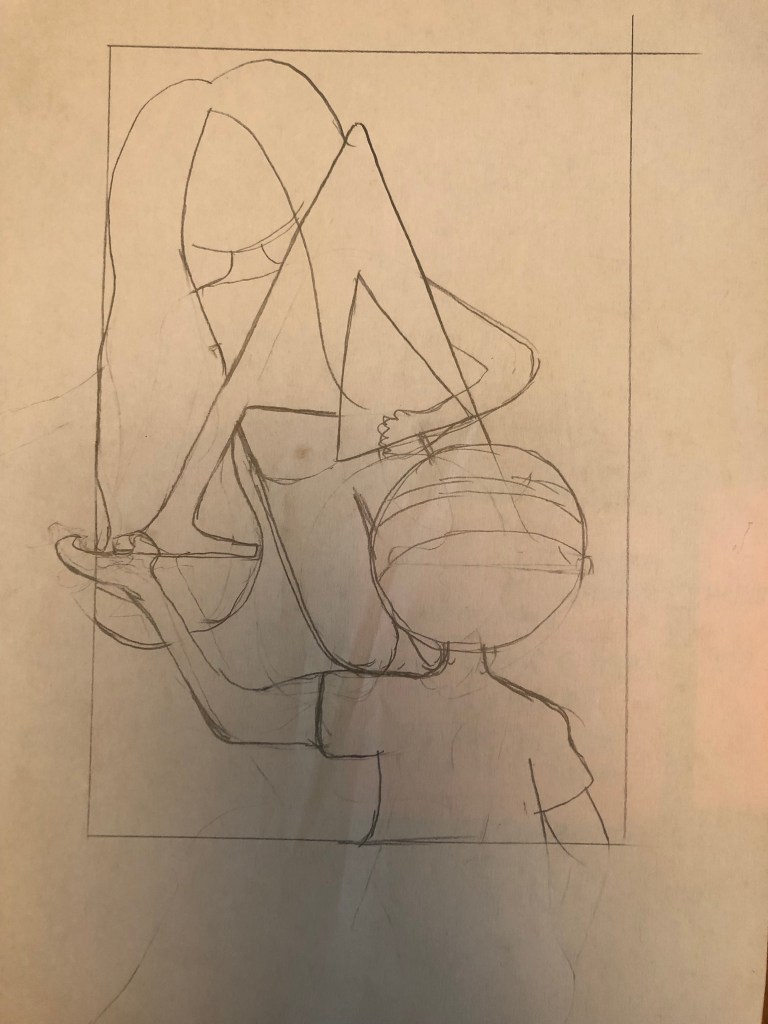

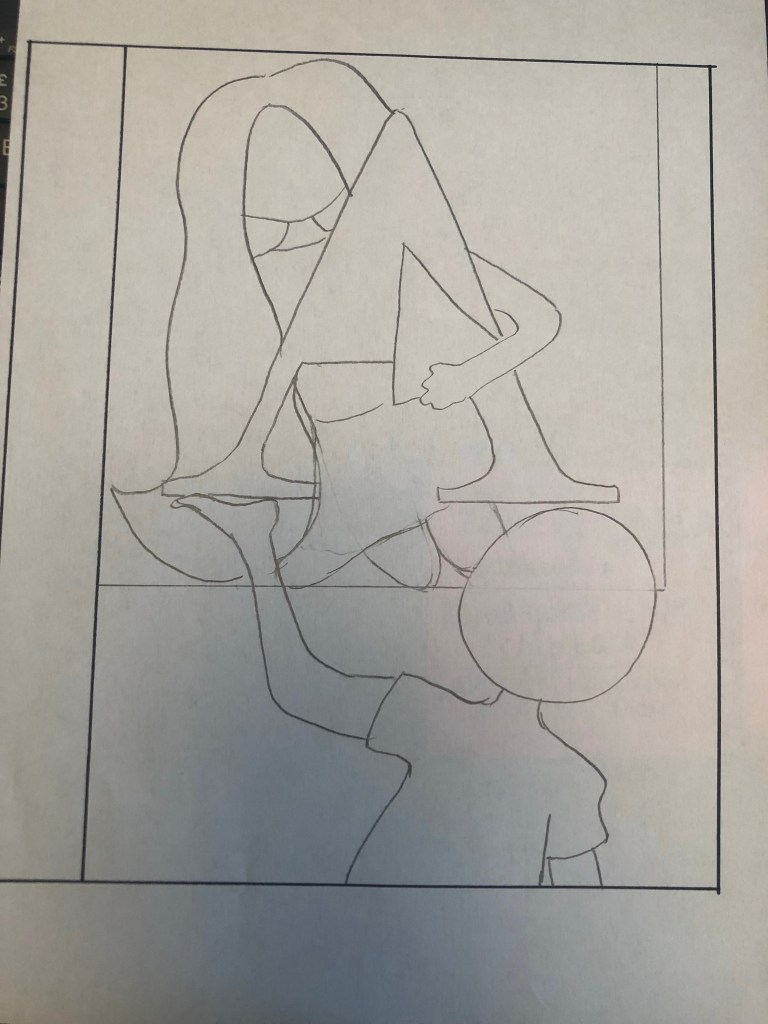
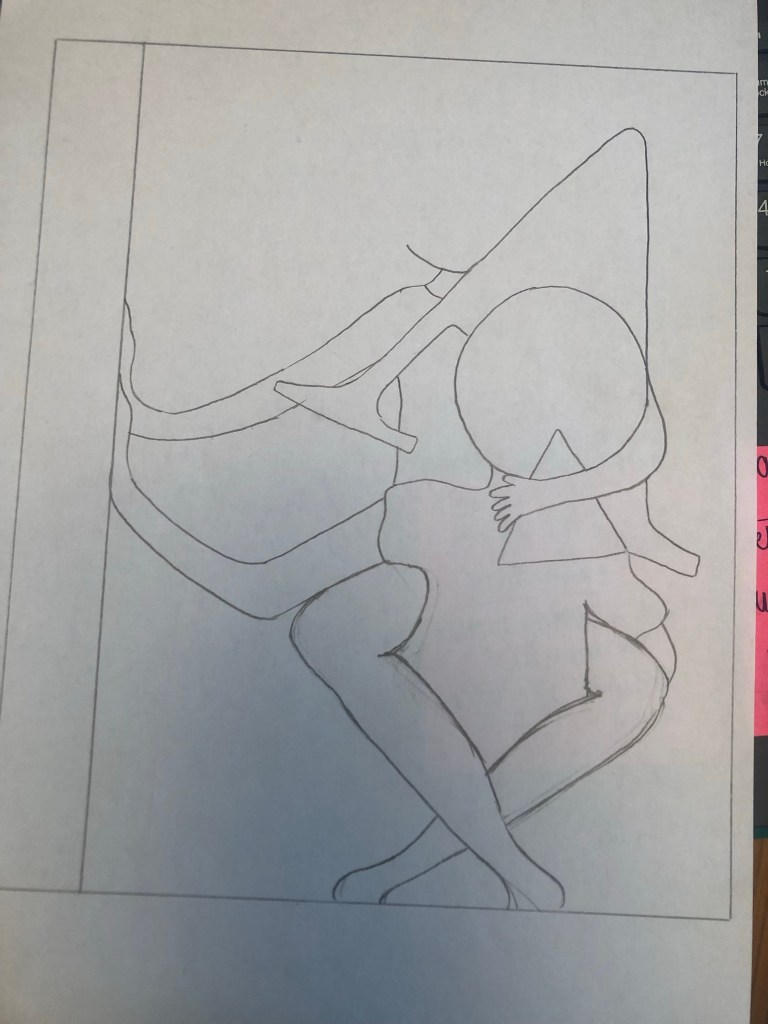
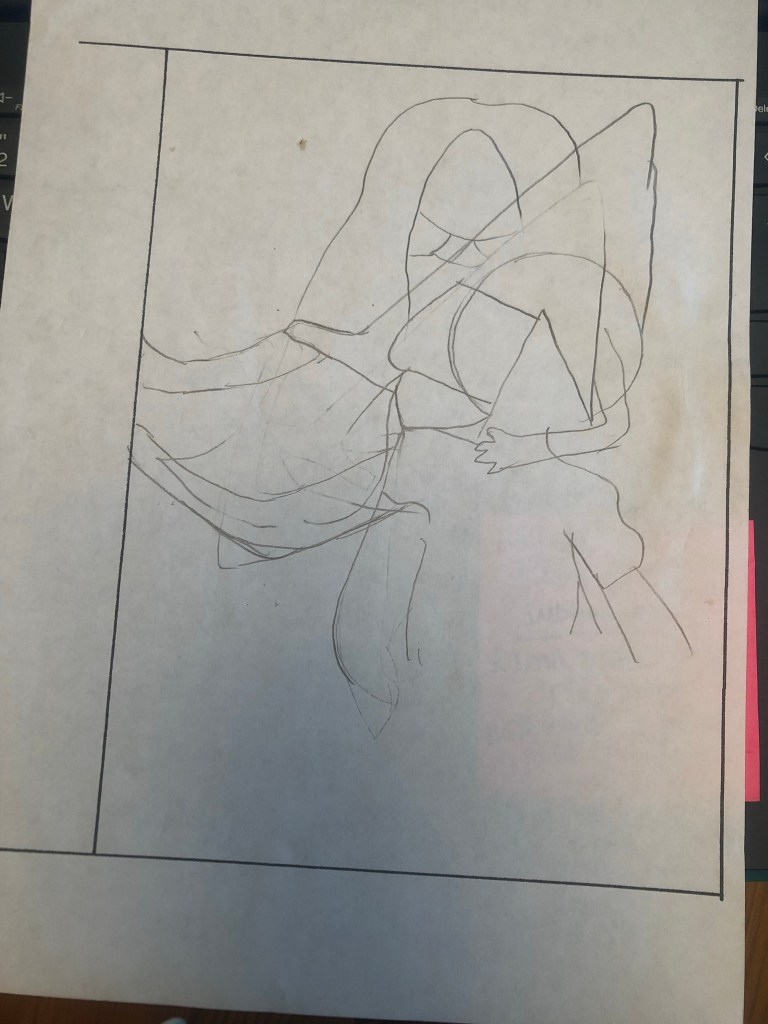
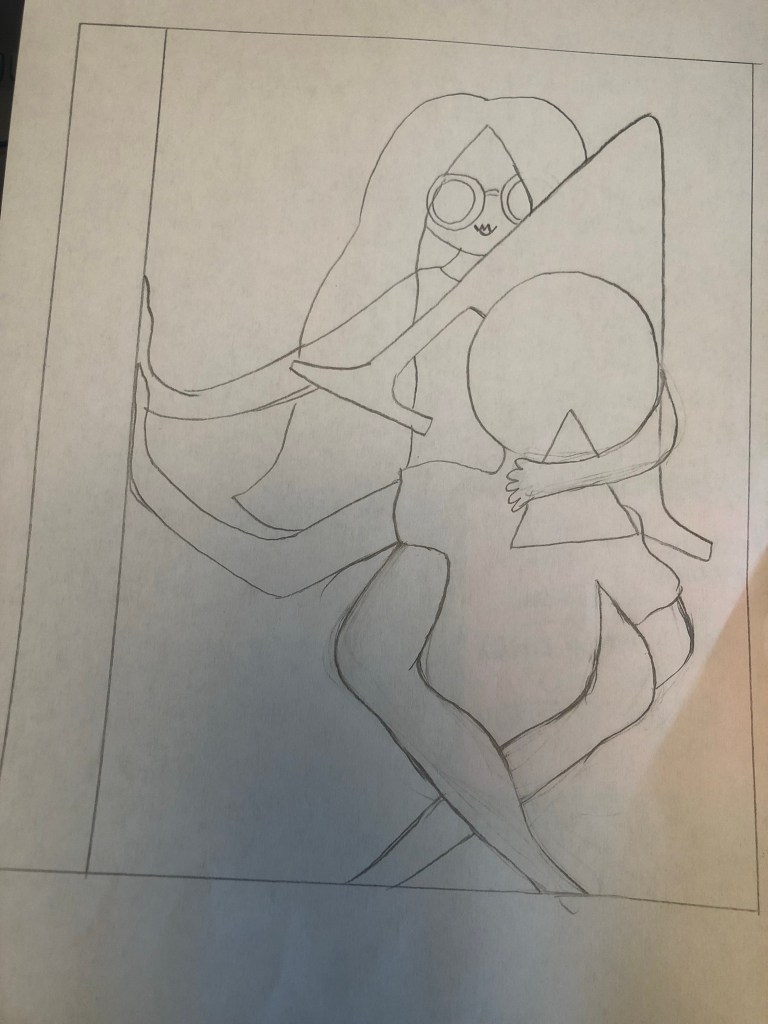

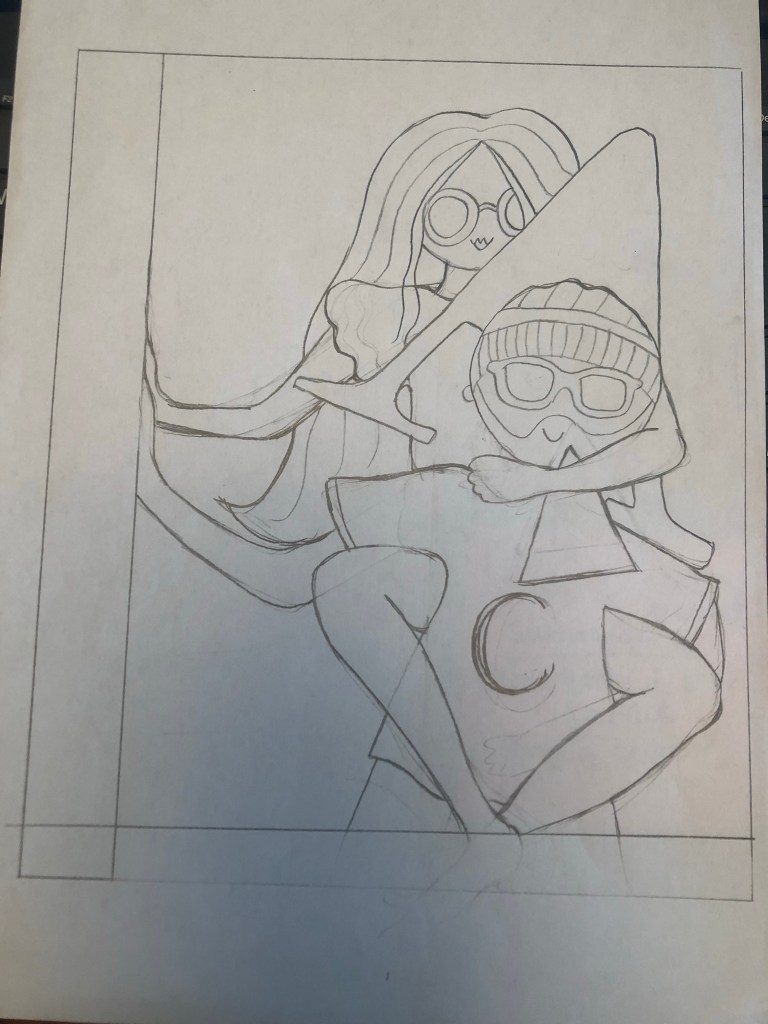
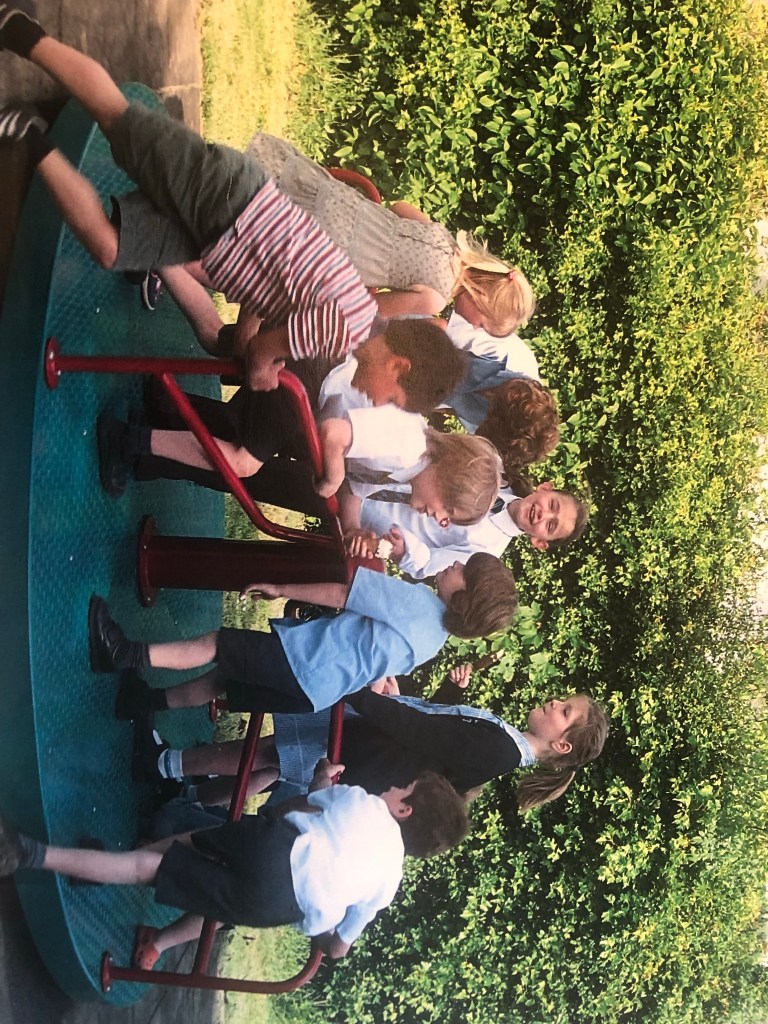


 pinkangeleno.com